
Why your Chicago homeowner insurance might not cover a slow leak
Chicago homeowners often discover too late that standard insurance policies rarely cover damage from slow leaks. If water has been seeping behind your walls or under your floors for weeks or months you could face thousands in repair costs. Understanding your policy’s limitations can save you from financial headaches when slow leaks strike. Who to call for emergency water damage cleanup in Chicago right now.
Slow leaks create hidden damage that grows worse over time. By the time you notice water stains on your ceiling or a musty smell in your basement the damage often extends far beyond what you can see. Mold can start growing within 24-48 hours and wood framing can become saturated and weakened. That’s why knowing what your policy covers matters before disaster strikes.. Read more about How to check for water damage behind built in cabinetry and custom millwork.
Chicago’s climate makes slow leaks particularly dangerous. Our freeze-thaw cycles cause pipes to crack and develop tiny pinhole leaks that go undetected for months. The high humidity from Lake Michigan accelerates mold growth once moisture appears. Many Chicago homes built before 1970 have aging plumbing systems prone to developing these problems.
The good news is that exceptions exist. Some policies cover hidden water damage if you can prove the leak was not due to neglect or lack of maintenance. If a slow leak suddenly becomes a major break that damage might be covered as a sudden event. You need to document everything carefully and act quickly to protect your rights.
The hidden seepage exception for Chicago homes
The hidden seepage exception offers your best hope for coverage when dealing with a slow leak. This applies when water damage occurs from a source that was not reasonably detectable before the damage happened. For example if a pipe behind your wall has been leaking slowly for weeks but there were no visible signs until now you might have a claim. Dealing with a flooded basement in Lakeview (and how to clean it up fast).
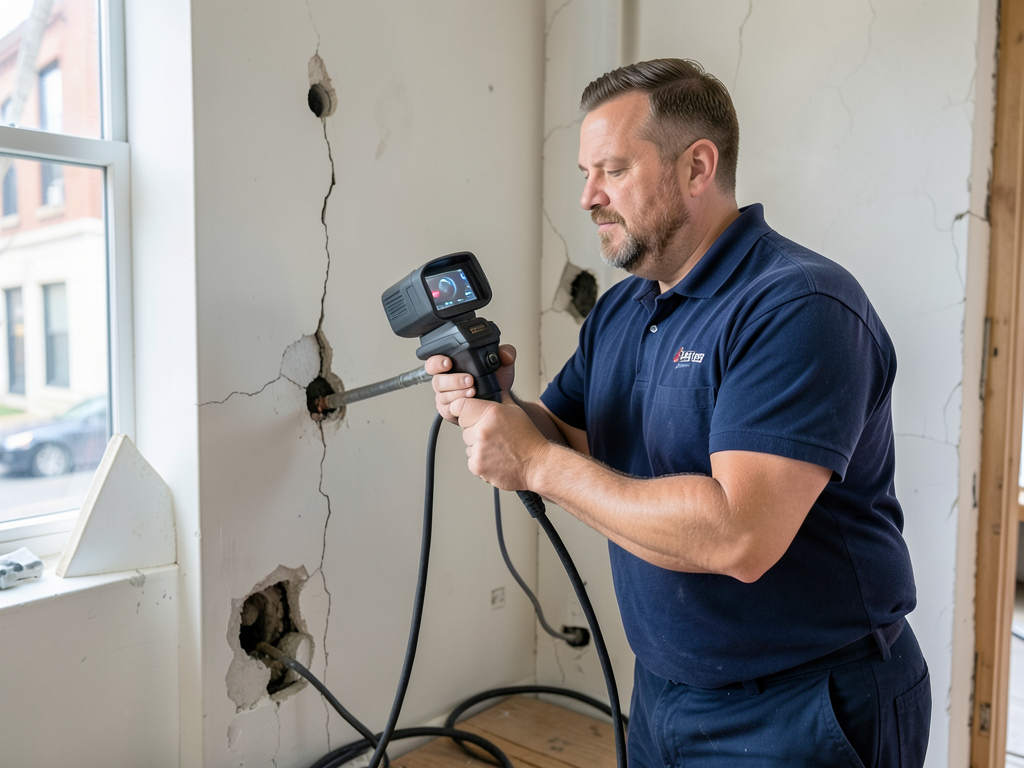
The key is proving the leak was truly hidden and not something you should have known about. Professional documentation becomes critical here. A certified water damage restoration company can use moisture meters thermal imaging cameras and other diagnostic tools to map the extent of the damage and establish when it likely began. Professional mold removal services for historic homes in Andersonville.
Under Illinois insurance regulations you must demonstrate that you took reasonable steps to maintain your property. This means showing you weren’t negligent in ignoring obvious signs of a problem. If you can prove the leak was truly hidden and you acted promptly once discovered your claim has a much better chance of approval. Illinois insurance regulations.
Many Chicago homeowners don’t realize that their insurance company expects them to mitigate damage once they discover a problem. This means stopping the leak drying out affected areas and preventing further damage. If you wait weeks to address a slow leak your insurance company might argue that you contributed to the damage by not acting sooner.
Common reasons Chicago insurance claims get denied
Insurance companies in Chicago deny slow leak claims for several specific reasons. The most common is the wear and tear exclusion. If your insurance adjuster determines that the leak resulted from aging pipes or poor maintenance they can deny your claim based on this exclusion.
Another frequent reason for denial is the gradual damage clause. Most standard policies distinguish between sudden accidental damage like a pipe bursting during a freeze and damage that occurs over time. Slow leaks fall into the gradual category which is typically excluded from coverage. Fast response for burst pipe water damage in Lincoln Park.
Negligence is another major factor. If you knew about a small leak but didn’t fix it your insurance company can argue that you failed to maintain your property properly. This is especially true in Chicago’s older neighborhoods where many homes have aging plumbing systems that require regular inspection and maintenance.
Finally some claims are denied because the damage is considered a maintenance issue rather than an insurable event. For example if a slow leak from your water heater damages your basement floor your insurance might argue that replacing a failing water heater is a maintenance responsibility not a sudden accident.. Read more about What to do when your radiant floor heating system leaks in North Park.
Filing a claim for slow leak damage in Chicago
If you discover a slow leak in your Chicago home follow these steps to maximize your chances of getting insurance coverage. First stop the source of the leak immediately. This might mean shutting off the main water valve or calling an emergency plumber. Your insurance company expects you to prevent further damage.
Next document everything thoroughly. Take photos and videos of all affected areas before you start any cleanup. Use a moisture meter to measure water levels in walls and floors. Keep all receipts for emergency services even if you’re not sure what’s covered. This documentation will be crucial when filing your claim.
Then contact your insurance company right away. Most policies require you to report damage promptly. When you call be specific about when you discovered the problem and what steps you’ve taken to mitigate the damage. Avoid admitting fault or speculating about the cause of the leak.
After notifying your insurance company call a professional water damage restoration company. They can provide the detailed assessment and documentation your insurance company will require. Look for a company that works with insurance claims regularly and understands what information adjusters need to approve coverage.
Finally keep a detailed log of all communications with your insurance company. Note the date time and content of every phone call and email. This can be invaluable if there are disputes about your claim later in the process.
Chicago’s unique climate challenges
Chicago’s climate creates specific challenges for homeowners dealing with slow leaks. Our extreme temperature swings cause pipes to expand and contract leading to tiny cracks that develop into slow leaks over time. The freeze-thaw cycle is particularly hard on older plumbing systems common in many Chicago neighborhoods.
The high humidity levels near Lake Michigan create perfect conditions for mold growth once moisture is present. Even a small slow leak can lead to significant mold problems in Chicago’s climate. Mold can begin growing within 24-48 hours of water exposure and some species can cause serious health problems if left untreated.
Chicago’s combined sewer system common in older neighborhoods like Lincoln Park and Lakeview can also contribute to slow leak problems. When heavy rains overwhelm the system water can back up into basements through floor drains or cracks in foundation walls. This creates moisture problems that can lead to slow ongoing damage.
The age of Chicago’s housing stock is another factor. Many homes in neighborhoods like Logan Square and West Loop were built before modern plumbing standards making them more susceptible to slow leaks. Galvanized pipes common in homes built before the 1960s can corrode from the inside out creating pinhole leaks that are difficult to detect until significant damage has occurred.
Understanding your policy’s coverage limits
Most Chicago homeowners have either an HO-3 or HO-5 policy and understanding the difference is crucial for slow leak claims. HO-3 policies provide open-peril coverage for your home’s structure but named-peril coverage for personal property. This means sudden events like burst pipes are covered but gradual damage from slow leaks is often excluded.
HO-5 policies offer more comprehensive coverage but still typically exclude gradual damage. However they may provide better coverage for hidden water damage if you can prove the leak wasn’t due to neglect. The higher premiums for HO-5 policies might be worth it if you’re concerned about slow leak coverage.
Many Chicago homeowners don’t realize that standard policies have specific sub-limits for certain types of damage. For example most policies limit coverage for mold remediation to around $10000 which might not be enough if you have extensive mold growth from a long-term slow leak. Some insurers offer mold endorsements that increase this coverage for an additional premium.
Water backup coverage is another important consideration. This optional endorsement covers damage from sewer backups and sump pump failures which are common problems in Chicago’s older neighborhoods. If your slow leak involves sewage or causes your sump pump to fail this coverage could be crucial. Get sewage backup out of your West Loop basement before the damage spreads.
Preventing slow leaks in Chicago homes
While understanding your insurance coverage is important preventing slow leaks in the first place is even better. Regular plumbing inspections can identify potential problems before they become major issues. Look for signs of corrosion on visible pipes check for water stains on ceilings and walls and pay attention to any unusual sounds from your plumbing system.
Installing water leak detection systems can provide early warning of slow leaks. These systems use moisture sensors placed in areas prone to leaks like under sinks and near water heaters. Some advanced systems can automatically shut off your water supply if they detect unusual water flow preventing extensive damage from slow leaks.
Maintaining proper humidity levels in your home can also help prevent slow leak damage. Use dehumidifiers in basements and crawl spaces especially during Chicago’s humid summers. This reduces the moisture that can accelerate mold growth and makes it easier to detect new water problems.
Consider upgrading older plumbing components before they fail. Galvanized pipes typically last 40-50 years so if your home is older than that replacement might be wise. Similarly water heaters usually need replacement every 8-12 years. Proactive replacement can prevent the slow leaks that often occur as these components age.
When to call a professional
Knowing when to call a professional can make the difference between a covered claim and a denied one. If you notice water stains musty odors or unexplained increases in your water bill these could be signs of a slow leak. Don’t wait to see if the problem resolves itself call a professional immediately.
Professional water damage restoration companies have specialized equipment that can detect moisture in walls and floors that you can’t see. They use thermal imaging cameras to identify temperature differences that indicate water presence and moisture meters to measure exact moisture levels. This documentation is often crucial for insurance claims.
If you discover a slow leak that has caused significant damage a professional restoration company can also help with the insurance claim process. They understand what insurance companies need to approve claims and can provide the detailed documentation required. Some companies even offer direct billing to insurance companies simplifying the process for you.
Remember that time is critical when dealing with water damage. Mold can begin growing within 24-48 hours and the longer moisture remains the more extensive and expensive the damage becomes. Professional help can mitigate damage and potentially save you thousands of dollars in repairs.
Frequently asked questions
Will my insurance cover mold damage from a slow leak?
Most standard policies in Illinois limit mold coverage to around $10000 which may not be enough for extensive remediation. Some insurers offer mold endorsements that increase this coverage. The key is proving the mold resulted from a sudden covered event rather than gradual neglect.
How can I prove a leak was hidden and not due to neglect?
Professional documentation is crucial. A certified restoration company can use moisture mapping thermal imaging and material testing to establish when the damage likely began. Keep records of regular maintenance and inspections to show you weren’t negligent in caring for your property.
What should I do first if I discover a slow leak?
Stop the source of the leak immediately document all damage with photos and videos and contact your insurance company. Then call a professional restoration company to assess the damage and begin mitigation. Time is critical to prevent further damage and mold growth.
Are there any insurance endorsements that cover slow leaks?
Some insurers offer hidden water damage endorsements that provide coverage for slow leaks that weren’t reasonably detectable. These typically cost extra but can be worthwhile if you’re concerned about this type of damage. Ask your insurance agent about available endorsements for your specific situation.
How long do I have to file a claim for slow leak damage?
Most policies require you to report damage promptly or as soon as reasonably possible. While there’s no specific deadline waiting too long can give your insurance company grounds to deny your claim based on negligence or failure to mitigate damage.
{
“@context”: “https://schema.org”,
“@type”: “BlogPosting”,
“headline”: “Why your Chicago homeowner insurance might not cover a slow leak”,
“description”: “Chicago homeowners often face denied insurance claims for slow leaks. Learn about policy exclusions, mold risks, and how to protect your property in our humid climate.”,
“wordCount”: 2074,
“datePublished”: “2026-06-05T10:27:00.000Z”,
“dateModified”: “2026-06-05T10:27:00.000Z”,
“inLanguage”: “en-US”,
“mainEntityOfPage”: {
“@type”: “WebPage”,
“@id”: “https://cornerstonewaterdamagerestorationchicago.com”
},
“publisher”: {
“@type”: “LocalBusiness”,
“name”: “Cornerstone Water Damage Restoration Chicago”,
“url”: “https://cornerstonewaterdamagerestorationchicago.com”
},
“author”: {
“@type”: “Organization”,
“name”: “Cornerstone Water Damage Restoration Chicago”,
“url”: “https://cornerstonewaterdamagerestorationchicago.com”
},
“image”: {
“@type”: “ImageObject”,
“url”: “https://cornerstonewaterdamagerestorationchicago.com/wp-content/uploads/2026/03/why-your-chicago-homeowner-insurance-might-not-cov-1.png”
}
}
{
“@context”: “https://schema.org”,
“@type”: “LocalBusiness”,
“name”: “Cornerstone Water Damage Restoration Chicago”,
“url”: “https://cornerstonewaterdamagerestorationchicago.com”,
“address”: {
“@type”: “PostalAddress”,
“addressLocality”: “Chicago”
},
“areaServed”: {
“@type”: “City”,
“name”: “Chicago”
}
}
{
“@context”: “https://schema.org”,
“@type”: “FAQPage”,
“mainEntity”: [
{
“@type”: “Question”,
“name”: “Will my insurance cover mold damage from a slow leak?”,
“acceptedAnswer”: {
“@type”: “Answer”,
“text”: “Most standard policies in Illinois limit mold coverage to around $10000 which may not be enough for extensive remediation. Some insurers offer mold endorsements that increase this coverage. The key is proving the mold resulted from a sudden covered event rather than gradual neglect.”
}
},
{
“@type”: “Question”,
“name”: “How can I prove a leak was hidden and not due to neglect?”,
“acceptedAnswer”: {
“@type”: “Answer”,
“text”: “Professional documentation is crucial. A certified restoration company can use moisture mapping thermal imaging and material testing to establish when the damage likely began. Keep records of regular maintenance and inspections to show you weren’t negligent in caring for your property.”
}
},
{
“@type”: “Question”,
“name”: “What should I do first if I discover a slow leak?”,
“acceptedAnswer”: {
“@type”: “Answer”,
“text”: “Stop the source of the leak immediately document all damage with photos and videos and contact your insurance company. Then call a professional restoration company to assess the damage and begin mitigation. Time is critical to prevent further damage and mold growth.”
}
},
{
“@type”: “Question”,
“name”: “Are there any insurance endorsements that cover slow leaks?”,
“acceptedAnswer”: {
“@type”: “Answer”,
“text”: “Some insurers offer hidden water damage endorsements that provide coverage for slow leaks that weren’t reasonably detectable. These typically cost extra but can be worthwhile if you’re concerned about this type of damage. Ask your insurance agent about available endorsements for your specific situation.”
}
},
{
“@type”: “Question”,
“name”: “How long do I have to file a claim for slow leak damage?”,
“acceptedAnswer”: {
“@type”: “Answer”,
“text”: “Most policies require you to report damage promptly or as soon as reasonably possible. While there’s no specific deadline waiting too long can give your insurance company grounds to deny your claim based on negligence or failure to mitigate damage.”
}
}
]
}
{
“@context”: “https://schema.org”,
“@type”: “BreadcrumbList”,
“itemListElement”: [
{
“@type”: “ListItem”,
“position”: 1,
“name”: “Home”,
“item”: “https://cornerstonewaterdamagerestorationchicago.com”
},
{
“@type”: “ListItem”,
“position”: 2,
“name”: “Blog”,
“item”: “https://cornerstonewaterdamagerestorationchicago.com/blog”
},
{
“@type”: “ListItem”,
“position”: 3,
“name”: “Why your Chicago homeowner insurance might not cover a slow leak”
}
]
}
{
“@context”: “https://schema.org”,
“@type”: “Service”,
“serviceType”: “Water Damage Restoration”,
“provider”: {
“@type”: “LocalBusiness”,
“name”: “Cornerstone Water Damage Restoration Chicago”,
“url”: “https://cornerstonewaterdamagerestorationchicago.com”
},
“areaServed”: {
“@type”: “City”,
“name”: “Chicago”
},
“description”: “Chicago homeowners often face denied insurance claims for slow leaks. Learn about policy exclusions, mold risks, and how to protect your property in our humid climate.”
}