
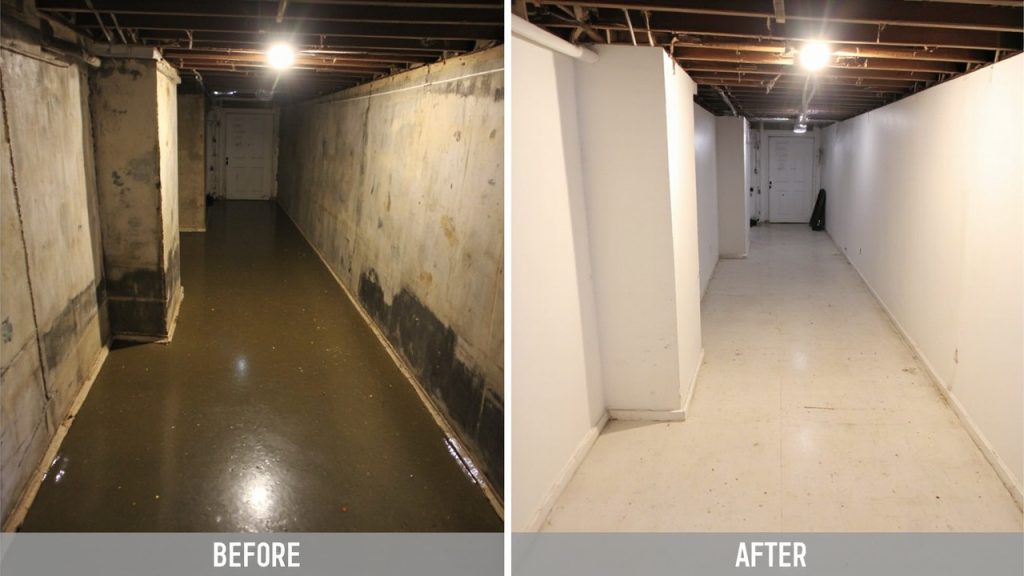
24/7 Emergency Water Damage Cleanup in Chicago, IL
Your basement is flooding right now. A pipe burst in your kitchen. A sewer backup is damaging your home. You need help within the next hour, not tomorrow morning.
Cornerstone Water Damage Restoration answers calls 24/7 and deploys crews to Chicago properties within 60 minutes. This single fact separates us from every national franchise. We work with your insurance company directly, handle all technical details, and stop the damage before it becomes catastrophic.
We are not a generic national company. We understand Chicago’s specific challenges. The clay soil that holds water and creates hydrostatic pressure against basement walls. The aging basement systems in historic bungalows built before 1950. The combined sewer backups that plague Logan Square and Wicker Park during heavy rain. The frozen pipes that burst every winter when the polar vortex drives temperatures to 20 below zero or colder.
If you need help right now, call 773-555-0147. If you want to understand what happens next, read on.
What to Do in the First 30 Minutes
You have time to stabilize the situation before our crew arrives. These steps prevent additional damage and protect your safety.
- Turn off the water at the main valve
Locate your main shutoff valve, usually near the street or in your basement. Turn it clockwise until it stops. If the water came from outside like a storm or sewer backup, skip this step. If a pipe burst or appliance is leaking, this stops new water from entering.
- Move valuables to higher ground
Electronics, documents, photo albums, and furniture deteriorate fast. Grab what matters and move it upstairs or onto a high shelf. Do not touch electrical items if you are standing in water.
- Document the damage with photos and video
Walk through the affected area and photograph everything. Ceiling damage, water lines on drywall, wet carpets, damaged furniture. Your insurance adjuster needs this evidence. Use your phone camera.
- Do not attempt to pump, mop, or dry the area yourself
Standing water in basements can be contaminated. Wet drywall and insulation develop mold within 24 to 48 hours. We bring industrial equipment and know exactly what needs to happen. Your safety and property value depend on professional drying.
- Call us immediately
Tell us your address, what caused the water, and roughly how much area is affected. We dispatch a crew right away. We handle everything from here.
Our Rapid Response Water Restoration Process
Once our crew arrives, we complete the work in five phases. Understanding this timeline helps you know what to expect.
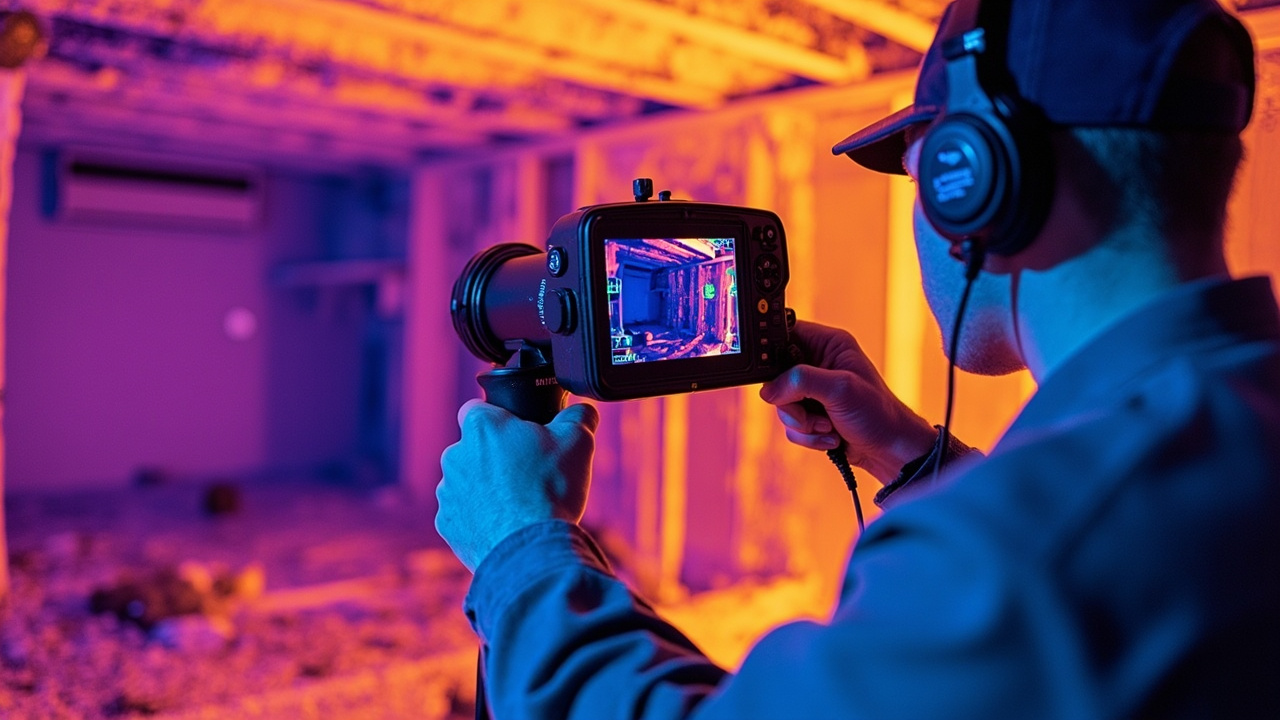
Phase One. Inspection and Water Removal
Our technicians walk through the property and assess the damage. We classify the water type using the IICRC standard. Clean water from a burst pipe is Category 1. Toilet overflow or sewer backup is Category 3, requiring sanitation and biohazard protocols.
We deploy submersible pumps and extraction equipment to remove standing water. This happens fast. A typical basement extraction takes 4 to 8 hours depending on depth and volume. We work continuously.
Phase Two. Structural Drying and Dehumidification
After we remove the water, the real restoration begins. Water saturates drywall, insulation, flooring, and framing. Standard air alone cannot remove this moisture fast enough. Mold begins growing within 48 hours on wet materials.
We place large air movers and industrial dehumidifiers throughout the property. These machines run 24/7 for 3 to 7 days depending on humidity levels and material types. We monitor moisture content in walls and floors with specialized meters. We complete drying when readings show equilibrium. We do not guess. We measure.
Phase Three. Cleaning and Sanitization
We clean all surfaces touched by water. For Category 1 water, we apply standard cleaning. For Category 2 or 3 water from sewer backups or flooding from outside, we apply antimicrobial treatments and sanitize everything. We remove and replace contaminated insulation and padding.
Phase Four. Deodorization
Water damage creates odors. We use thermal fogging and enzymatic treatments to neutralize smells at the source. Air fresheners mask the problem. We fix it.
Phase Five. Restoration and Reconstruction
Once everything is dry and clean, we handle repairs. This includes replacing drywall, flooring, cabinetry, and trim. If mold appears during drying, we contain and remediate it before reconstruction begins. Insurance covers this in most cases.
Common Causes of Water Damage in Chicago
Our crews respond to the same water emergencies over and over. Understanding these patterns helps you prevent them.
Burst Pipes During Winter Freezes
Pipe bursts happen when water inside a pipe freezes and expands. The pressure ruptures the pipe, and when it thaws, water floods out. In Chicago, these events spike during polar vortex periods. January 2014 brought temperatures to minus 22 degrees. February 2019 saw minus 25 degree readings in downtown Chicago. We responded to over 300 burst pipe calls during each event.
Most bursts occur in uninsulated sections. Basements in older Chicago bungalows are vulnerable because plumbing runs through exterior walls with minimal insulation. Suburbs like Arlington Heights and Schaumburg see similar patterns.
One burst pipe can dump 250 gallons per hour into your basement. By the time you notice, the damage spreads to framing and foundation walls.
Sump Pump Failure During Spring Storms
Your sump pump sits in a pit at the lowest point of your basement and pumps water outside. During heavy rain or snowmelt, groundwater pressure increases. If your pump fails, all that water backs up into your basement.
Pumps fail for three reasons. Power outages during storms knock them offline. Float switches wear out after 7 to 10 years. Sediment or debris clogs the intake. We respond to dozens of sump pump failures every spring.
Combined Sewer System Backups
Chicago and older suburbs like Logan Square use combined sewer systems. During extreme rain, these pipes fill faster than they drain. Raw sewage backs up into basements through floor drains and lowest plumbing fixtures.
Wicker Park experiences combined sewer overflows roughly 6 to 8 times per year during intense rainfall events. Logan Square sees similar frequency. These neighborhoods have older infrastructure dating back 80 to 120 years. Modern separate sewer systems handle stormwater and sewage independently. Combined systems cannot handle peak flows. The result is raw sewage backing into residential basements.
This is Category 3 water. It contains feces, bacteria, and pathogens. This requires professional sanitation and often biohazard cleanup. We follow strict protocols and document everything for insurance.
Basement Hydrostatic Pressure and Seepage
Chicago sits on clay soil with high water tables. When groundwater levels rise, pressure builds against basement walls. Water seeps through cracks and porous concrete. After heavy rain or snowmelt, basements in Hyde Park, Lakeview, and Lincoln Park develop damp smells and visible moisture.
Lincoln Park basement seepage claims spike each May as snowmelt and spring thaw raise the water table. Properties within three blocks of Lake Michigan experience chronic hydrostatic pressure. We respond to 40 plus calls in that zip code alone each May. Condensation, efflorescence, and musty smells appear first. Water intrusion follows within weeks.
This is slow flooding. It does not trigger emergency response calls, but it causes chronic mold and structural deterioration. Long-term solutions require professional waterproofing, not just cleanup.
Appliance Failures
Water heaters burst. Washing machine hoses rupture. Dishwashers leak. These accidents flood kitchens and adjacent rooms. Upstairs leaks soak through ceilings to areas below. We extract water and dry everything before rot spreads.
Why Choose Cornerstone for Chicago Water Mitigation
You need restoration done right. The company you call determines whether your property recovers fully or deteriorates for years.
IICRC Certification and Technical Expertise
Our technicians hold credentials from the Institute of Inspection Cleaning and Restoration Certification. This means they completed advanced training in water extraction, structural drying, mold remediation, and insurance documentation. They understand psychrometric principles, moisture mapping, and drying science. We do not guess. We measure.
We invest in industrial-grade equipment. This includes truck-mounted extractors that pull 200 gallons per minute, commercial-capacity dehumidifiers rated at 180 pints per day, and moisture detection tools that see water trapped inside walls. National franchises rent consumer-grade equipment. We own professional equipment because it works better and faster.
Direct Insurance Billing and Claims Support
Filing an insurance claim creates stress. You photograph damage, wait for the adjuster, negotiate repairs, and track invoices. We eliminate this burden.
We bill your insurance company directly for mitigation services. Your adjuster approves our scope of work. We document everything and provide your insurance company with moisture readings, photos, and repair invoices. You receive a single bill from us, not multiple invoices to coordinate.
This direct relationship speeds claims approval and reduces out-of-pocket costs. If your policy covers water damage from burst pipes or storm flooding, we work within those limits.
24/7 Dispatch and 60 Minute Response Guarantee
A water emergency does not wait for business hours. We answer phones at 2 AM the same way we answer at 2 PM. Our dispatch team sends the nearest crew to your address. In Chicago and inner suburbs, crews arrive within 60 minutes on most calls.
First responders secure the property, remove standing water, and begin the drying process that first night. The faster we start, the less mold and structural damage develop.
Local Knowledge of Chicago Architecture and Soil
We know Chicago basements. Historic bungalows with stone foundations and unfinished basements. Two flat and three flat buildings with shared walls and complex plumbing. High rise condos with internal water damage that spreads vertically.
We understand Chicago geology. The clay soil that causes hydrostatic pressure. The high water table near Lake Michigan in Lakeview and Lincoln Park. The poor drainage of flat prairie landscape in the suburbs. These factors determine which drying methods work and how long recovery takes.
We know Chicago winter. We respond to frozen pipe bursts within hours during polar vortex events. We know which neighborhoods suffer the most. We know how to thaw pipes safely without causing additional damage.
Hyper Local Neighborhood Response in Chicago
In Lincoln Park, the high water table near the lake means basement seepage claims spike after spring thaw. We respond to 40 plus calls in that zip code alone each May. Condensation, efflorescence, and musty smells appear first. Water intrusion follows within weeks. We waterproof basements before catastrophic flooding occurs.
Wicker Park’s older combined sewers back up during 1 inch per hour storms. We have crews stationed to respond within minutes when these events happen. Combined sewers are older infrastructure with less capacity than modern separate systems. Raw sewage backs up into basements through lowest fixtures. This is Category 3 water requiring full sanitation and biohazard protocols. We document everything for your insurance file and coordinate with City of Chicago authorities when needed.
In Lakeview, rising Lake Michigan levels and aging infrastructure create recurring basement water intrusion. Properties near the lakefront sit on clay with extremely high water tables. Spring snowmelt and heavy summer rains overwhelm drainage systems. We have seasonal equipment stationed throughout the neighborhood for rapid deployment. Our technicians understand the geology specific to each lakeside block and recommend waterproofing solutions based on your property’s exact location and elevation.
Serving All Chicago Neighborhoods
We dispatch crews across the greater Chicago metropolitan area. Our primary response zone covers the city and immediate suburbs within a 30 mile radius of downtown.
| North Side | West Side | South Side | Suburbs |
|---|---|---|---|
| Lincoln Park, Lakeview, Rogers Park, Evanston | Logan Square, Wicker Park, West Loop, Oak Park | Hyde Park, Beverly, Cicero, Berwyn | Schaumburg, Arlington Heights, Naperville, Aurora, Bolingbrook, Joliet |
If your address is outside our standard service area, we still respond. Call to confirm dispatch availability and estimated arrival time. We maintain partnerships with restoration companies in Springfield, Peoria, Rockford, and other downstate communities. If we cannot serve you directly, we coordinate with a trusted partner.
Water Damage Restoration Cost and Insurance Coverage
Cost depends on damage severity, water type, and materials affected. A 500 square foot basement extraction and drying typically runs between 2,000 and 3,500 dollars depending on saturation level and material types. A 2,000 square foot multi floor water event with Category 3 contamination can reach 5,000 to 8,000 dollars or more. Water damage from a covered cause like a burst pipe differs from damage from poor maintenance like a neglected sump pump. We provide a detailed estimate before starting work so you understand costs upfront.
Most homeowner policies cover water damage from burst pipes, frozen pipes, and storm flooding. They typically exclude damage from foundation cracks, poor drainage, or prolonged seepage. Flood insurance is separate and required if you live in a high risk zone per State of Illinois regulations.
Read your policy or call your insurance agent before the emergency. Know your deductible and coverage limits. This knowledge speeds the claims process.
We provide a comprehensive estimate before starting work. We explain what insurance likely covers and what your responsibility is. No surprises. No hidden charges after drying is complete.
Water Categories and Health Risks
Not all water damage is equal. The source determines the sanitation requirements and health risks.
| Water Category | Source | Health Risk | Treatment Required |
|---|---|---|---|
| Category 1 | Burst pipes, water heaters, rain through roof | None | Standard cleaning and drying |
| Category 2 | Sump pump failure, toilet overflow, washing machine leak | Moderate. Contains some bacteria. | Antimicrobial treatment and sanitation |
| Category 3 | Sewer backup, flood water from outside, sewage | High. Contains fecal matter and pathogens. | Full biohazard cleanup, sanitation, and containment protocols |
Never enter water from a sewer backup without protection. Do not let children or pets contact contaminated water. We follow strict sanitation protocols for Category 2 and 3 events. We document disposal of contaminated materials and provide certificates of completion for your insurance file.
Chicago Winter Preparedness
Burst pipes cause more water damage in Chicago than any other single event. Winter preparation cuts your risk significantly.
Insulate Exposed Pipes
Pipes in basements, crawl spaces, and exterior walls need foam insulation. This is inexpensive and simple to install. Even basic pipe wrap raises the temperature enough to prevent freezing during extreme cold.
Maintain Your Furnace
A failed furnace means your home temperatures drop. Unheated basements and crawl spaces freeze much faster. Service your furnace annually. Replace filters. Keep the thermostat set to at least 55 degrees, even if you leave for an extended period.
Clear Gutters and Downspouts
Clogged gutters cause water to back up and overflow. This water runs down exterior walls, finds cracks, and seeps into basements. Clean gutters twice yearly. Extend downspouts at least 4 feet from your foundation.
Know Your Shutoff Valve Location
If a pipe bursts, you must shut off the water within minutes. Locate your main shutoff valve now, not during an emergency. It is usually in the basement near the water meter or on an exterior wall near street level. Label it. Show family members where it is.
If you cannot locate your main shutoff or it does not turn, contact a plumber before winter. A stuck or missing shutoff valve turns a contained problem into a basement flood.
Mold Prevention During and After Water Damage
Mold grows on wet materials within 24 to 48 hours. Prevention begins the moment water enters your property.
Fast extraction and aggressive drying stop mold before it starts. This is why we prioritize speed. The crews that arrive within hours have the best outcomes. Delays of even one day allow mold colonization.
Once drying is underway, we monitor humidity levels continuously. If moisture readings stay above 70 percent for too long, conditions favor mold growth. We adjust dehumidifiers and air movement to push readings lower. This is constant management, not set it and forget it equipment rental.
For more details on identifying and preventing mold, see our guides on black mold symptoms and signs of hidden mold.
What NOT to Do During a Water Emergency
Good intentions can worsen damage. Avoid these common mistakes.
Do not use household fans to dry wet areas. Fans circulate moist air without removing water from materials. They can spread mold spores and push moisture deeper into walls.
Do not open windows to ventilate. During humid months, outdoor air contains more moisture than your home. Opening windows actually increases indoor humidity and slows drying.
Do not remove wet drywall or insulation yourself. These materials become biohazards once wet. Removal generates dust and spores. Licensed crews contain this debris properly.
Do not apply paint or sealant over wet surfaces. Moisture becomes trapped underneath, accelerating decay and mold growth. Everything must dry first.
Do not delay calling for professional help. The longer water sits, the more damage spreads. Delayed action multiplies costs and recovery time.
Frequently Asked Questions
How long does water damage restoration take
Simple cases take 3 to 7 days. A burst pipe that floods one room, extracted quickly and dried aggressively, may be complete in a week. Complex cases involving multiple floors, Category 3 water, or hidden moisture take 2 to 4 weeks. We provide a timeline after inspection. This timeline depends on weather, humidity levels, and material types. Concrete and tile dry faster than wood and drywall.
Will my insurance cover water damage
Coverage depends on the cause. Burst pipes, frozen pipes, and sudden storm flooding are covered by most standard homeowner policies. Damage from poor maintenance, neglected sump pumps, or existing foundation cracks is usually excluded. Water from outside entering through the foundation is a gray area. Flood insurance, separate from homeowner insurance, covers flooding from rivers, heavy rain, and storm surge. Call your agent immediately after a water event. Do not assume you are covered until they confirm.
Can I stay in my home during drying
For Category 1 water damage, yes, you can stay home during drying. Equipment is loud and disruptive, but safe. For Category 2 or 3 events, we recommend temporary relocation until sanitation is complete. If mold containment is needed, you may need to leave affected areas of the home. We discuss this during the initial inspection.
What about my personal belongings and furniture
We clean and dry items when possible. Wood furniture can be restored if dried properly within 48 hours. Fabrics, electronics, and documents vary. We discuss salvage options during inspection. Some items justify professional restoration like heirloom furniture or important documents. Others are beyond recovery and should be discarded. Your insurance may cover replacement of damaged contents.
Will there be mold
Mold grows on wet materials if drying takes too long. Fast extraction and industrial drying prevent mold in most cases. If mold appears during drying, we contain and remediate it immediately. This is covered under the original mitigation scope in most insurance policies. The key is acting fast. Water damage left untreated for days almost always develops mold.
Do you work with all insurance companies
Yes. We bill all major insurance carriers directly. State Farm, Allstate, GEICO, Progressive, Nationwide, and regional carriers. We have established relationships with adjusters and understand approval timelines. We also work with self insured commercial properties and out of pocket residential customers. Insurance coverage determines the scope of work, not our ability to help.
Commercial Water Damage Response
Businesses cannot afford downtime. A flooded retail store, office building, or warehouse loses revenue every hour it remains closed.
We prioritize speed and business continuity. Commercial jobs receive dedicated crews and equipment. We establish a 24 hour drying schedule to minimize closure time. We work with facility managers and insurance adjusters to resume operations as quickly as possible.
For commercial services, see our pages on commercial water damage restoration and office building water restoration.
Storm Season Preparedness
Chicago spring and summer bring heavy rain and thunderstorms. Prepare now to minimize water damage.
Have your roof inspected for leaks. Check that gutters drain properly. Ensure sump pumps work and have battery backup. Test your sump pump by pouring water into the pit. If it does not activate, the float switch may be stuck or the pump may be failing.
Know your flood risk. If your property is in a 100 year floodplain, purchase flood insurance now. It has a 30 day waiting period. If you wait until a flood warning is issued, coverage will not apply.
Check your basement for seepage. Musty smells, dampness, or efflorescence indicate water intrusion. Professional waterproofing prevents future flooding.
Keep our number in your phone. When lightning strikes your roof or a storm overwhelms your sump pump, you need help immediately. Do not search for a contractor during the emergency.
Waterproofing and Prevention Solutions
Restoration fixes today’s crisis. Prevention stops the next one.
Professional basement waterproofing includes interior or exterior drain systems, foundation crack sealing, and sump pump installation or upgrades. These solutions prevent the chronic seepage and hydrostatic pressure that damage Chicago basements.
For detailed information, see our basement waterproofing guide and sump pump maintenance guide.
Extended Service Areas
While based in Chicago, we serve a large territory. Properties in Joliet, Bolingbrook, Naperville, Aurora, Evanston, and Arlington Heights receive rapid response. We also respond to downstate communities including Springfield and Peoria. If your location is beyond our standard territory, call to discuss availability.
Equipment and Technical Capabilities
Professional restoration requires industrial grade equipment, not consumer rentals.
We deploy truck mounted water extractors that remove 200 gallons per minute. A typical basement pump out takes hours, not days. We position these extractors in staging areas and run hoses into damaged spaces. Faster extraction means less time for water to soak into materials.
Commercial dehumidifiers reduce indoor humidity to 30 to 50 percent. Standard air conditioning does not remove moisture efficiently. Dehumidifiers work 24/7 until moisture readings stabilize. We use psychrometric charts to calculate required capacity based on room size, material saturation, and outdoor conditions.
Air movers create airflow across wet surfaces. This accelerates evaporation. We position movers strategically to avoid stagnant zones. Too little airflow leaves pockets of moisture. Too much creates pressure imbalances that push moisture into adjoining areas.
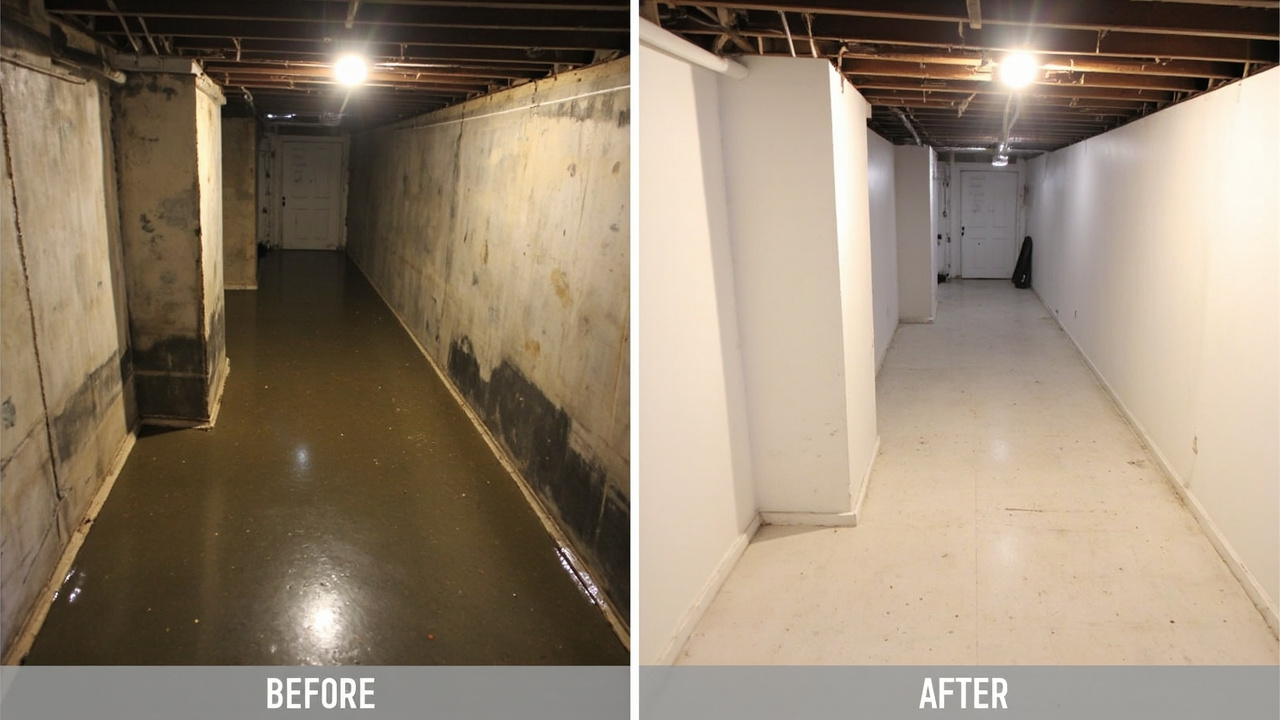
Thermal imaging cameras detect moisture hidden in walls, ceilings, and subflooring. We do not just dry the visible wet area. We map moisture throughout the structure and dry everything to equilibrium. This prevents hidden mold and structural decay.
Moisture meters measure water content in materials. We take readings during drying to track progress. We know when drying is complete because the numbers tell us.
Documentation for Insurance Claims
Insurance requires documentation to approve claims and authorize payment.
We photograph all damage before work begins. We document water lines, stains, saturation, and affected materials. We take moisture readings and record them. We provide daily progress photos showing extraction, drying, and reconstruction stages.
We provide detailed invoices that break down labor, equipment, materials, and disposal by line item. Insurance adjusters review these invoices. Clear documentation speeds approval and payment.
We coordinate with insurance adjusters throughout the project. If the adjuster limits our scope, we advise you of the limitation and adjust our work accordingly. If additional damage appears during drying, we notify the adjuster and request scope expansion. This prevents surprises at the end of the project.
Why Speed Matters
A water emergency is a race against time. Every hour that passes allows water to penetrate deeper into materials, encourages mold growth, and increases structural damage.
Drywall absorbs water like a sponge. Once saturated, it weakens and deteriorates. If drying does not begin within 48 hours, we must remove and replace drywall. Insulation works the same way. Wet insulation loses all thermal value and becomes a breeding ground for mold.
Wood flooring and subfloors swell and warp when wet. If drying begins before permanent deformation occurs, flooring can sometimes be saved. Delay means replacement.
Concrete absorbs water from above and below. Hydrostatic pressure forces water up through foundation slabs. If concrete does not dry thoroughly, efflorescence develops, paint fails, and the surface deteriorates.
We respond within 60 minutes because every minute counts. We begin extraction and drying that first night. We avoid the overnight window when mold germinates. This speed saves structure, saves materials, and saves money.
Comparing Cornerstone to National Franchises
National franchise restoration companies operate across hundreds of locations with standardized procedures and consumer grade equipment. Cornerstone operates locally in Chicago with specialized knowledge of regional geology, climate, and building codes. We own industrial grade equipment instead of renting consumer gear. Our crews understand the difference between Lincoln Park clay soils and Wicker Park combined sewers. We respond in 60 minutes, not 24 hours. We bill insurance directly and manage your claim from start to finish instead of leaving you to coordinate paperwork. The difference is accountability. You call a local company you can visit. We answer to Chicago customers who return for future projects.
Taking the Next Step
Water damage can feel overwhelming. You see the damage, worry about cost, and do not know where to start. This confusion leads some people to delay calling for help. That is the worst decision you can make.
Call Cornerstone Water Damage Restoration right now. Tell us what happened. We explain what comes next. We send a crew. We handle the rest.
We work with your insurance company. We provide hourly updates. We show you moisture readings that prove drying is progressing. We do not disappear halfway through the project. We stay until everything is dry, clean, and ready for reconstruction.
You hired us to restore your property and your peace of mind. We take that responsibility seriously.
If water is damaging your Chicago property right now, do not wait. Call Cornerstone Water Damage Restoration immediately at 773-555-0147. We dispatch crews 24/7 and arrive within 60 minutes in most cases. Text WATER to 773-555-0147 for instant callback or visit our website to contact us online. The first call is the most important one you make.
{
“@context”: “https://schema.org”,
“@type”: “BlogPosting”,
“headline”: “24/7 Emergency Water Damage Cleanup in Chicago, IL”,
“description”: “Chicago water damage cleanup within 60 minutes. We handle burst pipes, sewer backups, and flooding 24/7 with direct insurance billing.”,
“wordCount”: 4263,
“datePublished”: “2026-02-08T09:08:00.000Z”,
“dateModified”: “2026-02-08T09:08:00.000Z”,
“inLanguage”: “en-US”,
“mainEntityOfPage”: {
“@type”: “WebPage”,
“@id”: “https://cornerstonewaterdamagerestorationchicago.com”
},
“publisher”: {
“@type”: “LocalBusiness”,
“name”: “Cornerstone Water Damage Restoration Chicago”,
“url”: “https://cornerstonewaterdamagerestorationchicago.com”
},
“author”: {
“@type”: “Organization”,
“name”: “Cornerstone Water Damage Restoration Chicago”,
“url”: “https://cornerstonewaterdamagerestorationchicago.com”
},
“image”: {
“@type”: “ImageObject”,
“url”: “https://cornerstonewaterdamagerestorationchicago.com/wp-content/uploads/2026/03/who-to-call-for-emergency-water-damage-cleanup-in-1.jpg”
}
}
{
“@context”: “https://schema.org”,
“@type”: “LocalBusiness”,
“name”: “Cornerstone Water Damage Restoration Chicago”,
“url”: “https://cornerstonewaterdamagerestorationchicago.com”,
“address”: {
“@type”: “PostalAddress”,
“addressLocality”: “Chicago”
},
“areaServed”: {
“@type”: “City”,
“name”: “Chicago”
}
}
{
“@context”: “https://schema.org”,
“@type”: “HowTo”,
“name”: “How to Handle Water Damage in the First 30 Minutes”,
“step”: [
{
“@type”: “HowToStep”,
“position”: 1,
“name”: “Turn off the water at the main valve”,
“text”: “Locate your main shutoff valve, usually near the street or in your basement. Turn it clockwise until it stops. If the water came from outside like a storm or sewer backup, skip this step. If a pipe burst or appliance is leaking, this stops new water from entering.”
},
{
“@type”: “HowToStep”,
“position”: 2,
“name”: “Move valuables to higher ground”,
“text”: “Electronics, documents, photo albums, and furniture deteriorate fast. Grab what matters and move it upstairs or onto a high shelf. Do not touch electrical items if you are standing in water.”
},
{
“@type”: “HowToStep”,
“position”: 3,
“name”: “Document the damage with photos and video”,
“text”: “Walk through the affected area and photograph everything. Ceiling damage, water lines on drywall, wet carpets, damaged furniture. Your insurance adjuster needs this evidence. Use your phone camera.”
},
{
“@type”: “HowToStep”,
“position”: 4,
“name”: “Do not attempt to pump, mop, or dry the area yourself”,
“text”: “Standing water in basements can be contaminated. Wet drywall and insulation develop mold within 24 to 48 hours. We bring industrial equipment and know exactly what needs to happen. Your safety and property value depend on professional drying.”
},
{
“@type”: “HowToStep”,
“position”: 5,
“name”: “Call us immediately”,
“text”: “Tell us your address, what caused the water, and roughly how much area is affected. We dispatch a crew right away. We handle everything from here.”
}
],
“image”: “https://cornerstonewaterdamagerestorationchicago.com/wp-content/uploads/2026/03/who-to-call-for-emergency-water-damage-cleanup-in-1.jpg”
}
{
“@context”: “https://schema.org”,
“@type”: “BreadcrumbList”,
“itemListElement”: [
{
“@type”: “ListItem”,
“position”: 1,
“name”: “Home”,
“item”: “https://cornerstonewaterdamagerestorationchicago.com”
},
{
“@type”: “ListItem”,
“position”: 2,
“name”: “Blog”,
“item”: “https://cornerstonewaterdamagerestorationchicago.com/blog”
},
{
“@type”: “ListItem”,
“position”: 3,
“name”: “24/7 Emergency Water Damage Cleanup in Chicago, IL”
}
]
}
{
“@context”: “https://schema.org”,
“@type”: “Service”,
“serviceType”: “Water Damage Restoration”,
“provider”: {
“@type”: “LocalBusiness”,
“name”: “Cornerstone Water Damage Restoration Chicago”,
“url”: “https://cornerstonewaterdamagerestorationchicago.com”
},
“areaServed”: {
“@type”: “City”,
“name”: “Chicago”
},
“description”: “Chicago water damage cleanup within 60 minutes. We handle burst pipes, sewer backups, and flooding 24/7 with direct insurance billing.”
}