



menu

Commercial Fire & Smoke Cleanup in Chicago – Minimize Downtime and Protect Your Bottom Line

Cornerstone Water Damage Restoration Chicago delivers industrial-grade commercial fire damage restoration and commercial smoke remediation to get your Chicago business operational fast, reduce liability exposure, and meet local code requirements without costly delays.

Slider Image 1
Slider Image 2
Slider Image 3
Slider Image 4
Slider Image 5
Slider Image 7
Slider Image 8
Slider Image 9
Slider Image 10
Slider Image 11

Why Chicago Commercial Properties Face Elevated Fire Restoration Challenges

Chicago's commercial building stock includes thousands of pre-1950 masonry and timber-frame structures in districts like the West Loop, Pilsen, and Bronzeville. These older buildings contain concealed void spaces, cast iron plumbing, and wood lath that trap smoke particulate and acidic residue deep within wall cavities. When fire strikes, soot penetrates porous brick, migrates through HVAC ductwork, and corrodes structural steel connections. The result is hidden damage that threatens your lease obligations, violates Chicago Building Code Section 13-196-635 fire safety standards, and delays your Certificate of Occupancy reinstatement.

Chicago's freeze-thaw cycles compound the problem. Water used during fire suppression infiltrates masonry joints and expands during winter cold snaps, causing spalling and structural compromise. If you wait to address commercial fire damage restoration, you face cascading costs from halted operations, lost inventory, employee displacement, and potential OSHA citations for unsafe working conditions.

Business fire cleanup services in Chicago require knowledge of local construction methods, familiarity with the Department of Buildings expedited plan review process, and capacity to mobilize commercial-scale equipment within hours. Generic restoration contractors lack the industrial dehumidifiers, thermal foggers, and containment barriers needed for commercial soot removal across multi-floor facilities. Your business continuity depends on speed, compliance, and thoroughness, not surface-level cleanup.

Why Chicago Commercial Properties Face Elevated Fire Restoration Challenges
How We Execute Commercial Smoke Remediation at Scale

How We Execute Commercial Smoke Remediation at Scale

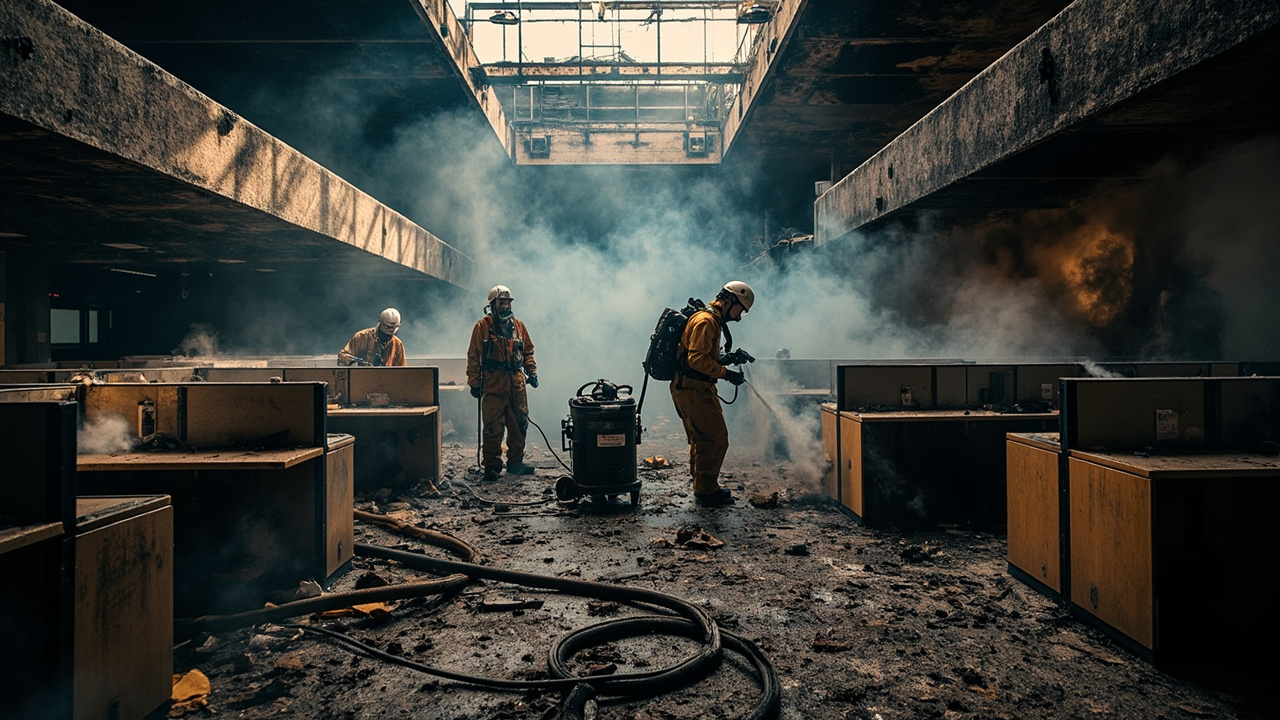
Cornerstone Water Damage Restoration Chicago deploys a four-phase industrial fire mitigation protocol designed for Chicago's commercial building types. We begin with air quality testing using particle counters to measure soot concentration in HVAC systems, ceiling plenums, and interior spaces. This data drives our containment strategy and determines whether your electrical systems, inventory, or equipment can be salvaged or require replacement.

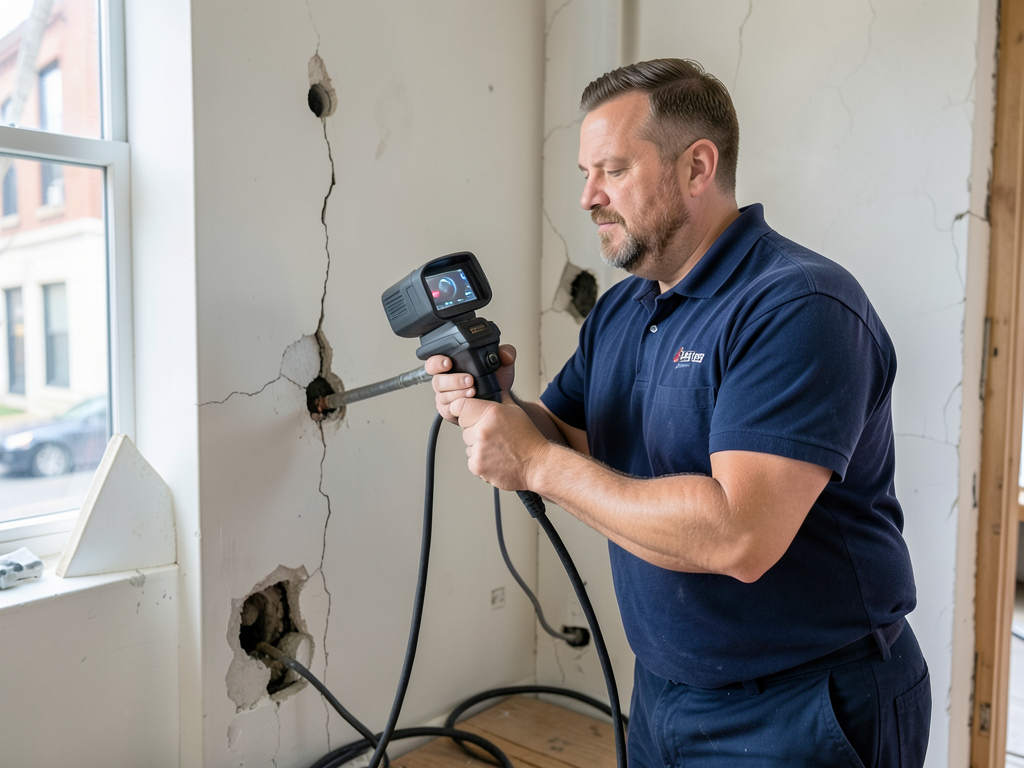
Phase two involves structural drying and odor neutralization. We use hydroxyl generators and negative air machines to eliminate smoke odor at the molecular level, not mask it with deodorizers. Our thermal imaging cameras detect moisture trapped in concrete slabs, behind metal studs, and above drop ceilings. We extract standing water, apply antimicrobial treatments to prevent mold colonization, and document moisture readings for your insurance adjuster and legal team.

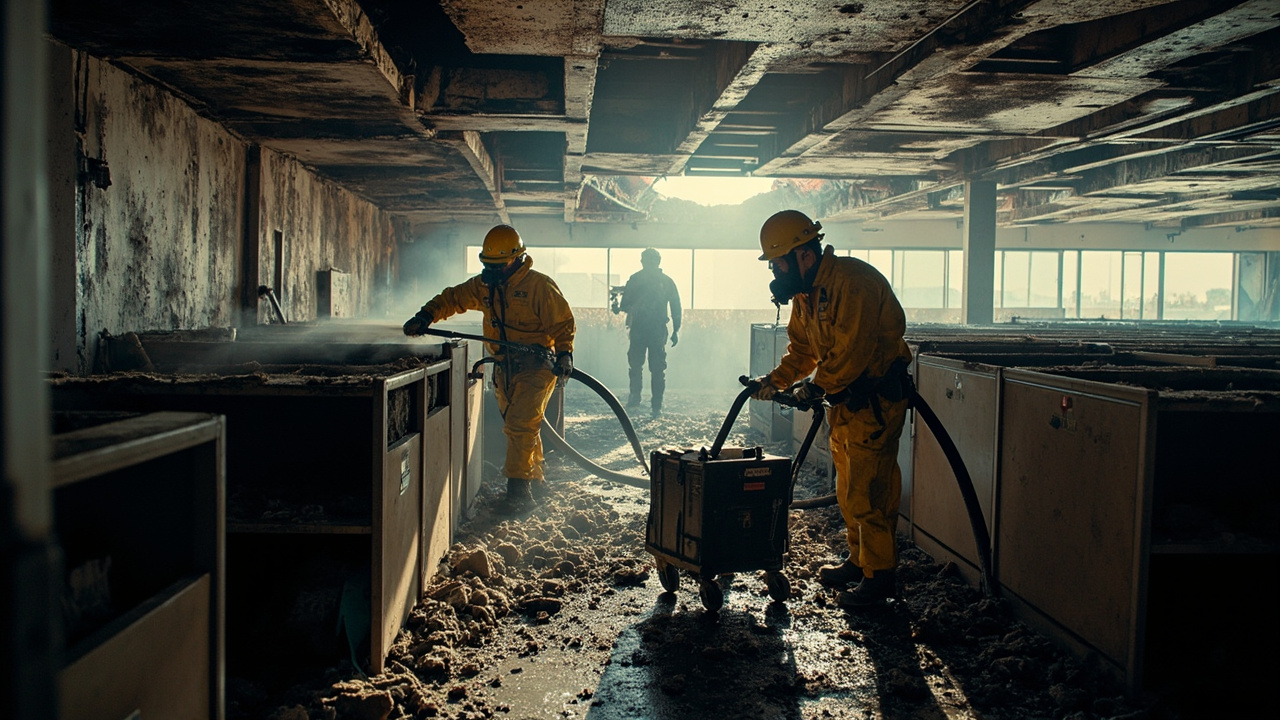
Phase three addresses commercial soot removal from all surfaces, including HVAC coils, light fixtures, and suspended ceilings. We use HEPA vacuums and dry chemical sponges to lift particulate without smearing or spreading residue. For electronics and sensitive equipment, we coordinate with certified decontamination vendors to restore servers, POS systems, and manufacturing machinery.

Phase four focuses on code compliance and documentation. We prepare detailed loss inventories, photograph pre-loss and post-mitigation conditions, and coordinate with your architect and general contractor to ensure all work meets Chicago Building Code amendments and NFPA 1 Fire Code standards. You receive a complete file for insurance claims, litigation support, and regulatory inspections.

What Happens During Your Commercial Fire Cleanup

Commercial Fire & Smoke Cleanup in Chicago – Minimize Downtime and Protect Your Bottom Line
01

Immediate Site Stabilization

We secure your property within two hours of your call, establishing containment barriers to prevent cross-contamination between damaged and clean zones. Our team photographs all damage, shuts off compromised utilities, and boards windows or tarps roof penetrations to prevent theft and weather intrusion. You receive an initial scope of work and timeline before any demolition begins, ensuring your insurance carrier and legal counsel can review the approach.
02

Smoke and Soot Extraction

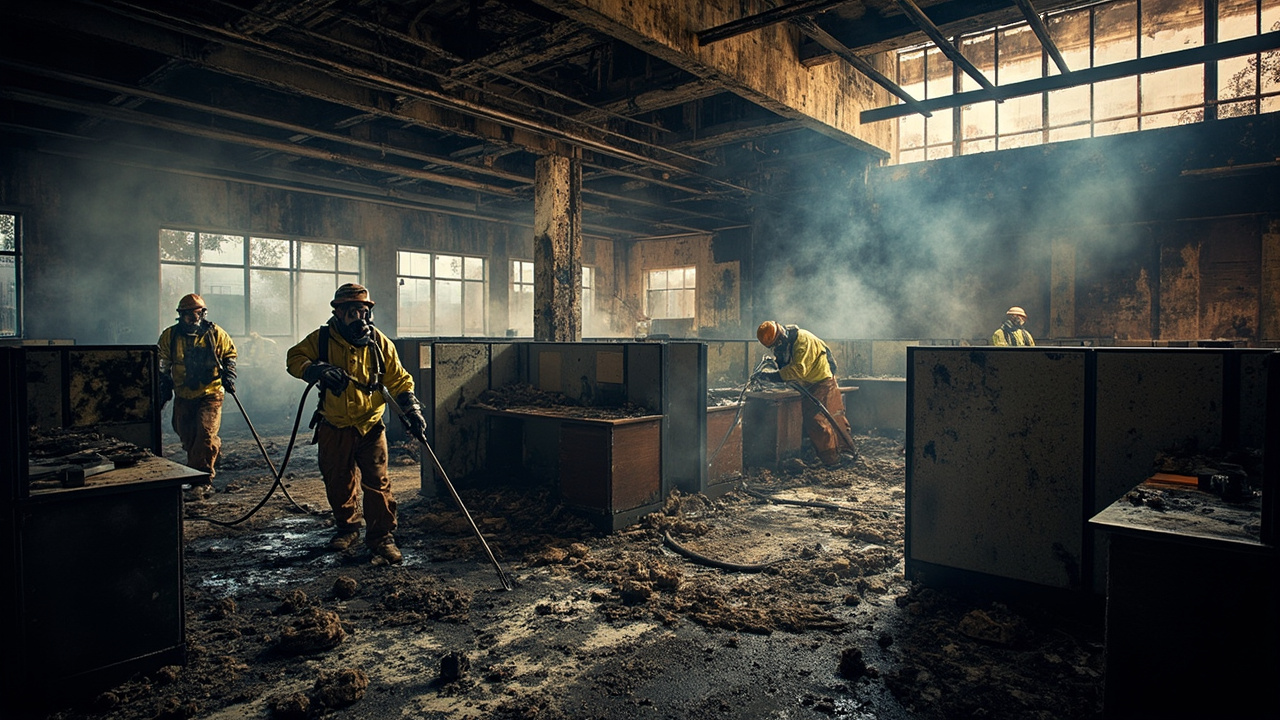
Our technicians use industrial air scrubbers and negative air pressure systems to remove airborne particulate and odor compounds. We clean all horizontal and vertical surfaces using dry methods first, then wet cleaning for stubborn residues. HVAC ducts receive mechanical brushing and vacuuming to eliminate smoke particulate that would otherwise recirculate. This phase typically takes three to seven days depending on building size, fire severity, and material types affected by commercial smoke remediation.
03

Final Testing and Clearance

Before you reoccupy, we conduct post-mitigation air quality testing and provide a clearance letter documenting that particulate levels meet EPA and OSHA standards. We coordinate final inspections with the Chicago Department of Buildings and your insurance engineer. You receive a comprehensive digital report with before and after photos, moisture logs, and equipment manifests. This documentation protects you from future liability claims and supports your business interruption insurance recovery.

Why Chicago Businesses Choose Cornerstone for Fire Restoration

Cornerstone Water Damage Restoration Chicago operates with full knowledge of Chicago's commercial building regulations, including the city's unique fire-resistance rating requirements for Type I and Type II construction. We maintain relationships with local fire inspectors, building code consultants, and expeditors who accelerate permit approvals and reduce downtime. Our crews have restored fire damage in Chicago's industrial corridors, including properties in Goose Island, Bridgeport, and the South Branch Industrial District, where older manufacturing buildings require specialized smoke remediation techniques.

We carry commercial general liability coverage adequate for high-value properties and maintain inventory of industrial-grade equipment including truck-mounted extractors, desiccant dehumidifiers, and ozone generators. This capacity matters when you operate a multi-floor office building, warehouse, or retail space where delays cost thousands per day in lost revenue and fixed overhead.

Unlike residential-focused contractors, we understand your obligations to landlords, lenders, and business partners. We provide daily progress reports, coordinate with your property manager or facilities director, and schedule work during off-hours to minimize disruption. Our project managers have handled commercial fire cleanup for law firms, medical offices, restaurants, and light industrial facilities, so we understand lease clauses, tenant improvement allowances, and CAM reconciliations.

Choosing a local provider also protects you from out-of-state franchises that subcontract work to unlicensed crews or disappear after collecting insurance deposits. We maintain a Chicago office, employ local technicians, and provide references from commercial property owners and insurance adjusters who work in this market daily.

What to Expect During Commercial Fire Damage Restoration

Response Time and Availability

We dispatch crews to Chicago commercial properties within 90 minutes of your call, 24 hours a day. Our rapid response limits secondary damage from smoke migration, water infiltration, and environmental exposure. You speak directly with a project manager who coordinates with your insurance carrier, answers questions about the mitigation process, and provides a preliminary timeline. We understand that every hour of closure costs you revenue, employee productivity, and customer trust. Our goal is to stabilize your property immediately and begin the restoration process without delay or confusion.

Initial Assessment and Documentation

Our assessment includes room-by-room photography, thermal imaging of concealed spaces, air quality sampling, and moisture mapping. We identify structural damage, compromised electrical systems, and contaminated HVAC components. You receive a written scope of work within 24 hours that details the extent of damage, required demolition, and estimated restoration timeline. This documentation supports your insurance claim, satisfies lender requirements, and provides evidence if you pursue subrogation against negligent parties. We coordinate with forensic engineers, industrial hygienists, and code consultants as needed to ensure nothing is overlooked.

Final Deliverables and Quality Control

You receive a fully restored space that meets or exceeds pre-loss condition, with all work performed to current Chicago Building Code standards. Our final report includes air quality clearance testing, moisture verification readings, and photographic documentation of completed work. We provide itemized invoices that separate emergency mitigation from restoration work, making it easier to allocate costs between property insurance, business interruption coverage, and capital improvement budgets. Your space is clean, odor-free, and ready for immediate occupancy or tenant improvement work.

Ongoing Support and Monitoring

After restoration, we offer post-mitigation monitoring to verify that moisture levels remain stable and no secondary odor issues develop. If your insurance claim requires supplemental documentation or if disputes arise with your carrier, we provide expert testimony and records to support your position. For multi-location operators, we document lessons learned and recommend fire prevention upgrades to reduce future risk. You maintain direct access to your project manager for 90 days after project completion, ensuring any questions or concerns are addressed promptly without navigating corporate phone trees.

Frequently Asked Questions

You Have Questions,
We Have Answers

How much does professional smoke remediation cost? +

Professional smoke remediation costs vary based on fire severity, square footage, and contamination depth. Commercial properties in Chicago typically see higher costs due to complex HVAC systems, multi-story layouts, and business interruption factors. Surface cleaning ranges from lower-tier pricing, while structural decontamination, soot removal from ductwork, and ozone treatment increase total investment. Porous materials like drywall and insulation often require replacement rather than cleaning. Insurance adjusters assess coverage based on policy terms and documented damages. Request detailed estimates that separate labor, equipment, disposal, and materials to understand true restoration scope and budget for code-compliant repairs.

How do professionals clean smoke damage? +

Professionals begin with thermal fogging to neutralize airborne smoke particles, followed by HEPA vacuuming to remove loose soot from surfaces. Chemical sponges lift residue from walls and ceilings without smearing. Technicians clean HVAC systems and ductwork to prevent recirculation of contaminated air throughout your building. Hydroxyl generators or ozone machines eliminate embedded odors in porous materials. Contents receive ultrasonic cleaning or specialized wiping techniques depending on material type. Chicago commercial properties often need deodorization of shared ventilation systems to prevent smoke migration between units. All cleaning follows IICRC S520 standards to ensure complete decontamination and occupant safety.

How much does it cost to clean up a burned down house? +

Complete fire loss cleanup for residential structures starts in the mid-five-figure range and escalates based on structural damage, debris volume, and hazardous material abatement. Chicago properties face additional costs for permit compliance, asbestos testing in older buildings, and potential lead paint remediation. Demolition, debris hauling, and disposal fees increase with square footage. Foundation inspection, utility disconnection, and securing the site add to total costs. Insurance coverage depends on policy limits and depreciation schedules. Commercial properties with shared walls or historic designations face stricter regulations and engineering assessments, multiplying final costs significantly beyond basic residential cleanup.

How much does ServPro cost for cigarette smoke removal? +

ServPro pricing for cigarette smoke removal depends on contamination severity, property size, and restoration scope. Commercial buildings in Chicago with years of accumulated nicotine residue require intensive decontamination including surface washing, sealing, and air purification. Multi-unit buildings or offices with shared ventilation systems need ductwork cleaning to prevent cross-contamination. Request itemized estimates that separate cleaning, sealing, and odor elimination costs. Compare pricing from multiple certified restoration contractors to ensure competitive rates. Insurance may cover smoke damage from specific incidents but typically excludes long-term tobacco contamination. Professional remediation prevents re-emergence of odors through paint and finishes.

What does SERVPRO use to remove smoke smell? +

SERVPRO uses hydroxyl generators, thermal foggers, and ozone machines to neutralize smoke odors at the molecular level. Chemical counteractants target specific smoke compounds rather than masking smells. HEPA air scrubbers filter airborne particles during cleaning. Technicians apply odor-sealing primers to surfaces before repainting to prevent odor bleed-through. Duct cleaning removes contaminated residue from HVAC systems. Chicago commercial properties benefit from whole-building approaches that address ventilation pathways and prevent smoke migration between spaces. Equipment selection depends on occupancy requirements, as ozone treatment requires vacant spaces while hydroxyl generators allow occupied operation during deodorization.

Will insurance pay for smoke damage? +

Commercial property insurance typically covers smoke damage from covered perils like fire, lightning, or vandalism. Chicago business owners should review policy exclusions, sub-limits, and business interruption provisions before filing claims. Adjusters assess whether damage resulted from a sudden event versus long-term neglect. Policies may separate building damage from contents coverage. Document all losses with photos, inventories, and professional assessments to support claims. Actual cash value policies deduct depreciation while replacement cost coverage pays full restoration expenses. Deductibles apply per occurrence. Coordinate with certified restoration contractors who provide detailed estimates matching insurance requirements and prevent claim disputes.

What is the 30/30/30 rule for fire? +

The 30/30/30 rule states smoke damage severity increases exponentially: within 30 seconds, soot coats surfaces. Within 30 minutes, porous materials absorb acidic residues that corrode metal and etch glass. Within 30 days, permanent discoloration occurs, finishes deteriorate, and restoration costs multiply. Chicago commercial properties with delayed remediation face compounding losses including inventory damage, equipment corrosion, and business interruption. Immediate professional intervention prevents secondary damage and reduces total restoration costs. Time-sensitive response protects high-value assets and minimizes liability exposure. Document losses immediately and contact restoration professionals within hours of fire suppression to maximize insurance recovery.

Does fire smoke smell ever go away? +

Fire smoke smell persists indefinitely without professional remediation. Soot particles embed in porous materials like drywall, insulation, and wood framing. Surface cleaning alone cannot eliminate odors absorbed deep within structural components. Chicago commercial buildings with complex ventilation systems distribute smoke residue throughout ductwork, creating ongoing odor issues. Professional restoration includes thermal decontamination, chemical neutralization, and sealing treatments that permanently eliminate odors. DIY attempts with air fresheners or household cleaners mask smells temporarily but fail to address contamination at the molecular level. Complete remediation requires specialized equipment and proven protocols to restore indoor air quality permanently.

Can mold grow on smoke-damaged walls? +

Yes, mold grows on smoke-damaged walls when moisture combines with soot residue. Fire suppression introduces significant water, creating ideal conditions for mold colonization within 24 to 48 hours. Chicago properties face elevated risk due to humidity fluctuations and older building stock with compromised building envelopes. Soot provides organic material that feeds mold growth. Porous materials like drywall and insulation absorb both moisture and smoke residue, requiring removal rather than cleaning. Professional remediation includes moisture mapping, HEPA filtration during demolition, and antimicrobial treatment to prevent cross-contamination. Address water damage immediately alongside smoke cleanup to prevent compounding restoration costs.

What is the 20 minute rule in cleaning? +

The 20-minute rule suggests tackling cleaning tasks in focused 20-minute intervals to maintain productivity without burnout. This principle does not apply to commercial fire and smoke cleanup, which requires comprehensive professional remediation following strict protocols. Chicago business owners cannot DIY fire restoration due to safety hazards, specialized equipment requirements, and code compliance obligations. Smoke damage spreads rapidly and worsens without immediate professional intervention. Attempting partial cleanup delays complete restoration, increases costs, and exposes occupants to health risks from soot and contaminated air. Commercial properties need certified technicians who follow IICRC standards to restore safe, compliant workspaces efficiently.

How Chicago's Commercial Building Stock Complicates Fire Cleanup

Chicago's commercial districts contain more pre-1920 brick and timber construction than nearly any major U.S. city. These buildings feature unreinforced masonry, cast iron columns, and wood joist floors that absorb smoke and water differently than modern steel-frame structures. Industrial fire mitigation in neighborhoods like Fulton Market or the Kinzie Corridor requires understanding how soot penetrates terracotta fireproofing, how acidic smoke residue corrodes century-old plumbing, and how to dry timber beams without causing warping or splitting. Generic restoration protocols fail in these buildings because they ignore the hygroscopic properties of old-growth lumber and lime mortar.

Cornerstone Water Damage Restoration Chicago has worked with the city's Department of Buildings on commercial fire cleanup projects in landmark districts where facade preservation, historic materials, and expedited permitting intersect. We understand Chicago's administrative hearing process for emergency demolition permits and maintain relationships with structural engineers who stamp drawings for the city's plan review division. When your commercial property requires business fire cleanup services, choosing a provider with local regulatory knowledge prevents costly delays, failed inspections, and disputes with preservation commissions that can stall your reopening for months.
Water Damage Restoration Services in The Chicago Area

Cornerstone proudly serves the entire Chicago area with fast, dependable water damage restoration services. Whether you’re located in downtown, the suburbs, or surrounding neighborhoods, we’re ready to respond to your call—day or night. Use the map below to see our local service coverage and find our nearest team. With mobile units throughout the city, help is never far away. If you’re facing water damage, reach out now and let us show you why homeowners and businesses choose Cornerstone.

Address:
Cornerstone Water Damage Restoration Chicago, 171 N Aberdeen St, Chicago, IL, 60607

Additional Services We Offer

Our news updates

Latest Articles & News from The Blogs

High Humidity and Mold Growth in Chicago Summers What Homeowners Need to Know Your basement smells musty. Your bathroom mirror…

Why high humidity in the Chicago summer makes water damage worse in Calumet Heights

High Humidity and Mold Growth in Chicago Summers What Homeowners Need to Know Your basement smells musty. Your bathroom mirror…

Managing water damage restoration in the high-end luxury builds of the Near North Side

Luxury Home Water Damage Restoration in Chicago's Near North Side A burst pipe at 2 AM in your Gold Coast…

How we use thermal imaging to find hidden leaks in West Ridge homes

Expert Infrared Leak Detection in Chicago Homes and Businesses A hidden pipe leak can destroy your property long before you…

Contact Us

Every day of delay increases your losses and complicates your claim. Call Cornerstone Water Damage Restoration Chicago at (872) 266-1616 right now for immediate commercial fire damage restoration. We deploy crews to your property within 90 minutes and begin stabilization before damage spreads.