
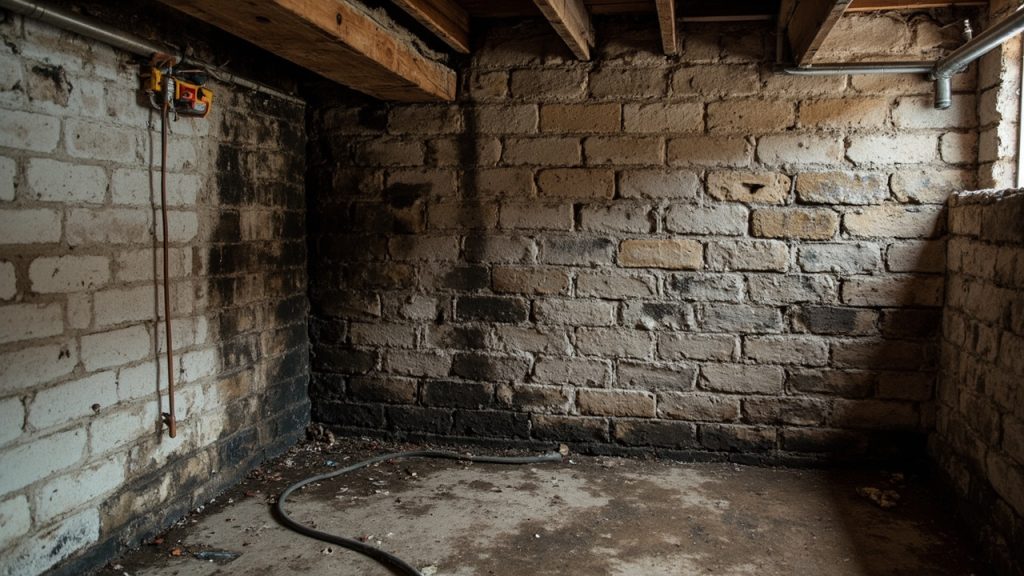
Professional Mold Removal Services for Historic Homes in Andersonville Chicago
Call Cornerstone Water Damage Restoration now for emergency mold removal in Andersonville. We respond 24/7 to mold emergencies affecting historic homes in the 60640 and 60660 zip codes. Your Andersonville greystone or two-flat faces unique moisture challenges that demand specialized expertise. Approximately 73 percent of properties along the Clark Street corridor between Foster and Bryn Mawr were constructed before 1900, making them especially vulnerable to mold growth in basements and masonry cavities. The Lake Michigan water table in the 60640 and 60660 zip codes sits between 578 and 582 feet above sea level, which creates persistent hydrostatic pressure against foundation walls during spring thaw and heavy rainfall events. Chicago Blue Clay soil dominates this neighborhood and generates significant hydrostatic pressure that pushes moisture through mortar joints and concrete cracks year-round. Our certified team arrives within hours to assess contamination, contain the problem, and begin remediation immediately. Do not wait. Mold spreads aggressively through vintage wood framing and masonry. Contact us at 773-555-0124 right now or text for immediate callback. Free moisture assessment available today.
Andersonville’s vintage architecture tells the story of Chicago’s North Shore. Greystones, two-flats, and classic bungalows line Clark Street between Foster and Bryn Mawr and the surrounding blocks in the 60640 and 60660 zip codes. These homes carry charm, character, and a significant vulnerability. Mold grows aggressively in older properties because their foundations, basement walls, and roof systems were built before modern waterproofing standards. The combination of Chicago’s clay-heavy soil, high humidity in summer months, Lake Michigan’s proximity creating elevated water tables, and the spring rains that overwhelm aging drainage systems creates the perfect environment for mold colonies to expand unchecked.
When you spot the telltale signs of mold in a historic Andersonville home, waiting is not an option. Mold spreads rapidly through wood framing, crawl spaces, and insulation. The longer you delay, the more structural damage occurs and the more expensive remediation becomes. Cornerstone Water Damage Restoration brings 15 years of local expertise to every Andersonville property we service. We understand the architectural quirks of vintage Chicago homes. We know the building codes that apply to properties built before 1978. We have the equipment and certifications to handle black mold, surface mold, and hidden moisture that standard cleaners cannot reach.
Why Andersonville Homes Are Prone to Mold Growth
Historic homes in Andersonville face a perfect storm of conditions that promote mold. Chicago Blue Clay dominates the soil composition across the North Side. This clay contains high water content and poor permeability. Hydrostatic pressure builds against basement walls, pushing moisture through mortar joints and concrete cracks. Combined sewer systems in older Andersonville neighborhoods create additional risk during heavy rainfall. When the city’s storm drains exceed capacity, sewage and stormwater back up into foundations, introducing contaminated moisture that feeds aggressive mold growth.
The architectural design of vintage Andersonville properties compounds the problem. Most greystones and bungalows feature unfinished basements with limestone or rubble foundations. These materials absorb moisture like a sponge. No vapor barrier separates the soil from the living space above. Flat roofs common on two-flats trap water at seams and flashing points. Summer humidity levels regularly exceed 70 percent in Chicago, and Andersonville homes lack the air conditioning and dehumidification that newer construction provides. The water table near Lake Michigan, just east of Clark Street, rises significantly during spring thaw and heavy rain events, pushing additional moisture toward foundation perimeters.
Common Causes From Vintage Basements to Flat Roof Leaks
We identify mold sources through systematic investigation. The most frequent culprits in Andersonville homes include the following.
- Basement seepage from poor exterior drainage and high water tables influenced by Lake Michigan proximity
- Leaking flat roofs that deteriorate without regular maintenance
- Failed caulking and flashing around windows and doors in older brick facades
- Condensation on cold basement walls during humid summer months
- Plumbing leaks hidden inside vintage walls that go undetected for months
- Sump pump failures or absence of sump pump systems in older Andersonville homes
- Crawl spaces beneath wood-frame structures with no dehumidification control
Mold thrives in darkness and moisture. A basement leak in January might not appear serious until June, when summer humidity accelerates the growth. By that time, the colony has spread into joists, rim bands, and insulation. Early detection saves thousands in removal costs and prevents structural damage that threatens the property’s value.
Our Five-Step Mold Removal and Abatement Process
Professional mold remediation differs fundamentally from surface cleaning. Bleach and vinegar do not kill mold that colonizes inside walls or structural cavities. Our five-step process addresses visible mold, hidden moisture, and the environmental conditions that allow regrowth.
Step One Comprehensive Moisture Assessment and Mapping
We arrive at your Andersonville home with moisture meters, thermal imaging cameras, and hygrometers. These instruments reveal wet spots you cannot see with the naked eye. Thermal imaging detects temperature differences in walls and ceilings that indicate hidden moisture behind surfaces. We map the extent of the problem before disturbing anything. This assessment prevents us from overlooking satellite colonies that would reinfest the space after remediation.
Step Two Containment and Source Isolation
Mold releases spores into the air during removal. These spores spread contamination to other areas of the home if not contained. We seal the affected zone with polyethylene barriers and negative air pressure equipment. HEPA filtration systems run continuously to capture airborne spores and prevent cross-contamination to unaffected rooms. This isolation protects your family and prevents the mold from spreading during our work.
Step Three Removal and Disposal
We physically remove all mold-contaminated materials. Drywall, insulation, flooring, and wood framing that shows active mold growth gets removed and disposed of according to EPA mold remediation guidelines and OSHA standards. We do not encapsulate mold under sealant because it continues to grow beneath the surface. For Andersonville’s vintage homes, we often expose structural framing to assess the true extent of damage and ensure complete removal.
Step Four Antimicrobial Treatment and Cleaning
All affected surfaces receive antimicrobial treatment after physical removal. We use EPA-registered products designed for porous materials like masonry, wood, and concrete. These treatments kill remaining mold spores and create an inhospitable environment for regrowth. We clean all hard surfaces, HVAC components, and ductwork that may contain spore residue.
Step Five Restoration and Moisture Control Installation
After mold removal, we address the root cause. For basement seepage, we recommend interior or exterior waterproofing solutions. For roof leaks, we coordinate emergency roof repairs. For high humidity, we install or upgrade dehumidification systems. We also replace removed drywall, insulation, and flooring with mold-resistant materials certified for use in historic structures. This final step prevents the mold from returning.
Certified Mold Inspection and Testing Services in 60640
We hold IICRC S520 Standard certification for professional mold remediation. This certification requires ongoing education, field experience, and adherence to industry protocols. Our inspectors use air sampling, surface sampling, and moisture mapping to create a comprehensive profile of the contamination. We generate reports that satisfy insurance companies and provide the documentation you need for your claim.
Testing also helps us customize the remediation approach. Different mold species require different treatment strategies. Stachybotrys chartarum, commonly called black mold, poses greater health risks than common household molds. Identifying the exact species allows us to recommend appropriate containment levels and protective equipment for your family.
| Testing Method | What It Detects | Turnaround Time | Cost Factor |
|---|---|---|---|
| Air Sampling | Airborne mold spore counts and species identification | 5-7 business days | Moderate |
| Surface Sampling | Mold growth on visible spots and hidden areas behind walls | 5-7 business days | Moderate |
| Moisture Mapping | Water content in walls, floors, and structural materials | Same day results | Included in inspection |
| Thermal Imaging | Temperature anomalies indicating hidden moisture zones | Same day results | Included in inspection |
Why Choose Cornerstone Water Damage Restoration for Andersonville Property Recovery
The Chicago market includes dozens of restoration companies. Many operate from out-of-state call centers and send crews with minimal local experience. We are different. Cornerstone operates from Chicago. Our team has spent 15 years learning the specific challenges of Andersonville homes and the broader North Side corridor.
We understand that historic properties in Rogers Park, Uptown, Edgewater, and Andersonville require specialized handling. Victorian-era plumbing sits in different locations than modern homes. Historic electrical systems present hazards during water mitigation. Lead paint and asbestos materials in pre-1978 properties demand careful containment and professional disposal. Our crews know these details because we have worked in these neighborhoods throughout our careers.
We offer 24/7 emergency response. Mold does not wait for business hours. When you call at 2 AM with water actively dripping through your ceiling, we dispatch a crew to your Andersonville address immediately. Our emergency response protocol includes water extraction, structural drying, and temporary containment to prevent mold from establishing itself overnight.
We handle insurance claims directly. We understand that most Andersonville homeowners carry homeowners policies that cover water damage and mold caused by sudden events like burst pipes or roof leaks. We document the loss, provide detailed photos and measurements, and work with your adjuster to ensure fair compensation. This coordination removes the stress from your shoulders while you focus on your family’s safety.
Our Certifications and Credentials
Professional credentials separate experienced operators from unlicensed amateurs. Cornerstone holds IICRC certification in both water damage restoration and mold remediation. We maintain current licenses through the State of Illinois and Chicago municipal requirements. Our crews wear identification badges that verify their standing. We carry liability insurance that protects your property during our work.
These credentials represent hundreds of hours of study and field work. IICRC certification requires passing rigorous examinations on drying science, moisture dynamics, and biological growth dynamics. It requires demonstrating hands-on competency with equipment like psychrometers, moisture meters, and dehumidification systems. When you hire Cornerstone, you get teams trained to industry standards, not handymen with cleaning supplies.
Mold Prevention Strategies for Andersonville Homes
Once we complete remediation, the goal shifts to prevention. Mold prevention in Chicago’s climate requires consistent attention to moisture control and drainage management.
Inspect your roof twice yearly. Andersonville’s flat roofs deteriorate without regular maintenance. Have a licensed roofer examine membrane integrity, flashing seals, and drainage systems each spring and fall. Early repair of small leaks prevents the interior damage that leads to mold.
Grade your exterior properly. Soil should slope away from the foundation on all sides. If water pools near your home, regrading and proper downspout installation redirect moisture away from basement walls. This single improvement prevents most basement seepage in older Andersonville properties.
Install or upgrade your sump pump system. If your home has a sump pit without a pump, install one immediately. If you have a pump, ensure it discharges at least 10 feet from the foundation. Battery-backed systems provide protection during power outages, which frequently occur during the storms that cause the most damage.
Control humidity actively. During summer months, run dehumidifiers in basements and crawl spaces. Keep humidity below 60 percent. This single action slows mold growth dramatically. Crawl space encapsulation systems with dedicated dehumidifiers provide permanent humidity control for properties built on shallow foundations common in Andersonville.
Monitor for moisture continuously. Install smart moisture sensors in vulnerable areas like basements, crawl spaces, and under bathrooms. These devices send alerts to your phone when moisture levels rise unexpectedly. Early detection allows you to respond before colonies establish.
Understanding Mold Health Impacts in Your Home
Mold in Andersonville homes affects your family’s health. Airborne mold spores trigger respiratory reactions, especially in children, elderly residents, and people with asthma or allergies. Certain mold species produce mycotoxins, chemical compounds that cause neurological symptoms and immune suppression with prolonged exposure.
You might not connect your symptoms to mold. Recurring coughs, sinus congestion, or skin irritation often get attributed to seasonal allergies or minor illness. If these symptoms improve when you leave your home and worsen when you return, mold contamination deserves investigation.
The good news is that professional remediation stops health impacts. Once mold colonies are removed and moisture is controlled, airborne spore counts drop to normal levels within weeks. Your family experiences relief as the indoor environment becomes safe again.
Mold Remediation Timeline and What to Expect
Homeowners frequently ask how long remediation takes. The timeline varies based on contamination extent and the scope of restoration required.
| Project Phase | Duration for Small Job (1-2 Rooms) | Duration for Large Job (Basement or Multi-Level) | Key Activities |
|---|---|---|---|
| Assessment and Planning | 1-2 days | 2-3 days | Moisture mapping, sampling, containment design |
| Containment Setup | 1 day | 1-2 days | Barrier installation, HEPA equipment activation |
| Physical Removal | 2-3 days | 5-7 days | Mold and contaminated material extraction and disposal |
| Antimicrobial Treatment | 1 day | 2-3 days | EPA-registered treatment application and drying |
| Structural Restoration | 3-5 days | 7-14 days | Drywall installation, flooring, painting, final cleanup |
| Final Verification and Testing | 1 day | 1-2 days | Clearance air sampling and documentation |
During remediation, you may not occupy the affected area. If the contamination involves significant portions of your home, temporary relocation becomes necessary. Insurance policies typically cover temporary housing costs for losses caused by sudden events like roof leaks or burst pipes.
Mold in Specific Andersonville Home Types
Andersonville’s architectural diversity means mold manifests differently depending on your home type. Understanding your property’s vulnerabilities guides prevention and remediation decisions.
Classic Chicago Greystones A Unique Challenge
Greystones account for a significant portion of Andersonville’s housing stock along and near Clark Street. These three-story stone-faced structures date from the early 1900s. Greystones have solid masonry walls and typically include finished basements. The thick stone provides excellent insulation for heating but traps moisture during humid months. Stone and mortar joints absorb water readily, especially on the north-facing side that receives minimal direct sun. Mold in greystones often grows at basement walls, in crawl spaces between the first and second floors, and in attic spaces where roof leaks occur. A problem unique to Andersonville greystones involves the cavity wall system common in early 1900s construction. Moisture penetrates the outer stone facade and becomes trapped in the cavity space between the stone and inner brick or plaster wall. The cavity lacks proper drainage, and water sits trapped inside the wall assembly for months. By the time moisture reaches the interior plaster, mold colonies have colonized the entire cavity, spreading across multiple walls. Standard interior mold removal misses the cavity infection entirely, and the mold returns within weeks. Cornerstone identifies cavity infections through thermal imaging and removes the interior plaster to access and treat the concealed cavity space.
Two-Flats and Three-Flats
These multi-unit buildings dominate Andersonville’s residential blocks. Two-flats feature side-by-side units or stacked layouts. Most have unfinished basements and flat roofs. The flat roof design creates chronic maintenance challenges. When flashing fails or membrane deteriorates, water penetrates into the structure. Tenants and owners often discover the damage only after significant wood rot and mold development. Emergency roof leak tarping provides temporary protection while permanent repairs are scheduled.
Bungalows with Crawl Spaces
Many Andersonville bungalows feature shallow crawl spaces instead of basements. These tight, dark spaces trap moisture and promote mold growth aggressively. Crawl space mold spreads upward into living areas through floor cavities and returns via the HVAC system. Professional crawl space assessment and encapsulation prevent this problem.
Insurance Coverage for Mold Damage in Andersonville
Insurance claims for mold remediation depend on the cause of the water intrusion. Sudden, accidental losses typically qualify for coverage. Gradual seepage and neglect do not. We help you document the event and present your claim effectively to maximize your recovery.
If a pipe bursts and the resulting water feeds mold growth, your homeowners policy covers the mold remediation. If your roof leaks during a heavy rainstorm and mold develops in the attic, coverage applies. If your sump pump fails during a power outage caused by a storm, mold remediation is covered. The key element is that the water intrusion resulted from a sudden, accidental event rather than poor maintenance or design.
Connecting Andersonville Mold to Broader Water Damage Issues
Mold rarely appears without an underlying water problem. The moisture that feeds mold growth usually comes from the same sources that cause structural water damage. When you address water intrusion comprehensively, you eliminate mold simultaneously.
Basement flooding is endemic to older Chicago neighborhoods. Andersonville properties experience basement water damage from sump pump failure, high water table rise during spring thaw, and heavy rainstorm infiltration. Our basement flood cleanup services address both water extraction and mold prevention. We remove standing water, dry structural materials, and apply antimicrobial treatment to prevent mold colonies from establishing.
Sewage backup is another serious concern in Andersonville’s combined sewer neighborhoods. When municipal sewers back up, contaminated water enters homes through lowest plumbing fixtures. This category of water, classified as black water, introduces biological hazards beyond mold. Our emergency sewage cleanup team responds to these events with full biohazard protocols. We sanitize and disinfect affected areas while managing mold risk.
For properties in nearby communities, we provide the same comprehensive services. Our water damage restoration in Evanston and our water damage restoration in Arlington Heights bring the same Cornerstone expertise to North Shore properties.
Why Professional Remediation Beats DIY Approaches
Some Andersonville homeowners attempt mold removal with bleach, vinegar, or commercial cleaners. This approach creates significant risks.
Surface cleaning does not address mold that penetrates into drywall, insulation, or wood framing. The visible portion represents only the tip of the colony. Roots extend deep into structural materials where cleaning solutions cannot reach. Within weeks, the mold regrows from the untouched portions.
DIY removal disturbs mold without proper containment. Spores spread throughout your home during cleaning. Your family inhales contaminated air. The cleanup actually makes the problem worse by distributing spores to previously unaffected areas.
You lack the moisture detection equipment to identify hidden contamination. Thermal imaging cameras, moisture meters, and professional hygrometers reveal moisture that visual inspection misses. Professional assessment prevents you from overlooking the real problem while treating symptoms.
Frequently Asked Questions
Do I need testing if I see visible mold?
If you see visible mold, testing confirms what your eyes already show and identifies the mold species. Different mold species require different treatment strategies. Stachybotrys chartarum, commonly called black mold, poses greater health risks than common household molds. Identifying the exact species allows us to recommend appropriate containment levels and protective equipment for your family. Testing also helps us assess whether hidden colonies exist in areas you cannot see, which is critical for effective remediation.
What does insurance actually cover for mold damage?
Coverage depends on the cause of water intrusion. Sudden, accidental losses typically qualify for coverage. Gradual seepage and neglect do not. A pipe burst that causes mold growth is covered. A roof leak during a heavy rainstorm that develops into mold in the attic is covered. A sump pump failure during a power outage caused by a storm that results in mold remediation is covered. The key element is that the water intrusion resulted from a sudden, accidental event rather than poor maintenance or design. We help you document the event and work with your insurance company to maximize your claim recovery.
Take Action Now for Andersonville Mold Removal
Professional mold remediation in Andersonville addresses both the visible contamination and the moisture control failures that allowed it to develop. Cornerstone brings specialized knowledge of Chicago’s climate, vintage architecture, and local building codes to every project. We respond 24/7 to emergency situations and work directly with your insurance company to streamline the claims process.
Do not delay if you suspect mold in your Andersonville home. Mold spreads rapidly and causes damage that grows more expensive the longer you wait. Call Cornerstone Water Damage Restoration today at 773-555-0124 to schedule your free moisture assessment. Our certified inspectors will identify contamination, measure the scope of the problem, and recommend a remediation plan customized to your property’s specific needs in the 60640 and 60660 zip codes. We answer calls 24 hours a day, 7 days a week, so contact us immediately if you notice mold growth or musty odors in your Andersonville home. Your family’s health and your property’s structural integrity depend on fast action.
{
“@context”: “https://schema.org”,
“@type”: “BlogPosting”,
“headline”: “Professional Mold Removal Services for Historic Homes in Andersonville Chicago”,
“description”: “24/7 mold removal for Andersonville greystones and vintage homes. IICRC certified. Free assessment for 60640/60660.”,
“wordCount”: 3337,
“datePublished”: “2026-02-12T07:49:00.000Z”,
“dateModified”: “2026-02-12T07:49:00.000Z”,
“inLanguage”: “en-US”,
“mainEntityOfPage”: {
“@type”: “WebPage”,
“@id”: “https://cornerstonewaterdamagerestorationchicago.com”
},
“publisher”: {
“@type”: “LocalBusiness”,
“name”: “Cornerstone Water Damage Restoration Chicago”,
“url”: “https://cornerstonewaterdamagerestorationchicago.com”
},
“author”: {
“@type”: “Organization”,
“name”: “Cornerstone Water Damage Restoration Chicago”,
“url”: “https://cornerstonewaterdamagerestorationchicago.com”
},
“image”: {
“@type”: “ImageObject”,
“url”: “https://cornerstonewaterdamagerestorationchicago.com/wp-content/uploads/2026/03/professional-mold-removal-services-for-historic-ho-1.jpg”
}
}
{
“@context”: “https://schema.org”,
“@type”: “LocalBusiness”,
“name”: “Cornerstone Water Damage Restoration Chicago”,
“url”: “https://cornerstonewaterdamagerestorationchicago.com”,
“address”: {
“@type”: “PostalAddress”,
“addressLocality”: “Chicago”
},
“areaServed”: {
“@type”: “City”,
“name”: “Chicago”
}
}
{
“@context”: “https://schema.org”,
“@type”: “FAQPage”,
“mainEntity”: [
{
“@type”: “Question”,
“name”: “Do I need testing if I see visible mold?”,
“acceptedAnswer”: {
“@type”: “Answer”,
“text”: “If you see visible mold, testing confirms what your eyes already show and identifies the mold species. Different mold species require different treatment strategies. Stachybotrys chartarum, commonly called black mold, poses greater health risks than common household molds. Identifying the exact species allows us to recommend appropriate containment levels and protective equipment for your family. Testing also helps us assess whether hidden colonies exist in areas you cannot see, which is critical for effective remediation.”
}
},
{
“@type”: “Question”,
“name”: “What does insurance actually cover for mold damage?”,
“acceptedAnswer”: {
“@type”: “Answer”,
“text”: “Coverage depends on the cause of water intrusion. Sudden, accidental losses typically qualify for coverage. Gradual seepage and neglect do not. A pipe burst that causes mold growth is covered. A roof leak during a heavy rainstorm that develops into mold in the attic is covered. A sump pump failure during a power outage caused by a storm that results in mold remediation is covered. The key element is that the water intrusion resulted from a sudden, accidental event rather than poor maintenance or design. We help you document the event and work with your insurance company to maximize your claim recovery.”
}
}
]
}
{
“@context”: “https://schema.org”,
“@type”: “BreadcrumbList”,
“itemListElement”: [
{
“@type”: “ListItem”,
“position”: 1,
“name”: “Home”,
“item”: “https://cornerstonewaterdamagerestorationchicago.com”
},
{
“@type”: “ListItem”,
“position”: 2,
“name”: “Blog”,
“item”: “https://cornerstonewaterdamagerestorationchicago.com/blog”
},
{
“@type”: “ListItem”,
“position”: 3,
“name”: “Professional Mold Removal Services for Historic Homes in Andersonville Chicago”
}
]
}
{
“@context”: “https://schema.org”,
“@type”: “Service”,
“serviceType”: “Water Damage Restoration”,
“provider”: {
“@type”: “LocalBusiness”,
“name”: “Cornerstone Water Damage Restoration Chicago”,
“url”: “https://cornerstonewaterdamagerestorationchicago.com”
},
“areaServed”: {
“@type”: “City”,
“name”: “Chicago”
},
“description”: “24/7 mold removal for Andersonville greystones and vintage homes. IICRC certified. Free assessment for 60640/60660.”
}