





Chicago's location on Lake Michigan combined with brutal winter freezes creates perfect conditions for water damage. The city's aging infrastructure, with many buildings constructed before modern waterproofing standards, makes properties vulnerable to basement flooding, burst pipes, and roof leaks. Chicago's clay-heavy soil expands when wet and contracts when dry, creating foundation cracks that channel water into basements. The freeze-thaw cycle destroys pipes, with temperatures dropping below zero for extended periods then rapidly warming. Spring storms overwhelm the city's combined sewer system, causing backup floods in neighborhoods from Lincoln Park to Beverly. High-rise buildings in the Loop and River North face unique challenges with vertical water travel through elevator shafts and stairwells. Properties near the Chicago River, Des Plaines River, and North Shore Channel face seasonal flooding risks. Winter ice dams trap melting snow on roofs, forcing water under shingles into attics. Every season brings different water threats, making fast response critical to preventing structural damage, mold growth, and total loss.
Cornerstone Water Damage Restoration Chicago operates differently than typical restoration companies. We maintain strategically positioned rapid response teams across the metro, guaranteeing arrival within 60 minutes of your call, 24 hours a day, 365 days a year. Our crews know Chicago properties inside and out, from vintage graystones in Wicker Park to modern high-rises downtown. We understand how water moves through Chicago's specific building types and architectural styles. Our extraction and drying equipment operates at industrial scale, removing thousands of gallons quickly to prevent secondary damage. We work directly with every major insurance carrier serving Chicago, handling documentation and claims coordination so you don't fight adjusters while your property sits wet. Our technicians hold IICRC certifications in water damage restoration, applied structural drying, and mold remediation. We use thermal imaging to find hidden moisture in walls, ceilings, and floors that leads to mold growth weeks later. Our drying protocol follows strict humidity monitoring, not guesswork, ensuring complete moisture removal before we close the job. We coordinate with licensed plumbers, electricians, and contractors for repairs beyond water extraction. Most Chicago restoration companies subcontract work or operate banker's hours. We own our equipment, employ our crews directly, and answer our phones at 3 AM when your basement floods. That difference matters when you're standing in six inches of water.

Our rapid response teams deploy from strategic locations across Chicago, arriving in under 60 minutes to begin water extraction. We don't schedule appointments for emergencies. When you call, we dispatch immediately. Every minute counts when water is actively damaging your property, destroying flooring, and soaking into walls.

We handle all documentation, moisture readings, and communication with your insurance company. Our technicians photograph damage, create detailed loss reports, and provide the exact information adjusters need. You get restoration work started immediately while we manage the paperwork and fight for maximum coverage on your claim.
Every technician on our crews holds current IICRC certifications in water damage restoration and applied structural drying. We follow industry protocols for moisture detection, extraction methods, and drying science. Our work meets the standards insurance companies require and building codes demand for proper restoration documentation.
We know Chicago construction from basement to roof. Our crews understand how water moves through brick two-flats, concrete high-rises, and vintage frame homes. We recognize the specific vulnerabilities in Chicago's building stock and adapt our restoration approach to each property type for thorough water removal.
Water damage strikes Chicago properties in dozens of ways, requiring different response protocols and specialized equipment. Cornerstone Water Damage Restoration Chicago handles every category of water damage, from clean water floods to contaminated sewage backups. We provide emergency water extraction, structural drying, dehumidification, mold remediation, and complete reconstruction services. Our service approach separates into three distinct response categories based on water source, contamination level, and urgency. Emergency response services deploy immediately for active flooding and burst pipes. Mitigation services prevent ongoing damage through rapid drying and moisture removal. Restoration services rebuild damaged areas to pre-loss condition. Each category requires specific equipment, safety protocols, and insurance documentation. We maintain the full range of extraction pumps, industrial dehumidifiers, air movers, moisture meters, and thermal imaging cameras needed for comprehensive water damage restoration. Our crews respond to basement floods, roof leaks, pipe bursts, appliance failures, storm damage, and sewage backups throughout Chicago's neighborhoods.
When water is actively flooding your property, emergency extraction is the critical first step to stop damage. Our crews deploy truck-mounted extraction pumps capable of removing thousands of gallons per hour from basements, crawl spaces, and flooded rooms. We extract standing water, remove soaked materials, and begin the drying process immediately. Fast water removal prevents flooring destruction, wall damage, and mold growth. This service responds to burst pipes, sewer backups, appliance failures, and storm flooding.
After water extraction, structural drying removes moisture trapped in walls, floors, and building materials. We deploy industrial dehumidifiers and high-velocity air movers to create controlled drying environments. Our technicians monitor humidity levels and moisture content daily using thermal imaging and moisture meters. Proper structural drying prevents mold growth, wood rot, and secondary damage. We follow IICRC protocols for applied structural drying, ensuring complete moisture removal before reconstruction begins.
Complete restoration rebuilds your property after water damage. We replace damaged drywall, flooring, insulation, and structural materials destroyed by water. Our reconstruction crews handle everything from minor repairs to gut rehabs. We coordinate with licensed plumbers and electricians to address the water source. We match existing finishes, paint, and materials to restore your property seamlessly. Complete restoration includes mold remediation if needed and ensures your property meets building codes.
Chicago's climate and infrastructure create recurring water damage scenarios that threaten properties year-round. The city's brutal winters freeze pipes in unheated areas, causing catastrophic bursts when temperatures warm. Spring storms overwhelm gutters and foundation drainage, flooding basements throughout the city. Summer humidity accelerates mold growth in damp basements and crawl spaces. Fall freezes crack aging clay sewer lines, causing backups. Chicago's combined sewer system sends storm water and sewage through the same pipes, creating contaminated backup floods during heavy rain. The city's building stock, with many structures over 100 years old, lacks modern waterproofing and foundation drainage. Lake Michigan proximity keeps humidity high, slowing natural drying after water intrusion. These factors combine to make water damage one of the most common insurance claims among Chicago property owners.
Chicago winters freeze pipes in exterior walls, crawl spaces, and unheated areas. When pipes burst, they flood properties with hundreds of gallons before anyone discovers the leak. Frozen pipe bursts cause catastrophic water damage, destroying ceilings, walls, and flooring. Our crews respond immediately to extract water and dry structures before mold grows.
Spring storms and heavy rain overwhelm foundation drainage, flooding basements throughout Chicago. Clay soil prevents proper drainage, channeling water toward foundations. Aging sump pumps fail during peak demand. Basement flooding destroys furnaces, water heaters, electrical panels, and finished living spaces. Fast extraction prevents total loss and reduces restoration costs significantly.
Chicago's combined sewer system backs contaminated water into basements during heavy storms. Tree roots invade aging clay sewer lines, creating blockages. Sewer backups require immediate response because contaminated water poses serious health risks. Our crews extract sewage, sanitize affected areas, and remove contaminated materials following safety protocols.
Winter ice dams trap melting snow on roofs, forcing water under shingles into attics and walls. Aging flat roofs on Chicago's brick buildings develop cracks and ponding areas. Roof leaks damage ceilings, insulation, and electrical systems. Water travels through multiple floors before appearing as ceiling stains, making source detection challenging without thermal imaging.
When water damage strikes your Chicago property, you need immediate action and clear communication. Cornerstone Water Damage Restoration Chicago operates on a defined emergency response protocol that begins the moment you call. Our process prioritizes stopping active water damage, protecting your property from secondary damage, and working directly with your insurance company. You will speak with a live person, not an answering service, regardless of when you call. Our dispatcher will ask specific questions about your water damage situation to send the appropriate equipment and crew size. We provide an estimated arrival time and call you when our crew is 10 minutes away. Our technicians arrive in marked vehicles with identification and assess damage before beginning work. We explain our findings, outline our restoration plan, and answer your questions before extracting water. You stay informed at every phase of the restoration process.
When you call our emergency line, we dispatch a crew immediately. You speak directly with our operations team, not an answering service. We ask focused questions about your water damage to send the right equipment. Our crews are positioned throughout Chicago for rapid response. You receive an estimated arrival time and a callback when our technicians are 10 minutes away. We arrive in marked vehicles with all necessary extraction and drying equipment ready to work.
Our technicians perform a complete damage assessment before beginning work. We use moisture meters and thermal imaging to detect hidden water in walls, ceilings, and floors. We photograph all damage and create detailed documentation for your insurance claim. You receive a written scope of work explaining what we will do and why each step matters. We discuss costs, timelines, and insurance coverage before starting restoration work.
Water damage restoration takes days or weeks depending on severity. Our project manager contacts you daily with updates on drying progress, moisture readings, and next steps. You receive photos showing work completed and areas still drying. We schedule all reconstruction work around your availability. When restoration is complete, we perform a final walkthrough to ensure you are satisfied before closing the job.
Water damage restoration follows a systematic process designed to remove water, dry structures completely, and rebuild damaged areas. Each phase builds on the previous one to restore your property efficiently.
Our crew arrives in under 60 minutes and begins extracting standing water immediately using truck-mounted pumps and portable extractors. We remove soaked carpets, pads, and materials that cannot be saved. We move furniture to dry areas and protect belongings from additional damage. We identify the water source and coordinate with plumbers or roofers if needed to stop ongoing intrusion.
We deploy industrial dehumidifiers and air movers to create controlled drying environments. Our technicians monitor humidity levels and moisture content daily using calibrated meters. We document drying progress with daily readings and photos for insurance claims. Structural drying typically takes three to seven days depending on materials affected and extent of saturation. We continue drying until moisture levels return to normal.
After structures are completely dry, our reconstruction crews rebuild damaged areas. We replace drywall, insulation, flooring, and trim destroyed by water. We match paint colors and finishes to existing conditions. We coordinate inspections if required by building codes. Your property is restored to pre-loss condition with all work meeting Chicago building standards and insurance requirements.
Professional water damage restoration follows strict industry standards established by the Institute of Inspection, Cleaning and Restoration Certification. These standards classify water damage by contamination level and guide restoration protocols. Category 1 water is clean water from supply lines, appliances, or rainwater. Category 2 water contains contaminants from dishwashers, washing machines, or toilet overflow with urine but no feces. Category 3 water is grossly contaminated from sewage backups, flooding from rivers or streams, and toilet overflow with feces. Each category requires different safety protocols, extraction methods, and disposal procedures. Chicago properties face additional complications from the city's combined sewer system, which mixes storm water with sewage. Any backup from floor drains or toilets during storms must be treated as Category 3 contaminated water. The IICRC S500 Standard guides all professional water damage restoration work. It specifies moisture detection methods, drying goals, antimicrobial treatments, and documentation requirements. Insurance companies require IICRC-certified technicians and protocol compliance for claims payment. Our restoration work follows these standards precisely, using calibrated moisture meters, thermal imaging for hidden water detection, and daily monitoring logs. We test materials for moisture content and continue drying until readings meet dry standards, not arbitrary timelines. Chicago's building codes require permits for extensive reconstruction work. We coordinate all required inspections and ensure work meets current code requirements even when restoring older properties.
Water damage is classified into three categories based on contamination level. Category 1 is clean water from supply lines. Category 2 contains contaminants from appliances or fixtures. Category 3 is grossly contaminated from sewage or flooding. Each category requires specific safety equipment, extraction methods, and material disposal protocols. Classification determines restoration costs and insurance coverage.
Water damage restoration costs depend on water category, affected square footage, materials damaged, and drying time required. Category 3 sewage cleanup costs significantly more than clean water extraction. Hardwood floor drying costs less than replacement. Two-story water damage doubles labor and equipment needs. Insurance coverage varies by policy and water source. We provide detailed estimates before beginning work.
Structural drying typically takes three to seven days depending on materials affected and saturation extent. Concrete and masonry dry slower than wood framing. Complete drying requires maintaining low humidity and high air movement throughout affected areas. We monitor moisture daily and continue drying until readings meet IICRC dry standards. Reconstruction begins only after structures are completely dry.
Insurance companies require IICRC-certified technicians for water damage restoration claims. IICRC certification demonstrates knowledge of proper extraction methods, drying science, and documentation protocols. Certified technicians follow industry standards that ensure complete moisture removal and prevent mold growth. All our restoration crews hold current IICRC certifications in water damage restoration and applied structural drying.
This video explains professional water damage restoration processes for Chicago property owners, covering emergency extraction, structural drying, and complete reconstruction. Learn about IICRC standards, insurance documentation, water damage classification categories, and why Chicago's climate creates unique water damage risks. The video details what to expect when calling for emergency water damage services and how certified technicians restore properties to pre-loss condition following industry protocols.
Cornerstone Water Damage Restoration Chicago maintains rapid response coverage throughout the Chicago metro area and surrounding communities. Our crews serve the entire North Side from Rogers Park and Edgewater down through Lincoln Park, Lakeview, and Wicker Park. We respond to water damage emergencies in Loop high-rises, River North condos, and West Loop lofts where vertical water travel creates unique challenges. Our South Side coverage extends through Bridgeport, Hyde Park, Beverly, and Morgan Park, areas with older housing stock vulnerable to basement flooding. We serve western suburbs including Oak Park, Berwyn, Cicero, and Maywood where aging infrastructure causes frequent pipe bursts. Our coverage extends north to Evanston, Skokie, and Wilmette along the North Shore where lakefront properties face storm damage and high water tables. We respond to basement floods in Rogers Park where clay soil prevents drainage, burst pipe emergencies in Lincoln Square's vintage buildings, and sewage backups in Pilsen's brick two-flats. Downtown properties near the Chicago River require specialized high-rise water damage response. We understand how water moves through different building types across Chicago's diverse neighborhoods. Older graystones in Bronzeville have different vulnerabilities than modern concrete towers in Streeterville. Frame houses in Jefferson Park flood differently than brick bungalows in Portage Park. Our crews adapt restoration approaches based on construction type, age, and neighborhood-specific challenges. We respond to properties near O'Hare Airport, along the Kennedy and Edens expressways, and throughout Cook County communities surrounding Chicago.
Yes. Water damage spreads fast and gets worse every hour you wait. In Chicago, where freeze-thaw cycles and basement flooding are common, small leaks turn into structural nightmares. Restoration stops mold growth within 24-48 hours, prevents wood rot, and protects your foundation. Ignoring water damage drops your property value and creates health risks. Professional restoration costs less than replacing drywall, flooring, and joists later. Insurance often covers sudden damage like burst pipes, making restoration financially smart.
Costs vary based on damage severity and source. Minor leaks affecting one room may run a few thousand dollars. Major flooding from Chicago's heavy spring rains or sewer backups can reach tens of thousands. Factors include water category (clean, gray, or black), affected square footage, and structural damage. Extraction takes less time than drying out brick walls common in older Chicago homes. Mold remediation adds cost. Most homeowners insurance covers sudden incidents, reducing your out-of-pocket expense significantly.
Complete restoration involves water extraction, structural drying, dehumidification, antimicrobial treatment, and rebuilding. Technicians remove standing water using pumps, then place air movers and dehumidifiers to dry walls, floors, and crawl spaces. Moisture meters track progress. They remove damaged materials like insulation and drywall if needed. Treatment prevents mold growth. Final steps include odor removal and reconstruction. In Chicago basements, this often includes addressing foundation seepage issues to prevent repeat flooding.
Yes. Water damage spreads fast and gets worse every hour you wait. In Chicago, where freeze-thaw cycles and basement flooding are common, small leaks turn into structural nightmares. Restoration stops mold growth within 24-48 hours, prevents wood rot, and protects your foundation. Ignoring water damage drops your property value and creates health risks. Professional restoration costs less than replacing drywall, flooring, and joists later. Insurance often covers sudden damage like burst pipes, making restoration financially smart.
Costs vary based on damage severity and source. Minor leaks affecting one room may run a few thousand dollars. Major flooding from Chicago's heavy spring rains or sewer backups can reach tens of thousands. Factors include water category (clean, gray, or black), affected square footage, and structural damage. Extraction takes less time than drying out brick walls common in older Chicago homes. Mold remediation adds cost. Most homeowners insurance covers sudden incidents, reducing your out-of-pocket expense significantly.
Complete restoration involves water extraction, structural drying, dehumidification, antimicrobial treatment, and rebuilding. Technicians remove standing water using pumps, then place air movers and dehumidifiers to dry walls, floors, and crawl spaces. Moisture meters track progress. They remove damaged materials like insulation and drywall if needed. Treatment prevents mold growth. Final steps include odor removal and reconstruction. In Chicago basements, this often includes addressing foundation seepage issues to prevent repeat flooding.
Stop the water source if safe. Shut off your main water valve for pipe bursts or turn off appliances. Move valuables to dry areas. Document everything with photos for insurance. Do not enter standing water if electrical outlets are submerged. Call a restoration company immediately. In Chicago, where humidity stays high in summer, every hour counts before mold starts growing. Avoid using household vacuums on water. Open windows only if outside humidity is low.
Yes, for sudden and accidental events. Standard homeowners policies cover burst pipes, appliance malfunctions, and storm damage through your roof. Chicago winter pipe freezes usually qualify. Insurance does not cover gradual leaks, foundation cracks, or flood water from rivers. You need separate flood insurance for that. Sewer backups require an endorsement. File your claim immediately and document everything. Restoration companies work directly with adjusters to streamline the process and maximize your coverage.
Cost depends on damage extent and response time. Small incidents caught early cost less. Wait too long and you pay for structural repairs, mold remediation, and content replacement. Chicago's older housing stock with plaster walls and hardwood floors takes longer to dry than modern construction. Labor, equipment rental, and disposal fees add up. Insurance typically covers covered perils, reducing your expense to your deductible. Preventing further damage by acting fast saves money compared to DIY attempts that miss hidden moisture.
It depends on the cause. Sudden pipe bursts inside walls are usually covered. Gradual leaks from poor maintenance are not. Chicago homes with old galvanized pipes face higher risk of hidden leaks. Insurance pays for accessing the wall to fix the pipe and repairing water damage, but not replacing the entire plumbing system. You must prove the damage was sudden and accidental. Document everything and report immediately. Delayed claims raise red flags with adjusters.
Water affects everything it touches. Materials absorb moisture quickly, requiring specialized drying equipment that runs for days. Labor costs include certified technicians working around the clock. Chicago's high humidity extends drying time. Hidden moisture behind walls and under floors causes secondary damage if missed. Mold grows within 48 hours, requiring separate remediation. Equipment like industrial dehumidifiers and moisture meters costs money. Disposal fees for contaminated materials add up. Insurance companies know fast professional response prevents costlier claims later.
Yes, if the damage falls under a covered peril. Homeowners insurance pays for burst pipes, appliance leaks, storm damage, and ice dam backups common in Chicago winters. You must file promptly and document damage thoroughly. Policies exclude flooding from outside sources, foundation seepage, and maintenance issues. Read your declarations page to understand coverage limits and deductibles. Sewer backup coverage requires an add-on endorsement. Work with your restoration company to provide detailed documentation adjusters need for approval.
Very likely if water sits longer than 48 hours. Chicago's humid summers create ideal mold conditions. Mold spores exist everywhere and need only moisture and organic material like drywall to grow. Visible mold appears within three to five days, but hidden growth starts sooner inside walls and under flooring. Professional restoration includes antimicrobial treatment and dehumidification to prevent mold. Porous materials like insulation and carpet padding often require removal. Fast response and thorough drying eliminate mold risk.
Stop the water source if safe. Shut off your main water valve for pipe bursts or turn off appliances. Move valuables to dry areas. Document everything with photos for insurance. Do not enter standing water if electrical outlets are submerged. Call a restoration company immediately. In Chicago, where humidity stays high in summer, every hour counts before mold starts growing. Avoid using household vacuums on water. Open windows only if outside humidity is low.
Yes, for sudden and accidental events. Standard homeowners policies cover burst pipes, appliance malfunctions, and storm damage through your roof. Chicago winter pipe freezes usually qualify. Insurance does not cover gradual leaks, foundation cracks, or flood water from rivers. You need separate flood insurance for that. Sewer backups require an endorsement. File your claim immediately and document everything. Restoration companies work directly with adjusters to streamline the process and maximize your coverage.
Cost depends on damage extent and response time. Small incidents caught early cost less. Wait too long and you pay for structural repairs, mold remediation, and content replacement. Chicago's older housing stock with plaster walls and hardwood floors takes longer to dry than modern construction. Labor, equipment rental, and disposal fees add up. Insurance typically covers covered perils, reducing your expense to your deductible. Preventing further damage by acting fast saves money compared to DIY attempts that miss hidden moisture.
It depends on the cause. Sudden pipe bursts inside walls are usually covered. Gradual leaks from poor maintenance are not. Chicago homes with old galvanized pipes face higher risk of hidden leaks. Insurance pays for accessing the wall to fix the pipe and repairing water damage, but not replacing the entire plumbing system. You must prove the damage was sudden and accidental. Document everything and report immediately. Delayed claims raise red flags with adjusters.
Water affects everything it touches. Materials absorb moisture quickly, requiring specialized drying equipment that runs for days. Labor costs include certified technicians working around the clock. Chicago's high humidity extends drying time. Hidden moisture behind walls and under floors causes secondary damage if missed. Mold grows within 48 hours, requiring separate remediation. Equipment like industrial dehumidifiers and moisture meters costs money. Disposal fees for contaminated materials add up. Insurance companies know fast professional response prevents costlier claims later.
Yes, if the damage falls under a covered peril. Homeowners insurance pays for burst pipes, appliance leaks, storm damage, and ice dam backups common in Chicago winters. You must file promptly and document damage thoroughly. Policies exclude flooding from outside sources, foundation seepage, and maintenance issues. Read your declarations page to understand coverage limits and deductibles. Sewer backup coverage requires an add-on endorsement. Work with your restoration company to provide detailed documentation adjusters need for approval.
Very likely if water sits longer than 48 hours. Chicago's humid summers create ideal mold conditions. Mold spores exist everywhere and need only moisture and organic material like drywall to grow. Visible mold appears within three to five days, but hidden growth starts sooner inside walls and under flooring. Professional restoration includes antimicrobial treatment and dehumidification to prevent mold. Porous materials like insulation and carpet padding often require removal. Fast response and thorough drying eliminate mold risk.
Cornerstone proudly serves the entire Chicago area with fast, dependable water damage restoration services. Whether you’re located in downtown, the suburbs, or surrounding neighborhoods, we’re ready to respond to your call—day or night. Use the map below to see our local service coverage and find our nearest team. With mobile units throughout the city, help is never far away. If you’re facing water damage, reach out now and let us show you why homeowners and businesses choose Cornerstone.
Address:
Chicago, IL, 60654
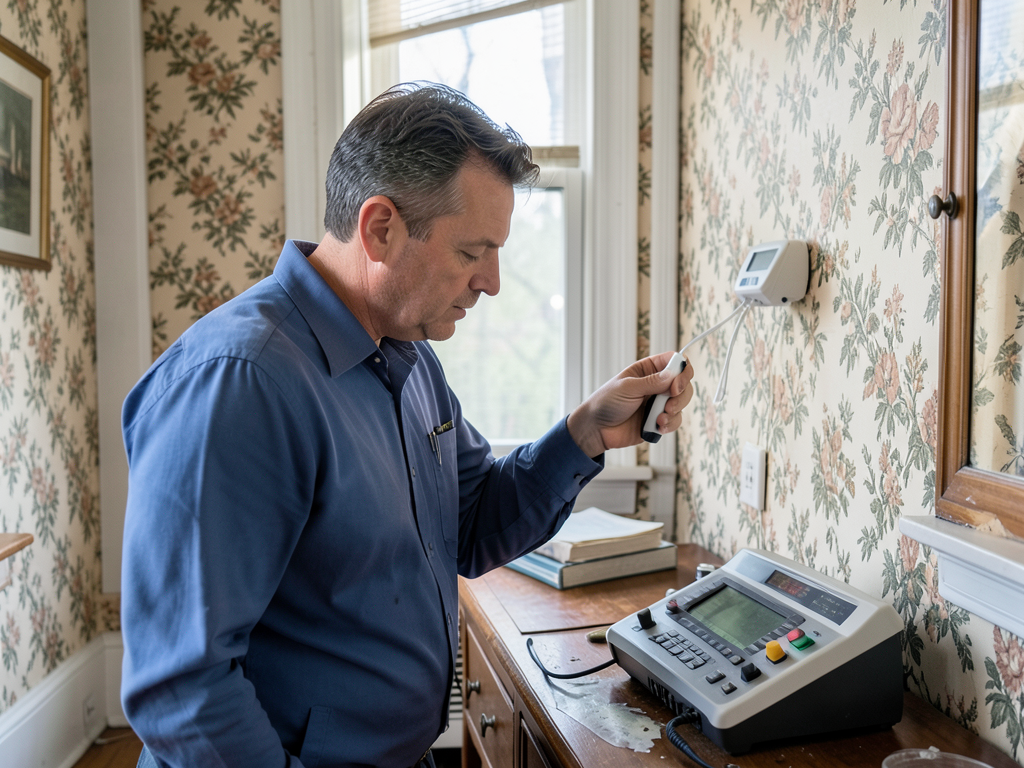
Restoring vintage wallpaper and designer wallcoverings after a pipe burst Water damage to vintage wallpaper and designer wallcoverings requires immediate attention and specialized techniques. When a pipe bursts in your Chicago home, the delicate paper…
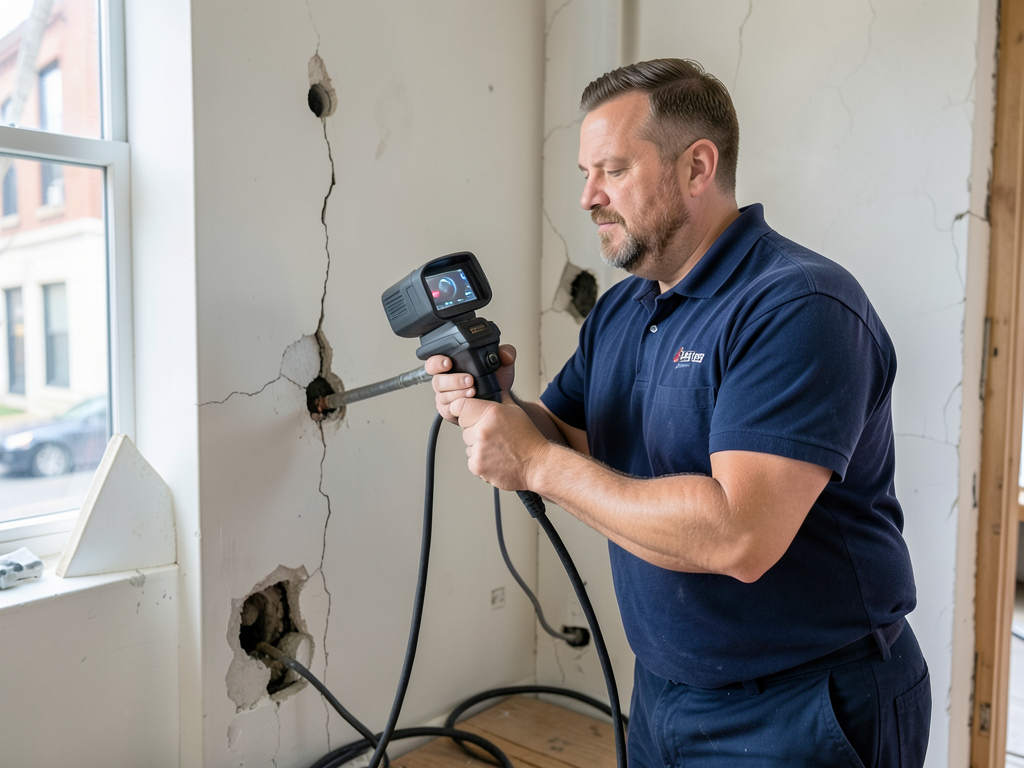
Why your Chicago homeowner insurance might not cover a slow leak Chicago homeowners often discover…
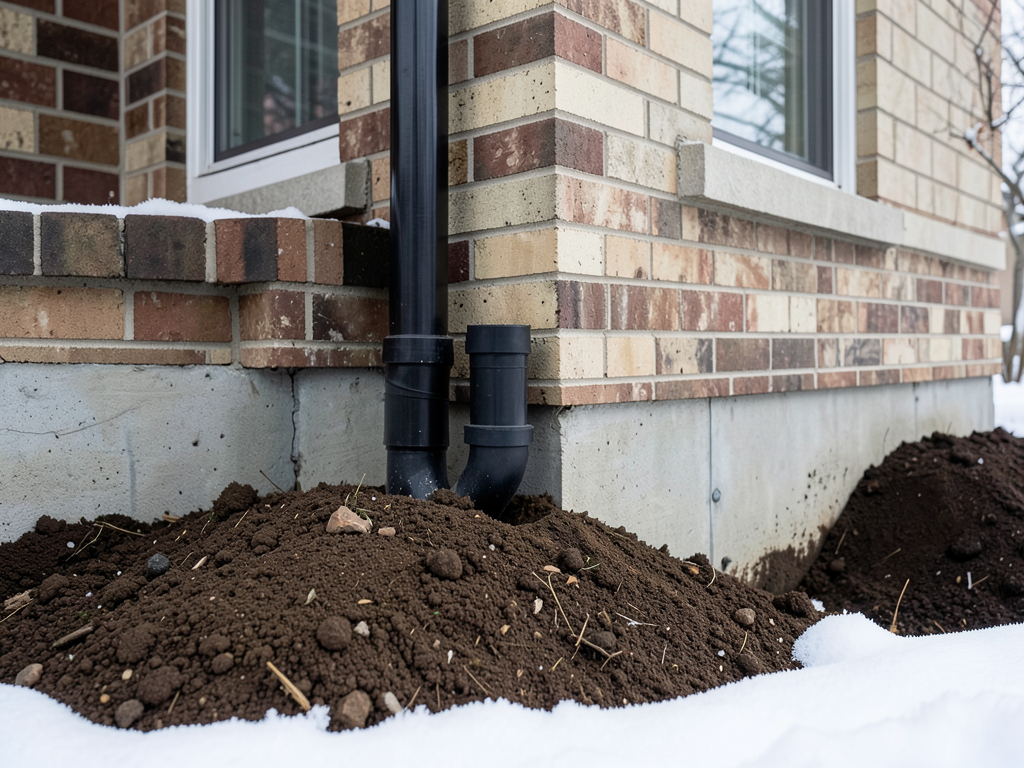
The best ways to prevent water damage in a Chicago vacation rental or second home…
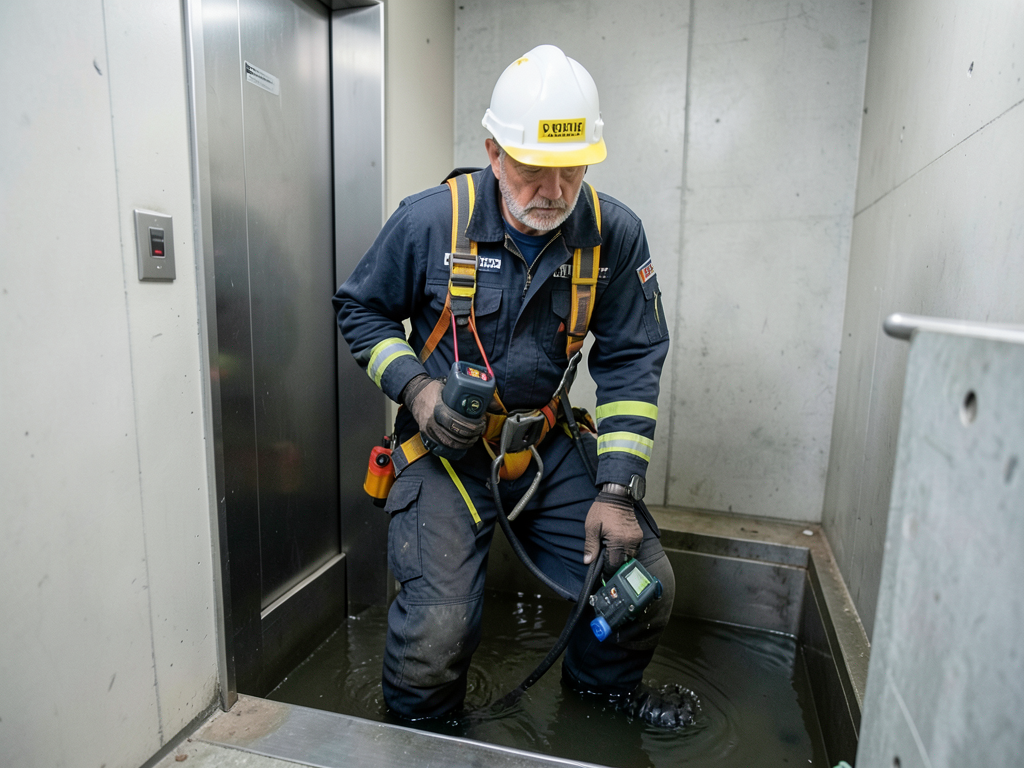
How to handle a flooded elevator pit in your Streeterville high rise Standing water in…
Water damage gets worse every minute. Our crews are standing by 24/7 to respond to your emergency in under 60 minutes. Call Cornerstone Water Damage Restoration Chicago now at (872) 266-1616 for immediate dispatch and expert restoration services.