
24/7 Burst Pipe Repair in Lincoln Park, Chicago
Lincoln Park’s proximity to Lake Michigan and Chicago Blue Clay soil create unique burst pipe risks that generic national advice misses. When temperatures drop below freezing or a pipe fails under pressure, water floods into your walls, basement, and foundation within minutes. You need a professional team on site immediately to stop the damage, extract standing water, and prevent mold growth.
A burst pipe in your Lincoln Park home or business does not wait for business hours. Cornerstone Water Damage Restoration responds to burst pipe emergencies across Lincoln Park and neighboring areas like Lakeview, Logan Square, and West Loop. We operate 24/7 and arrive equipped with industrial-grade extraction equipment, thermal imaging cameras, and structural drying systems. Our IICRC-certified technicians know the specific vulnerabilities of Chicago homes and work directly with your insurance company to manage claims.
Why Burst Pipes Happen So Often in Lincoln Park
Lincoln Park sits on Chicago’s North Shore near Lake Michigan. The proximity to the lake creates extreme weather patterns. Polar vortex events drop temperatures to minus 20 degrees Fahrenheit and below. These freeze-thaw cycles stress copper and PVC pipes relentlessly.
Historic Lincoln Park properties add another layer of risk. Many homes built in the 1920s through 1960s have outdated plumbing installed in uninsulated exterior walls or exposed crawl spaces. These pipes lack modern insulation and freeze faster than newer plumbing. Additionally, some older properties use galvanized steel pipes that become brittle after decades of use and fail under normal water pressure.
The flat prairie terrain that characterizes Chicago also contributes to water accumulation. When snowmelt or heavy spring rains occur, water pools around foundations. Hydrostatic pressure from Chicago Blue Clay soil pushes water inward. This pressure can crack old pipes embedded in basement walls.
Combined sewer systems in older Lincoln Park neighborhoods add another risk factor. During heavy storms, the municipal sewer system backs up into homes through drain lines and toilet connections, creating burst conditions from the inside out.
South of Fullerton Avenue, Victorian brownstones from the 1880s to 1910s face particularly acute risks. Their exterior basement walls sit just 10 to 12 feet from the lake water table. Clay soil around these properties remains saturated longer than other Lincoln Park areas, intensifying freeze-thaw pressure on aging cast iron drains and galvanized steel distribution lines. Wrightwood Neighbors area properties around Sheffield Avenue and nearby streets experience similar challenges but with slightly better drainage due to elevation changes. These 1920s and 1940s worker cottages have copper pipe systems running through uninsulated attics that freeze repeatedly during Chicago winters.
First Steps When You Discover a Burst Pipe
Your immediate action prevents thousands of dollars in additional damage. Follow these steps right now.
- Shut Off the Main Water Supply
Locate your main water shutoff valve. In Chicago homes, this valve sits near the street or in the basement where the water line enters. Turn the valve clockwise until water stops flowing. If you cannot locate the shutoff, call your water department or a plumber immediately.
- Turn Off Electrical Power
If water has reached electrical outlets, switches, or appliances, turn off power at the breaker panel before entering wet areas. Water conducts electricity and creates serious shock hazards.
- Document the Damage
Take photos and video of all visible water damage. Use your phone to capture wet drywall, damaged flooring, and standing water. These images prove damage extent to your insurance company and support your claim.
- Contact a Water Damage Professional
Call Cornerstone Water Damage Restoration immediately. Do not wait. Do not attempt to clean up the water yourself or use shop vacuums. Professional water extraction must begin within the first few hours to prevent mold and structural damage.
The Professional Burst Pipe Response Process
When Cornerstone arrives at your Lincoln Park address, our team performs a rapid assessment. We identify the burst location, the water category (clean water, gray water, or sewage), and the affected areas. We then deploy extraction and drying equipment based on your specific situation.
Water Extraction and Removal
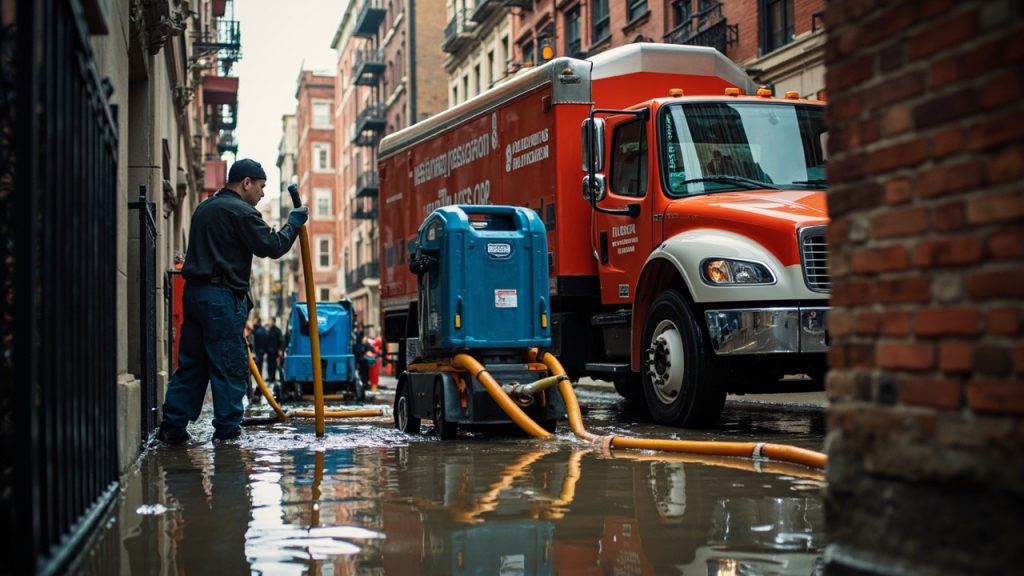
We use truck-mounted extraction systems and portable submersible pumps to remove standing water from basements, crawl spaces, and flooded rooms. These machines move thousands of gallons per hour. We also extract water from walls using specialized injection ports that penetrate drywall without requiring full wall removal.
Our team places strategic dehumidifiers, air movers, and moisture monitors throughout your property. These devices pull moisture from structural materials like drywall, concrete, and subflooring. Dehumidifiers reduce indoor humidity to below 55 percent, halting mold spore germination.
Structural Drying with Psychrometric Monitoring
Proper drying requires understanding psychrometry, the science of moisture in air. We use digital moisture meters to measure water content inside drywall, lumber, and concrete. These readings guide our equipment placement and tell us when drying is complete. Without proper monitoring, moisture remains hidden behind walls and leads to mold growth months later.
Drying timelines vary based on water volume, temperature, humidity, and building materials. A burst in an upstairs bedroom might dry in three to five days. A flooded basement with porous concrete and clay soil may require two to three weeks of continuous drying.
Mold Prevention and Antimicrobial Treatment
If water sits for more than 24 to 48 hours, mold begins growing. We apply IICRC-approved antimicrobial treatments to wet surfaces to prevent spore germination. We also remove saturated materials like carpet padding, fiberglass insulation, and affected drywall sections. These materials cannot be dried effectively and become breeding grounds for mold.
How Burst Pipe Damage Differs Across Lincoln Park Neighborhoods
Different areas of Lincoln Park face distinct risks based on building age, soil conditions, and proximity to the lake.
| Neighborhood Area | Primary Building Type | Common Pipe Issues | Soil and Drainage |
|---|---|---|---|
| South of Fullerton | Victorian brownstones and greystone two-flats built 1880s to 1910s | Galvanized steel pipes, cast iron drains, freezing in exterior walls | High clay content, poor drainage, water table near lake level |
| Wrightwood Neighbors area | Chicago bungalows and worker cottages 1920s to 1940s | Copper pipes in uninsulated attics, brittle joints from age | Moderate clay, sump pump failures during spring melt |
| DePaul area near Sheffield | Modern high-rise condos and residential buildings | Internal plumbing complexity, shared water risers, pressure spikes | Compacted fill over bedrock, some underground basements |
| Oz Park vicinity | Mixed 1950s to 1970s ranch and split-level homes | PVC and copper hybrid systems, freeze-thaw damage to exterior spigots | Better drainage, but older sump pumps frequently fail |
A Victorian basement on Fullerton Avenue we restored in 2025 exemplifies South of Fullerton risk. The 1905 brownstone had original cast iron drains running along an exterior wall exposed to Lake Michigan wind tunneling down the ravine streets. A joint failed mid-winter, flooding the basement with 8 inches of standing water. The high water table meant the basement sump pump could not evacuate water fast enough. Our team deployed dual dehumidifiers and air movers for 22 days straight due to clay soil saturation. Without aggressive extraction and monitoring, that basement would have developed mold colonies within two weeks of the burst.
Another case involved a Lakeview high-rise water riser burst on the third floor, affecting units on three consecutive levels below. The riser failed where an elbow joint corroded, a common failure point in buildings using high water pressure common in tall structures. We coordinated with condo management, three separate unit owners, and the building engineering team to execute simultaneous extraction and drying across all four units. The coordination prevented cross-contamination and ensured equal treatment of each affected property. This case demonstrates why multi-unit buildings require specialized response protocols beyond single-family home expertise.
Insurance Coverage for Burst Pipe Damage
Most homeowner insurance policies cover sudden burst pipe damage. The key word is sudden. Policies typically exclude damage from gradual leaks, lack of maintenance, or frozen pipes that thaw without bursting.
Cornerstone handles the insurance process for you. We document all damage with photos, thermal imaging, and moisture readings. We prepare detailed scope-of-work reports that list every affected area and material. We communicate directly with your insurance adjuster and contractor to ensure your claim covers the full restoration.
If your home is in a flood-prone Lincoln Park zone, your standard homeowner policy may not cover flooding. You need separate flood insurance through the National Flood Insurance Program. We help you understand your coverage limits and advise when additional riders or policies apply.
A pipe that bursts due to a defect in the pipe itself typically receives coverage even if poor maintenance contributed. A pipe that bursts because you failed to insulate it or allow it to drip during freezes may face denial. We review your specific situation and advise on likely outcomes before work begins.
Thermal Imaging Finds Hidden Burst Pipes
Sometimes the burst occurs behind walls or in crawl spaces. You see water damage on a wall but cannot locate the source. Thermal imaging cameras show temperature differences that reveal water flow and pipe location.
Our IICRC technicians use thermal imaging to pinpoint burst locations without tearing open walls. We identify sections of pipe that are actively leaking or recently damaged. This precision allows plumbers to access and repair the pipe with minimal structural disruption.
Preventing Future Burst Pipes
After restoration completes, prevent another burst with these steps.
- Insulate exposed pipes in attics, crawl spaces, and exterior walls with foam pipe sleeves or fiberglass wrap. Pay special attention to pipes near exterior walls in buildings facing Lake Michigan winds.
- Install pipe freeze protection by allowing faucets to drip slowly during hard freezes. Moving water resists freezing better than static water.
- Seal air leaks around pipes in exterior walls using caulk or expanding foam. Stop cold air from reaching the pipe by blocking drafts at rim joists and band boards.
- Maintain attic and crawl space ventilation. Blocked vents create ice dams and cold pockets where pipes freeze.
- Have a plumber inspect your plumbing system every three to five years. Galvanized steel pipes older than 50 years should be replaced with copper or PEX before they fail.
- Install a pressure-reducing valve if your water pressure exceeds 80 PSI. High pressure stresses pipes and increases burst risk.
Comparing Professional Restoration to DIY Attempts
Professional restoration differs from DIY cleanup in critical ways that affect your final outcome and cost.
| Factor | DIY Approach | Professional Restoration |
|---|---|---|
| Water Extraction Speed | Shop vacuums remove surface water slowly over days | Truck-mounted systems extract thousands of gallons per hour in hours |
| Hidden Moisture Detection | Relies on visible water and smell | Uses moisture meters and thermal imaging to find water inside walls and concrete |
| Drying Timeline | Months of air circulation without monitoring | Controlled drying with psychrometric data in days to weeks |
| Mold Prevention | No antimicrobial treatment applied | Antimicrobial applied to all wet surfaces within 24 hours |
| Structural Material Decisions | Guess whether drywall and padding are salvageable | Moisture testing determines what must be removed and replaced |
| Insurance Claim Support | Homeowner documents and negotiates alone | Professional scope-of-work and direct adjuster communication maximize recovery |
Why Speed Matters for Burst Pipe Emergencies
The first 24 to 48 hours after a burst pipe determine whether you face mold remediation costs. Mold spores germinate in wet environments. Delays in extraction and drying create mold colonies that spread to insulation, drywall, and HVAC systems. Mold remediation costs often exceed water damage restoration costs.
Prolonged water exposure weakens structural components in multiple ways. Wood frame members absorb water and swell. This swelling causes permanent warping even after drying. Drywall loses integrity and may collapse under its own wet weight. Concrete and masonry absorb water that expands when frozen, creating cracks in Lincoln Park’s brick and limestone foundations.
Our 24/7 response means we arrive in 30 to 60 minutes of your call. We begin extraction immediately while moisture is still concentrated and before mold spores activate. This speed translates to lower total restoration costs and prevents secondary damage that compounds your insurance claim.
Understanding Your Insurance Deductible
Most homeowner policies apply a standard deductible (often 500 to 1,000 dollars) to water damage claims. Some policies apply a separate water damage deductible of 1 to 2 percent of your home’s insured value. A home insured for 300,000 dollars with a 1 percent water deductible means you pay 3,000 dollars out of pocket before coverage begins.
We help you understand your specific deductible by reviewing your policy. We then structure the restoration scope to maximize coverage. If your deductible is high, we prioritize critical items like HVAC systems and electrical components. We defer cosmetic drywall replacement until essential structural drying completes.
Working with Your Insurance Company
Insurance companies want to minimize payout. They may push for faster timelines or lower-cost solutions that skimp on drying. We advocate for thorough, proper restoration based on IICRC standards.
We provide your adjuster with detailed moisture readings, photos, and video. We explain why certain materials must be removed instead of dried. We justify equipment placement and drying duration based on science, not guesswork. This transparency earns trust and typically results in fuller claim approval.
If disputes arise, we have the documentation and expertise to support your position. Our IICRC certifications and professional credentials carry weight with insurers who review thousands of claims yearly.
Burst Pipes in Condominiums and Multi-Unit Buildings
Condominiums and apartment buildings near DePaul and along Lake Shore Drive present unique challenges. A burst in a shared water riser affects multiple units vertically. Water damages not only the unit where the pipe burst but also units below.
Condo associations have specific restoration protocols. Most require use of vendors on approved lists. Some require pre-approval for restoration scope and costs. We work within these constraints and communicate with condo management, the association, and your individual homeowner policy to coordinate restoration.
Multi-unit damage also means faster mold risk. The larger the water volume and the more materials saturated, the greater the mold pressure. We prioritize multi-unit emergencies and deploy additional teams if needed to meet response timelines.
Frequently Asked Questions
How quickly can you arrive if my pipe bursts at night
We operate 24/7 and dispatch teams immediately upon your call. Response time typically ranges from 30 to 60 minutes depending on your location within Lincoln Park and current traffic. We maintain equipment and crews staged across Chicago to ensure fast arrival in emergencies.
Will I lose my belongings in the basement
Not necessarily. The extent of loss depends on water depth, duration of exposure, and what materials are affected. We salvage what we can through careful extraction and drying. Items made of metal or glass often survive. Porous items like books, papers, and upholstered furniture face higher loss risk. We work with you to prioritize what gets packed out for cleaning and storage.
How long does structural drying take in a Chicago basement
Basement drying typically requires two to four weeks of continuous dehumidification and air movement. Chicago’s clay soil and high water table slow the drying process compared to other regions. We monitor moisture daily and adjust equipment based on actual readings, not estimated timelines.
Can you repair the burst pipe itself
No. Our role is water mitigation and damage restoration. We stop water damage, extract water, dry structures, and prevent mold. Your plumber repairs or replaces the damaged pipe section. We coordinate timing so that extraction and drying occur simultaneously with pipe repair, minimizing overall downtime.
What if the burst occurred weeks ago and I’m just noticing the damage
Old water damage often indicates mold has begun growing. We perform moisture testing and mold inspection to determine the scope. If mold is present, we shift to mold remediation protocols that include containment and removal of affected materials.
Does my insurance cover burst pipes in unheated spaces like garages
It depends on your policy language. Most standard homeowner policies exclude damage from lack of maintenance or failure to heat a structure. A pipe that fails due to manufacturing defects or age-related corrosion rather than owner negligence typically receives coverage. We review your policy and advise on the likely outcome before beginning work.
Common Lincoln Park Water Damage Situations We Handle
Burst pipes represent one category of emergency water damage. We also respond to sump pump failures during spring rains, sewage backups from combined sewer system overflows, and storm water intrusion through foundation cracks. Our expertise spans residential restoration in historic brownstones, modern condo water extraction, and commercial water damage in office buildings and retail spaces across Lincoln Park, Lakeview, and Logan Square.
If you face basement flooding from any cause, our response protocol remains the same. Rapid extraction, structural drying with moisture monitoring, and mold prevention form the foundation of every project.
Preparing for Your Restoration Appointment
When our team arrives, help us work efficiently by clearing access to the damaged area. Move furniture and personal items away from water if safe to do so. Note any valuable items that need priority handling. Have your insurance policy information and your adjuster’s contact details ready.
Expect our crew to be present for several hours on the first day. We will place hoses outside to pump water away from your foundation. We will position equipment in your basement or affected rooms. The noise from air movers and dehumidifiers is significant. Plan to operate fans and equipment 24/7 during the drying period.
We will revisit your property daily or every other day to monitor progress, adjust equipment, and take moisture readings. We also will communicate with your insurance adjuster on your behalf and provide daily status updates via text or email.
Next Steps if a Burst Pipe Threatens Your Home
Do not let uncertainty delay action. If you suspect a burst pipe, hear water running in your walls, see staining on drywall or ceilings, or smell musty odors in your basement, contact us immediately.
Call Cornerstone Water Damage Restoration now at your earliest convenience. We service Lincoln Park and all of Chicago’s North Side neighborhoods, plus the broader metropolitan area including Evanston, Arlington Heights, Naperville, and beyond. Our team will arrive quickly, assess your situation honestly, and begin restoration work immediately. We handle your insurance claim and work to restore your property to normal. Take action today. Every hour of delay increases mold risk and compounds your damage.
{
“@context”: “https://schema.org”,
“@type”: “BlogPosting”,
“headline”: “24/7 Burst Pipe Repair in Lincoln Park, Chicago”,
“description”: “Fast response for burst pipe water damage in Lincoln Park. IICRC certified, 30-60 min arrival, industrial extraction and drying.”,
“wordCount”: 3020,
“datePublished”: “2026-02-10T08:00:00.000Z”,
“dateModified”: “2026-02-10T08:00:00.000Z”,
“inLanguage”: “en-US”,
“mainEntityOfPage”: {
“@type”: “WebPage”,
“@id”: “https://cornerstonewaterdamagerestorationchicago.com”
},
“publisher”: {
“@type”: “LocalBusiness”,
“name”: “Cornerstone Water Damage Restoration Chicago”,
“url”: “https://cornerstonewaterdamagerestorationchicago.com”
},
“author”: {
“@type”: “Organization”,
“name”: “Cornerstone Water Damage Restoration Chicago”,
“url”: “https://cornerstonewaterdamagerestorationchicago.com”
},
“image”: {
“@type”: “ImageObject”,
“url”: “https://cornerstonewaterdamagerestorationchicago.com/wp-content/uploads/2026/03/fast-response-for-burst-pipe-water-damage-in-linco-1.jpg”
}
}
{
“@context”: “https://schema.org”,
“@type”: “LocalBusiness”,
“name”: “Cornerstone Water Damage Restoration Chicago”,
“url”: “https://cornerstonewaterdamagerestorationchicago.com”,
“address”: {
“@type”: “PostalAddress”,
“addressLocality”: “Chicago”
},
“areaServed”: {
“@type”: “City”,
“name”: “Chicago”
}
}
{
“@context”: “https://schema.org”,
“@type”: “HowTo”,
“name”: “How to Handle a Burst Pipe Emergency”,
“step”: [
{
“@type”: “HowToStep”,
“position”: 1,
“name”: “Shut Off the Main Water Supply”,
“text”: “Locate your main water shutoff valve. In Chicago homes, this valve sits near the street or in the basement where the water line enters. Turn the valve clockwise until water stops flowing. If you cannot locate the shutoff, call your water department or a plumber immediately.”
},
{
“@type”: “HowToStep”,
“position”: 2,
“name”: “Turn Off Electrical Power”,
“text”: “If water has reached electrical outlets, switches, or appliances, turn off power at the breaker panel before entering wet areas. Water conducts electricity and creates serious shock hazards.”
},
{
“@type”: “HowToStep”,
“position”: 3,
“name”: “Document the Damage”,
“text”: “Take photos and video of all visible water damage. Use your phone to capture wet drywall, damaged flooring, and standing water. These images prove damage extent to your insurance company and support your claim.”
},
{
“@type”: “HowToStep”,
“position”: 4,
“name”: “Contact a Water Damage Professional”,
“text”: “Call Cornerstone Water Damage Restoration immediately. Do not wait. Do not attempt to clean up the water yourself or use shop vacuums. Professional water extraction must begin within the first few hours to prevent mold and structural damage.”
}
],
“image”: “https://cornerstonewaterdamagerestorationchicago.com/wp-content/uploads/2026/03/fast-response-for-burst-pipe-water-damage-in-linco-1.jpg”
}
{
“@context”: “https://schema.org”,
“@type”: “BreadcrumbList”,
“itemListElement”: [
{
“@type”: “ListItem”,
“position”: 1,
“name”: “Home”,
“item”: “https://cornerstonewaterdamagerestorationchicago.com”
},
{
“@type”: “ListItem”,
“position”: 2,
“name”: “Blog”,
“item”: “https://cornerstonewaterdamagerestorationchicago.com/blog”
},
{
“@type”: “ListItem”,
“position”: 3,
“name”: “24/7 Burst Pipe Repair in Lincoln Park, Chicago”
}
]
}
{
“@context”: “https://schema.org”,
“@type”: “Service”,
“serviceType”: “Water Damage Restoration”,
“provider”: {
“@type”: “LocalBusiness”,
“name”: “Cornerstone Water Damage Restoration Chicago”,
“url”: “https://cornerstonewaterdamagerestorationchicago.com”
},
“areaServed”: {
“@type”: “City”,
“name”: “Chicago”
},
“description”: “Fast response for burst pipe water damage in Lincoln Park. IICRC certified, 30-60 min arrival, industrial extraction and drying.”
}