
Sewage Backup Cleanup in West Loop Chicago (And Why Your Combined Sewer System Is a Risk)
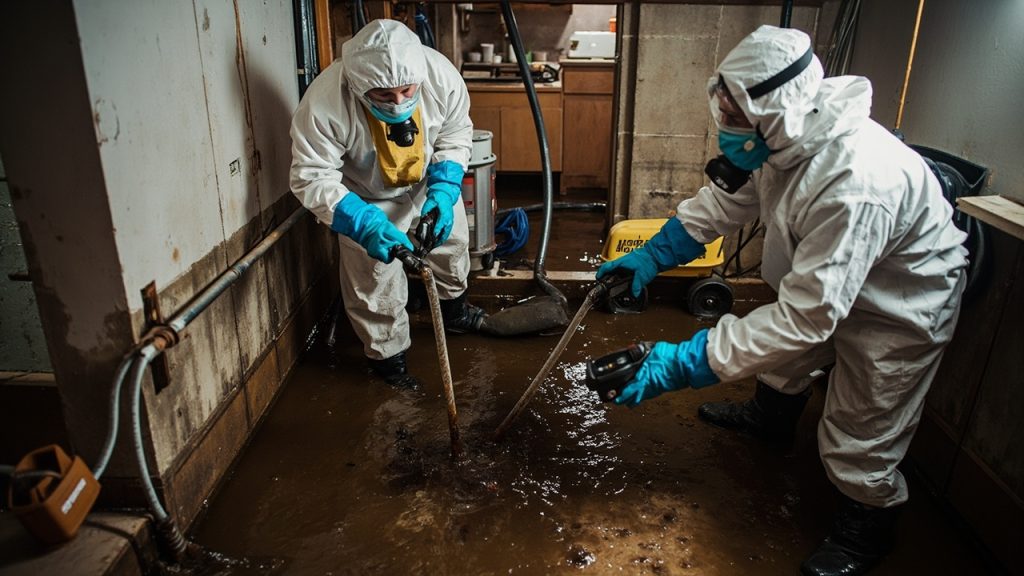
Your basement fills with dark, foul-smelling water. You smell raw sewage. Your stomach drops. This is not a simple water damage situation. A sewage backup means contaminated water is spreading through your home right now, threatening your family’s health and your property’s structural integrity.
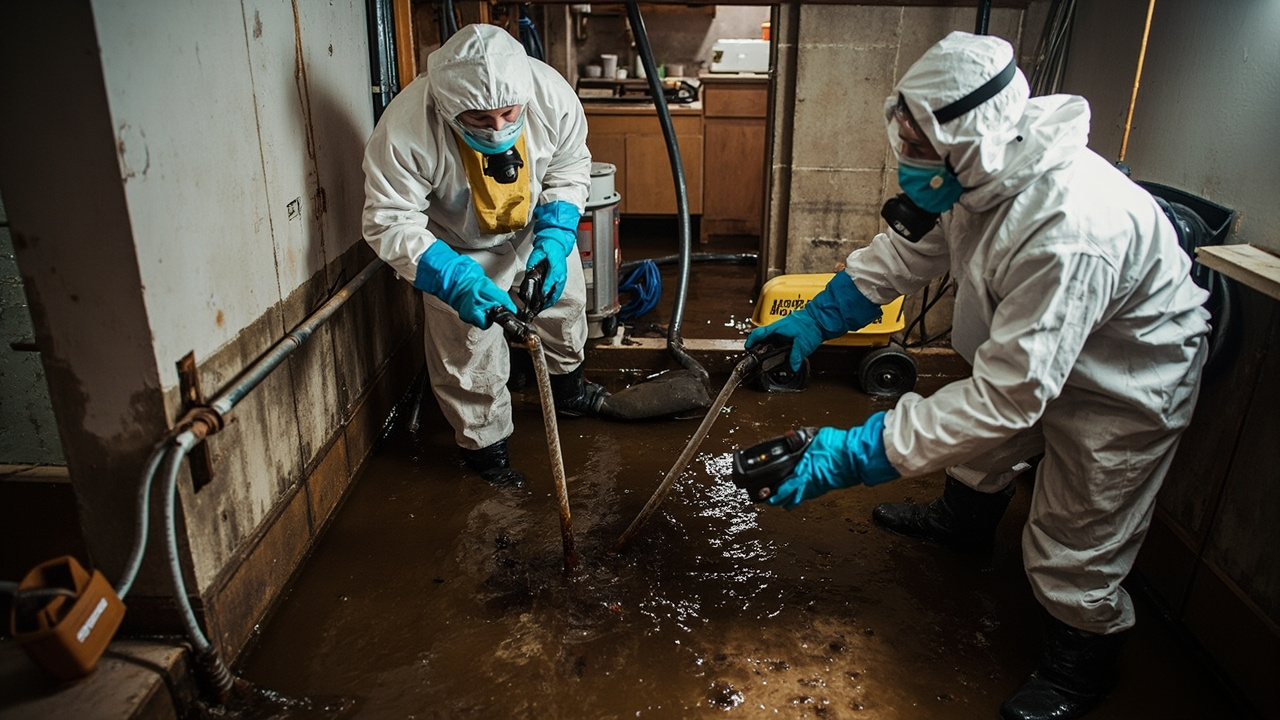
Sewage emergencies across West Loop, Fulton Market, and the Near West Side demand immediate biohazard remediation. Professional crews arrive equipped with industrial-grade extraction equipment and antimicrobial treatment systems. The cleanup, sanitization, and insurance documentation protect your family’s safety while restoring your property.
Emergency Sewage Remediation for West Loop Residents and Businesses
West Loop residents face a specific sewage risk that most neighborhoods do not. The aging combined sewer systems that run beneath Fulton Market, Greek Town, and the Randolph Street corridor were built in the early 1900s. During heavy spring rains, these pipes overflow. Sewage backs up into basements of converted lofts, warehouse apartments, and historic brownstones.
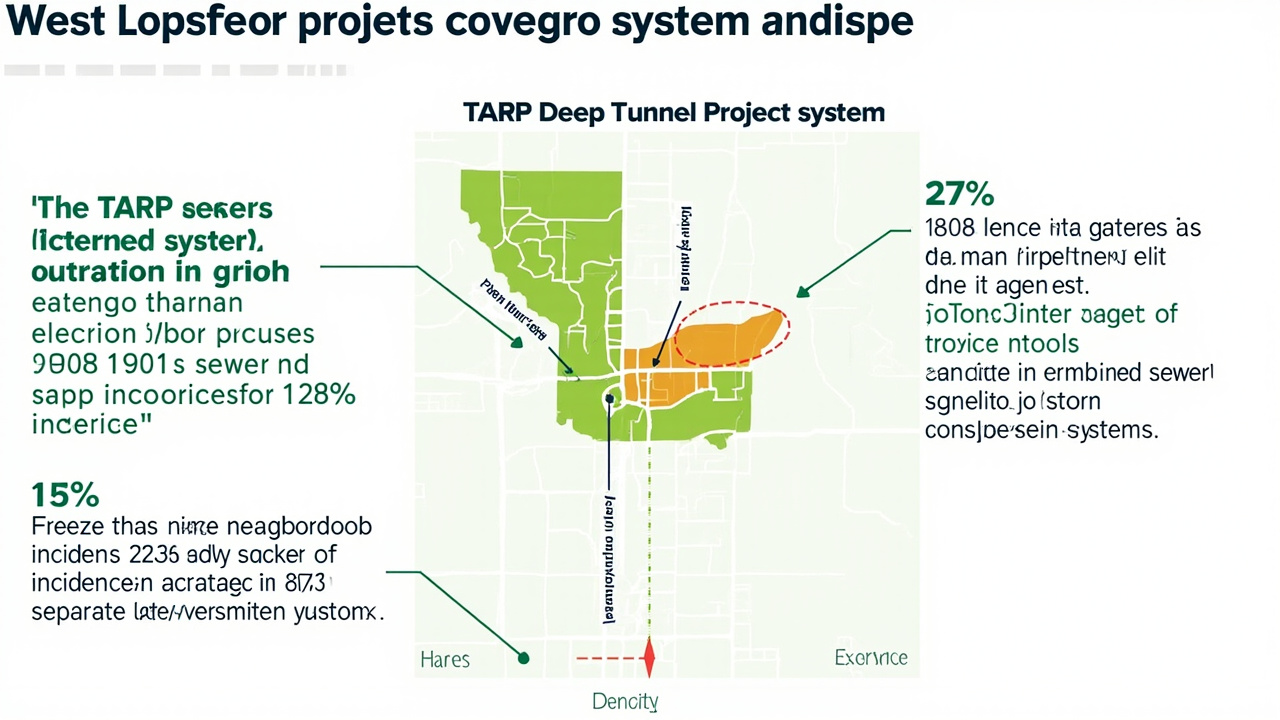
Chicago’s Deep Tunnel Project (TARP) captures some overflow, but it cannot capture all of it. The tunnel system extends beneath downtown Chicago and branches toward the North Shore, but coverage gaps exist in older residential areas west of the Chicago River. When the combined system overwhelms, raw sewage enters your foundation. This is Category 3 water, the most dangerous classification. It contains pathogens, bacteria, viruses, and parasites that cause serious illness.
West Loop’s plumbing vulnerabilities are well documented. Many of the neighborhood’s beloved converted industrial buildings have outdated drain systems and poor foundation drainage. Basement floors sit below street level, creating a gravity trap for backed-up sewage. The neighborhood occupies terrain that slopes toward the Chicago River, concentrating stormwater runoff in the oldest sewer collection points.
Local infrastructure knowledge matters. Understanding where the worst overflow zones occur, which buildings have lateral line failures, and what equipment handles raw sewage contamination safely determines whether restoration succeeds quickly or creates secondary damage.
Why Sewage Backups Happen in West Loop
Three factors create sewage backup risk in West Loop.
First, the combined sewer system. Chicago’s oldest neighborhoods share water mains and sewage lines. During intense rainfall, stormwater and sewage flow together. The system cannot handle the volume. Excess sewage backs up into the closest residential connection, which is often your basement floor drain or lowest-level toilet. The combined system in West Loop dates to the 1880s and predates modern stormwater infrastructure by decades.
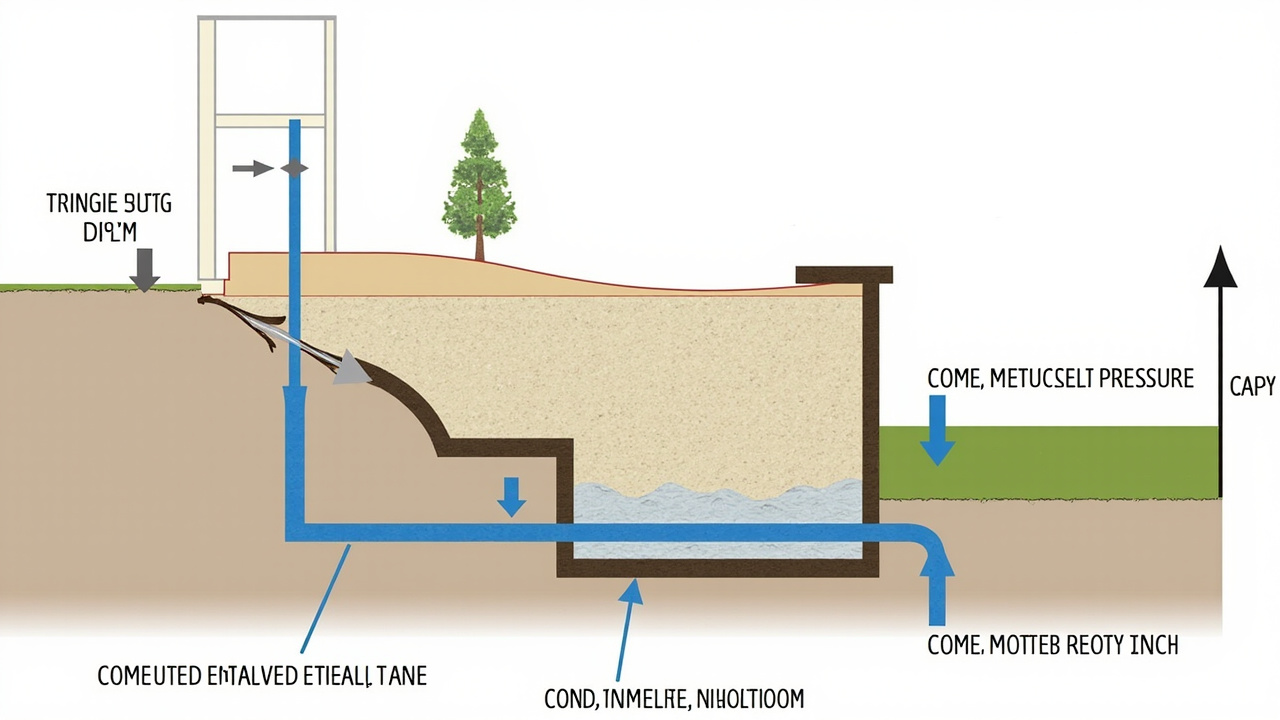
Second, Chicago Blue Clay. This dense, impermeable soil covers most of Cook County and surrounds your basement foundation. It creates hydrostatic pressure, pushing groundwater against your walls. When sewage backs up, the clay prevents it from draining away. Water sits in your basement, contaminating everything it touches. Unlike sandy or permeable soils found in warmer regions, Chicago Blue Clay holds moisture indefinitely without proper drainage systems.
Third, aging infrastructure and soil freeze-thaw cycles. West Loop’s sewer lines date back to the 1880s and 1890s. Root intrusion, pipe separation, and corroded clay pipes are common. Chicago’s winter freeze-thaw cycles crack and shift sewer lines repeatedly. One fractured lateral line means sewage leaks into your basement during heavy rain. The seasonal soil movement that occurs in the upper Midwest differs dramatically from the stable soil conditions in warmer climates. Spring thaw intensifies pressure in already-stressed clay pipes.
The Chicago Department of Water Management confirms that residents in older neighborhoods experience more combined sewer overflow incidents than areas with separate storm and sanitary systems.
Category 3 Black Water and Health Risks
Not all water damage is equal. Sewage is classified as Category 3 water, also called black water. It comes from sewage lines, toilets, and contaminated groundwater.
Black water contains pathogens that cause serious infection. Exposure to untreated sewage can cause bacterial gastroenteritis, hepatitis A, cryptosporidiosis, and E. coli infection. Children and elderly family members face the highest risk.
Contamination spreads quickly. Sewage-soaked drywall absorbs pathogens. Carpet padding retains moisture and bacteria for weeks. Wooden subfloors become breeding grounds for mold, which releases spores into your air.
Do not attempt to clean sewage yourself. The CDC and OSHA classify raw sewage remediation as a biohazard operation. Proper personal protective equipment, antimicrobial disinfectants, and professional-grade extraction remove the contamination completely.
Professional technicians wear full-body PPE including respirators, gloves, and shoe covers. EPA-approved antimicrobial solutions and industrial HEPA air scrubbers remove airborne pathogens. Every step gets documented for your insurance claim and your peace of mind.
5-Step Sewage Decontamination Process
Professional remediation follows the IICRC S500 Standard for Water Damage Restoration and adds biohazard protocols specific to sewage cleanup.
Step 1. Inspection and Biohazard Assessment
An IICRC-certified technician arrives on-site and identifies the sewage source. Contamination extent assessment includes photographing the damage for your insurance claim. Moisture levels in drywall, carpet, and structural materials determine what must be removed versus what can be salvaged.
Secondary damage inspection reveals injury hazards. Sewage often damages insulation, electrical systems, and HVAC equipment. Identifying hazards protects both you and the remediation crew.
Step 2. Water Extraction
Industrial-grade submersible pumps and wet vacuums remove standing sewage. Professional equipment extracts water faster than residential extractors, reducing the window for pathogen growth and mold colonization.
Extraction reaches subflooring and crawl spaces, not just visible surfaces. Sewage soaks into hidden areas where mold thrives if left untreated.
Step 3. Removal of Contaminated Materials
Category 3 water damage often requires removal of contaminated drywall, carpet, and padding. Drywall removal extends to 3 feet above the waterline to eliminate porous material that cannot be fully disinfected. Carpet and padding removal occurs when saturation exceeds 48 hours.
All contaminated materials go into designated waste containers for disposal per EPA and Chicago municipal guidelines. Reuse or salvage of materials exposed to raw sewage never occurs.
Step 4. Sanitization and Odor Neutralization
EPA-registered antimicrobial disinfectants apply to all affected surfaces. Enzymatic odor neutralizers fog the space and break down the organic compounds causing the sewer smell. Chemical covers mask the odor temporarily. Enzymes eliminate it permanently.
Antimicrobial sealants treat subflooring, concrete, and structural wood. This prevents secondary mold growth during the drying phase.
Step 5. Structural Drying
Industrial dehumidifiers and air movers position to dry structural materials to safe moisture levels, typically 12 to 15 percent for wood. Dehumidifiers remove moisture from the air. Air movers evaporate moisture from surfaces.
Daily moisture monitoring uses calibrated meters. Drying typically takes 3 to 7 days for residential sewage damage, depending on the volume of contaminated material and ambient conditions.
Health Risks You Cannot See
Sewage contamination lingers long after the visible water is gone. Mold begins colonizing in 24 to 48 hours. Bacteria persist in carpet fibers and subflooring for weeks. Airborne pathogens circulate through your HVAC system.
Secondary mold growth is common after sewage backup. The contamination provides nutrients. The moisture provides an ideal environment. Mold releases spores that trigger respiratory symptoms, allergic reactions, and asthma attacks.
Proper extraction, antimicrobial treatment, and structural drying eliminate the conditions that allow mold and bacteria to thrive. Secondary contamination stops before it starts. Homeowners who skip professional cleaning often face mold remediation costs that exceed the original sewage cleanup.
Why West Loop Properties Are at Higher Risk
West Loop sits on flood-prone terrain. The neighborhood occupies low-lying ground near the Chicago River. The flat prairie geography that once characterized this area offers no natural drainage.
Historic properties in the Fulton Market District and Greek Town were built without modern backwater valves or sump pump systems. Basements in converted industrial lofts often lack proper drain tiles or foundation waterproofing. The neighborhood’s elevation relative to the Chicago River means stormwater accumulates during heavy rainfall.
Spring storms routinely overwhelm the sewer system. West Loop residents experience sewage backup calls significantly more frequently than neighborhoods served by separate storm and sanitary sewer systems. The combination of old combined sewers, clay soil that prevents natural drainage, and below-grade basement construction creates persistent vulnerability.
Insurance Coverage for Sewage Backup
Standard homeowners policies exclude sewage backup damage. Optional sewage backup coverage protects any West Loop resident with a basement.
With sewage backup coverage, insurance reimburses extraction, removal of contaminated materials, and structural drying. Coverage typically does not include the cost of preventing future backups, such as installing a sump pump or backwater valve.
Professional claims management files directly with your insurance company. Detailed estimates, photographs, and contamination documentation support coverage decisions. Direct communication with your adjuster resolves coverage questions. You do not negotiate with insurance while dealing with the emergency.
For residents without sewage backup coverage, professional assessment identifies what your homeowners policy does cover, including water damage to personal property and temporary housing if your home is uninhabitable.
Severity Levels for Sewage Backup
| Severity Level | Visible Signs | Cleanup Approach | Typical Timeline |
|---|---|---|---|
| Minimal (less than 6 inches) | Slight discoloration, mild odor, isolated to one area | Targeted extraction and spot sanitization. Some materials can be saved with cleaning. | 1 to 2 days |
| Moderate (6 to 18 inches) | Dark discoloration, strong sewage odor, affects 50 percent or more of basement | Full extraction, removal of affected drywall and carpet, antimicrobial treatment, structural drying | 3 to 5 days |
| Severe (18 inches or more, widespread) | Pooled sewage, overwhelming odor, damage extends to multiple rooms or floors | Complete material removal, biohazard remediation, structural inspection, HVAC cleaning, extensive drying and monitoring | 7 to 14 days |
Equipment and Materials for Professional Remediation
Professional sewage backup cleanup relies on equipment and materials that homeowners cannot rent or purchase for one-time use.
Industrial submersible pumps move sewage at 10,000 gallons per hour. Truck-mounted extraction units pull moisture from subflooring and crawl spaces. Commercial-grade dehumidifiers remove 200 or more pounds of moisture per day from the air.
HEPA air scrubbers filter particles as small as 0.3 microns, removing pathogens and mold spores from the air during remediation. Enzymatic fogging systems neutralize odors at the molecular level rather than masking them.
EPA-registered disinfectants target sewage pathogens specifically. These are not the cleaners available at retail stores. They kill E. coli, hepatitis A, cryptosporidium, and other pathogens that contaminate raw sewage.
Preventing Future Sewage Backups
Two preventative systems work most effectively for West Loop residents. Backwater valves and sump pump installation address different backup mechanisms.
A backwater valve sits inside your main sewer line or drain. It allows sewage to flow out of your home but prevents backed-up sewage from flowing back in. When the municipal sewer system overflows, the valve seals. Your basement stays dry and clean.
A sump pump system collects groundwater in a pit beneath your basement floor. The pump automatically ejects water away from your foundation. During heavy rain, the sump pump prevents hydrostatic pressure from forcing groundwater and sewage through your foundation walls.
Foundation crack sealing and drain tile installation address properties with structural vulnerabilities. Long-term solutions stop water intrusion at the source rather than managing it after it enters your basement.
Why DIY Sewage Cleanup Fails
You cannot safely clean sewage yourself. The risks are serious and the cost savings are minimal.
Raw sewage contains multiple pathogenic threats simultaneously. E. coli, hepatitis A virus, and cryptosporidium are microscopic and invisible. Standard household cleaners do not kill these pathogens. You think the area is clean when contamination remains.
Mold growth accelerates when extraction or sanitization is incomplete. Secondary mold remediation costs exceed the original sewage cleanup significantly. Insurance coverage for mold damage is extremely limited unless the mold directly results from the insured sewage event.
Sewage causes structural damage that requires professional assessment. Wooden subfloors absorb pathogens and moisture, becoming soft and unstable. Concrete floors develop efflorescence and spalling. Drywall loses structural integrity. Professional inspection identifies damage you would miss.
Your health risk is substantial. Exposure to untreated sewage causes infections, dermatitis, and respiratory illness. Family members who spend time in the contaminated area face weeks of illness. Children and the elderly are most vulnerable.
Professional Cleanup versus DIY Risk
| Factor | Professional Sewage Cleanup | DIY Sewage Cleanup |
|---|---|---|
| Pathogen Elimination | EPA-registered disinfectants and antimicrobial fogging eliminate 99.9 percent of pathogens | Household cleaners kill surface pathogens only. Hidden contamination remains in porous materials |
| Health Risk to Family | Minimal. Contaminated materials are removed. Surfaces are disinfected. Air quality is tested. | High. Family members are exposed to raw sewage and airborne pathogens during cleanup. Secondary illness is common. |
| Secondary Mold Growth | Prevented through proper extraction, antimicrobial treatment, and structural drying to safe moisture levels | Likely. Incomplete extraction leaves moisture. Mold begins growing in 24 to 48 hours. Remediation is costly and invasive. |
| Insurance Coverage | Comprehensive documentation supports insurance claims. Direct billing reduces out-of-pocket costs. | Insurance typically denies claims for DIY cleanup that worsens damage. You pay 100 percent out-of-pocket. |
| Structural Inspection | Professional assessment identifies hidden damage to wood, concrete, and electrical systems | You miss damage to subflooring, foundation, and building envelope. Cost overruns appear months later. |
Frequently Asked Questions About Sewage Backup Cleanup
How long does it take to clean up a sewage backup?
Timeline depends on severity and water volume. A minimal backup affecting one small area typically takes 1 to 2 days. A moderate backup affecting half the basement takes 3 to 5 days. Severe backups with deep saturation require 7 to 14 days. Severity assessment on-site provides a realistic timeline before work begins.
Will my homeowners insurance cover sewage backup cleanup?
Standard homeowners policies exclude sewage backup damage. Optional sewage backup coverage must be purchased separately. If you have coverage, insurance pays for water extraction, material removal, sanitization, and structural drying. Professional claims management files the claim and communicates directly with your adjuster.
Can I stay in my home during sewage cleanup?
No. Occupants must vacate the property during biohazard remediation. Raw sewage poses serious health risks, especially to children and elderly family members. Remediation typically completes within a timeframe that allows return in 3 to 7 days. Your insurance policy may include coverage for temporary housing during this period.
Will my basement smell like sewage after cleanup?
No. Enzymatic fogging systems break down the odor-causing organic compounds in sewage. Chemical air fresheners mask the smell temporarily. Enzymatic neutralization eliminates it permanently. Any residual odor gets addressed with additional treatment at no charge.
What should I do right now if sewage is backing up into my basement?
Contact a professional restoration company immediately. Do not enter the contaminated area without proper protection. Do not attempt to clean or extract the sewage. Do not pour commercial cleaners down drains, which can hinder identification of the backup source. Leave the property and wait for professional remediation. Quick response prevents health exposure and reduces overall restoration costs.
How do I prevent future sewage backups?
Install a backwater valve in your main sewer line (most effective for West Loop residents with old combined sewer connections). Install a sump pump system if your basement experiences groundwater intrusion. Have your lateral sewer line inspected with a camera to detect cracks or root intrusion. Preventative waterproofing guides provide specific recommendations for West Loop properties.
Related Water Damage Services for West Loop and Chicago Neighborhoods
Sewage backup is one of several water damage emergencies that require professional response. Water damage restoration services address general water intrusion throughout Chicago neighborhoods. Specialized service extends to water damage in Evanston, Arlington Heights, and other surrounding areas.
Mold remediation and removal services address contamination that begins after water damage. Commercial property water damage requires different protocols than residential restoration.
Basement-specific emergencies and sump pump failures demand immediate professional attention to prevent secondary damage and health risks.
What You Should Do Right Now
Sewage in your West Loop basement is a crisis that demands immediate professional response. The longer contaminated water sits, the greater the health risk to your family and the higher your restoration costs.
Contact a professional restoration company that specializes in biohazard remediation. Provide your location within West Loop, Fulton Market, or the Near West Side. An immediate dispatch routes you to the nearest technician who arrives with extraction equipment, antimicrobial treatment systems, and the expertise to handle raw sewage contamination safely.
Professional remediation includes damage photography, sewage extraction, contaminated material removal, basement disinfection, and direct communication with your insurance company. You focus on your family while professionals manage the restoration process.
{
“@context”: “https://schema.org”,
“@type”: “BlogPosting”,
“headline”: “Sewage Backup Cleanup in West Loop Chicago (And Why Your Combined Sewer System Is a Risk)”,
“description”: “West Loop sewage backup cleanup. Learn why combined sewers fail, health risks, and professional remediation steps.”,
“wordCount”: 2681,
“datePublished”: “2026-02-11T13:41:00.000Z”,
“dateModified”: “2026-02-11T13:41:00.000Z”,
“inLanguage”: “en-US”,
“mainEntityOfPage”: {
“@type”: “WebPage”,
“@id”: “https://cornerstonewaterdamagerestorationchicago.com”
},
“publisher”: {
“@type”: “LocalBusiness”,
“name”: “Cornerstone Water Damage Restoration Chicago”,
“url”: “https://cornerstonewaterdamagerestorationchicago.com”
},
“author”: {
“@type”: “Organization”,
“name”: “Cornerstone Water Damage Restoration Chicago”,
“url”: “https://cornerstonewaterdamagerestorationchicago.com”
},
“image”: {
“@type”: “ImageObject”,
“url”: “https://cornerstonewaterdamagerestorationchicago.com/wp-content/uploads/2026/03/get-sewage-backup-out-of-your-west-loop-basement-b-1.jpg”
}
}
{
“@context”: “https://schema.org”,
“@type”: “LocalBusiness”,
“name”: “Cornerstone Water Damage Restoration Chicago”,
“url”: “https://cornerstonewaterdamagerestorationchicago.com”,
“address”: {
“@type”: “PostalAddress”,
“addressLocality”: “Chicago”
},
“areaServed”: {
“@type”: “City”,
“name”: “Chicago”
}
}
{
“@context”: “https://schema.org”,
“@type”: “FAQPage”,
“mainEntity”: [
{
“@type”: “Question”,
“name”: “How long does it take to clean up a sewage backup?”,
“acceptedAnswer”: {
“@type”: “Answer”,
“text”: “Timeline depends on severity and water volume. A minimal backup affecting one small area typically takes 1 to 2 days. A moderate backup affecting half the basement takes 3 to 5 days. Severe backups with deep saturation require 7 to 14 days. Severity assessment on-site provides a realistic timeline before work begins.”
}
},
{
“@type”: “Question”,
“name”: “Will my homeowners insurance cover sewage backup cleanup?”,
“acceptedAnswer”: {
“@type”: “Answer”,
“text”: “Standard homeowners policies exclude sewage backup damage. Optional sewage backup coverage must be purchased separately. If you have coverage, insurance pays for water extraction, material removal, sanitization, and structural drying. Professional claims management files the claim and communicates directly with your adjuster.”
}
},
{
“@type”: “Question”,
“name”: “Can I stay in my home during sewage cleanup?”,
“acceptedAnswer”: {
“@type”: “Answer”,
“text”: “No. Occupants must vacate the property during biohazard remediation. Raw sewage poses serious health risks, especially to children and elderly family members. Remediation typically completes within a timeframe that allows return in 3 to 7 days. Your insurance policy may include coverage for temporary housing during this period.”
}
},
{
“@type”: “Question”,
“name”: “Will my basement smell like sewage after cleanup?”,
“acceptedAnswer”: {
“@type”: “Answer”,
“text”: “No. Enzymatic fogging systems break down the odor-causing organic compounds in sewage. Chemical air fresheners mask the smell temporarily. Enzymatic neutralization eliminates it permanently. Any residual odor gets addressed with additional treatment at no charge.”
}
},
{
“@type”: “Question”,
“name”: “What should I do right now if sewage is backing up into my basement?”,
“acceptedAnswer”: {
“@type”: “Answer”,
“text”: “Contact a professional restoration company immediately. Do not enter the contaminated area without proper protection. Do not attempt to clean or extract the sewage. Do not pour commercial cleaners down drains, which can hinder identification of the backup source. Leave the property and wait for professional remediation. Quick response prevents health exposure and reduces overall restoration costs.”
}
},
{
“@type”: “Question”,
“name”: “How do I prevent future sewage backups?”,
“acceptedAnswer”: {
“@type”: “Answer”,
“text”: “Install a backwater valve in your main sewer line (most effective for West Loop residents with old combined sewer connections). Install a sump pump system if your basement experiences groundwater intrusion. Have your lateral sewer line inspected with a camera to detect cracks or root intrusion. Preventative waterproofing guides provide specific recommendations for West Loop properties.”
}
}
]
}
{
“@context”: “https://schema.org”,
“@type”: “BreadcrumbList”,
“itemListElement”: [
{
“@type”: “ListItem”,
“position”: 1,
“name”: “Home”,
“item”: “https://cornerstonewaterdamagerestorationchicago.com”
},
{
“@type”: “ListItem”,
“position”: 2,
“name”: “Blog”,
“item”: “https://cornerstonewaterdamagerestorationchicago.com/blog”
},
{
“@type”: “ListItem”,
“position”: 3,
“name”: “Sewage Backup Cleanup in West Loop Chicago (And Why Your Combined Sewer System Is a Risk)”
}
]
}
{
“@context”: “https://schema.org”,
“@type”: “Service”,
“serviceType”: “Water Damage Restoration”,
“provider”: {
“@type”: “LocalBusiness”,
“name”: “Cornerstone Water Damage Restoration Chicago”,
“url”: “https://cornerstonewaterdamagerestorationchicago.com”
},
“areaServed”: {
“@type”: “City”,
“name”: “Chicago”
},
“description”: “West Loop sewage backup cleanup. Learn why combined sewers fail, health risks, and professional remediation steps.”
}