
Why IICRC certification matters when hiring a restoration pro in Chicago
Chicago’s unique climate and aging infrastructure create specific water damage challenges that require certified expertise. When your basement floods during a spring storm or pipes burst during a polar vortex, you need more than just a cleanup crew. You need an IICRC certified professional who understands the science of structural drying and Chicago’s specific building vulnerabilities. IICRC official website.
Water damage restoration isn’t just about removing visible water. It’s about preventing secondary damage like mold growth, structural weakening, and indoor air quality issues. The Institute of Inspection Cleaning and Restoration Certification (IICRC) sets the industry standard for how these emergencies should be handled, particularly in Chicago’s high-humidity environment where improper drying can lead to mold colonization within 24-48 hours. Who to call for emergency water damage cleanup in Chicago right now.
The science behind IICRC S500 standards
The IICRC S500 Standard for Professional Water Damage Restoration provides the framework for proper water mitigation. This isn’t arbitrary; it’s based on psychrometry—the science of drying. Certified technicians understand how to manipulate temperature, humidity, and air movement to create optimal drying conditions. Professional mold removal services for historic homes in Andersonville.
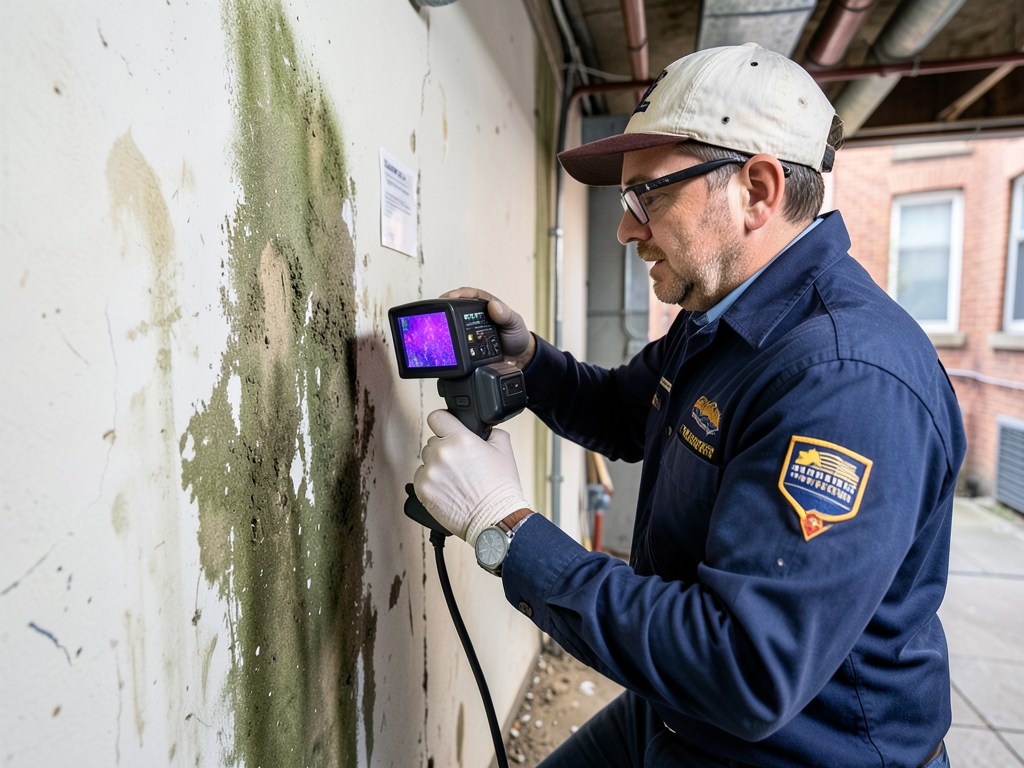
In Chicago’s climate, where summer humidity often exceeds 80%, standard drying methods aren’t enough. Certified professionals use specialized equipment like LGR (Low-Grain Refrigerant) dehumidifiers that can remove moisture even in saturated environments. They also employ moisture mapping with infrared thermal imaging to detect hidden water pockets behind walls and under flooring.
The S500 standard also classifies water into three categories: clean water from broken pipes, gray water from washing machines or dishwashers, and black water from sewage backups. Each category requires different handling procedures and personal protective equipment. Chicago’s combined sewer system, particularly in older neighborhoods like Lincoln Park and Lakeview, makes black water incidents more common during heavy rainfall. Get sewage backup out of your West Loop basement before the damage spreads.
Why Chicago’s architecture demands certified expertise
Chicago’s diverse housing stock presents unique challenges. Historic bungalows in Beverly feature limestone foundations that absorb water differently than modern concrete. Three-flats in Rogers Park have shared plumbing stacks that can complicate water damage assessment. High-rise condos along the lakefront require specialized drying techniques to protect adjacent units.
Chicago’s building codes, particularly those related to sub-soil drainage and foundation waterproofing, add another layer of complexity. The city’s high clay content soil, known as Chicago Blue Clay, creates hydrostatic pressure against foundations. This pressure can force water through even the smallest cracks, making proper drying and moisture barrier restoration critical.
Certified technicians understand these local factors. They know that a 1920s graystone in Hyde Park may contain asbestos-containing materials that require EPA Lead-Safe Certification handling. They understand that the Deep Tunnel Project’s overflow points can back up into basements during extreme weather events, creating Category 3 water damage situations. EPA Lead-Safe Certification.
The insurance claim advantage
Insurance companies prefer working with IICRC certified firms for several reasons. First, certification provides documented proof that industry standards were followed. This documentation includes moisture readings, drying logs, and photographic evidence of the damage and restoration process.
In Illinois, insurance adjusters are trained to recognize IICRC standards. When a certified technician documents that drying was completed according to S500 specifications—typically achieving 4-7% moisture content in wood materials—the claim process moves faster. Non-certified work often faces scrutiny and can result in denied claims or reduced payouts.
The certification also affects claim categorization. Proper documentation can mean the difference between a claim being classified as water damage restoration versus mold remediation, which often has different coverage limits and deductibles. In Chicago, where mold growth accelerates due to humidity, this distinction can save homeowners thousands of dollars.
Chicago-specific water damage scenarios
Chicago’s water damage patterns differ from other cities. Our polar vortex winters create freeze-thaw cycles that stress plumbing systems. When temperatures plummet, water in pipes can freeze and expand, causing bursts. The subsequent thaw floods homes with hundreds of gallons of water within minutes. Fast response for burst pipe water damage in Lincoln Park.
Spring storms overwhelm our aging sewer systems. Chicago’s combined sewer system, designed to handle both sanitary waste and stormwater, can back up during heavy rains. This creates sewage contamination in basements across neighborhoods from Pilsen to Portage Park. Certified technicians understand the health risks and proper decontamination procedures for these Category 3 water events.. Read more about How to handle a flooded elevator pit in your Streeterville high rise.
Lake effect snow adds another dimension. As snow melts off roofs and piles up around foundations, hydrostatic pressure increases. This is particularly problematic for homes near Lake Michigan, where the water table is already high. Certified professionals know to check for ice dam formation on roofs and the resulting water intrusion into attics and wall cavities.
Equipment and techniques that matter
Certified restoration professionals use industrial-grade equipment that exceeds consumer-grade capabilities. High-capacity air movers create the airflow needed to evaporate moisture from structural materials. These aren’t the same as household fans; they move 3,000+ cubic feet per minute and can dry a flooded basement in 3-5 days instead of weeks. Dealing with a flooded basement in Lakeview (and how to clean it up fast).
Moisture meters are another critical tool. Certified technicians use penetrating meters that measure moisture content within materials, not just surface readings. They understand that wood should be dried to 4-7% moisture content and drywall to under 12% to prevent mold growth. These readings are documented and tracked throughout the drying process.
HEPA air scrubbers remove airborne contaminants during the restoration process. In Chicago’s older homes, this might include lead dust from deteriorating paint or asbestos fibers from damaged insulation. The equipment’s effectiveness is verified through air quality testing, ensuring the home is safe for reoccupation.
Verification checklist for homeowners
Before hiring a restoration company, verify their credentials. Ask to see their IICRC certification card—legitimate technicians carry these and will gladly show them. Check the IICRC’s online directory to confirm their certification status. Be wary of companies that hesitate to provide this information.
Verify their Illinois license and insurance coverage. Restoration work requires specific licenses in Chicago, and uninsured contractors can leave you liable for accidents or incomplete work. Ask about their experience with your specific type of property—historic homes require different approaches than modern construction.
Request a detailed scope of work that includes moisture mapping results, drying goals, and a timeline. Certified professionals provide this documentation as standard practice. They should also explain their antimicrobial treatment process and why it’s necessary for your specific situation.
The cost of cutting corners
Non-certified restoration often appears cheaper initially but costs more long-term. Improper drying leaves moisture in structural cavities, leading to mold growth that requires expensive remediation. In Chicago’s climate, this can happen within 24-48 hours. The resulting mold damage isn’t covered by standard water damage policies.
Structural damage from incomplete restoration can compromise your home’s integrity. Wet framing can warp, nails can rust, and drywall can deteriorate. These issues may not be apparent for months but can require extensive reconstruction. Certified restoration includes structural assessments to identify and address these risks.
Health risks multiply with improper restoration. Mold spores, bacteria from sewage, and chemical contaminants from building materials can create indoor air quality issues. In Chicago’s tightly sealed homes, these contaminants circulate through HVAC systems, affecting respiratory health. Certified professionals follow EPA and OSHA safety protocols to protect your family.
24/7 emergency response in Chicago
Water damage doesn’t wait for business hours. Chicago’s restoration professionals understand this, offering 24/7 emergency response. When a pipe bursts at 2 AM during a January freeze, you need immediate action to prevent catastrophic damage. Certified companies maintain on-call technicians who can respond within 60-90 minutes anywhere in the city.
Emergency response includes immediate water extraction, temporary repairs to prevent further damage, and setup of drying equipment. The first 24 hours are critical—each hour of delay increases restoration costs by approximately 5-10%. Certified technicians arrive with the equipment and expertise to begin mitigation immediately.
Documentation starts with the emergency call. Certified companies document the initial damage, weather conditions, and response times. This documentation supports insurance claims and provides a timeline of the restoration process. In Chicago, where weather can change rapidly, this documentation proves invaluable.
Chicago neighborhoods we serve
We provide IICRC certified restoration throughout Chicago’s diverse neighborhoods. From the historic bungalows of Beverly to the high-rise condos of the Gold Coast, our certified technicians understand the unique challenges each area presents. We serve Lincoln Park’s vintage brownstones, Lakeview’s classic three-flats, and the bungalow belt from Portage Park to Beverly.
Our service area extends to Chicago’s suburbs, including Evanston, Oak Park, and Skokie. Each area has its own building characteristics and water damage patterns. Suburban homes often have different foundation types and drainage systems than city properties, requiring specialized knowledge and equipment.
We understand Chicago’s weather patterns and how they affect different neighborhoods. The lakefront areas experience different humidity levels than inland neighborhoods. The bungalow belt’s older infrastructure presents different challenges than newer suburban developments. Our certification ensures we’re prepared for all these variables.
Frequently Asked Questions
What does IICRC certification actually mean?
IICRC certification means the technician has completed training and passed exams on water damage restoration standards, including the S500 Standard. They understand proper drying techniques, safety protocols, and documentation requirements that ensure your property is restored correctly.
How quickly should I call a restoration company after water damage?
Call within the first hour. Water spreads rapidly, and mold can begin growing within 24-48 hours in Chicago’s humid climate. Immediate response prevents secondary damage and reduces restoration costs significantly.
Will my insurance cover certified restoration services?
Most homeowners insurance policies cover water damage restoration when caused by sudden, accidental events like burst pipes. Certification helps ensure your claim is processed smoothly because insurance companies recognize IICRC standards as industry best practices.
Conclusion
Chicago’s unique climate, architecture, and infrastructure create water damage scenarios that demand certified expertise. IICRC certification isn’t just a credential—it’s proof that your restoration professional understands the science of drying, Chicago’s specific building challenges, and the documentation requirements that protect your insurance claim.
When water threatens your home, you need more than cleanup. You need restoration that prevents future problems, protects your family’s health, and preserves your property’s value. That’s what IICRC certification guarantees in Chicago’s challenging environment.
Don’t wait until water damage becomes a crisis. Know who to call before you need them. Look for the IICRC certification, verify their credentials, and ensure they understand Chicago’s specific restoration challenges. Your home and family deserve that level of expertise.
Ready to protect your Chicago property with certified restoration expertise? Learn more about our IICRC certified water damage restoration services and how we handle Chicago’s unique restoration challenges.
{
“@context”: “https://schema.org”,
“@type”: “BlogPosting”,
“headline”: “Why IICRC certification matters when hiring a restoration pro in Chicago”,
“description”: “IICRC certified water restoration in Chicago ensures proper drying, mold prevention, and insurance claim success. Learn why certification matters for your property’s safety.”,
“wordCount”: 1785,
“datePublished”: “2026-05-31T06:49:00.000Z”,
“dateModified”: “2026-05-31T06:49:00.000Z”,
“inLanguage”: “en-US”,
“mainEntityOfPage”: {
“@type”: “WebPage”,
“@id”: “https://cornerstonewaterdamagerestorationchicago.com”
},
“publisher”: {
“@type”: “LocalBusiness”,
“name”: “Cornerstone Water Damage Restoration Chicago”,
“url”: “https://cornerstonewaterdamagerestorationchicago.com”
},
“author”: {
“@type”: “Organization”,
“name”: “Cornerstone Water Damage Restoration Chicago”,
“url”: “https://cornerstonewaterdamagerestorationchicago.com”
},
“image”: {
“@type”: “ImageObject”,
“url”: “https://cornerstonewaterdamagerestorationchicago.com/wp-content/uploads/2026/03/why-iicrc-certification-matters-when-hiring-a-rest-1.png”
}
}
{
“@context”: “https://schema.org”,
“@type”: “LocalBusiness”,
“name”: “Cornerstone Water Damage Restoration Chicago”,
“url”: “https://cornerstonewaterdamagerestorationchicago.com”,
“address”: {
“@type”: “PostalAddress”,
“addressLocality”: “Chicago”
},
“areaServed”: {
“@type”: “City”,
“name”: “Chicago”
}
}
{
“@context”: “https://schema.org”,
“@type”: “FAQPage”,
“mainEntity”: [
{
“@type”: “Question”,
“name”: “What does IICRC certification actually mean?”,
“acceptedAnswer”: {
“@type”: “Answer”,
“text”: “IICRC certification means the technician has completed training and passed exams on water damage restoration standards, including the S500 Standard. They understand proper drying techniques, safety protocols, and documentation requirements that ensure your property is restored correctly.”
}
},
{
“@type”: “Question”,
“name”: “How quickly should I call a restoration company after water damage?”,
“acceptedAnswer”: {
“@type”: “Answer”,
“text”: “Call within the first hour. Water spreads rapidly, and mold can begin growing within 24-48 hours in Chicago’s humid climate. Immediate response prevents secondary damage and reduces restoration costs significantly.”
}
},
{
“@type”: “Question”,
“name”: “Will my insurance cover certified restoration services?”,
“acceptedAnswer”: {
“@type”: “Answer”,
“text”: “Most homeowners insurance policies cover water damage restoration when caused by sudden, accidental events like burst pipes. Certification helps ensure your claim is processed smoothly because insurance companies recognize IICRC standards as industry best practices.”
}
}
]
}
{
“@context”: “https://schema.org”,
“@type”: “BreadcrumbList”,
“itemListElement”: [
{
“@type”: “ListItem”,
“position”: 1,
“name”: “Home”,
“item”: “https://cornerstonewaterdamagerestorationchicago.com”
},
{
“@type”: “ListItem”,
“position”: 2,
“name”: “Blog”,
“item”: “https://cornerstonewaterdamagerestorationchicago.com/blog”
},
{
“@type”: “ListItem”,
“position”: 3,
“name”: “Why IICRC certification matters when hiring a restoration pro in Chicago”
}
]
}
{
“@context”: “https://schema.org”,
“@type”: “Service”,
“serviceType”: “Water Damage Restoration”,
“provider”: {
“@type”: “LocalBusiness”,
“name”: “Cornerstone Water Damage Restoration Chicago”,
“url”: “https://cornerstonewaterdamagerestorationchicago.com”
},
“areaServed”: {
“@type”: “City”,
“name”: “Chicago”
},
“description”: “IICRC certified water restoration in Chicago ensures proper drying, mold prevention, and insurance claim success. Learn why certification matters for your property’s safety.”
}