

Luxury Home Water Damage Restoration in Chicago’s Near North Side
A burst pipe at 2 AM in your Gold Coast penthouse. Lake Michigan seepage through your Lincoln Park basement during spring rains. A failed sump pump in your Streeterville residence during a sudden downpour. These scenarios demand more than standard water damage cleanup. Your home contains custom millwork, imported marble, hand-scraped hardwood, and integrated smart home systems that require specialized knowledge to protect.
Cornerstone Water Damage Restoration understands the unique demands of restoring luxury properties in Chicago’s most prestigious neighborhoods. Our team brings 15 years of managing water emergencies in high-value homes where speed, discretion, and technical precision matter equally. We hold IICRC S500 Standard certification, which means our technicians completed rigorous training in water damage restoration science and psychrometric drying principles. The 2025 spring flooding event affecting Chicago’s basements reinforced the critical importance of rapid response and material-specific expertise. This is not generic water extraction. This is white-glove restoration that preserves both your property and your peace of mind.
Immediate Response Timeline for High-Value Chicago Properties
When water damage strikes your luxury home, the first four hours determine success or failure.
| Response Phase | Timeline | Key Actions |
|---|---|---|
| Emergency Dispatch | Within 15 minutes | Assessment of water source and containment plan |
| On-Site Arrival | Within 60 minutes | Locate leak using thermal imaging without demolition |
| Water Extraction | First 2 hours | Remove standing water at 200+ gallons per hour |
| Containment Setup | Hours 2-4 | Begin controlled drying and mold prevention protocols |
| Documentation | Ongoing | Photograph damage and begin insurance claim preparation |
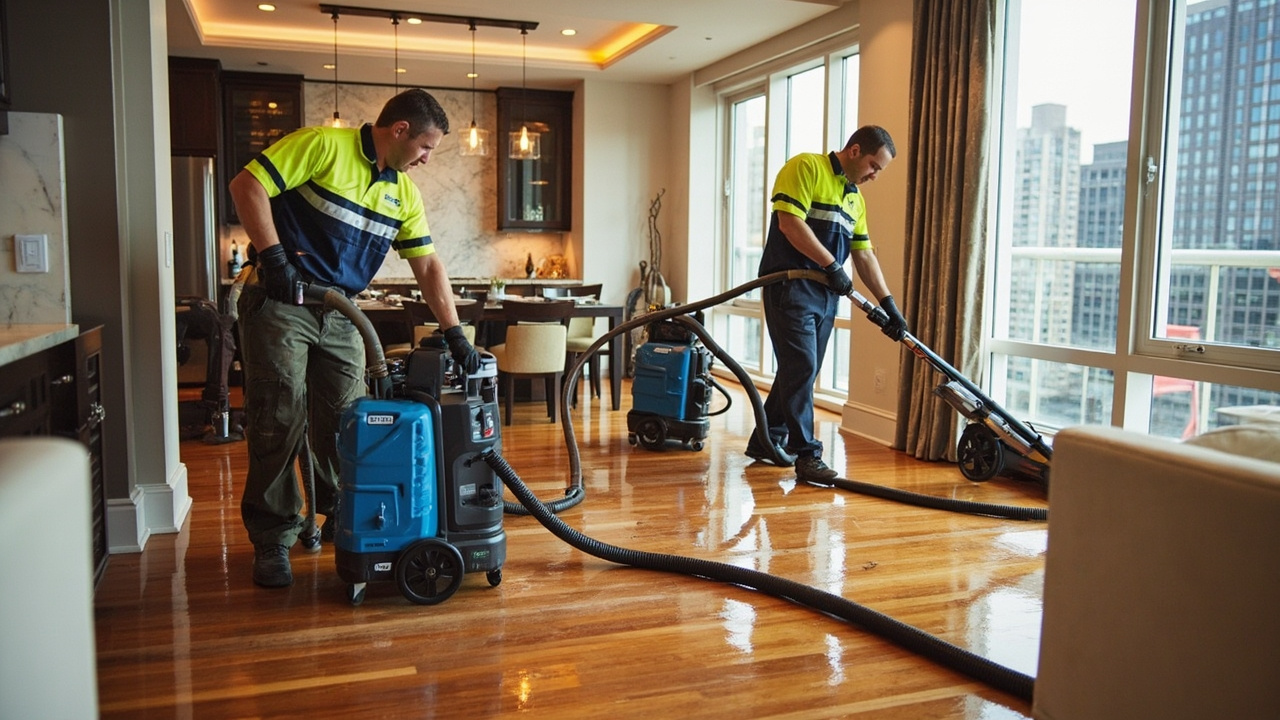
Our 24/7 emergency team responds within 60 minutes across Chicago and surrounding areas including Evanston, Naperville, and Arlington Heights. We arrive with unmarked vehicles and background-checked technicians who understand discretion. Your neighbors do not need to know about your water emergency.
We immediately assess two critical factors. First, we locate the water source. A high-rise plumbing failure in downtown Chicago behaves differently than a burst frozen pipe in a North Shore estate. We use thermal imaging to identify leaks without cutting into walls, preserving your architectural integrity.
Second, we contain the damage. This means stopping water flow, removing standing water, and beginning controlled drying before mold spores germinate. Our extraction equipment removes water at rates exceeding 200 gallons per hour. More importantly, we document everything photographically for your insurance claim.
Why Luxury Homes Need Specialized Water Damage Response
Standard water damage contractors approach every job the same way. They extract water, run dehumidifiers, and hope for the best. This approach destroys luxury finishes.
Consider your hardwood flooring. A typical contractor will rip it up, assuming moisture damage is irreversible. In luxury homes, that hardwood might be reclaimed French oak installed by a craftsman three years ago at significant cost. We use injectidry systems and controlled drying protocols that save floors that others demolish.
Your custom cabinetry presents another challenge. Water damage triggers mold growth in wood and veneer that stock cabinets would not survive. We implement psychrometric analysis to dry cabinetry in place without warping or finish damage. This requires understanding wood movement rates, humidity control, and the specific stain products used in your millwork.
Chicago’s climate intensifies these challenges. Our winters trigger pipe bursts in unexpected locations. Spring rains overwhelm drainage systems designed for smaller storm events. High humidity summers accelerate mold growth in building cavities. Lake Michigan’s proximity means basements face hydrostatic pressure that standard sump pumps fail to manage.
Technical Restoration of High-End Materials
Luxury homes contain materials that demand specialized drying protocols.
Carrara marble requires different moisture control than limestone. Plaster crown molding cannot tolerate the heat levels that dry drywall. Lath and plaster walls in historic Chicago bungalows throughout Beverly and Rogers Park need low-temperature drying to prevent plaster separation from lath. Wide-plank engineered hardwood demands humidity control below 55 percent to prevent cupping.
We assess each material type and select drying equipment accordingly. Desiccant dehumidifiers lower humidity without generating the heat that damages finishes. We position airflow to move moisture out without causing secondary damage to veneer or stain.
Custom cabinetry receives cabinet-specific drying. We monitor wood moisture content with moisture meters, targeting the precise readings that indicate full equilibration without overdrying that causes checking and cracking. This process takes time. We explain to clients that rushing drying causes permanent damage. Patience protects investment.
| Material Type | Drying Temperature | Target Humidity | Typical Timeline |
|---|---|---|---|
| Engineered Hardwood | 60-70 degrees Fahrenheit | 50-55 percent relative humidity | 5-7 days |
| Carrara Marble | 65-72 degrees Fahrenheit | 45-50 percent relative humidity | 3-5 days |
| Plaster Crown Molding | 55-65 degrees Fahrenheit | 40-50 percent relative humidity | 7-10 days |
| Lath and Plaster Walls | 55-65 degrees Fahrenheit | 40-45 percent relative humidity | 10-14 days |
| Custom Cabinetry | 65-72 degrees Fahrenheit | 45-55 percent relative humidity | 7-10 days |
Every luxury home in Chicago faces different water risks depending on age, location, and construction method. We create restoration approaches specific to your home’s unique characteristics.
Advanced Moisture Detection Without Demolition
Standard contractors find moisture with one method. They cut open walls. This approach destroys your home to diagnose damage.
We use thermal imaging technology that detects temperature variations indicating trapped moisture. Wet materials retain cold temperatures longer than dry materials. Our infrared cameras visualize moisture patterns inside walls, under flooring, and within cabinetry without damaging finishes.
This technology proves essential in Chicago’s historic properties. A classic two-flat in West Loop may have hidden moisture in early-1900s construction that standard methods would miss. Thermal imaging reveals the true extent of damage so we dry completely without unnecessary demolition.
We document all findings with high-resolution thermal images that become evidence for insurance claims. Adjusters see the moisture patterns and understand the scope of work required. This accelerates claim approval and ensures full coverage.

Insurance Coverage for Luxury Homes
High-limit insurance carriers work differently than standard homeowners policies.
Your Chubb, PURE, or AIG Private Client Group policy covers replacement cost for luxury finishes and custom installations. Most contractors do not understand these policies. They provide estimates based on standard materials and labor rates that undervalue your home’s true restoration cost.
We manage direct communication with your insurance carrier. We provide detailed scope documents listing every material affected, the restoration method required, and the cost basis for that method. We explain why engineered hardwood must be dried in place rather than replaced. We itemize custom cabinetry repairs and finishing costs. We ensure your claim reflects actual replacement values.
This concierge approach reduces your involvement. You do not negotiate with adjusters. You do not gather receipts or documentation. We handle the paperwork, the photographs, the scope revisions, and the follow-up communications. You focus on normal life while we restore your home.
Managing Water Damage in Chicago’s Unique Building Challenges
Chicago’s geography creates water damage scenarios that contractors from other regions do not encounter.
Chicago Blue Clay dominates the soil profile. This clay has extremely high water-holding capacity and poor drainage characteristics. Hydrostatic pressure builds against basement walls during spring rains and snowmelt. Homes in neighborhoods near Lake Michigan like Lincoln Park and Lakeview face elevated water tables that create constant foundation moisture pressure. Old Town’s combined sewer system creates additional basement flooding risks during heavy storms when the city’s combined stormwater and sewage lines exceed capacity. These neighborhoods require foundation waterproofing and sump pump management as part of comprehensive restoration planning.
The Deep Tunnel Project, also called the Tunnel and Reservoir Plan (TARP), changed Chicago’s sewage management. In heavy rain events, the city diverts combined stormwater and sewage into tunnels rather than directly to rivers and lakes. This system has improved environmental quality, but it means sewage backups in older neighborhoods like Logan Square and parts of the West Loop still occur when the system reaches capacity. Bridgeport’s clay basement challenges compound these issues because clay soil prevents effective drainage even when sewage backups are not occurring. Properties in Bridgeport experience elevated water table conditions that standard basement waterproofing cannot fully prevent.
Chicago winters trigger burst pipes in ways that other climates do not. Polar vortex events drop temperatures 30 degrees below zero overnight. Pipes freeze not just in exposed exterior walls, but in interior walls where insulation proved insufficient. A frozen pipe in the second floor of a three-flat can remain dormant for days until heating thaws it, releasing water that pours through first-floor ceilings and walls.
High-rise buildings in downtown Chicago and along the lakefront present unique challenges. Water traveling down internal plumbing chases can affect multiple units simultaneously. A burst pipe on the 40th floor can cause damage throughout the building below it. We coordinate with building management, other unit owners, and insurance carriers to manage multi-unit claims that affect multiple properties.
Chicago Building Code Compliance and Specialty Restoration
Chicago’s building codes impose requirements that affect water damage restoration work.
Pre-1978 homes throughout Chicago require lead and asbestos awareness during restoration. We test affected materials before disturbing them. If lead or asbestos is present, we follow EPA protocols for containment and disposal. This adds time and cost, but it protects your family and our team.
Chicago Building Code requires proper sub-soil drainage systems in all residential properties. When water damage reveals inadequate drainage, we recommend and install improvements that prevent future damage. This might involve interior or exterior French drain systems, sump pump upgrades, or foundation wall sealing.
Flood-prone zones in specific Chicago neighborhoods require modified restoration approaches. Homes in areas served by overhead sewers face different mold risks than properties with underground systems. We understand these neighborhood-specific requirements and adjust our protocols accordingly.
Mold Remediation Within Luxury Finishes
Water damage creates conditions for mold growth within 48 hours in Chicago’s humid climate. Standard mold removal involves removing affected materials and spraying fungicide. This approach demolishes your custom finishes.
We implement controlled mold remediation that preserves materials. We isolate affected areas with negative pressure containment using HEPA filtration. We apply antimicrobial treatments designed for the specific material. For custom cabinetry, we use treatments that kill mold spores without damaging stain or veneer.
Air quality matters during this process. We run continuous air scrubbers with HEPA filtration that remove spores before they spread to unaffected areas. We monitor air quality with particle counters to verify remediation effectiveness. Documentation shows your insurance carrier that mold was contained and eliminated, not simply hidden.
Document and Fine Art Protection During Restoration
Water damage in luxury homes often affects valuable documents, photographs, and fine art.
We coordinate with document recovery specialists and conservators who preserve water-damaged items. Original artwork receives proper environmental conditions during the restoration process. We create temporary climate-controlled spaces that protect fine art while your home undergoes drying and remediation.
Valuable collections require specific handling. We photograph and document everything for insurance purposes. We communicate with your insurance company about specialty conservation costs. We ensure that protecting your valuables remains a priority throughout the restoration timeline.
| Asset Category | Immediate Protection | Restoration Method | Insurance Documentation |
|---|---|---|---|
| Framed Artwork | Move to temporary climate-controlled storage | Professional art conservation | Pre-damage photos and conservation estimates |
| Original Documents | Freeze-dry or air-dry depending on value | Document recovery specialist | Appraisals and conservation costs |
| Antique Furniture | Move to controlled environment | Professional furniture restoration | Pre-loss appraisals and restoration estimates |
| Family Photographs | Freeze-dry immediately | Professional photo restoration | Itemized replacement or restoration costs |
| Collectible Books | Freeze-dry or air-dry depending on rarity | Book conservation specialist | Appraisals for rare or valuable volumes |
Restoration of Chicago’s Historic Architectural Details
Chicago’s neighborhoods contain homes with architectural details that require specialized restoration knowledge.
Historic Chicago bungalows throughout Beverly and Hyde Park feature distinctive plaster details, custom trim work, and leaded glass windows. Water damage to these features demands understanding of period-appropriate restoration methods. We work with specialists in historic preservation who know how to repair plaster crown molding, restore original woodwork, and preserve leaded glass installations.
Classic two-flats and three-flats throughout neighborhoods like Rogers Park and Cicero contain original hardwood flooring, built-in cabinetry, and plaster walls that cannot be simply replaced. We preserve these architectural features through careful drying and restoration rather than wholesale removal and replacement.
Modern high-rise condos in Streeterville and the Loop present different challenges. These buildings often feature open floor plans with polished concrete or luxury vinyl plank flooring, integrated smart home systems, and multi-zone HVAC ductwork. Water damage requires coordination with building management and understanding of how water travels through multi-zone building systems.
Smart Home System Protection During Restoration
Luxury homes increasingly feature integrated smart home automation using systems like Crestron or Savant. Water damage threatens these systems.
We coordinate with your smart home integrator to protect or restore control systems, sensors, and network infrastructure. We ensure proper drying of wall cavities containing sensor wiring. We verify that system functionality returns after water removal and drying.
This coordination prevents scenarios where your home dries perfectly, but smart systems remain offline. We treat technology infrastructure with the same care as physical finishes.
Why Chicago Luxury Homeowners Choose Cornerstone
Our experience managing water damage in Chicago’s most prestigious neighborhoods sets us apart.
We hold IICRC S500 Standard certification, meaning our technicians completed rigorous training in water damage restoration science. We maintain current knowledge of psychrometric drying principles, moisture measurement, and material-specific restoration methods.
We understand Chicago’s climate, building stock, and infrastructure challenges. We know why North Shore estates face different water risks than properties in Joliet or Bolingbrook. We recognize how the city’s combined sewer system affects basements in older neighborhoods. We understand how Lake Michigan’s proximity creates foundation moisture in lakefront properties.
We coordinate directly with high-limit insurance carriers. We provide the documentation and scope clarity that these carriers demand. We ensure your claim reflects true replacement costs for luxury materials and finishes.
We prioritize discretion. Your emergency remains private. Our unmarked vehicles do not broadcast your situation to neighbors. Our technicians maintain professionalism and confidentiality throughout the restoration process.
We restore your home to pre-loss condition while protecting your family’s health and safety. This is not a cleanup operation. This is comprehensive restoration by experienced professionals who understand what luxury restoration demands.
Related Water Damage Services
Water damage takes many forms in Chicago homes. We handle emergency situations ranging from burst pipes to basement flooding to sewage backup.
If you face a frozen pipe emergency in winter, our team provides 24-hour burst pipe repair throughout Lincoln Park and Chicago. We locate the frozen section, thaw the pipe safely, and restore water service before managing any water damage.
Spring rains often overwhelm sump pumps, creating basement flooding. We provide flooded basement cleanup in Lakeview and surrounding neighborhoods. We extract standing water, dry the space, and assess sump pump adequacy to prevent future flooding.
Combined sewer systems in older Chicago neighborhoods create sewage backup risks. We manage sewage backup cleanup in West Loop Chicago with full understanding of how the city’s sewer system affects your property. We handle biohazard cleanup, decontamination, and mold remediation following sewage events.
Historic homes face unique mold risks following water events. We provide professional mold removal services for historic homes throughout Chicago neighborhoods. We preserve original architectural details while eliminating mold growth.
For comprehensive emergency response, we deliver 24-hour emergency water damage cleanup throughout Chicago and surrounding areas. We respond within 60 minutes with equipment and expertise to manage any water emergency.
Frequently Asked Questions
How quickly can you respond to a water damage emergency in Chicago?
We maintain 24/7 emergency response with a target arrival time under 60 minutes throughout Chicago and surrounding areas. We understand that every hour matters when water damage is occurring. Our dispatch system identifies your location and sends the nearest available team immediately.
Will water damage restoration require removing my hardwood flooring?
Not necessarily. We assess moisture content and drying potential for every floor. If the subfloor and hardwood moisture levels are within salvageable ranges, we employ controlled drying protocols that preserve the flooring. Complete removal becomes necessary only when moisture damage is severe or drying cannot prevent permanent damage. We explain our assessment and recommendation before proceeding with any removal.
How does insurance coverage work for water damage in high-end homes?
High-limit policies from carriers like Chubb, PURE, and AIG typically cover water damage restoration at replacement cost for specialty materials and finishes. Coverage depends on the cause of water damage and the specific policy language. We review your coverage and document the work required to ensure your claim reflects true restoration costs. We also work directly with your insurance carrier to expedite approval.
What causes burst pipes in Chicago homes?
Chicago’s freezing winters create conditions for pipe freezing. Polar vortex events drop temperatures far below zero, freezing pipes in exterior walls, attics, and crawl spaces. Pipes freeze in interior locations when insulation is inadequate or air gaps expose pipes to cold. Once frozen, pipes burst when water pressure builds against the ice blockage. Thawing reveals the burst, releasing water into your home.
How do you protect fine art and valuable items during water damage restoration?
We photograph and document all valuables before beginning restoration. We move fine art, collectibles, and valuable items to temporary climate-controlled storage. We coordinate with professional conservators for items requiring specialty care. We ensure your insurance company receives documentation of all valuables and their protection or restoration.
Why does mold grow so quickly in Chicago after water damage?
Chicago’s humid summers and humid basements create conditions for rapid mold growth. Mold spores germinate within 48 hours in wet materials when humidity remains high. Summer humidity accelerates this timeline. Basement mold grows rapidly because basements are naturally damp environments. We prioritize rapid water removal and controlled drying to prevent mold before it begins.
Do you work on luxury condos in downtown Chicago high-rises?
Yes. We manage water damage in high-rise buildings throughout Chicago including downtown, the Loop, Streeterville, and lakefront properties. High-rise restoration requires coordinating with building management, other unit owners, and building engineers. We understand how water travels through building systems and how to minimize damage across multiple units.
What happens if water damage affects my smart home system?
We coordinate with your smart home integrator to protect or restore control systems and sensors. We ensure proper drying of wall cavities containing wiring and sensors. We verify system functionality after drying is complete. We communicate with your integrator about any restoration or replacement needs for technology infrastructure.
When water damage strikes your Chicago home, speed and expertise determine the outcome. Cornerstone Water Damage Restoration brings 15 years of local experience, IICRC S500 Standard certification, and specialized knowledge of Chicago’s climate and luxury properties. We respond within 60 minutes with equipment and expertise to manage any water emergency. We restore your home to pre-loss condition while protecting your family and preserving the finishes you value.
Contact Cornerstone Water Damage Restoration today at your earliest convenience. Call our 24-hour emergency line or complete our online request form to schedule immediate assessment of your water damage situation. Do not wait for mold to develop or secondary damage to spread. Our team is ready to restore your Chicago home right now.