
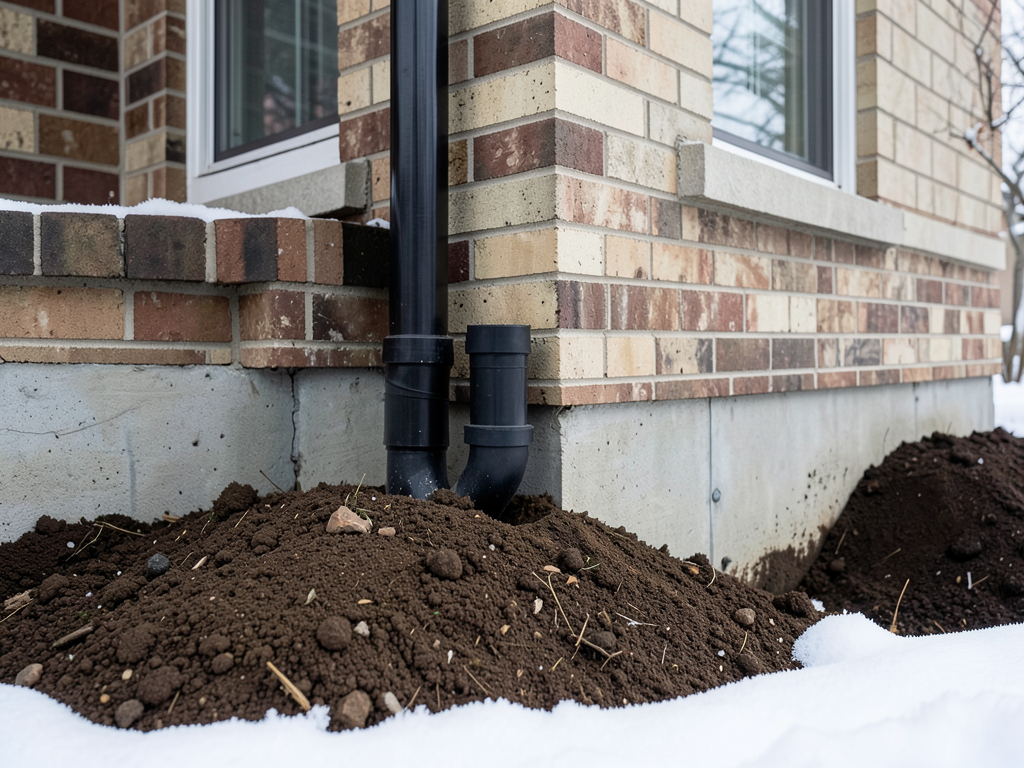
The best ways to prevent water damage in a Chicago vacation rental or second home
Chicago’s extreme freeze-thaw cycles and heavy spring rains create unique risks for vacant properties. A single undetected leak can cause thousands in damage before you even know it happened. This guide shows you how to protect your investment using proven prevention methods tailored to Chicago’s climate and building codes. Water Damage Restoration Springfield.
Why Chicago vacation rentals face higher water damage risks
Chicago’s climate creates conditions that multiply water damage threats. The city experiences average winter lows of 18°F with sudden drops to -20°F during polar vortex events. These temperature swings cause pipes to freeze and burst within hours. The freeze-thaw cycle also expands and contracts building materials, creating new entry points for water. Fast response for burst pipe water damage in Lincoln Park.
Many Chicago vacation rentals sit in neighborhoods with aging plumbing systems. Properties built before 1950 often have galvanized steel pipes that corrode from the inside out. The city’s combined sewer system, serving 80% of Chicago, becomes overwhelmed during heavy rains. When this happens, water backs up through floor drains and sump pumps fail. Who to call for emergency water damage cleanup in Chicago right now.
Insurance companies track vacancy periods carefully. Most policies void coverage if a property sits empty for more than 30 days without proper notification. This means a burst pipe in month two of your winter absence could leave you paying the full repair bill. EPA mold prevention guidelines.
Exterior maintenance creates your first defense line
Water follows the path of least resistance. Your home’s exterior either blocks that path or invites disaster. Start with roof inspection before winter arrives. Look for missing or damaged shingles especially around chimneys and vents where ice dams form. Chicago’s average annual snowfall of 38 inches means your roof bears significant weight each season.. Read more about Why your Chicago homeowner insurance might not cover a slow leak.
Gutters and downspouts direct thousands of gallons away from your foundation. Clean them in late fall after leaves drop but before freezing temperatures arrive. Extend downspouts at least five feet from the foundation using flexible extensions. This simple step prevents hydrostatic pressure from forcing water through basement walls.
Foundation cracks wider than 1/8 inch need professional sealing. Chicago’s clay soil expands when wet and contracts when dry, widening existing cracks each season. Apply masonry sealer to small cracks as a temporary fix. Grade soil away from the foundation at a 1-inch drop per foot for at least six feet. Professional mold removal services for historic homes in Andersonville.
IMAGE_PLACEHOLDER_1 – Photo showing proper downspout extensions and graded soil around a Chicago bungalow foundation before winter.
Plumbing winterization prevents catastrophic pipe bursts
Pipes freeze when water temperature drops below 32°F. Moving water freezes at a slightly lower temperature but standing water in vacant homes poses the highest risk. The most vulnerable pipes run through unheated spaces like basements, crawl spaces, and exterior walls.
Insulate all accessible pipes with foam sleeves rated for Chicago winters. Pay special attention to pipes near exterior walls and in unconditioned spaces. Use pipe insulation with an R-value of at least 3.0 for Chicago’s climate zone. Seal gaps where pipes enter the home with expanding foam to eliminate cold air infiltration.
Drain your plumbing system completely if you plan extended absences during winter. Shut off the main water supply valve, typically located near where the water line enters your basement. Open all faucets and flush toilets to drain remaining water. Pour non-toxic RV antifreeze into toilet bowls and sink traps to prevent freezing in the p-traps.
Maintain interior temperature at 55°F minimum even when vacant. This protects pipes in exterior walls and prevents condensation that leads to mold growth. Install a smart thermostat that alerts you to temperature drops below your set point. Some models integrate with water sensors to shut off supply automatically if freezing is detected.
Sump pump and backflow prevention protect your basement
Chicago’s flat topography and high water table make sump pumps essential for most homes. The city’s average annual precipitation of 38 inches falls unevenly, with spring bringing intense storms that can overwhelm drainage systems. A failed sump pump during these events means water rising through your basement floor.
Test your sump pump monthly by pouring water into the pit until the float activates. Replace the pump every 5-7 years even if it seems to work. The motor bearings wear out gradually and fail when you need them most. Install a battery backup system that provides 24-48 hours of operation during power outages. Get sewage backup out of your West Loop basement before the damage spreads.
Backflow preventers stop sewage from entering your home when the city’s combined sewer system surcharges. Chicago Municipal Code Section 18-29-1410 requires backflow preventers in certain flood-prone areas. Even if not legally required for your property, installing one costs far less than cleaning up a sewage backup.
Consider a water-powered backup sump pump as a secondary defense. These units activate when the primary pump fails or cannot keep up with inflow. They use municipal water pressure to pump out your sump pit, providing protection even when both power and battery fail.
IMAGE_PLACEHOLDER_2 – Diagram showing proper sump pump installation with battery backup and water-powered secondary pump in a Chicago basement.
Smart technology enables remote property monitoring
Modern leak detection systems give you eyes and ears on your property from anywhere. Wi-Fi connected water sensors placed near water heaters, under sinks, and by basement windows send instant alerts to your phone when moisture is detected. Some systems integrate with smart home platforms to automatically shut off the main water valve.
Smart water shutoff valves install on your main supply line and connect to your home’s Wi-Fi. When paired with leak sensors, they can stop water flow within seconds of detecting a problem. This prevents thousands of gallons from flooding your home while you’re away. Popular options include the Moen Flo and Phyn Plus systems.
Remote temperature monitoring adds another layer of protection. Place battery-powered temperature sensors in vulnerable areas like attics, crawl spaces, and near exterior walls. Set alerts for temperatures approaching freezing. Some insurance companies offer premium discounts for properties with certified monitoring systems.
Security cameras with motion detection serve dual purposes. They deter vandalism and allow you to visually inspect your property remotely. Look for models with night vision and cloud storage so you can check conditions during storms or extreme cold snaps.
Professional inspections catch problems early
Even with technology watching your property, nothing replaces human inspection. Schedule quarterly wellness checks with a local property management company or restoration specialist. They can spot early warning signs like efflorescence on basement walls, musty odors indicating mold, or small leaks before they become disasters.
Professional inspectors check items technology cannot detect. They examine the condition of your water heater’s sacrificial anode rod, test the pressure relief valve, and inspect washing machine hoses for wear. These rubber hoses typically fail after 3-5 years, and a burst hose can release 500 gallons per hour.
During inspections, technicians also verify that your prevention systems work correctly. They test sump pumps, check battery backup charge levels, and confirm that smart sensors communicate properly. This proactive approach identifies failing components before they leave your property vulnerable.
Ask inspectors to provide detailed reports with photos after each visit. This documentation proves you maintained your property properly if you ever need to file an insurance claim. Some restoration companies offer annual maintenance contracts specifically for vacation rental owners.
Humidity control prevents summer mold growth
Chicago’s summer humidity often exceeds 70%, creating perfect conditions for mold growth. When warm, moist air contacts cool basement walls or air conditioning ducts, condensation forms. This moisture feeds mold spores that exist naturally in all homes.
Maintain indoor humidity between 30-50% year-round. Use dehumidifiers in basements and crawl spaces during summer months. Empty collection tanks regularly or install units with continuous drain options. Some smart dehumidifiers connect to your Wi-Fi and send alerts when humidity rises above your set point.
Air conditioning systems remove moisture from the air as they cool. However, oversized AC units short-cycle, meaning they cool the air quickly without running long enough to dehumidify properly. Ensure your system is correctly sized for your space. Clean or replace air filters monthly during cooling season.
Check for condensation on windows, pipes, and ductwork regularly. This indicates either high humidity or inadequate insulation. Address the root cause rather than just wiping away moisture. Install pipe insulation on cold water lines to prevent sweating during humid months.
Insurance considerations for vacant Chicago properties
Standard homeowners insurance policies contain vacancy clauses that void coverage after 30-60 days of continuous vacancy. This means your policy might not cover water damage if you leave your property empty without proper notification. Some insurers offer specific vacant property endorsements for an additional premium.
Document all prevention measures you implement. Keep receipts for smart devices, maintenance contracts, and professional inspections. This documentation demonstrates you took reasonable steps to protect the property if you need to file a claim. Insurance companies increasingly reward proactive prevention with lower premiums or higher coverage limits.
Consider hiring a local property manager if you travel frequently. They can maintain the appearance of occupancy by collecting mail, adjusting lights, and conducting regular inspections. Some property management companies specialize in vacation rental oversight and understand Chicago’s specific risks.
Review your policy annually as your prevention measures change. Adding smart monitoring systems, professional maintenance contracts, or upgraded plumbing might qualify you for discounts. Ask your agent about vacant property coverage options before your next extended absence.
Emergency response planning saves critical time
Even with prevention measures in place, emergencies happen. Create a response plan before you need it. Post emergency contact information in an obvious location inside the property. Include your insurance agent, a trusted local contractor, and your property manager if applicable.
Install a main water shutoff valve that anyone can operate easily. Label it clearly and ensure it turns smoothly. During a leak, stopping water flow within the first 5-10 minutes can reduce damage by 70% or more. Practice shutting off the valve so you can direct someone remotely if needed.
Keep a basic emergency kit including flashlights, batteries, and a battery-powered radio. Store important documents like insurance policies and property deeds in a waterproof container. Consider a water alarm system that sounds loudly when moisture is detected, alerting neighbors or maintenance staff to problems.
Build relationships with local service providers before emergencies occur. A plumber who knows your property can respond faster than someone working from limited information. Some restoration companies offer 24/7 emergency response specifically for vacation rental owners.
Cost comparison of prevention methods
| Prevention Method | Initial Cost | Annual Maintenance | Potential Savings |
|---|---|---|---|
| Smart water sensors (4-pack) | $200-300 | $0 | $5,000+ |
| Battery backup sump pump | $500-800 | $50-100 | $3,000+ |
| Smart water shutoff valve | $500-700 | $0 | $10,000+ | Professional winterization service | $150-300 | $0 | $2,000+ |
| Quarterly property inspections | $200-400 | $800-1,600 | $8,000+ |
Frequently Asked Questions
What temperature should I set my thermostat to in winter?
Set your thermostat to at least 55°F when your Chicago property is vacant during winter. This temperature prevents pipes in exterior walls from freezing while minimizing heating costs. Use a smart thermostat that alerts you to temperature drops below your set point.
How often should I inspect my vacation rental when it’s vacant?
Schedule professional inspections quarterly when your property sits vacant. This frequency allows early detection of developing problems like small leaks, humidity issues, or equipment failures. Between professional visits, use smart monitoring technology to check conditions remotely.
Does Chicago’s building code require specific water damage prevention measures?
Chicago Municipal Code Section 18-29-1410 requires backflow preventers in certain flood-prone areas. While most water damage prevention measures aren’t legally mandated, following industry best practices protects your investment and may qualify you for insurance discounts.
What’s the most cost-effective prevention method for a Chicago vacation rental?
Smart water sensors provide the best return on investment. At $200-300 for a basic system, they can detect leaks within minutes and prevent thousands in damage. Combine sensors with a main water shutoff valve for comprehensive protection at minimal cost.
How do I know if my sump pump needs replacement?
Replace your sump pump every 5-7 years regardless of apparent condition. Signs of imminent failure include unusual noises, frequent cycling, or failure to activate during testing. A backup battery system adds protection against power outages when you need the pump most.
Can I drain my plumbing system completely for winter protection?
Yes, draining your plumbing system provides excellent freeze protection. Shut off the main water valve, open all faucets, and flush toilets to remove standing water. Add non-toxic RV antifreeze to toilet bowls and sink traps. This method works best for extended winter absences.
- Shut Off Main Water Supply
Locate and turn off the main water valve near your water meter. This valve controls water flow to your entire property.
- Drain Plumbing System
Open all faucets and flush toilets to remove standing water. Drain the water heater and any exterior hose bibs.
- Protect Traps and Toilets
Pour non-toxic RV antifreeze into toilet bowls, sink traps, and floor drains to prevent freezing in p-traps.
- Set Thermostat to 55°F
Maintain minimum 55°F temperature to protect pipes in exterior walls and prevent condensation.
- Install Smart Monitoring
Place water sensors near water heaters, under sinks, and in basements. Connect to Wi-Fi for remote alerts.
Protecting your Chicago vacation rental requires understanding the unique challenges our climate creates. From polar vortex freezes to spring flooding, each season brings specific risks that demand different prevention strategies. The investment in prevention systems pays for itself many times over by avoiding costly water damage repairs.
Start with the basics: maintain your roof and gutters, insulate vulnerable pipes, and keep your property at safe temperatures during winter. Add smart monitoring technology to catch problems early. Schedule regular professional inspections to identify issues before they become emergencies.
Remember that water damage often spreads beyond the initial leak. Mold can begin growing within 24-48 hours of water exposure. Structural materials absorb moisture and weaken over time. The longer a leak goes undetected, the more extensive and expensive the repairs become.
Your Chicago vacation rental represents a significant investment. Protecting it from water damage ensures you can enjoy it for years to come without the stress and expense of unexpected repairs. Take action now to implement these prevention strategies before the next weather emergency strikes.
Ready to protect your Chicago vacation rental from water damage? Contact our team for a comprehensive property assessment and customized prevention plan. We understand Chicago’s unique climate challenges and can recommend the right combination of technology and maintenance to keep your property safe year-round.
Don’t wait for a burst pipe or flooded basement to take action. Schedule your property assessment today and enjoy peace of mind knowing your investment is protected by Chicago’s water damage prevention experts. For more information, visit IICRC water damage restoration standards.
You may also find this helpful. What to do when a neighbor’s fire sprinkler floods your River North unit.
{
“@context”: “https://schema.org”,
“@type”: “BlogPosting”,
“headline”: “The best ways to prevent water damage in a Chicago vacation rental or second home”,
“description”: “Protect your Chicago vacation rental from winter pipe bursts and summer storms with expert tips on smart sensors, plumbing winterization, and 24/7 monitoring.”,
“wordCount”: 2492,
“datePublished”: “2026-06-04T13:41:00.000Z”,
“dateModified”: “2026-06-04T13:41:00.000Z”,
“inLanguage”: “en-US”,
“mainEntityOfPage”: {
“@type”: “WebPage”,
“@id”: “https://cornerstonewaterdamagerestorationchicago.com”
},
“publisher”: {
“@type”: “LocalBusiness”,
“name”: “Cornerstone Water Damage Restoration Chicago”,
“url”: “https://cornerstonewaterdamagerestorationchicago.com”
},
“author”: {
“@type”: “Organization”,
“name”: “Cornerstone Water Damage Restoration Chicago”,
“url”: “https://cornerstonewaterdamagerestorationchicago.com”
},
“image”: {
“@type”: “ImageObject”,
“url”: “https://cornerstonewaterdamagerestorationchicago.com/wp-content/uploads/2026/03/the-best-ways-to-prevent-water-damage-in-a-chicago-1.png”
}
}
{
“@context”: “https://schema.org”,
“@type”: “LocalBusiness”,
“name”: “Cornerstone Water Damage Restoration Chicago”,
“url”: “https://cornerstonewaterdamagerestorationchicago.com”,
“address”: {
“@type”: “PostalAddress”,
“addressLocality”: “Chicago”
},
“areaServed”: {
“@type”: “City”,
“name”: “Chicago”
}
}
{
“@context”: “https://schema.org”,
“@type”: “FAQPage”,
“mainEntity”: [
{
“@type”: “Question”,
“name”: “What temperature should I set my thermostat to in winter?”,
“acceptedAnswer”: {
“@type”: “Answer”,
“text”: “Set your thermostat to at least 55°F when your Chicago property is vacant during winter. This temperature prevents pipes in exterior walls from freezing while minimizing heating costs. Use a smart thermostat that alerts you to temperature drops below your set point.”
}
},
{
“@type”: “Question”,
“name”: “How often should I inspect my vacation rental when it’s vacant?”,
“acceptedAnswer”: {
“@type”: “Answer”,
“text”: “Schedule professional inspections quarterly when your property sits vacant. This frequency allows early detection of developing problems like small leaks, humidity issues, or equipment failures. Between professional visits, use smart monitoring technology to check conditions remotely.”
}
},
{
“@type”: “Question”,
“name”: “What’s the most cost-effective prevention method for a Chicago vacation rental?”,
“acceptedAnswer”: {
“@type”: “Answer”,
“text”: “Smart water sensors provide the best return on investment. At $200-300 for a basic system, they can detect leaks within minutes and prevent thousands in damage. Combine sensors with a main water shutoff valve for comprehensive protection at minimal cost.”
}
},
{
“@type”: “Question”,
“name”: “How do I know if my sump pump needs replacement?”,
“acceptedAnswer”: {
“@type”: “Answer”,
“text”: “Replace your sump pump every 5-7 years regardless of apparent condition. Signs of imminent failure include unusual noises, frequent cycling, or failure to activate during testing. A backup battery system adds protection against power outages when you need the pump most.”
}
},
{
“@type”: “Question”,
“name”: “Can I drain my plumbing system completely for winter protection?”,
“acceptedAnswer”: {
“@type”: “Answer”,
“text”: “Yes, draining your plumbing system provides excellent freeze protection. Shut off the main water valve, open all faucets, and flush toilets to remove standing water. Add non-toxic RV antifreeze to toilet bowls and sink traps. This method works best for extended winter absences.”
}
}
]
}
{
“@context”: “https://schema.org”,
“@type”: “HowTo”,
“name”: “How to Winterize Your Chicago Vacation Rental”,
“step”: [
{
“@type”: “HowToStep”,
“position”: 1,
“name”: “Shut Off Main Water Supply”,
“text”: “Locate and turn off the main water valve near your water meter. This valve controls water flow to your entire property.”
},
{
“@type”: “HowToStep”,
“position”: 2,
“name”: “Drain Plumbing System”,
“text”: “Open all faucets and flush toilets to remove standing water. Drain the water heater and any exterior hose bibs.”
},
{
“@type”: “HowToStep”,
“position”: 3,
“name”: “Protect Traps and Toilets”,
“text”: “Pour non-toxic RV antifreeze into toilet bowls, sink traps, and floor drains to prevent freezing in p-traps.”
},
{
“@type”: “HowToStep”,
“position”: 4,
“name”: “Set Thermostat to 55°F”,
“text”: “Maintain minimum 55°F temperature to protect pipes in exterior walls and prevent condensation.”
},
{
“@type”: “HowToStep”,
“position”: 5,
“name”: “Install Smart Monitoring”,
“text”: “Place water sensors near water heaters, under sinks, and in basements. Connect to Wi-Fi for remote alerts.”
}
],
“image”: “https://cornerstonewaterdamagerestorationchicago.com/wp-content/uploads/2026/03/the-best-ways-to-prevent-water-damage-in-a-chicago-1.png”
}
{
“@context”: “https://schema.org”,
“@type”: “BreadcrumbList”,
“itemListElement”: [
{
“@type”: “ListItem”,
“position”: 1,
“name”: “Home”,
“item”: “https://cornerstonewaterdamagerestorationchicago.com”
},
{
“@type”: “ListItem”,
“position”: 2,
“name”: “Blog”,
“item”: “https://cornerstonewaterdamagerestorationchicago.com/blog”
},
{
“@type”: “ListItem”,
“position”: 3,
“name”: “The best ways to prevent water damage in a Chicago vacation rental or second home”
}
]
}
{
“@context”: “https://schema.org”,
“@type”: “Service”,
“serviceType”: “Water Damage Restoration”,
“provider”: {
“@type”: “LocalBusiness”,
“name”: “Cornerstone Water Damage Restoration Chicago”,
“url”: “https://cornerstonewaterdamagerestorationchicago.com”
},
“areaServed”: {
“@type”: “City”,
“name”: “Chicago”
},
“description”: “Protect your Chicago vacation rental from winter pipe bursts and summer storms with expert tips on smart sensors, plumbing winterization, and 24/7 monitoring.”
}