
Restoring vintage wallpaper and designer wallcoverings after a pipe burst
Water damage to vintage wallpaper and designer wallcoverings requires immediate attention and specialized techniques. When a pipe bursts in your Chicago home, the delicate paper can bubble, peel, and develop mold within 24-48 hours. The restoration process depends on the paper type, adhesive age, and water contamination level. Fast response for burst pipe water damage in Lincoln Park.
Most vintage wallpapers installed before 1980 use wheat paste or cellulose-based adhesives that dissolve when wet. Modern designer wallcoverings often feature vinyl or fabric laminates that resist water but trap moisture underneath. The key to successful restoration is acting fast and knowing when to call professionals. Professional mold removal services for historic homes in Andersonville.
Chicago’s extreme temperature swings from polar vortex freezes to humid summers create unique challenges. Pipes in older Lincoln Park bungalows and West Loop greystones are particularly vulnerable to bursting during January freeze-thaw cycles. When water hits vintage wallpaper, it can cause irreversible damage within hours. Who to call for emergency water damage cleanup in Chicago right now.
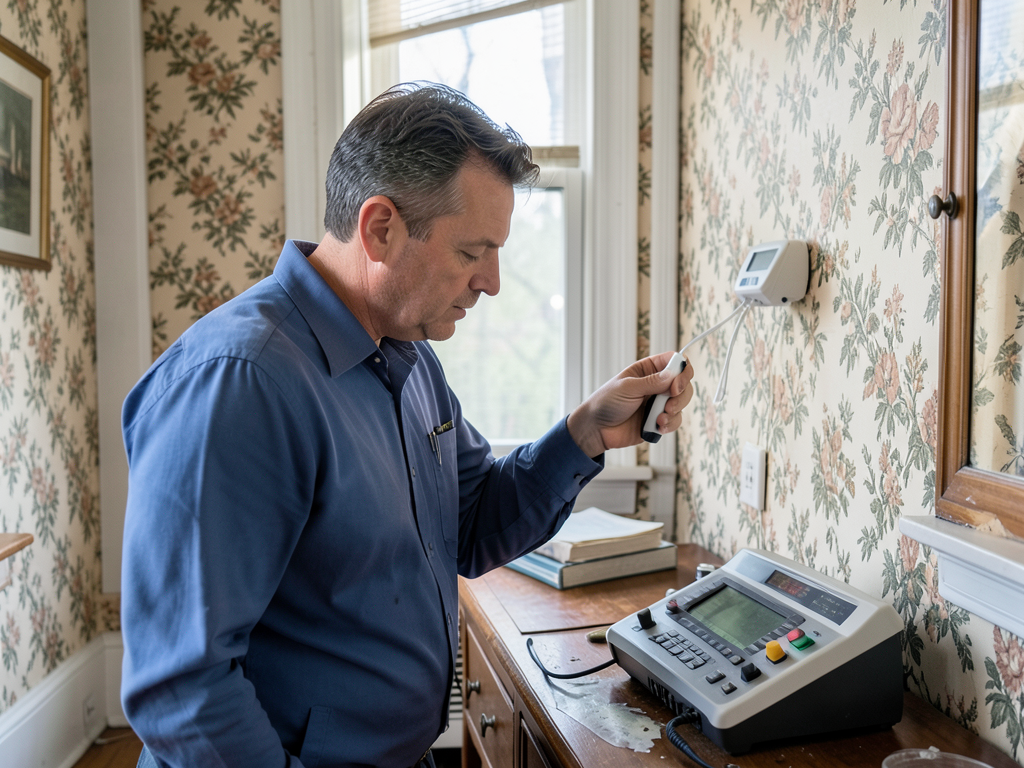
Professional restoration technicians use moisture meters to detect hidden dampness behind the paper. They check for mold growth, which appears as black or green spots and produces a musty odor. The EPA recommends removing wallpaper if mold covers more than 10 square feet or if Category 3 black water contamination occurred. EPA mold guidelines.
DIY restoration works for clean water damage on modern vinyl wallcoverings. You’ll need a wallpaper seam roller, pH-neutral cleaner, and patience. However, antique paper from the 1920s-1950s requires museum-quality restoration techniques that most homeowners cannot replicate safely. Water Damage Restoration Springfield.
Insurance claims for water-damaged wallcoverings can be complex. Standard policies cover sudden pipe bursts but may exclude gradual leaks or mold damage. Document everything with photos before attempting any cleanup. Keep damaged pieces for the adjuster to assess replacement costs for rare or discontinued patterns.
The restoration process typically takes 3-7 days for professional service, depending on drying requirements and mold treatment needs. During this time, affected rooms should remain sealed to prevent spore spread. Dehumidifiers run continuously to maintain 30-50% relative humidity, the optimal range for preventing further damage.
Preventive measures include insulating exposed pipes, maintaining consistent indoor temperatures, and installing water leak detectors near vintage wallcoverings. These small investments can save thousands in restoration costs and preserve irreplaceable historic patterns in Chicago’s architectural heritage homes.
Assessment: Can the wallpaper be saved?
Determining salvageability starts with identifying the water source and contamination level. Clean water from a burst supply pipe has the highest restoration success rate. Gray water from washing machines or dishwashers requires antimicrobial treatment. Black water from sewage backups mandates complete removal and replacement. Get sewage backup out of your West Loop basement before the damage spreads.
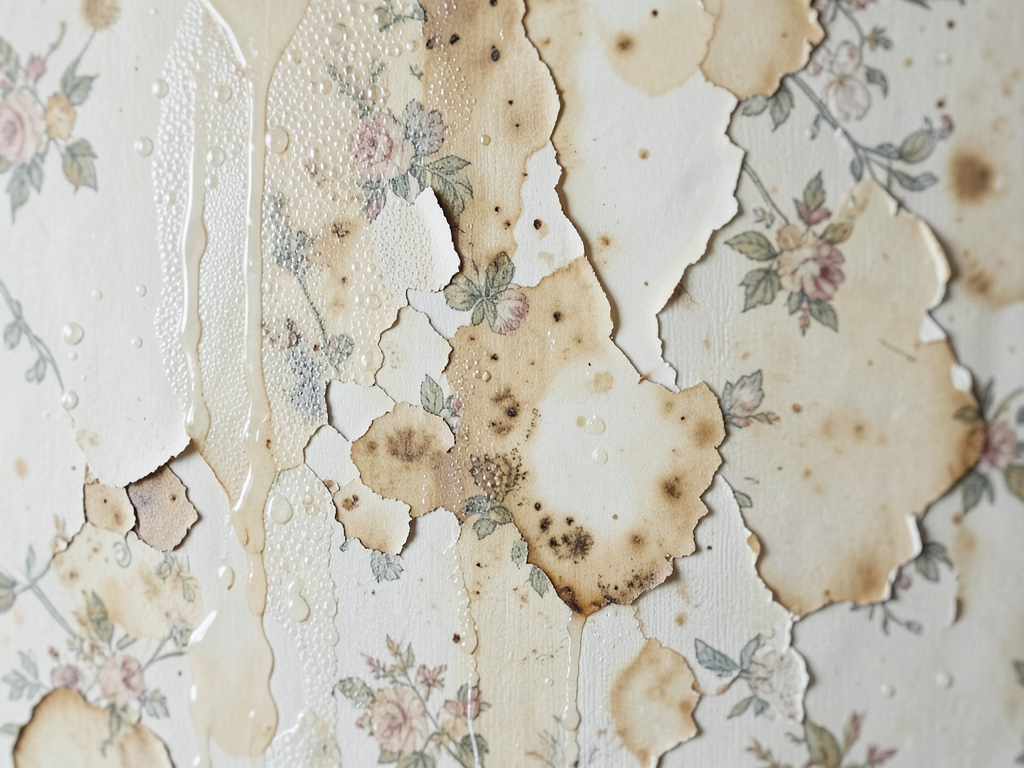
Visual inspection reveals the damage extent. Small bubbles under the paper often indicate trapped moisture that can be dried with proper equipment. Large peeling sections or separated seams suggest adhesive failure requiring professional reattachment. Discoloration that doesn’t fade when dry indicates permanent staining.
Touch testing provides crucial information. Press gently on bubbled areas – if they feel spongy or leave an indentation, the drywall underneath is saturated. This requires structural drying before wallpaper restoration can proceed. Hard bubbles that spring back may contain only surface moisture.
Smell testing detects early mold growth. A damp, earthy odor indicates active microbial growth within 24-48 hours of water exposure. This requires immediate professional intervention per IICRC S500 standards for Category 2 water damage. The musty smell intensifies as mold colonies expand behind the paper. IICRC S500 standard.
Age assessment matters significantly. Paper installed before 1978 may contain asbestos in the adhesive or backing. This requires certified abatement professionals per EPA regulations. The paper’s historical value also influences restoration decisions – museum-quality pieces warrant extensive preservation efforts.
Pattern matching capability affects restoration strategy. Discontinued designer wallcoverings may be impossible to replace exactly. In these cases, selective repair of damaged sections becomes the only viable option. Professionals can often source vintage patterns through specialized suppliers or architectural salvage yards.
Moisture meter readings determine the drying plan. Readings above 16% on the drywall surface indicate active moisture that will cause mold growth within 72 hours. Readings between 13-16% require aggressive drying. Below 13% is generally safe for cosmetic repairs.
Step-by-step DIY repair process
Start by stopping the water source immediately. Turn off the main supply valve if you cannot locate the specific pipe. Remove standing water with towels or a wet vacuum. Time is critical – every hour increases damage severity and restoration costs.
Document all damage thoroughly before touching anything. Take photos from multiple angles, including close-ups of water stains, bubbles, and separated seams. This documentation proves essential for insurance claims and helps professionals assess the damage remotely.
Remove excess moisture using clean, white cloths to avoid color transfer. Press gently rather than rubbing, which can tear delicate paper. Change cloths frequently as they become saturated. For vinyl wallcoverings, you can wipe more firmly without damage.
Increase air circulation safely. Open windows if outdoor humidity is lower than indoor levels. Use fans on low settings, directing airflow across the room rather than directly at the wall. High-velocity air can cause paper to curl or separate further.
Apply gentle heat carefully. A hair dryer on the lowest setting can help dry small areas, but keep it moving constantly to avoid scorching. Never use heat guns or high-temperature devices on vintage paper – they can cause irreversible damage.
Reattach loose seams using wallpaper seam adhesive. Apply a thin layer with a small brush, wait 30 seconds for it to become tacky, then press the seam back into place. Use a seam roller to ensure proper contact without air pockets.
Address bubbles by making tiny slits with a razor blade. Inject wallpaper adhesive through the slit using a syringe, then press flat. This technique works for bubbles smaller than a quarter. Larger bubbles often indicate deeper moisture problems requiring professional attention.
Clean water stains using a damp sponge with distilled water. Work from the outside of the stain toward the center to prevent spreading. Blot dry immediately with a clean cloth. Never oversaturate vintage paper – it can cause irreversible swelling or tearing.
The danger beneath: identifying mold and structural decay
Mold growth behind wallpaper creates serious health hazards. The paper acts as a perfect food source, while trapped moisture provides ideal growing conditions. Within 48 hours, mold colonies can spread across entire wall sections, releasing spores that cause respiratory issues and allergic reactions.
Visual indicators include black, green, or brown spots that appear fuzzy or slimy. These spots often follow the pattern of water damage, creating irregular shapes that grow larger over time. Yellow or brown stains that darken when wet indicate active microbial growth.
Musty odors signal active mold colonies even when visual signs aren’t apparent. The smell intensifies in humid conditions and can permeate entire rooms. If you detect this odor after water damage, assume mold growth exists until proven otherwise through professional testing.
Structural damage indicators include soft spots when pressing on the wall, visible drywall deterioration, or crumbling plaster. These conditions suggest water has penetrated beyond the wallpaper into the wall cavity. This requires immediate professional assessment to prevent collapse or extensive rot.
Efflorescence appears as white, chalky deposits on plaster walls behind wallpaper. This occurs when water carries mineral salts to the surface as it evaporates. While not harmful itself, efflorescence indicates ongoing moisture problems that will cause further damage if unaddressed.
Category 3 water contamination from sewage backups introduces dangerous pathogens. This water contains bacteria, viruses, and parasites that can cause serious illness. Per EPA guidelines, any wallcovering exposed to black water must be removed and disposed of as contaminated waste.
Professional mold remediation follows strict protocols. Technicians wear HEPA respirators and containment suits. They seal affected areas with plastic sheeting and use negative air pressure to prevent spore spread. All contaminated materials are bagged and disposed of according to local hazardous waste regulations.
Post-remediation verification ensures complete mold removal. Air quality testing confirms spore levels return to normal background levels. Moisture readings verify walls are dry to acceptable levels. Only after passing these tests should new wallcoverings be installed.
Why Chicago weather impacts your walls
Chicago’s climate creates unique challenges for vintage wallpaper restoration. The city experiences 36 inches of annual precipitation and extreme temperature variations from -20°F in winter to 95°F in summer. These conditions stress building materials and plumbing systems differently than moderate climates.
Freeze-thaw cycles cause pipes to burst when temperatures fluctuate rapidly. Water expands approximately 9% when freezing, creating pressure that exceeds pipe strength. Chicago’s frequent January thaws followed by deep freezes create ideal conditions for pipe failure, especially in uninsulated exterior walls.
Lake Michigan’s influence affects indoor humidity levels significantly. The lake moderates temperatures but increases moisture in the air, particularly during summer months. This elevated humidity slows drying times after water damage and creates conditions favorable for mold growth behind wallpaper.
Chicago’s building stock includes many homes built between 1900-1940 with outdated plumbing. Galvanized steel pipes corrode from the inside out, creating weak points prone to bursting. These pipes often run through exterior walls where insulation is minimal or nonexistent.
Spring flooding from melting snow and heavy rains overwhelms drainage systems. Combined sewer systems in older Chicago neighborhoods back up when overwhelmed, causing sewage to enter basements and lower-level walls. This creates Category 3 contamination requiring immediate professional response.
Summer thunderstorms bring power outages that disable sump pumps. When these pumps fail during heavy rains, groundwater pressure forces water through foundation cracks into basements. This hydrostatic pressure can push water up through wall cavities, affecting wallpaper from behind.
Winter heating creates temperature differentials that stress walls. Warm indoor air meets cold exterior walls, causing condensation within wall cavities. This hidden moisture accumulates over time, weakening adhesives and creating conditions for mold growth behind wallpaper.
Chicago’s building code requires specific moisture barriers in new construction, but many vintage homes lack these protections. The Chicago Municipal Code Section 13-32-010 mandates vapor retarders in exterior walls, but compliance wasn’t universal in historic construction.
Professional restoration vs. DIY
Professional restoration offers advantages that DIY cannot match. Certified technicians use industrial-grade equipment including commercial dehumidifiers that remove 20-30 gallons of water per day versus consumer units that handle 5-10 gallons. This speed prevents secondary damage and mold growth.
Professional moisture detection goes beyond surface readings. Infrared cameras reveal temperature variations that indicate hidden moisture. Hygrometers measure air moisture content precisely. These tools identify problems DIY methods miss, preventing costly future repairs.
Antimicrobial treatments used by professionals are more effective than consumer products. EPA-registered fungicides eliminate mold spores and prevent regrowth. These treatments meet IICRC S520 standards for mold remediation, ensuring thorough sanitation that DIY cleaners cannot achieve.
Structural drying requires specialized knowledge. Professionals calculate cubic footage, material permeability, and moisture content to create drying plans. They use psychrometric charts to determine optimal temperature and humidity levels. This scientific approach ensures complete drying versus surface-level results.
Insurance coordination is a major professional advantage. Restoration companies document damage systematically, communicate directly with adjusters, and often guarantee their work. This reduces homeowner stress and typically results in faster claim resolution and better coverage outcomes.
Cost comparison shows DIY appears cheaper initially but often costs more long-term. Professional restoration for a typical room ranges from $800-$2,500 depending on damage extent. DIY supplies cost $100-$300, but mistakes can lead to $3,000-$10,000 in secondary damage from mold or structural decay.
Time investment differs dramatically. Professionals complete most restoration in 3-5 days. DIY projects often take weeks as homeowners work around schedules and wait for materials to dry. Extended exposure increases damage severity and restoration complexity.
Equipment availability creates another gap. Professionals have access to air scrubbers, HEPA vacuums, and commercial drying mats. These tools remove contaminants and accelerate drying in ways consumer equipment cannot match. Rental costs for similar equipment often approach professional service fees.
Expertise in historic preservation matters for vintage wallcoverings. Professionals understand period-appropriate restoration techniques, can match discontinued patterns, and know when preservation outweighs replacement. This specialized knowledge protects irreplaceable architectural elements in historic Chicago homes.
| Restoration Factor | Professional Service | DIY Approach |
|---|---|---|
| Initial Cost | $800-$2,500 per room | $100-$300 supplies |
| Drying Speed | 24-72 hours | 5-14 days |
| Mold Prevention | 99% effective | 60-80% effective |
| Insurance Documentation | Comprehensive, adjuster-ready | Basic photos only |
| Historic Preservation | Specialized techniques available | Standard methods only |
Preventing future water damage
Preventive maintenance saves significant restoration costs. Inspect plumbing annually for corrosion, leaks, or weak joints. Pay special attention to supply lines under sinks, toilet connections, and water heater connections. Replace supply lines every 5-7 years as preventive maintenance.
Install water leak detectors near vintage wallcoverings and in high-risk areas. Modern detectors connect to smartphones and can automatically shut off water supply when leaks are detected. This technology prevents catastrophic damage by catching problems in their earliest stages.
Maintain proper indoor humidity levels year-round. Use dehumidifiers during summer months to keep relative humidity between 30-50%. This prevents condensation on cold surfaces and creates conditions unfavorable for mold growth. Hygrometers provide accurate humidity readings for monitoring.
Insulate pipes in exterior walls and unheated spaces. Use foam pipe insulation sleeves that provide R-4 insulation value. Pay special attention to pipes near vintage wallcoverings, as these areas often have minimal insulation and maximum freeze risk.
Clean gutters and downspouts regularly to prevent water overflow. Ensure downspouts direct water at least 6 feet from foundation walls. This prevents hydrostatic pressure that can force water through foundation cracks into wall cavities.
Grade soil away from foundation walls with a 6-inch slope over 10 feet. This simple landscaping technique prevents water pooling against foundation walls. Regrade settled areas where water tends to collect near the house.
Install backwater valves on sewer lines to prevent sewage backup during heavy rains. These valves automatically close when water tries to flow backward through the system. Many Chicago homes with combined sewers require these valves per municipal code.
Consider whole-house water monitoring systems that track usage patterns and detect anomalies. These systems can identify small leaks before they become major problems. Some systems integrate with smart home technology for remote monitoring and automatic shutoff capabilities.
Maintain sump pumps properly with annual testing and battery backup systems. Replace pumps every 5-7 years as preventive maintenance. A failed sump pump during heavy rain can cause thousands in water damage to lower-level wallcoverings and finishes.
Insurance considerations for water-damaged wallcoverings
Standard homeowners insurance covers sudden and accidental water damage but excludes gradual damage and maintenance issues. A burst pipe causing wallpaper damage is typically covered, but slow leaks that cause mold growth over months may be denied.
Document damage immediately with photos and videos before any cleanup begins. Capture the extent of water spread, damaged wallcoverings, and any visible mold growth. This documentation proves essential when filing claims and prevents disputes over damage extent.
Keep all damaged materials for the insurance adjuster to inspect. Don’t discard wallpaper, even if it appears ruined. The adjuster needs to see the materials to assess replacement costs, especially for vintage or designer wallcoverings that may be irreplaceable.
Understand your policy’s coverage limits for personal property and additional living expenses. Some policies limit coverage for high-value items like designer wallcoverings or antiques. Additional coverage riders may be necessary for valuable wallcoverings in historic homes.
Professional restoration companies often provide insurance coordination services. They document damage using industry-standard forms, provide detailed estimates, and communicate directly with adjusters. This expertise typically results in better claim outcomes than DIY documentation.
Ask about replacement cost versus actual cash value coverage. Replacement cost policies pay to replace damaged items without depreciation deductions. Actual cash value policies deduct depreciation, which can significantly reduce payouts for older wallcoverings.
Consider separate flood insurance if you live in a flood-prone area. Standard homeowners policies exclude surface water flooding. The National Flood Insurance Program provides coverage for water entering from outside sources, which standard policies exclude.
Review your policy annually for coverage changes. Insurance companies update exclusions and coverage limits regularly. Ensure your coverage keeps pace with rising restoration costs and the value of your home’s finishes and wallcoverings.
Frequently Asked Questions
How long do I have to save water-damaged wallpaper?
Act within 24-48 hours for the best chance of saving water-damaged wallpaper. Mold can begin growing within this timeframe, and adhesive failure accelerates as paper remains wet. Quick action prevents permanent staining and structural damage to underlying walls.
Can I paint over water-damaged wallpaper instead of removing it?
Painting over water-damaged wallpaper is not recommended. Water damage often causes bubbling and separation that will show through paint. Additionally, any mold growth behind the paper will continue spreading under the paint layer, creating health hazards and eventual paint failure.
How much does professional wallpaper restoration cost in Chicago?
Professional wallpaper restoration costs typically range from $800 to $2,500 per room in Chicago, depending on damage extent, paper type, and required treatments. Historic or designer wallcoverings may cost more due to specialized restoration techniques and materials matching requirements.
Will my insurance cover water-damaged wallpaper?
Insurance typically covers sudden water damage from burst pipes but may exclude gradual leaks or mold damage. Coverage depends on your specific policy terms and the water damage source. Professional restoration companies can help document damage for insurance claims.
How can I tell if there’s mold behind my wallpaper?
Mold behind wallpaper often appears as black, green, or brown spots visible through the paper. Musty odors, bubbling that doesn’t dry out, and persistent discoloration are also indicators. Professional moisture testing can confirm mold presence without damaging the wallcovering.
Need help with water-damaged vintage wallpaper in your Chicago home?
Don’t let water damage ruin your irreplaceable wallcoverings. Professional restoration can save vintage wallpaper and prevent costly secondary damage like mold growth. Contact Cornerstone Water Damage Restoration for emergency service throughout Chicago and surrounding suburbs. Our certified technicians understand the unique challenges of restoring historic wallcoverings in Chicago’s climate and can respond within 60 minutes for emergency situations.
Call us 24/7 or visit our website to schedule a free damage assessment. We work directly with insurance companies to ensure proper documentation and maximum coverage for your restoration project.
{
“@context”: “https://schema.org”,
“@type”: “BlogPosting”,
“headline”: “Restoring vintage wallpaper and designer wallcoverings after a pipe burst”,
“description”: “Expert guide to saving vintage wallpaper after water damage in Chicago homes. Learn restoration techniques, mold risks, and when to call professionals for historic wallcoverings.”,
“wordCount”: 3040,
“datePublished”: “2026-06-06T15:37:00.000Z”,
“dateModified”: “2026-06-06T15:37:00.000Z”,
“inLanguage”: “en-US”,
“mainEntityOfPage”: {
“@type”: “WebPage”,
“@id”: “https://cornerstonewaterdamagerestorationchicago.com”
},
“publisher”: {
“@type”: “LocalBusiness”,
“name”: “Cornerstone Water Damage Restoration Chicago”,
“url”: “https://cornerstonewaterdamagerestorationchicago.com”
},
“author”: {
“@type”: “Organization”,
“name”: “Cornerstone Water Damage Restoration Chicago”,
“url”: “https://cornerstonewaterdamagerestorationchicago.com”
},
“image”: {
“@type”: “ImageObject”,
“url”: “https://cornerstonewaterdamagerestorationchicago.com/wp-content/uploads/2026/03/restoring-vintage-wallpaper-and-designer-wallcover-1.png”
}
}
{
“@context”: “https://schema.org”,
“@type”: “LocalBusiness”,
“name”: “Cornerstone Water Damage Restoration Chicago”,
“url”: “https://cornerstonewaterdamagerestorationchicago.com”,
“address”: {
“@type”: “PostalAddress”,
“addressLocality”: “Chicago”
},
“areaServed”: {
“@type”: “City”,
“name”: “Chicago”
}
}
{
“@context”: “https://schema.org”,
“@type”: “FAQPage”,
“mainEntity”: [
{
“@type”: “Question”,
“name”: “Assessment: Can the wallpaper be saved?”,
“acceptedAnswer”: {
“@type”: “Answer”,
“text”: “Determining salvageability starts with identifying the water source and contamination level. Clean water from a burst supply pipe has the highest restoration success rate. Gray water from washing machines or dishwashers requires antimicrobial treatment. Black water from sewage backups mandates complete removal and replacement. Get sewage backup out of your West Loop basement before the damage spreads.”
}
},
{
“@type”: “Question”,
“name”: “How long do I have to save water-damaged wallpaper?”,
“acceptedAnswer”: {
“@type”: “Answer”,
“text”: “Act within 24-48 hours for the best chance of saving water-damaged wallpaper. Mold can begin growing within this timeframe, and adhesive failure accelerates as paper remains wet. Quick action prevents permanent staining and structural damage to underlying walls.”
}
},
{
“@type”: “Question”,
“name”: “Can I paint over water-damaged wallpaper instead of removing it?”,
“acceptedAnswer”: {
“@type”: “Answer”,
“text”: “Painting over water-damaged wallpaper is not recommended. Water damage often causes bubbling and separation that will show through paint. Additionally, any mold growth behind the paper will continue spreading under the paint layer, creating health hazards and eventual paint failure.”
}
},
{
“@type”: “Question”,
“name”: “How much does professional wallpaper restoration cost in Chicago?”,
“acceptedAnswer”: {
“@type”: “Answer”,
“text”: “Professional wallpaper restoration costs typically range from $800 to $2,500 per room in Chicago, depending on damage extent, paper type, and required treatments. Historic or designer wallcoverings may cost more due to specialized restoration techniques and materials matching requirements.”
}
},
{
“@type”: “Question”,
“name”: “Will my insurance cover water-damaged wallpaper?”,
“acceptedAnswer”: {
“@type”: “Answer”,
“text”: “Insurance typically covers sudden water damage from burst pipes but may exclude gradual leaks or mold damage. Coverage depends on your specific policy terms and the water damage source. Professional restoration companies can help document damage for insurance claims.”
}
},
{
“@type”: “Question”,
“name”: “How can I tell if there’s mold behind my wallpaper?”,
“acceptedAnswer”: {
“@type”: “Answer”,
“text”: “Mold behind wallpaper often appears as black, green, or brown spots visible through the paper. Musty odors, bubbling that doesn’t dry out, and persistent discoloration are also indicators. Professional moisture testing can confirm mold presence without damaging the wallcovering.”
}
},
{
“@type”: “Question”,
“name”: “Need help with water-damaged vintage wallpaper in your Chicago home?”,
“acceptedAnswer”: {
“@type”: “Answer”,
“text”: “Don’t let water damage ruin your irreplaceable wallcoverings. Professional restoration can save vintage wallpaper and prevent costly secondary damage like mold growth. Contact Cornerstone Water Damage Restoration for emergency service throughout Chicago and surrounding suburbs. Our certified technicians understand the unique challenges of restoring historic wallcoverings in Chicago’s climate and can respond within 60 minutes for emergency situations.”
}
}
]
}
{
“@context”: “https://schema.org”,
“@type”: “BreadcrumbList”,
“itemListElement”: [
{
“@type”: “ListItem”,
“position”: 1,
“name”: “Home”,
“item”: “https://cornerstonewaterdamagerestorationchicago.com”
},
{
“@type”: “ListItem”,
“position”: 2,
“name”: “Blog”,
“item”: “https://cornerstonewaterdamagerestorationchicago.com/blog”
},
{
“@type”: “ListItem”,
“position”: 3,
“name”: “Restoring vintage wallpaper and designer wallcoverings after a pipe burst”
}
]
}
{
“@context”: “https://schema.org”,
“@type”: “Service”,
“serviceType”: “Water Damage Restoration”,
“provider”: {
“@type”: “LocalBusiness”,
“name”: “Cornerstone Water Damage Restoration Chicago”,
“url”: “https://cornerstonewaterdamagerestorationchicago.com”
},
“areaServed”: {
“@type”: “City”,
“name”: “Chicago”
},
“description”: “Expert guide to saving vintage wallpaper after water damage in Chicago homes. Learn restoration techniques, mold risks, and when to call professionals for historic wallcoverings.”
}