
How to tell if your wet drywall can be saved or needs to be tossed
Chicago homeowners face a critical decision within 24-48 hours of water damage: can your wet drywall be dried and saved, or does it need complete replacement? The answer depends on water category, exposure time, and structural integrity. This guide gives you the exact criteria to make that call before mold takes hold. Water Damage Restoration Springfield.
The 24-48 Hour Window: Why Time is the Critical Factor
Water damage creates a ticking clock. Mold spores begin germinating within 24-48 hours in damp conditions, with visible colonies appearing by day three. In Chicago’s humid climate, where summer dew points often exceed 70°F, this timeline accelerates. The window for saving drywall starts closing the moment water contacts the surface. Water Damage Restoration Joliet.
Category 1 water (clean water from pipes or rain) gives you the best chance for salvage. Category 2 (gray water from appliances) reduces those odds significantly. Category 3 (sewage or flood water) means immediate removal is mandatory for health safety. Get sewage backup out of your West Loop basement before the damage spreads.
The Decision Matrix: When Can You Save Drywall?
Save drywall only when ALL these conditions are met:
- Category 1 water exposure only
- Water contact time under 48 hours
- No visible swelling or sagging
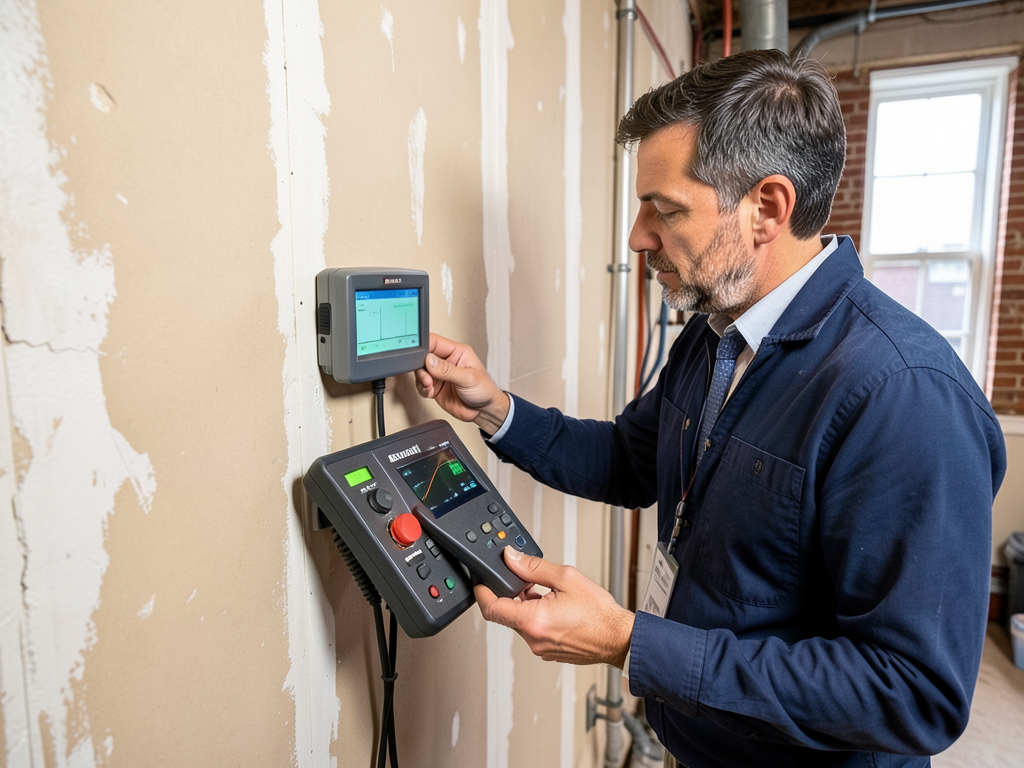
- Moisture content below 16% (measured with professional moisture meter)
- No insulation behind the drywall
- No signs of mold growth
If any condition fails, replacement becomes the safer option. The cost of professional drying equipment rental and labor often exceeds replacement costs for materials under 4 feet high. Professional mold removal services for historic homes in Andersonville.
When Replacement is Mandatory (No Exceptions)
Certain conditions make drywall replacement non-negotiable:
- Category 3 water exposure (sewage, flood water, or contaminated groundwater)
- Visible structural swelling or warping
- Moisture readings above 16% in wood studs or 20% in drywall
- Water wicking above 2 feet on walls
- Presence of insulation that absorbed water
- Any visible mold growth
Chicago building codes require removal of materials exposed to Category 3 water due to contamination risks. The Illinois Department of Public Health mandates proper disposal of water-damaged materials that cannot be effectively sanitized. EPA mold guidelines.
The Professional Drying Process vs. DIY
Professional restoration uses industrial-grade equipment that achieves results impossible with household fans:. Read more about Comparing the best commercial grade dehumidifiers for large Chicago basements.
- LGR (Low Grain Refrigerant) dehumidifiers that pull moisture from deep within wall cavities
- High-velocity air movers creating 360-degree air circulation
- Infrared cameras to detect hidden moisture pockets
- Moisture mapping to track drying progress
DIY attempts often fail because surface drying hides moisture trapped behind walls. Chicago’s clay soil and high water table mean basements retain moisture longer than other regions, requiring more aggressive drying protocols.
The Flood Cut: Saving the Upper Half of Walls
When drywall must be removed, professionals use the ‘flood cut’ method. This involves cutting 12-24 inches above the highest water line, removing only the damaged lower section while preserving the upper wall structure. This technique reduces replacement costs by 60-70% compared to full wall demolition.
The flood cut height depends on:
- Water category (higher for contaminated water)
- Wicking potential (more for plaster walls)
- Insulation presence (requires deeper cuts if insulation is involved)
- Local building codes (Chicago requires specific disposal protocols for water-damaged materials)
Chicago-Specific Considerations
Chicago’s unique housing stock creates specific challenges. Many Lincoln Park and Lakeview homes feature lath and plaster construction rather than modern drywall. Plaster absorbs water like a sponge but dries much slower, often requiring complete removal even for Category 1 water.
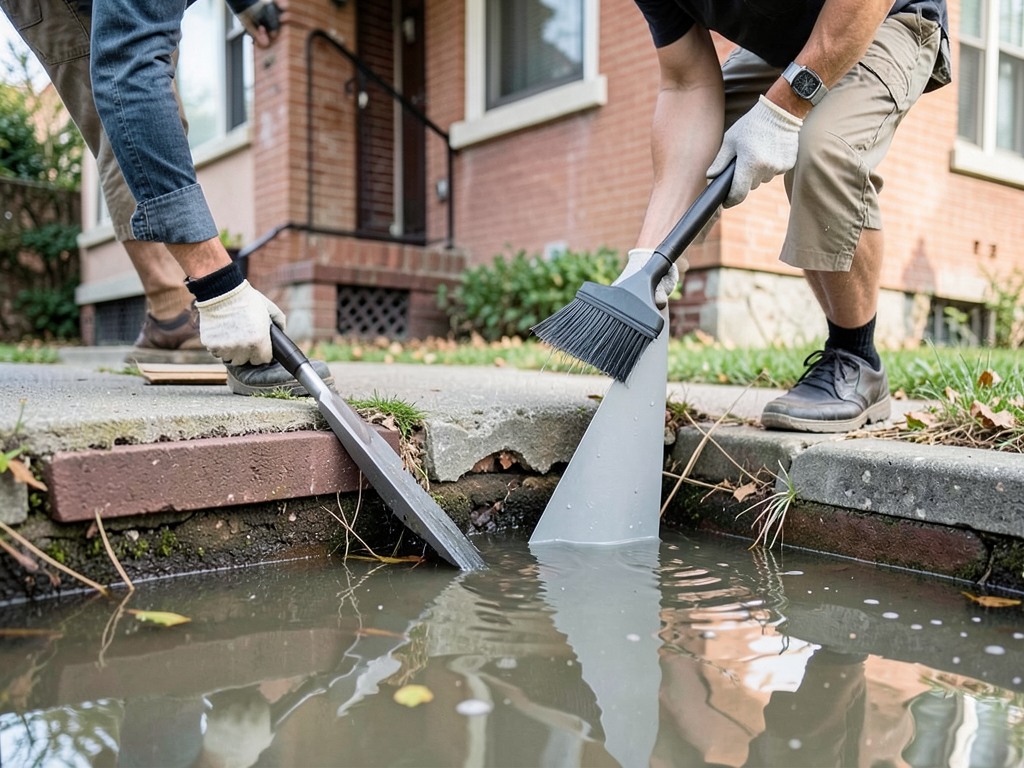
The city’s combined sewer system in areas like the West Loop increases Category 3 water risk during heavy rains. When storm drains back up, sewage can enter basements through floor drains, immediately triggering mandatory removal requirements.
Chicago’s building code Section 13-32-050 requires proper vapor barrier installation in exterior walls. When water damage compromises these barriers, entire wall sections may need replacement to prevent future condensation problems.
Insurance & Cost: Navigating Claims in Illinois
Illinois insurance policies typically cover sudden water damage but exclude gradual leaks or flood damage (requiring separate flood insurance). Document damage thoroughly with photos and moisture readings before beginning any work.
Professional drying services in Chicago average $3-5 per square foot. Complete drywall replacement runs $8-12 per square foot installed. The flood cut method averages $5-7 per square foot, offering the best cost-to-benefit ratio for salvageable walls.
Most Chicago restoration companies work directly with insurance adjusters, providing the documentation needed for claim approval. This service alone often justifies professional involvement rather than attempting DIY repairs.
Moisture Meter Readings: The Definitive Test
Professional moisture meters provide objective data for the save-or-replace decision. Readings are taken at multiple depths:
- Surface reading (first 1/4 inch)
- Core reading (1-2 inches deep)
- Stud reading (behind drywall)
Safe thresholds for Chicago’s climate:
- Wood studs: below 16% moisture content
- Gypsum drywall: below 20% moisture content
- Relative humidity: below 40% for effective drying
Readings above these thresholds indicate the need for removal, regardless of visual appearance. Chicago’s humidity means materials often retain moisture longer than homeowners expect.
Antimicrobial Treatment: The Final Step
Even when drywall can be saved, professional antimicrobial treatment prevents future mold growth. EPA-registered antimicrobials are applied to all affected surfaces, creating a protective barrier against spore germination.
Chicago’s humid summers make antimicrobial treatment essential even for Category 1 water damage. The treatment costs $0.50-1.00 per square foot but provides insurance against the $5,000-10,000 cost of mold remediation if problems develop later.
Structural Drying Timeline
Professional drying follows a predictable timeline:
- 24 hours: Initial moisture extraction and equipment setup
- 48-72 hours: Active drying phase with daily monitoring
- 72+ hours: Final moisture readings and antimicrobial application
Chicago’s climate often extends these timelines by 24-48 hours compared to drier regions. The city’s high humidity means equipment must run longer to achieve target moisture levels.
DIY Warning Signs: When to Call Professionals
Call professionals immediately if you notice:
- Musty odors developing within 48 hours
- Any signs of mold growth (black, green, or white spots)
- Water wicking above 12 inches on walls
- Category 2 or 3 water exposure
- Water contact with electrical outlets or appliances
Chicago’s building stock often hides water damage behind plaster or in wall cavities. What looks like a small problem can involve much larger areas once professionals assess with thermal imaging.
The Cost of Waiting
Delaying the save-or-replace decision costs money. A $1,500 professional drying job becomes a $5,000-8,000 mold remediation project if mold establishes. Category 3 water damage that could have been handled for $2,000 becomes a $15,000-20,000 full gut job if left untreated.
Chicago’s insurance companies often deny claims for damage that could have been prevented with timely professional intervention. The ‘failure to mitigate’ clause means waiting costs you twice – once for the damage and again for the denied claim.
Making the Final Decision
Use this checklist to decide between saving or replacing:
- Determine water category (1, 2, or 3)
- Measure moisture content with a professional meter
- Check for visible damage (swelling, warping, mold)
- Assess insulation presence behind walls
- Calculate exposure time (under or over 48 hours)
- Consider Chicago’s climate impact on drying times
If you answer ‘no’ to any question, replacement is the safer, more cost-effective choice. The peace of mind from knowing the problem is completely resolved outweighs the temporary savings of attempting to save compromised materials.
Frequently Asked Questions
How long does wet drywall stay wet?
Wet drywall can stay damp for 3-7 days depending on humidity, temperature, and airflow. In Chicago’s humid climate, materials often retain moisture longer than homeowners expect, making professional drying equipment essential.
Can I paint over wet drywall?
No. Painting over wet drywall traps moisture, leading to mold growth and paint failure. Materials must be completely dry (below 16% moisture content) before painting can begin.
Does homeowners insurance cover wet drywall?
Most policies cover sudden water damage from burst pipes or appliance failures. They typically exclude flood damage, gradual leaks, and damage from lack of maintenance. Document everything before beginning repairs. Fast response for burst pipe water damage in Lincoln Park.
How do I know if drywall has mold?
Mold appears as black, green, or white spots on surfaces. Musty odors within 48-72 hours of water exposure indicate active mold growth. Professional testing can confirm presence before it becomes visible.
What’s the difference between Category 1 and Category 3 water?
Category 1 is clean water from pipes or rain. Category 3 is sewage or flood water containing contaminants. Category 3 requires complete removal due to health hazards, while Category 1 may be salvageable if addressed quickly.
Water damage in Chicago homes requires quick, informed decisions. The 24-48 hour window determines whether your drywall can be saved or must be replaced. Don’t guess – know the facts and make the right call the first time.
Have water damage right now? Stop the spread before mold takes hold. Get professional assessment within 60 minutes and protect your home’s value. For more information, visit IICRC S500 water damage standards.
You may also find this helpful. Finding the source of mystery moisture in your Printers Row loft.
You may also find this helpful. Why IICRC certification matters when hiring a restoration pro in Chicago.
You may also find this helpful. Restoring vintage wallpaper and designer wallcoverings after a pipe burst.
{
“@context”: “https://schema.org”,
“@type”: “BlogPosting”,
“headline”: “How to tell if your wet drywall can be saved or needs to be tossed”,
“description”: “Chicago homeowners need to know when wet drywall can be saved or must be replaced. Learn the 24-hour mold window, flood cut rules, and when Category 3 water means total removal.”,
“wordCount”: 1497,
“datePublished”: “2026-05-24T08:39:00.000Z”,
“dateModified”: “2026-05-24T08:39:00.000Z”,
“inLanguage”: “en-US”,
“mainEntityOfPage”: {
“@type”: “WebPage”,
“@id”: “https://cornerstonewaterdamagerestorationchicago.com”
},
“publisher”: {
“@type”: “LocalBusiness”,
“name”: “Cornerstone Water Damage Restoration Chicago”,
“url”: “https://cornerstonewaterdamagerestorationchicago.com”
},
“author”: {
“@type”: “Organization”,
“name”: “Cornerstone Water Damage Restoration Chicago”,
“url”: “https://cornerstonewaterdamagerestorationchicago.com”
},
“image”: {
“@type”: “ImageObject”,
“url”: “https://cornerstonewaterdamagerestorationchicago.com/wp-content/uploads/2026/03/how-to-tell-if-your-wet-drywall-can-be-saved-or-ne-1.png”
}
}
{
“@context”: “https://schema.org”,
“@type”: “LocalBusiness”,
“name”: “Cornerstone Water Damage Restoration Chicago”,
“url”: “https://cornerstonewaterdamagerestorationchicago.com”,
“address”: {
“@type”: “PostalAddress”,
“addressLocality”: “Chicago”
},
“areaServed”: {
“@type”: “City”,
“name”: “Chicago”
}
}
{
“@context”: “https://schema.org”,
“@type”: “FAQPage”,
“mainEntity”: [
{
“@type”: “Question”,
“name”: “The Decision Matrix: When Can You Save Drywall?”,
“acceptedAnswer”: {
“@type”: “Answer”,
“text”: “Save drywall only when ALL these conditions are met:”
}
},
{
“@type”: “Question”,
“name”: “How long does wet drywall stay wet?”,
“acceptedAnswer”: {
“@type”: “Answer”,
“text”: “Wet drywall can stay damp for 3-7 days depending on humidity, temperature, and airflow. In Chicago’s humid climate, materials often retain moisture longer than homeowners expect, making professional drying equipment essential.”
}
},
{
“@type”: “Question”,
“name”: “Can I paint over wet drywall?”,
“acceptedAnswer”: {
“@type”: “Answer”,
“text”: “No. Painting over wet drywall traps moisture, leading to mold growth and paint failure. Materials must be completely dry (below 16% moisture content) before painting can begin.”
}
},
{
“@type”: “Question”,
“name”: “Does homeowners insurance cover wet drywall?”,
“acceptedAnswer”: {
“@type”: “Answer”,
“text”: “Most policies cover sudden water damage from burst pipes or appliance failures. They typically exclude flood damage, gradual leaks, and damage from lack of maintenance. Document everything before beginning repairs. Fast response for burst pipe water damage in Lincoln Park.”
}
},
{
“@type”: “Question”,
“name”: “How do I know if drywall has mold?”,
“acceptedAnswer”: {
“@type”: “Answer”,
“text”: “Mold appears as black, green, or white spots on surfaces. Musty odors within 48-72 hours of water exposure indicate active mold growth. Professional testing can confirm presence before it becomes visible.”
}
},
{
“@type”: “Question”,
“name”: “What’s the difference between Category 1 and Category 3 water?”,
“acceptedAnswer”: {
“@type”: “Answer”,
“text”: “Category 1 is clean water from pipes or rain. Category 3 is sewage or flood water containing contaminants. Category 3 requires complete removal due to health hazards, while Category 1 may be salvageable if addressed quickly.”
}
}
]
}
{
“@context”: “https://schema.org”,
“@type”: “BreadcrumbList”,
“itemListElement”: [
{
“@type”: “ListItem”,
“position”: 1,
“name”: “Home”,
“item”: “https://cornerstonewaterdamagerestorationchicago.com”
},
{
“@type”: “ListItem”,
“position”: 2,
“name”: “Blog”,
“item”: “https://cornerstonewaterdamagerestorationchicago.com/blog”
},
{
“@type”: “ListItem”,
“position”: 3,
“name”: “How to tell if your wet drywall can be saved or needs to be tossed”
}
]
}
{
“@context”: “https://schema.org”,
“@type”: “Service”,
“serviceType”: “Water Damage Restoration”,
“provider”: {
“@type”: “LocalBusiness”,
“name”: “Cornerstone Water Damage Restoration Chicago”,
“url”: “https://cornerstonewaterdamagerestorationchicago.com”
},
“areaServed”: {
“@type”: “City”,
“name”: “Chicago”
},
“description”: “Chicago homeowners need to know when wet drywall can be saved or must be replaced. Learn the 24-hour mold window, flood cut rules, and when Category 3 water means total removal.”
}