
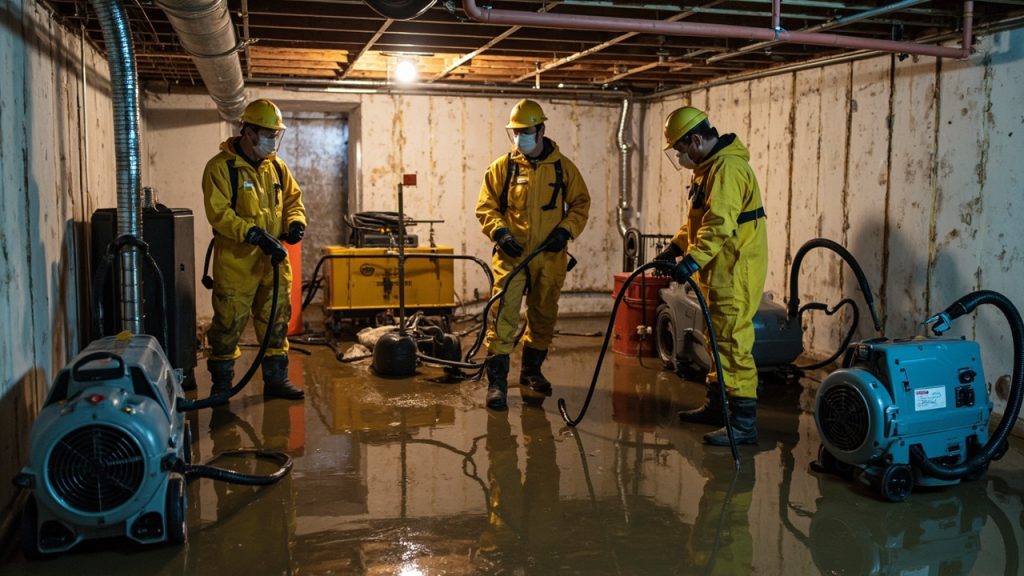
How Long It Takes to Dry a House After a Major Flood in Gresham and Greater Chicago
Your flooded basement in Gresham, Logan Square, or any Chicago neighborhood will typically need 3 to 5 days to dry completely. But that number changes based on what got wet, how wet it is, and the time of year your disaster strikes.
This guide breaks down the science of drying, the timeline for different materials, and when you absolutely need a professional team instead of trying to handle it yourself.
Why Drying Time Matters in Chicago
Chicago’s climate creates unique challenges for water damage recovery. Lake Michigan pumps moisture into the air during summer months, pushing humidity levels above 60 percent. Winter freeze-thaw cycles burst pipes and create sudden flooding. Spring rains overwhelm aging sump pump systems, especially in older neighborhoods like Beverly, Rogers Park, and Andersonville.
The clock starts ticking the moment water enters your home. Mold begins growing within 24 to 48 hours if moisture stays in walls, carpets, or subflooring. Professional drying prevents mold from establishing itself and protects your property’s structure.
A standard 3 to 5 day drying window applies to clean water damage with professional equipment. Category 2 and Category 3 water (gray water from sinks or black water from sewage backups) requires faster action and more aggressive drying.

Factors That Change Your Drying Timeline
Drying speed depends on five major variables. Understanding each one helps you predict how long your home will be disrupted.
Water Source and Contamination Level
Clean water from a burst pipe dries faster than gray water from a dishwasher backup or black water from a sewage backup in West Loop or other Chicago neighborhoods with combined sewer systems. Black water requires immediate professional intervention because it carries bacteria and viruses.
Chicago’s combined sewer infrastructure means many older homes risk sewage contamination during heavy rain. Properties in areas like Lincoln Park and West Loop are especially vulnerable when the Deep Tunnel Project reaches capacity.
Material Type and Saturation Depth
Drywall absorbs water and begins deteriorating after 24 hours. Hardwood floors swell and cup when saturated. Carpeting and padding trap moisture in layers underneath. Concrete and subflooring take the longest to dry because water penetrates deep into the material.
A surface wipe-down removes visible water. Structural drying removes water trapped inside materials, which is why the professional timeline extends beyond what homeowners assume.
Season and Humidity Levels
Summer flooding in Chicago means you fight against outdoor humidity above 70 percent. Your dehumidifier must work harder to lower indoor relative humidity to safe levels. Winter flooding allows faster drying because outside air is dry, even though it is cold.
Spring rains from April through June bring sustained high humidity. Fall temperatures stabilize, making September through October the fastest drying season for water damage.
Air Movement and Ventilation
Stagnant basement air in historic Chicago bungalows or three-flat buildings slows evaporation. Professional air movers push wet air toward dehumidifiers, accelerating the drying process. Poor ventilation in finished basements or confined spaces extends timelines by days.
Extent of Saturation
A inch of water on the basement floor dries faster than water that soaked into subflooring and wall cavities. Flooding that reaches electrical outlets or touches insulation requires removing those materials and extending the drying window by several days.
Drying Timeline by Material Type
| Material | Drying Time Frame | Why It Takes This Long |
|---|---|---|
| Drywall | 1 to 3 days | Surface dries quickly. Interior layers hold moisture longer. Professional equipment speeds this to 1 to 2 days. |
| Hardwood Flooring | 7 to 10 days | Wood swells when wet and must dry slowly to prevent permanent warping. Rapid drying causes cupping and buckling. |
| Carpeting and Padding | 2 to 3 days | Padding holds water in a dense layer. Professional extraction removes 90 percent of moisture immediately, cutting drying time in half. |
| Concrete Subflooring | 5 to 7 days | Concrete is porous. Water penetrates inches below the surface. Moisture meters confirm when drying reaches target levels. |
| Plaster Walls (Historic Homes) | 3 to 5 days | Older Chicago properties have lime-based plaster over wood lath. Water creates structural damage faster than modern drywall. |
| Fiberglass Insulation | 3 days or removal | Saturated insulation loses all effectiveness. Most professionals recommend removal and replacement rather than drying. |
These timelines assume professional equipment running continuously. Household fans and standard dehumidifiers extend all timelines by 50 to 100 percent.

The Science Behind Professional Drying
Professional drying follows the Institute of Inspection, Cleaning and Restoration Certification (IICRC) S500 standard, which is the industry guideline for water damage mitigation. Understanding this process explains why professionals work faster than DIY approaches.
Psychrometrics and Air Control
Psychrometrics is the science of measuring and controlling moisture in air. Wet air holds more water vapor than dry air. Professional technicians measure relative humidity with meters and adjust equipment to force moisture out of materials.
An LGR (Low Grain Refrigerant) dehumidifier removes twice as much moisture per hour as a standard household unit. It works by cooling incoming air, condensing water vapor into liquid, then removing that liquid. Professional-grade units run 24 hours daily during active drying.
Air Movers and Circulation
Air movers are industrial fans that push wet air toward dehumidifiers. They do not blow water around. Instead, they create air currents that speed evaporation from surfaces and materials. Professional teams position multiple air movers to direct airflow across wet walls, floors, and subflooring.
Monitoring with Moisture Meters and Thermal Imaging
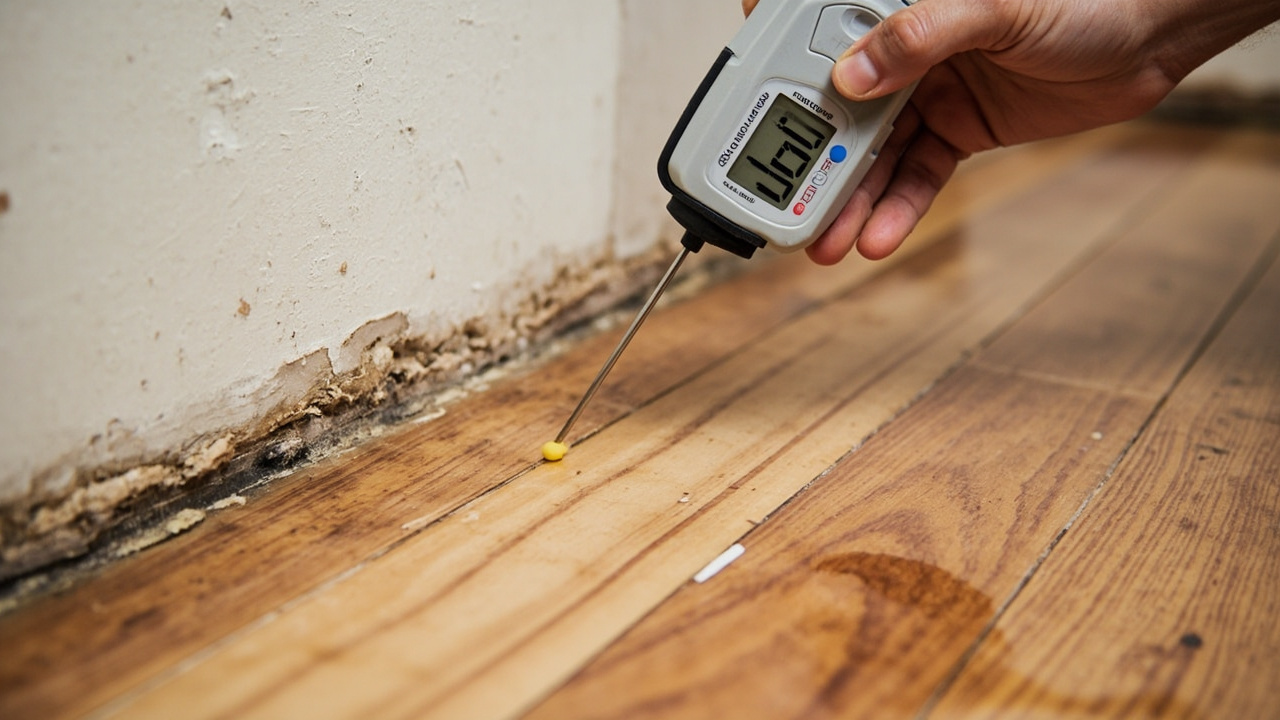
Professionals do not guess when drying is complete. A moisture meter measures water content inside drywall, wood, and concrete. Target moisture levels vary by material. Drywall should reach 12 percent or lower. Hardwood needs to stay above 6 percent to avoid overdrying.
Thermal imaging cameras detect hidden moisture in wall cavities and under flooring. This technology reveals wet areas that visual inspection misses, preventing mold growth inside walls after the visible cleanup ends.
The 24 to 48 Hour Window: Why Speed Prevents Mold
Mold spores exist everywhere. They need three things to grow: moisture, temperature between 50 and 90 degrees Fahrenheit, and time. Chicago homes provide all three during most of the year.
Mold colonies become visible and release harmful spores within 48 hours of moisture exposure. Drying your home aggressively during this critical window prevents mold from establishing itself inside walls and subflooring.
This is why calling a professional immediately matters more than waiting to see if you can handle it yourself. The first two days determine whether you face a $500 carpet extraction or a $5,000 mold remediation project.
Stachybotrys, commonly called black mold, thrives in Chicago basements. It produces toxic spores that trigger respiratory problems, especially in children and older adults. Professional drying equipped with HEPA filtration removes spore-laden air from your home while materials dry.
Water Damage Categories in Chicago
The IICRC defines three water categories. Knowing which type flooded your home explains the urgency and required response.
Category 1. Clean Water
Clean water comes from burst pipes, rain, or supply line failures. It poses no biological hazard. Drying can proceed with standard professional equipment. Timeline remains 3 to 5 days with air movers and dehumidifiers running continuously.
Category 2. Gray Water
Gray water contains contaminants from sinks, showers, or washing machine backups. It carries bacteria and viruses. All saturated materials must be treated as biohazardous. Professional teams wearing protective equipment handle gray water mitigation. Drying still takes 3 to 5 days but includes disinfection protocols.
Category 3. Black Water
Black water comes from sewage backups and contaminated flooding. It requires immediate professional response. Most saturated materials must be removed and disposed of according to Illinois environmental regulations. Affected areas receive professional disinfection and deodorization. Timeline extends to 7 to 10 days as professionals replace contaminated subflooring, insulation, and drywall.
Chicago’s aging combined sewer system puts many West Loop, Logan Square, and Lakeview properties at risk during heavy spring rains. Understanding your property’s sewer status helps you prepare for this specific risk.
Chicago Neighborhoods Face Different Drying Challenges
Flood-prone areas in Chicago each have unique complications that affect drying timelines.
Historic Bungalows and Older Three-Flats
Beverly, Rogers Park, and many Lincoln Park blocks contain 1920s through 1960s homes with unfinished basements. These spaces feature concrete block walls, lime mortar, and no insulation. Water penetrates deeply. Chicago Blue Clay soil creates hydrostatic pressure that keeps moisture in foundations. Drying these older structures takes 5 to 7 days minimum because water wicks up walls from the soil.
Modern Condo Buildings
Lakeview and West Loop condos have complex internal plumbing and HVAC systems. A single burst pipe can flood multiple units vertically. Water damage in condos requires coordination with building management and adjacent residents. Drying timelines extend as technicians isolate the affected units and prevent cross-contamination.
Properties Near Lake Michigan
Neighborhoods within a mile of the lake experience higher baseline humidity year-round. Lincolnwood, Evanston, and lakefront sections of Chicago add 10 to 15 percent extra time to any drying project because outdoor air itself is moisture-laden.
When You Need Professional Help Right Away
Some situations demand immediate professional response rather than DIY attempts.
- Water reached electrical outlets, furnaces, or water heaters
- Flooding came from sewage, yard flooding, or toilet backups
- Water entered walls or spread to multiple rooms
- You cannot turn off the water source
- Standing water exceeds one inch in depth
- You smell mold or mildew within hours of flooding
- The flood occurred during high humidity season
- Your home has a history of mold or moisture problems
A 24/7 emergency water damage team in Chicago responds within the hour during catastrophic events. They bring truck-mounted extraction equipment, industrial dehumidifiers, and moisture detection technology that removes water far faster than any rental or household equipment.
How Insurance Claims Affect Your Timeline
Illinois water damage claims follow state regulations that give insurance companies time to investigate. Your policy likely covers emergency mitigation within the first 24 hours. Most policies require professional drying documentation for coverage approval.
Illinois homeowners insurance covers sudden, accidental water damage from burst pipes, ice dams, or appliance failures. It does not cover flooding from storms or sewage backups unless you carry separate flood insurance. Basement seepage from groundwater or poor drainage falls into a gray area that many policies exclude.
Professional mitigation teams coordinate directly with adjusters, providing moisture reports and before-and-after documentation that supports your claim. This reduces your stress during an already difficult time.
Drying Timeline Checklist for Your Flood
| Time Elapsed | What Professionals Do | What You Should Expect |
|---|---|---|
| 0 to 4 Hours | Extract standing water. Place air movers and dehumidifiers. Document all damage with photos and moisture readings. | Rapid water removal. Initial setup noise. Dehumidifier sound running continuously. |
| 4 to 24 Hours | Monitor moisture levels. Adjust equipment placement. Begin demolition of unsalvageable materials if needed. | Dehumidifier runs day and night. Air movers push air constantly. House feels cold and loud. |
| 24 to 48 Hours | Continue active drying. Check for mold growth. Verify moisture meters show downward trends. Disinfect affected areas. | Critical mold prevention window. Most equipment still running. Moisture content drops noticeably. |
| 2 to 5 Days | Reduce equipment as moisture levels drop. Final moisture readings confirm target levels met. Begin restoration planning. | Gradual quieting of equipment. Humidity starts feeling normal. Smell begins improving. |
| After Day 5 | Remove equipment. Prepare final moisture documentation. Coordinate with restoration contractors for repairs. | Home returns to normal. Begin discussing repairs, reconstruction, and prevention measures. |
Preventing Future Flooding in Chicago Homes
After your home dries, preventing the next flood saves enormous time and money. Chicago properties face seasonal threats that require specific preventative actions.
Winter burst pipe risks demand insulated pipes in crawl spaces and attics. A burst pipe repair in Lincoln Park or other Chicago neighborhoods can be replaced with freeze-resistant materials. Heat cables and temperature monitoring systems prevent pipes from reaching freezing in unheated spaces.
Spring flooding from sump pump failure kills more Chicago basements than any other cause. Sump pumps fail during the exact moment you need them most. Backup battery systems, secondary pump installation, and annual maintenance prevent catastrophe. Test your sump pump every spring before heavy rains arrive.
Grading and yard drainage direct roof runoff and rain away from your foundation. Chicago’s flat prairie topography means water naturally pools against basements. Professional grading slopes soil away from the home at a 6 inch drop per 10 feet of distance.
Basement sealing addresses water vapor migrating through concrete walls. Historic homes in Andersonville and similar neighborhoods need professional sealing because older foundations lack interior moisture barriers.
When to Call Cornerstone Water Damage Restoration
You need professional help the moment you notice water damage. Do not wait to see if it dries on its own. Early intervention in the first 4 to 8 hours prevents mold, limits structural damage, and reduces your total recovery cost.
Cornerstone Water Damage Restoration serves the entire Chicago metropolitan area, including Gresham, Lincoln Park, Lakeview, Logan Square, West Loop, Beverly, Rogers Park, and surrounding suburbs. We respond 24/7 to emergency calls with truck-mounted equipment and certified IICRC technicians.
Our process begins with a complete moisture inspection using thermal imaging and moisture meters. We extract standing water, deploy industrial equipment, and monitor drying around the clock. We coordinate insurance claims, handle documentation, and plan restoration before your home fully dries. We handle cleanup from clean water, gray water, and black water contamination.
Call Cornerstone immediately when flooding strikes your Chicago home. Do not attempt DIY drying for water damage that reaches floors, walls, or subflooring. Professional response prevents mold growth, preserves your property value, and gets your home back to normal in the fastest timeline possible.
Stop the panic. Start the recovery. Contact us now for emergency water damage mitigation in Chicago and surrounding areas.
{
“@context”: “https://schema.org”,
“@type”: “BlogPosting”,
“headline”: “How Long It Takes to Dry a House After a Major Flood in Gresham and Greater Chicago”,
“description”: “Water damage drying times for Chicago homes range from 3 to 5 days. Learn what affects your timeline and when to call a professional.”,
“wordCount”: 2275,
“datePublished”: “2026-03-29T10:37:00.000Z”,
“dateModified”: “2026-03-29T10:37:00.000Z”,
“inLanguage”: “en-US”,
“mainEntityOfPage”: {
“@type”: “WebPage”,
“@id”: “https://cornerstonewaterdamagerestorationchicago.com”
},
“publisher”: {
“@type”: “LocalBusiness”,
“name”: “Cornerstone Water Damage Restoration Chicago”,
“url”: “https://cornerstonewaterdamagerestorationchicago.com”
},
“author”: {
“@type”: “Organization”,
“name”: “Cornerstone Water Damage Restoration Chicago”,
“url”: “https://cornerstonewaterdamagerestorationchicago.com”
},
“image”: {
“@type”: “ImageObject”,
“url”: “https://cornerstonewaterdamagerestorationchicago.com/wp-content/uploads/2026/03/how-long-it-takes-to-dry-a-house-after-a-major-flo-1.jpg”
}
}
{
“@context”: “https://schema.org”,
“@type”: “LocalBusiness”,
“name”: “Cornerstone Water Damage Restoration Chicago”,
“url”: “https://cornerstonewaterdamagerestorationchicago.com”,
“address”: {
“@type”: “PostalAddress”,
“addressLocality”: “Chicago”
},
“areaServed”: {
“@type”: “City”,
“name”: “Chicago”
}
}
{
“@context”: “https://schema.org”,
“@type”: “BreadcrumbList”,
“itemListElement”: [
{
“@type”: “ListItem”,
“position”: 1,
“name”: “Home”,
“item”: “https://cornerstonewaterdamagerestorationchicago.com”
},
{
“@type”: “ListItem”,
“position”: 2,
“name”: “Blog”,
“item”: “https://cornerstonewaterdamagerestorationchicago.com/blog”
},
{
“@type”: “ListItem”,
“position”: 3,
“name”: “How Long It Takes to Dry a House After a Major Flood in Gresham and Greater Chicago”
}
]
}
{
“@context”: “https://schema.org”,
“@type”: “Service”,
“serviceType”: “Water Damage Restoration”,
“provider”: {
“@type”: “LocalBusiness”,
“name”: “Cornerstone Water Damage Restoration Chicago”,
“url”: “https://cornerstonewaterdamagerestorationchicago.com”
},
“areaServed”: {
“@type”: “City”,
“name”: “Chicago”
},
“description”: “Water damage drying times for Chicago homes range from 3 to 5 days. Learn what affects your timeline and when to call a professional.”
}