
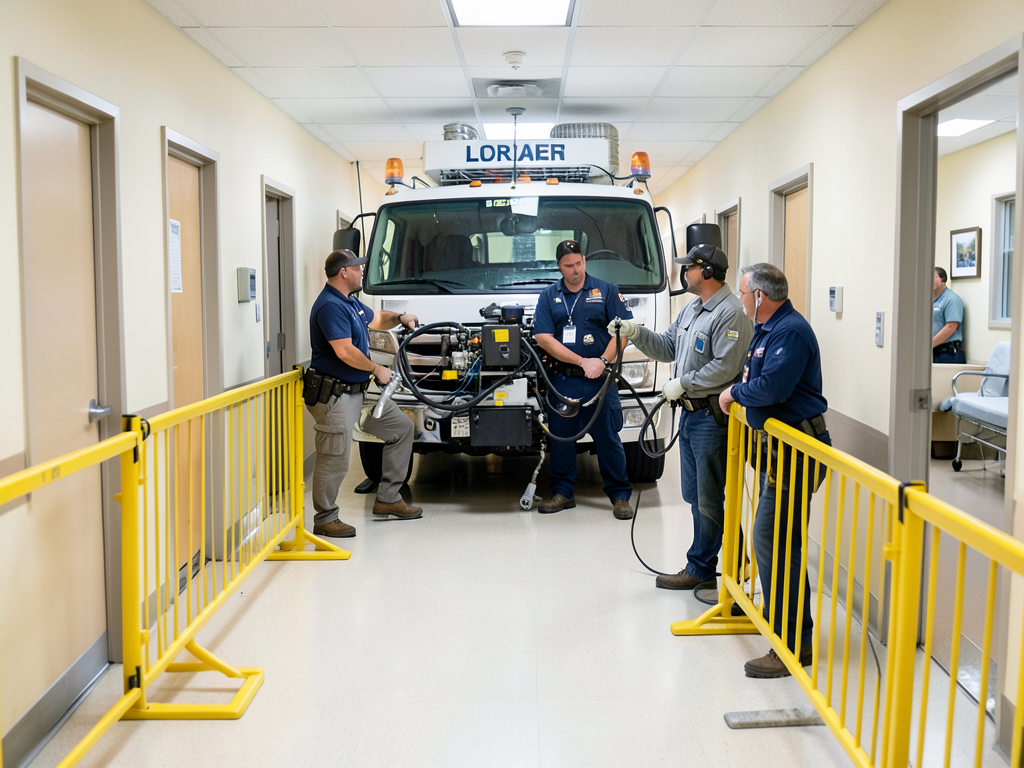
Emergency Water Extraction for Medical Clinics and Labs in the Illinois Medical District
When water invades a medical facility the stakes go far beyond property damage. Patient safety clinical operations and regulatory compliance hang in the balance. That is why specialized emergency water extraction for medical clinics and labs in the Illinois Medical District requires rapid response from teams trained in healthcare-specific protocols. Fast response for burst pipe water damage in Lincoln Park.
Our IICRC-certified crews understand the unique challenges of healthcare environments. We extract water from sensitive flooring protect diagnostic equipment and apply hospital-grade antimicrobials while maintaining HIPAA compliance. With response times under 60 minutes we minimize downtime and help you restore critical operations fast. Who to call for emergency water damage cleanup in Chicago right now.
Why Medical Facilities Need Specialized Water Damage Restoration
Medical clinics and laboratories operate under strict regulatory frameworks that general restoration companies simply cannot navigate. The Joint Commission requires documented infection control procedures while HIPAA mandates the protection of patient information during any facility disruption.
Category 1 clean water from a broken pipe becomes Category 2 gray water the moment it contacts medical waste containers. If it reaches contaminated areas it escalates to Category 3 black water requiring full biohazard protocols. Standard residential drying techniques cannot address these classifications in sterile environments. Water Damage Restoration Springfield.
Medical-grade vinyl composition tile flooring cannot tolerate aggressive extraction without delamination. Epoxy-coated floors require specialized drying chambers to prevent warping. Most critically MRI suites CT scanners and laboratory analyzers contain sensitive electronics that demand controlled humidity and temperature during restoration.
24/7 Emergency Response for Chicago Healthcare Providers
Water damage does not wait for business hours. Our emergency dispatch center operates 24/7 with crews strategically positioned throughout Chicago to reach the Illinois Medical District in under 60 minutes.
When you call we deploy a three-person rapid response team carrying commercial-grade extraction units HEPA air scrubbers and hospital-approved disinfectants. The team leader conducts an immediate ICRA assessment to determine contamination levels and establish containment zones. EPA hospital-grade disinfectants.
We coordinate directly with your facility manager to create a restoration plan that maintains critical operations. During the process we document every step with time-stamped photos moisture readings and chain-of-custody logs for sensitive equipment.
Compliance and Regulatory Standards
Healthcare restoration demands strict adherence to multiple regulatory frameworks. The IICRC S500 Standard for Professional Water Damage Restoration provides the technical foundation while Joint Commission Environment of Care standards govern clinical safety. Professional mold removal services for historic homes in Andersonville.
HIPAA compliance requires secure handling of patient records during water damage events. Our teams use locked containers for document recovery and maintain confidentiality protocols throughout the restoration process. We also comply with OSHA Bloodborne Pathogens Standard 29 CFR 1910.1030 when handling contaminated medical waste.
Chicago Municipal Code Chapter 18 Environmental Health mandates specific protocols for biohazardous material cleanup in healthcare settings. Our compliance officers maintain current certifications in these local requirements ensuring your facility meets all post-restoration inspections.
Our Medical-Grade Decontamination Process
The restoration process follows a systematic approach designed specifically for clinical environments. We begin with source elimination then progress through extraction decontamination and verification.
Step one involves isolating the affected area using temporary barriers and negative air pressure. This prevents cross-contamination to sterile zones. We then deploy commercial extraction units capable of removing 25 gallons per minute from hard surfaces.
HEPA filtration captures 99.97 percent of particles at 0.3 microns preventing airborne pathogen spread. We run air scrubbers continuously during the drying phase. Antimicrobial treatment uses EPA-registered hospital disinfectants effective against MRSA C. diff and other healthcare-associated pathogens.
Moisture monitoring continues until materials reach safe levels typically below 15 percent for wood and 4 percent for concrete. We provide detailed documentation including before-and-after moisture maps for your records.
Protecting Sensitive Medical Equipment
Medical equipment represents both critical operational assets and patient safety systems. Water exposure can permanently damage MRI magnets CT tube assemblies and laboratory analyzers costing hundreds of thousands in replacement costs.
Our technicians receive specialized training in handling diagnostic imaging equipment. We use controlled drying chambers that maintain specific temperature and humidity ranges preventing thermal shock to sensitive components. For MRI suites we coordinate with facility engineers to ensure gradient coil protection.
Laboratory equipment requires different protocols. We isolate affected analyzers and use desiccant dehumidification to maintain stable conditions. For electronic health record servers we implement immediate power isolation and controlled environment restoration to prevent data corruption.
We maintain relationships with medical equipment manufacturers allowing direct consultation when specialized drying protocols are required. This prevents costly mistakes that could void warranties or require recalibration.
Specialized Services for Different Medical Facility Types
Medical clinics laboratories and outpatient centers each present unique restoration challenges. A dental office requires different protocols than a dialysis center due to varying contamination risks and equipment sensitivities.
Dental offices contain amalgam separators and radiographic processors that require specific handling during water events. We coordinate with dental supply companies to ensure proper disposal of contaminated dental materials.
Outpatient surgical centers demand the highest level of contamination control. We implement full ICRA Level 4 protocols including worker protection and environmental controls when Category 3 water affects sterile processing areas.
Diagnostic laboratories contain chemical hazards beyond biological contamination. Our teams carry material safety data sheets for common laboratory chemicals and use appropriate neutralization procedures when necessary.
Chicago-Specific Challenges in Medical Facility Restoration
Chicago’s climate and infrastructure create unique water damage scenarios for medical facilities. The city’s combined sewer system means heavy rainfall can back up into basements even with functioning drains.
Polar vortex events cause frozen pipe bursts that flood mechanical rooms containing critical HVAC equipment. The rapid thaw creates Category 3 contamination when sewage lines freeze and rupture. Many Illinois Medical District buildings date to the 1960s and 1970s with aging infrastructure prone to sudden failures. Get sewage backup out of your West Loop basement before the damage spreads.
Chicago Building Code Section 18-28-101.6 requires specific backflow prevention devices in healthcare facilities. When these fail during pressure events contaminated water can enter potable systems. Our teams carry testing equipment to verify backflow prevention functionality after restoration.
The Medical District’s high-rise nature means water can travel between floors through ceiling plenums. We use thermal imaging cameras to detect hidden moisture migration that could affect multiple tenants or departments.
Insurance Coordination and Documentation
Medical facility water damage often involves complex insurance scenarios. We work directly with facility managers and insurance adjusters to streamline the claims process.
Our documentation includes detailed cause-and-origin reports moisture mapping and equipment inventory with replacement values. We use industry-standard pricing software ensuring transparent cost estimates that insurance companies recognize.
For facilities with business interruption coverage we provide estimated downtime calculations based on drying requirements and equipment availability. This helps facility managers make informed decisions about temporary relocation or operational adjustments.
We maintain preferred vendor status with major commercial insurance carriers familiar with our restoration protocols and documentation standards. This often accelerates claim approvals and payment processing.
Preventive Measures and Risk Assessment
Beyond emergency response we offer preventive services to reduce future water damage risks. Annual plumbing inspections can identify vulnerable supply lines before they fail.
We install water detection systems in mechanical rooms and below-grade areas providing early warning of leaks. These systems integrate with facility management software allowing remote monitoring and automatic alerts.
Roof inspection and maintenance prevent the most common source of commercial water damage. We identify compromised flashing deteriorated membrane areas and clogged drainage systems before they cause interior damage.
For facilities in flood-prone areas we recommend backflow preventer testing and sump pump maintenance schedules. Chicago’s proximity to Lake Michigan means groundwater levels fluctuate seasonally affecting basement moisture conditions.
Frequently Asked Questions
How quickly can you respond to a medical facility water emergency?
We guarantee arrival within 60 minutes of your call anywhere in the Illinois Medical District. Our crews operate 24/7 with vehicles stocked for immediate deployment.
Will restoration work disrupt patient care?
We use containment barriers negative air pressure and noise-reducing equipment to minimize disruption. Our ICRA protocols ensure patient care areas remain isolated from restoration activities.
Do you work with hospital infection control teams?
Yes. We coordinate directly with your infection control department to ensure all protocols meet your facility’s specific requirements. We provide documentation for their records.
What certifications do your technicians hold?
All technicians maintain IICRC WRT and ASD certifications. Healthcare-specific training includes ICRA compliance OSHA Bloodborne Pathogens and HIPAA awareness.
Can you restore water-damaged medical records?
We partner with document recovery specialists who use freeze-drying and sterilization techniques to recover water-damaged paper and electronic records while maintaining chain-of-custody protocols.
Contact Us for Emergency Medical Facility Water Extraction
Water damage in a medical clinic or laboratory requires immediate professional intervention. Our specialized teams understand the regulatory compliance equipment sensitivity and patient safety requirements unique to healthcare environments.
Call us now for emergency response anywhere in the Illinois Medical District and surrounding Chicago medical facilities. We provide rapid assessment containment and restoration while maintaining all necessary healthcare compliance standards.
Do not let water damage compromise your facility’s operations or patient care. Contact our 24/7 dispatch center for immediate assistance from healthcare restoration experts who understand your specific needs. For more information, visit CDC infection control guidelines.
{
“@context”: “https://schema.org”,
“@type”: “BlogPosting”,
“headline”: “Emergency water extraction for medical clinics and labs in the Illinois Medical District”,
“description”: “24/7 emergency water extraction for Chicago medical clinics and labs. IICRC-certified, HIPAA-compliant, and ready to respond to the Illinois Medical District within 60 minutes.”,
“wordCount”: 1545,
“datePublished”: “2026-03-10T12:36:00.000Z”,
“dateModified”: “2026-03-10T12:36:00.000Z”,
“inLanguage”: “en-US”,
“mainEntityOfPage”: {
“@type”: “WebPage”,
“@id”: “https://cornerstonewaterdamagerestorationchicago.com”
},
“publisher”: {
“@type”: “LocalBusiness”,
“name”: “Cornerstone Water Damage Restoration Chicago”,
“url”: “https://cornerstonewaterdamagerestorationchicago.com”
},
“author”: {
“@type”: “Organization”,
“name”: “Cornerstone Water Damage Restoration Chicago”,
“url”: “https://cornerstonewaterdamagerestorationchicago.com”
},
“image”: {
“@type”: “ImageObject”,
“url”: “https://cornerstonewaterdamagerestorationchicago.com/wp-content/uploads/2026/03/emergency-water-extraction-for-medical-clinics-and-1.png”
}
}
{
“@context”: “https://schema.org”,
“@type”: “LocalBusiness”,
“name”: “Cornerstone Water Damage Restoration Chicago”,
“url”: “https://cornerstonewaterdamagerestorationchicago.com”,
“address”: {
“@type”: “PostalAddress”,
“addressLocality”: “Chicago”
},
“areaServed”: {
“@type”: “City”,
“name”: “Chicago”
}
}
{
“@context”: “https://schema.org”,
“@type”: “FAQPage”,
“mainEntity”: [
{
“@type”: “Question”,
“name”: “How quickly can you respond to a medical facility water emergency?”,
“acceptedAnswer”: {
“@type”: “Answer”,
“text”: “We guarantee arrival within 60 minutes of your call anywhere in the Illinois Medical District. Our crews operate 24/7 with vehicles stocked for immediate deployment.”
}
},
{
“@type”: “Question”,
“name”: “Will restoration work disrupt patient care?”,
“acceptedAnswer”: {
“@type”: “Answer”,
“text”: “We use containment barriers negative air pressure and noise-reducing equipment to minimize disruption. Our ICRA protocols ensure patient care areas remain isolated from restoration activities.”
}
},
{
“@type”: “Question”,
“name”: “Do you work with hospital infection control teams?”,
“acceptedAnswer”: {
“@type”: “Answer”,
“text”: “Yes. We coordinate directly with your infection control department to ensure all protocols meet your facility’s specific requirements. We provide documentation for their records.”
}
},
{
“@type”: “Question”,
“name”: “What certifications do your technicians hold?”,
“acceptedAnswer”: {
“@type”: “Answer”,
“text”: “All technicians maintain IICRC WRT and ASD certifications. Healthcare-specific training includes ICRA compliance OSHA Bloodborne Pathogens and HIPAA awareness.”
}
},
{
“@type”: “Question”,
“name”: “Can you restore water-damaged medical records?”,
“acceptedAnswer”: {
“@type”: “Answer”,
“text”: “We partner with document recovery specialists who use freeze-drying and sterilization techniques to recover water-damaged paper and electronic records while maintaining chain-of-custody protocols.”
}
}
]
}
{
“@context”: “https://schema.org”,
“@type”: “BreadcrumbList”,
“itemListElement”: [
{
“@type”: “ListItem”,
“position”: 1,
“name”: “Home”,
“item”: “https://cornerstonewaterdamagerestorationchicago.com”
},
{
“@type”: “ListItem”,
“position”: 2,
“name”: “Blog”,
“item”: “https://cornerstonewaterdamagerestorationchicago.com/blog”
},
{
“@type”: “ListItem”,
“position”: 3,
“name”: “Emergency water extraction for medical clinics and labs in the Illinois Medical District”
}
]
}
{
“@context”: “https://schema.org”,
“@type”: “Service”,
“serviceType”: “Water Damage Restoration”,
“provider”: {
“@type”: “LocalBusiness”,
“name”: “Cornerstone Water Damage Restoration Chicago”,
“url”: “https://cornerstonewaterdamagerestorationchicago.com”
},
“areaServed”: {
“@type”: “City”,
“name”: “Chicago”
},
“description”: “24/7 emergency water extraction for Chicago medical clinics and labs. IICRC-certified, HIPAA-compliant, and ready to respond to the Illinois Medical District within 60 minutes.”
}