
Comparing the best commercial grade dehumidifiers for large Chicago basements
Chicago basements face unique moisture challenges that overwhelm standard home dehumidifiers. Our lakefront humidity, combined with aging infrastructure and frequent flooding, creates conditions where only commercial-grade equipment can prevent mold growth and structural damage. This guide breaks down the technical differences between home and commercial units, explains why Chicago’s climate demands LGR technology, and shows when you need professional-grade extraction. Professional mold removal services for historic homes in Andersonville.
Why Chicago Basements Need Commercial Dehumidifiers
Chicago’s proximity to Lake Michigan creates year-round humidity levels that exceed 70% in summer months. This moisture, combined with our clay-heavy soil and aging sewer systems, means basement air often holds 2-3 times more water vapor than recommended. Standard home units remove 30-70 pints per day at AHAM conditions, but commercial LGR units extract 100-300+ pints, pulling moisture from deep within concrete and wood structures. Who to call for emergency water damage cleanup in Chicago right now.
During a typical spring storm, our combined sewer systems back up into basements across neighborhoods like Lakeview and Lincoln Park. When this happens, the moisture saturation level in materials exceeds what home units can handle. The water vapor pressure differential is too great, and the equipment simply cannot extract moisture fast enough to prevent mold colonization within 48-72 hours. Water Damage Restoration Springfield.
LGR Technology vs Standard Refrigerant Systems
Low Grain Refrigerant (LGR) technology represents a significant advancement over standard home dehumidifiers. While residential units use a single-pass cooling system that struggles below 60% relative humidity, LGR units employ a double-cooling system that pre-cools incoming air and reheats exhaust air. This process allows LGR units to achieve grain depressions of 40-50 grains per pound, compared to 20-25 for home units.
The technical difference matters in Chicago basements because our climate creates deep saturation scenarios. When a basement floods from a failed sump pump during a polar vortex thaw, the concrete slab and wood framing absorb water that sits below the surface. Standard units cannot create the temperature differential needed to extract this bound moisture. LGR technology maintains efficiency down to 33°F, while home units begin to ice up around 65°F.
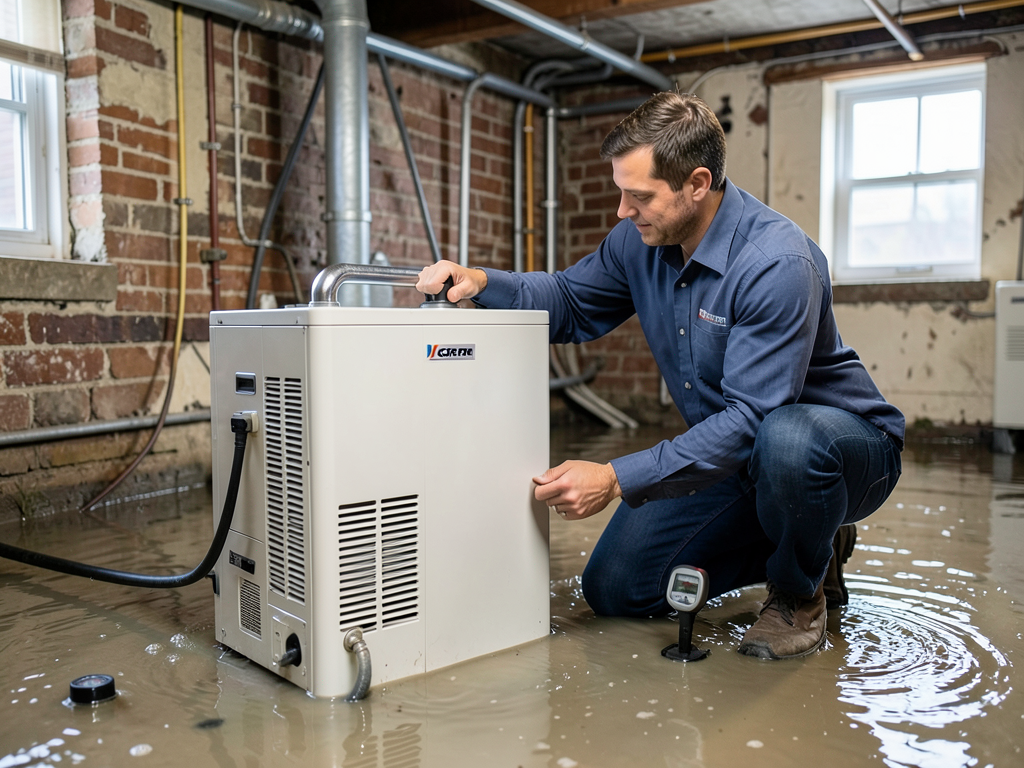
Commercial vs Home: Key Performance Metrics
Understanding the technical specifications helps explain why commercial units outperform home models in Chicago’s climate. The critical metrics include PPD (Pints Per Day) at saturation, CFM (Cubic Feet per Minute) airflow, and operating temperature range.
| Metric | Home Dehumidifier | Commercial LGR Unit |
|---|---|---|
| PPD Rating | 30-70 (AHAM) | 100-300+ (Saturation) |
| CFM Airflow | 150-250 | 400-900 |
| Operating Temp | 65-90°F | 33-110°F |
| Drainage | Gravity only | Pump + Gravity |
| Coverage Area | 1,500 sq ft | 3,000+ sq ft |
The CFM difference proves crucial in Chicago’s large basement spaces common in bungalows and two-flats. A 1,200 square foot basement requires at least 4 air changes per hour for effective drying. Home units simply cannot move enough air to achieve this rate, leaving pockets of moisture that become mold breeding grounds.
Durability and Duty Cycles in Chicago Conditions
Commercial dehumidifiers feature heavy-duty construction designed for 24/7 operation in harsh environments. The compressors use scroll technology instead of reciprocating pistons, reducing vibration and extending lifespan in continuous use scenarios. Chicago’s freeze-thaw cycles and high humidity create conditions where home units fail within weeks of continuous operation.
The condensate pumps in commercial units handle 20+ feet of vertical lift, essential for Chicago basements where floor drains often sit below street level. Home units typically struggle with 10 feet of lift and lack the durability for repeated cycling during heavy rain events. This becomes critical when multiple units run simultaneously during large-scale flooding.
Chicago Climate Factors Affecting Dehumidifier Performance
Chicago’s climate creates unique challenges for moisture control. Our winter polar vortex events drop temperatures below zero, then rapid thaws create conditions where frozen pipes burst and sump pumps fail. During these events, commercial units maintain efficiency while home units sit frozen and useless. Fast response for burst pipe water damage in Lincoln Park.
Summer humidity from Lake Michigan often exceeds 80% relative humidity. This moisture load requires equipment that can handle high latent heat loads. Commercial LGR units use hot gas defrost systems that prevent coil icing, while home units simply shut down when frost forms on the evaporator coils.
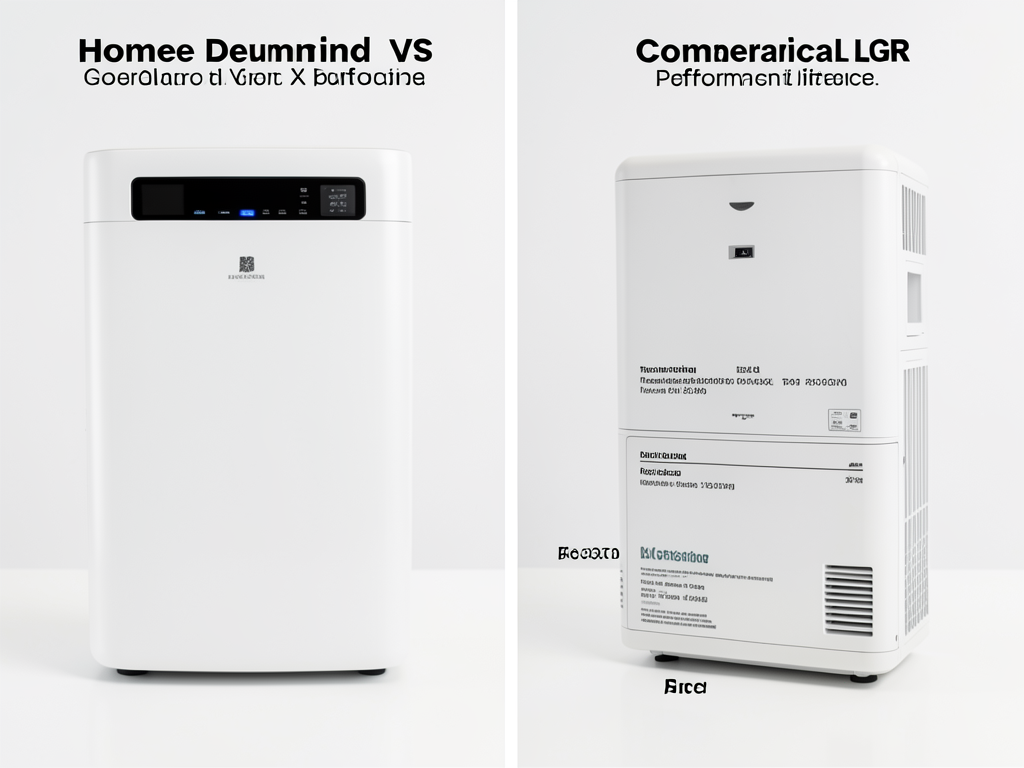
Structural Drying vs Comfort Dehumidification
Understanding the difference between structural drying and comfort dehumidification explains why commercial units succeed where home units fail. Comfort dehumidification aims to make occupants feel better by reducing relative humidity to 50-60%. Structural drying targets specific moisture content levels in materials using psychrometric principles.
Professional restoration follows IICRC S500 standards, which require moisture content readings below 16% in wood and below 4% in concrete before declaring a structure dry. Home units cannot achieve these targets because they lack the airflow volume and temperature control needed for deep material drying. The result is a basement that feels dry but contains moisture pockets that grow mold over weeks. IICRC S500 Standards.
When to Call a Professional vs Using Home Equipment
Determining when you need commercial equipment versus when a home unit suffices depends on several factors. Category 1 water damage from clean source leaks might be manageable with home equipment if caught within 24 hours. Category 2 or 3 water from sewage or floodwater always requires commercial-grade extraction. Get sewage backup out of your West Loop basement before the damage spreads.
The size of the affected area also matters. Spaces over 1,000 square feet or with ceiling heights above 8 feet need commercial CFM ratings to achieve proper air exchange rates. Chicago’s typical basement layouts in historic homes often exceed these thresholds, making professional equipment necessary even for moderate water events.
- Assess Water Category
Clean water (Category 1) might work with home units. Contaminated water (Categories 2-3) requires commercial equipment.
- Measure Affected Area
Spaces over 1,000 sq ft or with high ceilings need commercial CFM ratings.
- Check Duration
Water present over 24 hours requires professional drying to prevent mold.
- Evaluate Material Types
Concrete, wood, and insulation absorb moisture that home units cannot extract.
- Consider Weather Conditions
High humidity or cold temperatures reduce home unit efficiency.
Cost Considerations and Insurance Requirements
While commercial units cost 3-5 times more than home models, the investment makes sense for Chicago property owners. Insurance companies often require documentation of proper drying procedures using professional equipment for water damage claims to be valid. Without this documentation, mold claims may be denied.
Rental options exist for commercial LGR units at $150-300 per day, making them accessible for severe events. However, operating these units requires understanding of psychrometric charts and moisture content readings. Improper use can extend drying times and increase secondary damage costs.
Local Chicago Basement Vulnerabilities
Chicago’s architectural history creates specific vulnerabilities. Our historic bungalows and two-flats often feature limestone foundations that absorb moisture like sponges. The clay soil expands when wet, creating hydrostatic pressure that forces water through foundation cracks. These conditions overwhelm home dehumidifiers.
Neighborhoods near the lake, including Rogers Park and Edgewater, face additional challenges from high water tables. Properties in these areas experience chronic moisture issues that require year-round commercial dehumidification. The Chicago Building Code Section 18-29-1405 requires proper drainage for new construction, but older homes lack these protections.
Maintenance and Operation Best Practices
Commercial units require different maintenance than home models. The high-capacity condensate pumps need quarterly cleaning to prevent algae growth. Air filters require monthly replacement in Chicago’s dusty conditions. The refrigeration coils need annual cleaning to maintain efficiency.
Proper placement matters significantly. Units should sit on blocks to prevent water contact during flooding. They need 24 inches of clearance on all sides for proper airflow. In Chicago basements, this often means creative placement due to storage and mechanical equipment crowding the space.
Future Trends in Basement Moisture Control
The industry moves toward integrated systems combining LGR dehumidification with HEPA filtration and air scrubbing. These units address both moisture and air quality concerns, crucial for Chicago’s mold-prone environment. Smart controls now allow remote monitoring of moisture levels and equipment performance. EPA Mold Resources.
Desiccant dehumidification technology, while currently cost-prohibitive for most applications, shows promise for extremely cold Chicago basements where LGR units struggle. These systems use silica gel wheels to absorb moisture without refrigeration, maintaining efficiency below freezing temperatures.
Making the Right Choice for Your Property
The decision between home and commercial equipment ultimately depends on your specific situation. Consider your basement size, local climate conditions, and the severity of your moisture problems. For Chicago properties, the high humidity and frequent flooding events make commercial-grade equipment the safer investment.
Professional assessment can identify hidden moisture sources that home units cannot address. Thermal imaging can reveal wet areas behind walls. Moisture meters can detect elevated levels in materials that feel dry to touch. These diagnostic tools, combined with commercial equipment, provide the comprehensive solution Chicago basements require.
Don’t wait for a major water event to discover your home dehumidifier cannot handle Chicago’s moisture challenges. Evaluate your basement’s vulnerability now, and invest in the proper equipment before disaster strikes.
Frequently Asked Questions
Can a home dehumidifier prevent mold in my Chicago basement?
Home dehumidifiers can help with minor humidity issues but cannot prevent mold growth after flooding or in chronically damp conditions. Chicago’s high humidity and basement construction require commercial LGR units for effective mold prevention.
How long should I run a commercial dehumidifier after basement flooding?
Professional drying typically requires 3-5 days minimum, but the exact duration depends on material types, saturation levels, and outdoor conditions. Moisture content readings must confirm materials are below 16% in wood and 4% in concrete before stopping equipment.
Are commercial dehumidifiers worth the cost for occasional use?
For Chicago properties, the high humidity and frequent flooding make commercial units worth the investment even for occasional use. The equipment pays for itself by preventing mold damage, which costs thousands to remediate and may not be covered by insurance without proper drying documentation.
What size commercial dehumidifier do I need for my basement?
Calculate based on cubic footage: multiply length × width × ceiling height, then divide by 3 for the required CFM rating. For a 1,200 sq ft basement with 8 ft ceilings, you need at least 3,200 CFM, requiring multiple commercial units.
Can I rent commercial dehumidifiers instead of buying?
Yes, commercial LGR units rent for $150-300 per day. However, proper operation requires understanding of moisture readings and drying standards. Many restoration companies offer rental with technical support to ensure proper use.
Ready to protect your Chicago basement from moisture damage? Contact our certified restoration specialists for a professional assessment and equipment recommendation. We serve all Chicago neighborhoods with 24/7 emergency response and comprehensive moisture control solutions.
{
“@context”: “https://schema.org”,
“@type”: “BlogPosting”,
“headline”: “Comparing the best commercial grade dehumidifiers for large Chicago basements”,
“description”: “Find out why Chicago basements need commercial-grade dehumidifiers, not store-bought units. Learn LGR tech, PPD ratings, and how to prevent mold in our humid climate.”,
“wordCount”: 1776,
“datePublished”: “2026-06-02T10:49:00.000Z”,
“dateModified”: “2026-06-02T10:49:00.000Z”,
“inLanguage”: “en-US”,
“mainEntityOfPage”: {
“@type”: “WebPage”,
“@id”: “https://cornerstonewaterdamagerestorationchicago.com”
},
“publisher”: {
“@type”: “LocalBusiness”,
“name”: “Cornerstone Water Damage Restoration Chicago”,
“url”: “https://cornerstonewaterdamagerestorationchicago.com”
},
“author”: {
“@type”: “Organization”,
“name”: “Cornerstone Water Damage Restoration Chicago”,
“url”: “https://cornerstonewaterdamagerestorationchicago.com”
},
“image”: {
“@type”: “ImageObject”,
“url”: “https://cornerstonewaterdamagerestorationchicago.com/wp-content/uploads/2026/03/comparing-the-best-commercial-grade-dehumidifiers-1.png”
}
}
{
“@context”: “https://schema.org”,
“@type”: “LocalBusiness”,
“name”: “Cornerstone Water Damage Restoration Chicago”,
“url”: “https://cornerstonewaterdamagerestorationchicago.com”,
“address”: {
“@type”: “PostalAddress”,
“addressLocality”: “Chicago”
},
“areaServed”: {
“@type”: “City”,
“name”: “Chicago”
}
}
{
“@context”: “https://schema.org”,
“@type”: “FAQPage”,
“mainEntity”: [
{
“@type”: “Question”,
“name”: “Can a home dehumidifier prevent mold in my Chicago basement?”,
“acceptedAnswer”: {
“@type”: “Answer”,
“text”: “Home dehumidifiers can help with minor humidity issues but cannot prevent mold growth after flooding or in chronically damp conditions. Chicago’s high humidity and basement construction require commercial LGR units for effective mold prevention.”
}
},
{
“@type”: “Question”,
“name”: “How long should I run a commercial dehumidifier after basement flooding?”,
“acceptedAnswer”: {
“@type”: “Answer”,
“text”: “Professional drying typically requires 3-5 days minimum, but the exact duration depends on material types, saturation levels, and outdoor conditions. Moisture content readings must confirm materials are below 16% in wood and 4% in concrete before stopping equipment.”
}
},
{
“@type”: “Question”,
“name”: “Are commercial dehumidifiers worth the cost for occasional use?”,
“acceptedAnswer”: {
“@type”: “Answer”,
“text”: “For Chicago properties, the high humidity and frequent flooding make commercial units worth the investment even for occasional use. The equipment pays for itself by preventing mold damage, which costs thousands to remediate and may not be covered by insurance without proper drying documentation.”
}
},
{
“@type”: “Question”,
“name”: “What size commercial dehumidifier do I need for my basement?”,
“acceptedAnswer”: {
“@type”: “Answer”,
“text”: “Calculate based on cubic footage: multiply length × width × ceiling height, then divide by 3 for the required CFM rating. For a 1,200 sq ft basement with 8 ft ceilings, you need at least 3,200 CFM, requiring multiple commercial units.”
}
},
{
“@type”: “Question”,
“name”: “Can I rent commercial dehumidifiers instead of buying?”,
“acceptedAnswer”: {
“@type”: “Answer”,
“text”: “Yes, commercial LGR units rent for $150-300 per day. However, proper operation requires understanding of moisture readings and drying standards. Many restoration companies offer rental with technical support to ensure proper use.”
}
}
]
}
{
“@context”: “https://schema.org”,
“@type”: “HowTo”,
“name”: “When to Upgrade to Commercial Equipment”,
“step”: [
{
“@type”: “HowToStep”,
“position”: 1,
“name”: “Assess Water Category”,
“text”: “Clean water (Category 1) might work with home units. Contaminated water (Categories 2-3) requires commercial equipment.”
},
{
“@type”: “HowToStep”,
“position”: 2,
“name”: “Measure Affected Area”,
“text”: “Spaces over 1,000 sq ft or with high ceilings need commercial CFM ratings.”
},
{
“@type”: “HowToStep”,
“position”: 3,
“name”: “Check Duration”,
“text”: “Water present over 24 hours requires professional drying to prevent mold.”
},
{
“@type”: “HowToStep”,
“position”: 4,
“name”: “Evaluate Material Types”,
“text”: “Concrete, wood, and insulation absorb moisture that home units cannot extract.”
},
{
“@type”: “HowToStep”,
“position”: 5,
“name”: “Consider Weather Conditions”,
“text”: “High humidity or cold temperatures reduce home unit efficiency.”
}
],
“image”: “https://cornerstonewaterdamagerestorationchicago.com/wp-content/uploads/2026/03/comparing-the-best-commercial-grade-dehumidifiers-1.png”
}
{
“@context”: “https://schema.org”,
“@type”: “BreadcrumbList”,
“itemListElement”: [
{
“@type”: “ListItem”,
“position”: 1,
“name”: “Home”,
“item”: “https://cornerstonewaterdamagerestorationchicago.com”
},
{
“@type”: “ListItem”,
“position”: 2,
“name”: “Blog”,
“item”: “https://cornerstonewaterdamagerestorationchicago.com/blog”
},
{
“@type”: “ListItem”,
“position”: 3,
“name”: “Comparing the best commercial grade dehumidifiers for large Chicago basements”
}
]
}
{
“@context”: “https://schema.org”,
“@type”: “Service”,
“serviceType”: “Water Damage Restoration”,
“provider”: {
“@type”: “LocalBusiness”,
“name”: “Cornerstone Water Damage Restoration Chicago”,
“url”: “https://cornerstonewaterdamagerestorationchicago.com”
},
“areaServed”: {
“@type”: “City”,
“name”: “Chicago”
},
“description”: “Find out why Chicago basements need commercial-grade dehumidifiers, not store-bought units. Learn LGR tech, PPD ratings, and how to prevent mold in our humid climate.”
}