
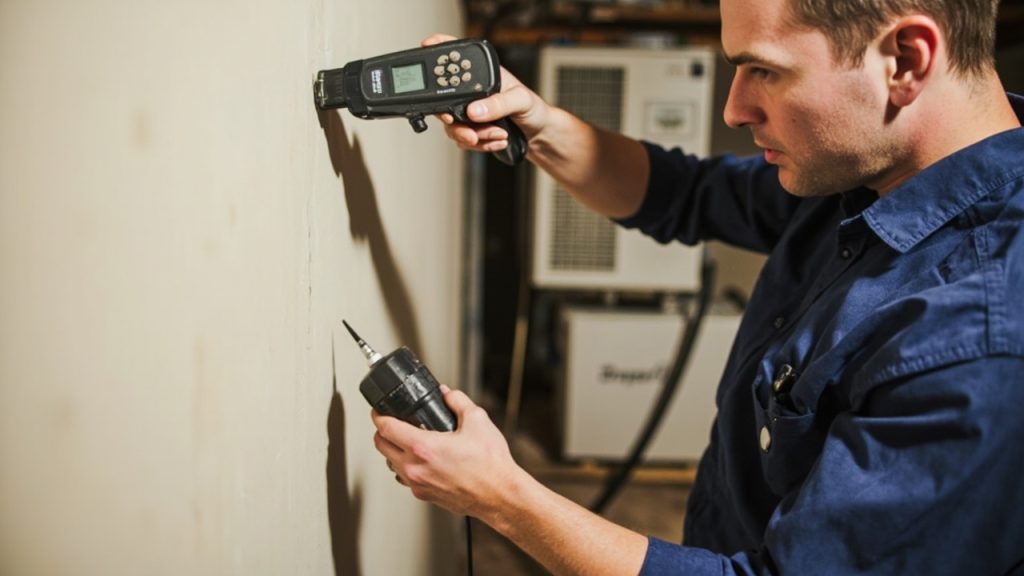
5 Red Flags to Watch for When Hiring a Water Restoration Crew in Albany Park
Your basement is flooding. A pipe burst in your West Loop condo during the polar vortex. A sump pump failed during spring rains in Logan Square and now your foundation is at risk. You need help fast, and you need the crew you call to do the job right the first time. The wrong contractor will leave you with incomplete drying, mold growth, and structural damage that costs thousands more to fix later.
Ask for a certificate number when you first call. A reputable crew will tell you immediately whether their lead technicians hold IICRC S500 certification in Water Restoration or IICRC WRT Water Restoration Technician credentials. They should provide a name and be willing to let you verify the credential on the IICRC website. This is your first filter before you even discuss timeline or price. Real credentials are verifiable, and you should confirm them before you meet anyone on site.
After 15 years working with Chicago homeowners and property managers, I’ve seen what separates trustworthy restoration teams from operators who take advantage of emergency situations. The difference often comes down to five critical red flags that appear early in the hiring process. Learning to spot these signs will save you money, time, and grief.
Red Flag 1 – No IICRC Certification or Evasion When Asked
IICRC stands for the Institute of Inspection, Cleaning and Restoration Certification. This organization sets the industry standard for water damage mitigation and restoration work. When you call a restoration company, the first question you should ask is whether their lead technicians hold IICRC S500 certification in Water Restoration or IICRC WRT Water Restoration Technician credentials.
Watch closely for how they respond. A reputable crew will tell you immediately. They may say, “Yes, our team lead is IICRC S500 certified,” or “Our mitigation team includes three WRT-certified technicians.” They should provide a name and be willing to let you verify the credential.
Red flag alert. If they say, “We’re certified,” without specifics. If they claim certification but can’t name the standard. If they downplay the importance of IICRC because they’ve been doing this for years, understand that years of experience matter. IICRC certification means the technician has passed a rigorous exam, understands water categorization (clean water, gray water, black water), knows proper drying standards, and stays current on protocols. In Chicago, where basement water damage is common and mold risk is high, IICRC certification is non-negotiable.
Ask for a certificate number. Real credentials you can verify on the IICRC website.
Red Flag 2 – Pressure to Sign Paperwork Before Inspection
A legitimate restoration company will arrive on-site, assess the damage, and then discuss scope, cost, and timeline. They will not pressure you to sign anything before they understand what they’re dealing with.
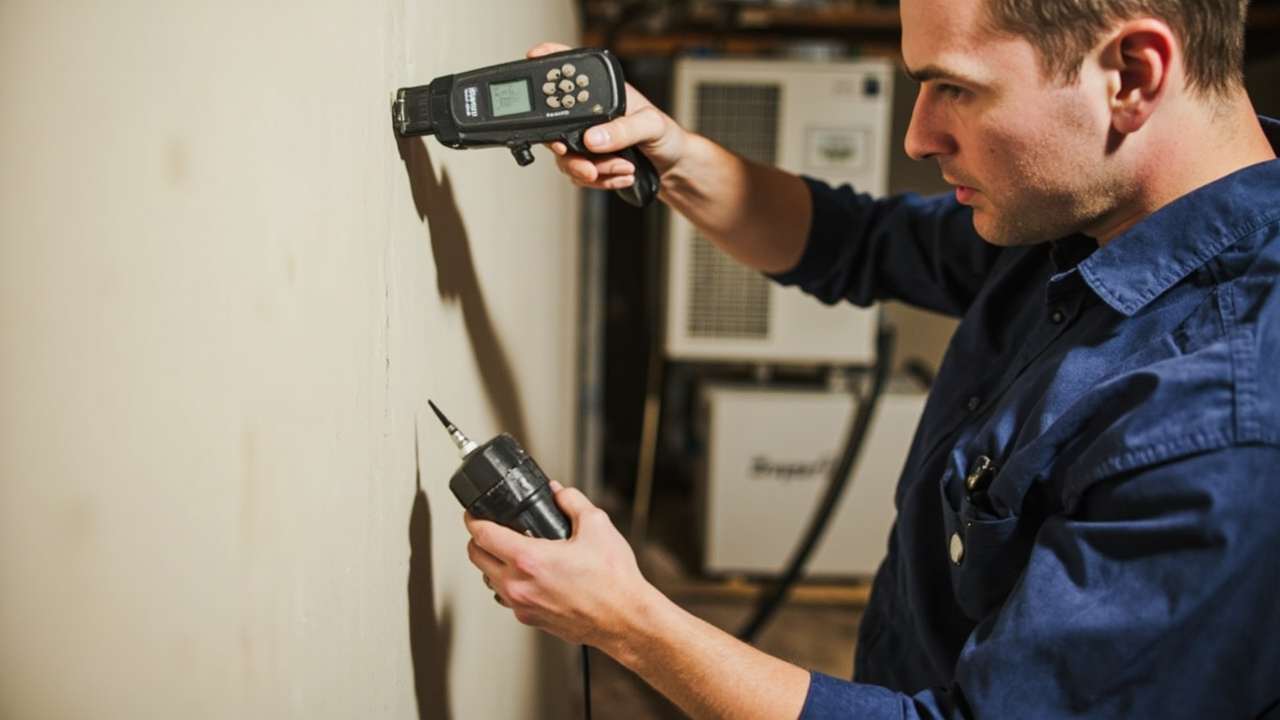
When you call for emergency water cleanup in Beverly, Rogers Park, Pilsen, or Wicker Park, a professional crew will show up with moisture meters, thermal imaging cameras, and a clear diagnostic process. They inspect affected areas, determine the water category (clean vs. contaminated), identify structural materials involved (drywall, wood framing, insulation), and document everything with photos.
Only after this inspection should they present an estimate and explain the restoration plan.
Red flag alert. If the company insists you sign an authorization or contract over the phone before they visit. If they arrive, spend 10 minutes looking around, and immediately pull out paperwork. If they pressure you with language like, “We need your signature now or we can’t start the work,” or “Prices are only good for the next hour.” These are manipulation tactics. The legitimate reason to move fast is safety and preventing further water damage, not to skip your inspection process.
Professional restoration teams serve neighborhoods from Evanston to Schaumburg to Joliet. They understand that Chicago homeowners want transparency. Demand an inspection first, estimate second, and contract third.
Red Flag 3 – No Clear Answer on Insurance Direct Billing
Most water damage restoration work is covered by homeowners insurance or commercial property policies. A major differentiator between competent crews and amateurs is whether they work directly with insurance companies.
When a pipe bursts in Lincoln Park or a sump pump fails in Lakeview, your insurance company is often involved. You file a claim, the adjuster inspects the damage, and the insurance company authorizes work up to a certain amount. If your restoration contractor can bill the insurance company directly, you avoid paying out of pocket and then waiting for reimbursement. This is called direct billing or insurance billing.
Ask specifically. “Do you bill insurance companies directly?” and “Which insurance carriers do you work with?” Listen for mentions of State Farm, Allstate, Homeowners Choice, or other major carriers operating in Illinois. If they say, “We work with most major carriers,” ask them to name five.
Red flag alert. If they say, “We don’t deal with insurance. You pay us and sort it out with your insurance company.” If they claim they work with insurance but have no experience submitting claims. If they can’t explain the Xactimate software that adjusters use to verify scope and pricing. If they seem confused about the difference between sewer backup coverage and standard water damage coverage in Cook County policies.
Chicago contractors who handle high volumes of residential water damage work directly with insurers constantly. It’s their job to know the local insurance landscape and the Illinois Department of Public Health guidelines that affect claim approval.
Red Flag 4 – Vague Timeline or Refusal to Commit to Response Time
Water damage moves fast. Drywall begins absorbing water within minutes. Mold spores can colonize within 24 to 48 hours. Every hour matters when a basement is flooded or a pipe is spraying water into your living space.
When you call an emergency restoration team, ask this. “What is your average response time in my neighborhood?” A professional crew serving Chicago neighborhoods from Des Plaines to Orland Park should have a clear answer. They may say, “In Lincoln Park, we typically arrive within 45 minutes to an hour,” or “For our West Loop service area, average response is under 60 minutes.”
Response times vary by distance. A crew based in Chicago proper will reach urban neighborhoods faster than suburbs. A crew serving both will have realistic time ranges for different areas. Crews in Wheaton or Naperville may take longer to reach Loop-area high-rises. This is normal and acceptable if they acknowledge it upfront.
Red flag alert. If they avoid giving a response time. If they say, “We’ll get there as fast as we can,” with no specifics. If they promise a response time they can’t meet (offering 20-minute arrival in all of Cook County is unrealistic). If they don’t answer calls 24/7. Water damage doesn’t happen during business hours. A real emergency crew operates around the clock.
Ask if they have multiple teams deployed across the service area. Professional firms maintaining 24/7 emergency water damage cleanup in Chicago will have crews stationed strategically so they can dispatch quickly.
Red Flag 5 – No Mention of Illinois Licensing or Building Code Knowledge
Illinois regulations apply to water damage restoration. Contractors handling work that triggers building permits, lead remediation, or asbestos management must understand the rules. Chicago has specific codes for foundation drainage, sump pump installation, and moisture barriers in basements.
Historic properties in Rogers Park, Beverly, Bridgeport, or Andersonville often contain lead paint or asbestos. If a restoration project disturbs these materials, state law requires notification and remediation protocols. A contractor unfamiliar with Illinois Department of Public Health regulations and Chicago building codes could expose you to liability and cost overruns.
Ask. “Are you licensed to work on residential water damage restoration in Illinois?” Listen for clarity. Ask. “Have you worked with homes built before 1978 and do you understand lead and asbestos disclosure requirements?” Ask. “Are you familiar with Chicago’s combined sewer system and how it affects sewage backup claims in neighborhoods like the West Loop?”
Red flag alert. If they don’t mention licensing or say, “We don’t need a license for this type of work.” If they’ve never heard of lead disclosure requirements. If they act confused about the difference between standard water damage and sewage backup cleanup in West Loop where combined sewer systems back up during heavy rain. If they can’t explain why Chicago’s blue clay soil creates hydrostatic pressure against basements, making proper drainage so critical.
Chicago contractors who’ve worked in the area for years understand these nuances because they encounter them constantly. A crew trained elsewhere may not.
What to Do Before You Call Anyone
When a water emergency happens, take these steps first.
- Stop the water source if safe. Turn off the main water valve if a pipe burst. Move away from the water if it’s contaminated or the electrical hazard is present. Don’t wade into standing water if you don’t know the depth or what it contains.
- Document the damage with photos and video. Capture the water level, affected materials, and any discoloration or damage to floors, walls, and belongings. Save these images for your insurance claim.
- Contact your insurance company before calling a contractor. Report the damage and ask whether the incident is covered. Ask about your deductible and whether you need to get multiple estimates.
- Request a list of preferred contractors if available. Many insurers maintain networks of vetted contractors. This doesn’t mean you must use them, but it gives you a starting point of companies your insurer trusts.
- Call a restoration crew only after you’ve documented and called your insurer. Now you can focus on getting the right team mobilized.
Understanding Water Categories and Restoration Scope
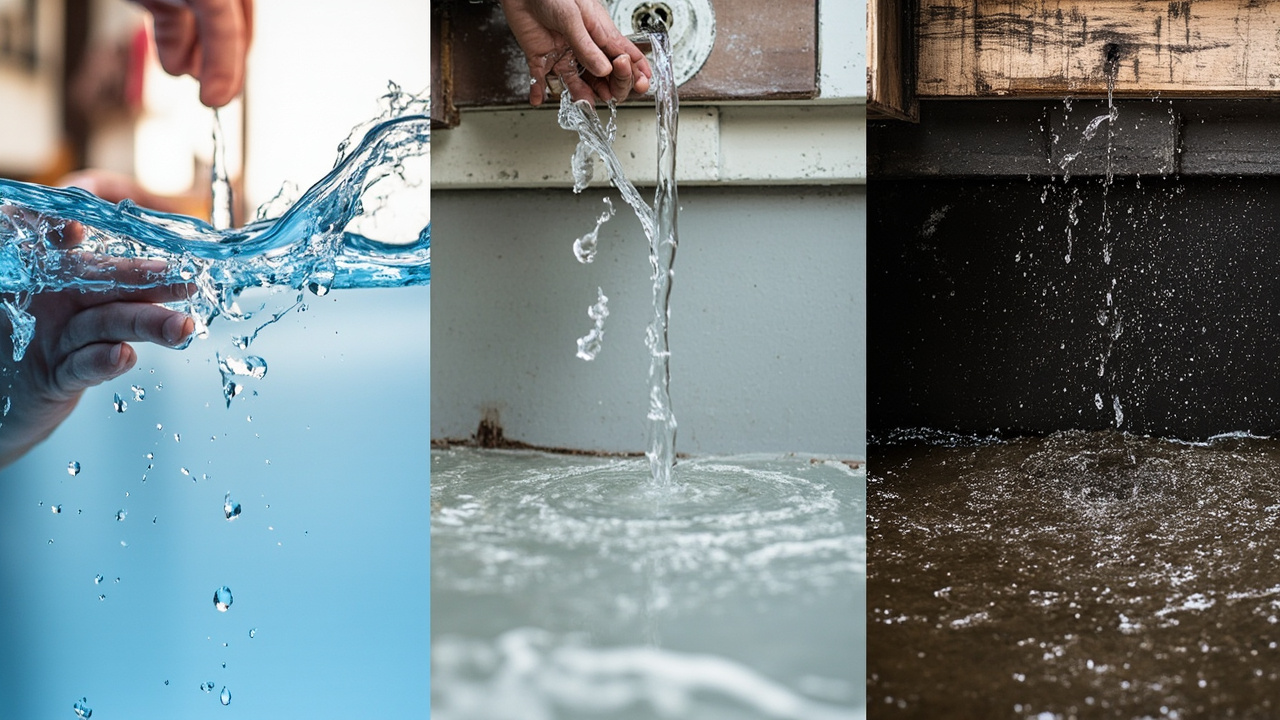
When a restoration contractor assesses your damage, they will classify the water into one of three categories. This classification determines the entire restoration approach.
| Water Category | Source | Health Risk | Restoration Method |
|---|---|---|---|
| Category 1 (Clean Water) | Broken pipes, failed appliances, overflow of clean water supplies | Low. Does not pose threat if dried promptly | Water extraction, structural drying, dehumidification. No special safety precautions required |
| Category 2 (Gray Water) | Washing machine discharge, toilet overflow from clean bowl, dishwasher leaks, aquarium spill | Moderate. Contains microorganisms and contaminants. Breathing exposure poses risk | Extraction, structural drying, dehumidification, plus antimicrobial treatment of affected materials. Technicians wear PPE |
| Category 3 (Black Water) | Sewage backup, floodwater containing pathogens, toilet overflow containing fecal matter, standing water in basement after flooding | High. Contains pathogenic organisms, chemicals, and heavy metals. Serious health hazard | Extraction and removal of contaminated materials (drywall, insulation, subflooring typically removed). Antimicrobial treatment, complete structural drying, professional disposal. Extensive PPE required |
When you’re vetting contractors, ask them to explain which category applies to your damage. A contractor who can’t distinguish between categories or who treats a Category 1 breach the same as a Category 3 sewage backup doesn’t have the expertise you need.
The Drying Process and What Takes Time
Many homeowners assume that once water is removed, the job is done. This is a dangerous misconception. Drying is where the real restoration work happens, and it determines whether mold will grow inside your walls.
After water extraction, technicians deploy dehumidifiers and air movers to remove moisture from materials. They place moisture meters on drywall, wood framing, subflooring, and insulation to track drying progress. The goal is to bring moisture content down to normal levels, typically 12 to 15 percent for wood.
This process takes time. A typical basement in Lincoln Park or Lakeview may take 5 to 14 days to dry completely depending on the water volume, materials involved, and humidity in the home. A contractor who promises drying in 48 hours is overselling. A contractor who doesn’t monitor drying progress with moisture meters is guessing.
Professional restoration firms will explain the drying timeline upfront. They should tell you when dehumidifiers will be removed and when materials can be deemed dry. They should provide daily or weekly moisture readings so you can track progress. This transparency is a sign of competence.
Special Considerations for Chicago’s Unique Challenges
Chicago’s climate and architecture create specific water damage vulnerabilities.
During polar vortex events, temperatures plummet below zero and pipes in attics, crawlspaces, and exterior walls freeze. When the thaw begins, water pours out. A burst pipe in a historic Chicago bungalow in Rogers Park can saturate an entire basement in minutes. A burst pipe in a modern high-rise condo in West Loop can damage multiple units if it’s in a shared chase or wall cavity.
Spring rains overwhelm sump pumps, especially in homes with older systems or in neighborhoods with high water tables near Lake Michigan. Evanston and parts of Des Plaines sit close to the lake and experience frequent basement seepage. Winnetka and Highland Park residents also face similar challenges due to proximity to the water and clay soil composition. Edgewater and the North Shore suburbs all share vulnerability to groundwater infiltration.
Chicago’s combined sewer system means that during heavy rain, stormwater and sewage mix and back up into basement drains and lowest fixtures. In the West Loop and other older neighborhoods, this is a chronic risk. Sewage backup cleanup requires specialized handling because the water is Category 3 (black water) and poses serious health hazards.
The blue clay soil beneath Chicago creates hydrostatic pressure. This clay holds water and pushes against basement walls. Many basements in Beverly, Logan Square, Pilsen, and Cicero develop persistent moisture issues because of this soil composition. A contractor unfamiliar with Chicago’s geological conditions may recommend a simple dehumidifier when the real solution involves waterproofing the foundation or installing interior or exterior drainage systems.
Ask your contractor. “Are you experienced with water damage specific to Chicago construction and climate?” If they hesitate or give generic answers, consider calling another firm.
Questions to Ask Every Contractor Before Hiring
Use this checklist when you call or meet with restoration firms.
| Question Category | What to Ask | Red Flag Response |
|---|---|---|
| Certification | Are your lead technicians IICRC S500 or WRT certified? Can you provide certificate numbers? | Vague answer, unwillingness to provide numbers, claiming certification is optional |
| Insurance | Do you bill insurance companies directly? Which carriers do you work with regularly? | No direct billing experience, inability to name carriers, confusion about claim process |
| Response Time | What is your average response time for my neighborhood? Are you available 24/7? | No specific timeframe, promises unrealistic speed everywhere, no after-hours availability |
| Experience | How many residential water damage projects have you completed in Chicago in the last three years? | Unable to cite numbers, minimal local experience, reluctance to provide references |
| Licensing | Are you licensed to work on water damage restoration in Illinois? Do you understand lead and asbestos requirements? | No license, unfamiliar with regulations, dismissive of compliance requirements |
| Drying | How do you monitor drying progress? Will I receive moisture readings? What is the expected drying timeline? | No mention of moisture meters, no plan to monitor progress, unrealistic timelines |
If a contractor answers multiple questions with red flag responses, move on.
Checking References and Online Reputation
After you narrow your choices to two or three firms, check their reputation. Ask for references from recent jobs (within the last 12 months) in your neighborhood if possible. Call these references and ask specific questions. How quickly did the crew arrive? Did they explain the drying process? Did they work with your insurance? Were there any issues or surprises after the job was complete?
Check Google Reviews and the Better Business Bureau. Look for patterns in feedback. One negative review is common. Multiple reviews mentioning slow response, incomplete drying, or billing surprises indicate a systemic issue.
Be skeptical of a company with no reviews at all or only glowing five-star reviews. Real businesses operating for years in Chicago have mixed feedback. The question is whether the company responds professionally to complaints and stands behind its work.
Search the company name plus “lawsuit” or “complaint.” This won’t give you actionable data, but it’s one more signal.
When to Escalate to Mold Remediation or Foundation Repair
Some water damage situations go beyond restoration and require specialized work. If your basement floods with sewage or floodwater containing soil and pathogens, you may need professional mold removal services after initial cleanup. If water damage is caused by a failing sump pump or poor grading, you need long-term waterproofing solutions.
A full-service restoration firm will identify these needs during the initial assessment and refer you to specialists if necessary. They might identify that your basement in Naperville or Arlington Heights needs exterior foundation waterproofing or an interior drainage system. They should explain why, provide cost estimates, and let you decide next steps.
Be cautious if a contractor insists you need expensive foundation work immediately. Get a second opinion before committing to a waterproofing contract worth thousands of dollars. At the same time, be cautious if a contractor downplays the need for future prevention after you’ve just experienced a water event. The goal is to prevent it from happening again.
Moving Forward After Your Contractor Is Selected
Once you’ve hired a restoration crew, set clear expectations. Confirm the start date and time. Confirm whether the crew needs access to utilities or any special setup. Provide them with the name and contact for your insurance adjuster if one has been assigned. Ask them to keep you informed on progress daily.
During the work, take photos of the crew’s process. Monitor their equipment placement. Confirm that they’re using industrial-grade dehumidifiers and air movers, not consumer-grade models. Confirm that they’re measuring moisture regularly.
After the work is complete, request a copy of the drying logs and final moisture readings. Request before and after documentation. This creates a record that you had professional restoration done, which protects you if mold develops later and your insurance asks whether you took steps to prevent it.
If you’re not satisfied with the work or if issues develop weeks later, contact the contractor immediately. Professional firms stand behind their work and will address defects or incomplete drying.
Your Next Step
Water damage in Chicago is expensive and stressful, but you can manage it if you hire the right team the first time. You now know the five red flags that separate competent contractors from amateurs. You understand the importance of IICRC certification, insurance billing, response time, and local expertise. You know the questions to ask and the answers that should concern you.
When a pipe bursts in your Lincoln Park home or a sump pump fails in your Lakeview basement, call a team that meets these standards. Don’t wait or make do with a contractor who can’t answer basic questions about certification or process. The difference between a crew that dries your basement correctly and one that leaves hidden moisture inside your walls can cost you ten thousand dollars in mold remediation later.
Start by calling three firms today. Ask each one the questions in this article. Compare their answers. Request a free inspection and estimate for flooded basement cleanup if you’re dealing with an active water event. Make your decision based on expertise, not price. Your home and your family’s health depend on it.
{
“@context”: “https://schema.org”,
“@type”: “BlogPosting”,
“headline”: “5 Red Flags to Watch for When Hiring a Water Restoration Crew in Albany Park”,
“description”: “Spot 5 red flags when hiring water damage contractors in Albany Park. Learn what IICRC certification, insurance billing, and response times mean.”,
“wordCount”: 3174,
“datePublished”: “2026-03-04T12:37:00.000Z”,
“dateModified”: “2026-03-04T12:37:00.000Z”,
“inLanguage”: “en-US”,
“mainEntityOfPage”: {
“@type”: “WebPage”,
“@id”: “https://cornerstonewaterdamagerestorationchicago.com”
},
“publisher”: {
“@type”: “LocalBusiness”,
“name”: “Cornerstone Water Damage Restoration Chicago”,
“url”: “https://cornerstonewaterdamagerestorationchicago.com”
},
“author”: {
“@type”: “Organization”,
“name”: “Cornerstone Water Damage Restoration Chicago”,
“url”: “https://cornerstonewaterdamagerestorationchicago.com”
},
“image”: {
“@type”: “ImageObject”,
“url”: “https://cornerstonewaterdamagerestorationchicago.com/wp-content/uploads/2026/03/5-red-flags-to-watch-for-when-hiring-a-water-resto-1.jpg”
}
}
{
“@context”: “https://schema.org”,
“@type”: “LocalBusiness”,
“name”: “Cornerstone Water Damage Restoration Chicago”,
“url”: “https://cornerstonewaterdamagerestorationchicago.com”,
“address”: {
“@type”: “PostalAddress”,
“addressLocality”: “Chicago”
},
“areaServed”: {
“@type”: “City”,
“name”: “Chicago”
}
}
{
“@context”: “https://schema.org”,
“@type”: “BreadcrumbList”,
“itemListElement”: [
{
“@type”: “ListItem”,
“position”: 1,
“name”: “Home”,
“item”: “https://cornerstonewaterdamagerestorationchicago.com”
},
{
“@type”: “ListItem”,
“position”: 2,
“name”: “Blog”,
“item”: “https://cornerstonewaterdamagerestorationchicago.com/blog”
},
{
“@type”: “ListItem”,
“position”: 3,
“name”: “5 Red Flags to Watch for When Hiring a Water Restoration Crew in Albany Park”
}
]
}
{
“@context”: “https://schema.org”,
“@type”: “Service”,
“serviceType”: “Water Damage Restoration”,
“provider”: {
“@type”: “LocalBusiness”,
“name”: “Cornerstone Water Damage Restoration Chicago”,
“url”: “https://cornerstonewaterdamagerestorationchicago.com”
},
“areaServed”: {
“@type”: “City”,
“name”: “Chicago”
},
“description”: “Spot 5 red flags when hiring water damage contractors in Albany Park. Learn what IICRC certification, insurance billing, and response times mean.”
}