
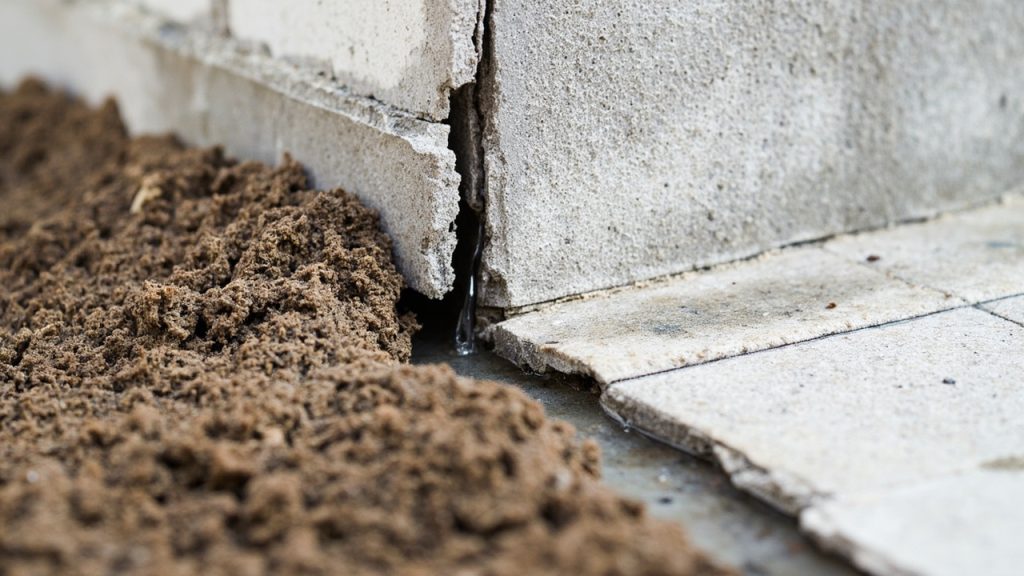
Why Chicago’s Clay Soil Causes Foundation Cracks and What You Can Do About Them
Your basement foundation is cracking. You noticed the thin line running down the wall last month, and now it feels wider. You need to know whether this is a cosmetic issue or a structural emergency that will flood your home during the next spring thaw.
Not all foundation cracks are equal. A hairline vertical crack in concrete that has cured for a year presents minimal risk. A horizontal crack leaking water or a diagonal stair-step pattern spreading across a masonry wall signals serious structural trouble. The difference between these two scenarios determines whether you face a monitoring task or an urgent repair expense.
In Chicago, foundation cracks demand immediate attention because your soil, climate, and water table work against your home constantly. The crack you see today can become a water entry point tomorrow, triggering mold growth, structural deterioration, and basement flooding that costs tens of thousands of dollars to remediate.
Spotting Foundation Cracks Before They Flood Your Basement in North Center
This guide teaches you to identify foundation cracks in Chicago homes, understand why they form in our unique Midwest climate, and determine whether you need professional repair or can safely monitor the damage. You will learn the difference between vertical cracks and horizontal cracks, understand the soil science driving Chicago’s foundation problems, and discover which repair methods work in our freeze-thaw environment.
Why Chicago Basements Are Vulnerable to Foundation Cracks
Chicago sits on clay soil known locally as Chicago Blue Clay. This material behaves differently than sandy or well-draining soil found in other regions. When it absorbs water, it expands. When it dries, it contracts. This constant movement creates tremendous pressure against your foundation walls.
The problem intensifies during winter. Our frost line extends to approximately 42 inches below grade. During a hard freeze, water in the soil surrounding your foundation turns to ice, expanding approximately 9 percent in volume. This process, called frost heave, pushes inward on concrete and limestone foundations with thousands of pounds of force per square foot.
Neighborhoods like Lincoln Park and Lakeview situated near Lake Michigan experience water table depths of 8 to 12 feet below the surface. Rogers Park and areas along the North Shore face similar conditions. North Center and neighboring Ravenswood sit approximately 3 to 4 miles west of Lake Michigan with water table depths ranging from 10 to 14 feet below the surface. This depth puts North Center properties at moderate to high hydrostatic pressure during heavy rainfall and spring snowmelt. In contrast, neighborhoods in West Loop and Logan Square inland from the lake have water table depths of 15 to 20 feet below the surface. These variations matter because shallower water tables increase hydrostatic pressure against your foundation year-round.
Heavy spring rains and winter snowmelt force water to push against your foundation walls from the outside. Engineers call this hydrostatic pressure. The combination of saturated Chicago Blue Clay and spring water infiltration creates relentless outward pressure on basement walls.
Older Chicago neighborhoods feature historic bungalows, two-flats, and workers cottages built with limestone or poured concrete foundations. North Center developed primarily between 1920 and 1950, creating a dense inventory of two-story brick residences and vintage multi-unit buildings. These structures often lack the reinforcement used in modern buildings. The combination of age and unrelenting soil pressure creates the perfect environment for cracks to form and widen.
North Center also sits near the North Branch of the Chicago River, which historically flooded during extreme weather events. Properties within one mile of the river experience elevated groundwater conditions, pushing water tables even shallower during wet seasons. Buildings constructed before modern stormwater management systems were installed (pre-1970 in most of North Center) lack adequate perimeter drainage, making foundation cracks nearly inevitable as these homes age.
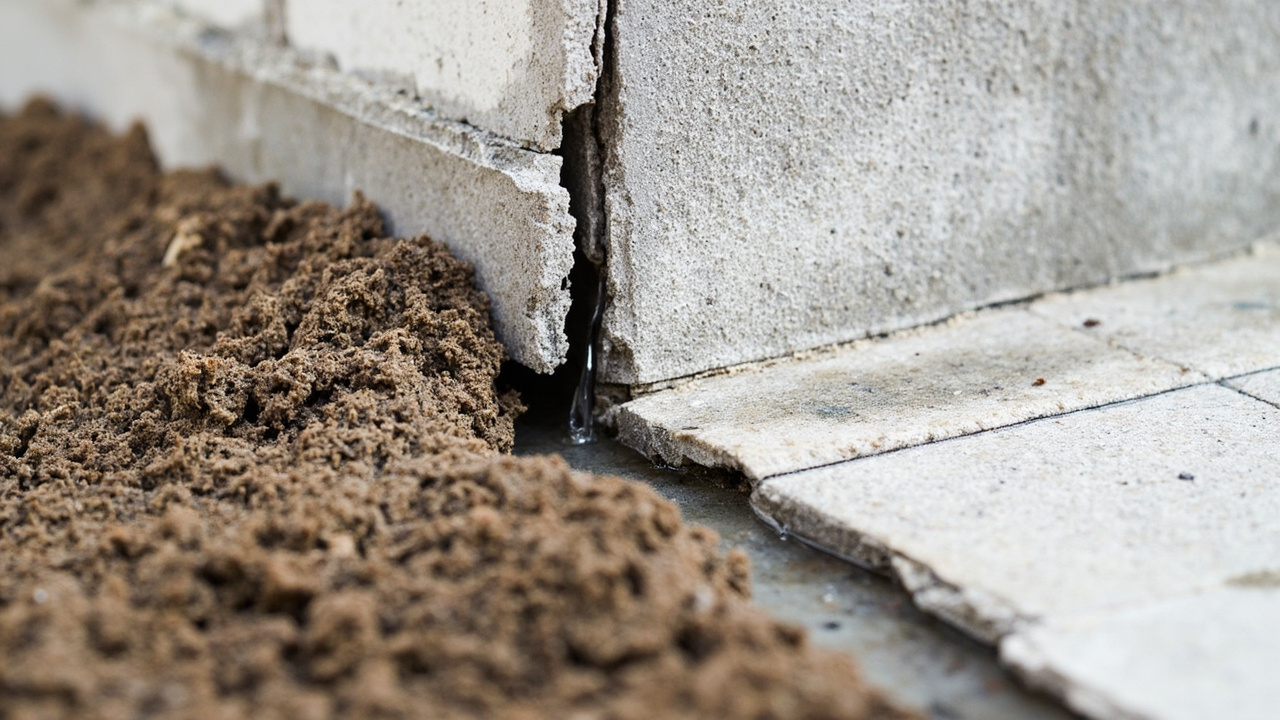
Types of Foundation Cracks and What They Mean
Not all cracks carry equal risk. The direction and pattern of a crack tell you whether you face a minor settlement issue or a serious structural problem.
Vertical Cracks
Vertical cracks run straight up and down your foundation wall. These typically signal normal settling as your home ages. A 1/16 inch wide vertical crack is generally cosmetic. A vertical crack wider than 1/4 inch warrants professional inspection, especially if it widens over time.
Vertical cracks are most common in foundations under 5 years old as concrete continues to cure and shrink. Monitor these cracks annually. Take photographs and measure their width with a ruler or caliper. If the crack grows more than 1/16 inch per year, contact a structural engineer.
Horizontal Cracks
Horizontal cracks are the cracks you should fear. These run side to side across your foundation wall and signal that severe pressure is pushing inward. Hydrostatic pressure from saturated Chicago Blue Clay causes most horizontal cracks.
A horizontal crack wider than 1/8 inch demands immediate professional assessment. This crack may signal a bowing wall, meaning your foundation is being pushed inward and losing structural integrity. Bowing walls can fail suddenly, especially in freeze-thaw seasons.
Stair-Step or Diagonal Cracks
Stair-step patterns follow the mortar joints in older masonry foundations. Diagonal cracks appear at 45 degree angles. Both patterns indicate uneven settlement in your home’s foundation. This occurs when soil beneath one section of the foundation compresses or shifts more than other sections.
Stair-step and diagonal cracks wider than 1/4 inch require structural evaluation. The cause might be poor drainage around the foundation, weak soil under a section of the building, or damage from nearby construction.
Secondary Damage That Starts With Foundation Cracks
A foundation crack is often not the final problem. Water finds every opening, and once inside your basement, it triggers a cascade of damage.
Moisture seeping through a crack creates an ideal environment for mold growth. Mold colonies spread quickly in basements, especially during Chicago’s humid summers. The spores spread through your home’s air system, affecting family health and making finished basements unusable. Professional mold removal becomes necessary when foundation leaks go unaddressed.
Standing water in basements damages stored items, degrades drywall and insulation, and warps flooring. Water pooling near your sump pump overloads the system. During heavy rain events, your sump pump may fail from overwork, leaving your basement flooded.
Structural concrete and masonry deteriorate when exposed to repeated wet-dry cycles. Efflorescence, the white chalky residue appearing on wet basement walls, signals that water is dissolving the concrete’s binder. The foundation weakens over time, and repair costs escalate dramatically.
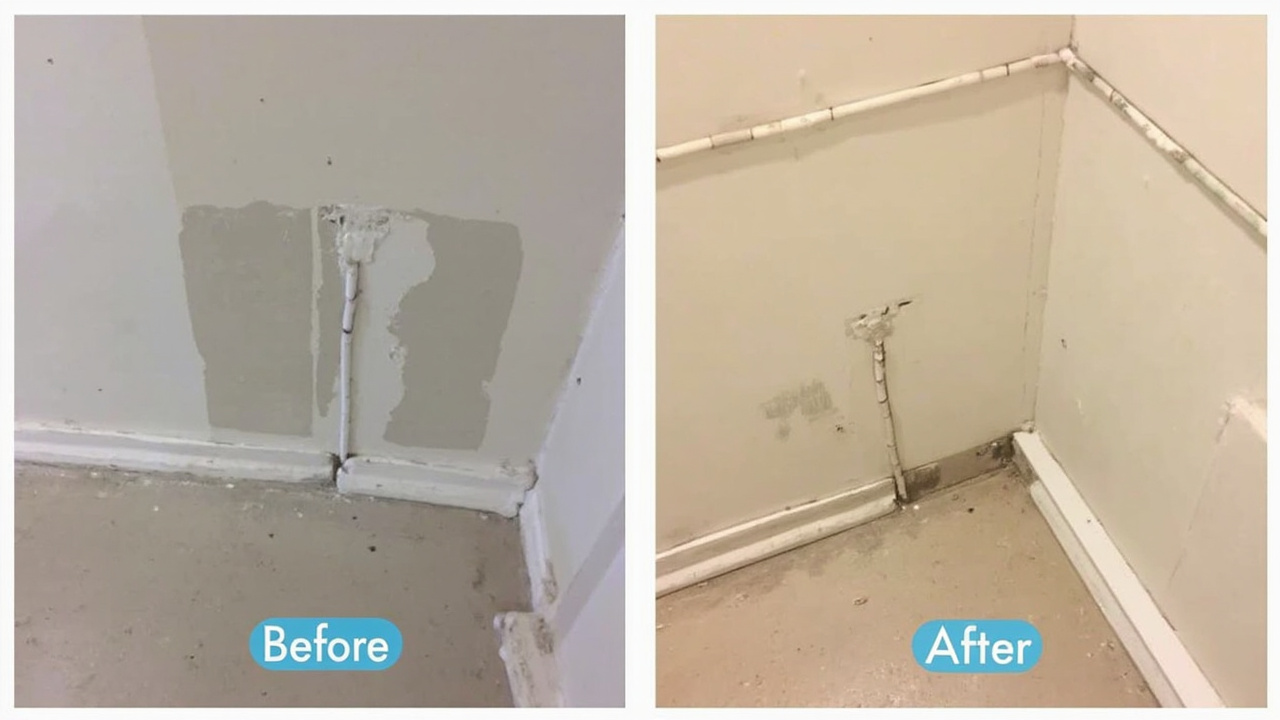
Signs Your Foundation Crack Needs Professional Repair
Some cracks are monitoring issues. Others demand immediate professional intervention. Use this checklist to determine your next step.
- The crack is wider than 1/4 inch
- The crack is horizontal
- The crack is actively leaking water into your basement
- Multiple cracks are appearing simultaneously
- The crack is growing faster than 1/16 inch per year
- Your basement wall is bowing or bulging inward
- Water stains or efflorescence surrounds the crack
- The crack is in a basement wall supporting the main structure
If your foundation displays any of these symptoms, contact a structural engineer or water damage restoration specialist. In Chicago’s climate, waiting often means the crack grows, water enters, and your repair costs triple.
Professional Repair Methods for Chicago Foundations
Retail epoxy kits marketed for foundation cracks rarely solve Chicago’s structural foundation problems. These products work for tiny hairline cracks in dry basements. Chicago’s clay soil pressure and water infiltration require professional-grade solutions.
Low-Pressure Epoxy Injection
Epoxy injection is the standard approach for vertical cracks and non-leaking horizontal cracks. A technician drills a series of small holes along the crack, then injects two-part epoxy resin under controlled pressure. The epoxy flows into the crack, cures, and re-bonds the concrete.
Epoxy injection works well because it restores the concrete’s structural integrity. The resin bonds tighter than the original concrete in many cases. The process takes one to two days and causes minimal disruption to your basement.
This method struggles with actively leaking cracks or horizontal cracks under severe pressure. Leaking cracks require a different approach.
Polyurethane Foam Injection
Polyurethane resin expands as it cures, making it ideal for leaking horizontal cracks. The technician injects polyurethane foam into the crack. As the foam expands, it fills the crack and seals water entry points.
Polyurethane injection excels at stopping active water leaks. The material is flexible, allowing for minor foundation movement without cracking. In Chicago’s freeze-thaw environment, this flexibility prevents the seal from failing as temperatures cycle.
Polyurethane costs more than epoxy but delivers superior results for water-bearing cracks in basements experiencing hydrostatic pressure.
Carbon Fiber Reinforcement Straps
Horizontal cracks combined with bowing walls require reinforcement beyond injection alone. Technicians bond carbon fiber straps to the interior foundation wall, physically resisting the inward pressure.
Think of carbon fiber straps as structural bracing for your foundation. Workers install them vertically along the wall, creating a web that holds the wall in place against hydrostatic pressure. This method works alongside epoxy or polyurethane injection to restore both water-tightness and structural integrity.
Carbon fiber reinforcement is not a substitute for addressing the root cause of water pressure. Your contractor should also install or upgrade drainage systems to reduce the water load against the foundation wall.
Foundation Crack Repair Process in Chicago Homes
Professional foundation repair follows a structured approach. Understanding this process helps you prepare and set realistic expectations.
- Detailed Structural Inspection
The technician examines the crack with precision tools. They measure its width with a caliper, photograph it, and assess whether the crack actively leaks. They inspect the surrounding area for other cracks, efflorescence, water stains, and signs of wall movement. In Chicago homes, the inspector also checks for previous water damage, mold growth, and the condition of your sump pump system. This inspection typically takes two to three hours.
- Soil and Drainage Assessment
The technician evaluates the exterior grade around your foundation. Is water pooling near your home? Are gutters and downspouts directing water away from the foundation? Do you have a functional sump pump? Chicago’s clay soil requires aggressive drainage management. Poor exterior drainage often causes foundation cracks to worsen. The inspection determines whether interior injection alone will solve your problem or whether exterior waterproofing is necessary.
- Crack Cleaning and Surface Preparation
Before injection, the crack must be cleaned of loose concrete, debris, and dirt. A technician uses specialized tools to remove material from inside the crack, ensuring the injectable material bonds properly. For horizontal cracks, this step is critical. Dirt or algae residue prevents the sealant from achieving a watertight bond.
- Injection Port Installation
The technician drills small holes along the crack, typically 12 to 18 inches apart. These ports accept injection equipment. Ports are spaced closer together in wider cracks or in areas experiencing active water leakage. The technician may inject from bottom to top or top to bottom depending on the crack’s characteristics and whether water is flowing through it.
- Injection and Curing
Using professional injection equipment, the technician forces epoxy or polyurethane resin into the crack under controlled pressure. The material flows into all fissures within the crack, ensuring complete penetration. Curing time varies. Epoxy typically hardens in 24 hours. Polyurethane may take 48 to 72 hours. During curing, you should keep the area dry and undisturbed.
- Port Removal and Finishing
Once the sealant hardens, the technician removes the injection ports and patches the small holes with concrete patching compound. The finished surface blends with your basement wall.
- Verification and Warranty Documentation
A final inspection confirms that the repair is complete and the crack no longer leaks water. The technician provides documentation of the work performed, photos of before and after conditions, and warranty information. Most professional foundation repairs include warranties ranging from 5 to 10 years, though conditions apply.
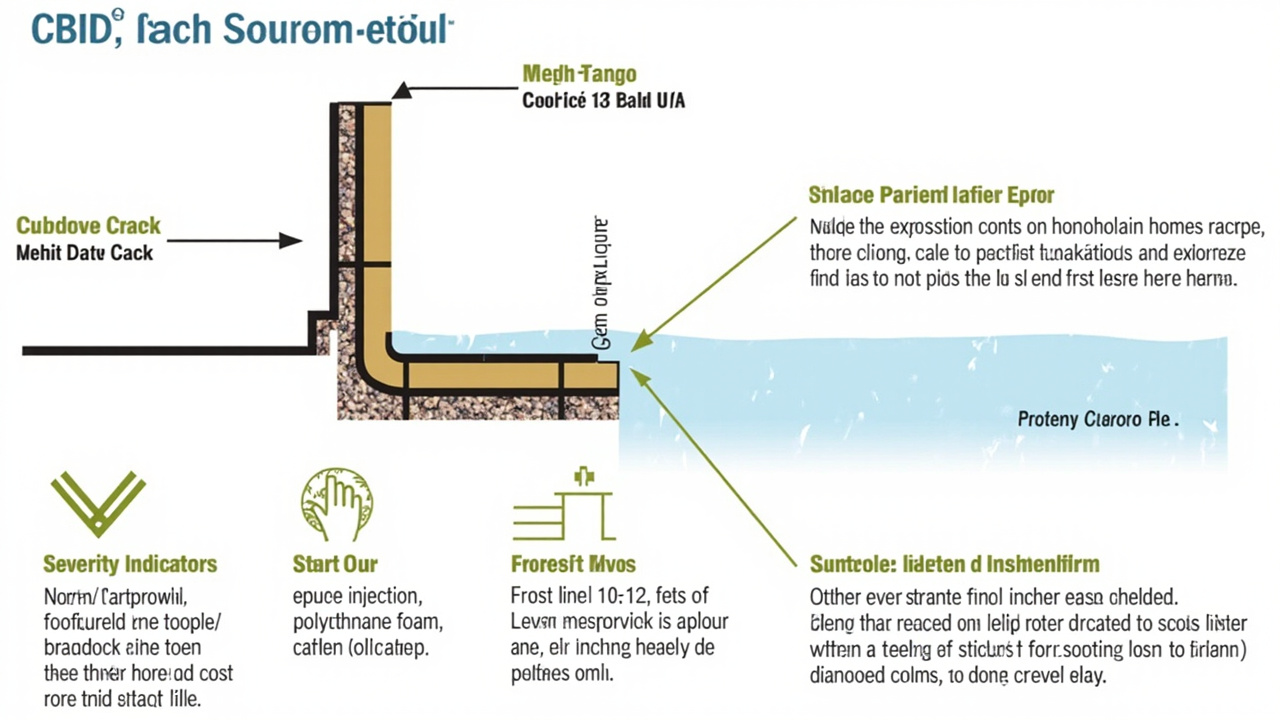
Comparing DIY Retail Solutions Against Professional Foundation Repair
You may be tempted by retail foundation crack kits costing 50 to 200 dollars. These kits contain epoxy cartridges, caulk guns, and basic instructions. Should you use one or contact a professional?
| Factor | DIY Retail Kit | Professional Injection |
|---|---|---|
| Crack Width Limit | 1/16 inch or less, non-leaking | Up to 1/2 inch, leaking or non-leaking |
| Material Quality | Consumer-grade epoxy with variable strength | Structural-grade epoxy or polyurethane using tested formulations |
| Application Method | Manual pressure creates inconsistent penetration | Motorized equipment applies controlled pressure and guarantees fill |
| Durability in Chicago Climate | 2 to 3 years before re-cracking occurs | 5 to 10 years with warranty protection |
| Insurance Claim Coverage | Most insurers do not recognize DIY repairs | Documented repair supports water damage claims |
| Cost | 50 to 200 dollars out of pocket | 500 to 2000 dollars depending on crack severity and method |
DIY kits are appropriate for cosmetic vertical cracks that are not leaking and are less than 1/16 inch wide. These cracks pose no structural risk and will not allow water entry. A retail kit addresses the appearance issue at minimal cost.
Professional repair becomes necessary for any other crack. Chicago’s soil and water conditions accelerate failure of retail products. What costs 100 dollars to repair today becomes a 3000 dollar water damage restoration project if the retail fix fails.
Prevention Strategies for Chicago Basement Foundation Cracks
The best foundation repair is the one you never need. Chicago homeowners can reduce foundation cracking risk through smart drainage management and moisture control.
Exterior Drainage
Your gutters and downspouts are your foundation’s first line of defense. Gutters clogged with leaves and debris overflow during rain, channeling water straight down your foundation walls. Downspouts that discharge water close to the foundation wall (within 4 feet) saturate the soil around your basement.
Install gutter guards to keep debris out. Clean gutters twice yearly, in spring after tree pollen settles and in fall after leaves drop. Extend downspouts to discharge at least 6 feet from your foundation wall, directing water toward the street or a rain garden.
Sump Pump Maintenance
Your sump pump is a backup system, not a primary solution. A functioning sump pump intercepts water before it rises to basement floor level, reducing the hydrostatic load against your foundation.
Test your sump pump monthly by pouring water into the sump pit and confirming it activates and discharges properly. Clean the inlet screen. In winter, check the discharge pipe for ice blockages. If your sump pump fails during a storm, your basement floods and foundation pressure increases dramatically.
Exterior Waterproofing for High-Risk Foundations
If you live in North Center, Lincoln Park, Lakeview, Rogers Park, or other neighborhoods with a high water table near Lake Michigan, exterior waterproofing prevents many foundation cracks from forming.
This involves excavating soil around your foundation exterior, applying a waterproof membrane or coating, installing or repairing perimeter drainage called weeping tile or French drain, and backfilling with gravel. This approach is expensive (several thousand dollars) but eliminates hydrostatic pressure against your foundation walls.
Exterior waterproofing costs less when you combine it with foundation repairs. Contractors can work on multiple tasks during one excavation project. Combining exterior waterproofing with interior injection creates a comprehensive solution that prevents future crack formation.
Understanding Local Chicago Building Codes and Permits
Foundation repairs in Chicago often require permits and inspections. The City of Chicago Department of Buildings oversees all structural repairs and specifies standards for sub-soil drainage and foundation work. Failure to obtain permits can create liability issues and complicate future insurance claims.
Any foundation repair involving injection, reinforcement straps, or exterior waterproofing must be performed by a licensed contractor. Your contractor should pull all necessary permits from the City of Chicago Department of Buildings and schedule required inspections before work begins and after completion. This documentation protects you if your home is sold or if you need to file an insurance claim related to water damage.
Professional restoration companies like Cornerstone Water Damage Restoration handle permitting and inspections as part of their service, removing this burden from you. When you hire a contractor, confirm they are licensed by the State of Illinois and carry current liability insurance. Ask to see proof of their contractor’s license and insurance certificate before any work begins.
For detailed information about Chicago’s building code requirements for foundation repairs, consult the City of Chicago Building Code documentation, which outlines requirements for all structural work in the city.
Cost Factors for Foundation Crack Repair in Chicago
Foundation crack repair pricing varies based on several factors unique to Chicago homes and conditions.
| Factor | Impact on Cost |
|---|---|
| Crack Width | Wider cracks require more material and longer injection time. Horizontal cracks cost more than vertical cracks of equal width. |
| Crack Length | A crack running 20 feet costs more than a crack running 5 feet because more injection ports and material are needed. |
| Active Water Leakage | Leaking cracks require polyurethane injection instead of epoxy, increasing material costs. Temporary water control measures may add to the bill. |
| Wall Bowing | Bowing walls require carbon fiber reinforcement in addition to injection. This doubles the repair cost. |
| Basement Finishing | Finished basements with drywall and flooring require more careful work and surface preparation, increasing labor time and cost. |
| Exterior Access and Soil Conditions | Chicago’s clay soil makes exterior waterproofing more difficult. Tight yards in neighborhoods like West Loop and Logan Square limit equipment access, raising labor costs. |
Foundation crack repair in Chicago typically ranges from 500 dollars for a simple vertical crack to 5000 dollars or more for a horizontal crack on a bowing wall requiring reinforcement and exterior waterproofing. Request detailed estimates from multiple contractors. A reputable contractor explains which factors are driving their price and what work is included in their estimate.
When Water Intrusion Demands Emergency Response
If your foundation crack is actively leaking water into your basement during rain or snowmelt, you have an emergency. Standing water damages your home rapidly.
Emergency water damage cleanup services address standing water before it causes mold growth and structural damage. Do not wait for a contractor to become available. Call a 24/7 emergency restoration service immediately.
If your basement has flooded, professional flooded basement cleanup removes water, dries materials, and prevents mold contamination in the critical first 24 to 48 hours.
After water removal and drying are complete, address the foundation crack to prevent future flooding. This two-step approach stops immediate damage and prevents the problem from recurring.
Getting the Foundation Crack Repair You Can Trust
Foundation repairs require expertise, proper equipment, and accountability. Hiring the wrong contractor leaves you with a failed repair and wasted money.
Look for contractors who are licensed in Illinois, carry liability insurance, and provide detailed written estimates. Request references from recent Chicago-area projects. Visit previous job sites if possible to see the quality of work.
The contractor should explain their diagnostic process, the repair method they recommend and why, the materials they are using, and how they verify the repair’s success. They should provide warranty documentation and photos of before, during, and after conditions.
Be wary of contractors offering quick fixes for major cracks or those refusing to discuss exterior drainage and soil conditions. Be wary of those who pressure you to make immediate decisions. A professional contractor spends time diagnosing your problem correctly because the solution depends on accurate assessment.
Your foundation is your home’s structural system. The crack you see is not just a cosmetic issue. In Chicago’s climate, it signals that pressure is building against your walls. Acting quickly prevents small cracks from becoming structural emergencies and basement floods.
Schedule a professional foundation inspection today. A structural engineer or licensed water damage restoration contractor can assess your crack, identify the root cause, and recommend the right repair approach for Chicago’s unique soil and climate conditions. The cost of an inspection is minimal compared to the cost of ignoring a problem until it fails.
{
“@context”: “https://schema.org”,
“@type”: “BlogPosting”,
“headline”: “Why Chicago’s Clay Soil Causes Foundation Cracks and What You Can Do About Them”,
“description”: “Learn how to spot foundation cracks before they flood your basement in North Center. Expert guide to Chicago foundation repair and prevention.”,
“wordCount”: 3268,
“datePublished”: “2026-03-06T10:52:00.000Z”,
“dateModified”: “2026-03-06T10:52:00.000Z”,
“inLanguage”: “en-US”,
“mainEntityOfPage”: {
“@type”: “WebPage”,
“@id”: “https://cornerstonewaterdamagerestorationchicago.com”
},
“publisher”: {
“@type”: “LocalBusiness”,
“name”: “Cornerstone Water Damage Restoration Chicago”,
“url”: “https://cornerstonewaterdamagerestorationchicago.com”
},
“author”: {
“@type”: “Organization”,
“name”: “Cornerstone Water Damage Restoration Chicago”,
“url”: “https://cornerstonewaterdamagerestorationchicago.com”
},
“image”: {
“@type”: “ImageObject”,
“url”: “https://cornerstonewaterdamagerestorationchicago.com/wp-content/uploads/2026/03/spotting-foundation-cracks-before-they-flood-your-1.jpg”
}
}
{
“@context”: “https://schema.org”,
“@type”: “LocalBusiness”,
“name”: “Cornerstone Water Damage Restoration Chicago”,
“url”: “https://cornerstonewaterdamagerestorationchicago.com”,
“address”: {
“@type”: “PostalAddress”,
“addressLocality”: “Chicago”
},
“areaServed”: {
“@type”: “City”,
“name”: “Chicago”
}
}
{
“@context”: “https://schema.org”,
“@type”: “HowTo”,
“name”: “How to Repair Foundation Cracks”,
“step”: [
{
“@type”: “HowToStep”,
“position”: 1,
“name”: “Detailed Structural Inspection”,
“text”: “The technician examines the crack with precision tools. They measure its width with a caliper, photograph it, and assess whether the crack actively leaks. They inspect the surrounding area for other cracks, efflorescence, water stains, and signs of wall movement. In Chicago homes, the inspector also checks for previous water damage, mold growth, and the condition of your sump pump system. This inspection typically takes two to three hours.”
},
{
“@type”: “HowToStep”,
“position”: 2,
“name”: “Soil and Drainage Assessment”,
“text”: “The technician evaluates the exterior grade around your foundation. Is water pooling near your home? Are gutters and downspouts directing water away from the foundation? Do you have a functional sump pump? Chicago’s clay soil requires aggressive drainage management. Poor exterior drainage often causes foundation cracks to worsen. The inspection determines whether interior injection alone will solve your problem or whether exterior waterproofing is necessary.”
},
{
“@type”: “HowToStep”,
“position”: 3,
“name”: “Crack Cleaning and Surface Preparation”,
“text”: “Before injection, the crack must be cleaned of loose concrete, debris, and dirt. A technician uses specialized tools to remove material from inside the crack, ensuring the injectable material bonds properly. For horizontal cracks, this step is critical. Dirt or algae residue prevents the sealant from achieving a watertight bond.”
},
{
“@type”: “HowToStep”,
“position”: 4,
“name”: “Injection Port Installation”,
“text”: “The technician drills small holes along the crack, typically 12 to 18 inches apart. These ports accept injection equipment. Ports are spaced closer together in wider cracks or in areas experiencing active water leakage. The technician may inject from bottom to top or top to bottom depending on the crack’s characteristics and whether water is flowing through it.”
},
{
“@type”: “HowToStep”,
“position”: 5,
“name”: “Injection and Curing”,
“text”: “Using professional injection equipment, the technician forces epoxy or polyurethane resin into the crack under controlled pressure. The material flows into all fissures within the crack, ensuring complete penetration. Curing time varies. Epoxy typically hardens in 24 hours. Polyurethane may take 48 to 72 hours. During curing, you should keep the area dry and undisturbed.”
},
{
“@type”: “HowToStep”,
“position”: 6,
“name”: “Port Removal and Finishing”,
“text”: “Once the sealant hardens, the technician removes the injection ports and patches the small holes with concrete patching compound. The finished surface blends with your basement wall.”
},
{
“@type”: “HowToStep”,
“position”: 7,
“name”: “Verification and Warranty Documentation”,
“text”: “A final inspection confirms that the repair is complete and the crack no longer leaks water. The technician provides documentation of the work performed, photos of before and after conditions, and warranty information. Most professional foundation repairs include warranties ranging from 5 to 10 years, though conditions apply.”
}
],
“image”: “https://cornerstonewaterdamagerestorationchicago.com/wp-content/uploads/2026/03/spotting-foundation-cracks-before-they-flood-your-1.jpg”
}
{
“@context”: “https://schema.org”,
“@type”: “BreadcrumbList”,
“itemListElement”: [
{
“@type”: “ListItem”,
“position”: 1,
“name”: “Home”,
“item”: “https://cornerstonewaterdamagerestorationchicago.com”
},
{
“@type”: “ListItem”,
“position”: 2,
“name”: “Blog”,
“item”: “https://cornerstonewaterdamagerestorationchicago.com/blog”
},
{
“@type”: “ListItem”,
“position”: 3,
“name”: “Why Chicago’s Clay Soil Causes Foundation Cracks and What You Can Do About Them”
}
]
}
{
“@context”: “https://schema.org”,
“@type”: “Service”,
“serviceType”: “Water Damage Restoration”,
“provider”: {
“@type”: “LocalBusiness”,
“name”: “Cornerstone Water Damage Restoration Chicago”,
“url”: “https://cornerstonewaterdamagerestorationchicago.com”
},
“areaServed”: {
“@type”: “City”,
“name”: “Chicago”
},
“description”: “Learn how to spot foundation cracks before they flood your basement in North Center. Expert guide to Chicago foundation repair and prevention.”
}