
Water Damage Insurance Claims in Chicago How to Get Your Full Payout
Your basement flooded at 2 AM. Your burst pipe soaked the kitchen. Your sump pump failed during a spring storm. Now you face not just the damage, but the insurance process. Most Chicago homeowners don’t know what to do in the first 24 hours, and that gap costs them thousands in denied or underpaid claims.
This guide walks you through the entire claim process. You’ll learn what your policy covers, how to document damage like a professional, and why hiring a local restoration expert changes everything about your outcome.
The First 24 Hours Determine Your Claim’s Success
Insurance companies expect you to take immediate action to prevent further damage. Insurance companies call this the “duty to mitigate.” Failing to mitigate can result in partial or total claim denial. Your insurer won’t pay for damage you could have prevented.
What you do in the first day matters more than what you do in the first week.
- Stop the water source
Turn off the water main if you have a burst pipe. Shut off the sump pump if it’s malfunctioning and causing backup. If a roof is leaking, place buckets under the leak and move furniture away from the path. Do not turn off water if you suspect a sewage backup, as this can trap contaminated water inside your home.
- Remove standing water safely
Use a pump or wet vacuum if the water is clean and less than 6 inches deep. If water depth exceeds 6 inches or the water is discolored (indicating sewage or contamination), call a professional immediately. Chicago’s basement architecture means water often sits on concrete and clay soil, accelerating mold growth. Time is critical.
- Move wet items to dry areas
Salvage electronics, documents, photographs, and furniture. Place items on newspaper or tarps to prevent secondary damage to unaffected areas. Take photos of everything you move, including the items and their original locations.
- Open windows and doors for air circulation
Create cross-ventilation to begin drying. Turn on fans if electricity is safe. Chicago’s humid summers make this step essential. Stagnant moisture accelerates mold colonization within 24 to 48 hours.
- Document everything with photos and video
Photograph the water line on walls, damaged materials, soaked carpet, discolored drywall, and the source of the water. Include wide-angle shots and close-ups. Record video as you walk through the damaged area, narrating what you see. Timestamp everything if possible.
- Create a written timeline
Note the exact time you discovered the damage, when you discovered the water source, and when you took mitigation steps. Write down the weather conditions if applicable (heavy rain, freezing temperatures, or sewer overflow). This timeline becomes evidence of your immediate response.
- Call your insurance company within 24 hours
File a First Notice of Loss (FNOL) even if you’re still assessing damage. Your insurer may require this call within a specific timeframe to maintain coverage. Ask for the claim number, adjuster’s name, phone number, and email. Request the deadline for submitting documentation.
- Contact a professional restoration company
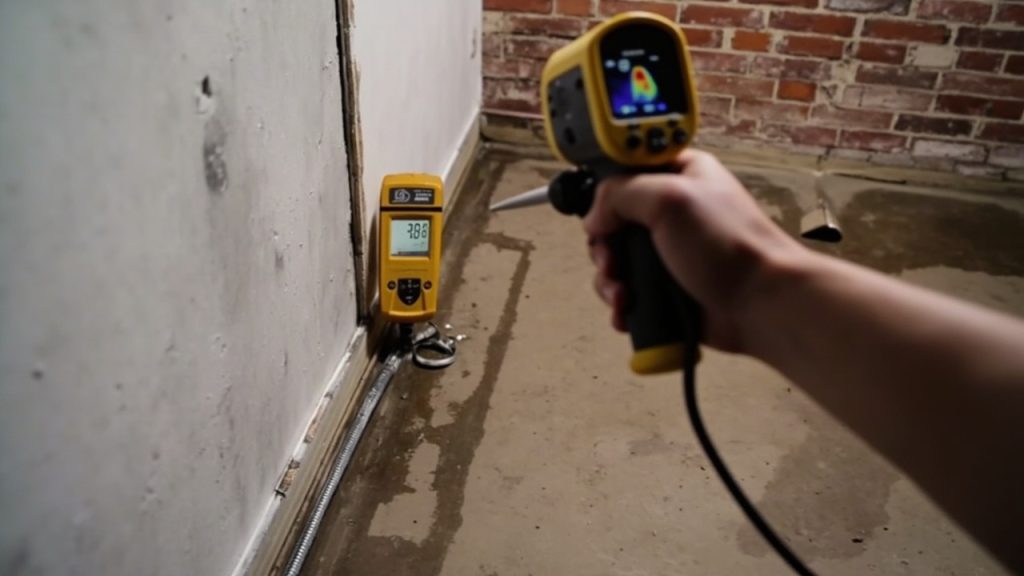
Call a Chicago-based water damage restoration firm with IICRC certification. They document damage with thermal imaging and moisture mapping, tools your insurance adjuster expects to see. Professional documentation strengthens your claim and prevents underpayment.
Understanding Your Chicago Insurance Policy
Not all water damage is covered equally. Your policy language determines what your insurer pays. Chicago homeowners face specific coverage gaps that surprise them during claims.
| Coverage Type | What It Covers | What It Excludes | Chicago-Specific Notes |
|---|---|---|---|
| Sudden Pipe Burst | Water damage from a frozen or ruptured pipe inside your home | Damage from gradual leaks or lack of maintenance | Polar Vortex events trigger freeze-thaw cycles. Your claim covers the burst, yet not mold remediation costs unless it developed within days of the burst |
| Sewage Backup Endorsement (Water Back-up Coverage) | Water backing up through drains, toilets, or foundation cracks from a municipal sewer overflow or private line failure | Sump pump failure is NOT covered unless you have a Sump Pump Discharge rider. Surface water is NOT covered | Chicago’s combined sewer system means heavy rain can overwhelm municipal sewers. This rider is essential if you have a basement in neighborhoods like Logan Square, West Loop, Lincoln Park, Bridgeport, Pilsen, Hyde Park, or Lakeview where aging infrastructure is common |
| Sump Pump Failure Rider | Water damage from sump pump malfunction, power failure, or mechanical breakdown | Normal wear and tear, lack of maintenance, frozen discharge line | Power outages during Chicago storms are frequent. This rider covers damage from pump failure during power loss, yet you must show regular maintenance records to the adjuster |
| Flood Insurance (Separate NFIP Policy) | Surface water flooding from rivers, heavy rain, and storm surge | Internal plumbing failures, sewer backup, or water from above ground flooding into a basement | FEMA determines flood zones. Some Chicago properties near the Chicago River, North Shore, Calumet Harbor, or low-lying areas require this separate policy. Your standard homeowner’s policy never covers flood, regardless of the cause |
| Actual Cash Value (ACV) | Replacement cost minus depreciation for items older than a few years | Full replacement cost of aged or worn items | A 10-year-old carpet is worth pennies under ACV. This is the baseline for most claims unless you have replacement cost coverage |
| Replacement Cost Value (RCV) | Full cost to replace damaged items with new versions, regardless of age | Upgrades beyond the original quality or value of the home | RCV costs more in premiums yet is standard for high-value properties in Lakeview, Lincoln Park, Hyde Park, Kenwood, and Edgewater. It’s the only way to get full value for newer homes |
Call your insurance agent and ask three specific questions. One, does your policy include a sump pump failure rider? Two, do you have sewage backup coverage? Three, what is your deductible for water damage claims? Most Chicago homeowners don’t know the answers, and this gap leads to claim denial.
Why Chicago Basements Leak More Than You Think
Chicago’s soil, climate, and architecture create perfect conditions for basement water intrusion. Understanding why your basement flooded helps you file a stronger claim and prevents the next flood.
Chicago sits on Chicago Blue Clay. This clay has high water retention and swells when saturated. During spring thaw or heavy rain, water pressure builds around your foundation. Water pushes through cracks in your foundation, seeping into your basement even when no active leak is visible.
Your home’s foundation age matters. Historic Chicago Bungalows built before 1920 in neighborhoods like Beverly, Rogers Park, Ravenswood, and Edgewater have limestone foundations without waterproofing membranes. Older two-flats and three-flats in Logan Square, West Loop, Bucktown, and Wicker Park sit on similarly unprotected foundations. Water finds its way through mortar joints.
Spring thaw and Lake Michigan proximity add risk. The water table near Lakeview, North Shore, Kenwood, and Hyde Park can rise within feet of basements. Snow melt from winter storms saturates the soil around your foundation. Chicago averages 38 inches of precipitation annually. Most falls in spring.
Sump pump failures are common because municipal power fails during storms. If your sump pump relies on standard electricity, a power outage leaves you defenseless. Ground water continues entering your basement while the pump sits idle. This is why sump pump failure riders exist.
The City of Chicago’s combined sewer system creates another risk. In older neighborhoods like West Loop, Lincoln Park, Rogers Park, Pilsen, Bridgeport, and Buena Park, stormwater and sewage share the same pipes. Heavy rain overwhelms these pipes. They back up, pushing raw sewage back through your drains and into your basement. This is not gradual seepage. This is catastrophic contamination.
Step-by-Step Documentation for Your Adjuster
Adjusters make decisions based on evidence. More evidence equals higher payouts. Professional restoration companies document damage using tools adjusters recognize and respect.
Room-by-Room Inventory of Loss
Walk through your home with a notebook or voice recorder. Document every damaged item. Include the item name, estimated age, estimated replacement cost, and damage description. Adjusters use this list to calculate your claim value.
For example, instead of writing “living room carpet damaged,” write “living room carpet, 8×12 feet, 6 years old, saturated to 4 inches with clean water, requires full replacement due to mold risk and odor.”
Don’t estimate replacement costs. Look them up online or save receipts if you have them. The adjuster will use Xactimate, a standardized pricing database that Chicago adjusters rely on. Your numbers won’t match exactly, yet professional research shows you took the claim seriously.
Photograph and Video Documentation
Take wide-angle photos of each room showing the water line on walls, wet carpet, soaked drywall, and damaged furniture. Take close-ups of specific items. Photograph the water source if visible (pipe location, crack, pump, etc.). Include photos of the exterior of your home to show the weather or source of infiltration.
Video strengthens your evidence. Walk through each room narrating what you see. Point to the water line. Show damaged items. Open closets and cabinets to show contents. Record the date and time in your video commentary.
Store photos and videos in multiple locations. Upload copies to cloud storage in case your phone is damaged. Email copies to yourself and your adjuster.
Professional Moisture Mapping and Thermal Imaging
Professional restoration companies use moisture meters and thermal imaging cameras to identify water that your eyes cannot see. Water hides behind walls, under flooring, and inside structural cavities. Thermal imaging shows temperature differences that indicate moisture. Moisture mapping documents exact moisture levels in wood, drywall, and insulation.
Adjusters expect professional documentation. When you provide thermal images and moisture readings, your claim appears thorough and credible. When you provide only photos, adjusters question whether you found all the damage. Professional documentation increases payouts by proving hidden damage exists.
Receipts and Proof of Purchase
Collect any receipts for items you purchased but haven’t paid off. Include credit card statements showing purchases. These prove ownership and purchase price. For items you don’t have receipts for, save comparable online prices from retailers. Screenshot them to show market value.
The Claims Process Timeline
| Phase | Timeline | Your Action | What the Adjuster Does |
|---|---|---|---|
| First Notice of Loss (FNOL) | Within 24 hours of discovery | Call your insurer. Report the damage and file a claim. Ask for claim number and adjuster contact info | Opens claim file. Assigns claim number. Schedules adjuster visit |
| Initial Inspection | 3 to 7 days after FNOL | Gather documentation. Take photos. Create inventory. Be home for adjuster appointment | Adjuster visits your home. Photographs damage. Takes moisture readings. Interviews you about the source |
| Scope of Loss Development | 7 to 14 days after inspection | Submit itemized inventory. Provide photos. Submit any contractor estimates | Adjuster calculates claim value using Xactimate. Prepares written scope of loss document |
| Estimate Review and Negotiation | 14 to 30 days after inspection | Review the scope. Ask questions. Submit additional documentation if adjuster missed items. Request clarification on denied items | Adjuster responds to questions. May revise scope if you provide additional evidence. Prepares reserve estimate |
| Claim Settlement | 30 to 60 days after inspection | Accept the estimate or request appraisal. Sign settlement agreement if satisfied | Issues payment. Deducts deductible. Processes final payment after work is completed |
This timeline assumes straightforward claims with clear coverage. Complex claims involving mold, structural damage, or coverage disputes take longer. Claims involving sewage backup or flood may require additional investigation.
Sewage Backup Claims in Chicago
Chicago’s combined sewer system makes sewage backup claims common. Unlike a clean water pipe burst, sewage backup claims involve biohazard contamination. Your insurer treats them differently.
Sewage backup in West Loop and other older neighborhoods happens when municipal sewers overflow during heavy rain. Raw sewage backs up through your drains, toilets, and lowest plumbing fixtures. This is a coverage claim only if you have a sewage backup endorsement on your policy.
Do not attempt to clean sewage yourself. Sewage contains E. coli, hepatitis A, and other pathogens. Professional cleanup requires specialized equipment, EPA-approved disinfectants, and biohazard certification. Your insurance company expects professional remediation documentation.
When filing a sewage backup claim, document the source. Did water back up through your toilet? Did it come through the basement drain? Did it seep through foundation cracks? The location determines whether it’s a municipal system failure (insurable) or a private line failure (may not be insurable if it resulted from lack of maintenance).
Frozen Pipe Claims in Chicago Winters
Polar Vortex events freeze Chicago pipes solid. Pipes burst when water inside expands. Your homeowner’s policy covers the burst and resulting water damage, yet coverage depends on specific language.
Most policies require that you maintained “reasonable heat” in your home. If you turned off the heat during a vacation and pipes froze, your insurer may deny the claim. If you maintained standard heating and a pipe still burst due to extreme cold, coverage applies.
Burst pipes in exposed locations like attics, crawlspaces, and outdoor hose bibs are more difficult to defend. If a burst pipe in your kitchen is defensible, a frozen hose bib outside may not be covered if you failed to drain it before winter.
Document the weather on the date of the burst. Note temperatures and whether extreme cold was forecast. If a polar event caused the burst, your insurer is less likely to deny the claim. If a burst occurred during normal winter temperatures, the adjuster may question whether you maintained adequate heat.
Public Adjusters vs. Restoration Contractors
You have two options when dealing with a complex claim. You can hire a public adjuster or work with a restoration contractor. Understanding the difference prevents mistakes.
A public adjuster works for you, not your insurance company. They charge a percentage of your claim settlement (typically 5% to 10%). Their job is to maximize your payout by negotiating with your insurer. Public adjusters are useful if your claim is large, complex, or you suspect underestimation. They cost money yet can recover amounts that justify their fee.
A restoration contractor manages the cleanup and repair. They document damage, create repair estimates, and perform the work. They get paid by you or your insurer based on the estimate. Restoration contractors are essential because they provide professional documentation your adjuster expects. They are not paid to negotiate. They are paid to fix the problem.
You can hire both. A restoration contractor documents damage and submits that documentation to your adjuster. If the adjuster’s estimate is lower than the restoration contractor’s estimate, you hire a public adjuster to negotiate the difference. This approach maximizes your recovery.
Most Chicago homeowners benefit from hiring a IICRC-certified restoration contractor first. They provide documentation that either satisfies your adjuster or gives you leverage to hire a public adjuster.
Common Reasons Claims Get Denied or Underpaid
Insurance companies deny or underpay claims for specific reasons. Understanding these reasons helps you avoid them.
Lack of immediate mitigation is the leading cause of denial. If you waited days to remove standing water or dry out wet materials, your insurer may deny the claim arguing you failed your duty to mitigate. Action within 24 hours protects your claim.
Lack of documentation is the second leading cause. If you provide only verbal descriptions of damage, adjusters estimate low. Professional photos, videos, and moisture readings justify higher payouts.
Missing coverage endorsements cause underpayment. If you have water damage yet no sewage backup rider, sewage-related damage is denied. If you have a sump pump failure yet no rider covering it, that damage is denied. Verify your coverage before filing.
Slow reporting causes complications. If you wait weeks to file a claim, adjusters question whether water came from the reported date or an earlier unrepaired leak. Report within 24 hours.
Contractor disputes create delays. If your restoration contractor’s estimate is higher than the insurer’s estimate, the insurer may refuse to pay. Hiring a public adjuster resolves these disputes.
Chicago Building Codes and Code Upgrade Coverage
Chicago’s building code requires specific improvements when you repair water-damaged sections of your home. These improvements cost money beyond simple restoration. Some policies cover this. Most don’t.
For example, if sewage backup damages your basement foundation, Chicago Building Code requires a backwater valve installation to prevent future backup. This valve costs several hundred dollars to install. Your insurer’s estimate may not include it. You must argue that the code requires it, and the insurer must pay for compliance.
Sump pump systems must meet Chicago Department of Water Management standards. If your sump pump failed, the replacement system may exceed code requirements. You can request that your insurer cover code upgrades.
Mold remediation in historic homes requires special handling due to lead and asbestos regulations for pre-1978 properties. Testing and containment cost more than standard mold removal. Your estimate must include this extra cost for historic Chicago Bungalows and older two-flats.
Ask your adjuster whether your estimate includes code upgrade costs. If not, request that these be added before you sign the settlement.
What to Expect From Professional Restoration
Once your claim settles, restoration begins. Professional restoration follows specific steps to dry your home and prevent future damage.
Structural drying is the first priority. Technicians remove wet drywall, insulation, and flooring. They place air movers and dehumidifiers throughout your home. These machines run continuously for 7 to 14 days, extracting moisture from wood framing and concrete. Your home smells like stale dampness during this phase. This is normal.
Mold prevention is simultaneous. Technicians apply antimicrobial treatments to wood framing and concrete to prevent mold colonization. This step prevents the mold remediation that costs even more.
Reconstruction follows drying. New drywall, flooring, cabinetry, and fixtures are installed. Your home is rebuilt to its pre-loss condition or better, depending on your settlement and upgrades you choose.
Throughout this process, the restoration company coordinates with your adjuster. If additional damage appears during demolition, the contractor documents it and requests an addendum to your claim. This protects you from paying for unexpected damage.
Getting Started With Your Claim Today
Water damage moves fast. Mold begins growing within 24 to 48 hours. Structural damage accelerates as water sits. Your first phone calls determine whether you recover fully or face long-term problems.
Call your insurance company now if you haven’t already. File your First Notice of Loss. Ask for your adjuster’s name and contact information. Ask about your coverage for water damage, sewage backup, and sump pump failure.
Then call a Chicago-based water damage restoration company with IICRC certification. They document damage using professional equipment. They coordinate with your adjuster. They manage the claims process on your behalf so you don’t have to. This combination of insurer communication and professional documentation delivers the maximum recovery for your claim.
Professional restoration companies in Chicago operate 24/7 because water damage doesn’t wait for business hours. The sooner you call, the sooner documentation begins and the sooner drying starts.
Your claim recovery depends on the decisions you make in the next 24 hours. Take immediate action. Document everything. Hire professionals. The difference between a denied claim and a fully paid claim is preparation and speed.
Call a Chicago water damage restoration company with IICRC certification right now. They answer 24/7. Waiting 4 hours costs thousands in mold damage. Your basement or kitchen doesn’t have time for delays. Professional teams deploy within one hour of your call and begin documentation immediately. This is your best path to a full recovery.
{
“@context”: “https://schema.org”,
“@type”: “BlogPosting”,
“headline”: “Water Damage Insurance Claims in Chicago How to Get Your Full Payout”,
“description”: “Learn how to handle Chicago water damage insurance claims without getting overwhelmed. Step-by-step guide to maximize your payout.”,
“wordCount”: 3207,
“datePublished”: “2026-02-28T09:51:00.000Z”,
“dateModified”: “2026-02-28T09:51:00.000Z”,
“inLanguage”: “en-US”,
“mainEntityOfPage”: {
“@type”: “WebPage”,
“@id”: “https://cornerstonewaterdamagerestorationchicago.com”
},
“publisher”: {
“@type”: “LocalBusiness”,
“name”: “Cornerstone Water Damage Restoration Chicago”,
“url”: “https://cornerstonewaterdamagerestorationchicago.com”
},
“author”: {
“@type”: “Organization”,
“name”: “Cornerstone Water Damage Restoration Chicago”,
“url”: “https://cornerstonewaterdamagerestorationchicago.com”
},
“image”: {
“@type”: “ImageObject”,
“url”: “https://cornerstonewaterdamagerestorationchicago.com/wp-content/uploads/2026/03/how-to-handle-a-chicago-water-damage-insurance-cla-1.jpg”
}
}
{
“@context”: “https://schema.org”,
“@type”: “LocalBusiness”,
“name”: “Cornerstone Water Damage Restoration Chicago”,
“url”: “https://cornerstonewaterdamagerestorationchicago.com”,
“address”: {
“@type”: “PostalAddress”,
“addressLocality”: “Chicago”
},
“areaServed”: {
“@type”: “City”,
“name”: “Chicago”
}
}
{
“@context”: “https://schema.org”,
“@type”: “HowTo”,
“name”: “How to mitigate water damage in the first 24 hours”,
“step”: [
{
“@type”: “HowToStep”,
“position”: 1,
“name”: “Stop the water source”,
“text”: “Turn off the water main if you have a burst pipe. Shut off the sump pump if it’s malfunctioning and causing backup. If a roof is leaking, place buckets under the leak and move furniture away from the path. Do not turn off water if you suspect a sewage backup, as this can trap contaminated water inside your home.”
},
{
“@type”: “HowToStep”,
“position”: 2,
“name”: “Remove standing water safely”,
“text”: “Use a pump or wet vacuum if the water is clean and less than 6 inches deep. If water depth exceeds 6 inches or the water is discolored (indicating sewage or contamination), call a professional immediately. Chicago’s basement architecture means water often sits on concrete and clay soil, accelerating mold growth. Time is critical.”
},
{
“@type”: “HowToStep”,
“position”: 3,
“name”: “Move wet items to dry areas”,
“text”: “Salvage electronics, documents, photographs, and furniture. Place items on newspaper or tarps to prevent secondary damage to unaffected areas. Take photos of everything you move, including the items and their original locations.”
},
{
“@type”: “HowToStep”,
“position”: 4,
“name”: “Open windows and doors for air circulation”,
“text”: “Create cross-ventilation to begin drying. Turn on fans if electricity is safe. Chicago’s humid summers make this step essential. Stagnant moisture accelerates mold colonization within 24 to 48 hours.”
},
{
“@type”: “HowToStep”,
“position”: 5,
“name”: “Document everything with photos and video”,
“text”: “Photograph the water line on walls, damaged materials, soaked carpet, discolored drywall, and the source of the water. Include wide-angle shots and close-ups. Record video as you walk through the damaged area, narrating what you see. Timestamp everything if possible.”
},
{
“@type”: “HowToStep”,
“position”: 6,
“name”: “Create a written timeline”,
“text”: “Note the exact time you discovered the damage, when you discovered the water source, and when you took mitigation steps. Write down the weather conditions if applicable (heavy rain, freezing temperatures, or sewer overflow). This timeline becomes evidence of your immediate response.”
},
{
“@type”: “HowToStep”,
“position”: 7,
“name”: “Call your insurance company within 24 hours”,
“text”: “File a First Notice of Loss (FNOL) even if you’re still assessing damage. Your insurer may require this call within a specific timeframe to maintain coverage. Ask for the claim number, adjuster’s name, phone number, and email. Request the deadline for submitting documentation.”
},
{
“@type”: “HowToStep”,
“position”: 8,
“name”: “Contact a professional restoration company”,
“text”: “Call a Chicago-based water damage restoration firm with IICRC certification. They document damage with thermal imaging and moisture mapping, tools your insurance adjuster expects to see. Professional documentation strengthens your claim and prevents underpayment.”
}
],
“image”: “https://cornerstonewaterdamagerestorationchicago.com/wp-content/uploads/2026/03/how-to-handle-a-chicago-water-damage-insurance-cla-1.jpg”
}
{
“@context”: “https://schema.org”,
“@type”: “BreadcrumbList”,
“itemListElement”: [
{
“@type”: “ListItem”,
“position”: 1,
“name”: “Home”,
“item”: “https://cornerstonewaterdamagerestorationchicago.com”
},
{
“@type”: “ListItem”,
“position”: 2,
“name”: “Blog”,
“item”: “https://cornerstonewaterdamagerestorationchicago.com/blog”
},
{
“@type”: “ListItem”,
“position”: 3,
“name”: “Water Damage Insurance Claims in Chicago How to Get Your Full Payout”
}
]
}
{
“@context”: “https://schema.org”,
“@type”: “Service”,
“serviceType”: “Water Damage Restoration”,
“provider”: {
“@type”: “LocalBusiness”,
“name”: “Cornerstone Water Damage Restoration Chicago”,
“url”: “https://cornerstonewaterdamagerestorationchicago.com”
},
“areaServed”: {
“@type”: “City”,
“name”: “Chicago”
},
“description”: “Learn how to handle Chicago water damage insurance claims without getting overwhelmed. Step-by-step guide to maximize your payout.”
}