
Sump Pump vs. Ejector Pump Failure in Chicago Basements: How to Tell the Difference and What to Do Right Now
Your basement is flooding. Water is rising. You have 60 minutes to figure out what failed before the situation spirals into mold, structural damage, and a nightmare insurance claim. The question you need answered first is not “how much will this cost?” but “is this groundwater or sewage?” The answer changes everything about your next steps.
A sump pump failure and an ejector pump failure look similar from the surface. Both involve water where water should not be. But one is a clearing problem. The other is a biohazard. One involves your homeowner’s policy. The other might fall under a sewage backup rider you forgot you had. One you can mop up. One requires full professional disinfection.
I have spent 15 years responding to basement emergencies across Chicago, from the historic bungalows of Beverly and Rogers Park to the modern condos of the Loop and Lakeview. I’ve also cleaned up the aftermath when homeowners guessed wrong. This guide walks you through the identification process, explains why the distinction matters for your health and your wallet, and gives you the exact steps to take in the first hour.
The Fundamental Mechanical Difference
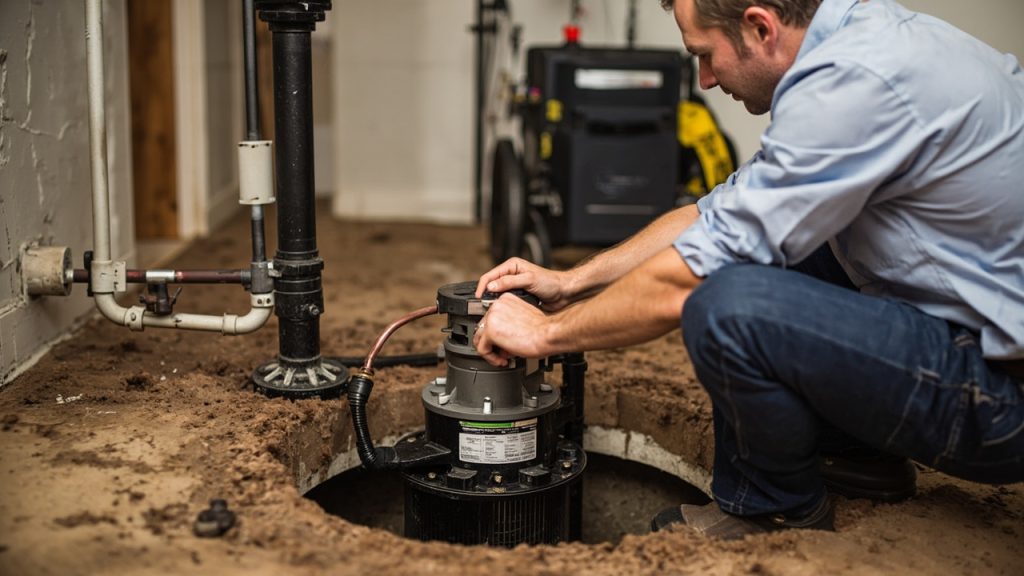
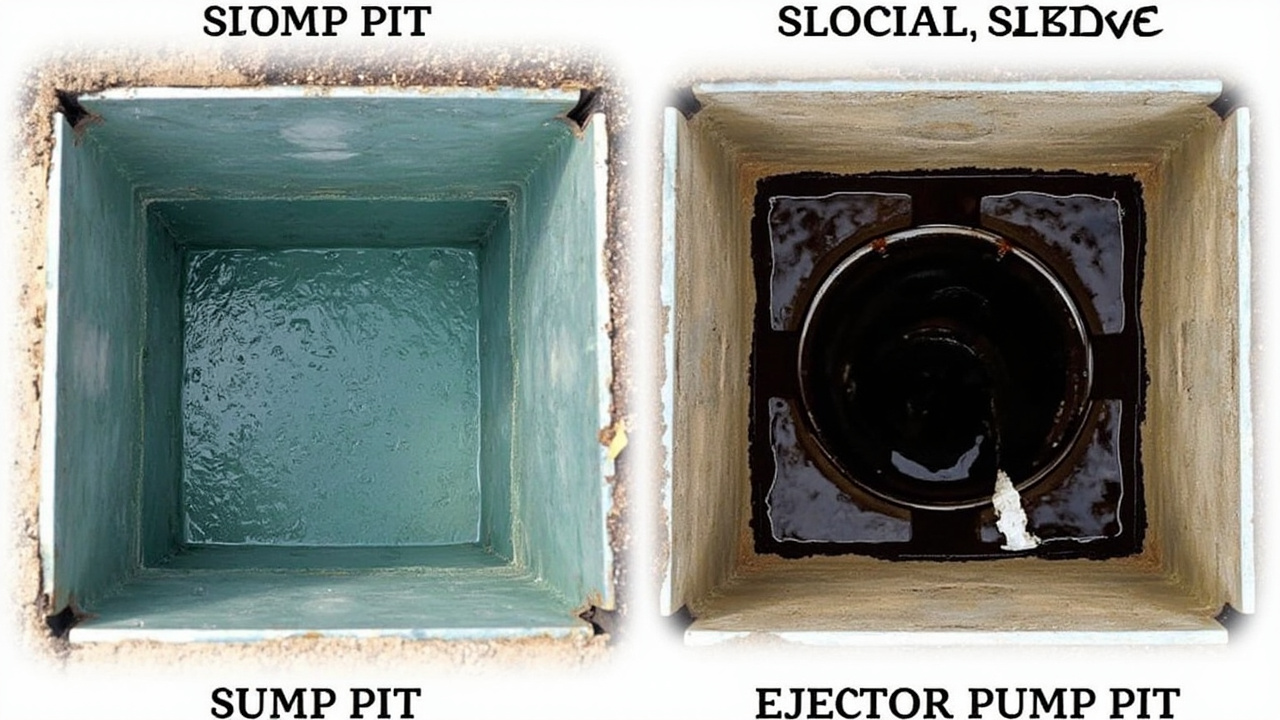
A sump pump sits at the lowest point of your basement, usually in a pit dug below your foundation. It collects groundwater, rainwater, and water seeping through your foundation walls. This water is clean. It comes from the earth around your home. A submersible pump motor inside that pit automatically switches on when water reaches a float switch. The pump pushes that water up and out of your basement through a discharge line that runs to the storm drain, street, or your yard.
An ejector pump does a completely different job. It sits in another basement pit, but this one collects sewage from your primary drain line and your basement fixtures (sinks, toilets, washing machines). This water is black water. It contains human waste, bacteria, viruses, and pathogens. An ejector pump has a grinder inside that breaks down solids. The pump then forces that sewage up through a check valve and into your main sewage line, which flows to the municipal system or septic tank.
The key difference: sump pumps handle water that came from outside. Ejector pumps handle water that came from inside your home’s plumbing system. One is a drainage problem. One is a sewage system problem.

Visual Signs That Tell You What Failed
Before you panic, you can usually identify which pump failed by looking at three things: the location of the water, the smell, and what you see floating in it.
| Identification Factor | Sump Pump Failure | Ejector Pump Failure |
|---|---|---|
| Water Smell | Earthy or no smell. Smells like wet ground. | Foul sewage smell. Unmistakable and offensive. |
| Water Color | Clear to slightly cloudy. Brown if iron-rich. | Dark, discolored, or visible solids. |
| Flooding Location | Spreads evenly across floor. Comes from foundation corners. | May concentrate near floor drain or basement toilet area. |
| Visible Contents | Dirt, sediment, maybe leaves or gravel. | Toilet paper, food waste, or other solids. |
| Basement Fixtures | Toilets and drains work normally. | Toilets back up. Water comes from drains when you run water upstairs. |
If your basement smells like a sewer, and you can see solids in the water, you have an ejector pump failure. Stop moving around barefoot. You are standing in black water contaminated with pathogens. If the water smells earthy or has no smell, and the basement is just wet, you likely have a sump pump failure.
Why the Distinction Matters for Your Health
Water from an ejector pump failure is classified as Category 3 water under the Institute of Inspection Cleaning and Restoration Certification (IICRC) S500 standards. Category 3 water contains fecal matter and microorganisms that cause serious illness. Exposure creates risk for Hepatitis A, E. coli, Norovirus, and Salmonella. You cannot clean this up with a mop and bleach. The contamination goes deeper than the surface. Your finished walls, insulation, drywall, and subflooring all absorb pathogens.
Water from a sump pump failure is typically Category 1. It is clean water or slightly contaminated water. You still need professional extraction and drying because mold forms within 24 to 48 hours, but the health risk is lower.
This is why many Chicago insurance policies separate sump pump failure coverage from sewage backup coverage. One rider covers groundwater intrusion. The other covers sewage system failure. If you ignore the distinction and treat an ejector pump failure as a simple water problem, you could face denial of your claim or insufficient coverage for the remediation required.
How Chicago Climate and Soil Create the Perfect Storm for Both Failures
Chicago sits on clay soil with a high water table, especially near Lake Michigan. When spring thaw hits and heavy rains pound neighborhoods like Lakeview, Lincoln Park, and the West Loop, groundwater pressure against basement walls spikes. Your sump pump runs continuously. If the float switch fails, the pump motor burns out, or the discharge line freezes, water backs up into your basement in hours.
Ejector pump failures follow a different seasonal pattern. They peak in spring and early summer when increased water use and drain usage force the ejector pump to work harder. A grinder blockage, a failed check valve, or a worn motor means sewage has nowhere to go but back into your basement fixtures and floor drains.
Chicago’s combined sewer system also plays a role. In older neighborhoods like Rogers Park and Cicero, the same pipes carry both stormwater and sewage. During heavy rain, the Metropolitan Water Reclamation District activates the Deep Tunnel storage system (TARP) to prevent overflows, but basement backups still happen when local capacity is exceeded. A failed ejector pump combined with a rain event can mean raw sewage flowing into your home.
Common Failure Causes in Chicago Homes
Sump Pump Failures
- Float switch sticks or corrodes and fails to trigger the pump motor.
- Discharge line freezes during Chicago winters, especially in exposed lines running outside the foundation.
- Motor burnout after years of constant operation during wet seasons.
- Power loss during storms knocks out the pump unless a battery backup is installed.
- Check valve failure allows water to drain backward into the pit when the pump stops.
- Pit fills with sediment and debris, causing the motor to seize.
Ejector Pump Failures
- Grinder blade clogs with toilet paper, feminine products, or wipes marketed as “flushable.”
- Check valve sticks or develops a hairline crack, reducing back-pressure and causing backflow.
- Motor overheats from continuous operation during high-usage periods.
- Impeller wears down after five to seven years of grinding solids.
- Discharge line develops a kink or gets blocked by ice or debris.
- Float switch fails, preventing the pump from turning on.
Both pumps suffer in Chicago winter. The Polar Vortex events that hit regularly freeze pipes and kill motors. Many homeowners in Naperville, Bolingbrook, and Aurora report ejector pump failures immediately after intense freeze thaw cycles.
Your Emergency Action Plan for the First Hour
- Stop the Source
Cut power to the failed pump immediately. Flip the breaker. Do not touch electrical equipment or outlets in standing water. If the water level is rising and you cannot safely access the breaker, call 911 and your water damage restoration company simultaneously. Downed power lines or electrical hazards take priority.
- Identify the Water Type
Use the visual cues above. Smell the air. Look at the water color. If you see solids or detect a sewage smell, you are dealing with black water. Stay out of the water. Put on a respirator if you have one. If the water smells earthy, you have a sump pump failure.
- Document Everything
Take photos and video of the flooding, the failed pump, the water damage, and any damaged items before water spreads. Your insurance adjuster will need this. Email copies to yourself and your insurance company immediately. Do not delete these files.
- Call Your Restoration Company and Insurance Company
For a sump pump failure in Chicago, call 24/7 emergency water damage cleanup. For an ejector pump failure, you need professional biohazard remediation. Cornerstone handles both. Do not wait. Water damage accelerates mold growth in 24 to 48 hours. Black water requires immediate extraction and disinfection.
- Shut Off Water Supply if Safe
If the flooding is from a ruptured supply line rather than a pump failure, shut off your main water valve. It is usually in your basement near your foundation or in a meter box outside. Know where yours is before an emergency happens.
- Move Valuables
If water is rising and you have time, move electronics, documents, sentimental items, and medications to a higher level. Do not enter black water without protection.
- Do Not Use Electricity or Appliances
Do not run your HVAC system, furnace, or water heater. Do not plug in dehumidifiers or fans yet. Wait for your restoration team to assess for electrical hazards. One misstep causes electrocution.
Why Professional Remediation Is Not Optional for Ejector Pump Failures
A homeowner who mops up sewage-contaminated water is spreading pathogens across the floor, across mop water, across their hands, and into their respiratory system. Hepatitis A virus survives on surfaces for weeks. E. coli can travel through aerosol droplets during cleanup. These are not just unpleasant smells. They are invisible threats to your family’s health.
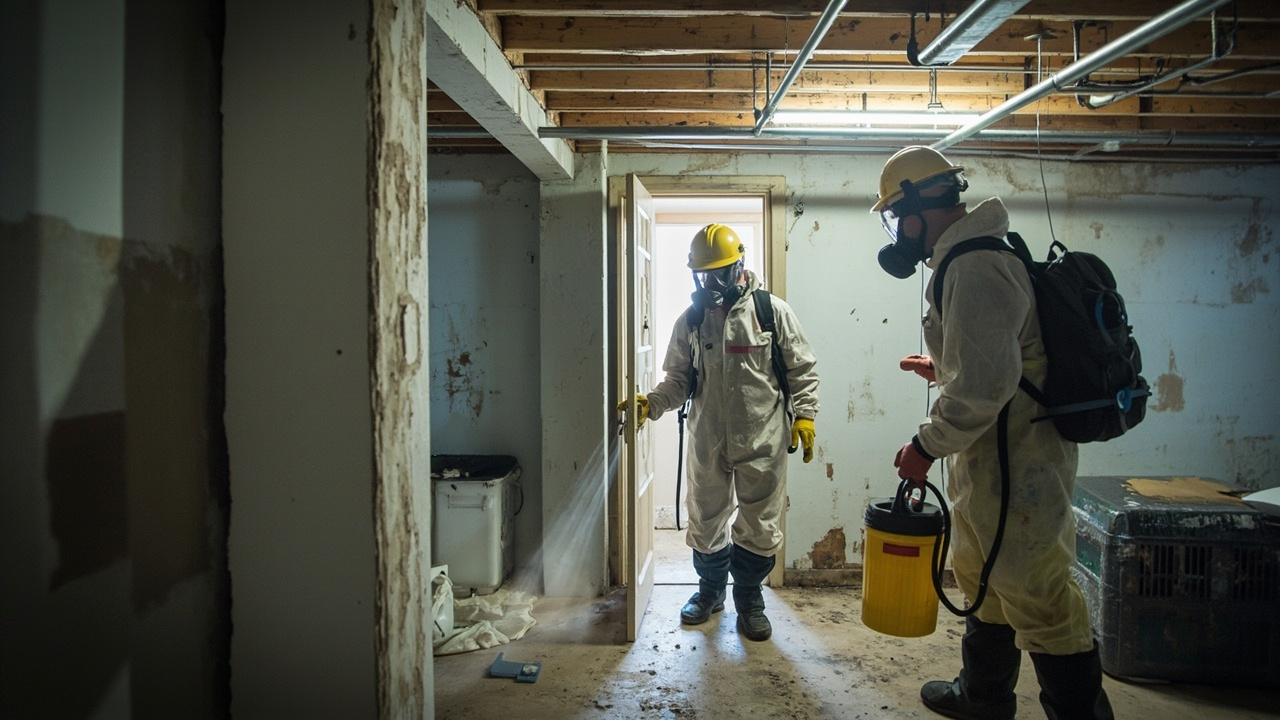
Professional remediation follows IICRC S500 standards. This means certified technicians extract all standing water using truck-mounted extraction equipment, not shop vacs. They remove and dispose of contaminated materials like drywall, insulation, and flooring. They spray all remaining surfaces with EPA-approved disinfectants and allow proper contact time. They document the process for your insurance claim.
The cost of professional biohazard cleanup is higher than water extraction alone, but it is covered under your sewage backup rider. Attempting to clean it yourself voids insurance coverage and exposes your family to illness. Hospitals in Chicago report waterborne pathogen cases every spring after heavy rain and basement backups.
Insurance Coverage Differences Between Pump Types
Standard homeowner’s insurance in Illinois covers water damage from external sources. A sump pump failure that allows groundwater into your home is usually covered under your water damage endorsement, though some policies exclude sump pump failure if the pump was not maintained. You need proof of maintenance records to strengthen your claim.
Sewage backup from an ejector pump failure is typically excluded from your base policy. You must purchase a sewage backup rider. This rider costs thirty to fifty dollars per year but covers the cost of cleaning sewage from your home, yard, and improvements. The coverage limit is usually one thousand to ten thousand dollars, though you can buy higher limits.
Read your policy now. Call your agent. Ask if you have a sewage backup rider. If you don’t, get one. If a failure happens tomorrow and you are uninsured for it, you pay the full remediation cost yourself. In Chicago homes with finished basements, a sewage backup can cost ten thousand to twenty-five thousand dollars to remediate properly.
| Coverage Type | What It Covers | Typical Limit | Cost to Add |
|---|---|---|---|
| Water Damage Endorsement | Sump pump failure, external flooding, burst pipes | Depends on claim limits | Often included in base policy |
| Sewage Backup Rider | Ejector pump failure, main line backup, toilet overflow | One thousand to twenty-five thousand | Thirty to seventy dollars yearly |
| Sump Pump Battery Backup | Backup power for sump pump during power outages | Does not apply to insurance | Maintenance cost only |
Prevention Strategies That Actually Work in Chicago
Once you understand the difference between these failures, prevention becomes clear.
For sump pump protection, install a battery backup system. When power fails during an Illinois storm, your main pump may be offline, but the backup kicks in and runs until power returns or the battery drains. Chicago experiences frequent brownouts during summer thunderstorms and winter ice storms. A battery backup prevents thousands of dollars in water damage when the grid fails for hours.
Test your sump pump monthly by pouring water into the pit. The float switch should trigger the pump to turn on and drain the water. If it does not, call a plumber to service it before heavy rain season hits.
For ejector pump protection, never flush anything but toilet paper and human waste. That means no wipes, no feminine hygiene products, no paper towels, and no diapers. Each one clogs the grinder. Post a sign above the toilet in finished basements like those in Naperville and Bolingbrook where basement bathrooms are common.
Have a licensed plumber inspect your ejector pump annually. They can check the grinder, test the check valve, and ensure the motor is not overheating. Many ejector pump failures announce themselves weeks in advance through gurgling sounds, slow drains, or sewage odors before total failure occurs.
Clear your sump pump discharge line of ice and debris in spring. In Chicago winters, the discharge line freezes. Water backs up into the pit. When spring thaw comes, remove any ice blockage before the pump must work harder. Keep the area around your pit clean and dry.
What Happens After You Call the Professionals
When you contact Cornerstone for either a sump pump or ejector pump failure, our technicians arrive within one to two hours, 24/7. We assess which pump failed and what category of water we are dealing with. For sump pump failures, we extract standing water using truck-mounted equipment, place industrial dehumidifiers and air movers, and begin structural drying of your basement.
For ejector pump failures, we follow biohazard protocols. We remove contaminated materials, apply EPA-approved disinfectants, and document every step for your insurance claim. We also coordinate with a plumber to replace or repair the failed pump and ensure your sanitary drain line is clear.
Throughout Chicago, from flooded basement cleanup in Lakeview to emergency response in Arlington Heights and Wheaton, we handle both pump types. We also manage the secondary damage. Mold begins forming within 24 to 48 hours of water exposure. Our drying process targets mold prevention, not just extraction.
If your basement is finished, we dry framing, flooring, and drywall to prevent collapse and contamination. If your foundation walls absorbed water, we monitor them for hydrostatic pressure and structural failure. Chicago’s clay soil creates significant foundation pressure when wet. We evaluate and recommend basement waterproofing solutions to prevent future flooding.
The Cost Reality and Why It Matters
A sump pump replacement costs three hundred to one thousand dollars, depending on the pump type and your plumber. A failed motor might require only motor replacement, costing less. Extraction and structural drying for a sump pump failure adds two thousand to five thousand dollars to remediation costs, depending on the volume of water and the size of the basement.
An ejector pump replacement costs six hundred to two thousand dollars. Biohazard remediation for sewage backup adds four thousand to eight thousand dollars because it requires disposal of contaminated materials, professional disinfection, and complete structural drying. Total remediation for a significant ejector pump failure reaches ten thousand to fifteen thousand dollars.
These costs are manageable if your insurance covers them. They are catastrophic if you are uninsured. This is why checking your policy now for sewage backup coverage is not optional. One failure, one year, and you face a choice between financial ruin and allowing black water to remain in your home.
Frequently Asked Questions
Can I use my sump pump pit for an ejector pump?
No. Sump pits collect groundwater. Ejector pits must be separate and designed to handle sewage. Mixing the two systems causes the ejector pump to push sewage into your sump pit, backing up into your foundation and yard. If your home has only a sump pit and no ejector pit, your basement fixtures drain into your main line directly. If that main line backs up, sewage enters your basement through toilets and floor drains. You need a separate ejector pit only if you have basement fixtures below your main sewer line.
Is a battery backup worth the investment?
Yes. In Chicago, power outages during storms are common. A battery backup costs one thousand to two thousand dollars installed. A single water damage claim costs five thousand to twenty thousand dollars. The backup pays for itself in one prevented failure. Install one if you have a finished basement or valuable items stored in your basement.
What should I do if water is actively backing up into my basement?
Call us immediately. Do not wait. Every minute the water rises, contamination spreads and mold risk increases. For black water, stay out of the basement. For clear water, move valuables to higher ground if safe, cut power to the basement, and wait for our team. We arrive fast and begin extraction and assessment right away.
How long does structural drying take after a water event?
Three to five weeks for a significant flood in a finished basement. We use moisture meters to track drying progress in walls, flooring, and framing. When moisture levels drop to normal, we stop equipment and conduct final inspection. Mold risk remains high until structural moisture is below thirty percent. Rushing this process creates mold problems later.
Does homeowner’s insurance cover both pump types?
Sump pump failure is usually covered under your water damage endorsement. Ejector pump failure is excluded unless you purchase a sewage backup rider. Check your policy today. If you don’t have the rider, add it. It costs very little and protects you against tens of thousands of dollars in claims.
What is the difference between Category 1, 2, and 3 water?
Category 1 is clean water from supply lines or groundwater. Category 2 is gray water from washing machines or sinks. Category 3 is black water from sewage or contaminated sources. Each category requires different remediation levels. Black water requires full professional biohazard disinfection. Never attempt to clean it yourself.
The Bottom Line
A sump pump failure floods your basement with groundwater. An ejector pump failure floods it with sewage. The distinction determines your health risk, your insurance coverage, and your remediation approach. Identify which one failed by looking at the water, smelling it, and checking what the water contains.
If you see clear or slightly brown water with no sewage smell, you have a sump pump failure. If you see dark discolored water or solids with a foul sewage odor, you have an ejector pump failure. Call a professional immediately. Do not wait. Do not attempt DIY cleanup for black water.
Check your insurance policy now. Make sure you have sewage backup coverage. Install a sump pump battery backup to protect against power outages. Test your pumps monthly. Have them inspected annually.
When failure happens, and it will happen to someone in Chicago this week, you will have the knowledge to respond correctly. You will know the difference. You will understand the health risk. You will call the right professionals. And your family will stay safe while your home is restored.
If you are dealing with a basement flood right now in Chicago, Lakeview, Lincoln Park, Rogers Park, West Loop, or any of our service areas, contact Cornerstone Water Damage Restoration immediately. We respond 24/7. Our certified technicians assess your situation within the first hour and begin extraction and remediation the same day. We handle sump pump failures, ejector pump failures, and all water damage emergencies across the greater Chicago metropolitan area. Call now and let us stop the damage before it spreads.
{
“@context”: “https://schema.org”,
“@type”: “BlogPosting”,
“headline”: “Sump Pump vs. Ejector Pump Failure in Chicago Basements: How to Tell the Difference and What to Do Right Now”,
“description”: “Learn to identify sump vs. ejector pump failure in your Chicago home. Understand health risks, emergency steps, and why professional remediation matters.”,
“wordCount”: 3231,
“datePublished”: “2026-03-16T06:36:00.000Z”,
“dateModified”: “2026-03-16T06:36:00.000Z”,
“inLanguage”: “en-US”,
“mainEntityOfPage”: {
“@type”: “WebPage”,
“@id”: “https://cornerstonewaterdamagerestorationchicago.com”
},
“publisher”: {
“@type”: “LocalBusiness”,
“name”: “Cornerstone Water Damage Restoration Chicago”,
“url”: “https://cornerstonewaterdamagerestorationchicago.com”
},
“author”: {
“@type”: “Organization”,
“name”: “Cornerstone Water Damage Restoration Chicago”,
“url”: “https://cornerstonewaterdamagerestorationchicago.com”
},
“image”: {
“@type”: “ImageObject”,
“url”: “https://cornerstonewaterdamagerestorationchicago.com/wp-content/uploads/2026/03/is-it-a-sump-pump-failure-or-an-ejector-pump-backu-1.jpg”
}
}
{
“@context”: “https://schema.org”,
“@type”: “LocalBusiness”,
“name”: “Cornerstone Water Damage Restoration Chicago”,
“url”: “https://cornerstonewaterdamagerestorationchicago.com”,
“address”: {
“@type”: “PostalAddress”,
“addressLocality”: “Chicago”
},
“areaServed”: {
“@type”: “City”,
“name”: “Chicago”
}
}
{
“@context”: “https://schema.org”,
“@type”: “FAQPage”,
“mainEntity”: [
{
“@type”: “Question”,
“name”: “Can I use my sump pump pit for an ejector pump?”,
“acceptedAnswer”: {
“@type”: “Answer”,
“text”: “No. Sump pits collect groundwater. Ejector pits must be separate and designed to handle sewage. Mixing the two systems causes the ejector pump to push sewage into your sump pit, backing up into your foundation and yard. If your home has only a sump pit and no ejector pit, your basement fixtures drain into your main line directly. If that main line backs up, sewage enters your basement through toilets and floor drains. You need a separate ejector pit only if you have basement fixtures below your main sewer line.”
}
},
{
“@type”: “Question”,
“name”: “Is a battery backup worth the investment?”,
“acceptedAnswer”: {
“@type”: “Answer”,
“text”: “Yes. In Chicago, power outages during storms are common. A battery backup costs one thousand to two thousand dollars installed. A single water damage claim costs five thousand to twenty thousand dollars. The backup pays for itself in one prevented failure. Install one if you have a finished basement or valuable items stored in your basement.”
}
},
{
“@type”: “Question”,
“name”: “What should I do if water is actively backing up into my basement?”,
“acceptedAnswer”: {
“@type”: “Answer”,
“text”: “Call us immediately. Do not wait. Every minute the water rises, contamination spreads and mold risk increases. For black water, stay out of the basement. For clear water, move valuables to higher ground if safe, cut power to the basement, and wait for our team. We arrive fast and begin extraction and assessment right away.”
}
},
{
“@type”: “Question”,
“name”: “How long does structural drying take after a water event?”,
“acceptedAnswer”: {
“@type”: “Answer”,
“text”: “Three to five weeks for a significant flood in a finished basement. We use moisture meters to track drying progress in walls, flooring, and framing. When moisture levels drop to normal, we stop equipment and conduct final inspection. Mold risk remains high until structural moisture is below thirty percent. Rushing this process creates mold problems later.”
}
},
{
“@type”: “Question”,
“name”: “Does homeowner’s insurance cover both pump types?”,
“acceptedAnswer”: {
“@type”: “Answer”,
“text”: “Sump pump failure is usually covered under your water damage endorsement. Ejector pump failure is excluded unless you purchase a sewage backup rider. Check your policy today. If you don’t have the rider, add it. It costs very little and protects you against tens of thousands of dollars in claims.”
}
},
{
“@type”: “Question”,
“name”: “What is the difference between Category 1, 2, and 3 water?”,
“acceptedAnswer”: {
“@type”: “Answer”,
“text”: “Category 1 is clean water from supply lines or groundwater. Category 2 is gray water from washing machines or sinks. Category 3 is black water from sewage or contaminated sources. Each category requires different remediation levels. Black water requires full professional biohazard disinfection. Never attempt to clean it yourself.”
}
}
]
}
{
“@context”: “https://schema.org”,
“@type”: “HowTo”,
“name”: “How to Respond to a Pump Failure in Your Chicago Basement”,
“step”: [
{
“@type”: “HowToStep”,
“position”: 1,
“name”: “Stop the Source”,
“text”: “Cut power to the failed pump immediately. Flip the breaker. Do not touch electrical equipment or outlets in standing water. If the water level is rising and you cannot safely access the breaker, call 911 and your water damage restoration company simultaneously. Downed power lines or electrical hazards take priority.”
},
{
“@type”: “HowToStep”,
“position”: 2,
“name”: “Identify the Water Type”,
“text”: “Use the visual cues above. Smell the air. Look at the water color. If you see solids or detect a sewage smell, you are dealing with black water. Stay out of the water. Put on a respirator if you have one. If the water smells earthy, you have a sump pump failure.”
},
{
“@type”: “HowToStep”,
“position”: 3,
“name”: “Document Everything”,
“text”: “Take photos and video of the flooding, the failed pump, the water damage, and any damaged items before water spreads. Your insurance adjuster will need this. Email copies to yourself and your insurance company immediately. Do not delete these files.”
},
{
“@type”: “HowToStep”,
“position”: 4,
“name”: “Call Your Restoration Company and Insurance Company”,
“text”: “For a sump pump failure in Chicago, call 24/7 emergency water damage cleanup. For an ejector pump failure, you need professional biohazard remediation. Cornerstone handles both. Do not wait. Water damage accelerates mold growth in 24 to 48 hours. Black water requires immediate extraction and disinfection.”
},
{
“@type”: “HowToStep”,
“position”: 5,
“name”: “Shut Off Water Supply if Safe”,
“text”: “If the flooding is from a ruptured supply line rather than a pump failure, shut off your main water valve. It is usually in your basement near your foundation or in a meter box outside. Know where yours is before an emergency happens.”
},
{
“@type”: “HowToStep”,
“position”: 6,
“name”: “Move Valuables”,
“text”: “If water is rising and you have time, move electronics, documents, sentimental items, and medications to a higher level. Do not enter black water without protection.”
},
{
“@type”: “HowToStep”,
“position”: 7,
“name”: “Do Not Use Electricity or Appliances”,
“text”: “Do not run your HVAC system, furnace, or water heater. Do not plug in dehumidifiers or fans yet. Wait for your restoration team to assess for electrical hazards. One misstep causes electrocution.”
}
],
“image”: “https://cornerstonewaterdamagerestorationchicago.com/wp-content/uploads/2026/03/is-it-a-sump-pump-failure-or-an-ejector-pump-backu-1.jpg”
}
{
“@context”: “https://schema.org”,
“@type”: “BreadcrumbList”,
“itemListElement”: [
{
“@type”: “ListItem”,
“position”: 1,
“name”: “Home”,
“item”: “https://cornerstonewaterdamagerestorationchicago.com”
},
{
“@type”: “ListItem”,
“position”: 2,
“name”: “Blog”,
“item”: “https://cornerstonewaterdamagerestorationchicago.com/blog”
},
{
“@type”: “ListItem”,
“position”: 3,
“name”: “Sump Pump vs. Ejector Pump Failure in Chicago Basements: How to Tell the Difference and What to Do Right Now”
}
]
}
{
“@context”: “https://schema.org”,
“@type”: “Service”,
“serviceType”: “Water Damage Restoration”,
“provider”: {
“@type”: “LocalBusiness”,
“name”: “Cornerstone Water Damage Restoration Chicago”,
“url”: “https://cornerstonewaterdamagerestorationchicago.com”
},
“areaServed”: {
“@type”: “City”,
“name”: “Chicago”
},
“description”: “Learn to identify sump vs. ejector pump failure in your Chicago home. Understand health risks, emergency steps, and why professional remediation matters.”
}