
Hegewisch Flood Restoration 24/7 Emergency Water Damage Cleanup for Homes Near the Marshlands
When water enters your basement in Hegewisch, you need a response team that understands the specific challenges your home faces. The proximity to Wolf Lake, the Hegewisch Marsh, and the high water table common to this Far South Side neighborhood creates flooding risks that generic Chicago restoration crews often underestimate. Cornerstone Water Damage Restoration responds to flood emergencies in the 60633 zip code within 30 minutes, with crews trained specifically for the soil conditions, building styles, and drainage failures unique to this area.
Distinctive Flood Risks for Hegewisch Homes
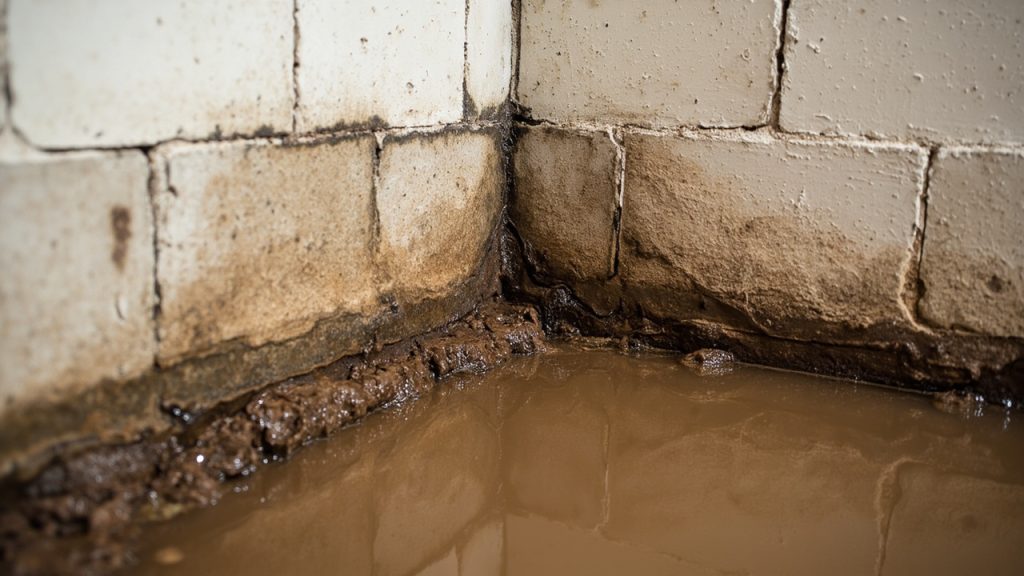
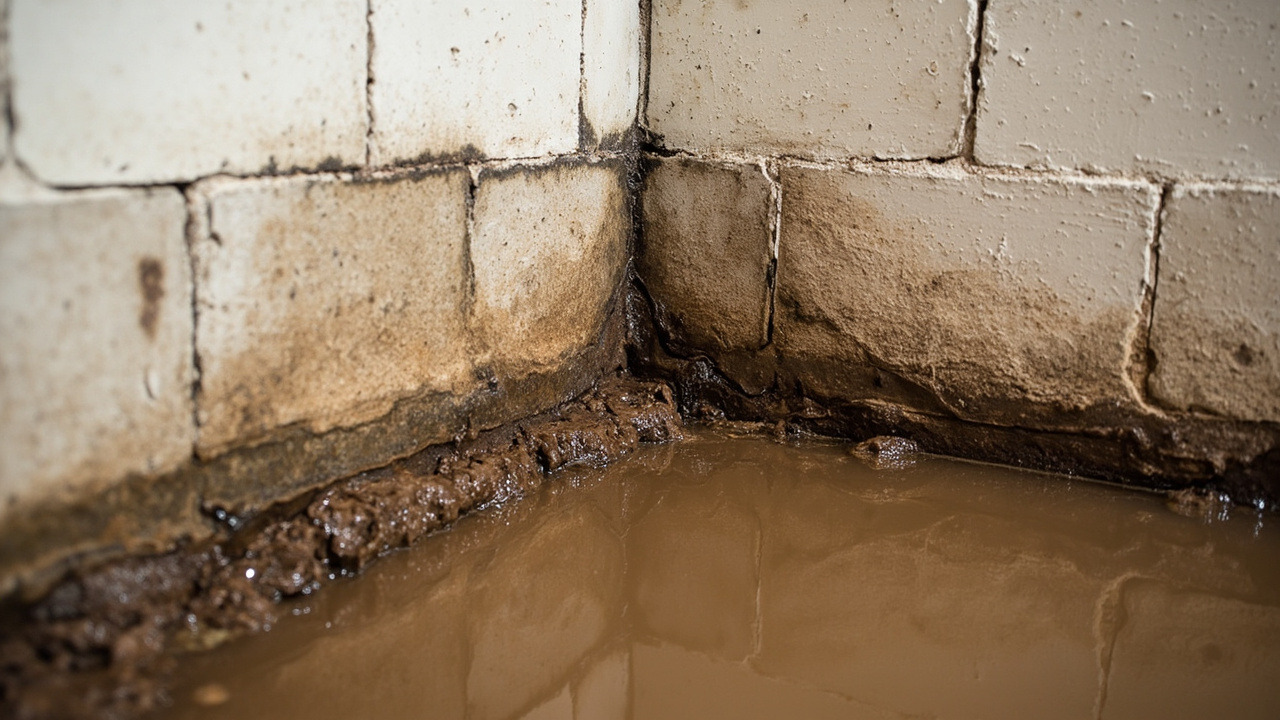
Hegewisch sits on Chicago Blue Clay, a dense soil with poor drainage and high water retention. When spring rains arrive or the Calumet River rises, this clay layer prevents water from dispersing naturally into the ground. Groundwater pools against your foundation wall instead. Your basement acts as a collection point for groundwater that has nowhere else to go.
The proximity to Wolf Lake and the Hegewisch Marsh compounds this problem. These water bodies elevate the local water table, meaning the saturated soil layer sits closer to your foundation than in neighborhoods further north. During wet seasons, the water table can rise within feet of your basement floor. Homes near Wolf Lake Park along the southern shore face particularly acute risk, as the water table here rises to within 8 feet of the surface during spring months.
Most Hegewisch homes built between 1950 and 1980 are raised ranches or post-war bungalows with unfinished basements and limestone or concrete block foundations. These structures lack the modern waterproofing membranes and interior drainage systems found in newer construction. Foundation walls absorb water through mortar joints, and capillary action draws moisture upward through porous masonry.
Three Primary Flood Scenarios in the 60633 Zip Code
Understanding which type of flooding threatens your home determines the correct response strategy. Cornerstone technicians differentiate between three distinct flood patterns in Hegewisch.
Groundwater Flooding from High Water Table
Groundwater seeps through the foundation wall at or below the footing level. You may notice seepage along the walls, dampness on the floor, or water pooling in basement corners. This occurs without any rain event and worsens during wet months. Groundwater flooding develops slowly but persists for days or weeks after the water table recedes. East Side neighborhoods along the Calumet River experience this pattern consistently during spring thaw cycles.
Sump Pump Failure During Heavy Rain
Your sump pump runs continuously during a spring storm but fails to keep pace with incoming water. Pump failure happens due to power loss during storms, mechanical wear, or clogging of the intake screen. In Hegewisch, where municipal storm drains often become overwhelmed, your sump pump must work harder than pumps in neighborhoods with better drainage infrastructure. When the pump fails, water levels in your basin rise rapidly, overflowing into the basement within minutes.
City Sewer Backup During Overflow Events
Heavy rain overwhelms the combined sewer system serving older sections of Hegewisch. Raw sewage backs up through floor drains, toilets, and shower drains. This creates a black water contamination event requiring immediate biohazard cleanup and medical-grade sanitization. Sewer backups in Hegewisch are more common than in neighborhoods served by modern separate storm sewer systems. Residents in subdivisions near the Hegewisch Marsh experience this risk more frequently due to proximity to the main combined sewer trunk lines.
What Cornerstone Does in the First 24 Hours
The timeline following water entry into your basement determines whether damage stays limited to the flooring or spreads to structural elements and building materials. Cornerstone prioritizes speed and the correct sequence of mitigation steps.
- Damage Assessment and Water Classification
The Cornerstone crew arrives with moisture meters, thermal imaging cameras, and water extraction equipment. Technicians determine whether water is clean groundwater (Category 1), gray water from washing machine discharge or toilet overflow (Category 2), or black water containing sewage or outdoor contamination (Category 3). Water classification dictates the cleanup protocol. Black water requires biohazard disposal and medical-grade disinfection. The team removes standing water using truck-mounted extraction units and portable pumps.
- Water Removal and Initial Moisture Control
Extraction typically takes 4 to 8 hours for a flooded basement. Cornerstone uses submersible pumps and wet vacs to move water into sanitary disposal containers. All water enters the municipal sewer system through properly licensed disposal methods. Technicians begin setting up commercial-grade dehumidifiers and high-velocity air movers to start evaporating moisture from flooring, framing, and masonry. This step prevents mold germination and structural deterioration.
- Structural Drying and Moisture Mapping
For 5 to 7 days after water removal, dehumidifiers and air movers run continuously. Cornerstone monitors moisture levels in walls, under flooring, and inside concrete blocks using specialized moisture mapping equipment. In Hegewisch homes with thick foundation walls and poor ventilation, drying takes longer than in homes with open crawl spaces or modern HVAC systems. Humidity must drop below 50 percent to stop mold growth.
- Cleaning and Sanitization
Once dry, all affected materials receive cleaning and antimicrobial treatment. Drywall, insulation, and damaged framing are removed and disposed of. Flooring receives cleaning and disinfection. If black water contamination occurred, crews remove the top 6 inches of flooring and treat all exposed surfaces with hospital-grade disinfectant.
- Restoration and Waterproofing Recommendations
Cornerstone helps you plan repairs and connects you with contractors to restore damaged areas. The team recommends interior or exterior waterproofing solutions based on the flood cause. For groundwater intrusion, interior vapor barriers and sump pump upgrades often prevent recurrence. For sump pump failures, installation of battery backup systems or upgraded pump capacity prevents future events.
Mold Prevention During Hegewisch Flood Recovery
Mold spores germinate when moisture remains in building materials for more than 48 hours. Hegewisch’s humid summers and the porous nature of older foundations create ideal mold-growing conditions. Basement walls support mold colonies within 3 days of water contact if humidity remains above 60 percent.
Cornerstone’s dehumidification approach prevents mold by aggressive moisture removal. The team monitors relative humidity in the basement during the entire drying cycle. For homes with finished basements containing drywall, carpet, or wood framing, mold risk escalates significantly. Professional drying prevents the need for complete material replacement and the expense of remediation treatments.
| Mold Prevention Factor | Timeline | Action Required |
|---|---|---|
| Moisture removal begins | Within 30 minutes of assessment | Pump water, place dehumidifiers |
| Structural drying begins | Completed by 8 hours post-arrival | Air movers and dehumidifiers operating continuously |
| Humidity below 60 percent | Achieved by day 2 to 3 | Prevents active mold germination |
| Humidity below 50 percent | Achieved by day 5 to 7 | Stops all mold growth, allows material replacement |
| Final moisture testing | Day 7 to 10 | Confirms all materials at safe moisture levels |
Insurance Coverage for Flood Damage in Hegewisch
Standard homeowners insurance policies sold in Illinois do not cover flood damage from rising groundwater, swollen rivers, or overwhelmed municipal sewer systems. This is the single most common misunderstanding Cornerstone encounters when speaking with affected homeowners in Hegewisch.
Your homeowners policy covers water damage from a burst pipe inside your home, a roof leak, or an appliance malfunction. It does not cover water that enters through the foundation due to external groundwater pressure or city sewer overflow.
Federal flood insurance through the National Flood Insurance Program provides coverage if your home is in a designated flood zone. Hegewisch zip code 60633 includes areas within FEMA flood zones due to proximity to Wolf Lake and the Calumet River. Many homeowners in these zones are required to carry flood insurance if they have a mortgage through a federally regulated lender. You can review your property’s flood zone designation and risk level using FEMA’s National Flood Hazard Layer mapping tool.
Cornerstone helps you file claims with your flood insurance carrier, documenting damage with photographs, moisture readings, and repair estimates. If you lack flood insurance and face groundwater flooding, Cornerstone offers financing options for restoration work and can recommend sump pump or waterproofing upgrades that reduce future risk.
Common Basement Building Styles in Hegewisch and Their Flood Vulnerabilities
The homes flooding most frequently in Hegewisch share predictable architectural characteristics that Cornerstone has encountered thousands of times on the Far South Side.
| Building Style | Common Era | Primary Flood Weakness | Mitigation Strategy |
|---|---|---|---|
| Post-War Raised Ranch | 1950-1970 | Concrete block foundation with no interior or exterior waterproofing membrane | Interior sump system with battery backup pump or exterior foundation coating |
| Chicago Bungalow | 1920-1945 | Limestone foundation with mortar joints that deteriorate and allow capillary moisture rise | Interior vapor barrier installation and perimeter drain tile system |
| Workers Cottage | 1890-1920 | Stone or brick foundation on shallow footings with clay backfill, settling allows water pooling against wall | Exterior drain tile, foundation underpinning assessment, and interior sump pit |
| Mid-Century Two-Flat | 1945-1960 | Shared foundation systems with limited drainage, unfinished basement increases mold risk | Individual sump pump installation and dehumidification system for tenant protection |
Why Sump Pump Failures Spike During Hegewisch Flooding Events
Most Hegewisch basements rely on a single sump pump to manage groundwater. The pump activates when water level in the sump basin rises, pumping water to the exterior drainage system or municipal storm drain. During heavy rain, the pump runs continuously to handle incoming groundwater flow.
Pump failures occur when the pump capacity cannot match the incoming water volume, the pump motor burns out from continuous operation, or power loss during a storm disables the pump. In neighborhoods like Hegewisch where soil drainage is poor, the incoming water volume during a spring rain event can exceed the capacity of a standard one-third horsepower pump within minutes.
Cornerstone recommends sump pump systems sized for peak flow conditions in the Hegewisch area. A pump rated for 2,000 gallons per hour may be undersized if your foundation drains more than 3,000 gallons per hour during heavy rain. Upgrading to a half-horsepower pump or installing a dual-pump system with automatic switchover ensures the basin stays ahead of incoming water.
Battery backup systems prevent failure during power loss. Hegewisch experiences power outages during major storms due to grid strain and weather damage to overhead lines. A battery backup pump keeps your sump system operating for 24 to 48 hours without electrical power, preventing basement flooding when the main grid fails.
The Deep Tunnel Project and Sewage Overflow in Hegewisch
Chicago’s Deep Tunnel Project, also called the Tunnel and Reservoir Plan (TARP), diverts excess wastewater during heavy rain events away from the treatment plants. During storms exceeding a certain rainfall threshold, combined sewage overflows directly into the Calumet River and local waterways, including the Hegewisch Marsh. For current information about TARP operations and flood risk in your area, visit the Chicago Department of Water Management TARP information page.
For homeowners in Hegewisch, this means the city’s sewer system backs up into your home remains a recurring risk during heavy rain. Older sections of Hegewisch still use combined sewers that carry both stormwater and sanitary waste in the same pipes. When the system becomes overwhelmed, the backup path of least resistance often leads through your home’s floor drain or lowest plumbing fixture.
Installing a sewer backup valve or floor drain plug protects against sewage intrusion. These one-way valves allow sewage to exit your home but prevent it from flowing back in. Cornerstone can inspect your plumbing system and recommend sewer protection options based on your home’s layout and the severity of local sewer backup risk.
Why Professional Water Extraction Matters in Hegewisch
Some homeowners attempt to manage basement flooding with portable wet vacs and fans. In Hegewisch, with clay soil that retains moisture and thick foundation walls that absorb water deeply, DIY extraction leaves behind trapped moisture that leads to mold and structural decay.
Cornerstone’s truck-mounted extraction systems move water much faster than portable equipment. A truck-mounted vacuum removes standing water in one or two hours, while portable wet vacs require multiple emptying cycles and take many hours for the same task. Speed matters because water begins breaking down building materials immediately through capillary action and hydrolysis.
Professional dehumidification equipment removes moisture from the air and from deep within materials. Commercial dehumidifiers process 150 to 200 gallons of moisture per day. After standing water removal, these dehumidifiers run continuously to dry out framing, masonry, and concrete. Your basement’s humidity and temperature are monitored and adjusted throughout the drying cycle to prevent mold germination.
Insurance Claim Assistance from Start to Finish
Many homeowners in Hegewisch hesitate to call their insurance company because they fear high deductibles or denial of coverage. Cornerstone manages the claim conversation on your behalf, explaining what happened, documenting damage, and submitting repair estimates to your carrier.
For water damage covered by your policy (burst pipes, roof leaks, appliance failure), Cornerstone provides the insurance company with professional damage reports and photos. The team obtains multiple repair quotes from licensed contractors so your insurer understands the scope and cost of restoration. This documentation supports your claim and increases the likelihood of full coverage approval.
For flood damage not covered by standard homeowners insurance, Cornerstone explains your flood insurance policy options and the federal NFIP program. If you carry flood insurance, the team helps file that claim and manage the adjudication process.
Why Hegewisch Homes Need Specialized Water Restoration
Restoration crews from neighborhoods with different soil conditions and building codes often misdiagnose Hegewisch flooding problems. A crew trained in Lincoln Park, where modern combined sewer systems drain rapidly and sandy soil allows water infiltration, may recommend solutions that fail in Hegewisch’s clay soil environment.
Cornerstone’s 15 years of experience in Hegewisch and surrounding Southeast Side neighborhoods means we understand the specific combination of factors creating your flood risk. We know which sump pump systems work in this soil type, which waterproofing approaches succeed, and how to dry out the thick foundation walls common in local homes. Our crews regularly serve homes near the Illinois state natural areas and water conservation zones that make this region prone to elevated water tables.
Our crews are IICRC certified in water restoration, mold remediation, and structural drying. We hold Illinois IICRC certifications and maintain general liability and workers compensation insurance. All restoration work follows Chicago Building Code requirements for moisture control, material replacement, and structural integrity. For information about soil conditions and groundwater levels specific to Hegewisch, consult the Illinois Department of Natural Resources Water Table Data.
Frequently Asked Questions
How long does structural drying take in a Hegewisch basement?
For a typical basement with concrete block walls and poured concrete floor, drying takes 5 to 10 days with professional dehumidification. Homes with finished basements containing drywall and carpet take 10 to 14 days. The exact timeline depends on the volume of water removed, the outdoor humidity, and the effectiveness of your HVAC system in circulating dry air through the basement. Cornerstone monitors moisture levels daily and extends drying time if needed.
Does my homeowners insurance cover sewer backup in Hegewisch?
Standard homeowners policies do not cover sewer backup. You must purchase a separate sewer backup endorsement, typically costing $50 to $100 per year. If you lack this coverage and experience sewage in your basement, costs fall entirely on you. Cornerstone recommends sewer backup coverage for all homes in Hegewisch, where combined sewer systems overflow regularly during heavy rain.
Can I prevent basement flooding in a Hegewisch home with high water table?
Complete prevention is not always possible if you live directly above a high water table and clay soil. A proper interior sump system with a correctly sized pump and battery backup reduces flood frequency and minimizes damage when floods occur. Exterior foundation drainage installed during foundation work provides additional protection. Interior waterproofing membranes slow water entry through walls. Combining these approaches reduces but does not eliminate risk in this geography.
What is the cost difference between water extraction and leaving water to evaporate naturally?
Professional extraction costs far less than the damage caused by waiting for natural evaporation. Water left in your basement for one week causes mold, structural decay, and material breakdown that costs thousands to repair. Professional extraction prevents these secondary damages, reducing total restoration cost significantly. In addition, mold remediation, material replacement, and potential health effects create ongoing expense. The initial extraction investment pays for itself many times over.
Should I use my HVAC system to help dry out the basement after flooding?
Running your furnace or air conditioning during basement drying can help circulate air, but only if your HVAC system is designed to serve the basement. Many Hegewisch homes have furnaces in the basement that may be damaged by flood water. Before running HVAC equipment, have Cornerstone inspect it for water damage. Professional dehumidifiers are specifically designed for flood drying and are more effective than HVAC systems alone.
Your Next Step in Hegewisch Flood Recovery
If water currently fills your Hegewisch basement, call Cornerstone Water Damage Restoration at our 24/7 emergency line now. We respond within 30 minutes to the 60633 zip code and surrounding Far South Side neighborhoods including Tinley Park, Orland Park, Cicero, homes near Wolf Lake Park, and East Side neighborhoods along the Calumet River. Our crews arrive with extraction equipment, dehumidifiers, and the specific knowledge of Hegewisch flood conditions that prevents secondary damage and reduces your total recovery cost.
If your basement dried but you want to prevent future flooding, schedule a free assessment with our waterproofing specialist. We evaluate your foundation, soil conditions, sump system, and local water table to recommend the right combination of sump pump upgrades, interior drainage, waterproofing membranes, or exterior foundation work. Our recommendations come from hands-on experience with hundreds of Hegewisch homes.
For insurance questions or claim documentation needs, our office staff can walk you through the process and prepare the materials your insurance company needs to approve your claim. Call Cornerstone Water Damage Restoration at our 24/7 emergency line now to start your recovery.
{
“@context”: “https://schema.org”,
“@type”: “BlogPosting”,
“headline”: “Hegewisch Flood Restoration 24/7 Emergency Water Damage Cleanup for Homes Near the Marshlands”,
“description”: “Cornerstone responds to basement flooding in Hegewisch within 30 minutes. Specialized crews trained in Clay soil, sump pump failures, and sewer backup risks.”,
“wordCount”: 2957,
“datePublished”: “2026-04-11T13:27:00.000Z”,
“dateModified”: “2026-04-11T13:27:00.000Z”,
“inLanguage”: “en-US”,
“mainEntityOfPage”: {
“@type”: “WebPage”,
“@id”: “https://cornerstonewaterdamagerestorationchicago.com”
},
“publisher”: {
“@type”: “LocalBusiness”,
“name”: “Cornerstone Water Damage Restoration Chicago”,
“url”: “https://cornerstonewaterdamagerestorationchicago.com”
},
“author”: {
“@type”: “Organization”,
“name”: “Cornerstone Water Damage Restoration Chicago”,
“url”: “https://cornerstonewaterdamagerestorationchicago.com”
},
“image”: {
“@type”: “ImageObject”,
“url”: “https://cornerstonewaterdamagerestorationchicago.com/wp-content/uploads/2026/03/managing-specific-flooding-risks-for-homes-near-th-1.jpg”
}
}
{
“@context”: “https://schema.org”,
“@type”: “LocalBusiness”,
“name”: “Cornerstone Water Damage Restoration Chicago”,
“url”: “https://cornerstonewaterdamagerestorationchicago.com”,
“address”: {
“@type”: “PostalAddress”,
“addressLocality”: “Chicago”
},
“areaServed”: {
“@type”: “City”,
“name”: “Chicago”
}
}
{
“@context”: “https://schema.org”,
“@type”: “FAQPage”,
“mainEntity”: [
{
“@type”: “Question”,
“name”: “How long does structural drying take in a Hegewisch basement?”,
“acceptedAnswer”: {
“@type”: “Answer”,
“text”: “For a typical basement with concrete block walls and poured concrete floor, drying takes 5 to 10 days with professional dehumidification. Homes with finished basements containing drywall and carpet take 10 to 14 days. The exact timeline depends on the volume of water removed, the outdoor humidity, and the effectiveness of your HVAC system in circulating dry air through the basement. Cornerstone monitors moisture levels daily and extends drying time if needed.”
}
},
{
“@type”: “Question”,
“name”: “Does my homeowners insurance cover sewer backup in Hegewisch?”,
“acceptedAnswer”: {
“@type”: “Answer”,
“text”: “Standard homeowners policies do not cover sewer backup. You must purchase a separate sewer backup endorsement, typically costing $50 to $100 per year. If you lack this coverage and experience sewage in your basement, costs fall entirely on you. Cornerstone recommends sewer backup coverage for all homes in Hegewisch, where combined sewer systems overflow regularly during heavy rain.”
}
},
{
“@type”: “Question”,
“name”: “Can I prevent basement flooding in a Hegewisch home with high water table?”,
“acceptedAnswer”: {
“@type”: “Answer”,
“text”: “Complete prevention is not always possible if you live directly above a high water table and clay soil. A proper interior sump system with a correctly sized pump and battery backup reduces flood frequency and minimizes damage when floods occur. Exterior foundation drainage installed during foundation work provides additional protection. Interior waterproofing membranes slow water entry through walls. Combining these approaches reduces but does not eliminate risk in this geography.”
}
},
{
“@type”: “Question”,
“name”: “What is the cost difference between water extraction and leaving water to evaporate naturally?”,
“acceptedAnswer”: {
“@type”: “Answer”,
“text”: “Professional extraction costs far less than the damage caused by waiting for natural evaporation. Water left in your basement for one week causes mold, structural decay, and material breakdown that costs thousands to repair. Professional extraction prevents these secondary damages, reducing total restoration cost significantly. In addition, mold remediation, material replacement, and potential health effects create ongoing expense. The initial extraction investment pays for itself many times over.”
}
},
{
“@type”: “Question”,
“name”: “Should I use my HVAC system to help dry out the basement after flooding?”,
“acceptedAnswer”: {
“@type”: “Answer”,
“text”: “Running your furnace or air conditioning during basement drying can help circulate air, but only if your HVAC system is designed to serve the basement. Many Hegewisch homes have furnaces in the basement that may be damaged by flood water. Before running HVAC equipment, have Cornerstone inspect it for water damage. Professional dehumidifiers are specifically designed for flood drying and are more effective than HVAC systems alone.”
}
}
]
}
{
“@context”: “https://schema.org”,
“@type”: “HowTo”,
“name”: “How to Respond to Basement Flooding in Hegewisch”,
“step”: [
{
“@type”: “HowToStep”,
“position”: 1,
“name”: “Damage Assessment and Water Classification”,
“text”: “The Cornerstone crew arrives with moisture meters, thermal imaging cameras, and water extraction equipment. Technicians determine whether water is clean groundwater (Category 1), gray water from washing machine discharge or toilet overflow (Category 2), or black water containing sewage or outdoor contamination (Category 3). Water classification dictates the cleanup protocol. Black water requires biohazard disposal and medical-grade disinfection. The team removes standing water using truck-mounted extraction units and portable pumps.”
},
{
“@type”: “HowToStep”,
“position”: 2,
“name”: “Water Removal and Initial Moisture Control”,
“text”: “Extraction typically takes 4 to 8 hours for a flooded basement. Cornerstone uses submersible pumps and wet vacs to move water into sanitary disposal containers. All water enters the municipal sewer system through properly licensed disposal methods. Technicians begin setting up commercial-grade dehumidifiers and high-velocity air movers to start evaporating moisture from flooring, framing, and masonry. This step prevents mold germination and structural deterioration.”
},
{
“@type”: “HowToStep”,
“position”: 3,
“name”: “Structural Drying and Moisture Mapping”,
“text”: “For 5 to 7 days after water removal, dehumidifiers and air movers run continuously. Cornerstone monitors moisture levels in walls, under flooring, and inside concrete blocks using specialized moisture mapping equipment. In Hegewisch homes with thick foundation walls and poor ventilation, drying takes longer than in homes with open crawl spaces or modern HVAC systems. Humidity must drop below 50 percent to stop mold growth.”
},
{
“@type”: “HowToStep”,
“position”: 4,
“name”: “Cleaning and Sanitization”,
“text”: “Once dry, all affected materials receive cleaning and antimicrobial treatment. Drywall, insulation, and damaged framing are removed and disposed of. Flooring receives cleaning and disinfection. If black water contamination occurred, crews remove the top 6 inches of flooring and treat all exposed surfaces with hospital-grade disinfectant.”
},
{
“@type”: “HowToStep”,
“position”: 5,
“name”: “Restoration and Waterproofing Recommendations”,
“text”: “Cornerstone helps you plan repairs and connects you with contractors to restore damaged areas. The team recommends interior or exterior waterproofing solutions based on the flood cause. For groundwater intrusion, interior vapor barriers and sump pump upgrades often prevent recurrence. For sump pump failures, installation of battery backup systems or upgraded pump capacity prevents future events.”
}
],
“image”: “https://cornerstonewaterdamagerestorationchicago.com/wp-content/uploads/2026/03/managing-specific-flooding-risks-for-homes-near-th-1.jpg”
}
{
“@context”: “https://schema.org”,
“@type”: “BreadcrumbList”,
“itemListElement”: [
{
“@type”: “ListItem”,
“position”: 1,
“name”: “Home”,
“item”: “https://cornerstonewaterdamagerestorationchicago.com”
},
{
“@type”: “ListItem”,
“position”: 2,
“name”: “Blog”,
“item”: “https://cornerstonewaterdamagerestorationchicago.com/blog”
},
{
“@type”: “ListItem”,
“position”: 3,
“name”: “Hegewisch Flood Restoration 24/7 Emergency Water Damage Cleanup for Homes Near the Marshlands”
}
]
}
{
“@context”: “https://schema.org”,
“@type”: “Service”,
“serviceType”: “Water Damage Restoration”,
“provider”: {
“@type”: “LocalBusiness”,
“name”: “Cornerstone Water Damage Restoration Chicago”,
“url”: “https://cornerstonewaterdamagerestorationchicago.com”
},
“areaServed”: {
“@type”: “City”,
“name”: “Chicago”
},
“description”: “Cornerstone responds to basement flooding in Hegewisch within 30 minutes. Specialized crews trained in Clay soil, sump pump failures, and sewer backup risks.”
}