
Accidental Fire Sprinkler Discharge Cleanup in Chicago
A fire sprinkler head discharges without warning. Water pours from the ceiling. Your West Town loft, Lincoln Park office, or Lakeview condo fills with water faster than you can grab towels. The panic sets in, but your first 15 minutes determine whether this becomes a contained incident or a structural disaster.
Accidental fire sprinkler discharge ranks among the most misunderstood water events in Chicago buildings. Property managers and homeowners often treat it like a simple cleanup when the reality involves contaminated water, system resets that comply with Cook County code, and structural drying that prevents mold growth and corrosion damage that shows up months later.
This guide walks you through what happens when a sprinkler fires, what you do right now, and how professional restoration teams handle the process of drying high-rises and older loft buildings common throughout Chicago.
What to Do in the First 15 Minutes
Stop the water immediately. Your building’s main sprinkler control valve or zone valve sits in a riser room, mechanical room, or basement. Every commercial building in Chicago has one. Many residential buildings and converted lofts do too.
- Locate the riser room or zone valve
Ask building management, check your lease, or look in the basement or mechanical spaces. The valve is usually a large wheel or ball handle on the main water line feeding the sprinkler system. It sits upstream from the heads.
- Turn the valve clockwise to close it
A ball valve (looks like a lever) rotates 90 degrees to shut. A gate valve (looks like a wheel) turns multiple times. Do not force it. If it is stuck, stop and call a professional.
- Alert building management or your landlord immediately
They need to know about the discharge, inspect for damage, and contact the fire alarm company for system inspection and reset.
- Document the damage with photos and video
Capture the water, affected areas, and any damaged contents. This supports insurance claims later.
- Call a water restoration team
Do not wait for the insurance adjuster. Water soaks drywall, insulation, and structural cavities in minutes. Mold colonization begins within 24 to 48 hours in Chicago’s humid environment.
While you handle these steps, turn off electricity to affected areas if it is safe to do so. Sprinkler water reaches electronics, server equipment, and electrical panels. Do not touch wet electrical equipment.
The Problem With Sprinkler Water in Chicago Buildings
Many people assume sprinkler water is clean because it comes from the building’s water supply. That assumption costs property owners significant money in rust, corrosion, and secondary damage.
Sprinkler piping in Chicago buildings, especially older structures in Logan Square, Hyde Park, and River North, contains mineral deposits and bacterial biofilm. Iron pipes corrode from the inside out. Stagnant water sits in pipes for weeks or months between inspections. Microorganism growth creates a sludgy, oily residue called microbial-influenced corrosion or MIC.
When a head discharges, this contaminated water floods your space. The water looks clear but carries iron particles, bacteria, and corrosion byproducts. This black water residue stains hardwood floors, destroys fabric, and leaves a permanent smell if you do not properly extract and treat it.
Chicago’s climate accelerates the problem. High humidity in summer months and the moisture that creeps in during spring rains create ideal conditions for mold growth on wet surfaces. A sprinkler discharge in July creates mold risk within two days if the area remains wet.
Water Extraction and the First 24 Hours
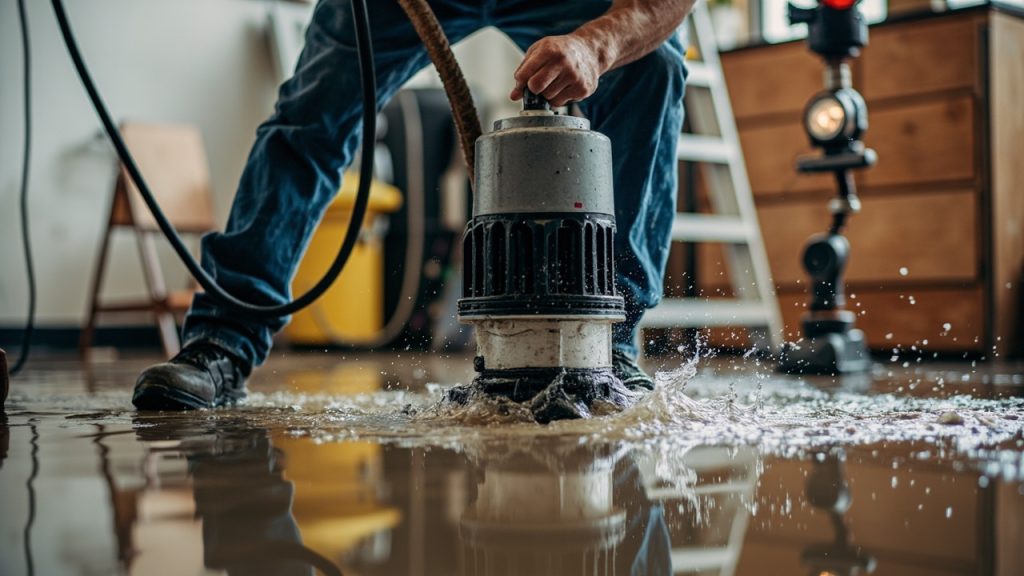
Professional restoration teams arrive with industrial water extractors. A standard submersible pump removes standing water at significant rates. In high-rise buildings, technicians stage equipment through elevators and hallways, manage water flow to prevent damage to adjacent units, and coordinate with building management on drainage.
West Town lofts with exposed beams and high ceilings pose extraction challenges. Water pools in corners and against walls. Air movers push water toward extraction points. Technicians use moisture probes to identify hidden pockets of water inside walls and under flooring.
| Extraction Phase | Timeline | Key Actions |
| Immediate response | 0 to 4 hours | Water pump setup, power management, drainage containment |
| Standing water removal | 4 to 24 hours | Submersible pump operation, moisture probe scanning, water testing |
| Surface drying begins | 24 to 48 hours | Air mover placement, dehumidifier setup, moisture mapping |
| Structural cavity drying | 48 hours to 7 days | LGR dehumidification, thermal imaging tracking, hourly moisture checks |
You need to remove the bulk of standing water within the first 24 hours. This minimizes mold risk and reduces secondary damage to flooring and structure. In Chicago’s variable spring and fall weather, timing matters. A warm, dry week accelerates drying. A humid week with poor ventilation slows the process.
Industrial Dehumidification and Psychrometric Drying
Once standing water is gone, the real drying work begins. Sprinkler discharge saturates drywall, insulation, and wood framing. These materials hold moisture for weeks if you leave them to air dry naturally.
Restoration teams deploy large refrigerant dehumidifiers or LGR (low grain refrigerant) units that remove moisture from the air and building structure. An LGR unit in a 2,000 square foot space removes significant pounds of water per day. Multiple units work together to drop humidity levels from 95 percent (saturated) to 50 percent (dry).
Psychrometry is the science of water vapor in air. A psychrometric chart tells technicians the exact conditions needed to dry materials based on temperature, humidity, and air movement. In Chicago winter, heating the space slightly increases the air’s capacity to hold moisture. Dehumidifiers pull that moisture out. In summer, managing humidity means you run air conditioning alongside dehumidifiers.
Moisture probes embedded in walls measure moisture content hourly. When readings drop below acceptable thresholds for wood and drywall, the structure approaches dryness. This takes 5 to 7 days for typical sprinkler discharges. Complex jobs in high-rises or spaces with deep wall cavities extend to 10 to 14 days.
Chicago Building Code and Fire Marshal Requirements
A fire sprinkler discharge is not simply a water cleanup. Chicago Building Code Chapter 15-16 and NFPA 25 standards govern fire suppression system inspections and resets. A licensed fire protection company must inspect and test the discharged system before it returns to service.
The Chicago Fire Department requires a compliance report showing the system is functional. Building management files a form with the Department of Buildings. In commercial spaces, particularly downtown Loop buildings and high-rises in River North, you must complete this inspection within 72 hours of discharge.
Residential buildings and converted lofts follow the same code. A discharge in a West Town loft or Lakeview condo triggers the same inspection requirement. Property managers often delay this step, thinking water cleanup comes first. Code violation citations and insurance claim complications follow when you skip inspections.
Restoration teams coordinate with fire protection companies. The fire company inspects the sprinkler head and piping. The restoration company addresses water damage and structural drying. Both parties communicate findings to building management and insurance adjusters.
Addressing Contamination and Secondary Damage
Sprinkler water contains particulates and minerals that require more than extraction and dehumidification. You need to clean affected contents or dispose of them. Hard surfaces like tile, concrete, and steel beam need cleaning with antimicrobial solutions. Soft contents like furniture, rugs, and drapery require evaluation for salvage or removal.
Drywall exposed to sprinkler water often requires removal. Modern restoration standards demand that you cut out wet drywall and replace it rather than dry it in place. This removes contaminated material and eliminates mold risk. In Chicago lofts with exposed brick and timber framing, selective removal preserves architectural character while eliminating damage.
HEPA air scrubbers run continuously during cleanup and drying. These units capture airborne particles and spores, preventing mold colonization before it starts. The scrubber filters trap dust, drywall particles, and any mold spores present in the air.
Post-cleanup moisture monitoring continues for 10 to 14 days even after you remove drying equipment. Moisture can migrate from deeper structural cavities toward the surface, creating new pockets of moisture. Weekly check-ins with moisture probes confirm the space stays dry.
Insurance Claims for Accidental Sprinkler Discharge
Property insurance covers accidental sprinkler discharge differently than burst pipes or storm damage. Homeowner and commercial policies typically include coverage for sprinkler discharge as long as the discharge was unintentional and resulted from a mechanical failure, not a system activation during actual fire.
The distinction matters for claims. A head that discharged due to manufacturing defect or freeze damage gets covered. A head that activated because of smoke from a cooking fire in a nearby unit may be excluded depending on your policy language. Read your policy or ask your agent about this specific coverage.
Water damage insurance claims in Chicago require documentation, timeline, and professional assessment. Restoration companies provide detailed scope reports that outline damage, drying costs, and replacement materials. Insurance adjusters use this report to calculate the payout.
Commercial property managers dealing with multi-unit buildings face additional complexity. Damage to one unit may trigger liability claims from tenants. Damage to common areas like hallways or mechanical rooms falls under building insurance. Hiring the right restoration crew matters because their scope documentation becomes the foundation of insurance negotiation.
Mold Prevention and Long-Term Drying
Mold growth begins within 24 to 48 hours of water exposure in Chicago’s climate. Sprinkler discharge creates ideal mold conditions. The water is nutrient-rich. Temperatures in residential and commercial spaces hover between 68 and 75 degrees year-round. Humidity spikes as wet materials release moisture into the air.
Seven critical signs of mold after water damage include visible growth, musty odors, allergy symptoms, and discoloration on structural materials. A sprinkler discharge missed by quick cleanup often leads to hidden mold in wall cavities and under flooring discovered weeks later.
Mold testing after sprinkler discharge provides baseline data. Air samples and swab samples identify if mold spores are present before drying begins. Post-drying testing confirms mold remediation was successful. This documentation supports insurance claims and protects future property sales or tenant leasing.
| Drying Phase | Moisture Target | Mold Risk | Timeline to Target |
| Extraction complete | Below 90 percent humidity | Active mold growth ongoing | 24 to 48 hours |
| Dehumidification active | Below 60 percent humidity | Mold growth slowed or stopped | 3 to 5 days |
| Structural dry | Below 17 percent wood moisture | Mold risk minimal if no organic material present | 7 to 14 days |
| Post-drying monitoring | Stable moisture levels | Mold risk eliminated with proper remediation | 10 to 14 days |
Chicago’s seasonal changes affect mold risk. Summer humidity accelerates mold growth. Spring rains create moisture spikes. Winter freezing can slow drying if you do not manage heating properly. Professional teams adjust drying strategies based on season and weather patterns.
High-Rise and Multi-Unit Building Logistics
Downtown Chicago, River North, and Lakeview high-rises present unique restoration challenges. A sprinkler discharge on the 30th floor requires coordination with building engineering, elevator reservations, water management through multiple floors, and minimal disruption to adjacent units.
Extraction equipment stages through freight elevators. Dehumidifiers and air movers deploy to the affected floor. Hoses run to mechanical spaces or roofs for drainage. Technicians prevent water from entering adjacent units by sealing doors and managing flow paths.
Building engineers provide access to riser rooms, control valves, and drainage systems. In tight spaces like West Town lofts converted from industrial buildings, equipment placement requires creative setup. Technicians work around exposed ductwork, beams, and architectural features.
Multi-unit discharges in three-flats or six-unit buildings require separate containment and drying for each unit. Water seeping between floors demands structural evaluation. Subfloor damage assessment guides decisions on flooring replacement versus repair.
Pipe Corrosion and Long-Term System Integrity
After water extraction and structural drying, microscopic damage continues inside sprinkler piping. The discharge exposes internal pipe surfaces to air and minerals. Corrosion accelerates. Within weeks, rust particles accumulate inside the pipes.
Microbial-influenced corrosion or MIC develops when bacteria colonize inside pipes and create acid as a byproduct. This acid pits and weakens the pipe wall. A pipe that looked fine now weeps or ruptures months later.
The fire protection company conducting the mandatory system inspection addresses pipe corrosion. Their report recommends flushing, chemical treatment, or pipe replacement depending on findings. Building management funds these repairs through maintenance budgets or insurance settlements.
Chicago’s older buildings with cast iron or unlined steel sprinkler piping face the worst corrosion risk. Newer buildings with copper or stainless steel piping resist corrosion better. Regardless of material, post-discharge pipe treatment is essential.
Recovery Timeline and Business Continuity
A typical accidental sprinkler discharge in a 1,500 square foot loft takes 7 to 10 days to return to normal occupancy. This includes extraction, dehumidification, content cleaning or disposal, minor repairs, and post-drying verification.
Complex jobs involving drywall removal, flooring replacement, or multi-unit damage extend 14 to 21 days. Commercial spaces with equipment, data, or inventory damage may require additional recovery steps beyond water damage restoration.
Building management should establish a communication plan with tenants. Daily updates on restoration progress reduce tenant anxiety and prevent rumors. Clear occupancy timelines guide moving and relocation decisions.
Commercial tenants require explicit notice of when their space returns to service. Insurance documentation, fire system certification, and final cleaning must complete before occupancy resumes. Delayed occupancy creates liability exposure for the building owner.
Why DIY Drying Fails and When to Call Professionals
Opening windows and running fans is not enough after sprinkler discharge. Chicago weather makes natural drying unpredictable. Spring humidity, summer heat, or fall rain work against drying efforts. Fan-only drying takes excessive time and guarantees mold growth.
Professional drying removes water in hours, not days. Industrial equipment achieves moisture targets in a fraction of the time. Hourly monitoring catches moisture migration before mold starts. Insurance companies mandate professional water removal for claims over moderate damage amounts.
Professional help is essential when water damage affects structural materials, reaches multiple rooms, or threatens electronics and valuable contents. Sprinkler discharge almost always meets these criteria.
Frequently Asked Questions
How much water comes out of a single sprinkler head?
A standard commercial sprinkler head discharges at a significant rate depending on pressure and design. A 20 minute discharge dumps a large volume into your space. That saturates drywall, insulation, flooring, and structural cavities thoroughly.
Is sprinkler water toxic?
Sprinkler water from building supplies is not inherently toxic, yet it carries iron particles, bacterial biofilm, and mineral residue that create sludge and discoloration. This contaminated water stains materials and leaves odors. Treat all sprinkler discharge as contaminated water requiring professional extraction and cleaning.
How long until mold appears after sprinkler discharge?
Mold colonization begins within 24 to 48 hours in Chicago’s humid climate. Professional drying prevents this timeline by removing moisture before mold establishes. DIY drying that relies on fans and open windows fails to prevent mold in the vast majority of cases.
Does homeowner insurance cover accidental sprinkler discharge?
Most homeowner and commercial property insurance policies cover accidental sprinkler discharge as a water damage claim. Check your policy for specific exclusions. Some carriers limit coverage if the building was unoccupied or if the system had known defects.
What if the sprinkler discharge damaged my neighbor’s unit?
Your building’s liability insurance typically covers water damage to adjacent units caused by your sprinkler system or equipment. Building management files a claim with the insurance carrier. Adjacent tenants claim damage through building insurance rather than personal policies. Complex multi-unit discharge cases often involve disputes between carriers.
How do I reset my building’s sprinkler system after discharge?
Only a licensed fire protection company can reset the system. Chicago code requires professional inspection and testing before the system returns to service. Building management contacts the fire company, pays for the inspection, and submits the compliance report to the Department of Buildings. Attempting a DIY reset violates code and voids insurance coverage.
Next Steps After Accidental Sprinkler Discharge
When a fire sprinkler discharges in your West Town loft, Lakeview condo, Logan Square office, or anywhere in the Chicago area, the window for damage control closes fast. Standing water and high humidity create mold risk within hours.
Call a professional water restoration team within the first 2 to 4 hours of discharge. Do not wait for an insurance adjuster. Do not assume fans and open windows will work. You must start industrial water extraction and dehumidification immediately.
Cornerstone Water Damage Restoration serves Chicago 24 hours a day, 7 days a week. We arrive on-site within 60 minutes in most cases. Our team handles extraction, drying, code compliance, and direct insurance communication. You focus on safety and occupancy. We handle the restoration.
Call now for immediate dispatch and expert guidance through the recovery process. Your first call makes the difference between contained damage and structural loss.
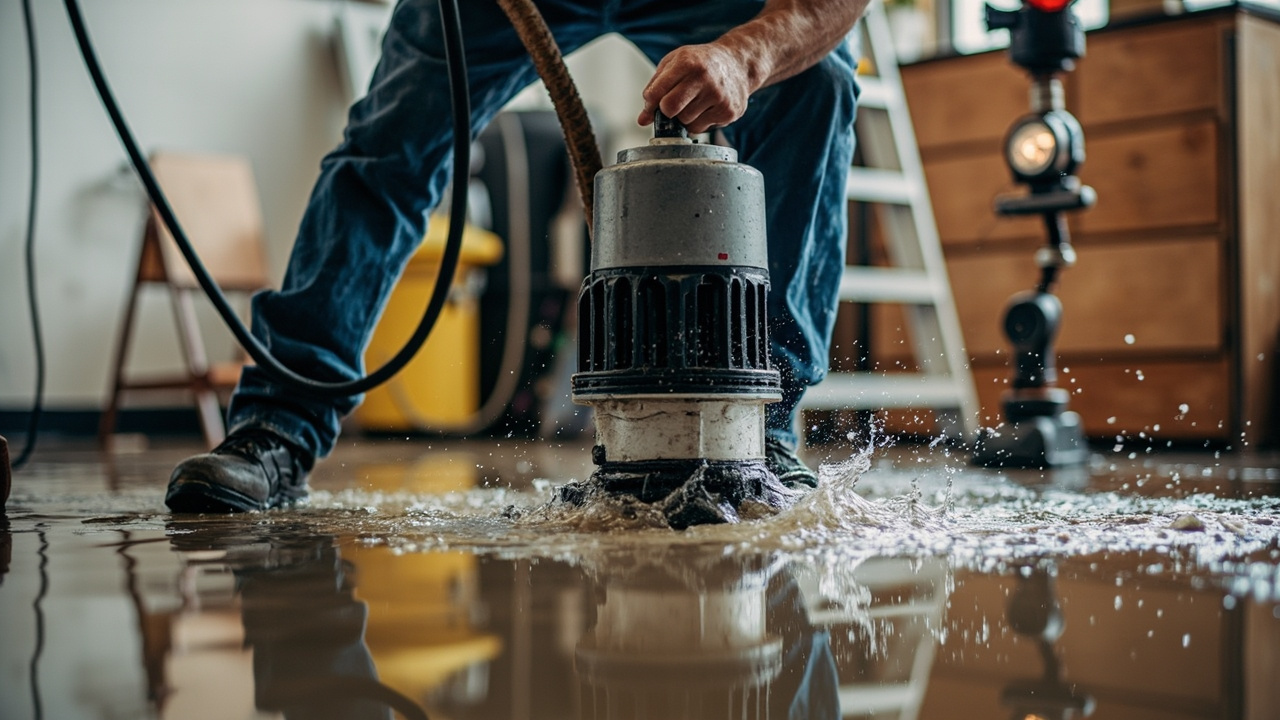
Cornerstone teams extract water from fire sprinkler discharge in Chicago high-rises and lofts daily. Professional extraction equipment removes standing water in hours, preventing mold and secondary damage.
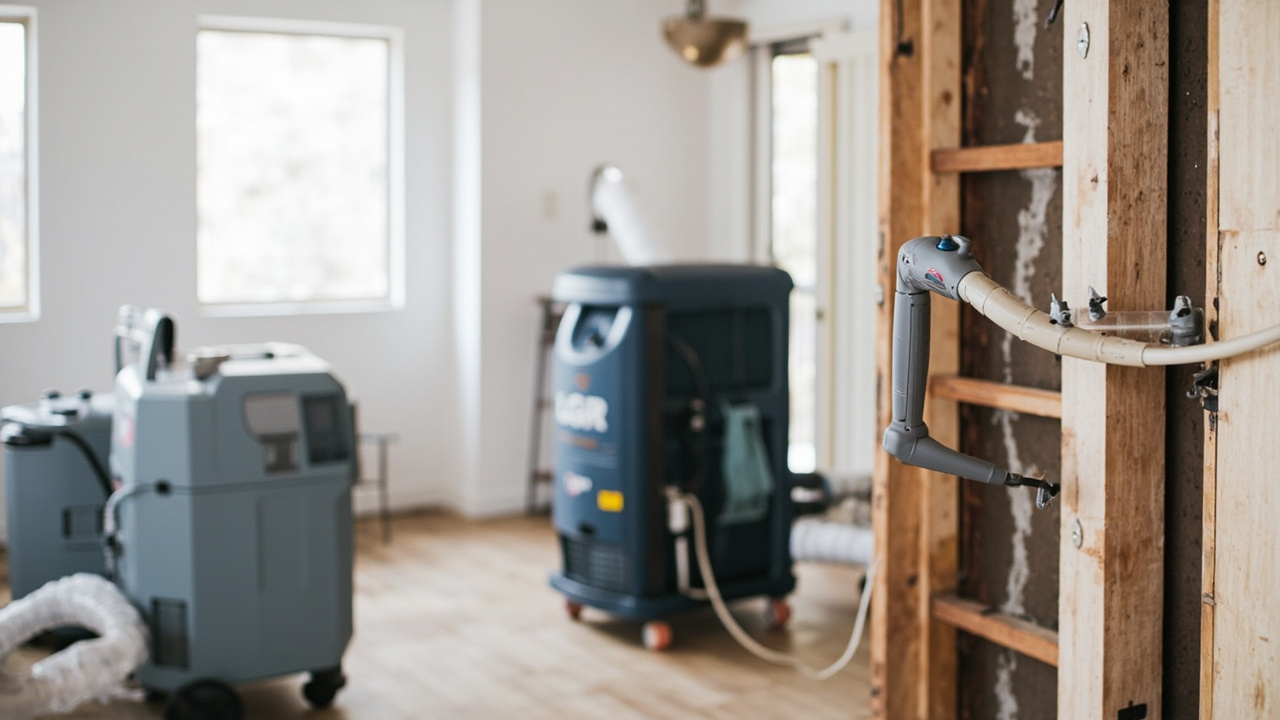
Industrial LGR dehumidification and moisture monitoring ensure structural cavities dry completely. Hourly moisture probes track progress toward safe moisture levels.
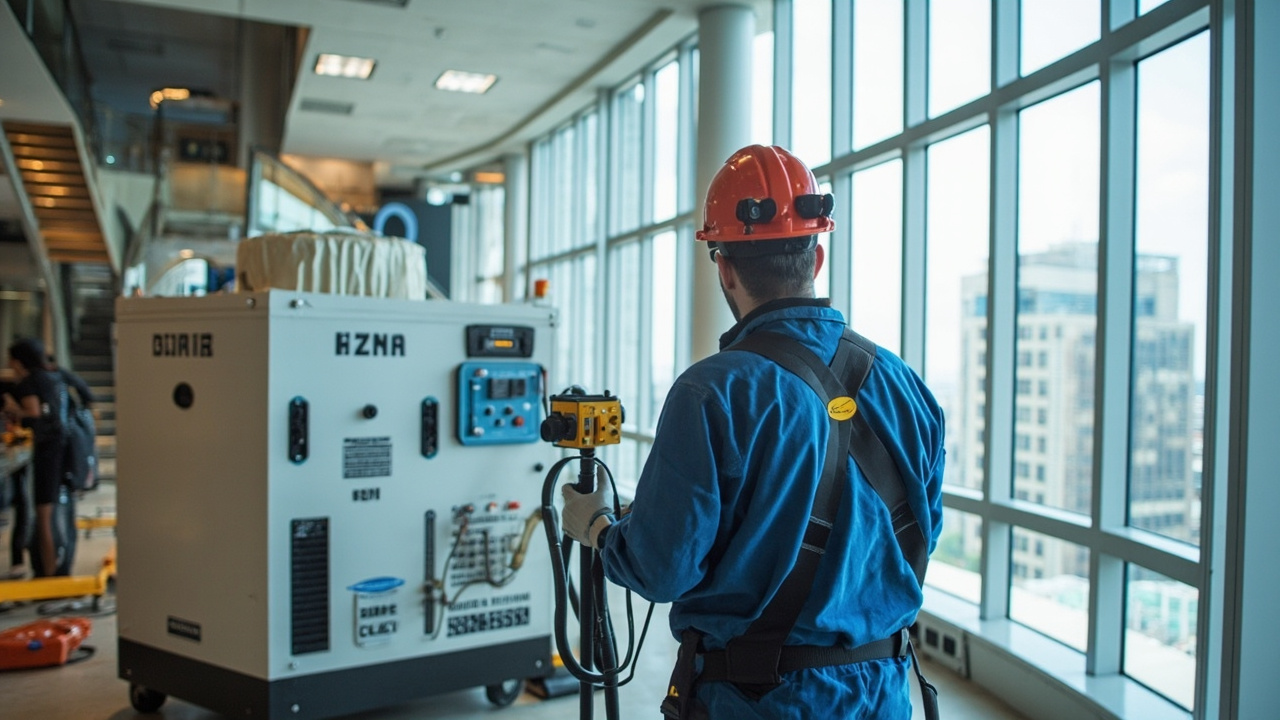
HEPA air scrubbers and antimicrobial treatment prevent mold colonization during drying. Chicago humidity makes professional mold prevention essential after water exposure.
{
“@context”: “https://schema.org”,
“@type”: “BlogPosting”,
“headline”: “Accidental Fire Sprinkler Discharge Cleanup in Chicago”,
“description”: “When fire sprinklers discharge accidentally in Chicago lofts, fast action prevents mold and structural damage. Professional water extraction and drying guide.”,
“wordCount”: 2833,
“datePublished”: “2026-04-13T12:43:00.000Z”,
“dateModified”: “2026-04-13T12:43:00.000Z”,
“inLanguage”: “en-US”,
“mainEntityOfPage”: {
“@type”: “WebPage”,
“@id”: “https://cornerstonewaterdamagerestorationchicago.com”
},
“publisher”: {
“@type”: “LocalBusiness”,
“name”: “Cornerstone Water Damage Restoration Chicago”,
“url”: “https://cornerstonewaterdamagerestorationchicago.com”
},
“author”: {
“@type”: “Organization”,
“name”: “Cornerstone Water Damage Restoration Chicago”,
“url”: “https://cornerstonewaterdamagerestorationchicago.com”
},
“image”: {
“@type”: “ImageObject”,
“url”: “https://cornerstonewaterdamagerestorationchicago.com/wp-content/uploads/2026/03/what-happens-when-a-fire-sprinkler-accidentally-go-1.jpg”
}
}
{
“@context”: “https://schema.org”,
“@type”: “LocalBusiness”,
“name”: “Cornerstone Water Damage Restoration Chicago”,
“url”: “https://cornerstonewaterdamagerestorationchicago.com”,
“address”: {
“@type”: “PostalAddress”,
“addressLocality”: “Chicago”
},
“areaServed”: {
“@type”: “City”,
“name”: “Chicago”
}
}
{
“@context”: “https://schema.org”,
“@type”: “FAQPage”,
“mainEntity”: [
{
“@type”: “Question”,
“name”: “How much water comes out of a single sprinkler head?”,
“acceptedAnswer”: {
“@type”: “Answer”,
“text”: “A standard commercial sprinkler head discharges at a significant rate depending on pressure and design. A 20 minute discharge dumps a large volume into your space. That saturates drywall, insulation, flooring, and structural cavities thoroughly.”
}
},
{
“@type”: “Question”,
“name”: “Is sprinkler water toxic?”,
“acceptedAnswer”: {
“@type”: “Answer”,
“text”: “Sprinkler water from building supplies is not inherently toxic, yet it carries iron particles, bacterial biofilm, and mineral residue that create sludge and discoloration. This contaminated water stains materials and leaves odors. Treat all sprinkler discharge as contaminated water requiring professional extraction and cleaning.”
}
},
{
“@type”: “Question”,
“name”: “How long until mold appears after sprinkler discharge?”,
“acceptedAnswer”: {
“@type”: “Answer”,
“text”: “Mold colonization begins within 24 to 48 hours in Chicago’s humid climate. Professional drying prevents this timeline by removing moisture before mold establishes. DIY drying that relies on fans and open windows fails to prevent mold in the vast majority of cases.”
}
},
{
“@type”: “Question”,
“name”: “Does homeowner insurance cover accidental sprinkler discharge?”,
“acceptedAnswer”: {
“@type”: “Answer”,
“text”: “Most homeowner and commercial property insurance policies cover accidental sprinkler discharge as a water damage claim. Check your policy for specific exclusions. Some carriers limit coverage if the building was unoccupied or if the system had known defects.”
}
},
{
“@type”: “Question”,
“name”: “What if the sprinkler discharge damaged my neighbor’s unit?”,
“acceptedAnswer”: {
“@type”: “Answer”,
“text”: “Your building’s liability insurance typically covers water damage to adjacent units caused by your sprinkler system or equipment. Building management files a claim with the insurance carrier. Adjacent tenants claim damage through building insurance rather than personal policies. Complex multi-unit discharge cases often involve disputes between carriers.”
}
},
{
“@type”: “Question”,
“name”: “How do I reset my building’s sprinkler system after discharge?”,
“acceptedAnswer”: {
“@type”: “Answer”,
“text”: “Only a licensed fire protection company can reset the system. Chicago code requires professional inspection and testing before the system returns to service. Building management contacts the fire company, pays for the inspection, and submits the compliance report to the Department of Buildings. Attempting a DIY reset violates code and voids insurance coverage.”
}
}
]
}
{
“@context”: “https://schema.org”,
“@type”: “HowTo”,
“name”: “How to Shut Off Your Building’s Sprinkler System”,
“step”: [
{
“@type”: “HowToStep”,
“position”: 1,
“name”: “Locate the riser room or zone valve”,
“text”: “Ask building management, check your lease, or look in the basement or mechanical spaces. The valve is usually a large wheel or ball handle on the main water line feeding the sprinkler system. It sits upstream from the heads.”
},
{
“@type”: “HowToStep”,
“position”: 2,
“name”: “Turn the valve clockwise to close it”,
“text”: “A ball valve (looks like a lever) rotates 90 degrees to shut. A gate valve (looks like a wheel) turns multiple times. Do not force it. If it is stuck, stop and call a professional.”
},
{
“@type”: “HowToStep”,
“position”: 3,
“name”: “Alert building management or your landlord immediately”,
“text”: “They need to know about the discharge, inspect for damage, and contact the fire alarm company for system inspection and reset.”
},
{
“@type”: “HowToStep”,
“position”: 4,
“name”: “Document the damage with photos and video”,
“text”: “Capture the water, affected areas, and any damaged contents. This supports insurance claims later.”
},
{
“@type”: “HowToStep”,
“position”: 5,
“name”: “Call a water restoration team”,
“text”: “Do not wait for the insurance adjuster. Water soaks drywall, insulation, and structural cavities in minutes. Mold colonization begins within 24 to 48 hours in Chicago’s humid environment.”
}
],
“image”: “https://cornerstonewaterdamagerestorationchicago.com/wp-content/uploads/2026/03/what-happens-when-a-fire-sprinkler-accidentally-go-1.jpg”
}
{
“@context”: “https://schema.org”,
“@type”: “BreadcrumbList”,
“itemListElement”: [
{
“@type”: “ListItem”,
“position”: 1,
“name”: “Home”,
“item”: “https://cornerstonewaterdamagerestorationchicago.com”
},
{
“@type”: “ListItem”,
“position”: 2,
“name”: “Blog”,
“item”: “https://cornerstonewaterdamagerestorationchicago.com/blog”
},
{
“@type”: “ListItem”,
“position”: 3,
“name”: “Accidental Fire Sprinkler Discharge Cleanup in Chicago”
}
]
}
{
“@context”: “https://schema.org”,
“@type”: “Service”,
“serviceType”: “Water Damage Restoration”,
“provider”: {
“@type”: “LocalBusiness”,
“name”: “Cornerstone Water Damage Restoration Chicago”,
“url”: “https://cornerstonewaterdamagerestorationchicago.com”
},
“areaServed”: {
“@type”: “City”,
“name”: “Chicago”
},
“description”: “When fire sprinklers discharge accidentally in Chicago lofts, fast action prevents mold and structural damage. Professional water extraction and drying guide.”
}