
Winter Mold Growth in Chicago Homes Why It Happens and How to Stop It
Most Chicago homeowners believe mold only happens in basements. Here’s what they’re missing. Your attic becomes the bigger problem in winter. The months between November and March present the ideal breeding ground for indoor mold growth, and the attic space in your home faces more danger than any basement ever could during the cold season.
Mold does not take a winter vacation in Chicago. The polar vortex events common in recent years have made this problem more severe, with freeze-thaw cycles causing pipe bursts, ice dam water intrusion, and dangerous condensation buildup in attics and basements. Many people think winter’s cold air kills mold. They assume dry winter air creates naturally mold-free homes. This misconception leaves homeowners vulnerable to the worst indoor air quality conditions of the entire year.
That musty smell tells you mold is actively growing right now. Your mold colonies are producing spores that circulate through your closed home for four to five months straight. Your HVAC system recirculates indoor air approximately five to seven times daily during winter, meaning those spores reach every room in your house.
Winter mold in Chicago grows faster than summer mold because the conditions align perfectly for rapid colonization. Outdoor air temperatures drop to minus 10 degrees Fahrenheit while your furnace heats indoor air to 70 degrees. An 80-degree temperature difference exists between inside and outside. This difference creates condensation on any surface that touches the cold exterior wall or roof. Your home becomes a moisture factory, not the dry environment most people imagine.

Chicago Winter Conditions That Trigger Mold Growth
Chicago winters create mold in three specific ways, and understanding each one helps you defend your home effectively.
First, thermal bridging occurs when outdoor air drops dramatically and your furnace heats indoor air aggressively. In Chicago bungalows and two-flats built before 1960, thermal bridging happens everywhere. Poor or missing insulation in the attic means cold surfaces sit close to warm interior air. When warm, humid air from your shower, cooking, or drying clothes rises, it hits that cold surface and turns to water. That water soaks into wood framing, drywall, and insulation. Mold colonies establish in 24 to 48 hours.
Second, your basement faces a different problem. The ground around your home contains Chicago Blue Clay, a dense clay that holds water near the foundation. During winter, water in the clay freezes and expands. When a thaw arrives, that water migrates toward the warmest spot it can find, which is your basement. Water seeps through cracks in the foundation or appears as dampness on the floor. Add a relative humidity level above 55 percent inside your basement, and mold colonies establish themselves on joists, concrete, cardboard boxes, and stored items.
Third, mold needs three things to grow. It needs a food source, which almost any organic material provides. It needs oxygen, which always exists in your home. It needs moisture, which Chicago winters provide in abundance through condensation, foundation water seepage, and air leaks.
Ice Dams and Attic Condensation Create Twin Threats
Ice dams create a pathway for water intrusion that most Chicago homeowners underestimate. Snow accumulates on your roof. Heat from your attic melts the snow near the roof peak. That water runs down the roof and reaches the cold eaves, where it freezes into a dam. More water backs up behind the dam and seeps under the roof shingles. It soaks into the decking and framing. If your attic is inadequately ventilated, that moisture has nowhere to escape. It settles on framing, insulation, and rafters. Mold colonies begin within days.
Attic condensation happens even without ice dams. Warm, humid air from your home rises into the attic during winter. If your attic lacks proper ventilation or if warm air leaks through gaps around recessed lights, ductwork, or the attic hatch, humidity levels spike. At night, temperatures drop. The air cools and can no longer hold the moisture. Water condenses on rafters, nails, decking, and insulation. Week after week of this cycle creates visible mold growth and structural damage.
How Indoor Humidity Triggers Mold Growth
Relative humidity is the percentage of moisture in the air compared to the maximum moisture the air can hold at that temperature. In winter, Chicago homeowners routinely exceed 50 to 60 percent relative humidity inside their homes.
Where does all this moisture come from? Your daily activities generate vast amounts of water vapor. A 10-minute shower releases more than 100 grams of water into your home. Cooking releases moisture. Doing laundry releases moisture. Running a dishwasher releases moisture. If you have a basement with a humidifier or a crawlspace with standing water, you add 5 to 10 additional grams of water per cubic meter of air every single day. During winter, you keep your windows and doors closed. That moisture stays trapped inside.
Mold begins colonizing surfaces when relative humidity stays above 55 percent for extended periods. In most Chicago homes in January, indoor humidity sits at 40 to 60 percent. This is optimal mold territory.
| Humidity Level | Mold Risk | Recommended Action |
|---|---|---|
| Below 40 percent | Minimal. Mold growth stalls. | Maintain this level year-round. |
| 40 to 50 percent | Low. Some species remain dormant. | Monitor surfaces in cool areas. |
| 50 to 60 percent | High. Most species actively grow. | Increase ventilation immediately. |
| Above 60 percent | Critical. Rapid growth becomes visible within days. | Run exhaust fans continuously. Call professional. |
Basements in Chicago homes rarely maintain humidity below 55 percent without mechanical assistance. The combination of Chicago Blue Clay, high groundwater tables, and old foundation cracks makes dry basements nearly impossible without a sump pump and a dehumidifier running continuously during winter.
Health Risks of Winter Mold Exposure
When windows stay shut for four months, indoor air quality deteriorates. Mold spores accumulate. The EPA identifies mold as a respiratory irritant that aggravates asthma, triggers allergic reactions, and weakens immune response in vulnerable populations.
Children under six and adults over 65 face the highest risk. People with chronic lung disease or immunocompromised conditions cannot fight off mold exposure the way healthy adults can. A single winter of elevated mold exposure can cause lasting respiratory damage.
Stachybotrys chartarum, a black mold species, produces mycotoxins that damage lung tissue. This species thrives in Chicago basements and attics where moisture remains constant. You may not see the mold. You may only smell it. That musty smell indicates active spore production.
The longer mold grows unaddressed, the larger the colony and the higher the spore concentration in your home. A basement with visible mold on one joist contains hidden colonies on surrounding joists and framing. Spores penetrate drywall, insulation, and concrete. Removing surface mold solves nothing if the source moisture remains.
Prevention Strategies for Chicago Winter Mold
Stopping winter mold requires managing both moisture and temperature. Here are the steps that work in Chicago homes.
- Keep indoor relative humidity below 40 percent. Run a dehumidifier in your basement continuously from October through April. In bedrooms and living areas, ventilate bathrooms during and after showers with an exhaust fan that vents to the outside, not into the attic. Run kitchen exhaust fans during and for 20 minutes after cooking. Close the door to laundry rooms and vent dryers directly to the outside, never into the attic or crawlspace.
- Seal air leaks in your attic. Warm air escaping from your home into the attic is the primary cause of condensation. Seal gaps around recessed lights, bathroom exhaust vents, ductwork, and the attic hatch with spray foam or caulk. Check that your attic access door is insulated and closes tightly.
- Ensure proper attic ventilation. Your attic should have soffit vents at the eaves and a ridge vent at the peak. Air flows in through the soffits and out through the ridge. This continuous air movement removes moisture. If your attic lacks adequate ventilation, hire a contractor to install soffit vents and a ridge vent. This is critical in Chicago homes.
- Install ice dam prevention. If you have experienced ice dams, hire a roofer to install heated cable or to improve attic insulation and ventilation. A roof that stays cold does not melt snow. Snow that stays frozen does not create ice dams. This is the only permanent solution to ice dams in Chicago.
- Test your furnace and clean your HVAC system. Your furnace needs servicing by a licensed HVAC contractor every year. A furnace running inefficiently allows cold air to circulate unchecked, creating cold spots that trigger condensation. A clogged HVAC filter reduces air circulation and prevents moisture removal.
- Inspect your basement foundation. Walk your basement perimeter and look for cracks, water stains, or white mineral deposits called efflorescence. Efflorescence indicates water is moving through the concrete. Seal visible cracks with epoxy or polyurethane injection. If water is actively seeping, install a perimeter drain system and a sump pump. This prevents moisture from becoming available for mold growth.
- Remove standing water immediately. Any water in your basement or crawlspace should be removed within 24 hours. Use a wet vacuum or a submersible pump. Do not let water sit. Mold begins colonizing wet surfaces within two days.
These steps require time and money, but they prevent far larger expenses later. Basement remediation after mold has colonized costs substantially more than preventing the problem.
Why Winter Mold in Chicago Requires Professional Help
DIY mold cleaning fails in winter conditions. The underlying moisture problem remains unsolved. You remove visible mold from a basement wall. Two weeks later, it returns. The concrete is still absorbing water from the ground. Humidity is still elevated. Spores still circulate through your HVAC system.
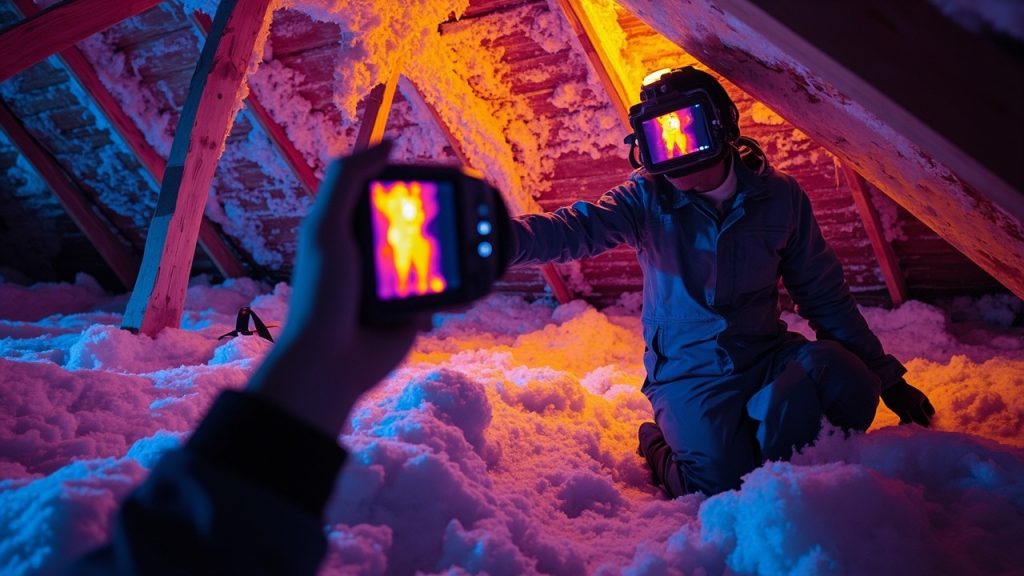
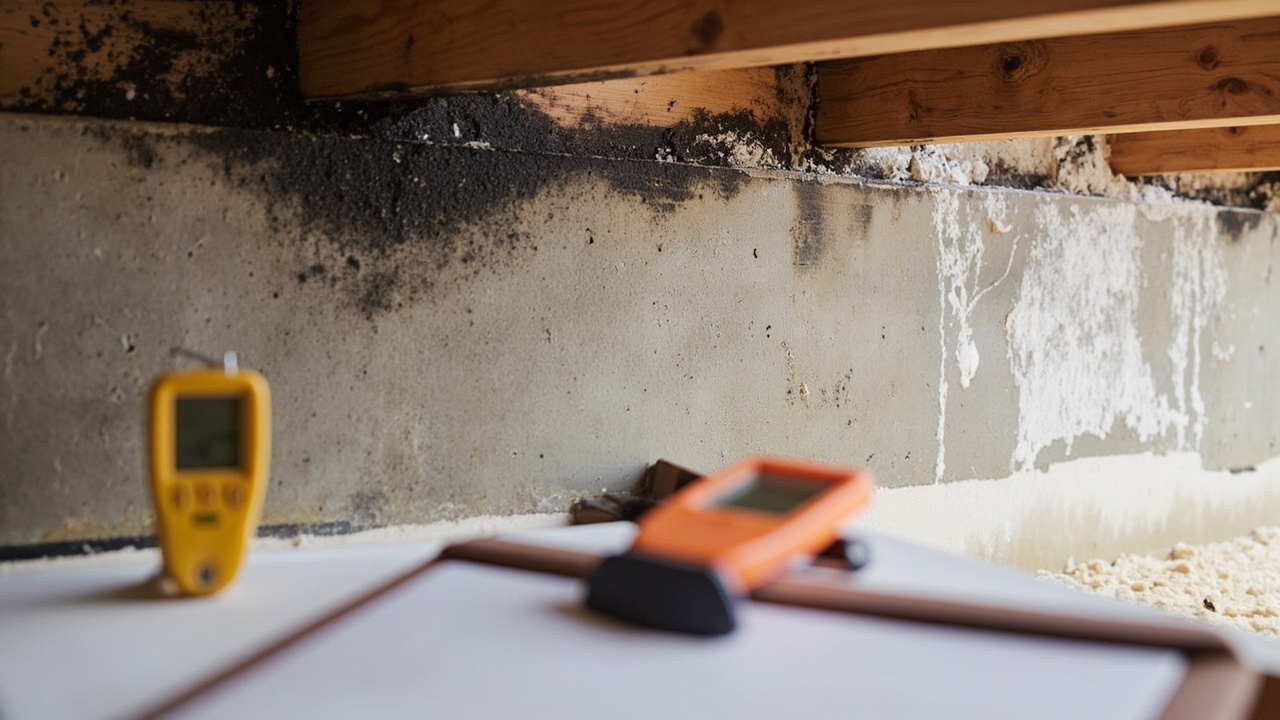
Professional remediation in Chicago addresses the root cause, not just the visible symptom. A certified mold remediator uses thermal imaging to find hidden moisture in walls and attics. They use moisture meters to measure moisture content in framing and drywall. They identify the source of water entry and recommend repairs.
In Lakeview and Lincoln Park neighborhoods on the North Shore, many homes were built in the 1920s and 1930s. These older masonry buildings with limestone foundations are particularly vulnerable to winter moisture intrusion. The mortar deteriorates. Bricks absorb water. The interior walls wick moisture upward. Professional remediation requires understanding these specific construction challenges.
In Ukrainian Village, heavy masonry construction dominates the neighborhood. Buildings feature thick brick walls that absorb ground moisture during winter thaws. The older mortar joints fail first, creating pathways for water infiltration that professional contractors must address through targeted repointing and foundation drainage improvements. These buildings require different remediation approaches than newer construction.
In Logan Square, basement flooding patterns differ significantly from North Shore neighborhoods. The area’s topography creates drainage challenges during spring snowmelt. Many Logan Square homes experience persistent foundation dampness and require comprehensive perimeter drain systems. Professional assessment recognizes these neighborhood-specific moisture sources.
In Bridgeport, sump pump capacity and maintenance issues plague many homes built before modern building codes. Older sump pump systems fail during heavy thaw periods, allowing water to settle in basements for extended periods. Professional remediation in Bridgeport addresses both mold removal and sump pump system upgrades specific to this neighborhood’s high water table challenges.
A professional mold remediation firm serving Chicago performs the following tasks. They document the extent of mold with photographs and moisture readings. They create a remediation plan that addresses both the mold removal and the moisture source. They use approved containment protocols to prevent spores from spreading during removal. They use approved disinfectants and antimicrobial treatments. They verify completion with post-remediation testing.
Most importantly, they work directly with your insurance company. They coordinate the claim, submit documentation, and ensure the insurance adjuster understands the scope of the problem. This saves you from having to become a mold expert overnight while dealing with the stress of water damage.
Recognizing Winter Mold Before It Spreads
A musty smell is the first warning sign. Mold colonies produce volatile organic compounds that create an earthy, moldy odor. If you smell this in your basement or attic in December through February, mold is growing right now.
Other early signs include visible discoloration on wood framing, black or green spots on concrete walls, white fuzzy growth on joists or rafters, water stains that do not dry completely, condensation that drips from pipes or rafters, and damp insulation.
The Institute of Inspection, Cleaning and Restoration Certification publishes standards for mold assessment and remediation. IICRC certified inspectors use professional equipment to measure moisture and identify mold species. A professional inspection costs between $300 and $500 and prevents guesswork through detailed documentation.
| Sign | Location | Typical Cause | Urgency |
|---|---|---|---|
| Musty odor | Basement or attic | Active mold colonies | High. Call within 48 hours. |
| Visible black spots on framing | Basement joists or attic rafters | Long-term moisture exposure | High. Structural damage may be present. |
| White mineral deposits on concrete | Basement walls or floor | Water moving through the concrete | Medium. Foundation repair needed. |
| Condensation dripping from pipes | Basement or crawlspace | High humidity and cold surface | Medium. Install insulation and reduce humidity. |
| Damp insulation in attic | Attic floor or rafters | Warm air leaking from home or poor ventilation | High. Replace insulation and seal air leaks. |
The Cost of Ignoring Winter Mold
Untreated winter mold causes structural damage that is expensive to repair. Mold eats wood. It breaks down the cellulose that gives wood its strength. A joist colonized by mold for one winter becomes weak and spongy. It loses load-bearing capacity. Eventually, floors sag or cracks appear in the ceiling below.
Mold also destroys insulation. Once mold colonizes fiberglass or cellulose insulation, the insulation loses effectiveness. Your furnace works harder to maintain indoor temperature. Your heating bill climbs 15 to 25 percent. A second winter of this added heating cost exceeds the cost of professional remediation.
Home buyers and appraisers take mold seriously. A mold disclosure on a property sale can reduce your home’s value by 15 to 20 percent. If you plan to sell your Chicago home within the next five years, addressing mold now protects your equity.
Renters and landlords face mold liability. Tenants with respiratory illness can hold landlords responsible if mold conditions caused health problems. Legal costs exceed remediation costs. Insurance claims become complicated. Preventing mold is far simpler than defending a lawsuit.
Chicago-Specific Remediation Considerations
Chicago building codes require specific approaches for mold-affected properties. The Chicago Building Code mandates sub-soil drainage for all buildings. The Chicago Department of Buildings requires documented moisture testing before occupancy permits are reissued for properties with mold remediation. This regulatory requirement means any remediation work must include professional moisture assessment and written verification of completion.
If your basement lacks a perimeter drain system, municipal code technically requires installation during any major renovation or remediation. This is important to know before calling a contractor, because the scope of work expands beyond surface mold removal. The City of Chicago enforces these requirements through occupancy permit inspections. Properties that skip this step face permit denial and liability issues during future property transfers.
Pre-1978 properties in Chicago face additional complexity. Lead paint, asbestos in insulation, and other hazardous materials may be present. Professional contractors certified in lead and asbestos abatement must handle these materials separately. This increases cost and timeline, but it protects your family and ensures code compliance.
The Deep Tunnel Project, also called the Tunnel and Reservoir Plan, affects drainage in specific Chicago neighborhoods. During heavy rain or snowmelt, the city diverts combined sewer overflow into deep tunnels. If your home is in a TARP-affected area, the city may restrict sump pump discharge during certain times. Knowing your neighborhood’s drainage infrastructure helps you plan remediation correctly.
What to Do Right Now
If you notice a musty smell in your home right now, here are your immediate next steps.
First, do not ignore it. Mold grows exponentially. A small problem in December becomes a large problem by February.
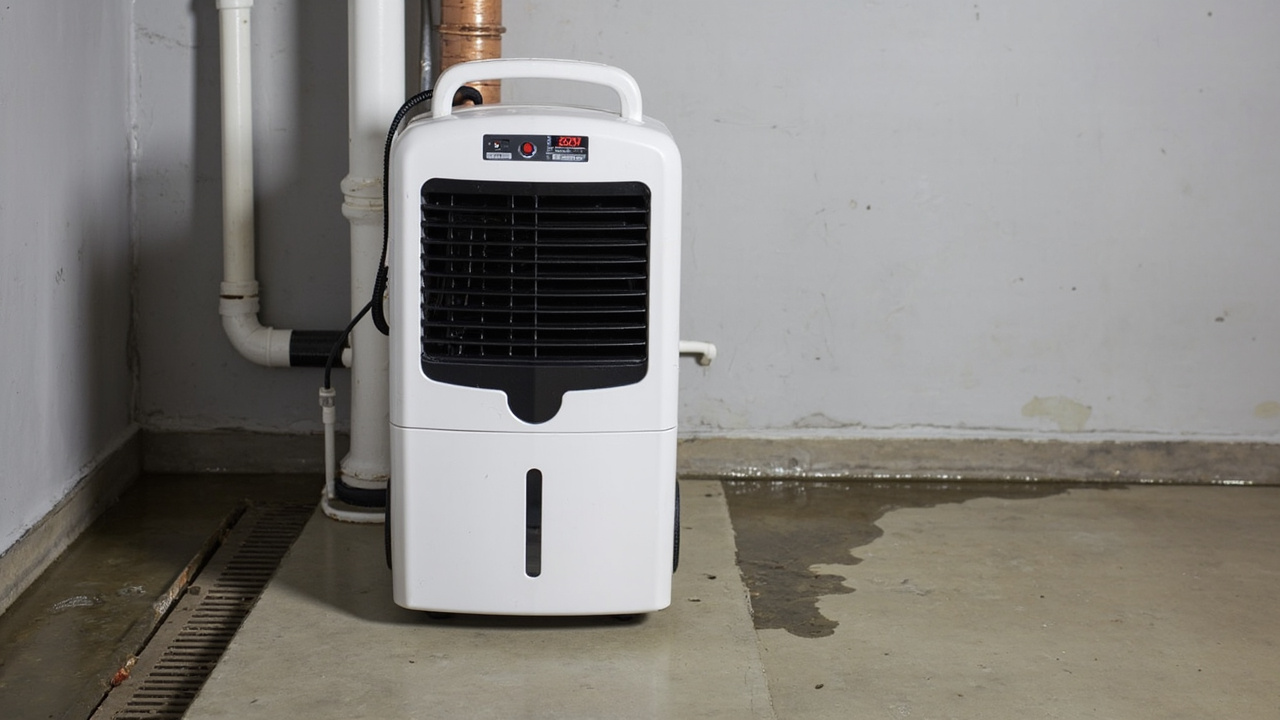
Second, reduce humidity immediately. Buy a dehumidifier and place it in your basement. Run it continuously. Open interior doors to allow air circulation. Run bathroom exhaust fans during and after showers. This does not solve the mold problem, yet it slows its growth.
Third, call a professional for an assessment. A certified inspector and remediator will document the problem with photographs and moisture readings. They will provide a scope of work and timeline. They will coordinate with your insurance company directly so you are not left handling the claim alone.
Fourth, address the source moisture. If your basement is damp because of a wet foundation, install a perimeter drain or improve your sump pump system. If your attic is damp because of poor ventilation, install proper venting. If warm air is leaking into your attic, seal the air leaks. These repairs prevent mold from returning after remediation.
Winter mold in Chicago is preventable and treatable. The key is speed. The key is understanding that mold in winter is not a minor aesthetic problem. It is a health and structural issue that demands professional attention. Start today by calling a certified mold remediation company serving Chicago, and get your home healthy again before spring arrives.
{
“@context”: “https://schema.org”,
“@type”: “BlogPosting”,
“headline”: “Winter Mold Growth in Chicago Homes: Why It Happens and How to Stop It”,
“description”: “Learn why Chicago winters trigger mold growth in homes and discover proven prevention strategies that work in local conditions.”,
“wordCount”: 2839,
“datePublished”: “2026-04-28T04:08:00.000Z”,
“dateModified”: “2026-04-28T04:08:00.000Z”,
“inLanguage”: “en-US”,
“mainEntityOfPage”: {
“@type”: “WebPage”,
“@id”: “https://cornerstonewaterdamagerestorationchicago.com”
},
“publisher”: {
“@type”: “LocalBusiness”,
“name”: “Cornerstone Water Damage Restoration Chicago”,
“url”: “https://cornerstonewaterdamagerestorationchicago.com”
},
“author”: {
“@type”: “Organization”,
“name”: “Cornerstone Water Damage Restoration Chicago”,
“url”: “https://cornerstonewaterdamagerestorationchicago.com”
},
“image”: {
“@type”: “ImageObject”,
“url”: “https://cornerstonewaterdamagerestorationchicago.com/wp-content/uploads/2026/03/how-to-get-rid-of-that-musty-winter-smell-in-your-1.jpg”
}
}
{
“@context”: “https://schema.org”,
“@type”: “LocalBusiness”,
“name”: “Cornerstone Water Damage Restoration Chicago”,
“url”: “https://cornerstonewaterdamagerestorationchicago.com”,
“address”: {
“@type”: “PostalAddress”,
“addressLocality”: “Chicago”
},
“areaServed”: {
“@type”: “City”,
“name”: “Chicago”
}
}
{
“@context”: “https://schema.org”,
“@type”: “BreadcrumbList”,
“itemListElement”: [
{
“@type”: “ListItem”,
“position”: 1,
“name”: “Home”,
“item”: “https://cornerstonewaterdamagerestorationchicago.com”
},
{
“@type”: “ListItem”,
“position”: 2,
“name”: “Blog”,
“item”: “https://cornerstonewaterdamagerestorationchicago.com/blog”
},
{
“@type”: “ListItem”,
“position”: 3,
“name”: “Winter Mold Growth in Chicago Homes: Why It Happens and How to Stop It”
}
]
}
{
“@context”: “https://schema.org”,
“@type”: “Service”,
“serviceType”: “Water Damage Restoration”,
“provider”: {
“@type”: “LocalBusiness”,
“name”: “Cornerstone Water Damage Restoration Chicago”,
“url”: “https://cornerstonewaterdamagerestorationchicago.com”
},
“areaServed”: {
“@type”: “City”,
“name”: “Chicago”
},
“description”: “Learn why Chicago winters trigger mold growth in homes and discover proven prevention strategies that work in local conditions.”
}