
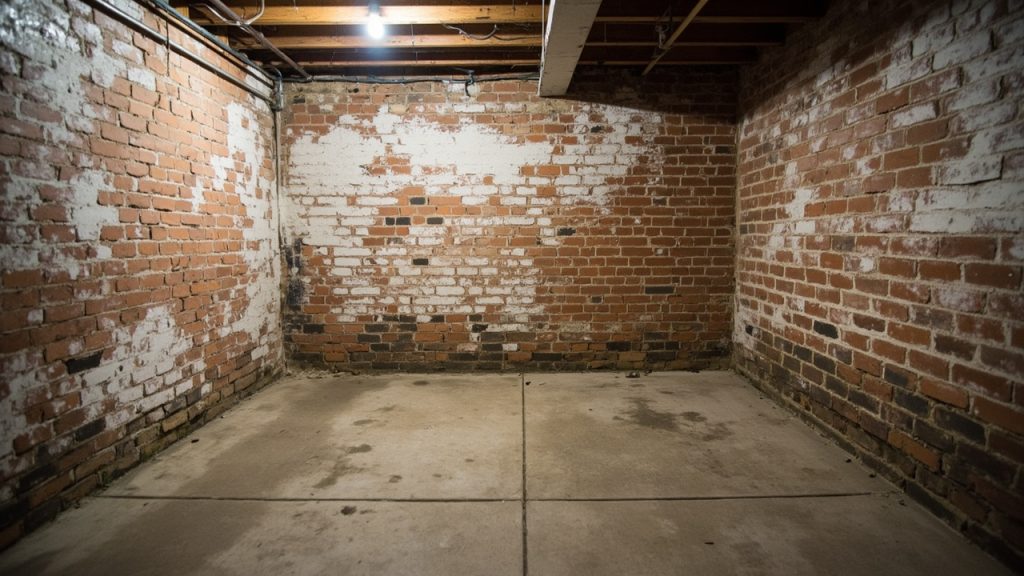
Why Your Basement Feels Damp When There’s No Flood in Chicago
Your basement smells musty. The walls feel wet when you touch them. The air feels heavy and thick. Yet there’s no visible flood, no standing water, no obvious problem. This is the experience that thousands of Chicago homeowners face every summer, and the cause isn’t always obvious.
Basement dampness without active flooding is one of the most misunderstood water issues in the Chicagoland area. Most homeowners assume the problem is minor or temporary. They might buy a dehumidifier and hope for the best. What they don’t realize is that persistent dampness is usually a symptom of a deeper structural or environmental issue that will only worsen over time.
I’ve spent the last 15 years responding to water emergencies across Chicago, from Lincoln Park to Joliet, and the patterns are clear. The damp basements that go unaddressed become the moldy basements. The moldy basements become health hazards. The health hazards become insurance nightmares.
This guide explains what actually causes basement dampness in Chicago homes, why your location matters, and when you need professional help instead of a hardware store fix.
The Five Primary Sources of Basement Dampness
Basement dampness falls into distinct categories. Understanding which one applies to your home is the first step toward fixing it.
Hydrostatic Pressure from Chicago Blue Clay Soil
Chicago sits on glacial till. Beneath the topsoil lies Chicago Blue Clay, a dense, clay-rich layer that was deposited during the Ice Age. This clay doesn’t drain well. Water from rainfall and snowmelt doesn’t flow away from your foundation. Instead, it accumulates around your basement walls.
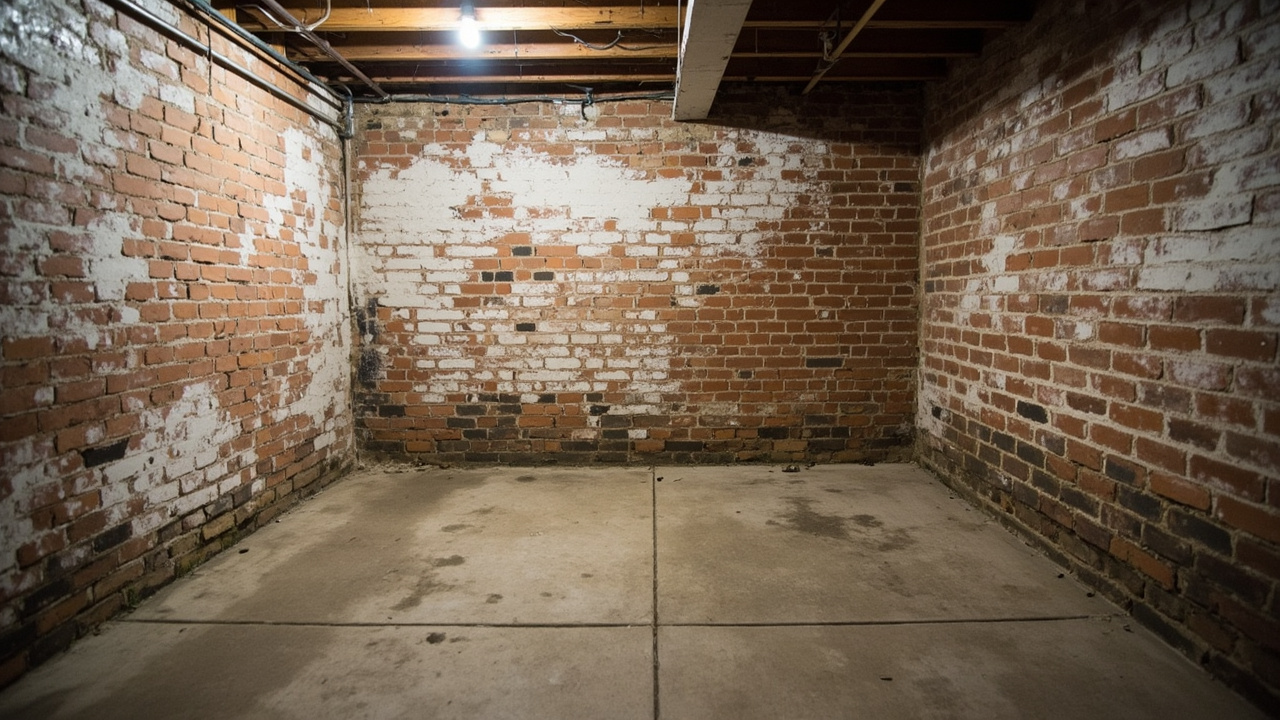
When water builds up in the soil surrounding your foundation, it creates hydrostatic pressure. This pressure pushes against your basement walls like an invisible force. Even small cracks or gaps in the mortar between bricks allow water to seep through. You won’t see a stream. You’ll see damp patches, efflorescence (that white powdery residue on masonry), and slowly increasing moisture levels.
Homes in Rogers Park, Lakeview, and parts of West Loop sit closer to Lake Michigan and higher water tables. These areas experience more aggressive hydrostatic pressure year-round. During spring snowmelt and heavy summer storms, the pressure intensifies.
The problem worsens if your home’s grading slopes toward the foundation instead of away from it. Poor grading plus clay soil plus an older foundation creates a perfect storm for slow, persistent seepage.
Humidity and Condensation
Chicago summers are humid. Lake Effect moisture rolls in from Lake Michigan, and the air inside your basement becomes saturated. When warm, moist air comes into contact with cool basement concrete, condensation forms on the surface.
This condensation looks and feels like a leak, but the water isn’t entering from outside. It’s forming on the inside of walls and ducts. Homeowners often misdiagnose this as foundation seepage when the real issue is inadequate dehumidification.
Relative humidity above 55 percent creates an ideal environment for mold growth. Most Chicago basements in summer sit between 60 and 75 percent humidity. Without active dehumidification, mold spores germinate within 24 to 48 hours on any damp surface.
Historic Chicago bungalows in Beverly, Oak Park, and Cicero often lack basement ventilation. These homes have crawl spaces or unfinished basements with limited air exchange. Moisture gets trapped. Mold develops silently.
Foundation Wall Cracks and Mortar Deterioration
Chicago’s freeze-thaw cycle causes concrete and mortar to expand and contract. Water enters cracks in cold weather, freezes, expands, and widens the crack. Spring brings more water. The cycle repeats.
Older brick and limestone foundations common in Chicago’s historic neighborhoods are especially vulnerable. The mortar between bricks breaks down after 50 to 80 years. Water finds its way through gaps invisible to the naked eye.
Foundation walls also settle over time. A 100-year-old Chicago brownstone has shifted. Cracks develop at the corners or along the cove joint where the basement floor meets the wall. These aren’t cosmetic issues. They’re pathways for water entry.
Failed or Inadequate Sump Pump Systems
Many Chicago basements have sump pump basins installed in the lowest corner. The pump moves groundwater away from the foundation. When it works. When it doesn’t, water sits in the basin and rises, creating dampness throughout the basement.
Sump pump failures happen for several reasons. The pump ages and wears out. The discharge line clogs with sediment or freezes during winter. Power outages disable the system during storms. Battery backup systems run out of power after extended outages.
Evanston, Arlington Heights, and other areas near drainage districts sometimes experience fluctuating water tables. The pump’s float valve gets stuck. Water slowly rises without the homeowner noticing until dampness spreads.
Window Wells, Gutters, and Poor Grading
Basement windows need protective wells to keep water from pooling directly against the glass. Many older homes have cracked or missing window well covers. Rain collects in the well. Water seeps through the window frame or through the foundation around the opening.
Clogged gutters cause water to spill over the edge instead of flowing through downspouts. The water saturates soil directly around your foundation. Combined with poor grading that doesn’t slope away from the house, water flows toward the basement instead of away.
Downspouts that terminate too close to the foundation do the same damage. Water dumped just two feet from the house recharges the soil around your foundation continuously. In humid summer months, this keeps your basement walls perpetually damp.
| Dampness Source | Signs You’ll Notice | Timeline to Mold Risk | DIY Fix Possible |
|---|---|---|---|
| Hydrostatic Pressure | Efflorescence, wet patches on lower walls, musty smell, settling dust | 7 to 14 days of dampness | No. Requires exterior drainage or interior drain tile system |
| Humidity and Condensation | Condensation on windows and ducts, general moisture in air, musty smell | 24 to 48 hours in warm months | Yes. Dehumidifier and ventilation improvement |
| Foundation Cracks | Water dripping from specific crack during or after rain, localized dampness | 3 to 7 days of active water seeping | Partial. Crack sealants work for hairline cracks only |
| Sump Pump Failure | Rising water in basin, damp basement after storms, backup odors | 2 to 5 days depending on water table | No. Requires pump replacement and basin cleaning |
| Poor Grading and Gutters | Dampness increases after heavy rain, worse on one side of house | 7 to 14 days of continuous saturation | Yes. Gutter cleaning, downspout extension, regrading |
Why Chicago Homes Face Unique Moisture Challenges
Chicago’s geography, climate, and infrastructure create conditions that other Midwest cities don’t face as intensely.
Lake Michigan and Water Table Elevation
The city sits at 581 feet above sea level, but that elevation masks the real issue. Proximity to Lake Michigan keeps the regional water table elevated. In Lincoln Park, Lakeview, and northern neighborhoods, groundwater sits just 8 to 12 feet below the surface during spring and summer.
That means your basement foundation is sitting in or near the water table. Even without a rainfall event, hydrostatic pressure constantly pushes against your walls. Add spring snowmelt or a heavy summer storm, and the pressure multiplies.
Neighborhoods further from the lake, like Beverly, Hyde Park, and parts of West Loop, experience better natural drainage. But they still face clay soil challenges that trap moisture.
Spring Thaw and Freeze-Thaw Cycles
Chicago winters cause concrete and masonry to crack. January temperatures drop to the teens or lower. Ice forms in small gaps and cracks. The ice expands. Spring arrives. The ice melts. The cracks have widened.
This happens year after year. By the time a Chicago home reaches 50 years old, the foundation has been through dozens of freeze-thaw cycles. Cracks propagate. Mortar crumbles. Foundation settling accelerates.
The Polar Vortex events that hit Chicago every few years create extreme conditions that crack previously intact foundations. These events cause sudden pipe bursts that require emergency water damage restoration and also damage foundations through freeze-thaw trauma.
Combined Sewer System Backups
Much of Chicago’s older urban core uses a combined sewer system. Stormwater and sewage flow through the same pipes. During heavy rain events, the system overwhelms. Sewage backs up into basements.
This isn’t seepage from hydrostatic pressure. This is sewage overflow. The Metropolitan Water Reclamation District manages these systems, but backup events are common in neighborhoods like Logan Square, Bucktown, and parts of Cicero during summer storms.
The difference matters for insurance and remediation. Seepage claims are often denied. Sewage backup requires specialized cleanup and poses serious health risks.
Lake Effect Moisture and Humidity
Summer humidity in Chicago is intense. Lake Effect storms can dump inches of rain in hours. The combination keeps basements humid even when seepage isn’t actively occurring.
Evanston and Arlington Heights, positioned along the lake’s shore, experience the highest summer humidity levels in the region. Homes there require year-round dehumidification systems, not seasonal equipment.
Diagnostic Tools Professionals Use to Find Hidden Moisture
When you call a restoration contractor, they don’t just look at visible dampness. They use equipment to find hidden moisture before it becomes a mold problem.
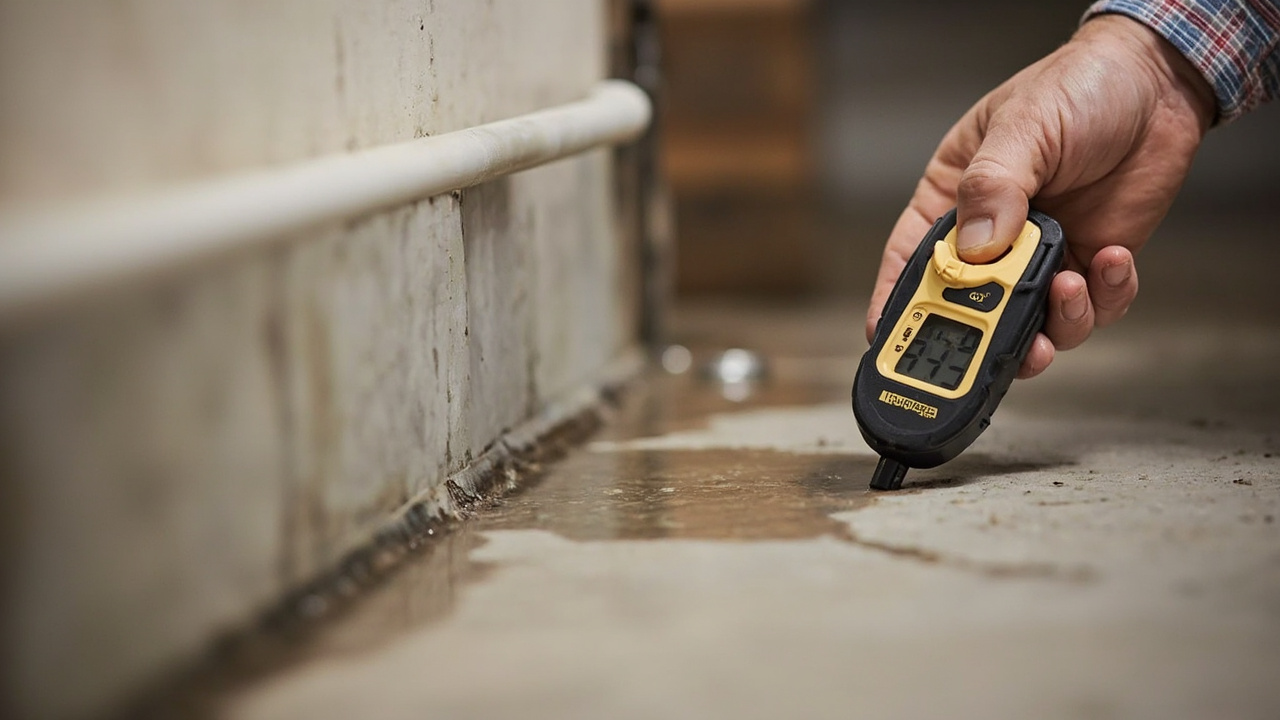
Moisture meters detect water content in concrete, drywall, and wood. A professional scans your basement walls and floor systematically. Areas that feel dry to your hand often show elevated moisture on the meter. This tells us where water is traveling before you see visible damage.
Thermal imaging cameras show temperature variations in walls. Where water infiltrates, temperature patterns change. These cameras reveal where seepage is occurring even through finished basement walls. They show us the path water takes inside your foundation.
Relative humidity meters measure the air moisture level precisely. If your basement sits at 65 percent humidity consistently, we know condensation is occurring and dehumidification is essential. If humidity spikes after rain events, we know external water is entering.
These tools take the guesswork out of diagnosis. They’re the difference between treating symptoms and solving the actual problem.
When Efflorescence Signals a Larger Problem
Efflorescence is that white powdery residue on basement concrete and brick. It’s mineral deposits left behind when water carrying dissolved salts from the soil seeps through your foundation and then evaporates.
Efflorescence itself isn’t dangerous. But it’s a clear sign of water movement through your foundation. Once you see it, you know hydrostatic pressure is working. The question isn’t whether there’s a problem. The question is how severe it is.
Heavy efflorescence deposits mean significant water is moving through your basement walls regularly. This stage is when interior drain tile systems become necessary. The moisture is too much for surface treatments to handle.
Mold Growth Timelines After Moisture Appears
The mold clock starts the moment dampness appears. Temperature and humidity determine the speed.
| Conditions | Time to Mold Germination | Visible Mold Growth | Health Risk Level |
|---|---|---|---|
| Damp basement, 70F, 65 percent humidity, organic material present (paper, wood, drywall) | 24 hours | 3 to 7 days | High if Stachybotrys (black mold) develops |
| Damp basement, 60F, 55 percent humidity, hard surfaces only | 48 hours | 7 to 14 days | Moderate. Common molds like Aspergillus and Penicillium |
| Slow seepage, 55F, 50 percent humidity, limited organic material | 5 to 7 days | 14 to 21 days | Low if caught. Easier to remediate before heavy colonization |
| Persistent condensation without active water, basement unused | 24 hours on insulation and ductwork | Within 3 days on HVAC systems | Very High if mold colonizes HVAC. Spores spread throughout home |
Chicago’s warm, humid summers compress these timelines. A damp basement in July becomes moldy in less than a week. The health risks are serious, especially for children, elderly individuals, and anyone with respiratory conditions.
Interior Versus Exterior Waterproofing Solutions
When dampness becomes a persistent problem, you’ll hear about two main approaches. Understanding the difference helps you make informed decisions.
Exterior Waterproofing
Exterior waterproofing tackles the problem at the source. The foundation is excavated. Walls are cleaned. A waterproof membrane is applied to the outside of the foundation. Exterior drain tile or French drain systems are installed to divert groundwater away from the foundation before it reaches your walls.
This approach is ideal if you have the budget and your yard can accommodate excavation. It solves hydrostatic pressure permanently. Once installed, exterior drainage systems work without maintenance for decades.
The drawback is cost and disruption. Your landscaping gets torn up. The work takes weeks. But the solution is permanent.
Interior Waterproofing and Drain Tile
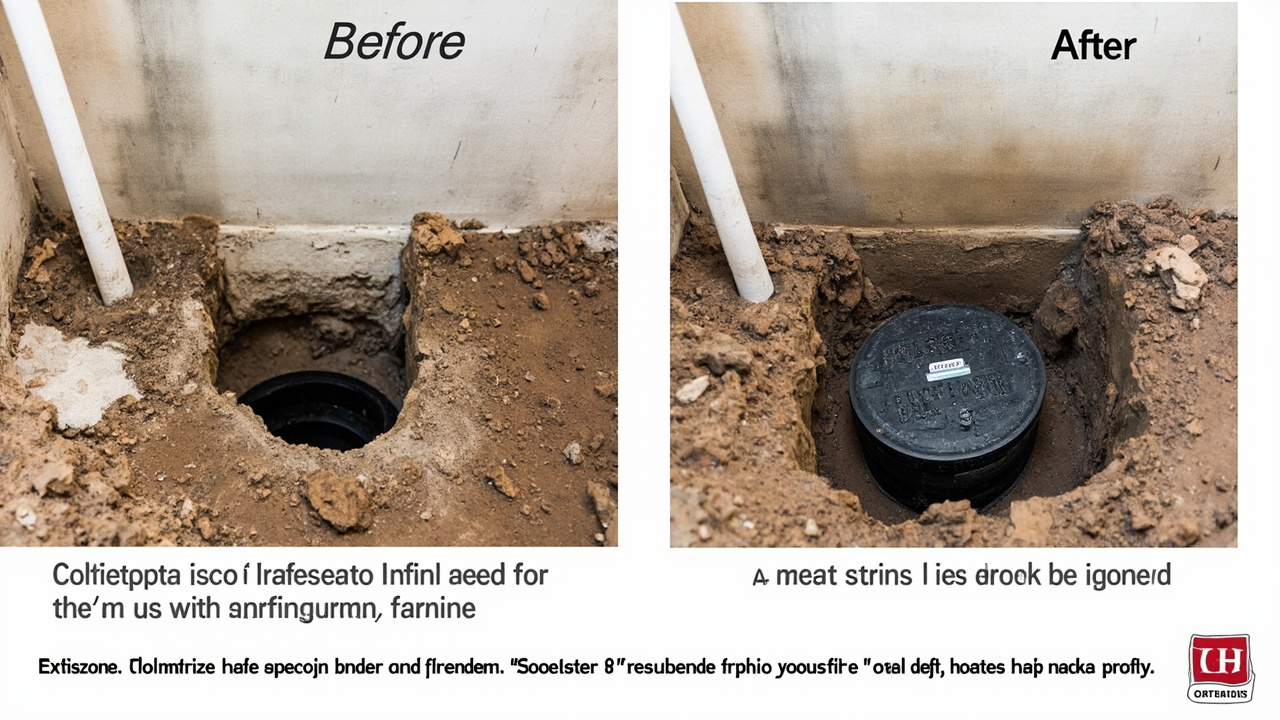
Interior solutions work from inside your basement. Interior drain tile is installed along the foundation perimeter, usually below the concrete floor. A sump pit collects water. A pump moves it away from the house.
Interior systems manage water that’s already seeping in. They don’t stop hydrostatic pressure. But they control it. Water flows into the system instead of up into your basement.
Interior systems are faster to install and require no yard excavation. But they require a functioning sump pump and maintenance. If the pump fails, water backs up inside the system and can still damage your basement.
For many Chicago homeowners, interior systems provide the right balance of effectiveness and cost. Exterior waterproofing is the ultimate solution, but interior systems manage the problem reliably when properly maintained.
Professional Dehumidification vs. Retail Dehumidifiers
If your dampness is primarily humidity and condensation, dehumidification is essential. But retail dehumidifiers from big box stores have serious limitations.
A typical retail dehumidifier removes 50 to 80 pints of water per day. A Chicago basement in summer loads 100 to 150 pints of moisture per day into the air. The retail unit can’t keep up. You run it continuously and still maintain 60 percent humidity.
Professional dehumidification systems are designed for this climate. They use sealed ducting to pull air from multiple areas of the basement. They’re sized to match the actual moisture load. They run continuously during warm months.
Some systems integrate with HVAC. Others are standalone units. All of them handle Chicago’s humidity far better than a single retail unit.
Assessing Your Home’s Specific Risk
Your risk level depends on your home’s age, location, and construction.
Chicago Bungalows and Historic Homes
The classic Chicago bungalow built from 1910 to 1930 typically has a brick foundation over limestone. The mortar has aged. Cracks are common. Many have unfinished basements with concrete floors poured directly on clay soil without a vapor barrier.
These homes are extremely moisture-prone. If you own a bungalow in Beverly, Rogers Park, or Lincoln Park, assume your basement will experience dampness unless actively managed. This isn’t a flaw in your home. It’s the nature of 1920s construction and Chicago’s soil.
Two-Flats and Three-Flats
These buildings have larger foundations and deeper basements than bungalows. They often have multiple sump pump pits and aging drainage systems. Foundation cracks develop where additions were made. Window wells leak.
Two-flat owners in West Loop, Cicero, and Berwyn frequently deal with basement dampness. The issue compounds if the building houses multiple units. Higher water usage increases plumbing leak risk. Shared utilities make diagnosis harder.
Modern Homes Built Since 1980
Newer homes in suburban areas like Naperville, Downers Grove, and Elmhurst were built with building codes that mandate vapor barriers under concrete slabs and sump pump systems. These homes have better baseline protection.
But they still face hydrostatic pressure from clay soil. If they were built with inadequate exterior drainage or sump systems that haven’t been maintained, dampness develops quickly. A 40-year-old sump pump basin collects sediment. The pump fails. Dampness returns.
The DIY Approach and When It Works
Not every damp basement requires professional restoration. Some issues you can address yourself.
- Clogged gutters causing water to spill near the foundation. Clean gutters yourself or hire a gutter service. Cost is minimal. The fix prevents water saturation around your foundation.
- Downspouts terminating too close to the house. Extend them or add a splash block that directs water away. Do it yourself for under a hundred dollars.
- Poor grading sloping toward the house. Add soil along the foundation perimeter to create a slope away from the house. This is a manageable DIY project for most homeowners.
- Excessive humidity without active seepage. Buy a dehumidifier and run it continuously during warm months. Maintain it by emptying the bucket or running a drainage line. Cost is a few hundred dollars.
- Hairline foundation cracks in concrete. Clean out the crack and apply concrete crack sealant. This works only for cracks that aren’t actively leaking water.
What you cannot DIY. Do not attempt these yourself.
- Replacing a failed sump pump. This requires draining the basin, disconnecting the discharge line, and installing a new pump properly. Mistakes create flooding risk.
- Installing interior or exterior drain tile systems. This requires excavation, correct slope, proper filter fabric, and sump pump setup. Professional installation ensures it works for decades. DIY installation often fails within a few years.
- Major foundation crack repair. Cracks wider than one-eighth inch or cracks that are actively leaking water need professional assessment and repair.
- Waterproofing mortar joints on brick foundations. This requires removing old mortar and repointing with proper technique. Poor repointing fails quickly and can trap moisture behind walls.
Signs You Need a Professional Right Now
Contact a restoration contractor immediately if you observe any of these conditions.
Water actively seeping from foundation cracks or the cove joint where your floor meets the wall. This isn’t something a dehumidifier fixes. You need interior or exterior drainage installed.
Visible mold growth on basement walls, ducts, or stored items. Mold remediation requires professional assessment and proper containment to prevent spore spread. Do not attempt mold cleanup yourself.
Sump pump basin that’s overflowing or pump that’s not running. If you have a sump pit and water is rising, your pump is failing. This is an emergency. Water will continue rising until it reaches your basement floor.
Basement relative humidity that stays above 65 percent despite running a dehumidifier continuously. This indicates water is entering from outside faster than dehumidification can manage. You need drainage solutions in addition to humidity control.
Musty smell that persists despite cleaning and airing the basement. Mold is growing somewhere, likely in spaces you can’t see. A thermal imaging scan and moisture meter reading will find it.
Efflorescence spreading across your basement walls. This is mineral deposits from water seeping through your foundation repeatedly. Once you see this, you’re in the stage where drain systems become necessary.
Understanding Insurance and Seepage
This is critical. Your homeowners insurance likely has a seepage exclusion. This means water that seeps slowly into your basement over time is not covered.
Sudden and accidental water damage is covered. A burst pipe flooding your basement is covered. A sewer backup is covered. Slow seepage from hydrostatic pressure is not covered in most policies.
This is why early intervention matters. Once you document water damage from seepage, your insurance company will exclude future moisture claims. Prevention and correction now saves you thousands later.
Frequently Asked Questions
Why does my basement get damp in summer but stay dry in winter?
Chicago’s humidity spikes in summer months. Warm air holds more moisture. When that humid air contacts cool basement concrete and walls, condensation forms. Winter air is dry, even though it’s cold. Your basement stays drier. If you install a dehumidifier and keep your basement at 50 to 55 percent humidity year-round, you’ll notice dampness decreases significantly. Humidity control addresses this seasonal pattern directly.
Is a wet basement basement floor always a sign of serious foundation damage?
Not necessarily. If water only appears during heavy storms or spring thaw and dries within a few days, you likely have a drainage issue outside, not foundation damage. Improve grading, extend downspouts, clean gutters, and install interior drain tile if needed. If water appears in your basement regularly even without storms, or if concrete is cracking and deteriorating, foundation damage is likely. Get a professional assessment.
How often should I run my sump pump?
Your sump pump should run as needed based on your water table and drainage. In Chicago basements, during spring and summer, a pump might run multiple times per day. During dry periods, it might run once daily or less. If your pump runs almost constantly, your groundwater level is too high. You need additional exterior drainage or interior drain tile to reduce the water load on the pump. A pump that never runs suggests either low groundwater or a failed pump float switch.
Can I paint over efflorescence to hide it?
No. Painting traps moisture behind the paint. The water continues moving through the concrete. The paint bubbles and fails. Clean the efflorescence off with a brush. The white deposits will return, which tells you water is still moving through your foundation. Address the source of the water by installing drainage or by waterproofing the exterior. Once water entry stops, efflorescence stops appearing.
What’s the difference between Stachybotrys and other basement molds?
Stachybotrys (black mold) produces toxins that cause serious health effects in some people. Other common basement molds like Aspergillus and Penicillium are also health concerns but typically cause less severe reactions. The health risk from any mold depends on spore concentration and your personal sensitivity. Don’t wait to identify the specific mold type. If you see mold, have it professionally removed. Proper remediation requires containment and removal, not just cleaning.
Taking Action This Month
Basement dampness doesn’t improve on its own. It worsens. Chicago’s climate and soil conditions guarantee that any moisture problem will grow each year without intervention.
Start with the easy wins. Clean your gutters. Extend your downspouts. Check your sump pump basin for sediment. Run a dehumidifier during warm months. These steps cost almost nothing and reduce moisture immediately.
Next, schedule a professional moisture assessment. Cornerstone Water Damage Restoration serves Chicago, Joliet, Bolingbrook, Springfield, and surrounding areas with basement diagnostics that identify exactly where water is entering and what’s causing it. We use moisture meters and thermal imaging to find hidden moisture before it becomes mold.
Based on that assessment, we’ll recommend solutions. Interior drain tile systems. Exterior waterproofing. Foundation crack repair. Professional dehumidification setup. Or a combination of these depending on your specific situation.
The longer you wait, the higher the cost and the greater the health risk. Call Cornerstone Water Damage Restoration at your earliest opportunity for a free moisture assessment. We respond 24/7 and can often provide same-day service to Chicago area homeowners. Your basement’s long-term condition depends on action taken now.
{
“@context”: “https://schema.org”,
“@type”: “BlogPosting”,
“headline”: “Why Your Basement Feels Damp When There’s No Flood in Chicago”,
“description”: “Discover why Chicago basements stay damp year-round. Learn about hydrostatic pressure, humidity, and foundation cracks that cause seepage without flooding.”,
“wordCount”: 3687,
“datePublished”: “2026-03-08T10:04:00.000Z”,
“dateModified”: “2026-03-08T10:04:00.000Z”,
“inLanguage”: “en-US”,
“mainEntityOfPage”: {
“@type”: “WebPage”,
“@id”: “https://cornerstonewaterdamagerestorationchicago.com”
},
“publisher”: {
“@type”: “LocalBusiness”,
“name”: “Cornerstone Water Damage Restoration Chicago”,
“url”: “https://cornerstonewaterdamagerestorationchicago.com”
},
“author”: {
“@type”: “Organization”,
“name”: “Cornerstone Water Damage Restoration Chicago”,
“url”: “https://cornerstonewaterdamagerestorationchicago.com”
},
“image”: {
“@type”: “ImageObject”,
“url”: “https://cornerstonewaterdamagerestorationchicago.com/wp-content/uploads/2026/03/the-hidden-reason-your-roscoe-village-basement-fee-1.jpg”
}
}
{
“@context”: “https://schema.org”,
“@type”: “LocalBusiness”,
“name”: “Cornerstone Water Damage Restoration Chicago”,
“url”: “https://cornerstonewaterdamagerestorationchicago.com”,
“address”: {
“@type”: “PostalAddress”,
“addressLocality”: “Chicago”
},
“areaServed”: {
“@type”: “City”,
“name”: “Chicago”
}
}
{
“@context”: “https://schema.org”,
“@type”: “FAQPage”,
“mainEntity”: [
{
“@type”: “Question”,
“name”: “Why does my basement get damp in summer but stay dry in winter?”,
“acceptedAnswer”: {
“@type”: “Answer”,
“text”: “Chicago’s humidity spikes in summer months. Warm air holds more moisture. When that humid air contacts cool basement concrete and walls, condensation forms. Winter air is dry, even though it’s cold. Your basement stays drier. If you install a dehumidifier and keep your basement at 50 to 55 percent humidity year-round, you’ll notice dampness decreases significantly. Humidity control addresses this seasonal pattern directly.”
}
},
{
“@type”: “Question”,
“name”: “Is a wet basement basement floor always a sign of serious foundation damage?”,
“acceptedAnswer”: {
“@type”: “Answer”,
“text”: “Not necessarily. If water only appears during heavy storms or spring thaw and dries within a few days, you likely have a drainage issue outside, not foundation damage. Improve grading, extend downspouts, clean gutters, and install interior drain tile if needed. If water appears in your basement regularly even without storms, or if concrete is cracking and deteriorating, foundation damage is likely. Get a professional assessment.”
}
},
{
“@type”: “Question”,
“name”: “How often should I run my sump pump?”,
“acceptedAnswer”: {
“@type”: “Answer”,
“text”: “Your sump pump should run as needed based on your water table and drainage. In Chicago basements, during spring and summer, a pump might run multiple times per day. During dry periods, it might run once daily or less. If your pump runs almost constantly, your groundwater level is too high. You need additional exterior drainage or interior drain tile to reduce the water load on the pump. A pump that never runs suggests either low groundwater or a failed pump float switch.”
}
},
{
“@type”: “Question”,
“name”: “Can I paint over efflorescence to hide it?”,
“acceptedAnswer”: {
“@type”: “Answer”,
“text”: “No. Painting traps moisture behind the paint. The water continues moving through the concrete. The paint bubbles and fails. Clean the efflorescence off with a brush. The white deposits will return, which tells you water is still moving through your foundation. Address the source of the water by installing drainage or by waterproofing the exterior. Once water entry stops, efflorescence stops appearing.”
}
},
{
“@type”: “Question”,
“name”: “What’s the difference between Stachybotrys and other basement molds?”,
“acceptedAnswer”: {
“@type”: “Answer”,
“text”: “Stachybotrys (black mold) produces toxins that cause serious health effects in some people. Other common basement molds like Aspergillus and Penicillium are also health concerns but typically cause less severe reactions. The health risk from any mold depends on spore concentration and your personal sensitivity. Don’t wait to identify the specific mold type. If you see mold, have it professionally removed. Proper remediation requires containment and removal, not just cleaning.”
}
}
]
}
{
“@context”: “https://schema.org”,
“@type”: “BreadcrumbList”,
“itemListElement”: [
{
“@type”: “ListItem”,
“position”: 1,
“name”: “Home”,
“item”: “https://cornerstonewaterdamagerestorationchicago.com”
},
{
“@type”: “ListItem”,
“position”: 2,
“name”: “Blog”,
“item”: “https://cornerstonewaterdamagerestorationchicago.com/blog”
},
{
“@type”: “ListItem”,
“position”: 3,
“name”: “Why Your Basement Feels Damp When There’s No Flood in Chicago”
}
]
}
{
“@context”: “https://schema.org”,
“@type”: “Service”,
“serviceType”: “Water Damage Restoration”,
“provider”: {
“@type”: “LocalBusiness”,
“name”: “Cornerstone Water Damage Restoration Chicago”,
“url”: “https://cornerstonewaterdamagerestorationchicago.com”
},
“areaServed”: {
“@type”: “City”,
“name”: “Chicago”
},
“description”: “Discover why Chicago basements stay damp year-round. Learn about hydrostatic pressure, humidity, and foundation cracks that cause seepage without flooding.”
}