
Why Your AC Condensate Line Is Leaking Through the Ceiling in Chatham and How Water Damage Spreads Fast
You walk into your living room and notice water dripping from the ceiling. Your first thought is probably panic. An AC condensate line leak ranks among the most deceptive water problems in Chatham because it starts small and grows into structural damage within 24 to 48 hours.
The leak itself comes from your air conditioning system’s evaporator coil. As your AC cools the air, moisture condenses on the coil and drains through a condensate line, usually made of PVC or rubber tubing. In Chatham homes and nearby neighborhoods like Beverly and Calumet Heights, this simple system fails constantly. The damage that follows goes far beyond a wet ceiling.
This article explains why your condensate line is leaking, what happens to your property in the hours that follow, and why calling an HVAC technician alone leaves the real problem unsolved. You need water damage restoration, not just a clogged drain cleared.
Stop the Water Now. Your First 30 Minutes Matter
Your AC condensate line actively leaks water into your ceiling. Every minute it runs, more moisture soaks into drywall, insulation, and structural wood. You need to take action immediately.
Turn off your air conditioning system right now. Go to your thermostat and switch it to off, not just cool. This stops the flow of water into the line while you assess the damage. Place buckets or towels under the dripping water to contain the spread and protect your flooring.
Next, locate the origin of the leak. Follow the drips upward into your ceiling or attic. In Chatham’s classic single-family bungalows and two-flats, your HVAC unit might be in a utility closet, attic space, or mounted on an exterior wall. Take photos of the damage for your insurance claim. Document standing water, water stains, and any visible mold growth.
Open windows and doors to increase air circulation. Chatham’s proximity to Lake Michigan and lower elevation compared to surrounding South Side neighborhoods creates particularly high humidity levels. The moisture in your ceiling will begin generating mold spores within hours if the area stays sealed and damp.
Contact a licensed water damage restoration company immediately. Professional help begins the moment you call. While you wait, do not attempt to dry the area yourself with household fans. You need industrial-grade dehumidifiers and moisture detection equipment to prevent hidden damage behind walls and inside structural cavities.
Why Chatham and Chicago Homes Get Condensate Line Leaks So Frequently
Chatham’s climate creates the perfect conditions for condensate drain failures. Your summers bring extreme heat and humidity. July and August bring average indoor humidity levels above 60 percent when air conditioning runs continuously. Your AC removes moisture from the air, and all that water must drain somewhere.
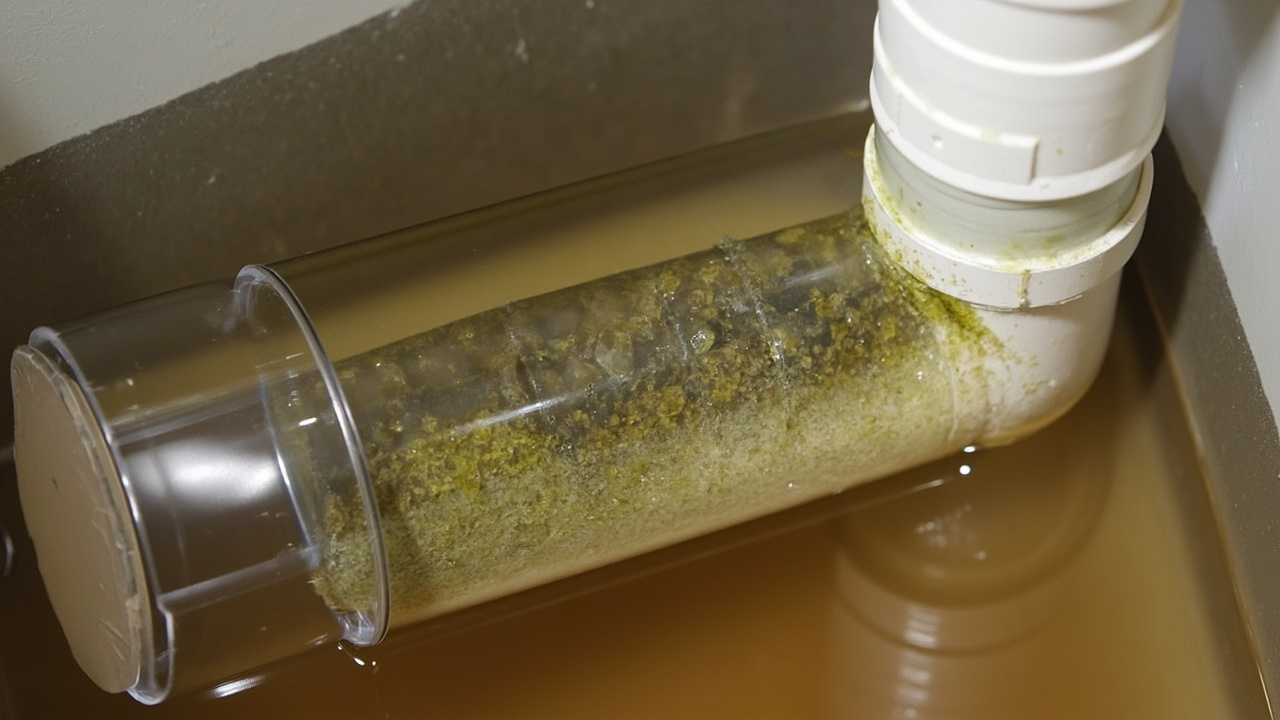
Algae and mold grow inside condensate lines when they sit idle during spring and fall. Dirt and debris from your air filter get sucked into the line. The combination clogs the drain. Water backs up into the secondary drain pan under your evaporator coil. Once that pan fills, water overflows into your attic, ceiling cavity, or down into the wall behind your HVAC unit.
Chatham’s architectural character also contributes to condensate failures. Most Chatham homes are vintage Chicago bungalows built between 1920 and 1950, similar to those found in nearby Beverly and Calumet Heights. These bungalows feature original 1920s attic spaces with minimal clearance where HVAC units sit in tight spaces. Small leaks become big problems fast in these confined areas. The narrow attic cavities lack proper ventilation for quick moisture evaporation, which extends the window for mold growth and structural damage. Original 1920s knob-and-tube wiring in many Chatham attics creates additional hazards when exposed to moisture.
The Chicago Building Code requires HVAC drain lines to slope toward the drain at specific angles and sizes. Many Chatham properties built before 1980 never met these standards. Flat slopes or undersized PVC lines sit inside walls where water pools instead of flows. Twenty years of condensate drainage creates mineral deposits and biofilm that restrict flow.
Older HVAC installations in Chatham homes often lack secondary drain containment systems now required by code. When a condensate line fails in a Chatham home, the water flows directly into wall cavities instead of being caught by a safety pan.
Your evaporator coil itself may be cracked. Refrigerant leaks from the coil damage the cooling process and reduce the amount of condensation that should occur. When you use your AC to compensate, it runs longer, generating more moisture and putting additional pressure on the drain line.
The First 24 Hours After Condensate Line Failure
Water damage in Chatham and Chicago homes accelerates in ways most homeowners do not understand. Within the first 24 hours, moisture penetrates beyond the visible wet spots.
| Time Frame | What Happens to Your Property | Mold Risk Level |
|---|---|---|
| 0 to 6 hours | Water soaks into drywall and insulation. Surface appears wet. Wooden structural elements begin absorbing moisture. | Low |
| 6 to 12 hours | Moisture spreads laterally behind finished surfaces. Mold spores activate in wet cellulose insulation. Paint begins blistering. | Moderate |
| 12 to 24 hours | Drywall swells and loses structural integrity. Mold colonies form visible spots. Flooring begins warping. Air quality deteriorates. | High |
| 24 to 48 hours | Extensive mold growth throughout attic or ceiling cavity. Insulation loses thermal value. Drywall requires removal and replacement. Health symptoms appear in occupants. | Critical |
Chatham’s humidity levels remain elevated year-round due to the neighborhood’s location near Lake Michigan and lower elevation. At 65 percent humidity and 75 degrees Fahrenheit, mold needs only 24 to 48 hours to establish visible colonies. Your attic in Chatham becomes a mold incubator while you wait for repair technicians to arrive.
Condensate leaks often damage flooring you cannot see immediately. If your HVAC sits in an attic above a finished bedroom or living space, water drips through the ceiling and saturates floor joists, subfloors, and carpet padding. The wet smell reaches you days after the structural damage is done.
Condensate Drain Failures vs. Other AC Leaks
Not every AC water leak comes from the condensate line. Understanding the difference matters for your restoration plan.
| Leak Source | What It Looks Like | Urgency Level | Restoration Impact |
|---|---|---|---|
| Clogged condensate drain line | Steady drip under HVAC unit or from ceiling below. Water may be brown or discolored from algae. Line itself appears blocked. | High | Extensive. Water spreads in secondary drain pan cavity. Drywall removal often required. |
| Cracked evaporator coil | Water pooling under unit. Refrigerant smell present. AC performance drops. Leak persists even when condensate drain is clear. | Critical | Very extensive. Requires coil replacement. Restoration must address high-volume water exposure. |
| Broken secondary drain pan | Water leaking from pan itself. Rust visible on pan edges. Overflow occurs even when primary line drains. | High | Extensive. Pan sits in ceiling cavity or attic space. Complete cavity drying needed. |
| Frozen condensate line | Winter leak with ice buildup visible on line exterior. Water resumes when ice melts. Occurs during freeze thaw cycles. | Moderate | Moderate. Short duration leak. Damage often limited to insulation around line. |
Why Your Insurance Policy May Not Cover This Damage
This is where homeowners in Chatham get blindsided. Your homeowners insurance policy covers water damage from sudden, accidental discharge. A condensate drain failure sounds like it qualifies. It does not in most cases.
Insurance companies treat condensate line leaks as maintenance failures, not covered losses. Your policy states that damage from lack of maintenance gets excluded. An untreated clogged drain represents maintenance. A cracked drain pan you never replaced represents maintenance. A refrigerant leak from a poorly serviced evaporator coil represents maintenance.
You need to understand your policy language before you call your agent. Read the section on HVAC coverage carefully. Some policies require annual HVAC inspections to maintain coverage for AC-related water damage. Others require proof that you had the line cleaned within a specific timeframe.
Get a professional inspection report from an HVAC technician that clearly shows when the failure started and why. This documentation supports your claim if you file one. Even a denied claim can sometimes be appealed with the right evidence.
Coverage sometimes becomes available under endorsements or umbrella policies. Learn more about how to file a water damage insurance claim and maximize your payout. Professional documentation of damage helps your insurance company understand the scope of your loss and increases the chances of claim approval.
How Professional Restoration Differs From Calling Your HVAC Company
This distinction is critical. Your HVAC technician can fix the leaking condensate line. They cannot restore the water damage your property sustained.
An HVAC technician clears a clogged drain or replaces a cracked pan. The repair itself takes one to two hours. They turn the system back on and leave. Your condensate line functions again. But the water damage inside your ceiling, walls, and attic remains.
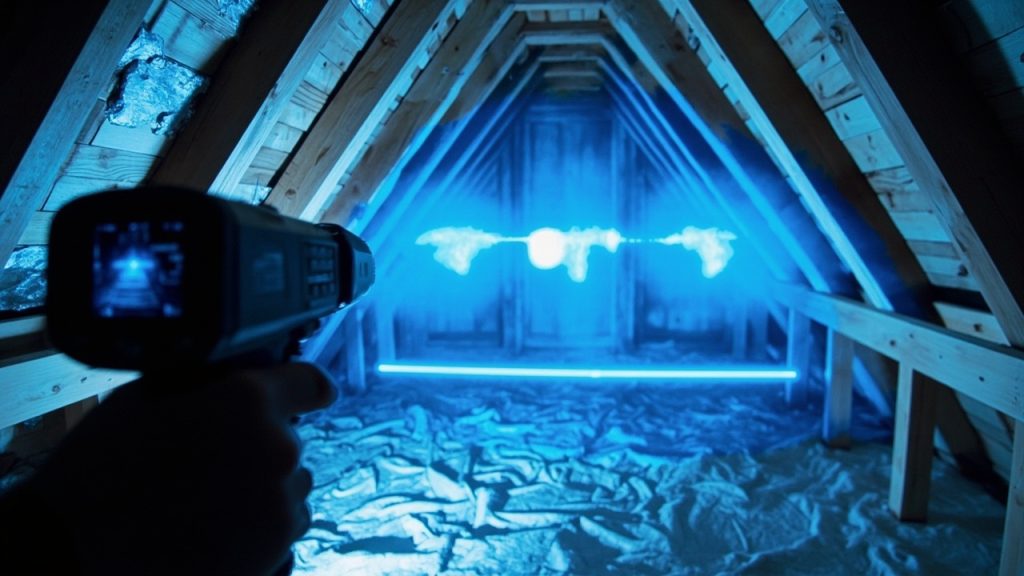
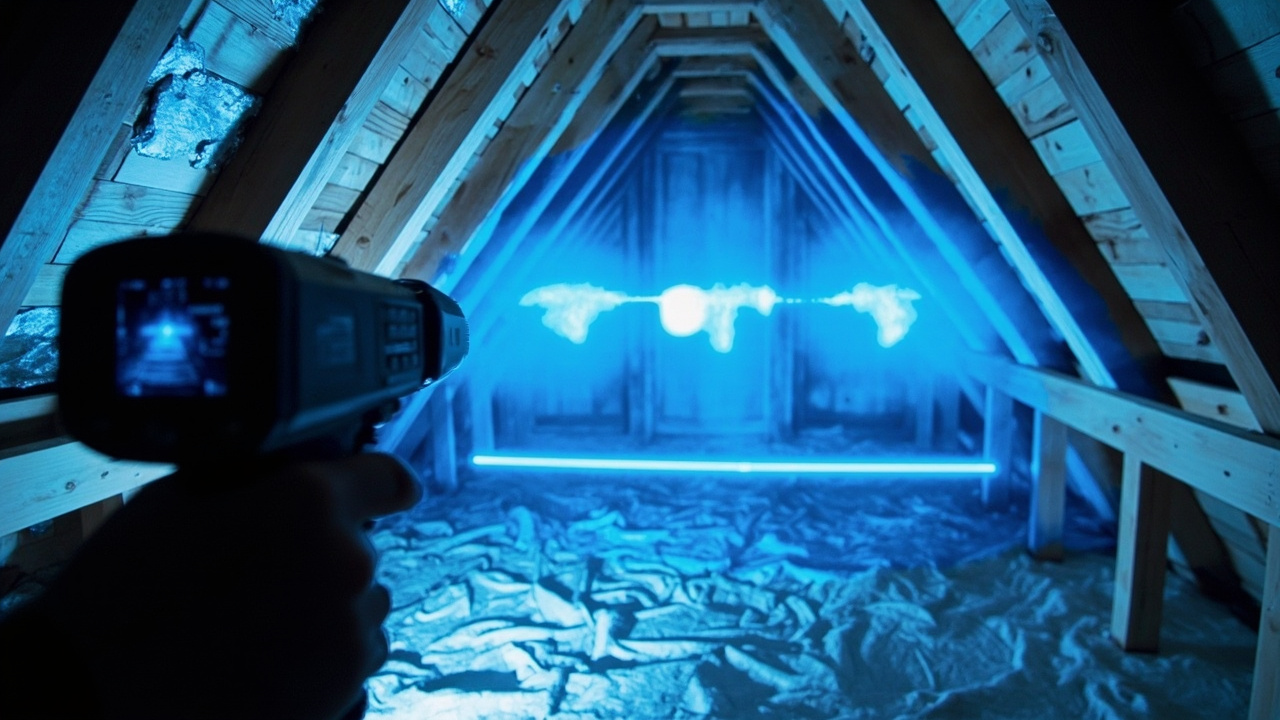
Water damage restoration requires different equipment, certifications, and expertise. Professional teams use thermal imaging cameras to locate moisture hidden inside walls and cavities that appear dry to the touch. They remove damaged drywall and insulation that cannot be salvaged. They position industrial dehumidifiers and air movers to extract moisture from structural wood and subflooring before mold colonies establish.
Professional restoration teams follow the IICRC S500 Standard for Professional Water Damage Restoration. This certification ensures properties dry to target moisture levels and prevents secondary damage. Antimicrobial treatments get applied to prevent mold growth in areas that experienced prolonged moisture exposure.
The restoration process involves multiple visits over one to two weeks. Moisture reduction gets monitored daily using moisture meters and thermal imaging. Restoration completion occurs only when all materials reach normal moisture content and no mold growth is detected.
What Happens in Your Ceiling or Attic Right Now
The condensate water soaking into drywall and insulation begins breaking down the structural integrity of your ceiling system. Drywall paper loses its strength when saturated. The gypsum core swells and becomes soft. Paint bubbles and peels as moisture migrates behind it.
Your insulation loses R-value when wet. Water displaces the air pockets inside fiberglass, foam, or cellulose that provide thermal resistance. Your ceiling no longer insulates. Your energy costs rise. In summer, your AC runs longer to maintain temperature through the wet insulation above.
Wooden ceiling joists and rafters in your attic absorb water and begin rotting within weeks. Fungal decay progresses fastest in Chicago’s humid climate, particularly in Chatham where moisture levels remain elevated year-round. Wood loses load-bearing capacity as decay advances. A ceiling that once held its own weight now sags under its own mass.
Mold growth is not your only concern, but it is the most visible. Mold spores spread through your HVAC system and contaminate other rooms. People living in the home develop respiratory symptoms, allergies, and asthma complications. Children and elderly residents face the greatest vulnerability. Mold in your attic or ceiling cavity releases spores into your home’s air circulation continuously.
Chicago Building Code and HVAC Drainage Standards in Chatham
Chicago’s building code specifies how HVAC drain lines must be installed and maintained. Your condensate line must slope downward toward the drain at a minimum of one eighth inch per foot. The line must be a minimum of three quarters inch in diameter for residential systems. In high-rise buildings, secondary containment systems must be present under all HVAC equipment.
Many properties in Chatham and nearby South Side neighborhoods have HVAC systems installed before these standards were updated. Older systems may have undersized lines or flat routing that violates current code. When you replace an HVAC system in a Chatham home, your contractor must bring the drainage to current code standards.
Secondary drain pans are required under all evaporator coils in Chicago buildings. These pans catch overflow from the primary drain. A float switch in the pan should shut off the AC if water rises to unsafe levels. You should test your float switch by pouring water slowly into the secondary drain. If the AC does not shut off when water is present, the switch needs replacement immediately.
Immediate Steps You Must Take This Week
Your condensate line failure has triggered a series of actions you must complete to protect your property and your claim.
- Photograph all visible damage. Take wide shots of the wet ceiling and close-ups of water stains and drips. Include photos of the HVAC unit itself showing the leak origin. Save these photos to cloud storage in case your phone or computer is damaged.
- Call your insurance agent today. Report the loss even if you are unsure whether it is covered. Your policy may have a time limit for reporting claims. Waiting reduces your chances of coverage.
- Shut off water to your AC system. In many systems, you can isolate the drain line by placing a cap on the secondary drain pan or closing a valve if one exists. Do not attempt this if you are uncomfortable working with HVAC equipment. Call a professional instead.
- Hire a licensed water damage restoration company immediately. Do not wait for your insurance company to recommend one. Moisture spreads in your ceiling and walls every hour you delay. Professional teams begin removing damaged materials and positioning drying equipment on the day you call.
- Get a secondary inspection from an HVAC technician. Request a detailed written report explaining the cause of the condensate line failure and the date the failure most likely began. This report is critical for your insurance claim and may support a coverage dispute.
How Water Damage Restoration Works in Chatham and Chicago Homes
The restoration process is systematic and transparent. You understand every step and every decision made on your property.
The first phase involves moisture inspection. Thermal imaging cameras reveal wet areas invisible to the human eye. Moisture gets mapped throughout your ceiling cavity, attic, and adjacent walls. Moisture meters measure water content in drywall, wood, and insulation. This data tells you exactly how much material must be removed and how long drying will take.
The second phase removes all damaged drywall, insulation, and materials that cannot be salvaged. In a typical condensate leak in a Chatham bungalow, this means cutting out ceiling panels and attic insulation in the affected area. The area gets contained with plastic sheeting to prevent mold spores from spreading to other rooms.
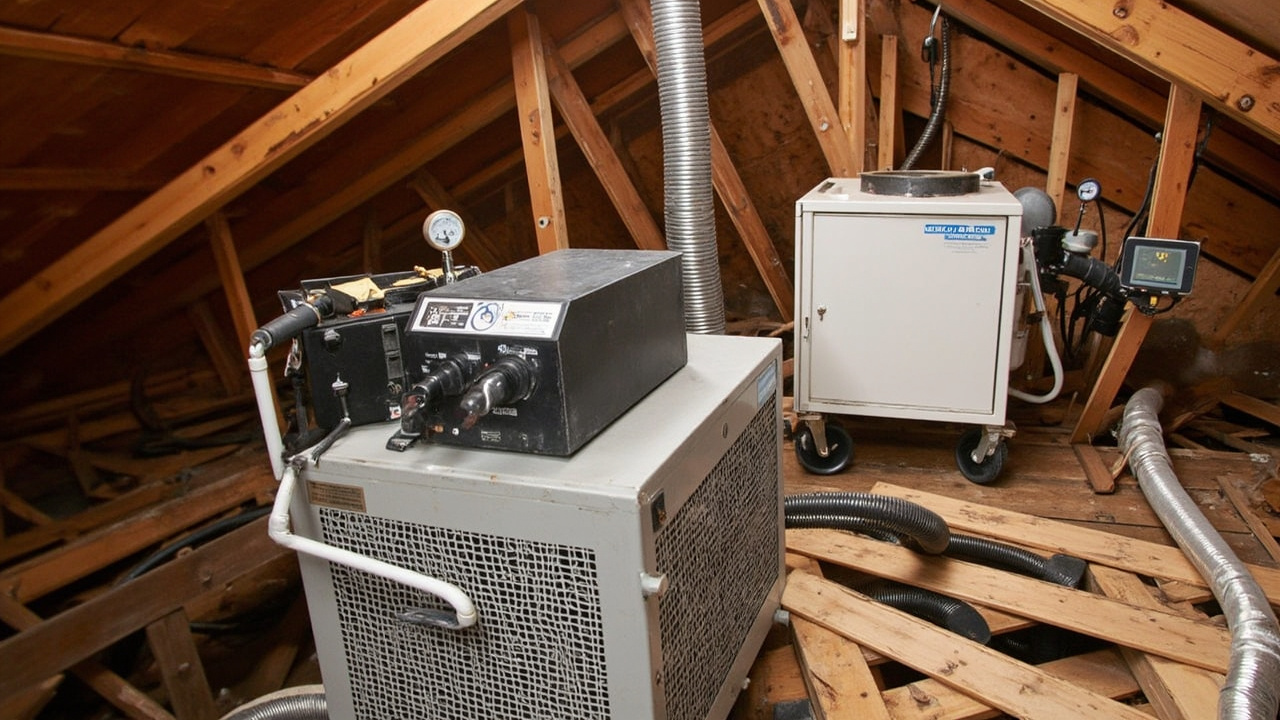
The third phase positions industrial dehumidifiers sized to your attic or ceiling cavity volume. One residential dehumidifier cannot dry a 500-square-foot attic. Equipment that removes 150 to 200 pints of moisture per day gets deployed. Air movers force air circulation through wet structural cavities. This combination reduces moisture faster than natural evaporation.
Progress gets monitored daily with moisture meters and thermal imaging. Equipment placement gets adjusted based on what the data shows. Some areas dry faster than others. Equipment moves to target stubborn moisture pockets.
Once moisture levels normalize, antimicrobial treatment gets applied to areas that showed early mold growth or sustained high moisture exposure. This prevents mold colonies from regrowing after drying is complete. Work follows IICRC S500 and S520 standards for antimicrobial application and documentation.
Finally, drywall, insulation, and finished surfaces get reinstalled. Existing materials get matched as closely as possible and all work meets Chicago Building Code standards. Your property gets restored to pre-loss condition, with improved HVAC drainage to prevent this from happening again.
Why Mold Prevention is More Important Than You Think
Mold is not just a cosmetic problem. Mold in your attic or ceiling cavity releases spores into your home’s air circulation. These spores trigger immune responses in your family members. Reactions range from mild allergies to severe respiratory attacks.
Mold also eats the materials in your home. Wood framing, insulation, drywall, and flooring all serve as food sources. Mold digests these materials slowly but relentlessly. Given time, mold converts structural members into dust. Your ceiling collapses not because of water weight but because mold has destroyed the framing that holds it up.
Prevention is cheaper and easier than remediation. Annual HVAC inspections catch condensate line clogs before they overflow. Replacing worn drain pans prevents cracking and splitting. Testing secondary drain float switches ensures backup systems work when needed.
Chatham’s humidity in summer makes these inspections essential. Residents of Chatham face greater humidity exposure due to the neighborhood’s location near Lake Michigan and lower elevation compared to surrounding areas. You should schedule your HVAC service in late spring, before cooling season begins. Request that your technician specifically inspect the condensate drain line, secondary drain pan, and float switch. Ask for a written report detailing the condition of each component.
Frequently Asked Questions
How fast does mold grow after condensate line leaks in Chatham?
Mold can produce visible growth within 24 to 48 hours in Chicago’s summer humidity. Temperatures between 70 and 85 degrees Fahrenheit and humidity above 60 percent create ideal growth conditions. Your attic or ceiling cavity in Chatham may exceed these thresholds even while your air conditioning cools the rest of your home.
Does homeowners insurance cover condensate drain leaks?
Most standard homeowners policies exclude damage from condensate drain failures as maintenance-related. Your policy may cover the loss only if you can prove the failure was sudden and accidental, not the result of neglect. Some policies include HVAC coverage endorsements that require annual inspections. Review your policy language or contact your agent for specific coverage details.
Can I dry out my ceiling myself after a condensate line leak?
You cannot dry your property to safe moisture levels using household fans and open windows. Professional restoration requires industrial dehumidifiers, air movers, and moisture monitoring equipment. If you try DIY drying, moisture remains trapped inside walls and attic cavities where it generates mold colonies. Call a professional immediately to prevent permanent structural damage.
How long does restoration take after condensate line failure?
Restoration typically takes 5 to 14 days depending on the extent of damage and moisture levels. A small leak affecting one ceiling section may dry in 5 to 7 days. A leak that has spread into attic insulation and structural cavities may require 10 to 14 days of continuous dehumidification. A timeline estimate comes after your initial inspection and moisture assessment.
What should I do with my ceiling after a condensate line leak?
Never patch or paint over water-damaged drywall without professional restoration. The damage underneath will continue to worsen. Damaged drywall gets removed, the cavity behind it dries completely, and only then does new drywall and finished surfaces get reinstalled. Attempting a cosmetic repair without addressing the moisture problem guarantees mold growth within weeks.
Do I need to replace my entire HVAC system if the condensate line leaks?
Not necessarily. If the leak comes from a clogged drain line, clearing the clog solves the HVAC problem. If the secondary drain pan is cracked, replacing the pan stops the leak. If the evaporator coil is cracked, you may need a coil replacement or full system replacement depending on the age and repair cost. An HVAC technician’s inspection determines what repair is needed.
Start Your Recovery Right Now
Turn off your air conditioning immediately if water actively drips. Place buckets under the leak. Take photos. Contact a licensed water damage restoration company at your earliest opportunity. Professional teams arrive quickly and begin protecting your property from further damage. They handle the assessment, the documentation, the insurance coordination, and the complete restoration. Your job is to stop the water now and let the professionals do what they do best.
Do not wait for Monday morning or business hours. Water damage happens 24 hours a day, 7 days a week. Professional restoration services are available around the clock. Contact a local restoration team today and get your ceiling, your attic, and your home protected before mold takes hold.
{
“@context”: “https://schema.org”,
“@type”: “BlogPosting”,
“headline”: “Why Your AC Condensate Line Leaks Through the Ceiling in Chicago and How Water Damage Spreads Fast”,
“description”: “AC condensate leaks in Chatham cause rapid water damage and mold. Learn what happens in 24 hours and why professional restoration matters.”,
“wordCount”: 3275,
“datePublished”: “2026-04-16T11:19:00.000Z”,
“dateModified”: “2026-04-16T11:19:00.000Z”,
“inLanguage”: “en-US”,
“mainEntityOfPage”: {
“@type”: “WebPage”,
“@id”: “https://cornerstonewaterdamagerestorationchicago.com”
},
“publisher”: {
“@type”: “LocalBusiness”,
“name”: “Cornerstone Water Damage Restoration Chicago”,
“url”: “https://cornerstonewaterdamagerestorationchicago.com”
},
“author”: {
“@type”: “Organization”,
“name”: “Cornerstone Water Damage Restoration Chicago”,
“url”: “https://cornerstonewaterdamagerestorationchicago.com”
},
“image”: {
“@type”: “ImageObject”,
“url”: “https://cornerstonewaterdamagerestorationchicago.com/wp-content/uploads/2026/03/why-your-ac-condensate-line-is-leaking-through-the-1.jpg”
}
}
{
“@context”: “https://schema.org”,
“@type”: “LocalBusiness”,
“name”: “Cornerstone Water Damage Restoration Chicago”,
“url”: “https://cornerstonewaterdamagerestorationchicago.com”,
“address”: {
“@type”: “PostalAddress”,
“addressLocality”: “Chicago”
},
“areaServed”: {
“@type”: “City”,
“name”: “Chicago”
}
}
{
“@context”: “https://schema.org”,
“@type”: “FAQPage”,
“mainEntity”: [
{
“@type”: “Question”,
“name”: “How fast does mold grow after condensate line leaks in Chatham?”,
“acceptedAnswer”: {
“@type”: “Answer”,
“text”: “Mold can produce visible growth within 24 to 48 hours in Chicago’s summer humidity. Temperatures between 70 and 85 degrees Fahrenheit and humidity above 60 percent create ideal growth conditions. Your attic or ceiling cavity in Chatham may exceed these thresholds even while your air conditioning cools the rest of your home.”
}
},
{
“@type”: “Question”,
“name”: “Does homeowners insurance cover condensate drain leaks?”,
“acceptedAnswer”: {
“@type”: “Answer”,
“text”: “Most standard homeowners policies exclude damage from condensate drain failures as maintenance-related. Your policy may cover the loss only if you can prove the failure was sudden and accidental, not the result of neglect. Some policies include HVAC coverage endorsements that require annual inspections. Review your policy language or contact your agent for specific coverage details.”
}
},
{
“@type”: “Question”,
“name”: “Can I dry out my ceiling myself after a condensate line leak?”,
“acceptedAnswer”: {
“@type”: “Answer”,
“text”: “You cannot dry your property to safe moisture levels using household fans and open windows. Professional restoration requires industrial dehumidifiers, air movers, and moisture monitoring equipment. If you try DIY drying, moisture remains trapped inside walls and attic cavities where it generates mold colonies. Call a professional immediately to prevent permanent structural damage.”
}
},
{
“@type”: “Question”,
“name”: “How long does restoration take after condensate line failure?”,
“acceptedAnswer”: {
“@type”: “Answer”,
“text”: “Restoration typically takes 5 to 14 days depending on the extent of damage and moisture levels. A small leak affecting one ceiling section may dry in 5 to 7 days. A leak that has spread into attic insulation and structural cavities may require 10 to 14 days of continuous dehumidification. A timeline estimate comes after your initial inspection and moisture assessment.”
}
},
{
“@type”: “Question”,
“name”: “What should I do with my ceiling after a condensate line leak?”,
“acceptedAnswer”: {
“@type”: “Answer”,
“text”: “Never patch or paint over water-damaged drywall without professional restoration. The damage underneath will continue to worsen. Damaged drywall gets removed, the cavity behind it dries completely, and only then does new drywall and finished surfaces get reinstalled. Attempting a cosmetic repair without addressing the moisture problem guarantees mold growth within weeks.”
}
},
{
“@type”: “Question”,
“name”: “Do I need to replace my entire HVAC system if the condensate line leaks?”,
“acceptedAnswer”: {
“@type”: “Answer”,
“text”: “Not necessarily. If the leak comes from a clogged drain line, clearing the clog solves the HVAC problem. If the secondary drain pan is cracked, replacing the pan stops the leak. If the evaporator coil is cracked, you may need a coil replacement or full system replacement depending on the age and repair cost. An HVAC technician’s inspection determines what repair is needed.”
}
}
]
}
{
“@context”: “https://schema.org”,
“@type”: “BreadcrumbList”,
“itemListElement”: [
{
“@type”: “ListItem”,
“position”: 1,
“name”: “Home”,
“item”: “https://cornerstonewaterdamagerestorationchicago.com”
},
{
“@type”: “ListItem”,
“position”: 2,
“name”: “Blog”,
“item”: “https://cornerstonewaterdamagerestorationchicago.com/blog”
},
{
“@type”: “ListItem”,
“position”: 3,
“name”: “Why Your AC Condensate Line Leaks Through the Ceiling in Chicago and How Water Damage Spreads Fast”
}
]
}
{
“@context”: “https://schema.org”,
“@type”: “Service”,
“serviceType”: “Water Damage Restoration”,
“provider”: {
“@type”: “LocalBusiness”,
“name”: “Cornerstone Water Damage Restoration Chicago”,
“url”: “https://cornerstonewaterdamagerestorationchicago.com”
},
“areaServed”: {
“@type”: “City”,
“name”: “Chicago”
},
“description”: “AC condensate leaks in Chatham cause rapid water damage and mold. Learn what happens in 24 hours and why professional restoration matters.”
}