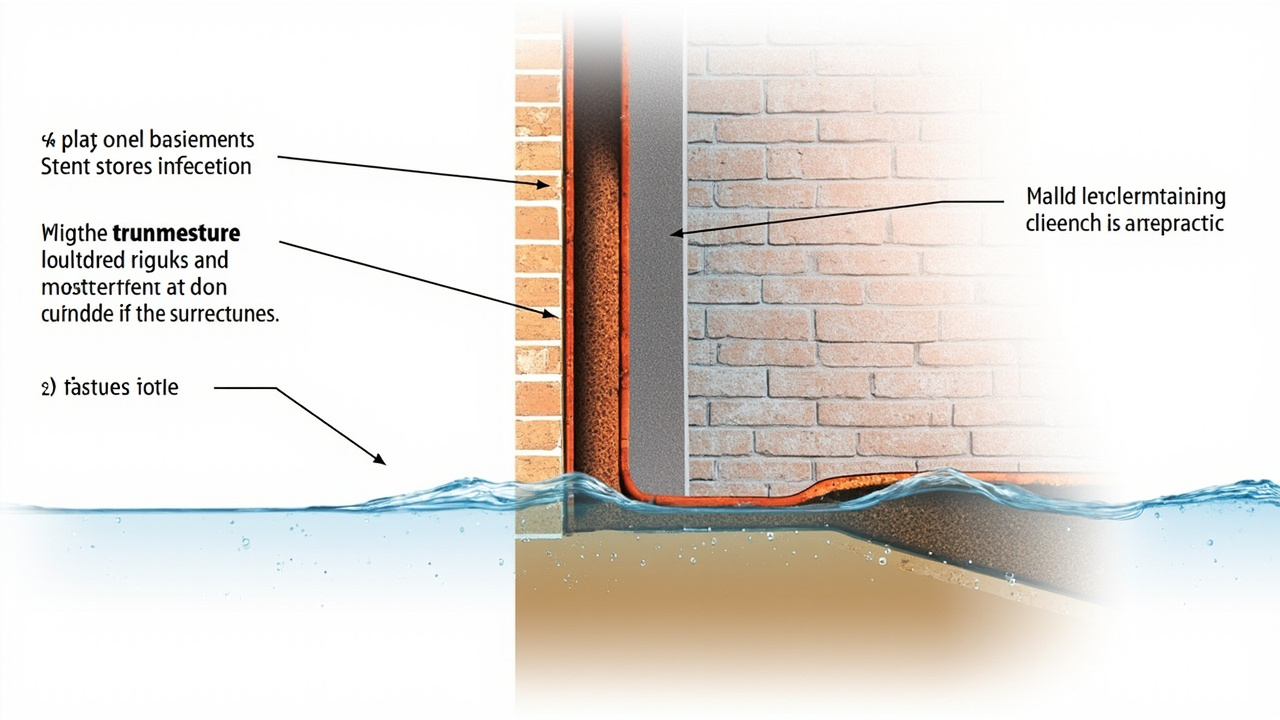






Chicago's combined sewer system creates recurring basement flooding in neighborhoods like Albany Park, West Lawn, and Austin. During heavy spring storms or rapid snowmelt, the system cannot handle the volume. Water backs up through floor drains and saturates carpeting on lower levels. The water often contains sewage or street runoff, which means immediate removal of all porous materials. Chicago homeowners who delay carpet removal risk prolonged exposure to pathogens and complete subfloor replacement. The clay soil under many Chicago homes also contributes to foundation seepage, creating chronic dampness that compromises carpet padding even without a major flood event. If you smell mildew or notice cold spots on your carpet, the padding is likely holding moisture from soil vapor intrusion or micro-leaks.
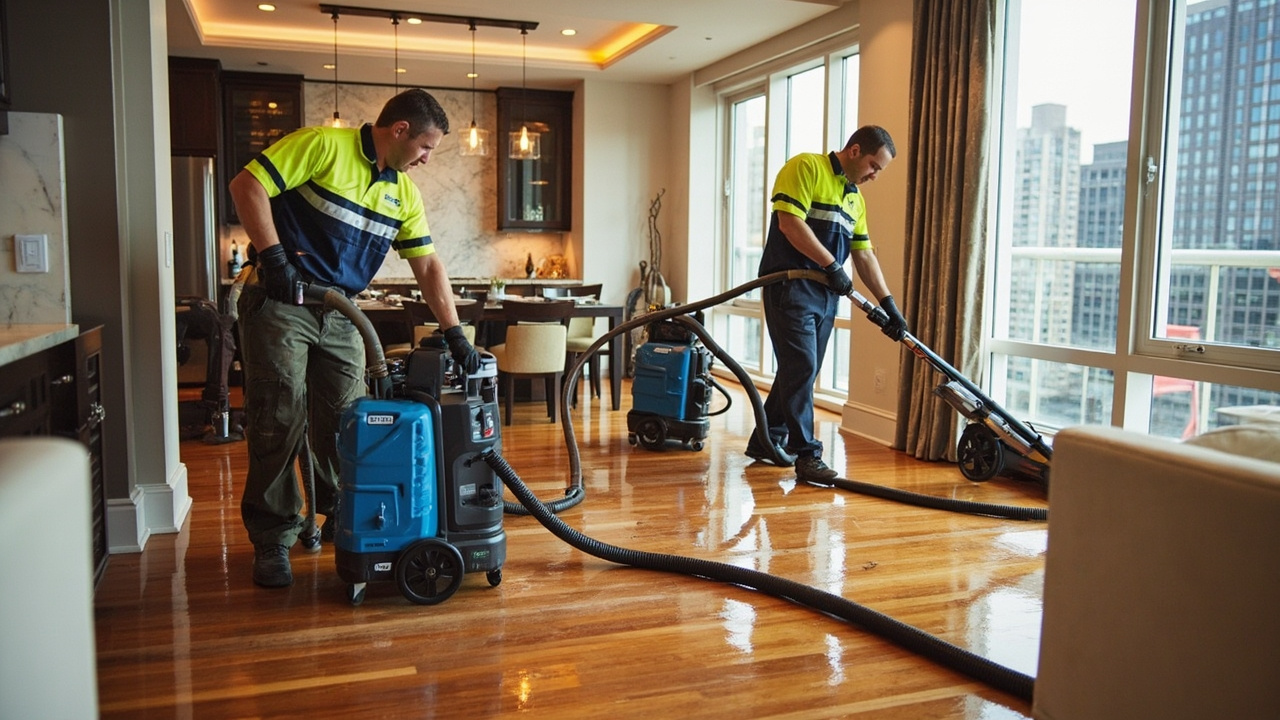
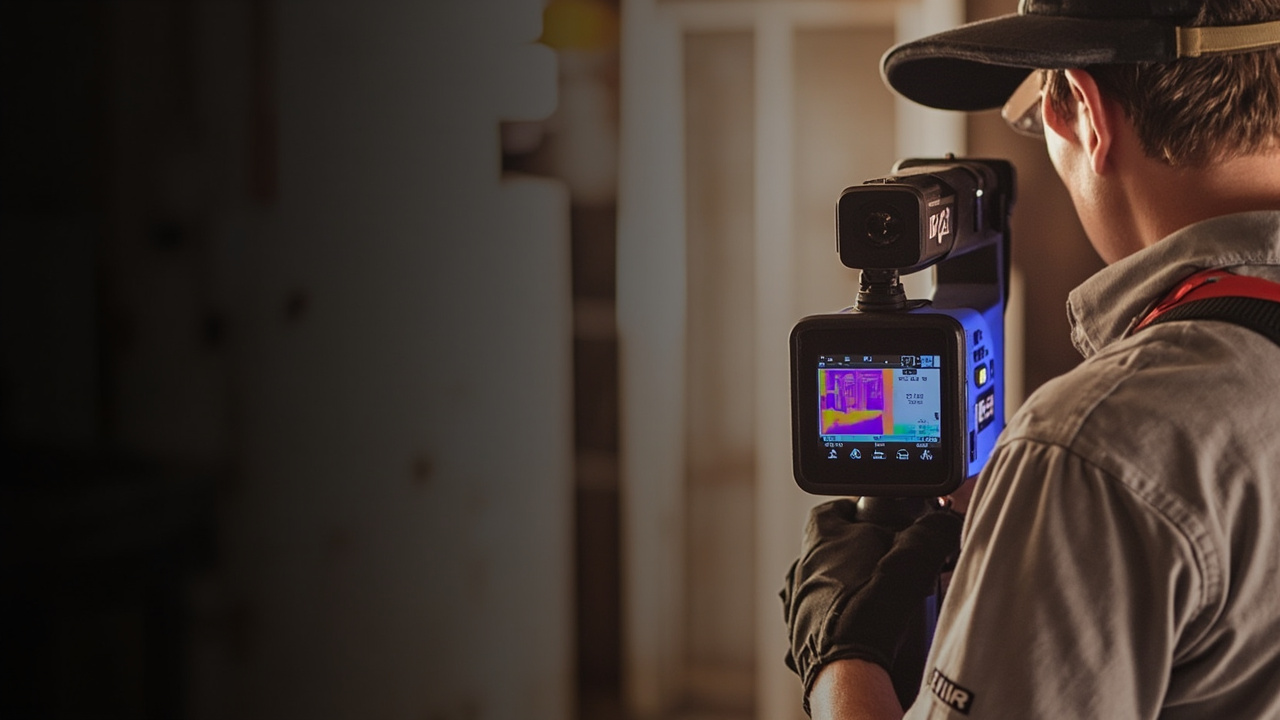
Chicago's Building Code and the Illinois Plumbing Code require proper water damage mitigation to prevent mold and structural decay. Insurance adjusters in Cook County expect restoration contractors to follow IICRC S500 standards for water damage restoration, which include moisture mapping, controlled drying, and antimicrobial treatment when needed. Contractors who skip these steps leave you liable for future mold claims or structural failures. Cornerstone Water Damage Restoration Chicago adheres to these standards on every job. We document our work, we coordinate with local adjusters, and we provide the transparency you need to file a clean insurance claim. Choosing a local contractor who understands Chicago's building environment and regulatory expectations is not optional. It is the only way to protect your property value and your health.