



menu

Water Stains on Drywall in Chicago | Expert Diagnosis Prevents Mold Growth and Structural Damage

Those brown water spots on walls and yellow stains on drywall signal hidden moisture problems that worsen every day. We identify the source, stop the damage, and restore your walls correctly the first time.

Slider Image 1
Slider Image 2
Slider Image 3
Slider Image 4
Slider Image 5
Slider Image 7
Slider Image 8
Slider Image 9
Slider Image 10
Slider Image 11

Why Water Stains Keep Appearing on Chicago Drywall

You spot a brown water spot on your ceiling. You paint over it. Two weeks later, it bleeds through again, darker than before. This cycle frustrates homeowners across Chicago, but the stain is just a symptom.

Chicago's freeze-thaw cycles create the perfect storm for hidden water intrusion. When winter temperatures drop below freezing, ice dams form along rooflines. Meltwater backs up under shingles and seeps into attic spaces. By the time you see moisture discoloration on sheetrock, water has been traveling through your walls for weeks.

Older Chicago homes built before 1950 face additional challenges. Many feature plaster walls covered with drywall during renovations. Water trapped between these layers creates wet patches on plasterboard that spread horizontally before becoming visible. The moisture sits against wood framing, feeding mold growth you cannot see.

Yellow stains on drywall often indicate chronic leaks from second-floor bathrooms or aging supply lines. As copper pipes corrode, pinhole leaks develop. These slow drips saturate insulation and drywall from the inside out. The yellow tint comes from dissolved minerals and organic material breaking down within the wall cavity.

Water marks on ceiling surfaces tell different stories based on their appearance. Rings with dark outer edges suggest active leaks. Fuzzy, spreading stains indicate moisture wicking through drywall from sustained humidity. Sharp-edged discoloration points to sudden flooding events.

The Lake Michigan humidity compounds every problem. During summer months, indoor humidity levels above 60 percent allow condensation to form inside wall cavities where cold air conditioning meets warm exterior walls. This condensation creates persistent dampness that never fully dries.

Why Water Stains Keep Appearing on Chicago Drywall
How We Diagnose and Fix Water Stains Correctly

How We Diagnose and Fix Water Stains Correctly

Painting over water stains wastes money. We locate the water source first, then address both the cause and the damage.

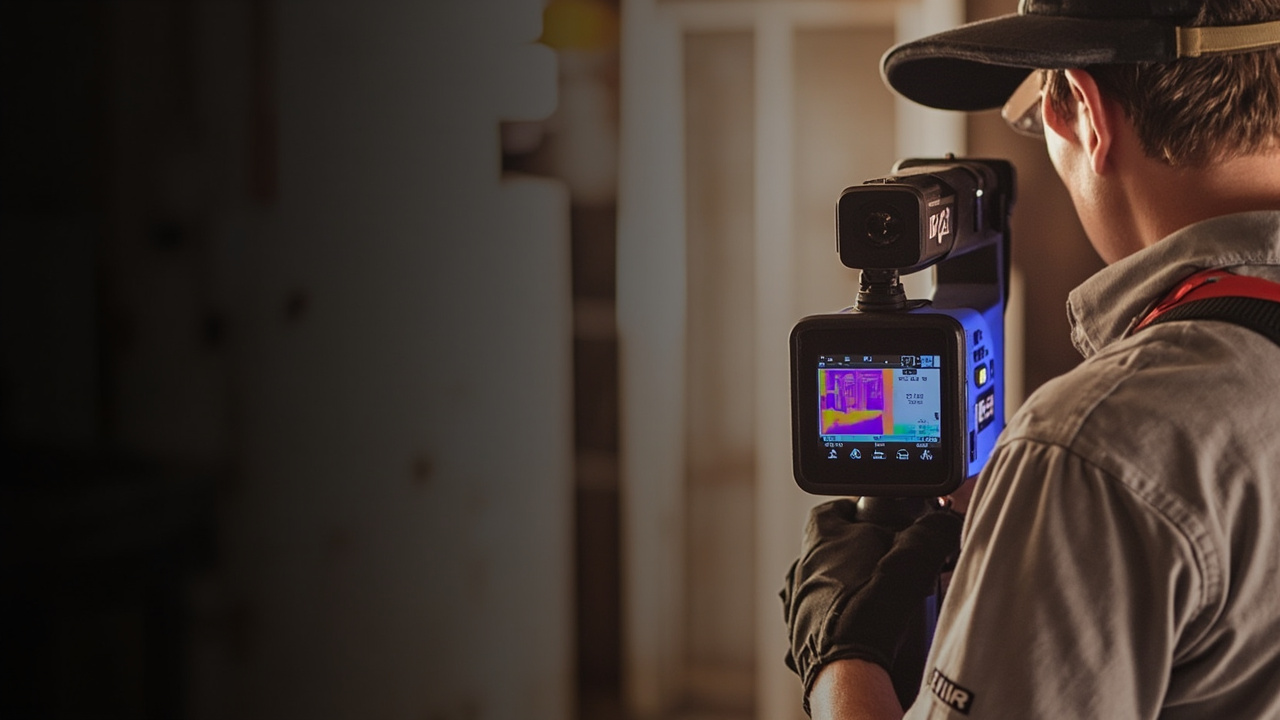
Our technicians use thermal imaging cameras to map temperature differentials behind drywall. Wet insulation and framing appear as cold spots on the infrared display. This technology reveals the full extent of moisture intrusion without cutting exploratory holes throughout your home.

We measure moisture content using pin-type and pinless meters. Pin meters penetrate the drywall surface to read moisture levels in the substrate and framing. Pinless meters scan larger areas to identify moisture gradients. Readings above 17 percent indicate active water problems requiring source repair before cosmetic restoration.

Moisture mapping creates a documented baseline. We take readings in a grid pattern around visible stains, marking elevated areas with tape. This map guides our remediation scope and provides proof of drying progress for insurance documentation.

Source identification separates competent contractors from painters with moisture meters. We inspect attic spaces, trace plumbing lines, and examine exterior wall penetrations. A brown water spot below a bathroom often stems from failed wax rings, degraded supply line connections, or missing caulk around tub surrounds. Ceiling stains near exterior walls point to roof leaks, failed flashing, or ice dam damage.

After source repair, we remove contaminated materials. Drywall exposed to Category 2 or Category 3 water requires removal and disposal. We cut back to dry framing, remove wet insulation, and treat exposed wood with antimicrobial solutions.

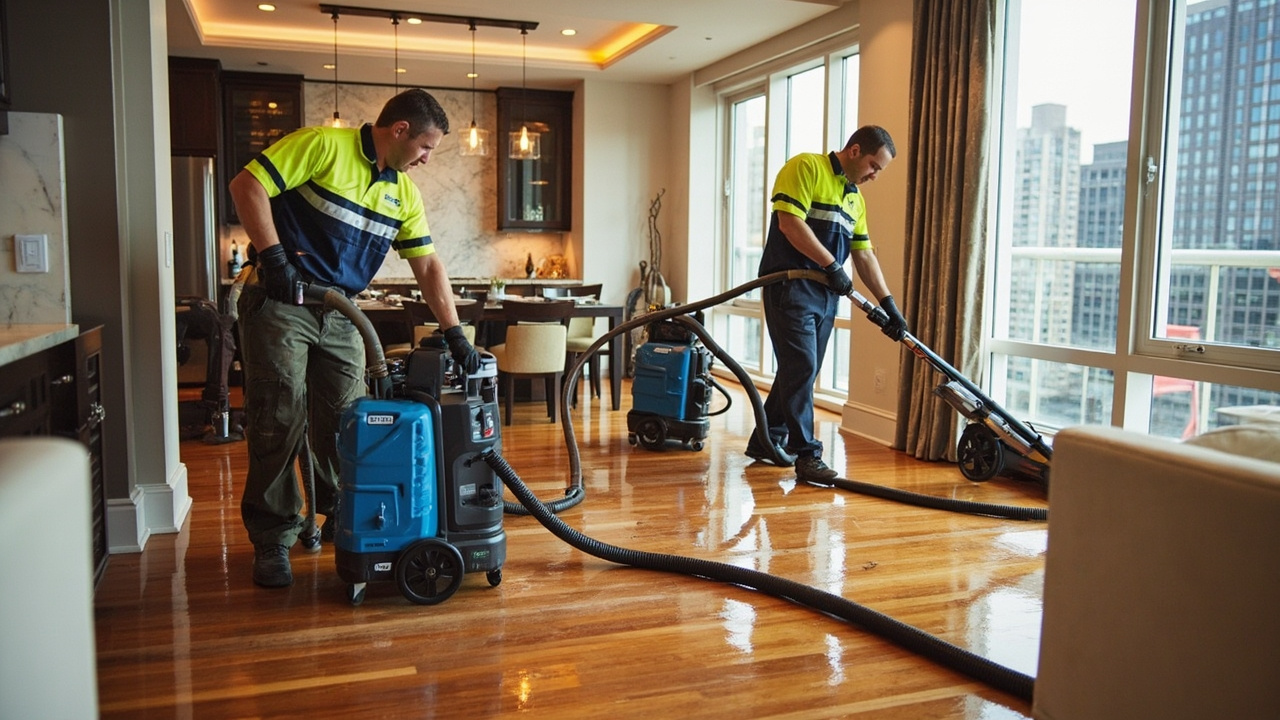
Controlled drying follows demolition. We position air movers to create airflow across damp surfaces and run dehumidifiers to reduce ambient humidity below 50 percent. This process typically requires three to five days of continuous operation with daily moisture readings to confirm progress.

Reconstruction uses mold-resistant drywall in areas prone to moisture exposure. We match existing textures, prime all surfaces with stain-blocking primer, and apply finish coats that integrate seamlessly with surrounding walls.

What Happens During Your Water Stain Assessment

Water Stains on Drywall in Chicago | Expert Diagnosis Prevents Mold Growth and Structural Damage
01

Initial Inspection and Documentation

We photograph all visible water stains and surrounding areas from multiple angles. Our technician examines the stain pattern, tests surface moisture, and asks specific questions about when you first noticed the discoloration and whether it changes during weather events. This information helps isolate intermittent leaks from chronic moisture problems. We document findings in a written report you can submit directly to your insurance company.
02

Source Investigation and Testing

Using thermal cameras and moisture meters, we trace moisture patterns back to their origin point. We check attic spaces above ceiling stains, inspect crawl spaces below floor-level discoloration, and examine all plumbing fixtures near affected walls. We run water tests on suspect fixtures and observe drainage patterns. We also check exterior grades, downspout discharge points, and foundation walls for water intrusion paths that contribute to basement moisture problems.
03

Scope Development and Estimate

After identifying all moisture sources and mapping the damage extent, we provide a detailed scope of work. This includes source repair costs, demolition requirements, drying equipment rental duration, and reconstruction expenses. We separate emergency mitigation work from cosmetic restoration so you understand what must happen immediately versus what can wait for insurance approval. You receive a written estimate with line-item pricing before any work begins.

Why Chicago Homeowners Choose Local Water Damage Experts

Chicago's housing stock presents unique challenges that national franchises often misdiagnose. Our technicians understand how balloon-frame construction in pre-1940 homes allows water to travel vertically through open wall cavities. We know that many Chicago bungalows have flat or low-slope roofs that require different leak investigation techniques than pitched roofs.

We maintain relationships with local plumbers, roofers, and foundation specialists who understand Chicago building methods. When we identify a leak source outside our scope, we connect you with qualified contractors who can complete repairs correctly. This coordination prevents the finger-pointing that occurs when multiple contractors blame each other for ongoing problems.

Our response times reflect our location. We operate from facilities on the North and Southwest sides, allowing us to reach most Chicago neighborhoods within 90 minutes of your call. This speed matters because every hour of moisture exposure increases mold growth risk and expands the demolition scope required for proper remediation.

We document work according to IICRC S500 standards, the industry benchmark for water damage restoration. This documentation satisfies insurance adjusters and provides legal protection if disputes arise. We photograph moisture readings, maintain daily logs of drying equipment operation, and provide certificates of completion with final moisture maps showing all areas returned to dry standards.

Local expertise extends to building code compliance. Chicago requires permits for any drywall replacement exceeding 35 square feet. We pull necessary permits, coordinate required inspections, and ensure all work meets current code requirements. This protects your home value and prevents complications during future property sales.

We also understand Chicago's insurance landscape. We work with all major carriers and know which documentation each requires. We provide detailed estimates in Xactimate format, the pricing software most adjusters use, to streamline approval processes and minimize your out-of-pocket costs.

What to Expect During Water Stain Remediation

Response Time and Availability

We answer calls 24 hours a day, seven days a week. Emergency mitigation crews can arrive within two hours for active leaks requiring immediate water extraction. Standard assessments for existing water stains typically schedule within 24 hours of your call. Our technicians arrive in marked vehicles with all necessary testing equipment. Initial assessments take 45 to 90 minutes depending on the number of affected areas and the complexity of moisture mapping required. We provide verbal findings before leaving and follow up with written reports within 24 hours.

Assessment and Documentation Process

Your assessment includes thermal imaging, moisture content readings, and photographic documentation of all affected areas. We test for elevated moisture in drywall, insulation, and framing members. We identify the water source through visual inspection, moisture tracing, and water testing when necessary. You receive a comprehensive report detailing moisture readings, suspected leak sources, and recommended remediation scope. This report includes annotated photos showing moisture locations and thermal images highlighting hidden water intrusion. The documentation package works for insurance claims or as a diagnostic tool if you choose to hire separate contractors for repairs.

Restoration Quality and Methods

We remove water-damaged materials back to dry, stable substrates. All demolition follows containment protocols to prevent dust and debris migration throughout your home. We treat exposed framing with EPA-registered antimicrobial solutions to prevent mold growth during drying. Reconstruction uses mold-resistant drywall products in moisture-prone areas. We match existing wall textures using spray, hand, or knockdown techniques depending on your home's finish. All primer and paint products include stain-blocking properties to prevent bleed-through. Final work integrates seamlessly with surrounding surfaces, making it impossible to identify repair locations once complete.

Post-Remediation Support

We provide final moisture readings documenting that all affected areas have returned to normal dry standards, typically below 15 percent moisture content. You receive certificates of completion suitable for insurance claim closure or property sale disclosure. We offer follow-up inspections at 30 and 90 days to verify that moisture problems have not recurred. If water stains reappear within the first year after our work, we return to reassess at no charge. This follow-up distinguishes active leaks we missed from new water intrusion events unrelated to our original scope.

Frequently Asked Questions

You Have Questions,
We Have Answers

How do you get water stains out of drywall? +

You cannot just wipe away water stains. First, find and fix the source. Chicago's freeze-thaw cycles and aging plumbing cause most leaks. Let the drywall dry completely, which can take 48-72 hours with proper airflow. Use fans and dehumidifiers. Once dry, apply a stain-blocking primer like Kilz or BIN to seal the discoloration. If the drywall feels soft, crumbles, or shows mold, you need replacement, not cosmetic fixes. Paint over the primer only after the area passes a moisture meter test.

Can I paint over water stained drywall? +

No, not directly. Paint will not hide the stain, and moisture will bleed through again within weeks. You must apply a stain-blocking primer first. Water stains contain tannins and mineral deposits that migrate through standard paint. Use an oil-based or shellac-based primer like Kilz or Zinsser BIN. Let it cure fully before painting. If the drywall shows bubbling, sagging, or softness, painting is pointless. The gypsum core has deteriorated, and you need replacement before finishing work.

Why do I have water marks on my walls but no leak? +

This happens more than you think in Chicago. Common causes include condensation from poor attic insulation, humid basements during summer months, HVAC ductwork sweating in walls, or roof ice dams that melt and migrate. Older homes in neighborhoods like Lincoln Park and Hyde Park often have ventilation issues. The water vapor condenses on cold spots inside wall cavities. You might also have a slow pipe drip or toilet seal leak that evaporates before pooling. A thermal camera inspection pinpoints the exact moisture source.

Do I need to replace water stained drywall? +

It depends on the damage depth. Surface stains on intact, dry drywall only need primer and paint. If the paper facing has delaminated, the core feels spongy, or you see sagging and texture changes, replacement is required. Drywall that stays wet longer than 48 hours in Chicago's humid climate will grow mold inside the wall cavity. Cut out a small inspection hole to check the back side. If you see black growth or smell mustiness, remove at least two feet beyond the visible damage.

Is drywall ruined once it gets wet? +

Not always, but timing matters. Drywall can survive brief exposure if dried within 24-48 hours. Chicago's humidity slows drying, so act fast. Use air movers and dehumidifiers. If water soaks through to the gypsum core or sits longer than two days, the material loses structural integrity. You will see warping, sagging, and crumbling. Category 3 water (sewage, flooding) ruins drywall instantly due to contamination. Clean water from a supply line gives you a narrow window to salvage it.

Will magic eraser remove water stains on walls? +

No. Magic erasers work on surface dirt, not water stains embedded in drywall. The stain comes from moisture pulling tannins, rust, or minerals through the gypsum and paper. Scrubbing makes it worse by damaging the paper facing and spreading the discoloration. You need a chemical barrier, not abrasion. Use a stain-blocking primer after the wall dries completely. Magic erasers can remove some surface mold if you catch it early, but they do nothing for the underlying moisture problem causing the stain.

What do water stains on drywall look like? +

Water stains appear as yellow, brown, or rust-colored rings and splotches. Fresh leaks create darker, wet-looking patches that feel cool to the touch. Old stains fade to tan or beige with crispy edges. Look for texture changes like bubbling, sagging, or peeling paint. In Chicago's older buildings, stains often show concentric rings like a target, marking repeated leak cycles. Ceiling stains usually spread outward from a central drip point. Check for soft spots, chalky residue, or a musty smell indicating hidden mold growth.

Will Kilz cover a water stain? +

Yes, if you use it correctly. Kilz is a stain-blocking primer designed to seal water stains and prevent bleed-through. Apply it only after the drywall is bone dry. Use an oil-based or shellac-based Kilz formula, not the water-based version, for heavy stains. One coat usually works for light stains. Severe discoloration or rust marks need two coats. Let each coat dry fully before topcoating with paint. Kilz will not fix structural damage, mold, or active leaks. Fix the source first.

How to get rid of water damage on drywall? +

Stop the water source immediately. Remove damaged materials if the drywall is soft, sagging, or shows mold. Dry the area within 24-48 hours using fans, dehumidifiers, and open windows. Chicago's lake-effect humidity slows drying, so monitor with a moisture meter. Cut out wet insulation and inspect wall cavities for mold. Once dry, treat visible mold with antimicrobial solutions. Replace damaged sections, then prime with a stain blocker and repaint. For flooding or sewage, call a certified restorer to handle contamination safely.

How to tell if water is leaking behind a wall? +

Check for these signs: unexplained water stains, peeling paint, warped baseboards, or soft drywall. Run your hand along the wall to feel temperature differences. Cold spots indicate moisture. A musty odor signals mold growth inside the cavity. Listen for dripping sounds or watch your water meter with all fixtures off. If the meter moves, you have a leak. In Chicago's older homes, inspect near radiators, cast iron stacks, and exterior walls after freeze-thaw cycles. A thermal camera reveals hidden moisture patterns professionals use daily.

How Chicago's Freeze-Thaw Cycles Create Persistent Drywall Water Stains

Chicago experiences an average of 40 freeze-thaw cycles each winter. When daytime temperatures climb above freezing, snow melts on roofs. As temperatures drop overnight, this water refreezes, expanding in cracks and gaps. This cycle damages roof flashing, opens seams around chimneys, and lifts shingles along eaves. Ice dams form when heat escaping through poorly insulated attics melts snow on upper roof sections. The meltwater runs downslope and refreezes at the cold roof edge, creating a dam that forces water under shingles and into attic spaces. By spring, this repeated water intrusion saturates attic insulation and ceiling drywall, creating the brown water spots and yellow stains Chicago homeowners discover when winter ends.

Chicago building codes have evolved significantly since 1985, when the city adopted the first comprehensive residential code. Homes built before this date often lack proper vapor barriers and insulation standards that prevent condensation-related moisture problems. We understand these construction differences across Chicago's neighborhoods. Bungalows in Jefferson Park have different moisture vulnerabilities than courtyard buildings in Rogers Park or frame houses in Beverly. Our technicians recognize these patterns and adjust investigation techniques accordingly. This local knowledge prevents the cookie-cutter approach that leads to misdiagnosis and recurring problems.
Water Damage Restoration Services in The Chicago Area

Cornerstone proudly serves the entire Chicago area with fast, dependable water damage restoration services. Whether you’re located in downtown, the suburbs, or surrounding neighborhoods, we’re ready to respond to your call—day or night. Use the map below to see our local service coverage and find our nearest team. With mobile units throughout the city, help is never far away. If you’re facing water damage, reach out now and let us show you why homeowners and businesses choose Cornerstone.

Address:
Cornerstone Water Damage Restoration Chicago, 171 N Aberdeen St, Chicago, IL, 60607

Additional Services We Offer

Our news updates

Latest Articles & News from The Blogs

High Humidity and Mold Growth in Chicago Summers What Homeowners Need to Know Your basement smells musty. Your bathroom mirror…

Why high humidity in the Chicago summer makes water damage worse in Calumet Heights

High Humidity and Mold Growth in Chicago Summers What Homeowners Need to Know Your basement smells musty. Your bathroom mirror…

Managing water damage restoration in the high-end luxury builds of the Near North Side

Luxury Home Water Damage Restoration in Chicago's Near North Side A burst pipe at 2 AM in your Gold Coast…

How we use thermal imaging to find hidden leaks in West Ridge homes

Expert Infrared Leak Detection in Chicago Homes and Businesses A hidden pipe leak can destroy your property long before you…

Contact Us

Those water stains are warning signs of damage spreading behind your walls right now. Call Cornerstone Water Damage Restoration Chicago at (872) 266-1616 for same-day assessment and honest answers about what you are facing.