



menu

Water Mitigation vs Restoration in Chicago – Know the Critical Difference Before You Pay Twice

Understanding water mitigation vs restoration prevents you from making expensive mistakes after flooding or leaks damage your Chicago property, and ensures you get the right service at the right time.

Slider Image 1
Slider Image 2
Slider Image 3
Slider Image 4
Slider Image 5
Slider Image 7
Slider Image 8
Slider Image 9
Slider Image 10
Slider Image 11

Why Chicago Property Owners Confuse Water Mitigation and Restoration

Most Chicago property owners call for help after water damage and assume one crew handles everything from extraction to drywall repair. That assumption costs thousands in delays and secondary damage.

Water mitigation and water restoration are separate services with different goals and timing. The difference between water mitigation and restoration determines whether you stop mold growth in 48 hours or face a $15,000 remediation project three weeks later.

Chicago's humid summers and freeze-thaw cycles make this distinction more important than in dry climates. When a pipe bursts in a Logan Square bungalow during January, mitigation crews arrive first to extract standing water and prevent freezing damage to subflooring. Restoration crews arrive later to rebuild what mitigation could not save.

Water damage mitigation vs restoration breaks down like this. Mitigation stops ongoing damage. Restoration fixes what already broke. If you skip mitigation and jump straight to reconstruction, you rebuild over hidden moisture that destroys your investment within months.

Many Chicago homeowners confuse water cleanup vs water repair. Cleanup means removing water and drying structure. Repair means replacing materials. Water remediation vs restoration adds another layer. Remediation addresses contamination like sewage or mold. Restoration addresses structural rebuild.

The difference matters to your insurance company. Policies separate mitigation coverage from restoration coverage. Filing the wrong claim delays payment and leaves you covering costs out of pocket. Mitigation vs reconstruction also determines liability. If mitigation crews miss hidden moisture and your contractor installs new flooring over wet subfloor, who pays when the floor fails?

Chicago's clay soil shifts foundations and cracks basement walls. When groundwater seeps through those cracks, you need mitigation first to control moisture source, then restoration to seal and refinish.

Why Chicago Property Owners Confuse Water Mitigation and Restoration
How Water Mitigation and Restoration Work as a Two-Phase System

How Water Mitigation and Restoration Work as a Two-Phase System

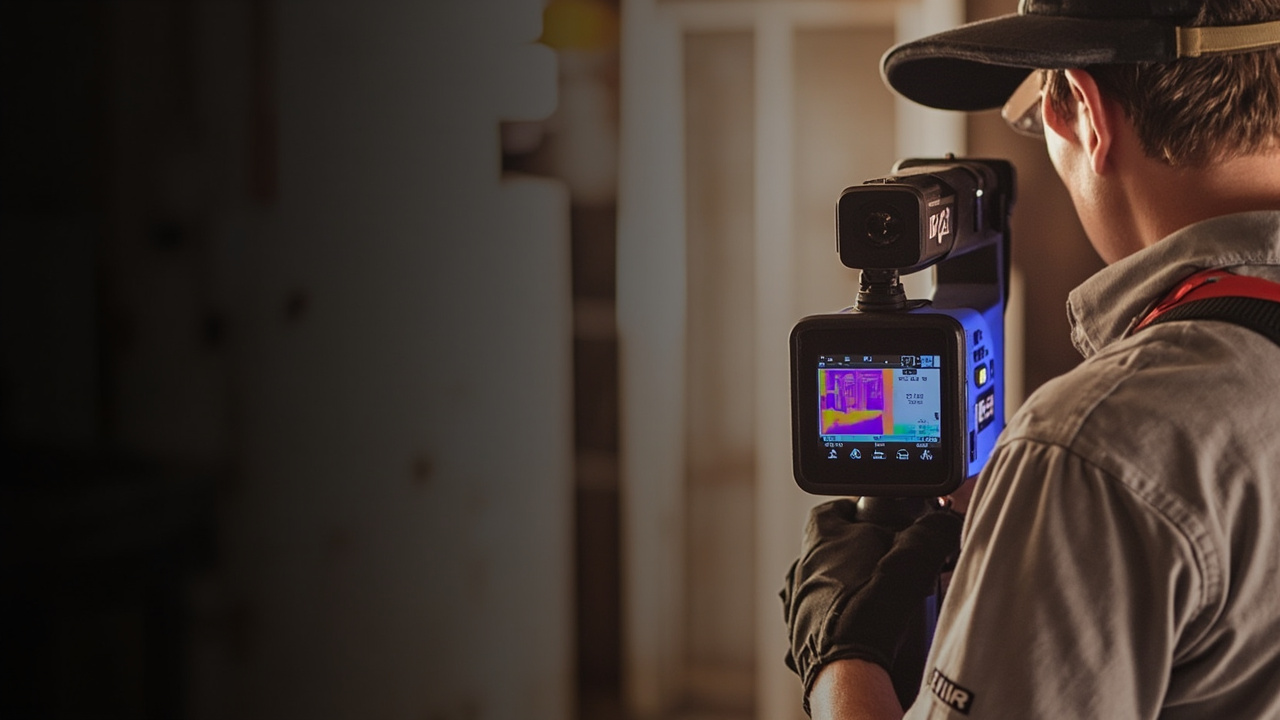
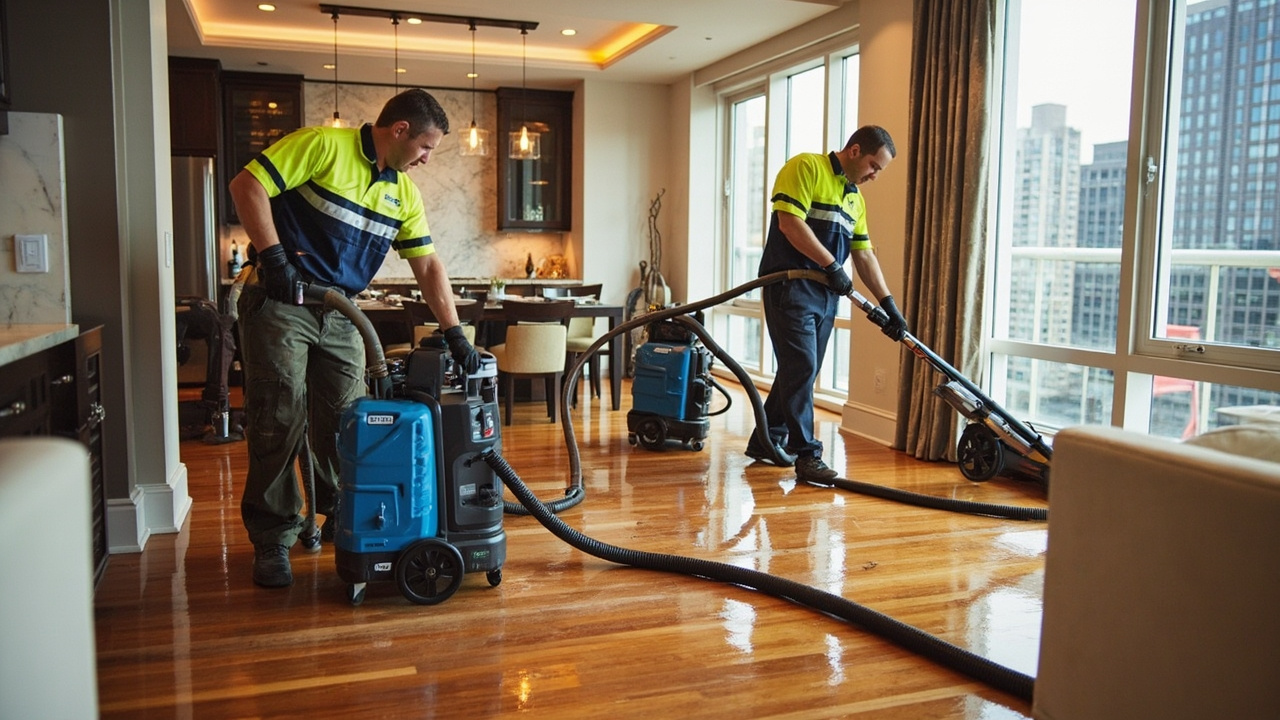
Water mitigation begins within hours of damage. Technicians extract standing water using truck-mounted pumps and portable extractors. They set up air movers and dehumidifiers to pull moisture from walls, subflooring, and cavities. Moisture meters track drying progress in real time. Thermal imaging cameras locate hidden water behind drywall and under flooring.

Mitigation crews document everything with photos and moisture readings. This documentation protects you during insurance claims. They also apply antimicrobial treatments to prevent mold colonization during the drying window.

Mitigation ends when moisture levels return to normal and structure stabilizes. This takes three to seven days depending on saturation depth and airflow. Restoration cannot begin until mitigation completes. Building over wet materials traps moisture and guarantees failure.

Water restoration starts after mitigation sign-off. Restoration contractors remove unsalvageable materials like waterlogged drywall, insulation, and baseboards. They rebuild walls, install new flooring, and restore the property to pre-loss condition.

Restoration involves construction trades like framing, electrical, and plumbing. Mitigation involves water extraction and structural drying. The skillsets do not overlap.

Some Chicago properties need both services from the same provider. Others benefit from separating mitigation and restoration to maintain insurance compliance and timeline control. Cornerstone Water Damage Restoration Chicago coordinates both phases when needed, ensuring no gaps between drying completion and rebuild start.

The process difference also affects equipment. Mitigation uses dehumidifiers, air scrubbers, and moisture detection tools. Restoration uses saws, drills, and construction materials. If a company shows up with only hammers and lumber, they are skipping mitigation and building over a problem that will resurface.

What Happens When You Call for Water Damage Help in Chicago

Water Mitigation vs Restoration in Chicago – Know the Critical Difference Before You Pay Twice
01

Emergency Mitigation Response

Mitigation crews arrive first to stop water spread and extract standing water. They document damage with moisture readings and photos for your insurance adjuster. Air movers and dehumidifiers run continuously to dry structure and prevent mold. This phase focuses entirely on damage control, not repair. You pay for time and equipment, not construction materials.
02

Drying Verification and Assessment

Technicians monitor moisture levels daily using pin-type and pinless meters. When readings match baseline dry standards, mitigation ends. Restoration estimators then assess what materials need replacement versus cleaning. They create a scope of work and materials list for your insurance claim. This step separates covered mitigation costs from restoration costs to prevent claim disputes.
03

Structural Restoration and Rebuild

Restoration contractors remove damaged materials and rebuild affected areas. They match existing finishes and materials to restore your property to pre-loss condition. This phase includes drywall installation, flooring replacement, painting, and trim work. Final inspections verify all work meets Chicago building codes. You receive documentation showing completed mitigation and restoration for insurance closure and future property records.

Why Chicago Properties Need Local Expertise for Water Mitigation and Restoration

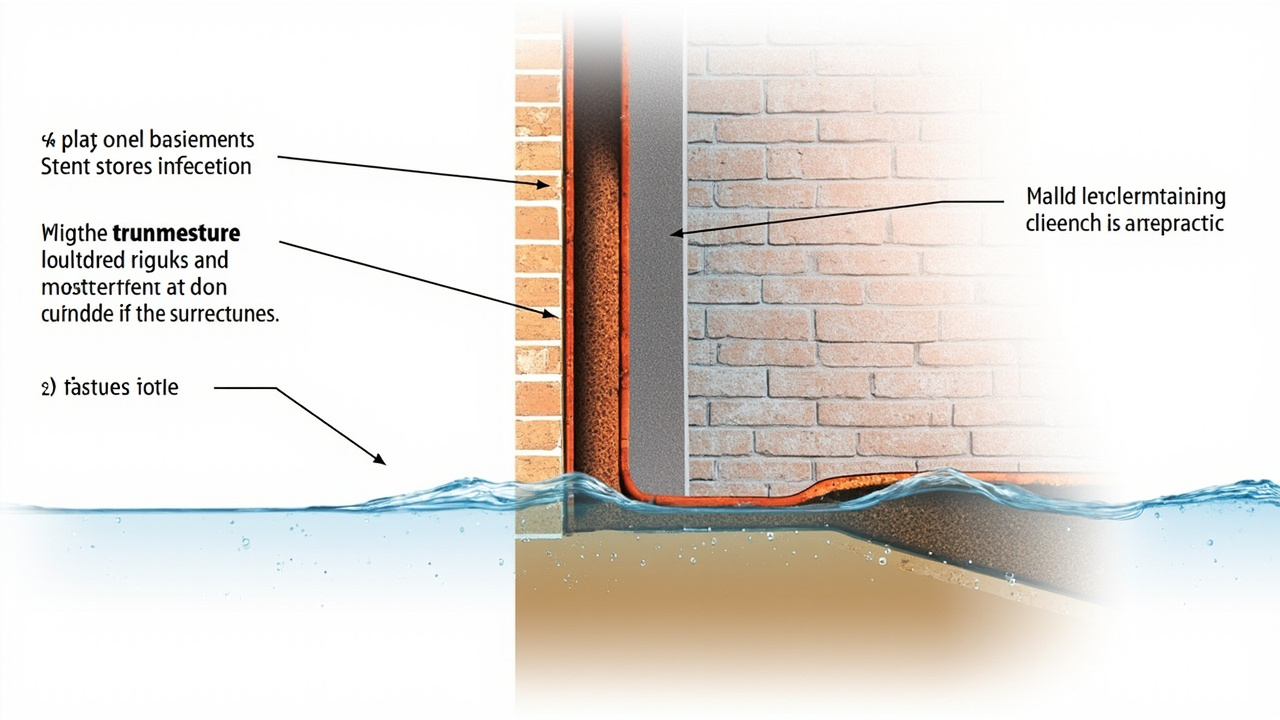
Chicago water damage follows patterns you do not see in other cities. The Chicago River and Lake Michigan create high water tables in neighborhoods like River North and Streeterville. Basement flooding from groundwater requires different mitigation than surface water flooding.

Historic homes in Lincoln Park and Wicker Park have plaster walls instead of drywall. Plaster holds moisture longer and requires extended drying times. National chain restoration companies miss this detail and close mitigation too early, leading to efflorescence and crumbling plaster months later.

Chicago building codes also dictate restoration requirements. The city requires permits for structural repairs exceeding $1,000. Electrical and plumbing work needs licensed trade contractors. Out-of-area restoration companies often skip permit pulls to save time, leaving you liable for code violations during future home sales or refinancing.

Cornerstone Water Damage Restoration Chicago understands these local factors. We track drying progress based on Chicago's seasonal humidity levels, not generic moisture charts. We coordinate with city inspectors to schedule required inspections without delaying your timeline.

Insurance claims in Illinois follow specific documentation requirements. We photograph damage at multiple stages and provide itemized reports that match your policy's format. This prevents claim denials based on incomplete documentation.

Our mitigation equipment stays on-site until thermal imaging confirms complete drying. We do not remove equipment early to move to the next job. Restoration begins only after you receive written drying verification.

Chicago's clay soil causes ongoing foundation settlement. We check for structural movement during restoration and recommend solutions to prevent repeat water intrusion. This separates emergency response from long-term property protection.

Local expertise also means understanding Chicago's weather patterns. Spring thaw and summer storms create predictable flooding risks. We educate property owners on prevention measures specific to their neighborhood's drainage patterns and building age.

What to Expect During Mitigation and Restoration Services

Response Time and Availability

Mitigation crews respond within 60 to 90 minutes of your call for emergencies in Cook County. Equipment setup begins immediately to prevent secondary damage. Restoration scheduling depends on drying completion, typically starting within 48 hours of mitigation sign-off. Some restoration projects require material ordering, which extends timelines by several days. We provide realistic schedules based on damage severity and material availability. Emergency mitigation runs 24/7 including weekends and holidays. Restoration work follows standard construction hours unless you request off-hours scheduling to minimize business disruption.

Damage Assessment and Scope Development

Initial assessments identify water source, saturation depth, and affected materials. Moisture mapping creates a visual record of damage extent for insurance documentation. We distinguish between clean water, gray water, and black water contamination because this determines mitigation procedures and costs. Thermal imaging locates hidden moisture in wall cavities and ceiling spaces that visual inspection misses. Detailed estimates separate mitigation costs from restoration costs to match your insurance policy's coverage structure. You receive line-item breakdowns showing equipment rental, labor hours, and materials. This transparency prevents surprise charges and helps you understand what insurance covers versus out-of-pocket expenses.

Final Results and Quality Standards

Mitigation concludes when moisture readings match industry dry standards established by the Institute of Inspection Cleaning and Restoration Certification. You receive written verification showing before and after moisture levels. Restoration quality matches pre-loss condition using comparable materials and finishes. We document completed work with photos for insurance claim closure. Final walkthroughs confirm you approve all repairs before we close the project. Paint matches existing colors using spectrophotometer analysis. Flooring installations follow manufacturer guidelines to maintain warranty coverage. All electrical and plumbing work passes city inspection. You receive copies of permits and inspection approvals for your property records.

Post-Restoration Monitoring and Support

We recommend follow-up moisture checks 30 days after restoration completion to verify no hidden moisture remains. This catches problems before mold develops or materials fail. Post-restoration support includes guidance on preventing future water damage based on your property's specific vulnerabilities. We explain maintenance procedures for sump pumps, gutters, and grading issues that contributed to the original damage. Insurance documentation remains available for future claims or property sales. Some restoration work qualifies for material warranties from manufacturers. We provide warranty information and explain coverage terms. Emergency contact information stays active after project completion in case you notice new issues or have questions about completed work.

Frequently Asked Questions

You Have Questions,
We Have Answers

What is the difference between water restoration and mitigation? +

Water mitigation stops active damage. It includes extracting standing water, drying out wet materials, and preventing mold growth. Think of it as emergency triage. Water restoration comes after mitigation. It repairs what the water damaged, like replacing drywall, refinishing floors, and repainting walls. In Chicago, where burst pipes and basement floods happen fast during harsh winters, mitigation must start within 24 to 48 hours to prevent structural damage and mold. Restoration rebuilds your property to pre-loss condition. You need mitigation first, restoration second.

What is mitigation and restoration? +

Mitigation means reducing or stopping ongoing damage. In water damage situations, mitigation crews remove water, set up air movers and dehumidifiers, and stabilize your property. Restoration means repairing and rebuilding what the water destroyed. This includes replacing flooring, fixing walls, and restoring your property to how it looked before the damage. Chicago homes face frequent water intrusions from frozen pipes, sewer backups, and heavy rainstorms. Mitigation happens immediately. Restoration follows after everything dries out. Both steps are necessary to fully recover from water damage.

What is the difference between restoration and remediation? +

Restoration brings your property back to its original state. It involves repairs, reconstruction, and cosmetic work like painting and flooring installation. Remediation removes contaminants or hazards, like mold, sewage, or chemicals. If your Chicago basement floods with contaminated water from a sewer backup, you need remediation first to eliminate health hazards, then restoration to rebuild. Remediation focuses on safety and sanitation. Restoration focuses on rebuilding. Water damage jobs often require both, especially when Category 3 water or mold is present after delays in drying.

What is water mitigation? +

Water mitigation is the immediate response to water damage. It stops the water source, extracts standing water, and dries out affected areas using industrial fans and dehumidifiers. The goal is to prevent secondary damage like mold growth, wood rot, and structural weakening. In Chicago, where humidity climbs in summer and pipes freeze in winter, fast mitigation is critical. You have 24 to 48 hours before mold starts growing. Mitigation protects your property and belongings while setting the stage for restoration work to begin safely.

Does homeowners insurance cover water mitigation? +

Most homeowners insurance policies cover water mitigation if the damage comes from a sudden, accidental event like a burst pipe or appliance leak. Chicago policies typically exclude gradual damage, flooding from outside sources, and maintenance neglect. Review your policy carefully. Some insurers require immediate action to prevent further damage, which makes calling a mitigation company fast essential. Document everything with photos and keep receipts. Mitigation costs are often covered under your dwelling or personal property coverage. Call your insurance company immediately after starting emergency mitigation.

What are the three types of mitigation? +

The three types of mitigation in water damage are source control, structural drying, and content protection. Source control stops the water, whether it is a broken pipe, leaking roof, or failed sump pump. Structural drying removes moisture from walls, floors, and ceilings using air movers, dehumidifiers, and moisture meters. Content protection involves moving, cleaning, or storing salvageable belongings. In Chicago, where basements flood and winter freeze-thaw cycles damage foundations, all three mitigation types work together to minimize loss and prepare your property for full restoration work.

How Chicago's Climate Extremes Complicate Water Mitigation vs Restoration Decisions

Chicago temperatures swing from below zero in January to above 90 degrees in July. These extremes affect water damage mitigation in ways that surprise property owners. Winter freezing slows evaporation rates and extends drying timelines. Mitigation equipment must maintain airflow without freezing pipes or creating ice dams. Summer humidity above 70 percent requires larger dehumidification capacity to achieve target moisture levels. Spring flooding from snowmelt saturates ground around foundations, creating ongoing water intrusion that mitigation alone cannot fix. Understanding water damage mitigation vs restoration means recognizing when you need construction solutions like French drains or foundation waterproofing, not just drying equipment.

Chicago building codes and insurance requirements add complexity to water remediation vs restoration projects. The city requires contractors to carry specific liability coverage amounts and maintain active business licenses. We stay current on Chicago municipal code updates affecting water damage repairs. Our relationships with local insurance adjusters help streamline claims for faster approvals. Cook County property owners benefit from working with restoration providers who understand Illinois insurance regulations and documentation standards. This local knowledge prevents claim denials and reduces out-of-pocket costs. National chains often miss regional compliance details that delay projects and create liability gaps.
Water Damage Restoration Services in The Chicago Area

Cornerstone proudly serves the entire Chicago area with fast, dependable water damage restoration services. Whether you’re located in downtown, the suburbs, or surrounding neighborhoods, we’re ready to respond to your call—day or night. Use the map below to see our local service coverage and find our nearest team. With mobile units throughout the city, help is never far away. If you’re facing water damage, reach out now and let us show you why homeowners and businesses choose Cornerstone.

Address:
Cornerstone Water Damage Restoration Chicago, 171 N Aberdeen St, Chicago, IL, 60607

Additional Services We Offer

Our news updates

Latest Articles & News from The Blogs

High Humidity and Mold Growth in Chicago Summers What Homeowners Need to Know Your basement smells musty. Your bathroom mirror…

Why high humidity in the Chicago summer makes water damage worse in Calumet Heights

High Humidity and Mold Growth in Chicago Summers What Homeowners Need to Know Your basement smells musty. Your bathroom mirror…

Managing water damage restoration in the high-end luxury builds of the Near North Side

Luxury Home Water Damage Restoration in Chicago's Near North Side A burst pipe at 2 AM in your Gold Coast…

How we use thermal imaging to find hidden leaks in West Ridge homes

Expert Infrared Leak Detection in Chicago Homes and Businesses A hidden pipe leak can destroy your property long before you…

Contact Us

Water damage spreads every hour you wait. Call Cornerstone Water Damage Restoration Chicago at (872) 266-1616 now for immediate mitigation response. We separate emergency drying from reconstruction to protect your investment and insurance coverage.