



menu

Water Heater Burst Cleanup in Chicago – 60-Minute Emergency Response 24/7

When your water heater ruptures, minutes matter. Cornerstone Water Damage Restoration Chicago dispatches certified crews immediately to stop flooding, extract standing water, and prevent structural damage before it spreads through your Chicago home.

Slider Image 1
Slider Image 2
Slider Image 3
Slider Image 4
Slider Image 5
Slider Image 7
Slider Image 8
Slider Image 9
Slider Image 10
Slider Image 11

Why Water Heater Failures Flood Chicago Homes Fast

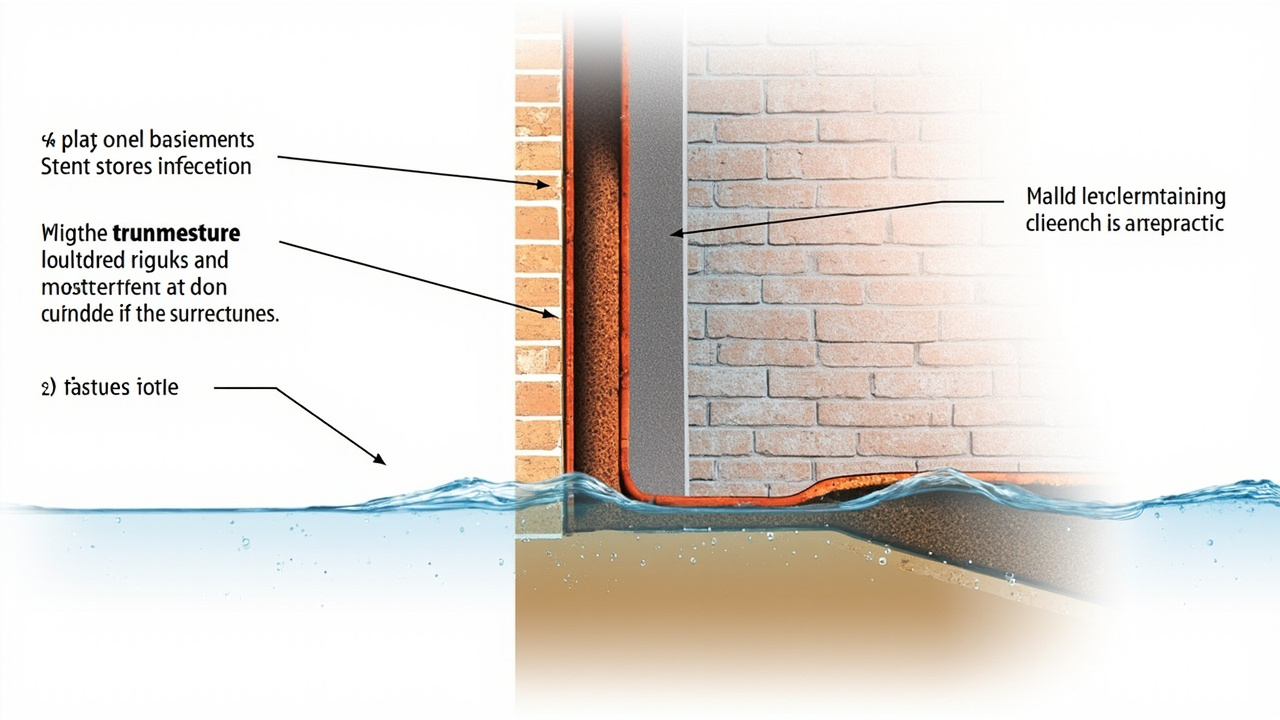
A ruptured water heater releases 40 to 80 gallons of water in minutes. In Chicago's older neighborhoods like Logan Square and Pilsen, where many homes sit on clay soil and have basements with aging drainage systems, that water spreads fast. Clay soil expansion and contraction from freeze-thaw cycles already stress foundation walls. Add a sudden water heater flood, and you face serious structural risk.

Chicago's climate makes burst water heater extraction urgent. Cold winters cause tank corrosion from temperature fluctuations. When a hot water tank fails, water seeps into floor joists, drywall, and insulation. Humidity levels in Chicago already hover high during summer months. A water heater flood damage restoration delay of even six hours creates ideal conditions for mold colonization.

You smell the musty odor. You see the pooling water spreading from the utility room. You hear the hissing sound of a failing pressure relief valve. These are not minor issues. A burst hot water tank cleanup requires immediate action to protect your property value and your family's health.

Emergency water heater water removal is not a DIY project. Standing water conducts electricity. Gas lines run near water heaters. The risk of shock or explosion is real. Chicago building codes require proper shutoff procedures and professional water extraction equipment. You need certified ruptured water heater cleanup services, not a wet vacuum and hope.

Why Water Heater Failures Flood Chicago Homes Fast
How We Stop Water Damage From Spreading

How We Stop Water Damage From Spreading

Our emergency water heater water removal process starts with containment. We shut off your main water supply and electricity to the affected area. We isolate the flood zone using temporary barriers to prevent water migration into adjacent rooms. This is critical in Chicago bungalows and two-flats where shared walls allow water to travel between units.

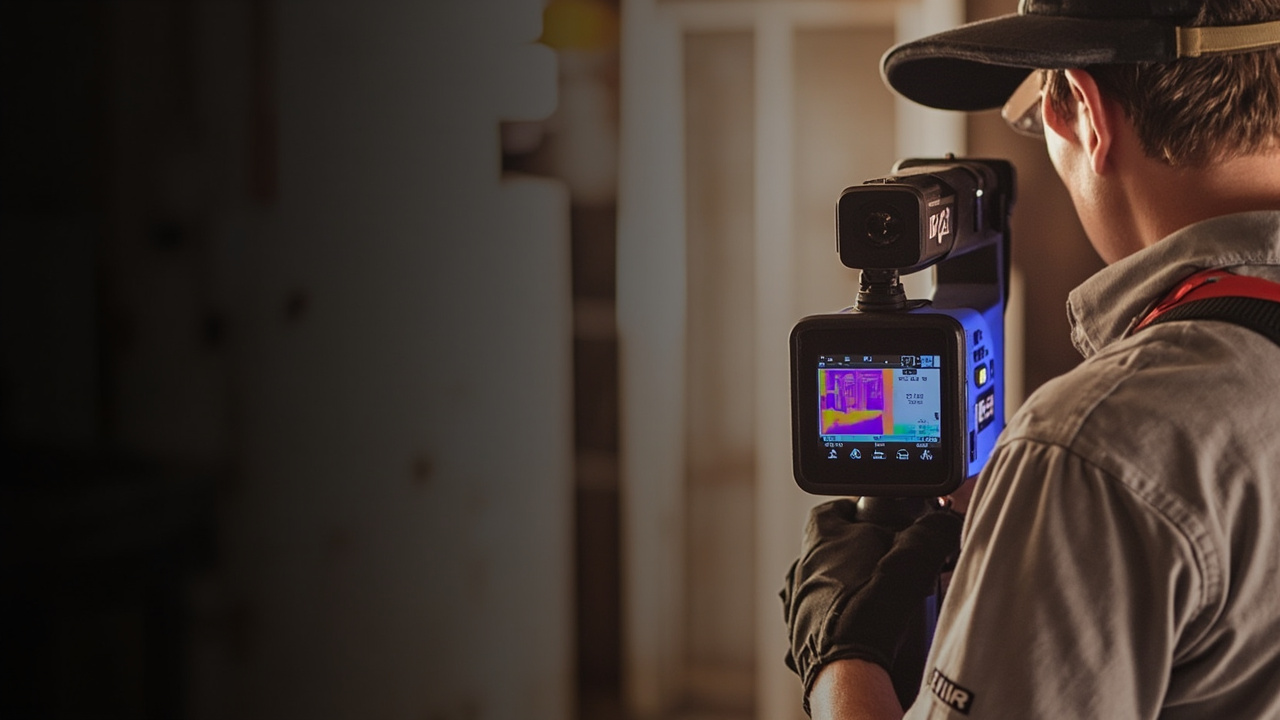
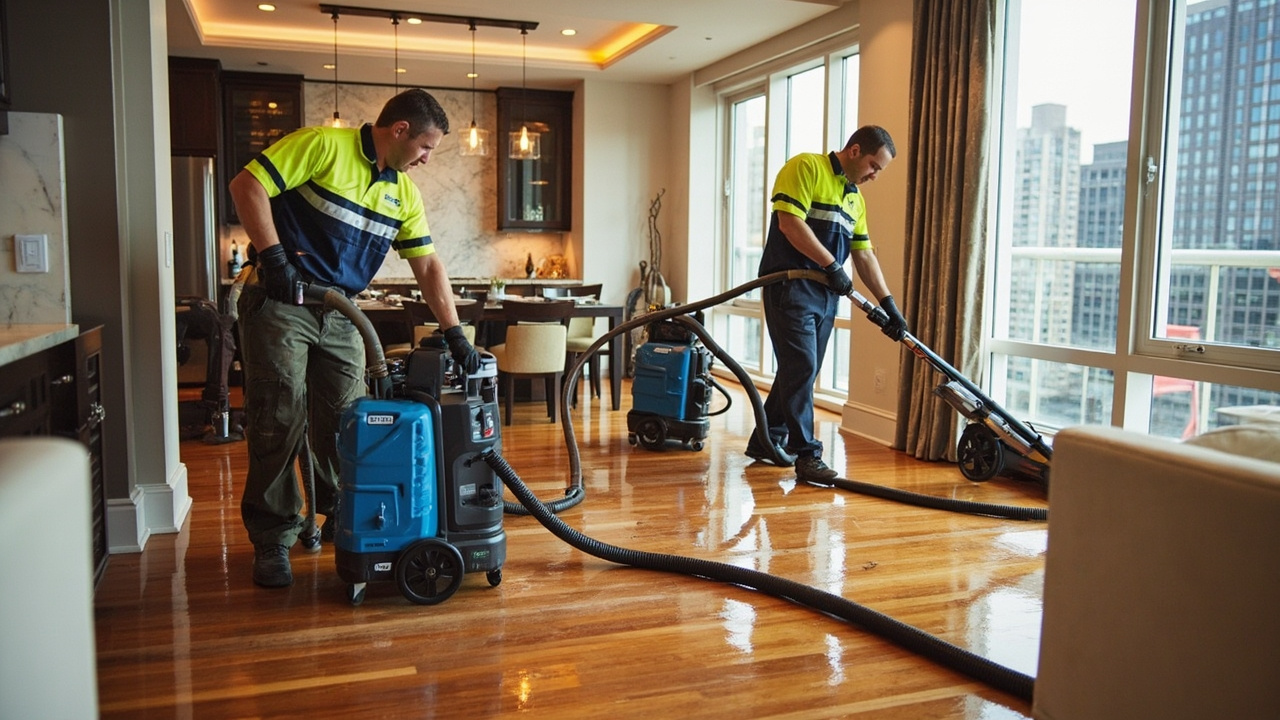
We deploy truck-mounted extraction units that remove standing water at 200 gallons per minute. Portable units handle water in tight spaces like crawlspaces and mechanical rooms. We use thermal imaging cameras to detect hidden moisture in wall cavities and subfloors. Chicago's brick and stone construction holds moisture longer than modern materials. We document every moisture reading for insurance claims.

Our burst water heater extraction includes anti-microbial treatment. We apply EPA-registered disinfectants to all affected surfaces. Bacteria and pathogens thrive in warm water. A hot water tank flood introduces contaminants that standard cleaning misses. We treat flooring, baseboards, and exposed framing to prevent biological growth.

We place commercial-grade dehumidifiers and air movers based on psychrometric calculations. We measure grain depression and vapor pressure to determine equipment placement. This is not guesswork. We follow IICRC S500 standards for water damage restoration. Our crews monitor drying progress with moisture meters every 24 hours until all materials return to dry standard. We document the entire process with photos and data logs for your insurance adjuster.

What Happens When You Call for Emergency Water Heater Cleanup

Water Heater Burst Cleanup in Chicago – 60-Minute Emergency Response 24/7
01

Immediate Dispatch and Assessment

We answer your emergency call 24/7 and dispatch a crew within 60 minutes to your Chicago location. Our technician performs a damage assessment, identifies the water source, and determines the water category. We photograph conditions, measure the affected area, and explain the extraction plan before starting work. You get a clear timeline and scope immediately.
02

Water Extraction and Containment

We extract standing water using truck-mounted and portable extraction units. Our crew removes soaked materials that cannot be salvaged, including damaged insulation and saturated drywall. We set up containment barriers to isolate the work area and prevent cross-contamination. All affected surfaces receive anti-microbial treatment. We place drying equipment based on moisture readings and structural material types.
03

Drying Verification and Clearance

We monitor moisture levels daily until all structural materials reach dry standard. Our technicians adjust equipment placement and airflow patterns as needed. Once drying is complete, we perform final moisture testing and document results. You receive a completion certificate showing all readings within acceptable ranges. We provide recommendations for repairs and coordinate with your insurance company throughout the process.

Why Chicago Homeowners Trust Our Emergency Water Removal

We understand Chicago construction. Your home likely has hardwood floors over diagonal subfloors, plaster walls, and balloon framing. These materials require specific drying protocols. We know how moisture behaves in Chicago's humidity. We know how clay soil affects basement drainage. We know local building codes for water damage repairs in residential structures.

Our crews train on Chicago-specific challenges. We work in brick bungalows in Portage Park where crawlspaces flood easily. We extract water from vintage two-flats in Bridgeport where shared plumbing creates complex scenarios. We handle water heater floods in Lincoln Park brownstones where finished basements need careful material removal. This is not our first water heater burst cleanup in your neighborhood.

We coordinate directly with your insurance company. We document conditions with thermal imaging, moisture mapping, and detailed photos. We provide estimates that align with Xactimate pricing used by major carriers. We explain the difference between emergency mitigation and reconstruction so you understand your coverage. Most Chicago homeowners have actual cash value or replacement cost policies. We help you navigate the claims process.

We respond fast because we stay local. Our equipment and crews operate from Chicago. We do not dispatch from suburbs or regional hubs. When you call at 2 AM because your water heater ruptured, we arrive in under an hour. We carry commercial liability coverage and worker's compensation. We follow OSHA safety protocols on every job site. You get professional service backed by real accountability.

What You Can Expect During Water Heater Flood Restoration

Emergency Response Time

We dispatch crews within 60 minutes of your call, 24 hours a day, seven days a week. Our rapid response limits damage spread and reduces restoration costs. The first 24 hours are critical for preventing secondary damage like mold growth and structural weakening. We arrive equipped with extraction units, moisture detection tools, and containment supplies. Our technician assesses the situation immediately and begins water removal on-site. You receive a detailed scope of work and timeline before we start. Emergency mitigation typically takes three to five days depending on the extent of water intrusion and affected materials.

Comprehensive Damage Assessment

Our certified technicians use thermal imaging cameras and penetrating moisture meters to map water intrusion. We test wall cavities, subfloors, and insulation for hidden moisture that causes long-term damage. We document all findings with photos, diagrams, and moisture readings. You receive a written assessment that outlines affected areas, salvageable materials, and recommended repairs. We classify water damage by category and class following IICRC standards. This documentation supports your insurance claim and ensures nothing gets missed. We explain findings in plain language so you understand exactly what happened and why specific actions are necessary.

Complete Drying and Restoration

We achieve complete structural drying using commercial dehumidifiers, air movers, and negative air machines. Our equipment runs continuously with daily monitoring and adjustments. We track drying progress with moisture meters and psychrometric readings. Materials must reach dry standard before reconstruction begins. We remove unsalvageable materials like soaked drywall and contaminated insulation. All affected surfaces receive anti-microbial treatment to prevent biological growth. You get a dry, clean environment ready for repairs. We provide final moisture readings and photographic documentation showing your property has been properly restored. The result is a safe, dry space with no lingering moisture issues.

Insurance Coordination and Documentation

We work directly with your insurance company to streamline the claims process. Our detailed documentation includes photos, moisture logs, equipment placement diagrams, and daily progress notes. We provide estimates using Xactimate software that insurance adjusters recognize and accept. We explain coverage limitations and help you understand your policy benefits. Our team communicates with adjusters to answer questions and provide additional documentation as needed. You receive copies of all reports and invoices for your records. We separate emergency mitigation costs from reconstruction work so you understand billing. Most insurance policies cover sudden water damage from burst pipes and failed appliances. We help you maximize your coverage.

Frequently Asked Questions

You Have Questions,
We Have Answers

What happens if your hot water heater bursts? +

A burst water heater releases 30 to 80 gallons of water in minutes, flooding your basement or utility room. You face immediate water damage to drywall, flooring, insulation, and stored belongings. Shut off the cold water supply valve at the tank inlet and kill power at the breaker box. In Chicago homes with finished basements, water seeps into carpet padding and subflooring fast, triggering mold growth within 24 hours. Do not attempt cleanup alone if the water contacts electrical outlets or your furnace. Call emergency water extraction crews immediately to prevent structural damage and mold colonization.

How much is a 40 gallon water heater worth in scrap? +

A 40-gallon water heater contains roughly 15 to 30 pounds of steel. At current scrap metal prices in the Chicago metro, you will get 10 to 25 dollars at a local scrap yard. The steel tank shell holds most of the weight. Some older units have small copper pipes and brass drain valves, but these add minimal value. Do not haul a flooded water heater yourself. Most emergency water damage companies handle disposal as part of cleanup, saving you the trip to a South Side scrap facility. Focus on damage mitigation, not scrap value.

Can I do laundry with a broken water heater? +

No. A broken water heater means no hot water supply to your washing machine. Most modern washers require hot water inlet pressure for proper fill cycles. Even if you select cold wash, a ruptured water heater often indicates a failed pressure relief valve or corroded tank seam. Running appliances with compromised plumbing risks further flooding. In Chicago, freezing temperatures can worsen undetected leaks overnight. Stop using all water-dependent appliances until a licensed plumber inspects the system. Wait until the water heater is replaced or repaired to avoid additional water damage to your laundry room or basement.

Will vinegar dissolve water heater sediment? +

Vinegar dissolves calcium carbonate and lime deposits inside a water heater tank. Pour two to three gallons of white vinegar through the drain valve and let it sit for six hours. Chicago municipal water is moderately hard, causing sediment buildup that reduces heater efficiency. Vinegar works for routine maintenance, not emergency repairs. If your tank already burst, sediment corrosion created weak spots in the steel shell. No chemical treatment reverses structural failure. Flush your water heater annually to prevent sediment accumulation, but once a rupture occurs, you need full tank replacement and immediate water extraction.

What to do when a hot water heater blows? +

Shut off the gas or electricity to the unit immediately. Close the cold water supply valve feeding the tank. If the pressure relief valve released scalding water or the tank shell cracked, evacuate the area until the water stops flowing. Call a 24-hour emergency water damage crew. Chicago basements flood quickly because most water heaters sit on concrete slabs with minimal drainage. Do not try to move the ruptured tank yourself. Standing water creates electrical shock hazards and mold risk within 24 hours. Professional water extraction and drying equipment prevent subfloor rot and drywall saturation.

Can a busted hot water heater be repaired? +

No. A burst water heater indicates catastrophic tank failure. The inner steel lining corroded through, creating ruptures that cannot be welded or patched. Pressure relief valve failures or supply line cracks can be repaired, but a split tank shell requires full replacement. In Chicago, mineral deposits and temperature cycling from cold winters accelerate corrosion. You cannot restore structural integrity once the tank breaches. Focus on immediate water extraction to prevent secondary damage to your basement or crawlspace. Replace the unit with a new water heater and address any underlying hard water or sediment issues.

What is the lifespan of a 40-gallon water heater? +

A 40-gallon residential water heater lasts 8 to 12 years. Chicago municipal water quality, usage frequency, and maintenance habits determine actual lifespan. Hard water accelerates sediment buildup, corroding the tank from the inside. Units in basements with high humidity face external rust. Annual flushing and anode rod replacement extend service life. Tankless water heaters last 15 to 20 years but cost more upfront. If your water heater approaches 10 years, inspect it for rust, leaks, or unusual noises. Proactive replacement prevents catastrophic bursts and expensive emergency water damage cleanup.

Is there copper inside of a hot water heater? +

Yes. A 40-gallon water heater contains three to six pounds of copper piping. The cold water inlet, hot water outlet, and gas supply lines use copper tubing. Older models feature brass drain valves and heating element housings with copper traces. Chicago scrap yards value copper at two to three dollars per pound, so a water heater yields 10 to 18 dollars in copper scrap. However, extracting copper requires cutting torches and time. If you face a burst water heater, prioritize emergency water extraction over salvage. Most restoration companies handle disposal and recycle materials properly.

How much is 1 pound of copper worth in 2025? +

Copper prices in 2025 fluctuate between 2.50 and 4.00 dollars per pound at Chicago scrap yards. Bare bright copper, the highest grade, fetches top dollar. Insulated wire and corroded tubing sell for less. One pound of clean copper brings roughly three dollars, depending on commodity markets and yard rates. A burst water heater contains minimal copper compared to the flood damage it causes. Do not delay emergency water extraction to salvage copper pipes. The cost of structural damage, mold remediation, and flooring replacement exceeds any scrap metal income. Focus on immediate cleanup and replacement.

Does homeowners insurance cover water heater damage? +

Most homeowners insurance policies cover sudden water heater failures, not gradual leaks from neglect. If your water heater bursts without warning, insurance typically reimburses water extraction, drywall replacement, and flooring repair. Chicago policies often exclude seepage or repeated maintenance issues. Document the damage immediately with photos and call your insurance carrier within 24 hours. Emergency water damage companies work directly with adjusters to streamline claims. Save receipts for mitigation services. Review your policy for water damage exclusions and maintain your water heater annually to prove responsible ownership if a claim arises.

Why Chicago's Freeze-Thaw Cycles Make Water Heater Failures Common

Chicago winters stress water heaters through repeated freeze-thaw cycles that corrode tank walls and weaken pressure relief valves. Basement temperatures in older Chicago homes drop below 50 degrees during polar vortex events. Temperature swings cause metal fatigue and sediment buildup that leads to catastrophic tank failure. Clay soil around foundations expands and contracts with temperature changes, creating hydrostatic pressure that compounds water heater stress. Homes in Albany Park, Irving Park, and Avondale face higher risk due to aging infrastructure and original water heaters past their 10-year service life. Burst hot water tank cleanup becomes an emergency when Chicago's cold climate accelerates normal wear patterns.

Cornerstone Water Damage Restoration Chicago understands local building codes and works with Chicago plumbers and contractors who know regional construction standards. We navigate permit requirements for water damage repairs in landmark districts and historic neighborhoods where building regulations differ from standard residential codes. Our crews know how water behaves in Chicago's common construction types including brick bungalows, greystones, and vintage walk-ups. We maintain relationships with insurance adjusters who handle claims throughout Cook County. Chicago homeowners choose local expertise because we respond from nearby, understand your specific challenges, and deliver ruptured water heater cleanup services that protect your investment.
Water Damage Restoration Services in The Chicago Area

Cornerstone proudly serves the entire Chicago area with fast, dependable water damage restoration services. Whether you’re located in downtown, the suburbs, or surrounding neighborhoods, we’re ready to respond to your call—day or night. Use the map below to see our local service coverage and find our nearest team. With mobile units throughout the city, help is never far away. If you’re facing water damage, reach out now and let us show you why homeowners and businesses choose Cornerstone.

Address:
Cornerstone Water Damage Restoration Chicago, 171 N Aberdeen St, Chicago, IL, 60607

Additional Services We Offer

Our news updates

Latest Articles & News from The Blogs

High Humidity and Mold Growth in Chicago Summers What Homeowners Need to Know Your basement smells musty. Your bathroom mirror…

Why high humidity in the Chicago summer makes water damage worse in Calumet Heights

High Humidity and Mold Growth in Chicago Summers What Homeowners Need to Know Your basement smells musty. Your bathroom mirror…

Managing water damage restoration in the high-end luxury builds of the Near North Side

Luxury Home Water Damage Restoration in Chicago's Near North Side A burst pipe at 2 AM in your Gold Coast…

How we use thermal imaging to find hidden leaks in West Ridge homes

Expert Infrared Leak Detection in Chicago Homes and Businesses A hidden pipe leak can destroy your property long before you…

Contact Us

Do not wait while water spreads through your home. Call Cornerstone Water Damage Restoration Chicago at (872) 266-1616 right now. Our emergency crews dispatch immediately to stop damage and begin water extraction. We answer 24/7 because water damage never waits.