





Waukegan sits right on Lake Michigan, and that location creates perfect conditions for water intrusion. Heavy lake-effect snow dumps moisture on roofs all winter, then spring thaw cycles send meltwater straight into basements. The clay-heavy soil common throughout North Chicago and Beach Park areas does not drain well, so groundwater pressure builds against foundation walls during heavy rain events.
Homes in the Lakehurst neighborhood and near Waukegan Harbor face additional risk from high water tables and aging sewer systems that back up during storms. When combined with Waukegan's older housing stock, many built before modern waterproofing standards existed, you get basements that flood repeatedly. The freeze-thaw cycle also cracks foundation walls, letting water seep through during spring rains.
Insurance claims data shows Waukegan experiences higher water damage incidents per capita than inland Illinois communities. Lake Michigan humidity keeps buildings damp longer after flooding, accelerating mold growth. Within 48 hours of water exposure, mold colonies establish themselves in drywall, insulation, and wood framing. The longer water sits, the more expensive restoration becomes.
When your basement floods at 2 AM, you need a crew that answers the phone and arrives fast. Cornerstone Water Damage Restoration Chicago keeps extraction equipment and drying fans staged in Waukegan, so our response time averages under 60 minutes for emergency calls. We do not dispatch from Chicago and make you wait three hours while water soaks deeper into your floors.
Our teams train specifically on the water damage patterns common to Lake County homes. We know how clay soil foundations crack, how lake-effect moisture affects drying times, and how to spot hidden water pockets in the older homes that fill neighborhoods like Park City and central Waukegan. This local knowledge means we extract water faster and dry structures more completely than national franchises following generic protocols.
We also handle the insurance claim process from start to finish. Most homeowners have never filed a water damage claim and do not know what documentation insurers require. Our estimators photograph everything, measure moisture levels in floors and walls, and provide detailed scope reports that insurance adjusters accept without argument. We work with every major carrier, and we know exactly what State Farm, Allstate, and Liberty Mutual need to approve claims quickly.
You will not get surprise bills or change orders. We price everything upfront, explain what your insurance covers, and show you the out-of-pocket cost before starting work. If we find additional damage during demolition, we document it, get insurance approval, and keep you informed every step. No contractor games, no padding invoices, no disappearing after the check clears.

We stage crews and equipment in Waukegan, not Chicago. When you call at 3 AM with a flooded basement, our team arrives within the hour with truck-mounted extractors and industrial fans. Fast response stops water from soaking deeper into floors, walls, and insulation, which reduces total restoration costs and prevents mold growth.

We handle your claim from documentation through final payment. Our estimators create detailed reports with photos, moisture readings, and scope breakdowns that insurance adjusters approve without fights. We bill your carrier directly, so you pay only your deductible. No waiting months for reimbursement checks or arguing with claims departments.
Every technician on our crews holds current IICRC Water Damage Restoration certification. We follow industry protocols for extraction, drying, and antimicrobial treatment. Our moisture meters and thermal cameras find hidden water that causes mold months later. Proper training means we dry your home completely the first time, not just surface moisture.
We work exclusively in Waukegan and surrounding Lake County communities. Our crews know how local soil conditions, weather patterns, and building styles affect water damage. We have restored hundreds of homes in neighborhoods from Lakehurst to North Chicago, so we spot problems faster and dry structures more efficiently than companies learning your area on the job.
Water damage restoration requires more than pumping out a basement. Proper mitigation involves emergency water removal, structural drying, moisture monitoring, mold prevention, and final reconstruction. Cornerstone Water Damage Restoration Chicago handles every phase in-house, so you work with one crew from initial extraction through final repairs.
We categorize water damage by contamination level and urgency. Clean water from supply line breaks requires different treatment than sewer backups or flood water. Our assessment determines the right extraction method, drying strategy, and safety protocols for your specific situation. We also coordinate with plumbers, electricians, and other trades when water damage exposes underlying problems like corroded pipes or faulty wiring.
Our service range covers residential and commercial properties throughout Waukegan. Whether you need emergency extraction at 2 AM or planned remediation for a slow leak that caused hidden mold, we have the equipment and expertise to restore your property completely. All work follows IICRC S500 water damage standards and meets insurance requirements for documentation and quality.
When water floods your basement or pours through your ceiling, immediate extraction prevents thousands in additional damage. Our emergency crews arrive within 60 minutes with truck-mounted extractors that remove hundreds of gallons per hour. We pull standing water, extract moisture from carpets and padding, and set up drying equipment the same day. Fast response stops water from wicking up walls, soaking insulation, and saturating wood framing. Available 24/7 including holidays.
Surface drying is not enough. Water soaks into drywall, insulation, and wood framing where it causes mold and rot if not removed completely. We use industrial dehumidifiers, air movers, and moisture meters to dry structures down to safe levels. Our thermal imaging cameras find hidden water pockets behind walls and under floors. We monitor moisture daily until readings confirm complete dryness, which prevents mold growth and structural damage months later.
Mold starts growing within 48 hours of water exposure. If your water damage went unnoticed for days or previous flooding was not dried properly, mold colonies establish themselves in walls, insulation, and HVAC systems. We contain affected areas with plastic barriers, remove contaminated materials, treat surfaces with antimicrobial solutions, and use HEPA air scrubbers to capture airborne spores. All remediation follows EPA and IICRC standards for safe mold removal.
Waukegan's location on Lake Michigan and older housing stock create water damage risks that homeowners face year-round. Winter brings heavy lake-effect snow that melts into roofs and gutters. Spring thaw sends meltwater into basements through foundation cracks. Summer storms overwhelm aging sewer systems, causing backups. Fall rains soak the clay soil around foundations, building pressure against basement walls.
The homes most at risk sit in low-lying areas near Waukegan Harbor, along the ravines that cut through the city, and in neighborhoods with combined sewer systems that back up during heavy rain. Many Waukegan homes were built before modern waterproofing became standard, so foundation walls lack proper drainage systems and sump pumps. When water enters these homes, it damages finished basements, ruins belongings, and creates conditions for mold growth.
Clay soil expands when wet and contracts when dry, putting constant pressure on foundation walls. Over years, this cycle creates cracks that let groundwater seep into basements during heavy rain. Older Waukegan homes with poured concrete or block foundations show the most damage. Water enters through floor-wall joints, window wells, and vertical cracks, soaking carpets and drywall.
Waukegan's older neighborhoods use combined sewer systems that carry both sewage and stormwater. When heavy rain overwhelms these systems, sewage backs up through basement floor drains and toilets. This contaminated water requires specialized cleanup with antimicrobial treatment and often means removing and replacing all affected materials. Sewer backups happen most frequently during spring storms and fall rain events.
Lake-effect snow piles deep on Waukegan roofs all winter. When attic heat melts this snow, water runs down to cold roof edges and refreezes, creating ice dams. These dams force meltwater under shingles and into attics, where it soaks insulation and drips through ceilings. By the time homeowners notice stains on bedroom ceilings, water has been soaking attic framing for weeks.
Supply line failures dump hundreds of gallons into homes within minutes. Washing machine hoses burst, water heater tanks crack, and dishwasher connections fail, flooding laundry rooms, basements, and kitchens. Water spreads fast across floors and soaks into cabinets, drywall, and insulation. These failures happen without warning, often when homeowners are at work or asleep, so water sits for hours before discovery.
Water damage creates panic. You discover flooding and do not know what to do first. When you call Cornerstone Water Damage Restoration Chicago, our process removes the confusion and gets your home dry fast. We answer calls 24/7 and dispatch crews immediately for emergency water damage. You will speak with a real person who asks specific questions about your situation, not an answering service reading a script.
Our crew arrives with extraction equipment, moisture meters, and thermal cameras ready to work. We assess the damage, explain what needs to happen, and start water removal immediately. You will know the timeline, the process, and the cost before we begin. We coordinate with your insurance company, document everything with photos and moisture readings, and keep you updated through every phase of restoration.
When you call our emergency line, a crew dispatches within minutes. We give you an accurate arrival time and call if anything changes. Our project manager arrives with the crew, walks through your property, and explains exactly what water damage we see and what restoration requires. You get a written estimate before work starts, with clear explanations of what insurance typically covers and what falls to your deductible.
Structural drying takes three to seven days depending on how much water soaked into building materials. Our technicians visit your property daily to check moisture levels, adjust drying equipment, and monitor progress. You receive text or phone updates every day with moisture readings and timeline estimates. We do not disappear after setting up fans and dehumidifiers. We stay until moisture meters confirm your home is completely dry.
We photograph and measure everything, creating detailed documentation that satisfies insurance adjusters. Our moisture maps show exactly where water soaked into floors, walls, and ceilings. Our estimates break down every material and labor cost, so adjusters approve claims without endless back-and-forth questions. We handle all communication with your insurance company, provide additional documentation when requested, and advocate for full coverage of necessary restoration work.
Water damage restoration follows a specific sequence to prevent further damage and ensure complete drying. We break the process into three distinct phases that move your property from flooded to fully restored.
We arrive with truck-mounted extractors and portable pumps to remove standing water immediately. Our crew pulls water from carpets, pads, and flooring, then removes wet materials that cannot be saved. We document all damage with photos and moisture readings for insurance purposes. Furniture and belongings get moved to dry areas or into storage. We also identify the water source and coordinate repairs if you need a plumber or roofer.
Industrial dehumidifiers and air movers run continuously to pull moisture from walls, floors, and framing. Our technicians visit daily to check moisture levels with meters and thermal cameras. We adjust equipment placement based on readings and add more drying capacity if needed. This phase takes three to seven days depending on how saturated materials became. We do not remove equipment until moisture readings reach safe levels that prevent mold growth.
Once drying is complete, we rebuild what water damaged. This includes installing new drywall, flooring, baseboards, and trim. We match materials to your existing finishes and paint to blend repairs seamlessly. If water damaged kitchens or bathrooms, we replace cabinets, countertops, and fixtures. Our crews handle all reconstruction in-house, so you do not coordinate with multiple contractors. We finish the job completely before requesting final payment.
Water damage restoration follows strict industry protocols established by the Institute of Inspection Cleaning and Restoration Certification. The IICRC S500 Standard for Water Damage Restoration defines procedures for assessing damage, determining proper extraction methods, and establishing drying goals based on moisture content. These standards exist because improper restoration leads to mold growth, structural damage, and failed insurance claims.
Water gets classified into three contamination categories that determine safety protocols and restoration procedures. Category 1 is clean water from supply lines or rainwater that has not contacted contaminants. Category 2 is gray water from washing machines, dishwashers, or toilet overflow with urine but no feces. Category 3 is black water from sewer backups, flooding, or any water that sat for more than 48 hours and developed bacterial growth.
The classification matters because Category 3 water requires complete removal of all porous materials that contacted the water. Drywall, insulation, carpets, and padding cannot be saved when exposed to sewage or flood water. Category 1 and 2 water allow for drying and sanitizing porous materials if extraction happens quickly. Our technicians assess contamination level on arrival and follow appropriate protocols for safe restoration.
Drying standards require reducing material moisture content to normal levels, typically 12-15% for wood and less than 1% for concrete. We measure moisture daily with pin-type and non-invasive meters, tracking progress until readings stabilize in the acceptable range. Removing drying equipment too early leaves residual moisture that causes mold, musty odors, and wood rot. Our process continues until scientific measurement confirms complete dryness, not when materials feel dry to the touch.
Proper water damage restoration requires technicians trained in IICRC Water Damage Restoration protocols. This certification covers water classification, drying science, moisture measurement, equipment selection, and microbial growth prevention. Insurance companies require IICRC certification for approved vendors because trained technicians follow documented procedures that produce consistent results. Our entire crew maintains current certifications through continuing education.
Water damage costs depend on contamination category, amount of water, how long it sat, and what materials got wet. Clean water affecting just flooring costs less than sewage backup that requires removing drywall to four feet. Finished basements with carpets, drywall, and trim cost more to restore than unfinished concrete spaces. Material costs, labor hours, equipment rental days, and disposal fees all factor into total restoration pricing.
Structural drying takes three to seven days for most water damage situations. Concrete takes longer to dry than wood framing. Heavily saturated materials need more time than surface moisture. High humidity slows drying, so we control indoor conditions with dehumidifiers. Expecting same-day drying leads to mold problems when equipment gets removed before materials reach safe moisture levels. We base timelines on moisture readings, not arbitrary schedules.
Homeowner policies typically cover sudden water damage from supply line breaks, appliance failures, and roof leaks but exclude flooding and gradual damage from slow leaks. Insurance requires documentation of damage scope, moisture readings, and itemized estimates. They pay for necessary water damage cleanup and restoration but not upgrades to better materials. We provide all documentation insurers need and explain what your policy covers before starting work.
Professional explanation of water damage restoration services in Waukegan, Illinois. Covers emergency water extraction procedures, structural drying timelines, IICRC restoration standards, water contamination categories, insurance claim documentation, and mold prevention protocols. Explains how Waukegan's climate and soil conditions affect water damage patterns and restoration requirements. Details the complete restoration process from initial assessment through final reconstruction for residential and commercial properties.
Cornerstone Water Damage Restoration Chicago maintains equipment and crews positioned to serve all Waukegan neighborhoods within 60 minutes of your emergency call. We respond to water damage throughout the lakefront communities from Waukegan Harbor north through Belvidere and Lakehurst, where older homes face basement flooding from high water tables and aging foundations. The historic homes in these neighborhoods feature finished basements that sustain significant damage when groundwater seeps through foundation cracks or sewage backs up through floor drains.
We work extensively in the central Waukegan neighborhoods around Grand Avenue and Washington Street, where a mix of residential and commercial properties experience water damage from roof leaks, supply line breaks, and storm-related flooding. The density of older buildings in downtown Waukegan means water damage often affects multiple units in apartment buildings or spreads between connected commercial spaces. Our crews know how to contain water damage in multi-unit structures and coordinate restoration work that minimizes disruption to neighbors.
North Chicago and Park City areas contact us frequently for basement water removal after spring storms overwhelm sewer systems and send water up through foundation drains. The relatively flat topography and clay soil in these areas create drainage challenges that cause repeated flooding in the same properties. We work with homeowners in these neighborhoods on both emergency extraction and preventive solutions like sump pump installation and foundation waterproofing.
West Waukegan neighborhoods near Amstutz Expressway and the Lake County border include newer subdivisions with modern construction, but even these homes experience water damage from appliance failures, water heater leaks, and ice dams during heavy snow winters. The homes along Green Bay Road and near the Waukegan Regional Airport sit in areas with better natural drainage, but they still face water damage risks from the same lake-effect weather patterns that affect all of Lake County.
We also serve commercial properties throughout Waukegan's industrial areas near the harbor and along Sheridan Road, where warehouses, manufacturing facilities, and retail centers need fast water damage response to prevent business interruption. Our commercial restoration experience includes coordinating with property managers, working after business hours to minimize disruption, and handling large-scale water damage from roof leaks, sprinkler system failures, and flooding.
Yes. Water damage spreads fast and causes structural decay, mold growth, and electrical hazards if ignored. In Waukegan, where Lake Michigan humidity and freeze-thaw cycles stress foundations, untreated water intrusion leads to warped floors, rotted framing, and plummeting property values. Professional restoration stops secondary damage, documents losses for insurance claims, and prevents health risks from hidden moisture. The cost of early intervention is always less than demolition and reconstruction later. You protect your investment and your family's safety by acting immediately.
Water damage restoration includes emergency water extraction, structural drying with commercial dehumidifiers and air movers, moisture detection using thermal imaging, antimicrobial treatments to prevent mold, and content pack-out if needed. Technicians remove damaged materials like baseboards or drywall, sanitize affected areas, and monitor moisture levels daily. In Waukegan homes with basements prone to seasonal flooding, restoration also addresses foundation seepage and sump pump failures. The process ends with final testing to confirm your property is dry and safe before repairs begin.
Stop the water source if safe to do so. Shut off electricity to flooded areas to prevent electrocution. Move valuables and furniture to dry spaces. Do not use a household vacuum on standing water. Call a professional restoration company immediately. In Waukegan, where winter pipe bursts and spring storms hit hard, response time matters. Avoid walking through contaminated water from sewage backups. Document damage with photos for insurance. Open windows only if humidity allows. Quick action within the first 24 hours prevents mold growth and limits structural damage.
Yes. Water damage spreads fast and causes structural decay, mold growth, and electrical hazards if ignored. In Waukegan, where Lake Michigan humidity and freeze-thaw cycles stress foundations, untreated water intrusion leads to warped floors, rotted framing, and plummeting property values. Professional restoration stops secondary damage, documents losses for insurance claims, and prevents health risks from hidden moisture. The cost of early intervention is always less than demolition and reconstruction later. You protect your investment and your family's safety by acting immediately.
Water damage restoration includes emergency water extraction, structural drying with commercial dehumidifiers and air movers, moisture detection using thermal imaging, antimicrobial treatments to prevent mold, and content pack-out if needed. Technicians remove damaged materials like baseboards or drywall, sanitize affected areas, and monitor moisture levels daily. In Waukegan homes with basements prone to seasonal flooding, restoration also addresses foundation seepage and sump pump failures. The process ends with final testing to confirm your property is dry and safe before repairs begin.
Stop the water source if safe to do so. Shut off electricity to flooded areas to prevent electrocution. Move valuables and furniture to dry spaces. Do not use a household vacuum on standing water. Call a professional restoration company immediately. In Waukegan, where winter pipe bursts and spring storms hit hard, response time matters. Avoid walking through contaminated water from sewage backups. Document damage with photos for insurance. Open windows only if humidity allows. Quick action within the first 24 hours prevents mold growth and limits structural damage.
Water remediation is the emergency phase. It focuses on stopping water intrusion, extracting standing water, and stabilizing the environment to prevent further damage. Restoration is the rebuild phase. It repairs or replaces damaged structures like drywall, flooring, and framing to return your property to pre-loss condition. Remediation happens first and fast, usually within 24 to 72 hours. Restoration follows once everything is dry and safe. Most Waukegan restoration companies handle both phases, coordinating with your insurance to streamline the process from extraction to final repairs.
Restoration costs vary based on water category, affected square footage, and required demolition. A small clean water leak might cost a few hundred dollars for drying. A flooded basement with sewage contamination can run several thousand. In Waukegan, basement flooding from storms or sump pump failure is common and typically ranges mid-tier in pricing. Most insurance policies cover sudden water damage, minus your deductible. Companies provide free inspections and work directly with adjusters to document scope. Delaying increases costs exponentially as mold and structural damage worsen.
It depends on the extent and speed of response. Minor leaks caught early cost less than major flooding. Fixing water damage is always cheaper than ignoring it. In Waukegan, where older homes face aging plumbing and foundation cracks, small issues become expensive if moisture spreads to framing or causes mold behind walls. Insurance often covers sudden damage, reducing your out-of-pocket expense. The real cost is inaction. Mold remediation, structural rebuilding, and health impacts from prolonged exposure exceed early restoration expenses. Prevention and fast response save money.
Most homeowners insurance covers sudden and accidental water damage, like burst pipes, appliance malfunctions, or storm-related roof leaks. Policies exclude gradual damage from neglect or lack of maintenance. Flood damage from rising water requires separate flood insurance. In Waukegan, where Lake Michigan weather patterns cause storm surges and heavy rains, understanding your policy is critical. Sewer backup coverage is often an add-on. Your restoration company documents the loss, takes photos, and communicates with adjusters to maximize your claim. Review your policy annually to confirm adequate coverage.
Mold can start growing within 24 to 48 hours after water exposure. High humidity, porous materials like drywall, and warm temperatures accelerate growth. In Waukegan, where summer humidity and damp basements create ideal conditions, mold risk is significant after any water event. Standing water, wet insulation, and hidden moisture behind walls fuel rapid colonization. Professional extraction and dehumidification within the first day drastically reduce mold likelihood. If your property stays wet longer than 72 hours, mold testing and remediation become necessary to protect indoor air quality.
Category 3 water damage involves grossly contaminated water containing sewage, chemicals, or bacteria. It comes from toilet overflows with feces, sewer backups, flooding from rivers or lakes, and prolonged standing water that has bred pathogens. In Waukegan, basement backups during heavy storms often introduce Category 3 water. It appears dark, smells foul, and poses serious health risks including infections and respiratory issues. All porous materials like carpet, drywall, and insulation must be removed and discarded. Technicians wear protective gear, and the area requires thorough disinfection before restoration begins.
Do not delay calling professionals. Do not use electrical appliances in wet areas. Do not use a household vacuum to remove water. Avoid entering spaces with Category 3 sewage contamination without protection. Do not leave wet materials in place hoping they will air dry. In Waukegan's humid climate, moisture trapped in walls or flooring breeds mold and weakens framing. Do not attempt major restoration without proper equipment like commercial dehumidifiers. Avoid filing insurance claims before documenting damage thoroughly. Quick, informed action prevents compounding damage and keeps restoration costs manageable.
Water remediation is the emergency phase. It focuses on stopping water intrusion, extracting standing water, and stabilizing the environment to prevent further damage. Restoration is the rebuild phase. It repairs or replaces damaged structures like drywall, flooring, and framing to return your property to pre-loss condition. Remediation happens first and fast, usually within 24 to 72 hours. Restoration follows once everything is dry and safe. Most Waukegan restoration companies handle both phases, coordinating with your insurance to streamline the process from extraction to final repairs.
Restoration costs vary based on water category, affected square footage, and required demolition. A small clean water leak might cost a few hundred dollars for drying. A flooded basement with sewage contamination can run several thousand. In Waukegan, basement flooding from storms or sump pump failure is common and typically ranges mid-tier in pricing. Most insurance policies cover sudden water damage, minus your deductible. Companies provide free inspections and work directly with adjusters to document scope. Delaying increases costs exponentially as mold and structural damage worsen.
It depends on the extent and speed of response. Minor leaks caught early cost less than major flooding. Fixing water damage is always cheaper than ignoring it. In Waukegan, where older homes face aging plumbing and foundation cracks, small issues become expensive if moisture spreads to framing or causes mold behind walls. Insurance often covers sudden damage, reducing your out-of-pocket expense. The real cost is inaction. Mold remediation, structural rebuilding, and health impacts from prolonged exposure exceed early restoration expenses. Prevention and fast response save money.
Most homeowners insurance covers sudden and accidental water damage, like burst pipes, appliance malfunctions, or storm-related roof leaks. Policies exclude gradual damage from neglect or lack of maintenance. Flood damage from rising water requires separate flood insurance. In Waukegan, where Lake Michigan weather patterns cause storm surges and heavy rains, understanding your policy is critical. Sewer backup coverage is often an add-on. Your restoration company documents the loss, takes photos, and communicates with adjusters to maximize your claim. Review your policy annually to confirm adequate coverage.
Mold can start growing within 24 to 48 hours after water exposure. High humidity, porous materials like drywall, and warm temperatures accelerate growth. In Waukegan, where summer humidity and damp basements create ideal conditions, mold risk is significant after any water event. Standing water, wet insulation, and hidden moisture behind walls fuel rapid colonization. Professional extraction and dehumidification within the first day drastically reduce mold likelihood. If your property stays wet longer than 72 hours, mold testing and remediation become necessary to protect indoor air quality.
Category 3 water damage involves grossly contaminated water containing sewage, chemicals, or bacteria. It comes from toilet overflows with feces, sewer backups, flooding from rivers or lakes, and prolonged standing water that has bred pathogens. In Waukegan, basement backups during heavy storms often introduce Category 3 water. It appears dark, smells foul, and poses serious health risks including infections and respiratory issues. All porous materials like carpet, drywall, and insulation must be removed and discarded. Technicians wear protective gear, and the area requires thorough disinfection before restoration begins.
Do not delay calling professionals. Do not use electrical appliances in wet areas. Do not use a household vacuum to remove water. Avoid entering spaces with Category 3 sewage contamination without protection. Do not leave wet materials in place hoping they will air dry. In Waukegan's humid climate, moisture trapped in walls or flooring breeds mold and weakens framing. Do not attempt major restoration without proper equipment like commercial dehumidifiers. Avoid filing insurance claims before documenting damage thoroughly. Quick, informed action prevents compounding damage and keeps restoration costs manageable.
Cornerstone proudly serves the entire Chicago area with fast, dependable water damage restoration services. Whether you’re located in downtown, the suburbs, or surrounding neighborhoods, we’re ready to respond to your call—day or night. Use the map below to see our local service coverage and find our nearest team. With mobile units throughout the city, help is never far away. If you’re facing water damage, reach out now and let us show you why homeowners and businesses choose Cornerstone.
Address:
Waukegan, IL, 60085

Water Damaged Subfloor Repair in Chicago: When to Dry It Out vs. Replace It Your subfloor is failing. You noticed soft spots near the bathroom. The basement smells musty. Water sat under the kitchen for…
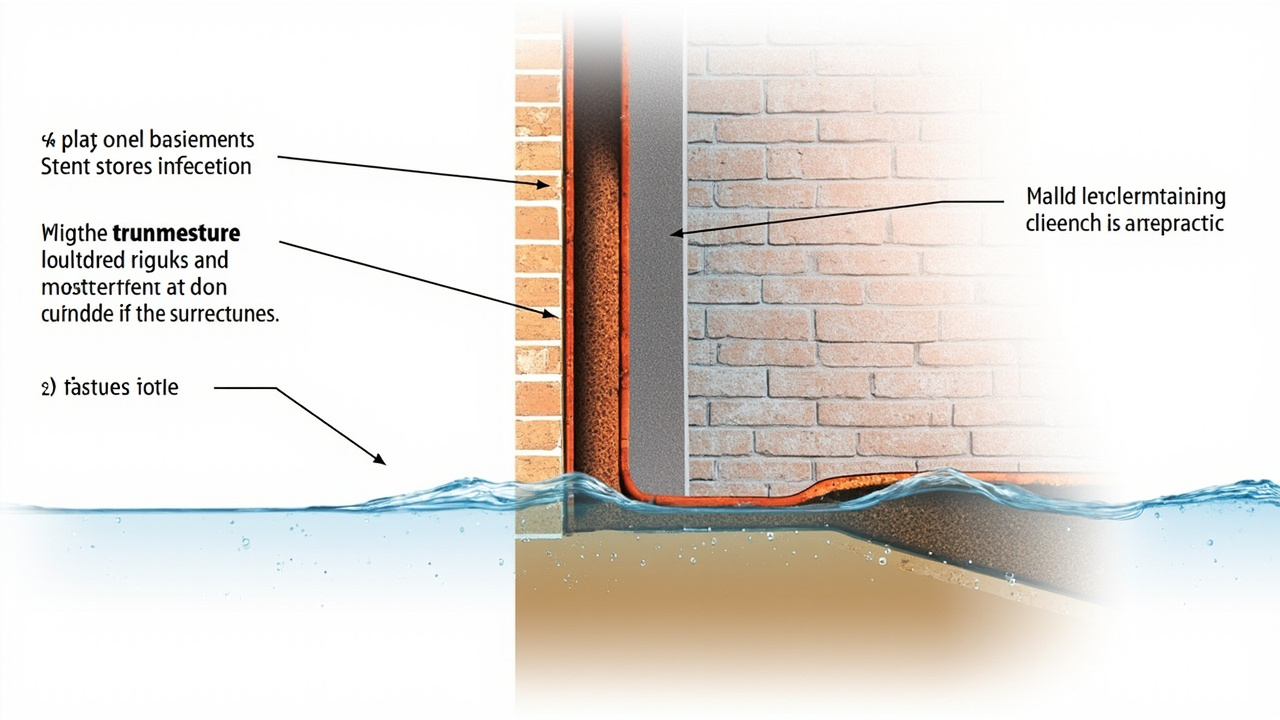
High Humidity and Mold Growth in Chicago Summers What Homeowners Need to Know Your basement…
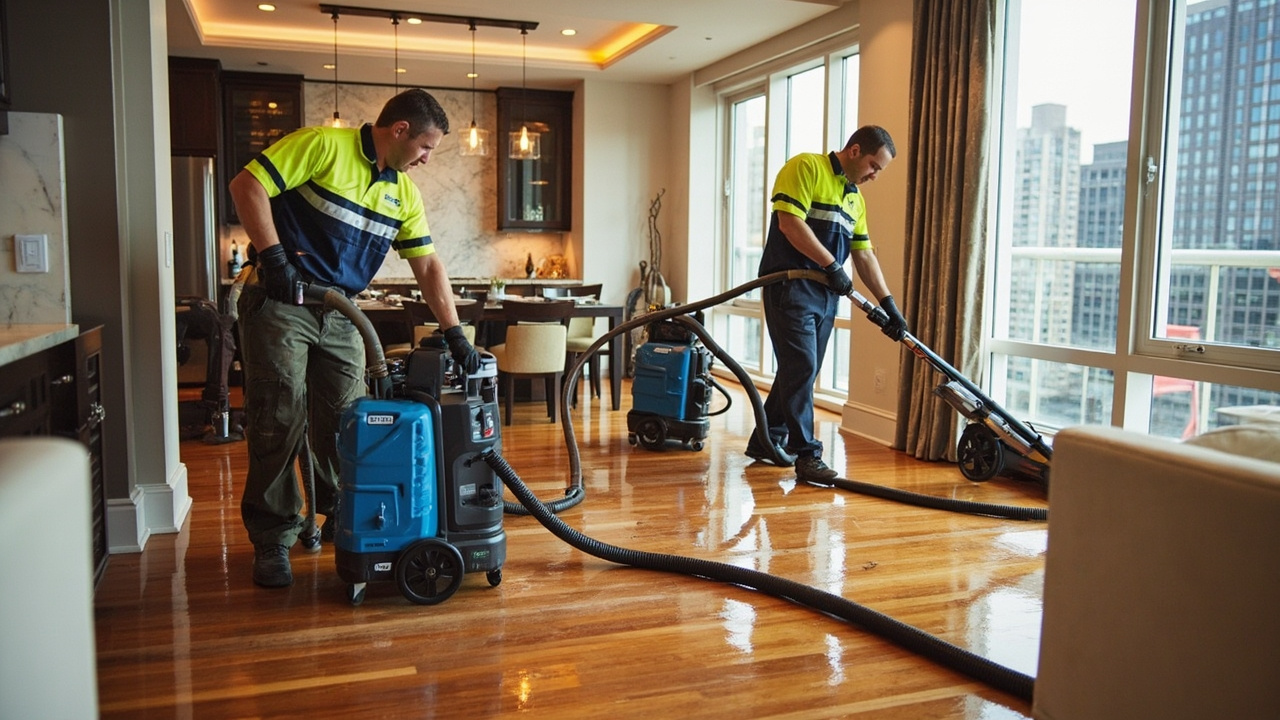
Luxury Home Water Damage Restoration in Chicago's Near North Side A burst pipe at 2…
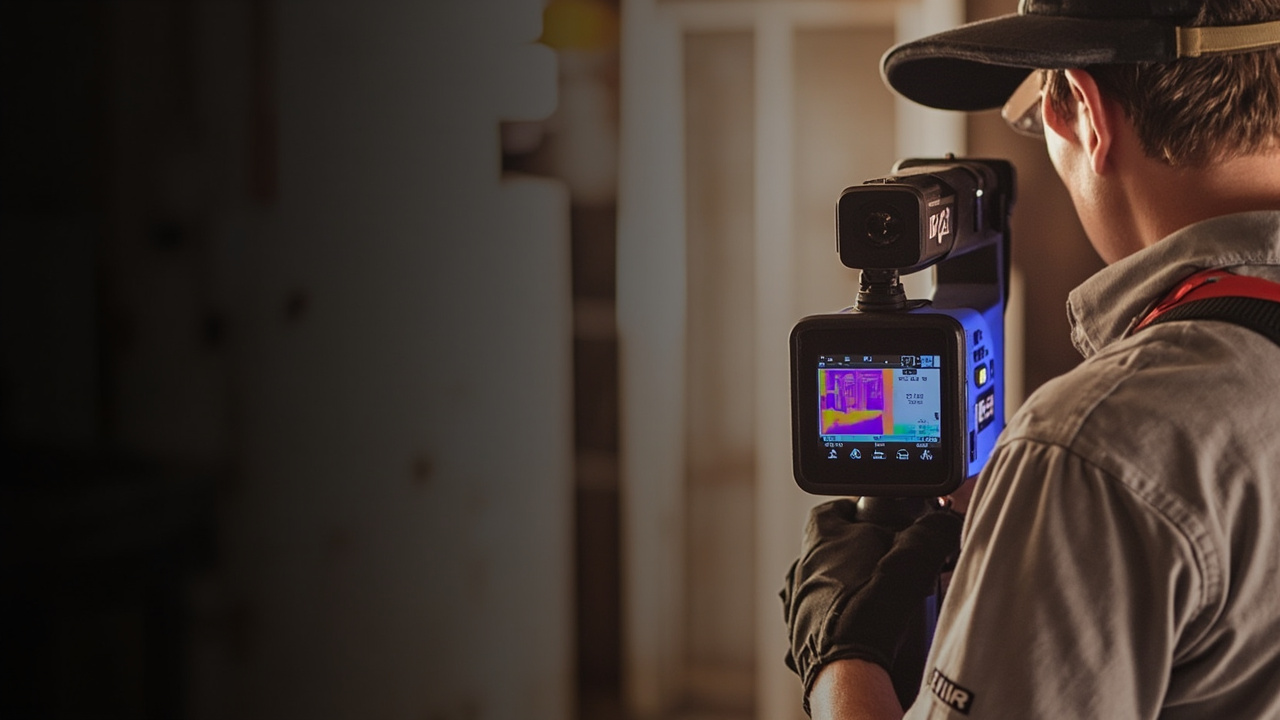
Expert Infrared Leak Detection in Chicago Homes and Businesses A hidden pipe leak can destroy…
Standing water is soaking deeper into your floors and walls right now. Mold starts growing in 48 hours. Call Cornerstone Water Damage Restoration Chicago at (872) 266-1616 for emergency response. Our crews are ready 24/7 with equipment staged in Waukegan. We answer calls immediately, arrive fast, and work directly with your insurance company.