





Schaumburg sits in the Salt Creek watershed with poorly draining clay soil throughout the region. This combination creates constant pressure on basement walls and foundation systems, especially during spring thaw and heavy rainfall events. Properties near Woodfield Mall and along the Interstate 90 corridor face additional risk from aging infrastructure and older building construction methods.
The village receives an average of 38 inches of precipitation annually, with intense summer thunderstorms that overwhelm roof drainage systems and window wells. Winter freeze-thaw cycles crack pipes in attics and crawl spaces throughout neighborhoods like Weathersfield and Indian Meadows. These climate patterns make burst pipes, sump pump failures, and storm water intrusion common problems for Schaumburg residents.
Local building codes require specific vapor barriers and drainage systems, but homes built before 1990 often lack adequate protection. The predominantly clay soil retains moisture against foundation walls, creating hydrostatic pressure that forces water through basement cracks. Properties in the Olde Schaumburg Centre area and near the Chicago Executive Airport deal with high water tables that make flooding more severe when drainage systems fail.
Cornerstone Water Damage Restoration Chicago has handled water emergencies throughout Schaumburg for years, giving us deep familiarity with how water moves through local construction types and soil conditions. We know which neighborhoods flood first during storms, which streets have problematic municipal drainage, and which home designs are most vulnerable to basement seepage.
Our technicians train specifically on the challenges presented by Schaumburg's clay soil and older residential construction. We understand how water behaves in split-level homes common throughout the village and how to access crawl spaces in ranch-style properties near Busse Woods. This local expertise means faster damage assessment and more effective water removal strategies.
We maintain relationships with Schaumburg building inspectors and insurance adjusters who handle claims in this area. These connections speed up the approval process and help ensure your claim covers the full scope of necessary restoration work. Our equipment staging location serves the greater Schaumburg metro area, putting industrial water extractors, air movers, and dehumidifiers on your property within an hour of your call.
Unlike franchises that dispatch from distant locations, we respond from nearby and arrive prepared for the specific water damage patterns we see in Schaumburg properties. Our crews recognize the difference between storm water intrusion and sewage backup, understanding the distinct sanitization protocols each situation requires. We also coordinate directly with local plumbers and electricians when water damage reveals underlying system failures that need immediate repair.

We dispatch immediately when you call and arrive on Schaumburg properties within one hour. Every minute counts when water spreads through drywall and insulation. Our rapid response stops damage progression and reduces total restoration costs by preventing secondary mold growth and structural deterioration.

We document everything for your insurance claim with detailed photos, moisture readings, and scope of work reports. Our team communicates directly with adjusters, providing the technical evidence they need to approve your claim quickly. We help Schaumburg property owners navigate the claims process without delays or denials.
We handle every phase from emergency water extraction through final reconstruction. You deal with one company instead of coordinating multiple contractors. Our crews perform water removal, structural drying, mold remediation, and repairs to return your Schaumburg property to pre-loss condition without switching between service providers.
We understand how water moves through local construction types, from older split-levels near Prairie Center to newer builds around Woodfield. This familiarity with Schaumburg architecture and soil conditions allows us to find hidden moisture pockets and prevent future problems that unfamiliar contractors miss.
Water damage presents differently depending on the source and affected areas of your property. A burst pipe creates different challenges than storm flooding, and sewage backup requires specialized sanitization protocols. Cornerstone Water Damage Restoration Chicago provides the full spectrum of water removal and restoration services needed to address any moisture intrusion scenario.
Our service approach addresses both immediate water removal and long-term moisture problems. We extract standing water, dry structural components to proper moisture levels, sanitize affected areas, and rebuild damaged spaces. Each situation gets a customized response based on water category, affected materials, and contamination level.
The services we provide fall into three main categories based on urgency level and damage severity. Emergency water removal handles active flooding situations where water continues entering your property. Structural drying and restoration addresses moisture that has penetrated building materials and needs controlled removal to prevent secondary damage. Specialty remediation deals with contaminated water sources or extensive damage requiring reconstruction.
When water floods your Schaumburg property, immediate extraction prevents damage from spreading. Our emergency crews arrive with truck-mounted extractors and portable pumps capable of removing thousands of gallons per hour. We stop active leaks, extract standing water from all affected areas, and remove soaked materials that cannot be saved. Emergency mitigation includes securing your property, protecting undamaged belongings, and beginning the drying process immediately to minimize total restoration costs.
Water absorbs into drywall, insulation, and framing lumber within minutes of exposure. Our technicians use thermal imaging and moisture meters to map exactly where water has spread through wall cavities and subfloors. We position commercial air movers and dehumidifiers to create controlled drying conditions, monitoring moisture levels daily until all building materials return to normal readings. This prevents mold growth and structural problems that appear weeks after the initial water event.
After drying is complete, we rebuild what water damaged or destroyed. This includes drywall replacement, flooring installation, paint and trim work, and reconstruction of finished spaces like basements and bathrooms. When sewage or contaminated water is involved, we perform antimicrobial treatments and sanitization before reconstruction begins. Our restoration work returns your Schaumburg property to pre-loss condition with materials and finishes that match your existing interior.
Schaumburg's climate and soil conditions create predictable water damage patterns. The village experiences intense summer storms that dump several inches of rain in short periods, overwhelming drainage systems and causing basement flooding. Winter brings freeze-thaw cycles that crack pipes and create ice dams on roofs. Spring snowmelt saturates the clay soil, pushing groundwater against foundation walls.
These environmental factors combine with aging infrastructure in older neighborhoods and construction weaknesses in properties built before modern building codes. Homes in areas like Hawthorne Estates and Friendship Village face recurring problems during heavy rain events. Properties near streams and drainage channels deal with flash flooding when storm sewers back up. Understanding these local patterns helps property owners recognize warning signs before minor moisture problems become major restoration projects.
Schaumburg's dense clay soil does not absorb water. During heavy rain, groundwater accumulates against foundation walls and seeps through cracks or pushes through the cove joint where walls meet floors. Sump pumps fail from overwork, and older homes without proper exterior drainage systems flood repeatedly during spring and summer storms.
Winter temperatures in Schaumburg regularly drop below zero, freezing pipes in unheated spaces. Split-level homes with complex rooflines have vulnerable pipe runs through attic areas. When pipes burst, water floods through ceilings and walls before homeowners discover the problem, causing extensive damage to multiple rooms and floors.
Heavy thunderstorms drive rain horizontally against window frames and basement window wells. Older window installations lack proper sealing, allowing water to penetrate around frames and flood finished basements. Window wells fill with rainwater and overflow into basement rooms, soaking carpets and drywall in recreation areas and bedrooms.
Ice dams form on Schaumburg roofs when heat escapes through inadequate attic insulation, melting snow that refreezes at eaves. Water backs up under shingles and leaks into walls and ceilings. Summer storms with high winds tear shingles and damage flashing, creating entry points for rain that saturates insulation and ceiling materials.
When water floods your Schaumburg property, you need clear information about what happens next. From your first call through project completion, we maintain direct communication about timeline, costs, and what to expect each day. Our process follows industry standards while adapting to the specific conditions we find on your property.
You will speak with experienced technicians who explain findings in plain language, not technical jargon. We document everything with photos and written reports, providing the evidence your insurance company needs to process your claim. Our goal is to remove uncertainty from an already stressful situation by keeping you informed at every stage.
We dispatch a crew immediately when you call and arrive within 60 minutes. The team leader inspects all affected areas, uses moisture detection equipment to map water spread, and explains what needs to happen next. You receive a verbal overview of the situation before any work begins, including estimated timeline and what the restoration process will involve for your specific property.
Drying takes several days depending on how much water penetrated building materials. Our technicians visit daily to take moisture readings, adjust equipment, and update you on progress. You receive written documentation showing moisture levels dropping to acceptable standards. We explain when drying is complete and what reconstruction will entail before moving to the next phase.
Before we consider any job complete, you walk through the restored areas with our project manager. We show you that moisture levels are normal, explain what work was performed, and address any concerns about finishes or materials. You approve the final results before we close out the project. We also discuss prevention strategies to reduce the chance of future water damage.
Water damage restoration follows a specific sequence. Each phase addresses different aspects of the problem, from stopping active water intrusion to rebuilding damaged spaces.
We extract all standing water using truck-mounted pumps and portable extractors. Technicians remove soaked materials that cannot be saved, including carpet padding, insulation, and damaged drywall. We stop active leaks, secure your property, and set up containment barriers to prevent water from spreading to unaffected areas. This phase happens immediately upon arrival and continues until all free water is removed.
Commercial air movers and dehumidifiers run continuously to pull moisture from building materials. We monitor conditions daily with moisture meters and thermal imaging cameras, adjusting equipment placement as materials dry. This phase takes three to five days for most Schaumburg properties but extends longer when water penetrated hardwood floors or thick wall insulation. Drying is complete when moisture readings return to normal levels.
After drying is verified complete, we rebuild damaged areas. This includes drywall installation, painting, flooring replacement, and trim work. When necessary, we perform mold remediation and antimicrobial treatment before reconstruction begins. The restoration phase returns your property to pre-loss condition with materials and finishes that match your existing interior. Final walkthrough happens before we consider the job complete.
Professional water damage restoration follows standards established by the Institute of Inspection Cleaning and Restoration Certification. These protocols define proper procedures for water extraction, structural drying, and contamination control. Adherence to IICRC S500 standards ensures consistent quality and protects property owners from inadequate restoration that leads to mold growth or structural problems.
The restoration process begins with water classification. Category 1 water comes from clean sources like supply lines and poses minimal contamination risk. Category 2 water contains contaminants and comes from sources like washing machine overflows or toilet tanks. Category 3 water is grossly contaminated, typically from sewage backups or flood water that contacted soil. Each category requires different handling procedures and safety protocols.
Material classification determines drying strategy. Class 1 situations involve minimal water absorption in a small area. Class 2 means water affected an entire room with significant absorption into materials. Class 3 indicates water came from overhead or saturated walls and ceilings. Class 4 involves specialty drying situations like hardwood floors or plaster walls that require longer drying times and specific techniques.
Schaumburg properties must meet moisture content standards before reconstruction begins. Wood framing should measure below 16 percent moisture content. Concrete floors need readings below 4.5 percent on the surface scale. Drywall returns to normal at moisture levels matching unaffected areas in the same structure. These benchmarks prevent mold growth and ensure structural integrity after restoration is complete.
Insurance claims in Illinois follow standard coverage for sudden and accidental water damage. Policies typically cover burst pipes, storm damage, and appliance failures but exclude flood damage from groundwater or surface water intrusion. Homeowners in Schaumburg flood zones need separate flood insurance through FEMA programs. Documentation requirements include photos of damage, moisture readings, equipment logs, and itemized scope of work reports.
Clean water from supply lines requires basic extraction and drying. Gray water from appliances needs sanitization of affected surfaces. Black water from sewage or flooding requires complete removal of porous materials, antimicrobial treatment, and strict containment procedures. Proper classification protects occupants from exposure to harmful bacteria and ensures safe restoration.
Restoration costs depend on water volume, affected square footage, material types, and contamination level. Emergency extraction and equipment rental make up initial expenses. Drying duration affects total cost based on equipment run time. Reconstruction expenses vary by finish materials and extent of damage. Insurance deductibles typically apply before coverage begins.
Most Schaumburg properties reach dry standard in three to five days with proper equipment. Hardwood floors need seven to ten days for complete drying. Plaster walls and thick insulation extend timelines to two weeks. Rushing the drying process causes problems later. Proper monitoring ensures materials reach safe moisture levels before reconstruction begins.
Water damage technicians complete certification training in extraction procedures, drying science, and microbial remediation. The IICRC Water Damage Restoration Technician certification demonstrates competency in industry standards and proper restoration protocols. Certified firms follow documented procedures that protect property owners and ensure insurance claim acceptance.
This video covers water damage restoration procedures for Schaumburg, Illinois properties. Topics include emergency water extraction methods, structural drying techniques, moisture monitoring protocols, and complete restoration services. Viewers learn about water damage categories, contamination handling, insurance coordination, and IICRC industry standards. The video explains how Schaumburg's clay soil and climate affect water intrusion patterns and why rapid professional response prevents secondary damage.
Cornerstone Water Damage Restoration Chicago serves every neighborhood in Schaumburg and responds to properties throughout the northwest suburban corridor. We handle water emergencies from the residential areas near Busse Woods Forest Preserve to commercial properties around Woodfield Mall. Our service area extends across the entire village, including older neighborhoods like Weathersfield and Indian Meadows where homes face recurring basement flooding issues.
Properties in Olde Schaumburg Centre and the developments near Prairie Center deal with water damage from aging infrastructure and poorly draining yards. The split-level homes common throughout these areas create unique challenges when pipes burst in attic spaces or water penetrates through attached garage walls. We know how water moves through these construction types and where hidden moisture accumulates behind finished surfaces.
The Friendship Village area near Illinois Route 53 sees frequent storm water problems when heavy rain overwhelms street drainage. Water backs up through floor drains and enters basements through foundation cracks. Homes in the Hawthorne Estates subdivision and properties along Schaumburg Road face similar flooding patterns during severe weather events. Our crews respond quickly to these neighborhoods and arrive equipped for basement water extraction and emergency mitigation.
Commercial properties around the Woodfield area and along Interstate 90 require fast response when water damage threatens business operations. We handle everything from roof leaks in retail spaces to burst pipes in office buildings. Our teams work around business hours when possible to minimize disruption, and we coordinate with property managers to ensure proper documentation for commercial insurance claims.
We also serve communities immediately adjacent to Schaumburg, including parts of Hoffman Estates, Rolling Meadows, and Palatine. Properties near the Cook County border receive the same rapid response and expertise we provide throughout the village. Whether you need emergency water extraction in Streamwood or complete restoration services in Hanover Park, we dispatch from our nearby location and arrive prepared to handle water damage in any residential or commercial property.
Yes. Water damage spreads fast in Schaumburg homes. Within 24 hours, drywall swells, wood warps, and mold starts forming. What looks like a small leak can compromise structural framing and create biohazard conditions. Professional restoration prevents secondary damage that costs far more to fix later. You save money by acting now. Insurance typically covers restoration costs if you report damage quickly. Ignoring water damage voids most policies and drops your home value. Restoration protects your investment and keeps your family safe from hidden mold growth.
Remediation stops the damage. Restoration returns your home to pre-loss condition. Remediation includes water extraction, drying equipment, antimicrobial treatment, and removing contaminated materials. It prevents mold and structural decay. Restoration comes after: replacing drywall, repainting, installing new flooring, and rebuilding damaged areas. Many Schaumburg companies handle both phases. You need remediation within 48 hours to prevent mold. Restoration timelines depend on damage severity. Think of remediation as emergency medicine and restoration as surgery and recovery. Both are necessary for complete recovery.
Complete water damage restoration covers emergency response, water extraction, structural drying, dehumidification, antimicrobial treatment, content pack-out, demolition of unsalvageable materials, reconstruction, and final cleaning. In Schaumburg, technicians inspect for hidden moisture in crawl spaces and basements common to local homes. They document everything for insurance claims. Advanced thermal imaging finds water in wall cavities. Air movers and dehumidifiers run for three to five days. Restoration includes replacing drywall, flooring, insulation, trim, and repainting. You get a complete rebuild to pre-damage condition.
Yes. Water damage spreads fast in Schaumburg homes. Within 24 hours, drywall swells, wood warps, and mold starts forming. What looks like a small leak can compromise structural framing and create biohazard conditions. Professional restoration prevents secondary damage that costs far more to fix later. You save money by acting now. Insurance typically covers restoration costs if you report damage quickly. Ignoring water damage voids most policies and drops your home value. Restoration protects your investment and keeps your family safe from hidden mold growth.
Remediation stops the damage. Restoration returns your home to pre-loss condition. Remediation includes water extraction, drying equipment, antimicrobial treatment, and removing contaminated materials. It prevents mold and structural decay. Restoration comes after: replacing drywall, repainting, installing new flooring, and rebuilding damaged areas. Many Schaumburg companies handle both phases. You need remediation within 48 hours to prevent mold. Restoration timelines depend on damage severity. Think of remediation as emergency medicine and restoration as surgery and recovery. Both are necessary for complete recovery.
Complete water damage restoration covers emergency response, water extraction, structural drying, dehumidification, antimicrobial treatment, content pack-out, demolition of unsalvageable materials, reconstruction, and final cleaning. In Schaumburg, technicians inspect for hidden moisture in crawl spaces and basements common to local homes. They document everything for insurance claims. Advanced thermal imaging finds water in wall cavities. Air movers and dehumidifiers run for three to five days. Restoration includes replacing drywall, flooring, insulation, trim, and repainting. You get a complete rebuild to pre-damage condition.
Stop the water source if safe. Shut off your main water valve for pipe bursts. Move valuables to dry areas. Do not enter rooms with standing water if electricity is on. Take photos for insurance documentation. Call a professional restoration company immediately. In Schaumburg, response time matters because humidity accelerates mold growth. Open windows if weather permits. Remove wet rugs and furniture cushions. Do not use a household vacuum on water. Do not wait to call your insurance company. Fast action within the first hour prevents thousands in additional damage.
Costs depend on water category, affected square footage, and damage severity. Clean water from a supply line costs less than sewage backup. Most Schaumburg residential jobs range from minor extraction to full reconstruction. Insurance covers most costs if damage results from sudden accidents. You pay your deductible. Delays increase costs exponentially. Mold remediation adds expense if you wait past 48 hours. Get a free inspection and detailed estimate before work begins. Reputable companies work directly with your insurance adjuster to maximize coverage and minimize your out-of-pocket expense.
It depends on response time and damage extent. Small leaks caught early cost less than flooded basements ignored for days. Water wicks through drywall, insulation, and subflooring fast in Schaumburg's humid climate. What starts as a hundred-dollar fix becomes a ten-thousand-dollar reconstruction if mold spreads. Professional drying prevents expensive secondary damage. Insurance covers most restoration costs for sudden, accidental damage. Neglect or maintenance issues are not covered. The real cost is doing nothing. Structural rot and mold remediation cost far more than immediate professional extraction and drying.
Most homeowner policies cover sudden, accidental water damage like burst pipes, appliance failures, or storm-related roof leaks. Insurance does not cover gradual damage from poor maintenance or flooding from external sources without separate flood insurance. In Schaumburg, sump pump failures during spring storms are common claims. Document everything with photos before cleanup. Call your insurance company within 24 hours. Professional restoration companies work directly with adjusters and handle claims paperwork. They know what documentation insurers require. Your deductible applies, but insurance typically covers extraction, drying, demolition, and reconstruction.
Extremely likely if you wait past 48 hours. Schaumburg's humidity creates ideal mold conditions. Mold spores exist everywhere. They need moisture, warmth, and organic material like drywall or wood to colonize. You cannot see mold growing inside wall cavities, under flooring, or in insulation until it spreads. Professional drying with commercial dehumidifiers and air movers prevents mold by removing moisture fast. Thermal imaging finds hidden wet spots. Antimicrobial treatments kill spores. Do not assume visible drying means complete drying. Moisture meters confirm when materials reach safe levels below 15 percent.
Your claim amount depends on your policy limits, deductible, damage extent, and whether your insurer uses actual cash value or replacement cost coverage. Document everything with photos and videos. Save damaged items until the adjuster inspects. Get a professional assessment that details all affected areas, including hidden damage. In Schaumburg, insurers often underestimate moisture migration in basements and crawl spaces. A detailed restoration estimate strengthens your claim. Replacement cost policies pay full rebuild costs without depreciation. Actual cash value policies deduct for age and wear. Public adjusters can help maximize complex claims.
Do not delay calling professionals. Do not use household vacuums on standing water. Do not turn on electricity in flooded areas. Do not leave wet materials in place hoping they dry naturally. Schaumburg's humidity guarantees mold growth. Do not throw away damaged items before your insurance adjuster documents them. Do not use bleach on mold, it does not kill roots and damages materials. Do not run your HVAC system, it spreads contaminated air. Do not assume surface drying means complete drying. Hidden moisture causes structural rot and toxic mold.
Stop the water source if safe. Shut off your main water valve for pipe bursts. Move valuables to dry areas. Do not enter rooms with standing water if electricity is on. Take photos for insurance documentation. Call a professional restoration company immediately. In Schaumburg, response time matters because humidity accelerates mold growth. Open windows if weather permits. Remove wet rugs and furniture cushions. Do not use a household vacuum on water. Do not wait to call your insurance company. Fast action within the first hour prevents thousands in additional damage.
Costs depend on water category, affected square footage, and damage severity. Clean water from a supply line costs less than sewage backup. Most Schaumburg residential jobs range from minor extraction to full reconstruction. Insurance covers most costs if damage results from sudden accidents. You pay your deductible. Delays increase costs exponentially. Mold remediation adds expense if you wait past 48 hours. Get a free inspection and detailed estimate before work begins. Reputable companies work directly with your insurance adjuster to maximize coverage and minimize your out-of-pocket expense.
It depends on response time and damage extent. Small leaks caught early cost less than flooded basements ignored for days. Water wicks through drywall, insulation, and subflooring fast in Schaumburg's humid climate. What starts as a hundred-dollar fix becomes a ten-thousand-dollar reconstruction if mold spreads. Professional drying prevents expensive secondary damage. Insurance covers most restoration costs for sudden, accidental damage. Neglect or maintenance issues are not covered. The real cost is doing nothing. Structural rot and mold remediation cost far more than immediate professional extraction and drying.
Most homeowner policies cover sudden, accidental water damage like burst pipes, appliance failures, or storm-related roof leaks. Insurance does not cover gradual damage from poor maintenance or flooding from external sources without separate flood insurance. In Schaumburg, sump pump failures during spring storms are common claims. Document everything with photos before cleanup. Call your insurance company within 24 hours. Professional restoration companies work directly with adjusters and handle claims paperwork. They know what documentation insurers require. Your deductible applies, but insurance typically covers extraction, drying, demolition, and reconstruction.
Extremely likely if you wait past 48 hours. Schaumburg's humidity creates ideal mold conditions. Mold spores exist everywhere. They need moisture, warmth, and organic material like drywall or wood to colonize. You cannot see mold growing inside wall cavities, under flooring, or in insulation until it spreads. Professional drying with commercial dehumidifiers and air movers prevents mold by removing moisture fast. Thermal imaging finds hidden wet spots. Antimicrobial treatments kill spores. Do not assume visible drying means complete drying. Moisture meters confirm when materials reach safe levels below 15 percent.
Your claim amount depends on your policy limits, deductible, damage extent, and whether your insurer uses actual cash value or replacement cost coverage. Document everything with photos and videos. Save damaged items until the adjuster inspects. Get a professional assessment that details all affected areas, including hidden damage. In Schaumburg, insurers often underestimate moisture migration in basements and crawl spaces. A detailed restoration estimate strengthens your claim. Replacement cost policies pay full rebuild costs without depreciation. Actual cash value policies deduct for age and wear. Public adjusters can help maximize complex claims.
Do not delay calling professionals. Do not use household vacuums on standing water. Do not turn on electricity in flooded areas. Do not leave wet materials in place hoping they dry naturally. Schaumburg's humidity guarantees mold growth. Do not throw away damaged items before your insurance adjuster documents them. Do not use bleach on mold, it does not kill roots and damages materials. Do not run your HVAC system, it spreads contaminated air. Do not assume surface drying means complete drying. Hidden moisture causes structural rot and toxic mold.
Cornerstone proudly serves the entire Chicago area with fast, dependable water damage restoration services. Whether you’re located in downtown, the suburbs, or surrounding neighborhoods, we’re ready to respond to your call—day or night. Use the map below to see our local service coverage and find our nearest team. With mobile units throughout the city, help is never far away. If you’re facing water damage, reach out now and let us show you why homeowners and businesses choose Cornerstone.
Address:
Schaumburg, IL, 60169

Water Damaged Subfloor Repair in Chicago: When to Dry It Out vs. Replace It Your subfloor is failing. You noticed soft spots near the bathroom. The basement smells musty. Water sat under the kitchen for…
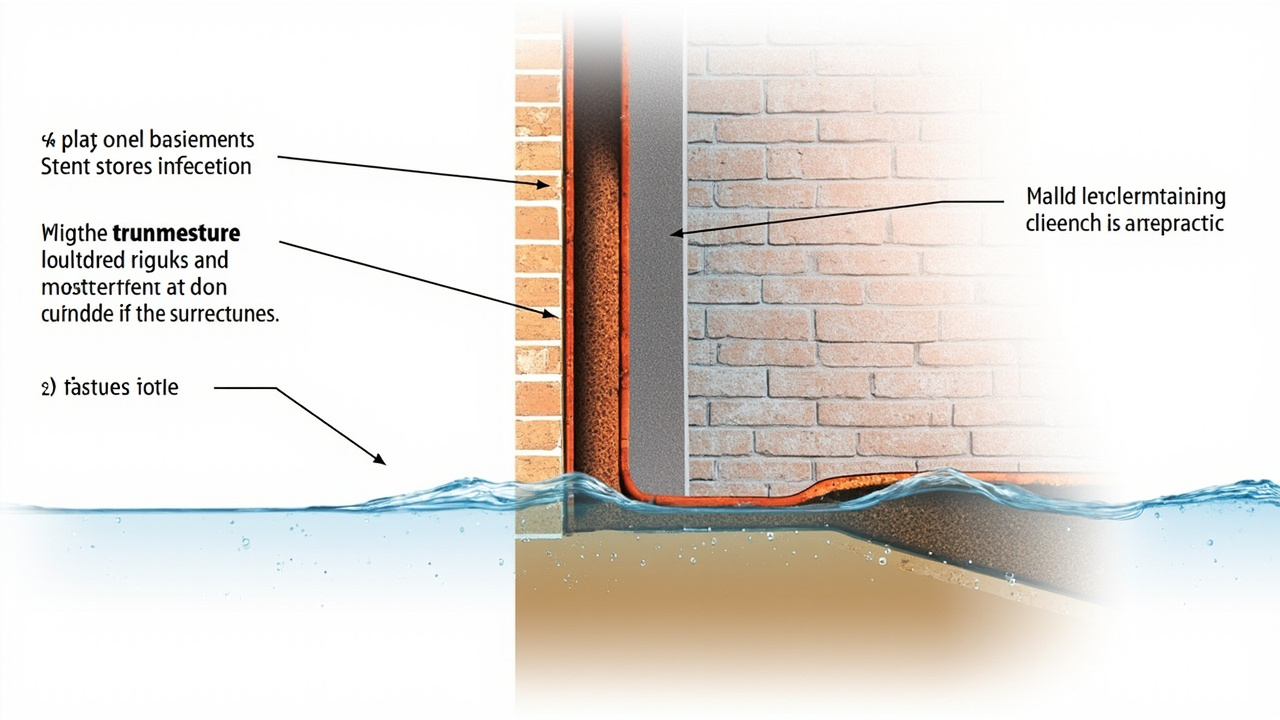
High Humidity and Mold Growth in Chicago Summers What Homeowners Need to Know Your basement…
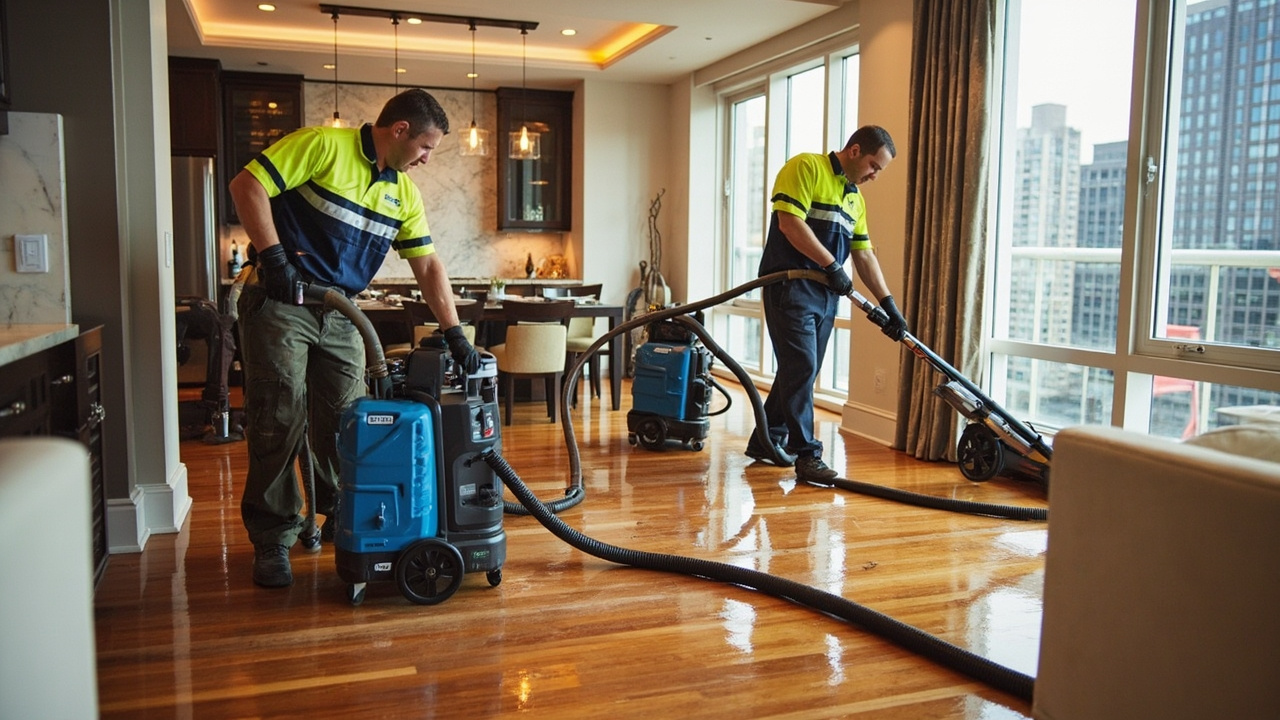
Luxury Home Water Damage Restoration in Chicago's Near North Side A burst pipe at 2…
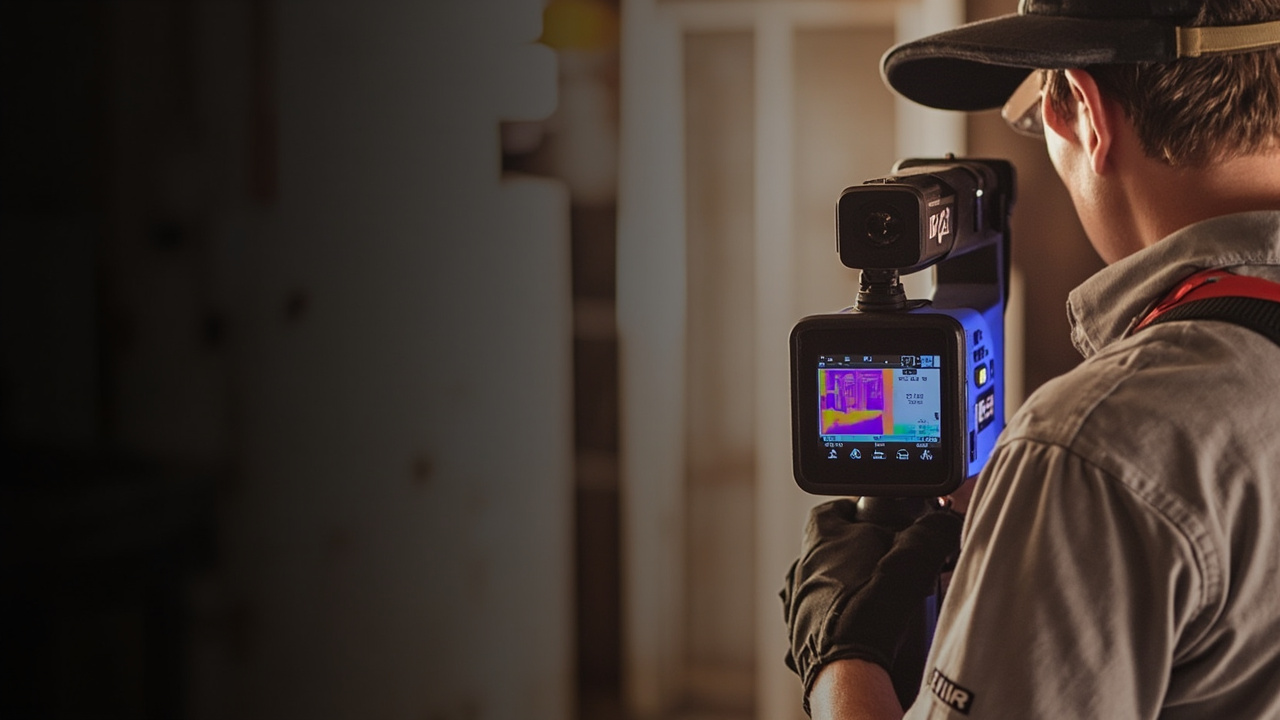
Expert Infrared Leak Detection in Chicago Homes and Businesses A hidden pipe leak can destroy…
Water spreads through your Schaumburg property every minute you wait. Our emergency crews are ready to respond 24/7. Call Cornerstone Water Damage Restoration Chicago at (872) 266-1616 right now. We will have technicians on site within 60 minutes to stop the damage and start restoration.