





Rockford sits in the Rock River valley where spring snowmelt combines with heavy rainfall to overwhelm drainage systems and basement sump pumps. The city's soil composition includes dense clay layers that prevent proper water absorption, pushing moisture directly into foundation walls and crawl spaces. Homes near the Rock River in neighborhoods like Loves Park and Machesney Park face seasonal flooding risks, while properties in older districts such as Churchill's Grove and Haight Village contain aging cast iron pipes prone to sudden failures.
Winter freeze-thaw cycles crack concrete foundations and burst water lines in unheated spaces. Summer storms drop several inches of rain in hours, backing up sewage systems and flooding finished basements. Rockford's building stock includes many structures built before modern waterproofing standards, making them vulnerable to groundwater intrusion. Commercial properties in the East State Street corridor and manufacturing facilities near the Illinois Tollway experience roof leaks and equipment failures that release hundreds of gallons within minutes. These conditions create constant water damage threats that require immediate professional response to prevent structural compromise and dangerous mold colonization.
Cornerstone Water Damage Restoration Chicago operates as the trusted water damage remediation partner throughout Winnebago County because we understand what Rockford properties face. Our technicians train specifically on the water intrusion patterns common to Rock River valley structures, from basement seepage in clay soil foundations to ice dam failures on older roofline configurations. We maintain response vehicles stocked with truck-mounted extraction units, commercial dehumidifiers, and air movers positioned to reach any Rockford address within two hours of dispatch.
We work directly with major insurance carriers serving the Rockford market, handling documentation, moisture mapping, and scope verification so you avoid claim denials and delays. Our team knows which local adjusters require thermal imaging proof of drying progress and which accept daily moisture meter readings. This insurance coordination experience means faster approvals and fewer out-of-pocket costs for property owners.
Our approach combines rapid water removal with complete structural drying verified through scientific moisture monitoring. We do not leave a property until wood framing, insulation, and subfloors register safe moisture levels on calibrated detection equipment. This thoroughness prevents the mold growth and rot that plague incomplete drying jobs. Rockford property owners choose us because we answer emergency calls at three in the morning, arrive with the right equipment for commercial-scale flooding, and finish the job completely instead of walking away when surfaces look dry but structural materials still hold damaging moisture.

Water damage worsens by the hour. Our emergency response team answers calls day and night, including weekends and holidays. We dispatch technicians immediately with truck-mounted extraction equipment to stop water intrusion, remove standing water, and begin structural drying before mold takes hold. Fast response protects your property value and reduces total restoration costs.

We document water damage thoroughly with moisture mapping, thermal imaging, and detailed photography that insurance adjusters require for claim approval. Our team communicates directly with your carrier, provides accurate repair estimates, and handles all paperwork. This coordination speeds up approvals and maximizes your coverage, reducing what you pay from pocket.
Our technicians follow IICRC water damage restoration standards, using calibrated moisture meters and psychrometric calculations to verify complete drying. We monitor moisture levels in framing, insulation, and subflooring until they return to normal ranges. This scientific approach prevents hidden moisture that causes mold outbreaks and structural rot months after incomplete remediation jobs.
We understand local water damage patterns from Rock River flooding to basement seepage in clay soil foundations. Our team knows which Rockford neighborhoods face seasonal risks, which building types require special attention, and how to navigate local permit requirements for major restoration work. This regional expertise means faster, more effective water damage mitigation for your property.
Cornerstone Water Damage Restoration Chicago handles every type of water intrusion event that affects Rockford homes and commercial buildings. Our service range covers sudden catastrophic flooding from burst pipes and appliance failures, gradual moisture problems from foundation leaks and roof damage, and contaminated water cleanup requiring specialized safety protocols. We deploy appropriate equipment and techniques based on water source, contamination level, and affected materials.
Each water damage scenario requires different response strategies. Clean water from supply line breaks needs rapid extraction and drying. Groundwater seepage carries soil contamination requiring antimicrobial treatment. Sewage backups demand protective equipment, disposal procedures, and complete sanitization. Our technicians assess water category, measure moisture penetration depth, and implement the restoration protocol your specific situation requires. We handle structural drying, content restoration, antimicrobial application, odor removal, and reconstruction coordination as a complete water damage remediation solution.
When flooding strikes your property, immediate water removal limits damage to floors, walls, and contents. We deploy truck-mounted extraction units and submersible pumps to remove standing water within hours of your emergency call. Our technicians identify the water source, stop active intrusion, and extract moisture from carpets, padding, and porous materials. This rapid response prevents the progressive damage that occurs when water migrates through building materials, saturates insulation, and compromises structural components.
Surface drying does not protect your property. Water penetrates deep into framing lumber, wall cavities, and subfloor assemblies where it causes rot and mold growth. We position commercial dehumidifiers and air movers to create conditions that pull moisture from structural materials. Daily moisture meter readings track drying progress in wood framing, concrete, and insulation. We continue equipment operation until moisture content returns to normal levels, verified through calibrated detection instruments. This thorough approach prevents the hidden damage that appears months after incomplete remediation.
Sewage backups and toilet overflows introduce dangerous bacteria into your living space that requires specialized cleanup procedures. Our technicians wear protective equipment while removing contaminated materials, apply EPA-registered antimicrobial treatments to affected surfaces, and safely dispose of porous items that cannot be sanitized. We follow strict protocols to eliminate health hazards, remove sewage odors, and restore your property to safe conditions. Insurance coverage for sewage cleanup often includes content replacement and complete sanitization when handled properly.
Rockford property owners face recurring water intrusion issues driven by local climate patterns, soil conditions, and aging infrastructure. Spring brings rapid snowmelt that saturates clay soil around foundations, pushing groundwater into basements through cracks and floor seams. Summer storms overwhelm municipal drainage systems, backing sewage into lower-level fixtures. Winter freeze-thaw cycles burst supply lines in exterior walls and unheated crawl spaces. These seasonal patterns combine with building material failures in older Rockford neighborhoods to create constant water damage risks.
The Rock River valley's high water table keeps basement concrete in constant contact with groundwater pressure. Properties built before modern waterproofing standards lack proper drainage systems and vapor barriers. Sump pumps fail during power outages from severe weather. Older cast iron drain pipes corrode and leak inside wall cavities. Understanding these common failure points helps property owners recognize warning signs before minor moisture problems become major restoration projects.
Rockford's dense clay soil prevents rainwater absorption, creating hydrostatic pressure against foundation walls. This pressure forces groundwater through concrete cracks, floor joints, and window wells into finished basements. Spring thaw and heavy rain events saturate soil quickly, overwhelming perimeter drains and sump pump capacity. Repeated flooding damages flooring, drywall, and stored belongings while creating conditions for mold growth in wall cavities.
Winter temperatures in Rockford drop below zero for extended periods, freezing water inside supply lines running through exterior walls, attics, and crawl spaces. When frozen pipes thaw, split seams release hundreds of gallons into living spaces within hours. Older homes with inadequate insulation face higher risk. The damage often affects multiple rooms, saturating ceilings, walls, and floor assemblies before anyone notices the leak.
Severe weather knocks out electrical power exactly when sump pumps need to operate. Without backup power, groundwater fills basement sumps and overflows onto floors. Float switches stick, discharge lines freeze, and motors burn out from continuous operation during prolonged rain events. Many Rockford basements lack battery backup systems or water-powered emergency pumps, leaving properties vulnerable to flooding when primary pumps fail during critical moments.
Ice dams form on Rockford roofs when heated attic air melts snow, which refreezes at cold eaves. Ice blocks proper drainage, forcing meltwater under shingles into attic spaces. Summer storms damage aging roof materials, creating entry points for rain. Water travels along rafters and drips into insulation, ceilings, and wall cavities. Hidden moisture causes mold growth and wood rot before visible stains alert homeowners to the problem.
Cornerstone Water Damage Restoration Chicago follows a structured response protocol that prioritizes immediate damage mitigation, thorough moisture removal, and complete property restoration. When you call our emergency line, you speak directly with dispatch personnel who gather essential information about your water damage situation. We ask about water source, affected areas, and safety concerns to deploy appropriate equipment and technicians. Our team arrives prepared to assess damage extent, stop active water intrusion, and begin extraction immediately.
Throughout the restoration process, you receive clear communication about work progress, moisture readings, and estimated completion timelines. We explain insurance documentation requirements and coordinate directly with adjusters to streamline claim processing. Our project managers provide daily updates as drying equipment operates and moisture levels decrease. This transparent approach removes uncertainty during a stressful situation and helps you make informed decisions about your property. You know exactly what we are doing, why each step matters, and when your space will return to normal conditions.
Our emergency technicians arrive within two hours of dispatch with extraction equipment, moisture detection instruments, and safety gear. We perform a complete damage assessment using thermal imaging cameras to locate hidden moisture, moisture meters to measure saturation levels, and documentation photography for insurance claims. You receive an immediate action plan explaining water removal procedures, expected drying timeline, and equipment placement. We stop active water sources, extract standing water, and position drying equipment before leaving your property.
Water damage restoration requires days of controlled drying with professional monitoring. Our technicians visit your property daily to record moisture readings in affected materials, adjust equipment positions for optimal drying, and document progress with updated measurements. You receive written reports showing moisture reduction in floors, walls, and structural components. This daily attention ensures drying proceeds efficiently while preventing equipment problems or moisture migration to unaffected areas. We communicate findings immediately if assessment reveals additional damage requiring attention.
We remove drying equipment only after moisture readings confirm all building materials have returned to normal levels. Final documentation includes comparison photos, moisture charts showing drying progress, and certification that your property meets industry standards for safe moisture content. If reconstruction is needed, we coordinate flooring replacement, drywall repair, and painting to restore your space completely. You receive all documentation required for insurance claim closure and proof that restoration work was completed properly.
We follow a proven three-phase approach that stops damage progression, removes all moisture, and restores your property to pre-loss condition. This systematic process ensures nothing gets missed and every step receives proper attention.
Call our emergency line at (872) 266-1616 any time water damage occurs. We dispatch technicians immediately with truck-mounted extraction units and industrial drying equipment. Our team arrives prepared to stop water intrusion, remove standing water, and assess damage extent using thermal imaging and moisture meters. We document conditions thoroughly for insurance purposes and explain the restoration plan before beginning work. This rapid response limits damage spread and reduces total restoration costs.
We extract water from all affected surfaces using powerful pumps and truck-mounted vacuum systems. Then we position commercial dehumidifiers and air movers to create optimal drying conditions in your property. Our technicians monitor moisture levels daily in floors, walls, and structural components, adjusting equipment placement as materials dry. We apply antimicrobial treatments to prevent mold growth and remove any contaminated materials that cannot be salvaged. Drying continues until calibrated meters confirm all materials have returned to safe moisture levels.
Once moisture readings confirm complete drying, we remove all equipment and perform final inspection. You receive documentation showing moisture reduction progress and certification that your property meets industry drying standards. If water damage required removing flooring, drywall, or other materials, we coordinate reconstruction to restore your space completely. We handle insurance claim documentation and provide all paperwork needed for claim closure. Your property returns to safe, dry, restored condition.
Professional water damage restoration follows protocols established by the Institute of Inspection, Cleaning and Restoration Certification, which sets industry standards for moisture detection, drying procedures, and antimicrobial treatment. These standards exist because improper water damage cleanup creates health hazards and structural problems that appear months after the initial event. Simply removing visible water and running fans does not protect your property from progressive damage.
Water is categorized by contamination level, which determines required safety protocols and disposal procedures. Category 1 water comes from clean sources like supply lines and rain. Category 2 water contains contamination from appliances, toilet tanks, or groundwater. Category 3 water includes sewage, flooding from rivers, or any water that contacted contaminated surfaces. Each category requires different handling procedures, personal protective equipment, and sanitization methods.
Proper restoration also considers water class, which describes evaporation rate based on affected materials. Class 1 involves minimal absorption into materials. Class 2 affects entire rooms with significant absorption into walls and flooring. Class 3 indicates complete saturation from overhead sources. Class 4 describes specialty drying situations involving stone, concrete, or hardwood. Understanding these classifications helps restoration professionals calculate required equipment, estimate drying time, and prevent inadequate remediation.
Insurance companies expect documentation proving restoration followed industry standards. This includes psychrometric readings showing air conditions, daily moisture content measurements in affected materials, and equipment logs demonstrating proper drying techniques. Thermal imaging reveals hidden moisture in wall cavities and ceiling spaces. Moisture mapping tracks which areas contain elevated levels requiring attention. These scientific approaches separate professional restoration from inadequate cleanup that leaves your property vulnerable to mold contamination and structural failure.
Professional water damage restoration technicians complete IICRC certification training covering moisture detection, psychrometrics, drying science, and antimicrobial application. These standards define proper procedures for water extraction, structural drying, and documentation. Certified technicians understand how temperature, humidity, and airflow affect evaporation rates in different building materials. They use calibrated instruments to measure moisture and verify complete drying rather than guessing when equipment can be removed.
Water damage restoration costs depend on water category, affected square footage, material saturation levels, and required reconstruction. Category 3 contaminated water requires disposal of porous materials and extensive sanitization. Drying hardwood floors costs more than drying concrete. Mold remediation adds expense when moisture sits unaddressed for days. Insurance coverage varies based on water source, with sudden pipe bursts typically covered but gradual seepage often excluded. Complete documentation of damage extent and restoration procedures helps maximize insurance reimbursement.
Complete structural drying takes three to seven days depending on saturation extent, building materials, and environmental conditions. Concrete dries slower than wood framing. High humidity slows evaporation. Completely saturated materials require longer equipment operation than surface moisture. Rushing the process by removing equipment too early leaves hidden moisture that causes mold growth and rot. Professional monitoring with daily moisture readings ensures materials reach safe levels before declaring restoration complete.
Insurance adjusters require specific documentation to approve water damage claims including loss cause, damage extent photos, moisture mapping, equipment logs, and daily drying progress reports. Thermal imaging proves moisture location in concealed spaces. Detailed estimates separate emergency mitigation costs from reconstruction expenses. Claims get denied when documentation lacks sufficient proof of damage or when restoration procedures do not follow industry standards. Professional water damage companies coordinate directly with insurance carriers to provide required documentation.
Professional water damage restoration guide for Rockford, Illinois property owners. Learn about emergency water extraction procedures, structural drying protocols, insurance documentation requirements, and common water damage scenarios in the Rock River valley. Covers basement flooding, burst pipes, sewage cleanup, and mold prevention following water intrusion events. Explains IICRC restoration standards, moisture detection methods, and realistic drying timelines for water-damaged homes and commercial buildings in Winnebago County.
Cornerstone Water Damage Restoration Chicago provides emergency water damage response throughout the greater Rockford metropolitan area and surrounding Winnebago County communities. Our service territory covers established neighborhoods along the Rock River including Loves Park, Machesney Park, and Cherry Valley where spring flooding and high water tables create recurring basement moisture problems. We respond to water damage calls in historic districts like Churchill's Grove and Haight Village where aging infrastructure and older building materials require specialized restoration techniques.
Commercial properties along the East State Street corridor receive the same rapid response as residential customers, with equipment capacity to handle large-scale flooding in retail spaces, office buildings, and manufacturing facilities. We serve properties near the Illinois Tollway and Interstate 90 where roof failures and pipe bursts affect warehouse operations and require immediate mitigation to prevent business interruption. Our technicians understand the unique challenges facing different Rockford neighborhoods, from the foundation seepage common in areas with clay soil to the ice dam problems affecting north-side homes with steep roof pitches.
Properties in outlying areas like Roscoe, South Beloit, and Winnebago receive the same fast emergency response as central Rockford addresses. We maintain response vehicles throughout our service area to reach any location within two hours of dispatch. Whether you face basement flooding in a Loves Park split-level, burst pipe damage in a downtown Rockford commercial building, or sewage backup in a Cherry Valley ranch home, our team arrives prepared with appropriate equipment and local knowledge. We understand how water damage patterns differ across Winnebago County geography and adapt restoration protocols to match regional building characteristics and soil conditions.
Yes. Water damage worsens fast in Rockford's humid climate. Within 24 hours, moisture penetrates drywall, subflooring, and insulation. Within 48 hours, mold begins growing. Professional restoration stops this progression. You avoid structural decay, prevent mold colonization, and protect your property value. DIY efforts miss hidden moisture in wall cavities and crawlspaces. Certified technicians use thermal imaging and moisture meters to find every wet spot. Restoration also documents damage for insurance claims. Ignoring water damage costs far more long-term than fixing it immediately.
Water damage restoration includes emergency water extraction, structural drying, dehumidification, antimicrobial treatment, and reconstruction. Technicians remove standing water using truck-mounted extractors, then place commercial air movers and dehumidifiers to dry affected materials. They monitor moisture levels in walls, floors, and ceilings using specialized meters. If contamination is present, they apply antimicrobial solutions. After drying completes, restoration includes removing damaged drywall, replacing insulation, and rebuilding affected areas. The goal is returning your Rockford property to pre-loss condition while preventing secondary damage like mold growth or structural weakening.
Remediation stops the immediate water problem. It includes extraction, drying, and sanitizing. Restoration rebuilds what was damaged. Think of remediation as emergency triage. Technicians remove water, dry the structure, and prevent mold. Restoration comes next. It involves replacing drywall, installing new flooring, repainting, and reconstructing damaged areas. Many Rockford properties need both. A burst pipe requires remediation first to stop water spread, then restoration to repair walls and ceilings. Some companies offer both services. Others only handle remediation, requiring you to hire separate contractors for reconstruction.
Yes. Water damage worsens fast in Rockford's humid climate. Within 24 hours, moisture penetrates drywall, subflooring, and insulation. Within 48 hours, mold begins growing. Professional restoration stops this progression. You avoid structural decay, prevent mold colonization, and protect your property value. DIY efforts miss hidden moisture in wall cavities and crawlspaces. Certified technicians use thermal imaging and moisture meters to find every wet spot. Restoration also documents damage for insurance claims. Ignoring water damage costs far more long-term than fixing it immediately.
Water damage restoration includes emergency water extraction, structural drying, dehumidification, antimicrobial treatment, and reconstruction. Technicians remove standing water using truck-mounted extractors, then place commercial air movers and dehumidifiers to dry affected materials. They monitor moisture levels in walls, floors, and ceilings using specialized meters. If contamination is present, they apply antimicrobial solutions. After drying completes, restoration includes removing damaged drywall, replacing insulation, and rebuilding affected areas. The goal is returning your Rockford property to pre-loss condition while preventing secondary damage like mold growth or structural weakening.
Remediation stops the immediate water problem. It includes extraction, drying, and sanitizing. Restoration rebuilds what was damaged. Think of remediation as emergency triage. Technicians remove water, dry the structure, and prevent mold. Restoration comes next. It involves replacing drywall, installing new flooring, repainting, and reconstructing damaged areas. Many Rockford properties need both. A burst pipe requires remediation first to stop water spread, then restoration to repair walls and ceilings. Some companies offer both services. Others only handle remediation, requiring you to hire separate contractors for reconstruction.
Stop the water source if safe. Shut off the main water valve for plumbing failures. Move valuables to dry areas. Do not walk through standing water if electrical outlets are submerged. Document everything with photos for your insurance claim. Call a certified water damage restoration company immediately. In Rockford's climate, you have a 24-hour window before mold begins colonizing. Do not wait. Avoid using household vacuums to remove water. They are not designed for this and create electrocution risks. Professional extraction prevents deeper absorption into subflooring and framing.
Costs vary based on water category, affected square footage, and materials damaged. Clean water extraction from a small bathroom runs less than sewage backup affecting a finished basement. Category 3 contamination requires specialized disposal and sanitizing. Structural drying takes longer in Rockford homes with poor ventilation or older construction. Most homeowners pay between several hundred and several thousand dollars. Your insurance often covers sudden, accidental damage like burst pipes or appliance malfunctions. Get a detailed estimate before work begins. Reputable companies provide written scopes outlining every step and associated cost.
Usually, if damage is sudden and accidental. Burst pipes, appliance malfunctions, and storm-related roof leaks typically qualify for coverage. Gradual damage from neglected maintenance does not. Insurance adjusters examine the cause. A frozen pipe that bursts gets covered. A slow leak you ignored for months does not. Your policy deductible applies. Many Rockford restoration companies work directly with insurance carriers, handling documentation and communication. They photograph damage, provide moisture readings, and submit detailed estimates. Review your policy exclusions. Flood damage requires separate flood insurance. Sewer backup may need an endorsement.
Very likely without proper drying. Mold spores exist everywhere. They need moisture, oxygen, and organic material to colonize. Water-damaged drywall, wood, and insulation provide perfect conditions. In Rockford's humid summers, mold growth starts within 24 to 48 hours. You may not see visible growth immediately, but microscopic colonization begins fast. Professional restoration prevents this by drying materials below 15 percent moisture content. Air movers and dehumidifiers create unfavorable conditions for mold. Technicians also apply antimicrobial treatments to affected surfaces. Without professional drying, expect mold problems within days.
Category 3 water contains significant contamination. It comes from sewage backups, toilet overflows with feces, flooding from rivers or streams, and stagnant water. It appears discolored, often brown or black, and smells foul. You may see solid waste, toilet paper, or debris. Category 3 water contains bacteria, viruses, and pathogens that cause illness. Any porous material it contacts requires removal and disposal. Drywall, insulation, carpeting, and padding cannot be salvaged. Rockford properties near the Rock River face Category 3 risks during spring flooding. Never touch this water without protective equipment.
Repair time depends on damage extent and materials affected. Minor water damage to a single room takes two to five days for drying, then additional time for reconstruction. Major damage affecting multiple floors or requiring structural repairs takes weeks. Drying alone requires 72 hours minimum in ideal conditions. Older Rockford homes with plaster walls or hardwood floors take longer to dry than modern construction. Mold remediation adds time. Insurance approval processes can delay reconstruction. Reputable companies provide timelines upfront and update you throughout the process. Rushing drying causes future problems.
Plumbers fix the water source but rarely handle restoration. A plumber repairs the burst pipe, replaces the faulty water heater, or fixes the leaking supply line. Water damage restoration companies extract standing water, dry affected materials, treat for contamination, and rebuild damaged structures. These require different equipment and expertise. Plumbers use pipe wrenches and soldering torches. Restoration technicians use moisture meters, thermal imaging cameras, industrial dehumidifiers, and air movers. Many Rockford homeowners need both. Call a plumber to stop the leak, then call a certified restoration company to fix the damage.
Stop the water source if safe. Shut off the main water valve for plumbing failures. Move valuables to dry areas. Do not walk through standing water if electrical outlets are submerged. Document everything with photos for your insurance claim. Call a certified water damage restoration company immediately. In Rockford's climate, you have a 24-hour window before mold begins colonizing. Do not wait. Avoid using household vacuums to remove water. They are not designed for this and create electrocution risks. Professional extraction prevents deeper absorption into subflooring and framing.
Costs vary based on water category, affected square footage, and materials damaged. Clean water extraction from a small bathroom runs less than sewage backup affecting a finished basement. Category 3 contamination requires specialized disposal and sanitizing. Structural drying takes longer in Rockford homes with poor ventilation or older construction. Most homeowners pay between several hundred and several thousand dollars. Your insurance often covers sudden, accidental damage like burst pipes or appliance malfunctions. Get a detailed estimate before work begins. Reputable companies provide written scopes outlining every step and associated cost.
Usually, if damage is sudden and accidental. Burst pipes, appliance malfunctions, and storm-related roof leaks typically qualify for coverage. Gradual damage from neglected maintenance does not. Insurance adjusters examine the cause. A frozen pipe that bursts gets covered. A slow leak you ignored for months does not. Your policy deductible applies. Many Rockford restoration companies work directly with insurance carriers, handling documentation and communication. They photograph damage, provide moisture readings, and submit detailed estimates. Review your policy exclusions. Flood damage requires separate flood insurance. Sewer backup may need an endorsement.
Very likely without proper drying. Mold spores exist everywhere. They need moisture, oxygen, and organic material to colonize. Water-damaged drywall, wood, and insulation provide perfect conditions. In Rockford's humid summers, mold growth starts within 24 to 48 hours. You may not see visible growth immediately, but microscopic colonization begins fast. Professional restoration prevents this by drying materials below 15 percent moisture content. Air movers and dehumidifiers create unfavorable conditions for mold. Technicians also apply antimicrobial treatments to affected surfaces. Without professional drying, expect mold problems within days.
Category 3 water contains significant contamination. It comes from sewage backups, toilet overflows with feces, flooding from rivers or streams, and stagnant water. It appears discolored, often brown or black, and smells foul. You may see solid waste, toilet paper, or debris. Category 3 water contains bacteria, viruses, and pathogens that cause illness. Any porous material it contacts requires removal and disposal. Drywall, insulation, carpeting, and padding cannot be salvaged. Rockford properties near the Rock River face Category 3 risks during spring flooding. Never touch this water without protective equipment.
Repair time depends on damage extent and materials affected. Minor water damage to a single room takes two to five days for drying, then additional time for reconstruction. Major damage affecting multiple floors or requiring structural repairs takes weeks. Drying alone requires 72 hours minimum in ideal conditions. Older Rockford homes with plaster walls or hardwood floors take longer to dry than modern construction. Mold remediation adds time. Insurance approval processes can delay reconstruction. Reputable companies provide timelines upfront and update you throughout the process. Rushing drying causes future problems.
Plumbers fix the water source but rarely handle restoration. A plumber repairs the burst pipe, replaces the faulty water heater, or fixes the leaking supply line. Water damage restoration companies extract standing water, dry affected materials, treat for contamination, and rebuild damaged structures. These require different equipment and expertise. Plumbers use pipe wrenches and soldering torches. Restoration technicians use moisture meters, thermal imaging cameras, industrial dehumidifiers, and air movers. Many Rockford homeowners need both. Call a plumber to stop the leak, then call a certified restoration company to fix the damage.
Cornerstone proudly serves the entire Chicago area with fast, dependable water damage restoration services. Whether you’re located in downtown, the suburbs, or surrounding neighborhoods, we’re ready to respond to your call—day or night. Use the map below to see our local service coverage and find our nearest team. With mobile units throughout the city, help is never far away. If you’re facing water damage, reach out now and let us show you why homeowners and businesses choose Cornerstone.
Address:
Rockford, IL, 61104

Water Damaged Subfloor Repair in Chicago: When to Dry It Out vs. Replace It Your subfloor is failing. You noticed soft spots near the bathroom. The basement smells musty. Water sat under the kitchen for…
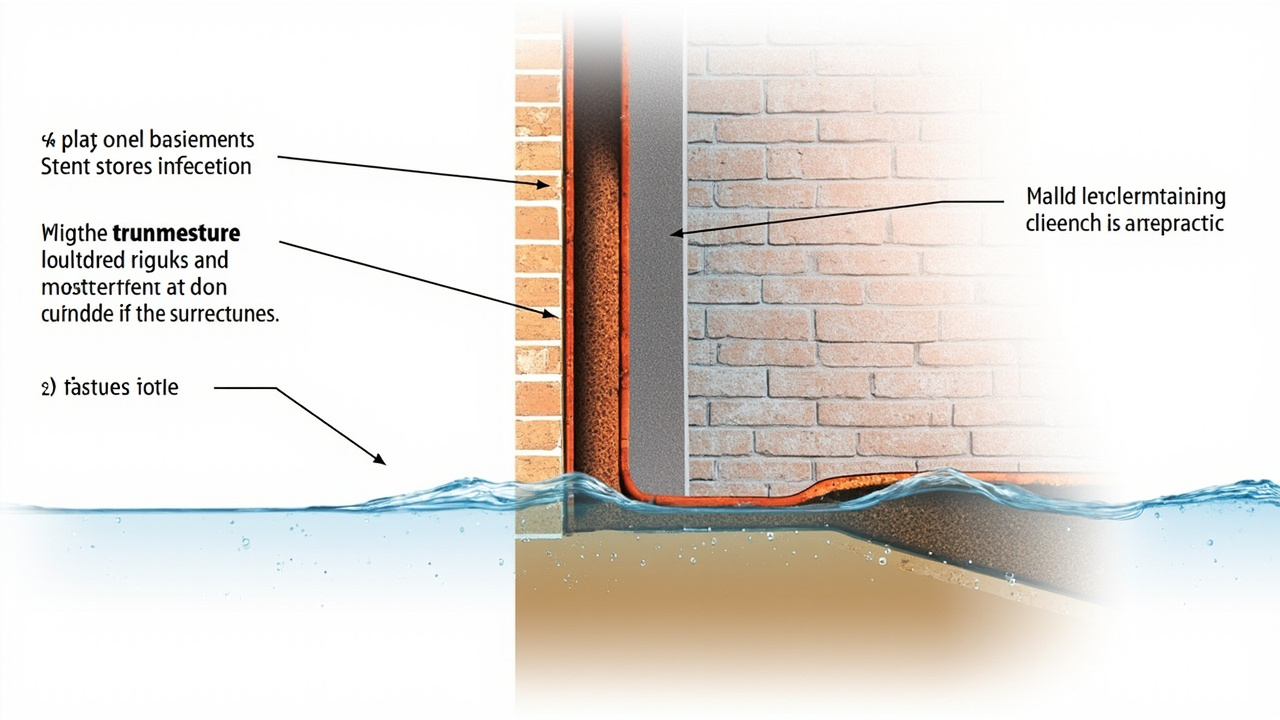
High Humidity and Mold Growth in Chicago Summers What Homeowners Need to Know Your basement…
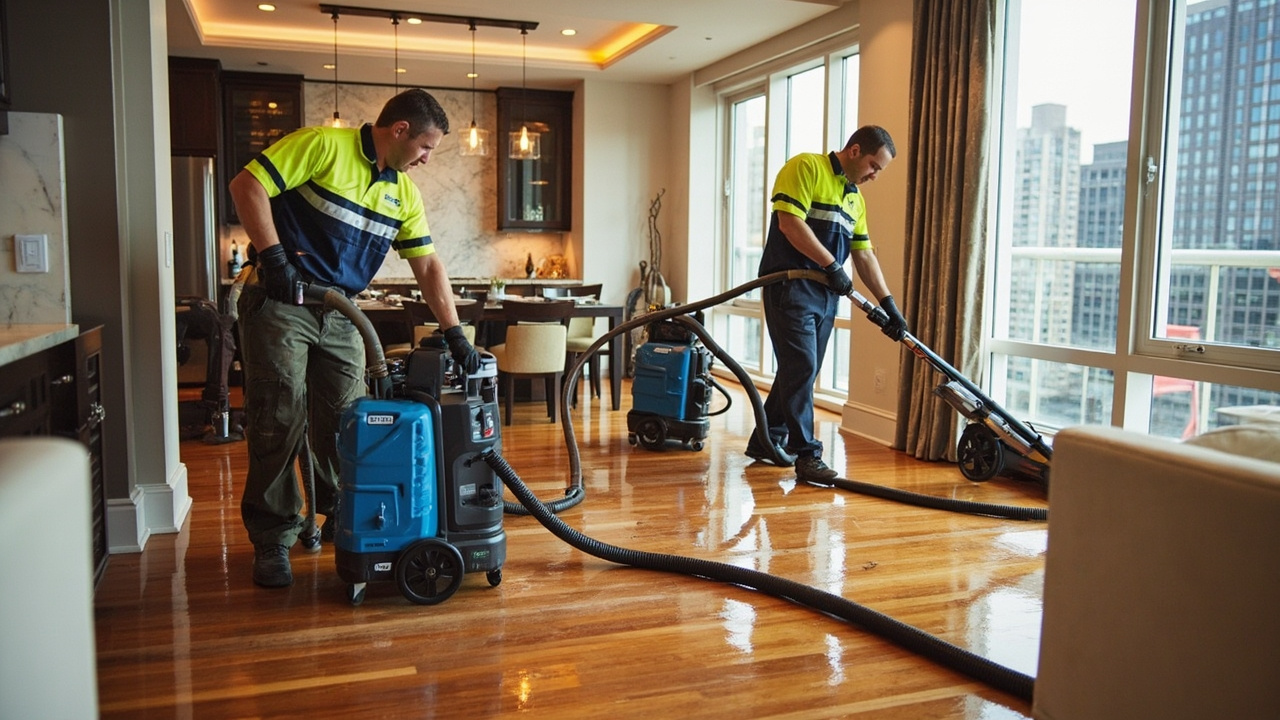
Luxury Home Water Damage Restoration in Chicago's Near North Side A burst pipe at 2…
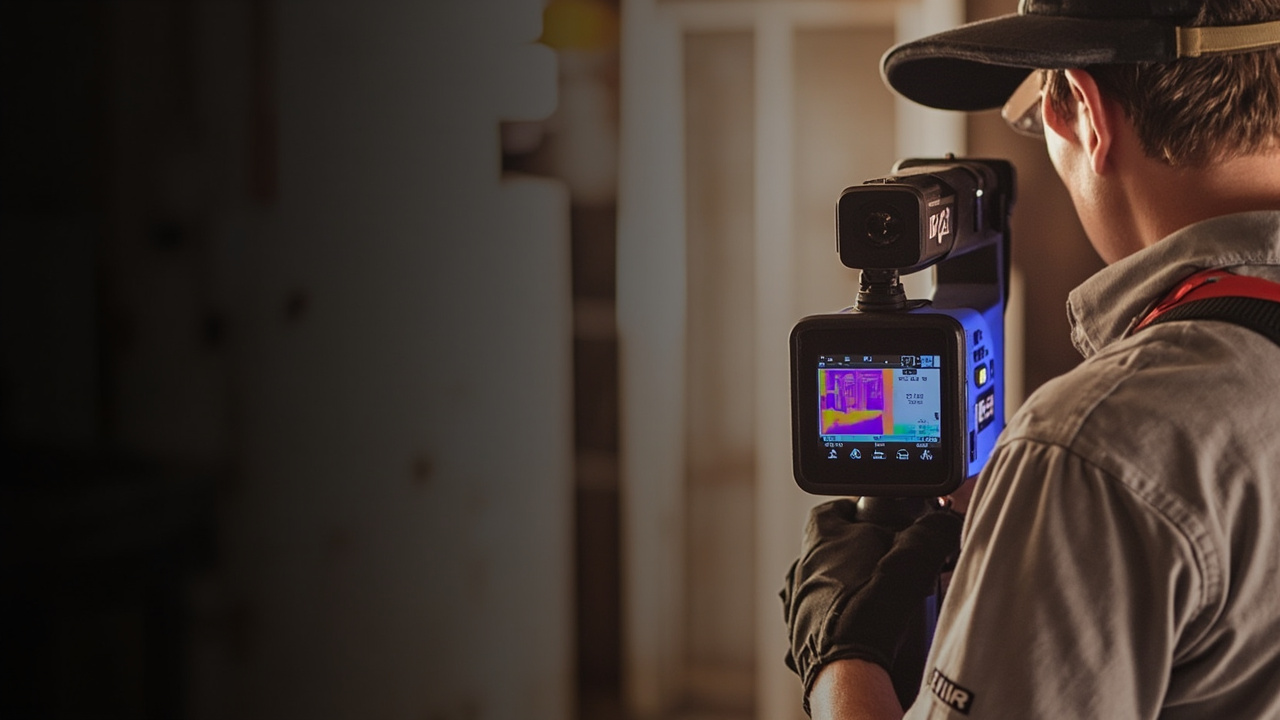
Expert Infrared Leak Detection in Chicago Homes and Businesses A hidden pipe leak can destroy…
Water damage worsens every hour. Call Cornerstone Water Damage Restoration Chicago at (872) 266-1616 now for immediate dispatch. Our emergency technicians respond 24/7 with professional extraction equipment and complete restoration services. Stop the damage before it spreads.