





Peoria sits at the widest point of the Illinois River, making properties vulnerable to both riverine flooding and groundwater intrusion. Spring snowmelt from northern watersheds sends water surging downstream into neighborhoods near Detweiller Park and the Riverfront. Older homes in the West Bluff and Moss Avenue Historic District have limestone foundations that wick moisture during heavy rains. The region's clay-heavy soil holds water like a sponge, creating hydrostatic pressure against basement walls.
Winter temperatures drop below freezing for months, causing pipes in unheated crawl spaces to burst when sudden thaws hit. Commercial buildings near the Warehouse District have flat roofs that trap snow, leading to ice dam failures. Summer thunderstorms drop two inches of rain in an hour, overwhelming storm sewers in low-lying areas. These conditions require water damage teams who understand Peoria's specific vulnerabilities and respond before secondary damage spreads.
Most water damage companies show up with wet vacs and fans. Cornerstone brings thermal imaging cameras, moisture meters, and structural drying equipment used by insurance adjusters. We map moisture spread through walls and subflooring so nothing gets missed. Your neighbor's hidden mold problem started because their restoration company only dried visible surfaces. We verify dryness with repeated testing until readings match industry standards.
Our teams respond to Peoria calls within 90 minutes because we know every hour counts. The difference between a quick cleanup and a six-month rebuild often comes down to first-hour response time. We extract water, move furniture to dry areas, and start airflow before mold spores activate. Property owners see this speed in our billing, too. We work directly with insurance companies, providing detailed photo documentation and moisture logs that adjusters need to approve claims fast.
Many restoration outfits subcontract the hard parts. Cornerstone crews handle extraction, demolition, antimicrobial treatment, and reconstruction under one roof. You get one team, one timeline, one point of contact. We understand Illinois building codes and Peoria permit requirements. When we pull wet drywall or damaged flooring, we know exactly what needs inspection before rebuilding starts. This prevents delays that leave your property exposed for weeks.

Water spreads through building materials every minute. Our teams reach Peoria properties within 90 minutes of your call, bringing truck-mounted extraction equipment and industrial air movers. Fast response stops damage from spreading into walls, subflooring, and insulation where it costs thousands more to repair.

We document every step with photos, moisture readings, and detailed logs your insurance adjuster needs. Most claims get approved within days because we provide complete records from initial assessment through final verification. You avoid out-of-pocket expenses while waiting for reimbursement checks.
Our technicians follow IICRC S500 standards for water damage restoration. We use moisture meters and thermal imaging to map wetness through structures, then verify complete drying before signing off. This prevents mold growth that shows up months later when other companies missed hidden moisture.
From water extraction to final paint, one team handles your entire restoration. We pull permits, pass city inspections, and rebuild to Illinois code. This eliminates delays from coordinating multiple contractors and gets you back in your property weeks faster than typical restoration timelines.
Water damage hits properties differently depending on the source and how long it sits. A burst supply line floods rooms with clean water that needs fast extraction. Sewage backups require antimicrobial treatment before any drying starts. Storm flooding brings contaminated river water that ruins everything it touches. Cornerstone provides specialized restoration for each scenario.
Our service categories address the complete spectrum of water damage remediation, from emergency extraction to structural repairs. Each type requires different equipment, safety protocols, and drying techniques. Category 1 clean water gets different treatment than Category 3 sewage contamination. We assess your situation within minutes of arrival and deploy the appropriate response. Peoria property owners need teams who understand these distinctions and adjust methods accordingly.
Truck-mounted pumps remove standing water from flooded basements, crawl spaces, and commercial buildings. Our teams arrive with extraction wands that pull water from carpet padding and subflooring before it spreads. We board up broken windows, tarp damaged roofs, and shut off water sources to stop ongoing flooding. This emergency response prevents thousands in secondary damage. Air movers and dehumidifiers start working within the first hour to drop humidity levels and slow mold growth.
Removing visible water is just the start. Moisture trapped in wall cavities, insulation, and wood framing causes rot and mold within days. We use thermal imaging to find hidden wetness and place drying equipment strategically based on moisture readings. Daily monitoring tracks drying progress until materials reach safe moisture levels. This technical process requires calibrated meters and knowledge of how different materials dry. Hardwood floors need different treatment than drywall or concrete slabs.
Once structures dry completely, rebuilding starts. We remove damaged drywall, insulation, and flooring that can't be saved. New materials go in according to Illinois building codes. Our teams handle plumbing repairs, electrical work, and HVAC modifications required after water damage. We pull city permits and schedule inspections to keep your project moving. This integrated approach means you deal with one contractor from flood to finished rooms.
Peoria's location along the Illinois River and its freeze-thaw climate create specific water damage risks. Properties near the riverfront face flooding during spring runoff. Homes with basements experience groundwater seepage when clay soil becomes saturated. Older buildings in historic districts have foundation issues that let water in during storms. Winter brings burst pipes when temperatures drop below freezing for weeks.
These problems share one thing in common. Fast response and complete drying prevent them from becoming major reconstruction projects. A small leak becomes a mold infestation if it sits for three days. Surface drying leaves moisture in wall cavities where damage continues unseen. Understanding these local risks helps property owners recognize when they need professional water damage restoration instead of just fans and dehumidifiers from the hardware store.
Properties near Detweiller Park and the Riverfront District flood when the Illinois River jumps its banks. Spring snowmelt combines with heavy rains to overwhelm drainage systems. Sump pumps fail during power outages. Groundwater rises through basement floor cracks. This contaminated water requires extraction, antimicrobial treatment, and complete structural drying to prevent health hazards.
January temperatures average 24 degrees in Peoria. Pipes in exterior walls, crawl spaces, and unheated areas freeze solid. When thaws come, pipes burst and flood homes with hundreds of gallons before anyone notices. Water spreads through insulation and wall cavities. These hidden floods cause structural damage that doesn't show up until mold appears months later.
Summer storms drop intense rainfall that finds every weak point in aging roofs. Missing shingles let water into attics. Ice dams form on older homes during winter, backing water under roofing materials. Flat commercial roofs in the Warehouse District develop ponding that eventually seeps through membranes. Attic insulation holds moisture against wood framing, creating rot and mold.
Water heaters last 10 to 12 years before tanks rust through. Washing machine hoses burst under constant pressure. Dishwasher supply lines crack and spray water across kitchen floors. These failures happen when nobody's home, flooding rooms for hours before discovery. Water seeps into cabinets, subflooring, and wall bases. Quick extraction prevents replacement of entire kitchen floors.
Water damage creates panic. Your basement is flooded, belongings are soaked, and you don't know where to start. Our process removes that uncertainty. From your first call to final inspection, you'll know exactly what's happening and why. We answer phones 24/7 because water doesn't wait for business hours.
Our teams arrive prepared to start work immediately. Trucks carry extraction equipment, drying tools, and moisture detection instruments. We assess damage, explain what needs to happen, and start removing water within minutes. You get clear communication about timelines, what insurance covers, and when you can return to normal use of your property. No surprises, no delays, no wondering if the work is being done right.
Technicians walk through your property with moisture meters and thermal cameras. We identify all affected areas, including hidden moisture in walls and subflooring. Photos document everything for insurance claims. You receive a written scope of work explaining what needs to happen and estimated timelines. This assessment takes 30 to 45 minutes and provides the roadmap for your entire restoration project.
Drying takes three to five days depending on how much water your property absorbed. Technicians visit daily to take fresh moisture readings and adjust equipment placement. You get text or call updates showing drying progress. We explain what readings mean and when materials will be dry enough for reconstruction. This daily contact keeps you informed and eliminates guessing about when work will finish.
We don't leave until moisture readings match industry standards for your materials and climate. Final documentation includes before and after photos, all moisture logs, and equipment runtime records for your insurance claim. You walk through the completed work with our project manager. We explain what was done, answer questions, and provide maintenance tips to prevent future water damage.
Every water damage job follows the same proven steps. This process ensures complete drying and prevents problems from showing up weeks later.
Call (872) 266-1616 any time, day or night. Our dispatch team answers immediately and sends the closest crew to your Peoria property. You'll get an estimated arrival time within minutes. We ask key questions about water source, affected areas, and safety concerns. This information helps crews bring the right equipment and prepare for your specific situation.
Crews extract standing water with truck-mounted pumps and portable extractors. Furniture moves to dry areas. Air movers and dehumidifiers position strategically based on moisture meter readings. Antimicrobial treatment applies to affected surfaces. This phase takes four to eight hours depending on property size. Equipment runs continuously for the next several days while structures dry.
Once materials reach safe moisture levels, reconstruction begins. Damaged drywall, insulation, and flooring get replaced. We repair plumbing issues that caused the flood. Paint, trim, and finishes restore rooms to pre-loss condition. Final cleaning removes all dust and debris. You get your property back looking like the water damage never happened.
The IICRC S500 Standard for Water Damage Restoration classifies water damage into three categories based on contamination level. Category 1 is clean water from supply lines or rain. Category 2 is gray water from appliances or toilet overflow without feces. Category 3 is black water from sewage or flood water containing harmful bacteria. Each category requires different safety protocols and antimicrobial treatments.
Peoria properties also fall into one of four drying classes. Class 1 affects only part of a room with minimal moisture absorption. Class 2 involves entire rooms with significant moisture in walls and floors. Class 3 means water came from above, saturating walls, ceilings, insulation, and subflooring. Class 4 indicates specialty drying for materials like hardwood, plaster, or concrete that resist moisture release. These classifications determine equipment needs and drying time.
Illinois contractors must follow EPA guidelines for mold prevention. This means reducing indoor humidity below 60 percent within 24 to 48 hours. Materials that stay wet longer than 48 hours require mold testing before rebuilding starts. We use psychrometric calculations to determine how many air movers and dehumidifiers your space needs based on cubic footage, temperature, and initial moisture levels. Random equipment placement doesn't work. Proper drying requires science-based methods.
Drywall must reach 12 to 15 percent moisture content before rebuilding starts. Wood framing needs to drop below 15 percent. Concrete slabs require different testing with calcium chloride moisture emission tests. We verify these numbers with calibrated meters, not guesswork. Materials dried to proper levels don't support mold growth or cause future rot.
Restoration pricing depends on water category, affected area size, and material damage. Clean water extraction costs less than sewage cleanup requiring antimicrobial treatment. Hardwood floor drying costs more than carpet extraction. Structural repairs add to the bill. Insurance typically covers sudden water damage like burst pipes but excludes gradual leaks from poor maintenance.
Water extraction takes four to eight hours. Structural drying runs three to five days with daily monitoring. Minor repairs finish in one to two weeks. Major reconstruction projects take four to six weeks depending on permit approvals and inspection schedules. These timelines assume normal conditions without mold contamination or structural damage requiring engineering review.
IICRC Water Damage Restoration Technician certification proves training in proper restoration methods. This certification requires passing exams on drying science, moisture detection, and equipment operation. Illinois requires contractor licensing for reconstruction work exceeding permit thresholds. Insurance companies prefer working with IICRC-certified firms because documentation meets adjuster requirements for claim approval.
Educational video explaining professional water damage restoration processes for Peoria, Illinois property owners. Covers emergency water extraction, structural drying timelines, IICRC S500 standards, moisture detection methods, and insurance claim documentation. Addresses local risk factors including Illinois River flooding, freeze-thaw pipe failures, and clay soil groundwater issues specific to Peoria metro area properties.
Cornerstone responds to water damage calls throughout Peoria and the greater metro area. Our teams know the region's neighborhoods, from historic districts to new developments. Properties in the West Bluff and Moss Avenue Historic District have older plumbing systems prone to failure. These homes feature limestone foundations that absorb groundwater during heavy rains. Restoration work in historic areas requires matching original materials and working within preservation guidelines.
The Riverfront District and areas near Detweiller Park face flooding risks when the Illinois River rises during spring runoff. Properties at lower elevations near Water Street experience basement flooding during severe storms. Our crews understand elevation changes across Peoria and how water flows through neighborhoods. This knowledge speeds assessment and helps property owners understand their specific vulnerabilities.
North Peoria neighborhoods around Northpoint Shopping Center have newer construction with modern plumbing, but cold weather still causes pipe failures. Split-level homes common in these areas trap water between floors where it spreads unseen. Commercial properties in the Warehouse District have flat roofs and large open spaces requiring specialty drying equipment. We adjust methods based on building age, construction type, and neighborhood characteristics.
South Peoria properties near Bradley University experience water damage from aging infrastructure and dense housing. Rental properties need fast restoration to minimize vacancy losses. We work with property managers and landlords who need efficient timelines and clear communication. East Peoria across the river also calls our teams for water damage from Illinois Route 116 commercial corridors to residential areas near Fondulac Park. Our 90-minute response time covers the entire metro region, including Pekin to the south and Washington to the east.
Yes. Water damage spreads fast and worsens by the hour. In Peoria, our freeze-thaw cycles and humid summers accelerate structural decay, mold growth, and material warping. Professional restoration stops progression, removes hidden moisture in walls and subfloors, prevents mold colonization within 24-48 hours, and documents damage for insurance claims. DIY efforts miss concealed moisture pockets that cause rot, buckled floors, and respiratory hazards months later. Restoration protects your property value and health. Ignoring water damage costs significantly more than addressing it immediately.
Water remediation is the emergency phase. It stops active water intrusion, extracts standing water, and stabilizes the environment to prevent further damage. Think containment and removal. Water restoration is the repair phase. It includes drying structural materials, dehumidification, removing damaged drywall or flooring, treating for mold, and rebuilding affected areas to pre-loss condition. Remediation happens first in hours. Restoration follows over days or weeks. Both are necessary. Peoria properties often need both due to basement flooding from heavy spring rains and ice dam leaks during winter freezes.
Local Peoria water damage restoration companies offer faster response times, personalized service, and direct accountability. Unlike national franchises, local operators know Peoria's climate challenges, the Illinois River flood patterns, and building characteristics in historic districts like Moss Avenue or West Bluff. They work directly with regional insurance adjusters and understand local building codes. You get the owner on-site, not a rotating crew. Local companies compete on reputation in a tight market, so quality and customer care matter more. Look for certified, insured local operators with verified Peoria references.
Yes. Water damage spreads fast and worsens by the hour. In Peoria, our freeze-thaw cycles and humid summers accelerate structural decay, mold growth, and material warping. Professional restoration stops progression, removes hidden moisture in walls and subfloors, prevents mold colonization within 24-48 hours, and documents damage for insurance claims. DIY efforts miss concealed moisture pockets that cause rot, buckled floors, and respiratory hazards months later. Restoration protects your property value and health. Ignoring water damage costs significantly more than addressing it immediately.
Water remediation is the emergency phase. It stops active water intrusion, extracts standing water, and stabilizes the environment to prevent further damage. Think containment and removal. Water restoration is the repair phase. It includes drying structural materials, dehumidification, removing damaged drywall or flooring, treating for mold, and rebuilding affected areas to pre-loss condition. Remediation happens first in hours. Restoration follows over days or weeks. Both are necessary. Peoria properties often need both due to basement flooding from heavy spring rains and ice dam leaks during winter freezes.
Local Peoria water damage restoration companies offer faster response times, personalized service, and direct accountability. Unlike national franchises, local operators know Peoria's climate challenges, the Illinois River flood patterns, and building characteristics in historic districts like Moss Avenue or West Bluff. They work directly with regional insurance adjusters and understand local building codes. You get the owner on-site, not a rotating crew. Local companies compete on reputation in a tight market, so quality and customer care matter more. Look for certified, insured local operators with verified Peoria references.
Comprehensive water damage restoration includes emergency water extraction, moisture mapping with thermal imaging, structural drying using commercial dehumidifiers and air movers, antimicrobial treatment to prevent mold, removal of unsalvageable materials like soaked drywall or carpet padding, content pack-out and cleaning, odor elimination, and reconstruction of damaged areas. It also includes documentation for insurance claims with photos and moisture readings. In Peoria, restoration often addresses basement seepage from clay soil expansion, sump pump failures during storms, and pipe bursts from winter freezing. Proper restoration returns your property to pre-loss condition.
Costs vary based on water category, affected square footage, and material damage. Clean water cleanup starts lower than sewage backups. Extracting water from 500 square feet differs from whole-basement flooding. Removing carpet costs less than replacing hardwood or drywall. In Peoria, basement floods and frozen pipe bursts are common, with costs ranging based on severity. Insurance often covers sudden, accidental damage. Get multiple estimates. Ask about hidden costs like mold remediation or structural drying time. Reputable companies provide detailed breakdowns and work directly with your insurer to minimize out-of-pocket expense.
Yes, if moisture returns. Mold remediation removes existing colonies and treats surfaces, but mold spores exist everywhere. If the original water source is not fixed or new leaks develop, mold regrows. In Peoria, poor basement drainage, roof leaks from ice dams, and high summer humidity create conditions for recurrence. Proper remediation includes fixing the moisture source, improving ventilation, and controlling indoor humidity below 60 percent. Without addressing the root cause, mold returns within weeks. Monitor previously affected areas and address leaks immediately to prevent recolonization.
Most homeowners policies cover sudden and accidental water damage, like burst pipes, appliance malfunctions, or storm-related roof leaks. Flood damage from the Illinois River or surface water requires separate flood insurance. Gradual damage from long-term leaks or deferred maintenance is typically excluded. Review your policy's water damage coverage and exclusions. In Peoria, claims from frozen pipes and sump pump failures are common. Document everything with photos and moisture readings. Professional restoration companies assist with claims documentation and communicate directly with adjusters to streamline approval and reimbursement.
Very likely if water is not dried within 24-48 hours. Mold thrives in Peoria's humid climate, especially in basements with poor ventilation. Porous materials like drywall, insulation, and carpet padding absorb moisture quickly and provide ideal growth conditions. Even small leaks behind walls or under flooring create hidden mold colonies. Visible mold indicates larger concealed growth. Professional water extraction and structural drying with dehumidifiers prevent colonization. Thermal imaging detects hidden moisture. If water damage sits untreated beyond two days, assume mold risk is high and requires professional assessment and remediation.
Claim amounts depend on your policy limits, deductible, and actual cash value versus replacement cost coverage. Document all damage with photos, videos, and professional moisture assessments. Include structural damage, personal property losses, temporary living expenses if displaced, and mitigation costs. In Peoria, average water damage claims vary widely based on severity. Your adjuster evaluates scope and causation. Replacement cost policies pay more than actual cash value. Work with your restoration company to provide detailed estimates and documentation. Underclaiming costs you money. Overclaiming risks denial. Accurate documentation maximizes legitimate reimbursement.
SERVPRO offers national brand recognition, standardized processes, and franchise availability. However, franchises vary in quality and responsiveness. Response times can lag compared to local operators who live in Peoria and prioritize community reputation. Corporate structure may limit decision-making flexibility on-site. Local alternatives often provide faster emergency response, direct owner involvement, personalized service, and better knowledge of Peoria's unique challenges like Illinois River flooding and freeze-thaw foundation issues. Local companies depend on referrals, so accountability is higher. Compare response times, reviews, certifications, and insurance partnerships before choosing any provider.
Comprehensive water damage restoration includes emergency water extraction, moisture mapping with thermal imaging, structural drying using commercial dehumidifiers and air movers, antimicrobial treatment to prevent mold, removal of unsalvageable materials like soaked drywall or carpet padding, content pack-out and cleaning, odor elimination, and reconstruction of damaged areas. It also includes documentation for insurance claims with photos and moisture readings. In Peoria, restoration often addresses basement seepage from clay soil expansion, sump pump failures during storms, and pipe bursts from winter freezing. Proper restoration returns your property to pre-loss condition.
Costs vary based on water category, affected square footage, and material damage. Clean water cleanup starts lower than sewage backups. Extracting water from 500 square feet differs from whole-basement flooding. Removing carpet costs less than replacing hardwood or drywall. In Peoria, basement floods and frozen pipe bursts are common, with costs ranging based on severity. Insurance often covers sudden, accidental damage. Get multiple estimates. Ask about hidden costs like mold remediation or structural drying time. Reputable companies provide detailed breakdowns and work directly with your insurer to minimize out-of-pocket expense.
Yes, if moisture returns. Mold remediation removes existing colonies and treats surfaces, but mold spores exist everywhere. If the original water source is not fixed or new leaks develop, mold regrows. In Peoria, poor basement drainage, roof leaks from ice dams, and high summer humidity create conditions for recurrence. Proper remediation includes fixing the moisture source, improving ventilation, and controlling indoor humidity below 60 percent. Without addressing the root cause, mold returns within weeks. Monitor previously affected areas and address leaks immediately to prevent recolonization.
Most homeowners policies cover sudden and accidental water damage, like burst pipes, appliance malfunctions, or storm-related roof leaks. Flood damage from the Illinois River or surface water requires separate flood insurance. Gradual damage from long-term leaks or deferred maintenance is typically excluded. Review your policy's water damage coverage and exclusions. In Peoria, claims from frozen pipes and sump pump failures are common. Document everything with photos and moisture readings. Professional restoration companies assist with claims documentation and communicate directly with adjusters to streamline approval and reimbursement.
Very likely if water is not dried within 24-48 hours. Mold thrives in Peoria's humid climate, especially in basements with poor ventilation. Porous materials like drywall, insulation, and carpet padding absorb moisture quickly and provide ideal growth conditions. Even small leaks behind walls or under flooring create hidden mold colonies. Visible mold indicates larger concealed growth. Professional water extraction and structural drying with dehumidifiers prevent colonization. Thermal imaging detects hidden moisture. If water damage sits untreated beyond two days, assume mold risk is high and requires professional assessment and remediation.
Claim amounts depend on your policy limits, deductible, and actual cash value versus replacement cost coverage. Document all damage with photos, videos, and professional moisture assessments. Include structural damage, personal property losses, temporary living expenses if displaced, and mitigation costs. In Peoria, average water damage claims vary widely based on severity. Your adjuster evaluates scope and causation. Replacement cost policies pay more than actual cash value. Work with your restoration company to provide detailed estimates and documentation. Underclaiming costs you money. Overclaiming risks denial. Accurate documentation maximizes legitimate reimbursement.
SERVPRO offers national brand recognition, standardized processes, and franchise availability. However, franchises vary in quality and responsiveness. Response times can lag compared to local operators who live in Peoria and prioritize community reputation. Corporate structure may limit decision-making flexibility on-site. Local alternatives often provide faster emergency response, direct owner involvement, personalized service, and better knowledge of Peoria's unique challenges like Illinois River flooding and freeze-thaw foundation issues. Local companies depend on referrals, so accountability is higher. Compare response times, reviews, certifications, and insurance partnerships before choosing any provider.
Cornerstone proudly serves the entire Chicago area with fast, dependable water damage restoration services. Whether you’re located in downtown, the suburbs, or surrounding neighborhoods, we’re ready to respond to your call—day or night. Use the map below to see our local service coverage and find our nearest team. With mobile units throughout the city, help is never far away. If you’re facing water damage, reach out now and let us show you why homeowners and businesses choose Cornerstone.
Address:
Peoria, IL, 61603

Water Damaged Subfloor Repair in Chicago: When to Dry It Out vs. Replace It Your subfloor is failing. You noticed soft spots near the bathroom. The basement smells musty. Water sat under the kitchen for…
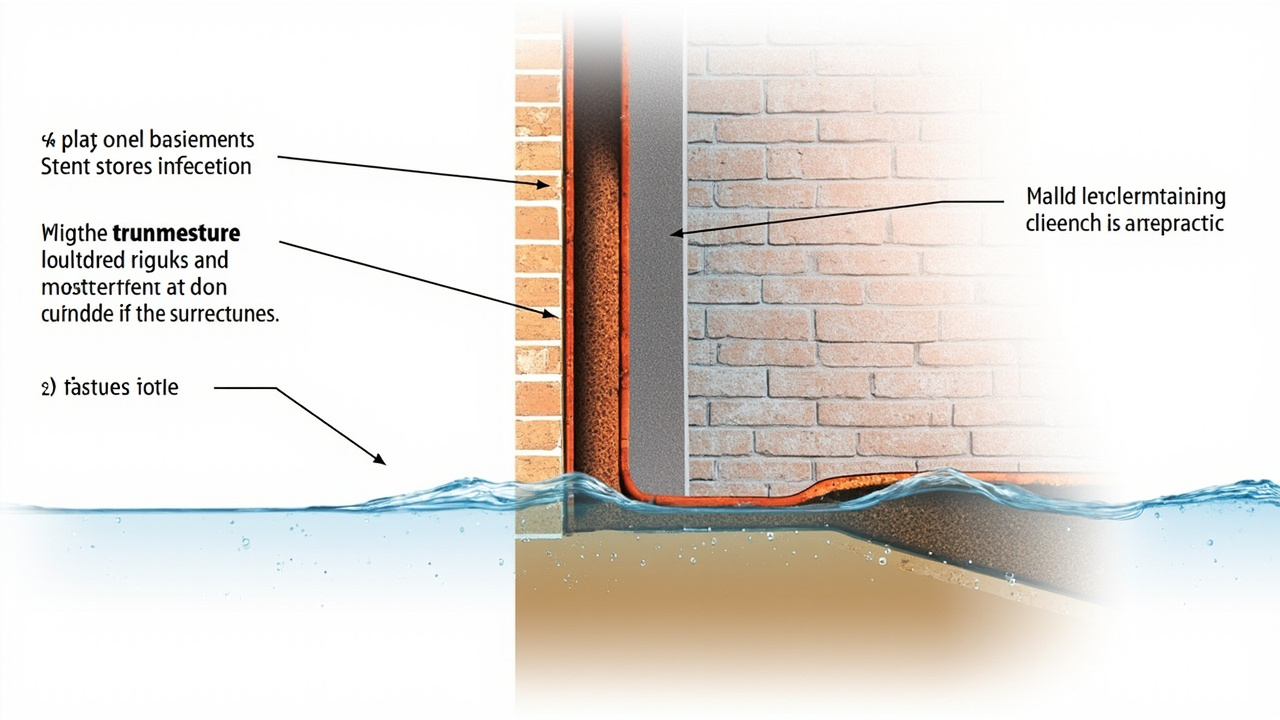
High Humidity and Mold Growth in Chicago Summers What Homeowners Need to Know Your basement…
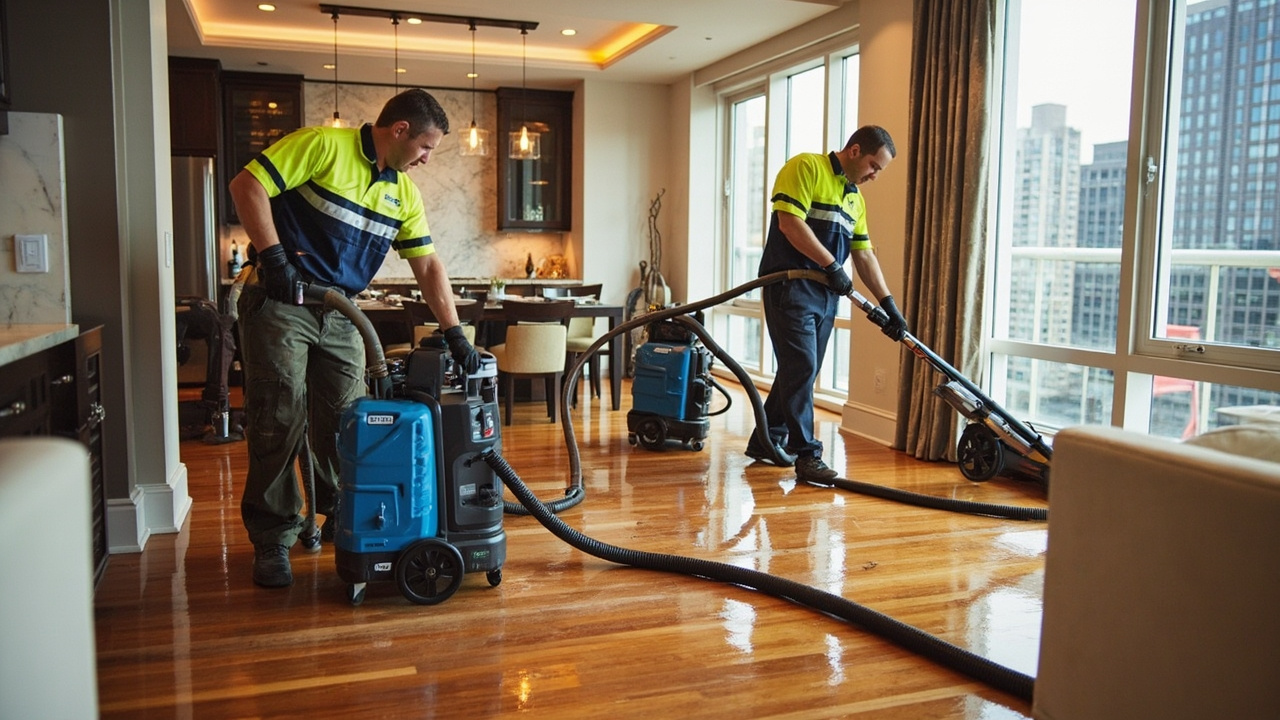
Luxury Home Water Damage Restoration in Chicago's Near North Side A burst pipe at 2…
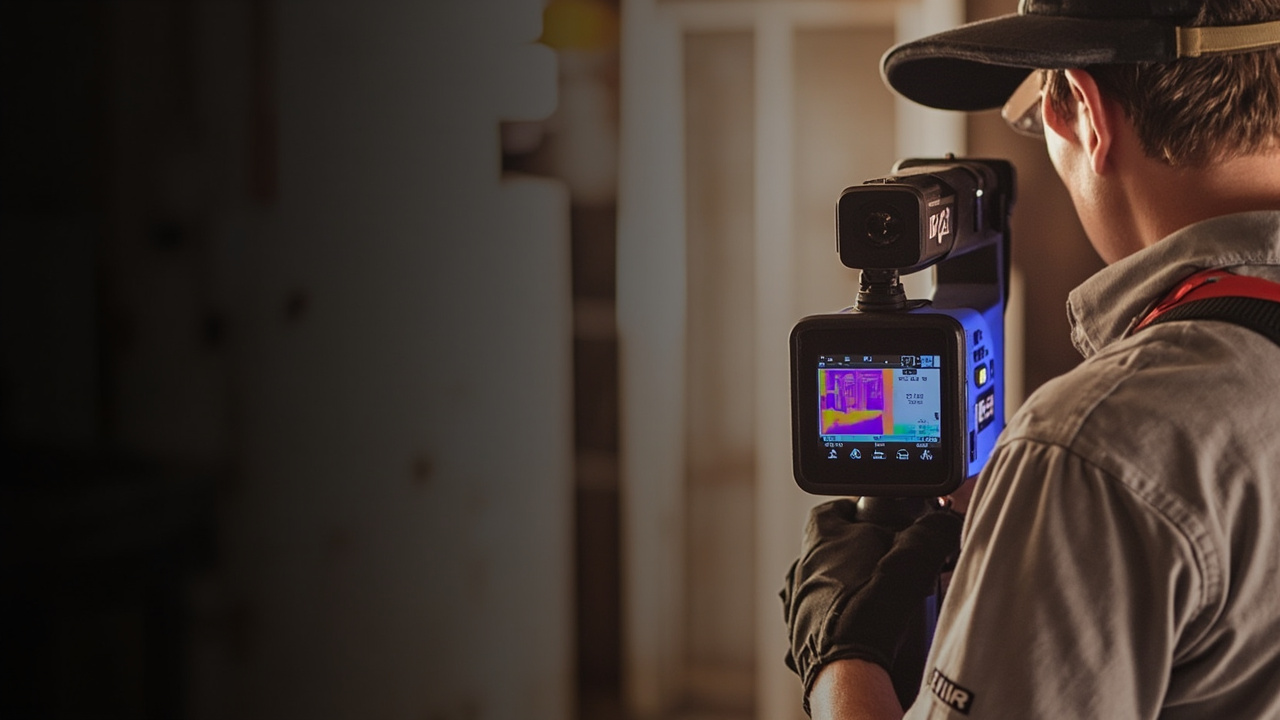
Expert Infrared Leak Detection in Chicago Homes and Businesses A hidden pipe leak can destroy…
Water damage gets worse every hour. Call Cornerstone at (872) 266-1616 right now for 24/7 emergency response. Our crews are standing by to extract water, dry your property, and start your insurance claim today.