





Naperville sits in the DuPage River watershed, where spring snowmelt and summer storms overwhelm stormwater systems and push water into basements. The clay-rich soil common throughout DuPage County holds water near foundations instead of draining it away. When temperatures swing from below freezing to above 40 degrees in February and March, pipes in crawl spaces and exterior walls burst from thermal stress. Many Naperville homes were built in the 1980s and 1990s with galvanized steel supply lines that corrode from the inside, rupturing without warning and flooding finished basements.
Historic neighborhoods near downtown and newer subdivisions east of Route 59 flood differently. Older homes near Washington Street have brick foundations that wick moisture during heavy rain. Properties near Springbrook Creek and the West Branch DuPage River face backflow from overwhelmed storm sewers during June and July thunderstorms. Homes in the Route 59 corridor have modern drainage, but builder-grade water heaters fail after 10 years and dump 40 gallons into mechanical rooms. Every season brings different water threats to Naperville properties.
We built our reputation responding to Naperville flooding emergencies at 2 a.m., not during business hours. Our dispatch center sends crews from our Lisle facility to any Naperville address in under an hour because we know water spreads into walls, under flooring, and through insulation while other companies are still answering phones. We invested in truck-mounted extraction units that pull 200 gallons per minute, not shop vacuums that take days to clear standing water.
Our technicians hold IICRC certifications in water damage restoration and applied structural drying. They use moisture meters to map hidden water in wall cavities and subfloors, not guesswork. Thermal imaging cameras show us exactly where water traveled behind drywall so we remove only damaged materials, not your entire basement. We place commercial dehumidifiers and air movers based on psychrometric calculations, not random placement, because proper drying prevents mold growth and structural damage.
We work as your advocate with insurance companies. Our project managers document damage with photos, moisture readings, and detailed scope reports that adjusters accept without argument. We know State Farm, Allstate, and USAA protocols for emergency services and contents claims. You get pre-approval for equipment and labor before we start work. No surprise bills. No claim denials. We handle the paperwork while you handle your family. Naperville homeowners call us first because we stop damage fast, dry structures right, and close insurance claims without fighting.

We arrive at Naperville properties within one hour of your call, 24 hours a day. Our crews drive fully equipped trucks with extraction pumps, dehumidifiers, and air movers already loaded. We start pulling water out the moment we arrive, not after running to a supply house. Speed stops damage from spreading through your home.

Every technician holds Institute of Inspection, Cleaning and Restoration Certification for water damage restoration and applied structural drying. They follow ANSI-approved protocols for moisture mapping, equipment placement, and drying verification. Certified technicians mean proper drying, prevented mold growth, and insurance companies that approve our work without question.
We bill your insurance company directly after getting pre-approval for all work. Our project managers provide detailed estimates with photos and moisture readings that adjusters accept. You never pay upfront or wait for reimbursement checks. We handle claim paperwork, follow up with adjusters, and make sure you receive full coverage for emergency services and restoration.
We understand how clay soil, the DuPage River watershed, and Naperville building codes affect water damage. Our crews know which neighborhoods flood during storms, where old pipes fail, and how different foundation types respond to water intrusion. Local knowledge means faster diagnosis, better solutions, and restored homes that stay dry.
Water damage restoration means more than removing standing water. We provide complete water removal, structural drying, contamination cleanup, and reconstruction services. Our crews extract water from carpets and flooring, dry out wall cavities and subfloors, sanitize contaminated materials, and rebuild damaged rooms back to pre-loss condition. We handle everything from initial emergency response through final construction so you work with one company instead of coordinating multiple contractors.
Our services cover all types of water intrusion. Burst pipes flood clean water into finished spaces, requiring fast extraction and drying. Washing machine hoses rupture and soak through floors into rooms below. Sump pumps fail during storms and let groundwater fill basements. Sewage backs up from overwhelmed municipal systems or blocked lateral lines. Water heaters corrode and dump 40 gallons across mechanical rooms. Each scenario requires different equipment, drying protocols, and safety procedures. We provide the right response for every water emergency Naperville homeowners face.
Our emergency water extraction service removes standing water from flooded basements, saturated carpets, and soaked living spaces. Truck-mounted pumps pull 200 gallons per minute from deep flooding. Portable extractors remove water trapped in carpet padding and under vinyl flooring. We extract water from crawl spaces, mechanical rooms, and finished basements 24 hours a day. Fast water removal stops damage from spreading into walls, cabinets, and furniture while preventing mold growth in hidden cavities.
Structural drying targets water hidden in walls, under flooring, and inside ceiling cavities. We use moisture meters to map water migration and thermal cameras to see moisture behind drywall. Commercial dehumidifiers pull humidity from the air while air movers create airflow across wet surfaces. We monitor moisture levels daily and adjust equipment placement based on psychrometric readings. Complete drying takes three to seven days depending on materials and saturation levels. Proper drying prevents mold, wood rot, and structural damage.
Sewage backup requires specialized cleanup protocols to protect your family from bacteria and pathogens. Our technicians wear protective equipment and follow IICRC Category 3 water guidelines. We remove contaminated materials that cannot be sanitized, including drywall, insulation, and carpet padding. All surfaces that contacted sewage receive antimicrobial treatment. We use HEPA air scrubbers to remove airborne contaminants during cleanup. Contaminated waste goes to approved disposal facilities, not standard dumpsters. Safe sewage cleanup protects your family.
Naperville homeowners face predictable water damage patterns based on property age, location, and seasonal weather. Older homes near downtown have cast iron drain lines that corrode and leak sewage into finished basements. Properties in the Springbrook Creek watershed flood during summer thunderstorms when storm sewers backflow. Winter freeze-thaw cycles burst pipes in exterior walls and unheated crawl spaces. Sump pumps fail when spring snowmelt overwhelms capacity or power outages stop pumps during storms.
Understanding these patterns helps us respond faster and fix problems permanently. A flooded basement near the DuPage River needs a different solution than a burst pipe in a Route 59 subdivision. Contaminated groundwater requires sanitization protocols that clean water extraction does not. We diagnose the source of water intrusion and recommend permanent fixes that prevent future damage. These are the water problems we solve most often for Naperville homes.
Municipal storm sewers overwhelm during heavy rain and push water back through floor drains into basements. This groundwater often contains dirt and debris. We extract contaminated water, sanitize concrete floors, and recommend backflow preventer installation. Storm sewer backup happens most in neighborhoods near Springbrook Creek and the West Branch DuPage River where drainage systems reach capacity during June and July storms.
Pipes burst in exterior walls and crawl spaces when temperatures drop below 20 degrees for extended periods. Water expands when it freezes and cracks copper or PEX supply lines. A single burst pipe floods 400 gallons per hour into finished spaces. We shut off water, extract flooding, and dry wall cavities before mold grows. February and March see the most burst pipes when daytime thaw refreezes overnight.
Sump pumps fail from age, debris clogs, or power outages during storms. A failed sump pump lets groundwater fill basements during spring snowmelt or summer rain. We extract standing water, dry concrete and framing, and test sump pits for proper grading. Many Naperville homes have sump pumps installed in the 1990s that need replacement. Battery backup systems prevent flooding during power failures.
Water heaters corrode from the inside and rupture without warning after 10 to 12 years. A failed 40-gallon heater floods mechanical rooms and soaks into finished basement spaces. We extract water, remove damaged flooring and drywall, and dry framing before mold appears. Water heater failures happen suddenly and cause extensive damage because homeowners do not realize the tank failed until water spreads through multiple rooms.
Water damage creates panic. You see water spreading and worry about everything it is destroying. We remove that panic by arriving fast and taking control. Our process starts the moment you call our dispatch center. You speak with a real person who asks about your emergency, not a voicemail system. We send a crew to your Naperville home within 60 minutes with equipment already loaded. Our technicians walk through your property, explain what happened, and start pulling water out immediately.
You know what is happening at every step. We show you moisture readings, explain which materials need removal, and map out a drying plan before we start work. Our project manager contacts your insurance company, sends documentation, and gets pre-approval for all services. You receive daily updates on drying progress and know exactly when your home will be ready for reconstruction. This is what working with Cornerstone looks like from emergency call to completed restoration.
Our dispatch center answers your call immediately and sends the closest available crew to your property. Technicians arrive within 60 minutes with water extraction equipment, moisture meters, and thermal cameras. They walk through affected areas, identify the water source, and shut off supply if needed. You receive an on-site assessment of damage severity and an explanation of required services. We start water extraction immediately to stop damage from spreading while you decide on next steps.
Our technicians visit your property daily to check moisture levels, adjust drying equipment, and document progress. You receive a call or text after each visit explaining current moisture readings and remaining dry time. We show you exactly which areas still hold moisture and when materials will reach dry standard. Your project manager stays in contact with your insurance adjuster and sends updated photos and documentation. You always know what is happening and when your home will be dry.
After structures reach dry standard, our construction crew rebuilds damaged areas back to pre-loss condition. We replace drywall, install new flooring, paint, and trim to match existing finishes. You approve all material selections and color choices before we order supplies. Our project manager conducts a final walkthrough with you to confirm satisfaction before closing your file. We guarantee our workmanship and remain available if any issues appear after completion.
Water damage restoration follows three critical phases. We extract standing water first, dry hidden moisture second, and rebuild damaged structures third. Each phase requires different equipment and expertise. This process ensures complete moisture removal, prevents mold growth, and restores your home to pre-loss condition.
We remove standing water using truck-mounted pumps for deep flooding or portable extractors for saturated carpets and flooring. Technicians extract water from all affected areas including basements, crawl spaces, and living areas. We pull water from carpet padding, under vinyl flooring, and inside wall cavities. Fast extraction prevents water from spreading into unaffected areas and reduces total drying time. Most extraction work finishes within two to four hours depending on flooding severity.
We place commercial dehumidifiers and air movers to dry hidden moisture in walls, subfloors, and cavities. Moisture meters measure water content in wood framing and drywall. Thermal cameras show us where moisture hides behind finished surfaces. We monitor drying progress daily and adjust equipment based on psychrometric readings. Drying continues until all materials reach industry dry standards, which takes three to seven days. Complete drying prevents mold growth and structural damage.
Our construction crew rebuilds areas damaged beyond drying. We remove water-damaged drywall, insulation, and flooring that cannot be saved. New materials match existing finishes including paint colors, flooring types, and trim profiles. We coordinate material selection with you and get approval before ordering supplies. Reconstruction time depends on damage extent but most projects finish within one to two weeks. You receive a move-in ready space that looks exactly like it did before water damage occurred.
Professional water damage restoration follows protocols established by the Institute of Inspection, Cleaning and Restoration Certification and referenced in ANSI/IICRC S500 Standard for Professional Water Damage Restoration. These protocols classify water into three categories based on contamination level. Category 1 involves clean water from supply lines or rainwater. Category 2 contains contamination from washing machines, dishwashers, or sump pump discharge. Category 3 includes sewage, flooding from rivers or creeks, and any water that contacted contaminated surfaces.
Each water category requires different handling procedures. Category 1 water needs extraction and drying but no special sanitization. Category 2 water requires antimicrobial treatment of affected surfaces. Category 3 water demands removal of porous materials like drywall, insulation, and carpet because sanitization cannot eliminate all pathogens. Our technicians classify water at every job site and follow appropriate protocols.
Structural drying follows psychrometric principles that measure moisture vapor pressure and temperature. We use these measurements to calculate grain depression, which tells us how much moisture air can absorb. Dehumidifiers lower humidity while air movers increase evaporation rates. We measure moisture content in building materials using penetrating pin meters and non-invasive radio frequency meters. Materials must reach equilibrium moisture content before we stop drying. For wood framing, that means 15 percent moisture content or less. For concrete, readings must match adjacent unaffected areas. These measurements prevent mold growth and structural damage that appear weeks after improper drying.
IICRC certification requires technicians to complete classroom training and pass written examinations on water damage restoration and applied structural drying principles. Certification covers water classification, drying science, moisture measurement, equipment operation, and microbial remediation. Insurance companies require IICRC certification because certified technicians follow industry-approved protocols. Certification renewal requires continuing education every two years to maintain current knowledge of restoration techniques.
Water damage costs depend on contamination category, affected square footage, material types, and drying difficulty. Clean water costs less to remediate than sewage contamination. Finished basements with drywall and carpet cost more than unfinished concrete spaces. Hardwood floors require specialty drying equipment. Water that traveled through wall cavities demands more demolition than surface flooding. Insurance typically covers emergency water removal and structural drying but may limit reconstruction reimbursement based on policy terms.
Most water damage drying takes three to seven days depending on saturation severity and building materials. Concrete floors dry faster than hardwood. Open basements dry quicker than finished rooms with limited airflow. We measure moisture daily and provide drying estimates based on current readings. Humid summer weather extends drying time compared to dry winter air. We never stop drying based on timelines, only verified moisture measurements that prove materials reached safe levels.
Illinois requires property owners to disclose known mold problems when selling homes. The Illinois Mold Remediation Act establishes professional standards for mold assessment and remediation. Proper water damage restoration prevents mold growth by removing moisture within 24 to 48 hours. Our documentation proves we dried structures to industry standards, protecting your property value and meeting legal disclosure requirements if you sell your home.
This video explains professional water damage restoration services for Naperville, Illinois homes. Learn how emergency water extraction, structural drying, and reconstruction work to restore flooded properties. The video covers water damage causes common to DuPage County including burst pipes, basement flooding, and sewage backup. Viewers learn about IICRC certification requirements, moisture measurement techniques, and insurance claim procedures. The content demonstrates equipment used for water removal and explains why fast response prevents mold growth and additional damage.
Cornerstone provides water damage restoration throughout Naperville and the greater DuPage County area. We respond to emergencies in downtown Naperville near the Riverwalk, where older brick homes face foundation moisture problems during spring flooding. Our crews serve the Water Street District and properties near Centennial Beach where historic architecture requires careful restoration techniques. We handle flooding in the Ashbury neighborhood east of Washington Street and the Springbrook subdivision near 75th Street where finished basements flood during summer storms.
Properties along Route 59 from 95th Street south to 119th Street receive the same fast response as homes near downtown. The White Eagle and Tall Grass neighborhoods near Route 59 and Diehl Road call us for burst pipe emergencies and water heater failures. We serve the far western subdivisions near Book Road and the eastern communities approaching Aurora. Homes near Neuqua Valley High School and Waubonsie Valley High School flood from different sources, and we understand how drainage patterns change across Naperville's geography.
Our service area extends beyond Naperville city limits. We respond to water emergencies in Lisle, Woodridge, Bolingbrook, Aurora, and Plainfield. DuPage County properties receive the same 60-minute response time as Naperville addresses. We understand how the DuPage River, Springbrook Creek, and West Branch watershed affect flooding patterns across the region. Properties near Interstate 88 and Interstate 355 get fast access from our Lisle facility.
Commercial properties receive the same emergency response as residential homes. We handle water damage at retail centers along Ogden Avenue, office buildings in the downtown business district, and industrial facilities in Naperville's northern corridor. Our crews understand how commercial buildings dry differently than residential structures. Multi-tenant buildings require coordination to minimize business interruption. We work after hours and on weekends to complete drying without disrupting operations.
Water damage does not respect city boundaries. A burst pipe floods the same way in Naperville as it does in neighboring communities. We built our service area around response time, not arbitrary borders. Every property within 30 minutes of our facility receives the same fast dispatch, expert restoration, and complete reconstruction. Naperville homeowners trust us because we prove our local commitment through response speed and regional knowledge.
Water damage restoration pricing in Naperville depends on several factors. The extent of damage affects the final bill. A small leak in one room differs from a flooded basement. The water source matters too. Clean water from a broken pipe costs less to remove than contaminated water from sewage backups. Your property size plays a role. Larger homes need more equipment and labor hours. Materials affected by water influence pricing. Hardwood floors and drywall have different restoration needs. Most Naperville restoration companies offer free inspections. They assess your situation and provide detailed estimates before starting work.
Water damage restoration timelines in Naperville vary by project scope. Minor water damage from a small leak takes 3-5 days to complete. This includes drying, cleaning, and minor repairs. Moderate damage from burst pipes or appliance failures needs 1-2 weeks. Extensive flooding requiring structural repairs takes several weeks to months. The drying process alone needs 3-7 days depending on humidity levels and materials affected. Naperville's climate affects drying times. Summer humidity extends the process. Winter conditions with proper heating speed it up. Your restoration company provides specific timelines after inspection.
Homeowners insurance in Naperville typically covers sudden and accidental water damage. A burst pipe or washing machine overflow falls under coverage. Your policy excludes gradual damage from neglect. A slow leak you ignored for months gets denied. Flood damage needs separate flood insurance. Standard policies do not cover natural flooding events. Sewer backup coverage requires an additional endorsement. Review your policy declarations page to understand your limits and deductibles. Document all damage with photos and videos. Contact your insurance agent immediately after discovering water damage. Many Naperville restoration companies help with insurance claims.
Water damage restoration pricing in Naperville depends on several factors. The extent of damage affects the final bill. A small leak in one room differs from a flooded basement. The water source matters too. Clean water from a broken pipe costs less to remove than contaminated water from sewage backups. Your property size plays a role. Larger homes need more equipment and labor hours. Materials affected by water influence pricing. Hardwood floors and drywall have different restoration needs. Most Naperville restoration companies offer free inspections. They assess your situation and provide detailed estimates before starting work.
Water damage restoration timelines in Naperville vary by project scope. Minor water damage from a small leak takes 3-5 days to complete. This includes drying, cleaning, and minor repairs. Moderate damage from burst pipes or appliance failures needs 1-2 weeks. Extensive flooding requiring structural repairs takes several weeks to months. The drying process alone needs 3-7 days depending on humidity levels and materials affected. Naperville's climate affects drying times. Summer humidity extends the process. Winter conditions with proper heating speed it up. Your restoration company provides specific timelines after inspection.
Homeowners insurance in Naperville typically covers sudden and accidental water damage. A burst pipe or washing machine overflow falls under coverage. Your policy excludes gradual damage from neglect. A slow leak you ignored for months gets denied. Flood damage needs separate flood insurance. Standard policies do not cover natural flooding events. Sewer backup coverage requires an additional endorsement. Review your policy declarations page to understand your limits and deductibles. Document all damage with photos and videos. Contact your insurance agent immediately after discovering water damage. Many Naperville restoration companies help with insurance claims.
Water removal and water damage restoration are different services in Naperville. Water removal extracts standing water from your property. Technicians use pumps and vacuums to remove visible water. This happens first in the recovery process. Water damage restoration includes everything after water removal. It involves drying, dehumidification, cleaning, sanitizing, and repairs. Restoration addresses structural damage to walls, floors, and ceilings. It includes mold prevention and remediation. Think of water removal as emergency response. Restoration brings your home back to pre-damage condition. Professional companies in Naperville provide both services under one contract.
Call a water damage restoration company in Naperville within the first hour of discovery. Water spreads quickly through your home. It seeps into walls, floors, and furniture within minutes. Porous materials absorb water fast. The first 24 hours determine the success of restoration. Mold starts growing within 24-48 hours in damp conditions. Quick action saves your belongings and reduces repair needs. Delayed response increases structural damage and costs. Many Naperville restoration companies offer 24/7 emergency response. They arrive within hours of your call. Time matters in water damage situations.
Staying in your Naperville home during restoration depends on damage severity. Minor water damage in one room allows you to stay. You access other areas while crews work. Extensive damage affecting multiple rooms makes staying difficult. Loud equipment runs 24/7 during the drying process. Air movers and dehumidifiers create noise and disrupt sleep. Safety concerns arise with electrical hazards and structural instability. Contaminated water from sewage requires evacuation. Your restoration company assesses safety conditions. They recommend staying or finding temporary housing. Many homeowners insurance policies cover additional living expenses during major restorations.
Water damage restoration companies in Naperville use specialized equipment for effective recovery. Industrial-grade water extractors remove standing water quickly. These powerful vacuums handle large volumes. Air movers create airflow to speed drying. Companies position multiple units throughout affected areas. Commercial dehumidifiers remove moisture from the air. They prevent secondary damage and mold growth. Moisture meters detect hidden water in walls and floors. Infrared cameras identify wet areas invisible to the naked eye. Technicians use air scrubbers to filter contaminants. Hydroxyl generators and ozone machines eliminate odors. Professional-grade antimicrobial treatments prevent mold and bacteria growth.
Hidden water damage in your Naperville home shows specific warning signs. Musty odors indicate mold growth behind walls or under floors. Water stains on ceilings or walls appear as yellow or brown discoloration. Peeling or bubbling paint suggests moisture underneath. Warped or buckled flooring shows water damage below the surface. Soft or spongy spots in walls or floors need immediate attention. Higher than normal water bills indicate hidden leaks. Sounds of running water when all fixtures are off point to pipe leaks. Increased humidity levels create condensation on windows. Professional moisture detection equipment confirms suspected hidden damage.
Most water damage restoration companies in Naperville work with all major insurance providers. They understand different policy requirements and claim processes. Experienced companies handle direct billing with your insurer. They communicate with adjusters and provide necessary documentation. This includes detailed estimates, photos, and drying logs. Some companies prefer you pay upfront and seek reimbursement. Ask about insurance experience during your initial call. Request references from past insurance claims they handled. Reputable companies know what documentation satisfies insurance requirements. They help maximize your coverage within policy limits. Your insurance company makes final payment decisions based on your policy terms.
Mold grows after water damage in Naperville homes when conditions align. Moisture provides the primary requirement for mold growth. Organic materials like drywall, wood, and carpet feed mold spores. Warm temperatures between 60-80 degrees create ideal conditions. Naperville's humid summers accelerate mold development. Poor ventilation traps moisture inside your home. Mold spores exist everywhere in the environment. They become active when water saturates surfaces for 24-48 hours. Delayed restoration response increases mold risk. Hidden moisture behind walls or under floors feeds growth you cannot see. Proper drying and dehumidification within 48 hours prevents mold establishment.
Water removal and water damage restoration are different services in Naperville. Water removal extracts standing water from your property. Technicians use pumps and vacuums to remove visible water. This happens first in the recovery process. Water damage restoration includes everything after water removal. It involves drying, dehumidification, cleaning, sanitizing, and repairs. Restoration addresses structural damage to walls, floors, and ceilings. It includes mold prevention and remediation. Think of water removal as emergency response. Restoration brings your home back to pre-damage condition. Professional companies in Naperville provide both services under one contract.
Call a water damage restoration company in Naperville within the first hour of discovery. Water spreads quickly through your home. It seeps into walls, floors, and furniture within minutes. Porous materials absorb water fast. The first 24 hours determine the success of restoration. Mold starts growing within 24-48 hours in damp conditions. Quick action saves your belongings and reduces repair needs. Delayed response increases structural damage and costs. Many Naperville restoration companies offer 24/7 emergency response. They arrive within hours of your call. Time matters in water damage situations.
Staying in your Naperville home during restoration depends on damage severity. Minor water damage in one room allows you to stay. You access other areas while crews work. Extensive damage affecting multiple rooms makes staying difficult. Loud equipment runs 24/7 during the drying process. Air movers and dehumidifiers create noise and disrupt sleep. Safety concerns arise with electrical hazards and structural instability. Contaminated water from sewage requires evacuation. Your restoration company assesses safety conditions. They recommend staying or finding temporary housing. Many homeowners insurance policies cover additional living expenses during major restorations.
Water damage restoration companies in Naperville use specialized equipment for effective recovery. Industrial-grade water extractors remove standing water quickly. These powerful vacuums handle large volumes. Air movers create airflow to speed drying. Companies position multiple units throughout affected areas. Commercial dehumidifiers remove moisture from the air. They prevent secondary damage and mold growth. Moisture meters detect hidden water in walls and floors. Infrared cameras identify wet areas invisible to the naked eye. Technicians use air scrubbers to filter contaminants. Hydroxyl generators and ozone machines eliminate odors. Professional-grade antimicrobial treatments prevent mold and bacteria growth.
Hidden water damage in your Naperville home shows specific warning signs. Musty odors indicate mold growth behind walls or under floors. Water stains on ceilings or walls appear as yellow or brown discoloration. Peeling or bubbling paint suggests moisture underneath. Warped or buckled flooring shows water damage below the surface. Soft or spongy spots in walls or floors need immediate attention. Higher than normal water bills indicate hidden leaks. Sounds of running water when all fixtures are off point to pipe leaks. Increased humidity levels create condensation on windows. Professional moisture detection equipment confirms suspected hidden damage.
Most water damage restoration companies in Naperville work with all major insurance providers. They understand different policy requirements and claim processes. Experienced companies handle direct billing with your insurer. They communicate with adjusters and provide necessary documentation. This includes detailed estimates, photos, and drying logs. Some companies prefer you pay upfront and seek reimbursement. Ask about insurance experience during your initial call. Request references from past insurance claims they handled. Reputable companies know what documentation satisfies insurance requirements. They help maximize your coverage within policy limits. Your insurance company makes final payment decisions based on your policy terms.
Mold grows after water damage in Naperville homes when conditions align. Moisture provides the primary requirement for mold growth. Organic materials like drywall, wood, and carpet feed mold spores. Warm temperatures between 60-80 degrees create ideal conditions. Naperville's humid summers accelerate mold development. Poor ventilation traps moisture inside your home. Mold spores exist everywhere in the environment. They become active when water saturates surfaces for 24-48 hours. Delayed restoration response increases mold risk. Hidden moisture behind walls or under floors feeds growth you cannot see. Proper drying and dehumidification within 48 hours prevents mold establishment.
Cornerstone proudly serves the entire Chicago area with fast, dependable water damage restoration services. Whether you’re located in downtown, the suburbs, or surrounding neighborhoods, we’re ready to respond to your call—day or night. Use the map below to see our local service coverage and find our nearest team. With mobile units throughout the city, help is never far away. If you’re facing water damage, reach out now and let us show you why homeowners and businesses choose Cornerstone.
Address:
Naperville, IL, 60540

Water Damaged Subfloor Repair in Chicago: When to Dry It Out vs. Replace It Your subfloor is failing. You noticed soft spots near the bathroom. The basement smells musty. Water sat under the kitchen for…
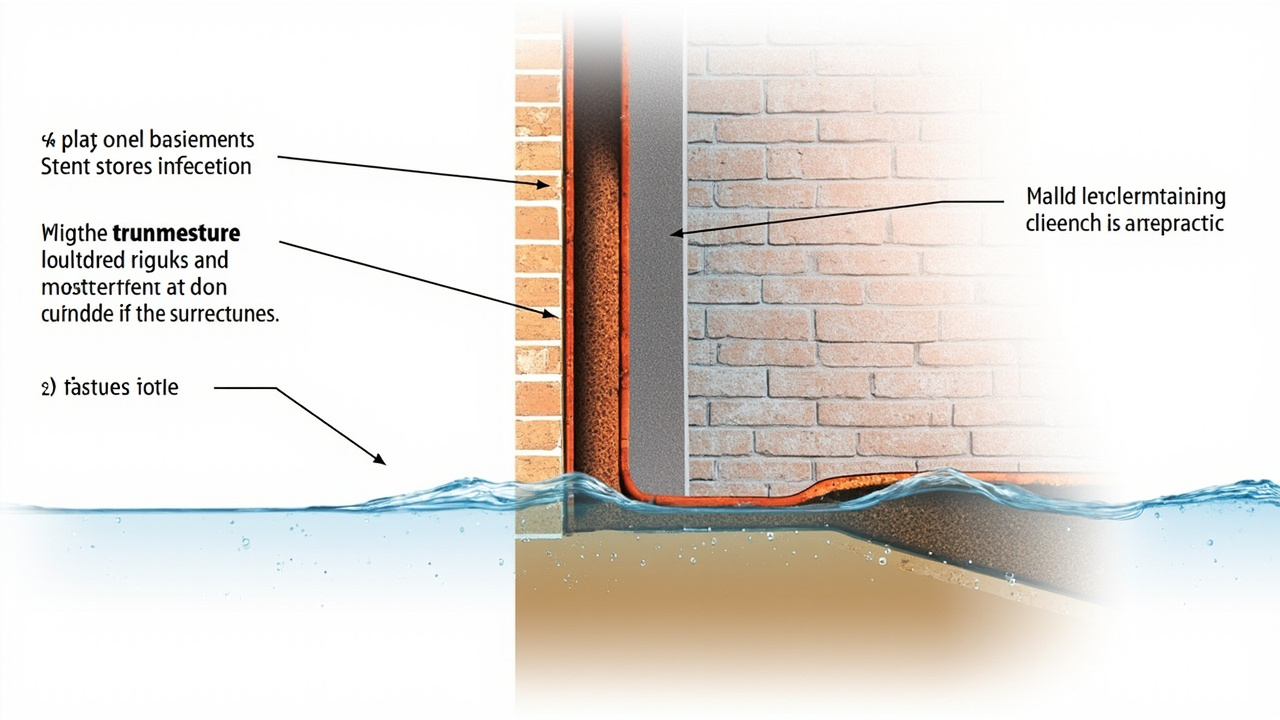
High Humidity and Mold Growth in Chicago Summers What Homeowners Need to Know Your basement…
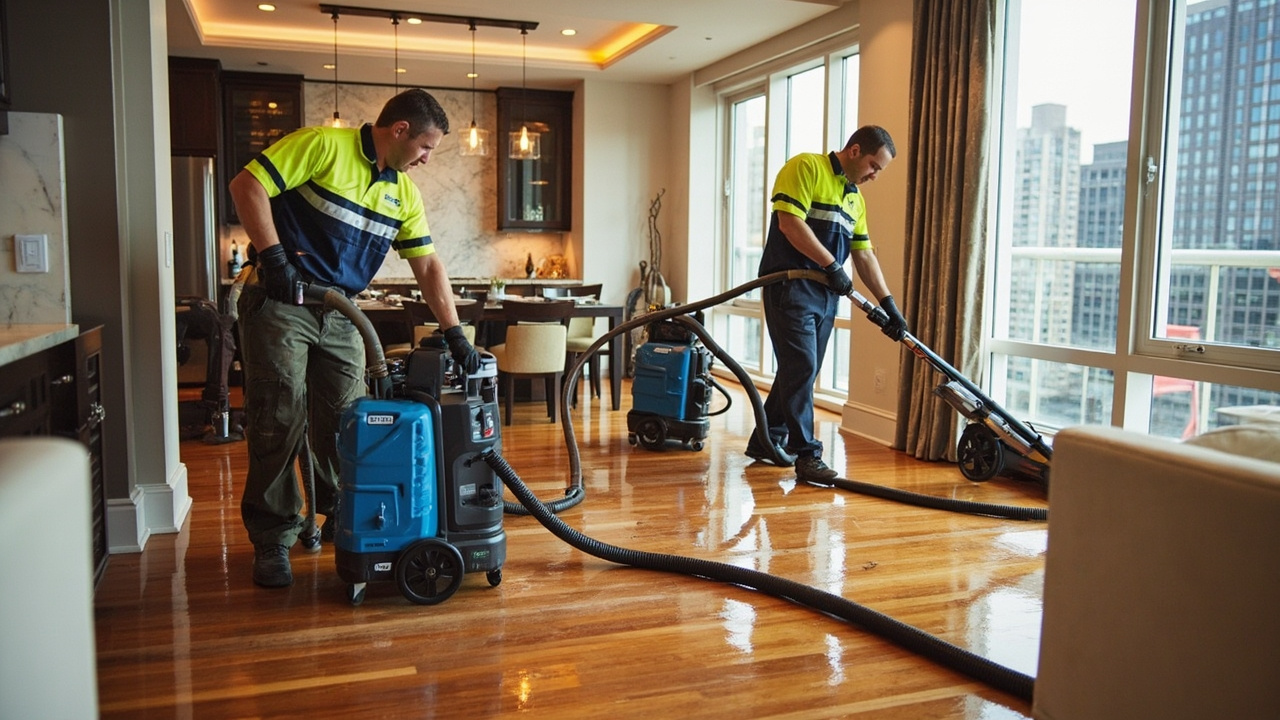
Luxury Home Water Damage Restoration in Chicago's Near North Side A burst pipe at 2…
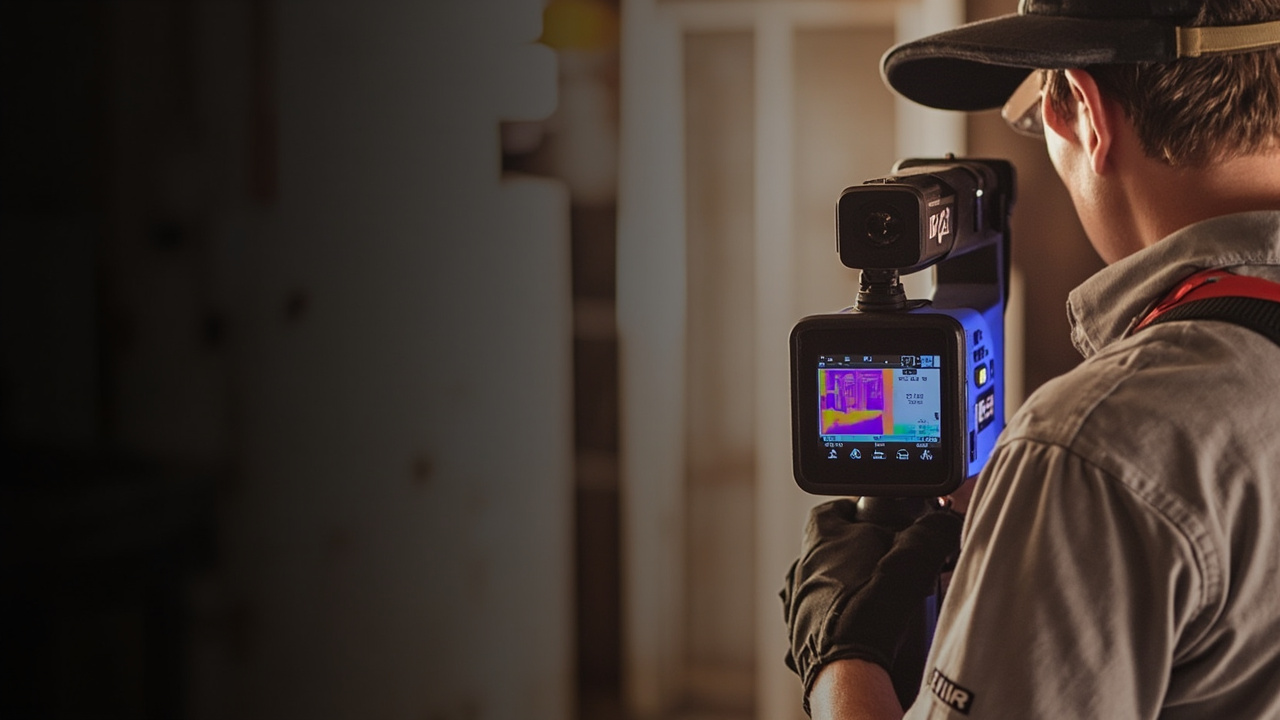
Expert Infrared Leak Detection in Chicago Homes and Businesses A hidden pipe leak can destroy…
Water spreads through your home right now while you read this. Every minute counts. Our crews are standing by with equipment loaded and ready to dispatch to your Naperville property. Call (872) 266-1616 now for immediate response. We answer 24 hours a day and arrive within 60 minutes to stop water damage before it destroys more of your home.