





Joliet sits at the convergence of the Des Plaines River and DuPage River, placing thousands of homes in flood-prone zones that insurance companies watch closely. Spring thaws combined with Illinois freeze-thaw cycles cause basement seepage across older neighborhoods like Cathedral Area and Ridgewood, where limestone foundations absorb groundwater. The clay-heavy soil throughout Will County expands when wet and contracts when dry, cracking basement walls and creating entry points for water intrusion.
Summer storms rolling across the prairie hit Joliet with little warning, dumping inches of rain that overwhelm storm sewers and cause backup flooding in lower-lying areas near Hickory Creek. Older homes built before modern drainage codes lack proper grading or sump pump systems, making them vulnerable during heavy precipitation events. When pipes freeze and burst during January cold snaps, water can run for hours before anyone notices, saturating insulation and drywall throughout entire floors.
These conditions make rapid response critical. Water damage that sits for 24 hours turns into mold remediation that costs three times more and takes weeks to complete. Joliet properties need technicians who understand local construction methods, know which basements flood first during storms, and can navigate insurance claims with companies familiar with Will County flood patterns.
We built our reputation in Joliet by showing up when other companies said they were too busy or the job was too messy. Our dispatch center operates around the clock because water emergencies do not respect business hours. When your sump pump fails at 2 AM or a supply line bursts while you are at work, you reach our live person immediately, not an answering service. We commit to on-site arrival within two hours for emergency calls across Joliet and Will County.
Our restoration process follows IICRC S500 standards for water damage mitigation, which means we document everything for insurance purposes from the moment we arrive. We take moisture readings in all affected areas, photograph damage progression, and create detailed scope reports that insurance adjusters accept without argument. Many Joliet homeowners do not realize their policy covers emergency mitigation costs, and we walk you through that process while our crews are already extracting water and setting up drying equipment.
Every technician on our crews holds Water Restoration Technician certification and trains specifically on the older housing stock common throughout Joliet. We know how water moves through balloon-frame construction in Cathedral Area bungalows versus the ranch homes in Ingalls Park. We understand which building materials can be dried and saved versus what must be removed to prevent mold growth. This expertise saves you money because we do not tear out materials that can be restored with proper drying protocols.
We use truck-mounted extraction units that remove standing water in minutes, not hours. Our commercial dehumidifiers and air movers create the airflow patterns needed to dry structural cavities without removing all your drywall. Thermal imaging cameras let us see moisture trapped inside walls and ceilings, so we know exactly where to focus drying equipment. When the job is complete, we verify dryness with moisture meters and document everything for your insurance company and your peace of mind.

Water damage happens at the worst possible times. Our dispatch center operates every hour of every day with trained staff who understand water emergencies. You speak to a real person who can mobilize our crews immediately. We commit to arriving at your Joliet property within two hours of your call, with extraction equipment already loaded and ready to deploy the moment we assess your situation.

We handle the insurance paperwork and documentation while you focus on your family and property. Our technicians create detailed photo records, moisture mapping, and equipment logs that adjusters require for claim approval. We communicate directly with your insurance company, provide estimates in their preferred format, and explain what your policy covers. Most Joliet homeowners find their mitigation costs are fully covered when documented properly.
Every crew member completing restoration work in your home holds Water Restoration Technician certification through the Institute of Inspection, Cleaning and Restoration Certification. This training covers proper extraction methods, structural drying science, antimicrobial application, and documentation protocols. Certified technicians know which materials can be saved versus what must be removed, saving you thousands in unnecessary demolition while preventing future mold problems.
Our crews know Joliet construction methods, soil conditions, and flood patterns from years of working throughout Will County. We understand how water moves through older balloon-frame homes in historic neighborhoods versus modern construction in newer developments. This local knowledge means faster diagnosis, more accurate drying protocols, and better outcomes because we have seen how Joliet properties respond to water intrusion hundreds of times before.
Water damage restoration requires multiple specialized services working together to return your property to pre-loss condition. Emergency mitigation stops damage from spreading, structural drying removes moisture trapped in building materials, and full restoration rebuilds what could not be saved. Many Joliet property owners do not realize these are distinct phases requiring different equipment, expertise, and timelines.
We provide every service needed from emergency response through final reconstruction, which means one company handles your entire claim instead of coordinating multiple contractors. Our mitigation crews arrive first to extract standing water and stabilize your property. Drying technicians monitor moisture levels daily until all materials return to normal ranges. Restoration carpenters rebuild walls, replace flooring, and repaint to match existing finishes. This integrated approach reduces your stress and speeds up the timeline because each phase flows directly into the next without waiting for bids or scheduling conflicts.
Whether you face a burst pipe, sewer backup, storm flooding, or appliance failure, we match the right services to your specific situation. A small supply line leak requires different protocols than a basement full of contaminated water. Our assessment determines which services your property needs based on water category, affected materials, and how long moisture has been present.
The first hours after water damage determine whether you face a manageable cleanup or extensive reconstruction. Our emergency mitigation service deploys immediately to extract standing water, remove saturated materials that cannot be saved, and contain damage before it spreads to unaffected areas. Truck-mounted extractors remove thousands of gallons quickly while our crews pull wet insulation, pad, and damaged belongings. We document everything for insurance purposes, take moisture readings throughout the structure, and create a detailed mitigation plan. Fast action during this phase can cut your total restoration cost in half.
After visible water is extracted, moisture remains trapped inside walls, floors, and structural cavities where mold thrives if not properly dried. Our structural drying service uses commercial dehumidifiers and air movers positioned based on moisture meter readings and thermal imaging scans. We create controlled airflow that pulls moisture from inside building materials without causing secondary damage. Technicians visit daily to monitor progress, adjust equipment placement, and document drying rates. This phase continues until all affected materials return to normal moisture content, preventing mold growth and structural weakening that appear weeks later when shortcuts are taken.
Once your property is completely dry and sanitized, our restoration carpenters rebuild everything removed during mitigation. We replace drywall, reinstall baseboards, install new flooring to match existing materials, and repaint affected areas. Our crews handle everything from simple baseboard replacement to full basement reconstruction depending on damage severity. We match textures, finishes, and materials so restored areas blend seamlessly with undamaged portions of your home. Licensed plumbers and electricians on our team handle any systems damaged during the water event. You get your property back to pre-loss condition with one company managing the entire project from start to finish.
Joliet's location along two major rivers, combined with clay soil and aging infrastructure, creates water damage risks that hit certain neighborhoods harder than others. Spring flooding affects properties near Hickory Creek and the Des Plaines River when snowmelt combines with heavy rain. Older neighborhoods with combined sewer systems experience backup flooding during severe storms when the system cannot handle volume. These are not random events but predictable patterns tied to Joliet's geography and construction history.
Understanding which problems affect your specific property type helps you recognize warning signs before minor issues become major damage. Basement seepage looks different than a burst supply line, and each requires different response protocols. Storm damage through the roof creates distinct challenges compared to appliance failures. The faster you identify what type of water damage you face, the quicker we can deploy the right equipment and prevent secondary damage like mold growth or structural weakening.
Clay soil throughout Will County expands when saturated, pushing groundwater through foundation cracks and overwhelming perimeter drains. Older basements in Cathedral Area and Ridgewood lack modern waterproofing and proper exterior grading. When spring thaws or summer storms saturate the ground, water finds every crack and seam, flooding finished basements and destroying furnaces, water heaters, and stored belongings. Sump pumps fail during power outages when you need them most.
Illinois winters cause pipes in exterior walls and unheated crawl spaces to freeze and rupture when temperatures drop below 20 degrees. The damage does not appear until pipes thaw and release hundreds of gallons inside walls and ceilings. Supply lines under pressure can run for hours before anyone notices, saturating insulation and drywall across entire floors. Older homes with inadequate insulation face higher risk during January and February cold snaps that last multiple days.
Prairie storms hit Joliet with high winds that lift shingles and drive rain through compromised roof penetrations. Water enters attics through damaged flashing around chimneys and vents, then travels along rafters before dripping through ceilings in rooms far from the actual leak point. By the time you see ceiling stains, insulation above has been wet for days and mold is already growing. Aging roofs on homes built in the 1970s and 1980s are especially vulnerable.
Water heaters last 10-12 years before tanks rust through and fail catastrophically, releasing 40-50 gallons across basement floors. Washing machine supply hoses burst without warning, flooding laundry rooms and adjacent spaces. Dishwasher supply lines develop pinhole leaks that spray water inside cabinets for weeks before anyone notices damage. These failures happen suddenly, often while homeowners are away, allowing water to run unchecked for hours and saturate flooring throughout the first level.
Water emergencies create panic and confusion about what happens next. You need clear answers about response time, what our crews will do when they arrive, and how long restoration takes. Our process is designed to stabilize your property fast, keep you informed at every step, and minimize disruption to your life while equipment runs and repairs happen.
From your first call to final walkthrough, you work with the same project manager who coordinates every phase. You are not transferred between departments or left wondering about status. We explain what we find, what needs to happen, and what your insurance will cover before starting any work. Most Joliet homeowners have never filed a water damage claim and do not know what to expect. We guide you through the entire process while handling the technical work that stops damage and restores your property.
When you call our emergency line, you speak immediately to a trained dispatcher who takes details about your situation and mobilizes the nearest crew. We arrive within two hours with extraction equipment, moisture meters, and documentation tools already loaded. Our technician walks through all affected areas, locates the water source, determines damage category, and explains what needs to happen next. You receive a detailed assessment and mitigation plan within the first hour on site. We start emergency services immediately to stop damage from spreading while you contact your insurance company.
Structural drying takes 3-7 days depending on materials affected and how long water was present. Our technicians visit your property daily to take moisture readings, adjust dehumidifier settings, reposition air movers, and document progress. You receive updates about drying rates and estimated completion timing. We explain why equipment must run continuously and answer questions about noise, electricity usage, and access needs. Your project manager calls every other day to check on concerns and coordinate with your insurance adjuster about progress documentation.
We do not remove equipment until moisture meters confirm all affected materials have returned to normal ranges for your geographic area and time of year. You receive a completion report with final readings documented for insurance records. If reconstruction is needed, our restoration crews begin immediately without waiting for additional bids or scheduling. We match existing finishes, complete all repairs, and walk through the completed work with you to verify satisfaction. Your property is returned to pre-loss condition with all documentation organized for your claim settlement.
Effective water damage restoration follows a proven sequence that addresses immediate threats first, then systematically dries the structure, and finally rebuilds what could not be saved. Skipping steps or rushing timelines leads to mold growth and structural problems that appear months later.
Our crews arrive with truck-mounted extraction equipment that removes standing water within minutes of setup. We extract from all affected areas, pull saturated carpet pad and insulation that cannot be saved, and remove furniture to prevent dye transfer and additional damage. Moisture meters map the full extent of water migration, including areas where damage is not visible. We document everything with photos and detailed notes for your insurance claim. Antimicrobial treatment is applied to all affected surfaces to prevent bacterial growth during the drying phase.
Commercial dehumidifiers and air movers are positioned based on psychrometric calculations and thermal imaging scans that show moisture trapped inside walls and floors. Equipment runs continuously to create airflow patterns that pull moisture from structural cavities without over-drying and cracking materials. Our technicians visit daily to monitor progress with moisture meters, adjust equipment placement, and document drying rates. This phase continues until all materials return to normal moisture content verified by readings taken at multiple depths and locations throughout affected areas.
After complete dryness is verified, our restoration carpenters replace drywall, reinstall trim, install new flooring, and repaint to match existing finishes. Cabinets damaged beyond drying are rebuilt to match your existing style. Flooring is replaced with materials that match or upgrade based on your insurance coverage and preferences. All work meets code requirements and passes final inspection. You receive documentation of all repairs completed, warranties on workmanship, and organized records for your insurance settlement and future property sale.
Professional water damage restoration follows specific standards established by the Institute of Inspection, Cleaning and Restoration Certification, known industry-wide as IICRC. The S500 standard provides detailed protocols for water damage mitigation based on water category, affected materials, and environmental conditions. These are not suggestions but proven methods that prevent mold growth, structural damage, and restoration failures that appear months after improper drying.
Water is categorized by contamination level, which determines handling protocols and safety requirements. Category 1 comes from clean sources like supply lines and is safe to handle with basic precautions. Category 2 contains some contamination from appliances or toilet overflow and requires antimicrobial treatment. Category 3 is grossly contaminated from sewage backup or flooding and demands full protective equipment, disposal of porous materials, and thorough disinfection. Many Joliet property owners do not realize storm flooding and sewer backup fall into Category 3, requiring much more extensive mitigation than a simple pipe leak.
Moisture mapping documents the full extent of water migration beyond visible damage. Water follows paths of least resistance through wall cavities, under flooring, and along ceiling joists far from the original intrusion point. Thermal imaging cameras reveal moisture trapped where it cannot be seen, preventing incomplete drying that leads to mold. Our technicians take moisture readings at multiple depths using penetrating and non-penetrating meters, creating a complete picture of where water traveled and what materials absorbed it.
Drying protocols are calculated using psychrometrics, the science of air and moisture interaction. We measure temperature, relative humidity, and grains per pound to determine how much moisture the air can absorb at current conditions. Dehumidifiers are sized based on cubic footage and moisture load, while air movers create velocity across wet surfaces without causing damage. This scientific approach ensures complete drying in the shortest time without warping wood, cracking drywall, or leaving moisture pockets where mold develops. Insurance companies trust documentation from IICRC-certified firms because they know protocols were followed correctly.
We follow Institute of Inspection, Cleaning and Restoration Certification standards for every mitigation and restoration project. S500 protocols dictate proper moisture mapping, equipment sizing, drying goals, and documentation requirements based on material types and water category. Compliance ensures insurance approval, prevents mold growth, and protects property value through proven methods tested across thousands of water damage scenarios. Our technicians receive ongoing training in updated standards and emerging restoration technology.
Water is classified as Category 1 (clean), Category 2 (contaminated), or Category 3 (grossly contaminated) based on source and potential health risks. This classification determines which materials can be saved versus what must be removed, safety protocols for our crews, and antimicrobial requirements. Category 3 water from sewage or flooding requires disposal of all porous materials like drywall and carpet that contacted contamination. Proper assessment prevents health risks and ensures restoration meets safety standards.
Complete structural drying takes 3-7 days for most residential water damage when equipment is properly sized and positioned. Timeline depends on humidity levels, temperature, air circulation, material density, and how long water was present before mitigation began. Hardwood floors require slower drying to prevent cupping, while insulation must be removed if saturated beyond 50 percent. Rushing the process causes warping, cracking, and incomplete drying that leads to mold growth and structural damage appearing weeks later.
Insurance claims require specific documentation including moisture mapping, daily log sheets, equipment lists, photo progression, and final verification readings. We create detailed reports that adjusters accept without argument because they follow industry standards insurers recognize. Proper documentation supports coverage for all necessary mitigation services, reduces claim disputes, and speeds settlement. Many Joliet homeowners find their entire mitigation cost is covered when documentation meets insurance company requirements, which our reports consistently achieve.
Educational video explaining professional water damage restoration procedures in Joliet, Illinois. Covers emergency water extraction, structural drying protocols, moisture mapping, IICRC standards, water damage categories, and insurance documentation requirements. Features information specific to Joliet properties including basement flooding, burst pipes from freeze-thaw cycles, storm damage, and appliance failures. Demonstrates equipment used for water removal and structural drying while explaining timelines and what property owners should expect during the restoration process.
Cornerstone Water Damage Restoration Chicago serves every neighborhood across Joliet and surrounding Will County communities where water damage risks vary by location and construction era. Our crews respond throughout the Cathedral Area, where historic homes built in the early 1900s feature limestone foundations that absorb groundwater during spring thaws and heavy rain. These older properties require specialized knowledge of balloon-frame construction and how water travels through wall cavities differently than modern platform framing.
We maintain fast response times to Ridgewood and Ingalls Park, where ranch homes from the 1960s and 1970s often lack adequate crawl space ventilation and exterior grading. Water intrusion in these neighborhoods frequently stems from poor lot drainage combined with aging cast iron sewer lines that crack and allow groundwater infiltration. Our experience with these specific construction types helps us diagnose problems quickly and implement drying protocols that work with the building's structure rather than against it.
Properties near the Des Plaines River and Hickory Creek face flood risks during spring snowmelt when Joliet receives heavy rain on top of saturated ground. Homes in Fairmont and along Black Road see basement flooding during these events, requiring immediate response to prevent sewage backup through floor drains when municipal systems are overwhelmed. We keep equipment staged for rapid deployment when weather forecasts predict flooding conditions in these vulnerable areas.
The downtown Joliet area includes commercial properties and multi-family buildings where water damage affects multiple tenants and requires coordination with property management companies. Our commercial restoration experience helps business owners minimize downtime and income loss when water events disrupt operations. We work efficiently in occupied buildings, sectioning off work areas and maintaining access to unaffected spaces while equipment runs.
Newer developments in southwest Joliet toward Frankfort feature modern construction with improved building codes, but face different challenges from appliance failures and HVAC condensate line leaks in finished basements. These homes often have luxury vinyl plank flooring and engineered hardwood that requires specific drying protocols to prevent delamination and warping. Our technicians adjust methods based on materials present rather than applying one-size-fits-all solutions.
We also serve unincorporated areas of Will County where properties rely on well water and septic systems. Water damage in these locations can involve contaminated well water or septic system backups that require specialized treatment and disinfection protocols. Our crews carry equipment and training to handle rural property challenges that differ from municipal water system failures.
Whether you need emergency water removal in Cathedral Area, structural drying in Ridgewood, or complete restoration in Ingalls Park, our response time and service quality remain consistent across every Joliet neighborhood. We know these communities, understand local construction methods, and maintain the equipment inventory needed to handle multiple simultaneous calls when storms affect wide areas.
Yes. Water damage worsens fast in Joliet's humid climate, especially after spring storms or basement floods. Untreated moisture seeps into drywall, subfloors, and framing, causing rot, mold growth, and structural failure. Restoration prevents costly secondary damage. Professionals extract standing water, dry hidden cavities, and document losses for insurance. Without proper drying, mold can colonize within 24 to 48 hours. The cost of restoration is almost always less than replacing framing, flooring, and dealing with health issues from mold exposure. Act quickly to protect your property value and safety.
Stop the water source if safe. Turn off electricity in affected areas to prevent shock. Move valuables and furniture to dry spaces. Document everything with photos and video for your insurance claim. Call a water damage restoration company immediately. In Joliet, rapid response matters because humidity accelerates mold growth. Do not use household vacuums on standing water. Open windows if weather permits to increase airflow. Remove wet carpets and padding if possible. Do not wait. Every hour increases damage, replacement costs, and mold risk. Contact your insurer and a restoration team within the first few hours.
Water remediation stops the immediate crisis. It includes water extraction, initial drying, and containment to prevent spread. Remediation gets your property stable and safe. Water restoration is the complete rebuild. It includes repairs, reconstruction, replacing drywall, flooring, and returning your home to pre-loss condition. Think of remediation as emergency triage and restoration as the full recovery. Most Joliet water damage projects require both. A flooded basement needs extraction and drying first, then new drywall, flooring, and paint. Reputable companies handle both phases, managing the entire process from emergency response through final repairs.
Yes. Water damage worsens fast in Joliet's humid climate, especially after spring storms or basement floods. Untreated moisture seeps into drywall, subfloors, and framing, causing rot, mold growth, and structural failure. Restoration prevents costly secondary damage. Professionals extract standing water, dry hidden cavities, and document losses for insurance. Without proper drying, mold can colonize within 24 to 48 hours. The cost of restoration is almost always less than replacing framing, flooring, and dealing with health issues from mold exposure. Act quickly to protect your property value and safety.
Stop the water source if safe. Turn off electricity in affected areas to prevent shock. Move valuables and furniture to dry spaces. Document everything with photos and video for your insurance claim. Call a water damage restoration company immediately. In Joliet, rapid response matters because humidity accelerates mold growth. Do not use household vacuums on standing water. Open windows if weather permits to increase airflow. Remove wet carpets and padding if possible. Do not wait. Every hour increases damage, replacement costs, and mold risk. Contact your insurer and a restoration team within the first few hours.
Water remediation stops the immediate crisis. It includes water extraction, initial drying, and containment to prevent spread. Remediation gets your property stable and safe. Water restoration is the complete rebuild. It includes repairs, reconstruction, replacing drywall, flooring, and returning your home to pre-loss condition. Think of remediation as emergency triage and restoration as the full recovery. Most Joliet water damage projects require both. A flooded basement needs extraction and drying first, then new drywall, flooring, and paint. Reputable companies handle both phases, managing the entire process from emergency response through final repairs.
Water Damage Restoration Joliet is a trusted alternative to ServPro in the Joliet area. We provide 24/7 emergency response, direct insurance billing, and personalized service without the franchise overhead. Our team knows Joliet's specific challenges, from Des Plaines River flooding to sump pump failures common in older neighborhoods. We focus on transparent communication, faster project timelines, and working directly with local adjusters. You get hands-on attention, not a corporate playbook. We handle extraction, drying, mold remediation, and full reconstruction under one roof. Local expertise, accountability, and quality work make us the clear choice for Joliet homeowners and businesses.
Costs vary widely based on water category, affected area, and damage severity. A small bathroom leak might cost $1,000 to $3,000. A flooded basement in Joliet can run $5,000 to $15,000 or more. Category 3 water from sewage requires extensive sanitization and demolition, increasing costs. Factors include extraction equipment, drying time, mold remediation, and reconstruction. Insurance often covers sudden events like burst pipes but not gradual leaks or maintenance issues. Get a detailed estimate from a licensed restoration company. Most provide free inspections and work directly with your insurer to minimize out-of-pocket expenses.
Usually, yes. Most homeowner policies cover water damage from sudden, accidental events like burst pipes, appliance failures, or roof leaks from storms. Insurance typically pays for water extraction, drying, mold remediation, and repairs. However, policies exclude gradual damage, neglect, or flooding from outside sources. Joliet homeowners near the Des Plaines River need separate flood insurance through FEMA. Your restoration company should document everything, work directly with your adjuster, and help you navigate the claims process. Always report damage immediately. Delays can jeopardize coverage. Review your policy to understand limits, deductibles, and exclusions before disaster strikes.
It depends on the source. Standard homeowner insurance covers sudden internal water damage like burst pipes, appliance leaks, or roof damage from storms. It does not cover flooding from rivers, sewer backups, or gradual leaks you ignored. Joliet properties near the Des Plaines River need separate flood insurance. Sewer backup coverage is often an add-on rider. Review your policy declarations page to confirm what you have. If water enters from outside during heavy rain, you likely need flood insurance. If a pipe bursts inside, your standard policy usually covers it. Know your coverage before you need it.
Very likely if you delay drying. Mold spores exist everywhere, but they need moisture to grow. In Joliet's humid climate, mold can colonize porous materials within 24 to 48 hours after water exposure. Basements, crawl spaces, and drywall are prime targets. Even if surfaces look dry, hidden moisture in wall cavities or under flooring feeds growth. Professional restoration companies use moisture meters, infrared cameras, and industrial dehumidifiers to eliminate hidden water. Visible drying is not enough. Without proper equipment and expertise, you risk long-term mold contamination, health problems, and expensive remediation down the line.
Do not delay. Every hour increases damage and mold risk. Do not use household vacuums on standing water. They are not designed for it and can cause electrical shock. Do not turn on HVAC systems if ducts are wet. You will spread contamination throughout your home. Do not ignore hidden moisture in walls or subfloors. It leads to rot and mold. Do not attempt major drying without professional equipment. Fans alone will not remove moisture from structural cavities. Do not skip documentation. Take photos and videos before cleanup starts. Poor decisions in the first 24 hours turn manageable damage into total losses.
No. Plumbers fix the source, like broken pipes or leaking water heaters. They do not handle water extraction, structural drying, or reconstruction. Water damage restoration requires specialized equipment like industrial air movers, dehumidifiers, moisture meters, and infrared cameras. Restoration companies dry hidden cavities, prevent mold, and rebuild affected areas. In Joliet, you often need both. Call a plumber to stop the leak, then call a restoration company to dry and repair the damage. Some restoration companies coordinate with plumbers, but their expertise is different. Do not confuse emergency repairs with comprehensive water damage mitigation and restoration.
Water Damage Restoration Joliet is a trusted alternative to ServPro in the Joliet area. We provide 24/7 emergency response, direct insurance billing, and personalized service without the franchise overhead. Our team knows Joliet's specific challenges, from Des Plaines River flooding to sump pump failures common in older neighborhoods. We focus on transparent communication, faster project timelines, and working directly with local adjusters. You get hands-on attention, not a corporate playbook. We handle extraction, drying, mold remediation, and full reconstruction under one roof. Local expertise, accountability, and quality work make us the clear choice for Joliet homeowners and businesses.
Costs vary widely based on water category, affected area, and damage severity. A small bathroom leak might cost $1,000 to $3,000. A flooded basement in Joliet can run $5,000 to $15,000 or more. Category 3 water from sewage requires extensive sanitization and demolition, increasing costs. Factors include extraction equipment, drying time, mold remediation, and reconstruction. Insurance often covers sudden events like burst pipes but not gradual leaks or maintenance issues. Get a detailed estimate from a licensed restoration company. Most provide free inspections and work directly with your insurer to minimize out-of-pocket expenses.
Usually, yes. Most homeowner policies cover water damage from sudden, accidental events like burst pipes, appliance failures, or roof leaks from storms. Insurance typically pays for water extraction, drying, mold remediation, and repairs. However, policies exclude gradual damage, neglect, or flooding from outside sources. Joliet homeowners near the Des Plaines River need separate flood insurance through FEMA. Your restoration company should document everything, work directly with your adjuster, and help you navigate the claims process. Always report damage immediately. Delays can jeopardize coverage. Review your policy to understand limits, deductibles, and exclusions before disaster strikes.
It depends on the source. Standard homeowner insurance covers sudden internal water damage like burst pipes, appliance leaks, or roof damage from storms. It does not cover flooding from rivers, sewer backups, or gradual leaks you ignored. Joliet properties near the Des Plaines River need separate flood insurance. Sewer backup coverage is often an add-on rider. Review your policy declarations page to confirm what you have. If water enters from outside during heavy rain, you likely need flood insurance. If a pipe bursts inside, your standard policy usually covers it. Know your coverage before you need it.
Very likely if you delay drying. Mold spores exist everywhere, but they need moisture to grow. In Joliet's humid climate, mold can colonize porous materials within 24 to 48 hours after water exposure. Basements, crawl spaces, and drywall are prime targets. Even if surfaces look dry, hidden moisture in wall cavities or under flooring feeds growth. Professional restoration companies use moisture meters, infrared cameras, and industrial dehumidifiers to eliminate hidden water. Visible drying is not enough. Without proper equipment and expertise, you risk long-term mold contamination, health problems, and expensive remediation down the line.
Do not delay. Every hour increases damage and mold risk. Do not use household vacuums on standing water. They are not designed for it and can cause electrical shock. Do not turn on HVAC systems if ducts are wet. You will spread contamination throughout your home. Do not ignore hidden moisture in walls or subfloors. It leads to rot and mold. Do not attempt major drying without professional equipment. Fans alone will not remove moisture from structural cavities. Do not skip documentation. Take photos and videos before cleanup starts. Poor decisions in the first 24 hours turn manageable damage into total losses.
No. Plumbers fix the source, like broken pipes or leaking water heaters. They do not handle water extraction, structural drying, or reconstruction. Water damage restoration requires specialized equipment like industrial air movers, dehumidifiers, moisture meters, and infrared cameras. Restoration companies dry hidden cavities, prevent mold, and rebuild affected areas. In Joliet, you often need both. Call a plumber to stop the leak, then call a restoration company to dry and repair the damage. Some restoration companies coordinate with plumbers, but their expertise is different. Do not confuse emergency repairs with comprehensive water damage mitigation and restoration.
Cornerstone proudly serves the entire Chicago area with fast, dependable water damage restoration services. Whether you’re located in downtown, the suburbs, or surrounding neighborhoods, we’re ready to respond to your call—day or night. Use the map below to see our local service coverage and find our nearest team. With mobile units throughout the city, help is never far away. If you’re facing water damage, reach out now and let us show you why homeowners and businesses choose Cornerstone.
Address:
Joliet, IL, 60433

Water Damaged Subfloor Repair in Chicago: When to Dry It Out vs. Replace It Your subfloor is failing. You noticed soft spots near the bathroom. The basement smells musty. Water sat under the kitchen for…
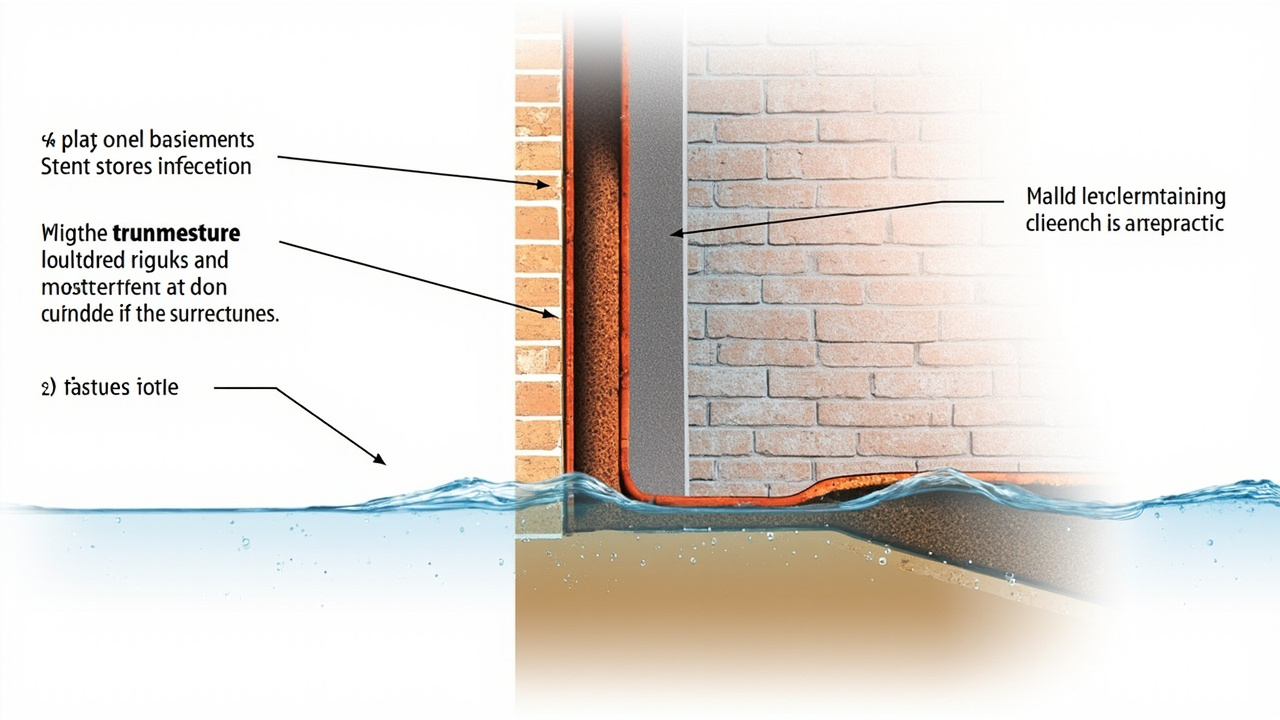
High Humidity and Mold Growth in Chicago Summers What Homeowners Need to Know Your basement…
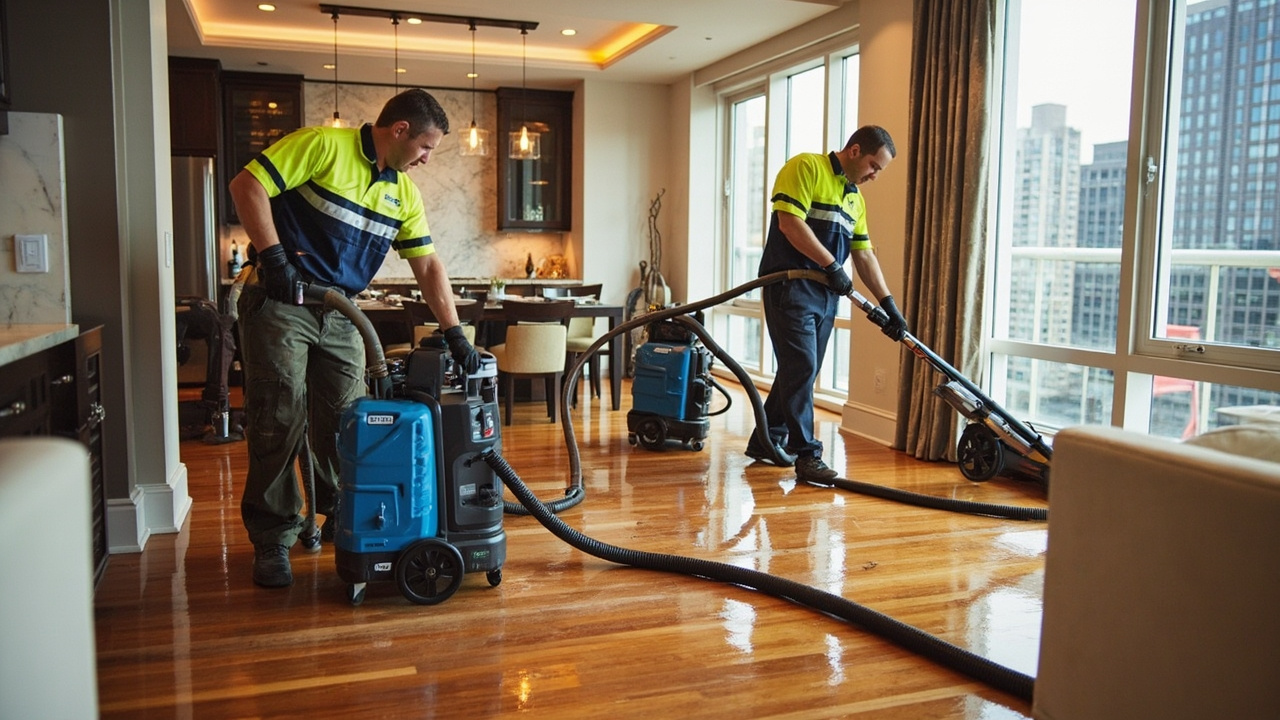
Luxury Home Water Damage Restoration in Chicago's Near North Side A burst pipe at 2…
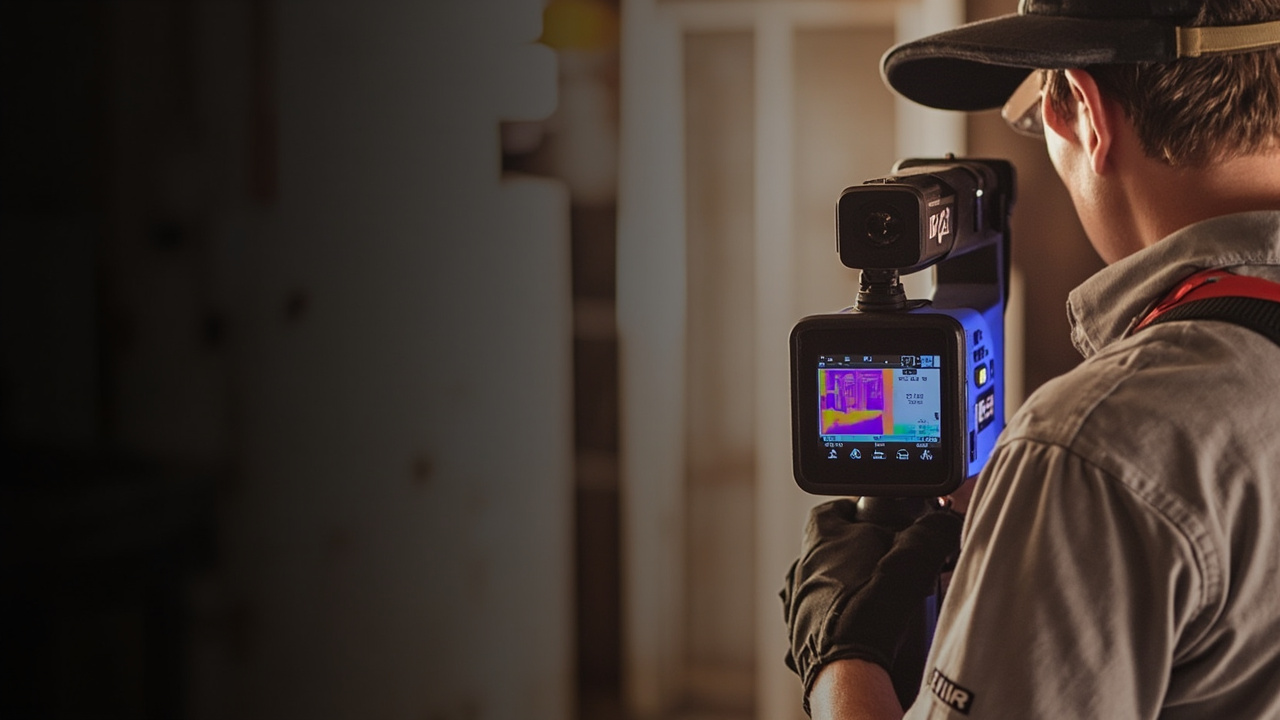
Expert Infrared Leak Detection in Chicago Homes and Businesses A hidden pipe leak can destroy…
Every minute counts when water is damaging your Joliet property. Our crews are standing by 24/7 to respond immediately with the equipment and expertise needed to stop damage and begin restoration. Call (872) 266-1616 now to speak with our dispatch team and get help on the way within two hours.