





Evanston sits directly on Lake Michigan, creating constant moisture pressure on foundations and basements. The city's older housing stock, particularly in neighborhoods like Ridgeville and Central Street, includes homes built before modern waterproofing standards existed. Clay soil underneath much of Evanston holds water against foundation walls instead of draining it away. When spring thaw hits or summer storms dump three inches of rain in an hour, that water has nowhere to go except your basement.
The freeze-thaw cycle here is brutal on pipes. Temperatures swing from below zero in January to 90 degrees by July. That expansion and contraction cracks pipes inside walls. You won't know there's a problem until water starts spreading through insulation and drywall. Properties near the Northwestern campus see additional pressure from aging infrastructure and shared walls in multi-unit buildings. Evanston's strict building codes require proper permits and licensed contractors for restoration work, which means you need a team that knows how to navigate city inspections while moving fast to save your property.
We dispatch from our Chicago location to reach Evanston properties in under an hour. That speed stops water from spreading deeper into your floors and walls. Our trucks carry industrial extraction equipment, commercial air movers, and thermal imaging cameras that find hidden moisture other companies miss. We've restored hundreds of Evanston homes from basement floods to burst pipes, which means we know exactly how water moves through your type of property and what it takes to get it completely dry.
We handle your insurance claim from the first phone call. Our team documents everything with photos and moisture readings your adjuster needs. We bill your insurance company directly so you're not stuck with massive upfront costs while waiting for reimbursement. Most homeowners pay only their deductible.
Our crews don't leave until testing confirms your property is dry. We use moisture meters in walls and floors to measure exact humidity levels. If readings show moisture still present, we keep drying. Cutting corners creates mold problems three weeks later. We prevent that by drying your home completely the first time. Every restoration follows IICRC standards and includes written documentation of all work performed. You get a detailed scope of work before we start and a completion certificate when we finish. That documentation protects you if issues arise during insurance processing or future property sales.

We dispatch immediately when you call, reaching most Evanston properties within 60 minutes. Our trucks carry extraction equipment and drying systems that start working the moment we arrive. Every minute counts when water is spreading through your home.

We work directly with your insurance company and bill them for covered work. You avoid massive upfront costs and reimbursement delays. Our team handles all claim documentation, photos, and communication with your adjuster from start to finish.
Our technicians follow IICRC water damage restoration standards. We use moisture meters and thermal imaging to find hidden water in walls and floors. Your property gets tested and confirmed dry before our equipment leaves your home.
We pull proper permits when restoration requires structural work. Our team knows Evanston's inspection requirements and coordinates all city paperwork. Your restoration passes inspection the first time, which keeps your insurance claim moving forward without delays.
Water damage restoration requires more than pointing fans at wet carpet. We provide complete water removal, structural drying, and reconstruction services for Evanston homes and businesses. Our approach handles every phase from initial water extraction through final repairs, so you work with one company instead of coordinating multiple contractors. We respond to basement floods, burst pipes, appliance leaks, and storm damage across all property types.
Each water damage situation demands different equipment and techniques. A flooded basement needs truck-mounted extraction and commercial dehumidifiers. A burst pipe in your walls requires opening drywall to access soaked insulation. A sewage backup needs containment and sanitization before any drying starts. Our crews assess your specific damage and deploy the right equipment immediately. We break our services into three main categories based on how quickly we need to respond and what type of restoration your property needs.
Our truck-mounted extractors pull thousands of gallons from flooded basements and soaked floors. We remove standing water first, then extract moisture trapped in carpet padding and subfloors. Emergency extraction includes furniture moving, content protection, and initial antimicrobial treatment to prevent bacteria growth. This service deploys 24/7 for active flooding situations where water is still entering your property or spreading to unaffected areas.
We place commercial air movers and dehumidifiers throughout your property to pull moisture from walls, floors, and framing. Our team monitors humidity levels twice daily using moisture meters and thermal cameras. Drying typically takes three to five days depending on how much water your property absorbed. We adjust equipment placement as readings change to target remaining moisture pockets until testing confirms your structure is completely dry.
Once your property is dry, we rebuild what water damaged. This includes replacing drywall, installing new flooring, repainting walls, and reinstalling baseboards and trim. We handle everything from minor cosmetic repairs to major reconstruction projects. Our crews pull Evanston building permits when structural work is required and coordinate all city inspections. Your home looks like the water damage never happened.
Evanston's housing stock and location create specific water damage patterns. Most calls come from homes built between 1920 and 1960 in neighborhoods like Ridgeville and Central Street. These properties have aging cast iron drain pipes that crack inside walls, original copper supply lines that burst during cold snaps, and basement floors that crack as foundations settle over clay soil. Newer construction near the lakefront faces different issues from groundwater pressure and condensation in climate-controlled spaces.
The seasonal freeze-thaw cycle causes the majority of our emergency calls. Temperatures drop below freezing at night even into April, then warm up during the day. That expansion and contraction splits pipes inside exterior walls and unheated spaces. You often don't discover the damage until the pipe thaws and water starts running. Properties with finished basements face additional risk because water damage hides behind drywall and drop ceilings until visible stains appear.
Clay soil around Evanston foundations doesn't absorb water. Heavy rain pools against basement walls and finds any crack or weakness. Homes without proper foundation drainage systems flood repeatedly. We install sump pumps and repair foundation cracks to stop recurring problems.
Pipes in exterior walls freeze when temperatures stay below 20 degrees for extended periods. The ice expands until the pipe splits. Water pours into your walls when the pipe thaws. We open drywall to access the damage, extract water from insulation, and dry wall cavities completely.
Original drain pipes in older Evanston homes corrode from the inside out. Small pinhole leaks turn into major cracks that leak sewage into walls and floors. This contaminated water requires special handling and sanitization before any drying work begins. We coordinate with licensed plumbers for pipe replacement.
Water heaters, washing machines, and dishwashers eventually leak or burst. Failures often happen when you're not home, letting hundreds of gallons spread through multiple rooms. We respond quickly to extract water before it reaches hardwood floors in adjacent rooms or seeps down to finished basements below.
We answer emergency calls 24 hours a day. When you call, our dispatcher collects basic information about your water damage and sends the nearest crew immediately. You don't wait for morning business hours or next-day appointments. Our truck arrives within an hour for most Evanston locations. The crew leader walks through your property to assess damage extent and explain exactly what needs to happen. You get a detailed scope of work before equipment gets unloaded.
We focus on three things during every restoration project. First, we stop your property from getting worse. That means extracting water fast and getting drying equipment running immediately. Second, we handle your insurance company so you're not stuck managing paperwork while dealing with a flooded home. Third, we keep you informed with daily updates about drying progress and what comes next. You should never wonder what's happening with your restoration.
Our crew arrives in a marked truck with all extraction and drying equipment on board. The team leader documents your damage with photos and moisture readings. You receive a written scope of work explaining what we'll do, how long it takes, and what it costs. We call your insurance company to open a claim while our technicians start pulling water from your property.
We check your property twice daily to take new moisture readings and adjust equipment placement. Air movers get repositioned to target damp areas. Dehumidifiers get emptied and reset. You receive daily text updates with current readings and expected completion timeline. Our team answers questions and explains what's happening at every stage.
We don't remove equipment until moisture testing confirms your property is completely dry. That prevents mold growth three weeks later from moisture we missed. You receive a completion certificate with all final readings documented. This paperwork protects you during insurance processing and proves your property was restored to industry standards.
We follow the same proven process for every water damage job. This consistency ensures nothing gets missed and your property gets restored properly.
You call our emergency line and explain what happened. Our dispatcher sends the nearest crew to your Evanston property immediately. The team typically arrives within 60 minutes. While they're driving, we contact your insurance company to open a claim and get initial authorization for emergency services. You don't pay anything out of pocket at this stage.
Our crew extracts all standing water using truck-mounted vacuums and portable extractors. We move furniture to dry areas and remove soaked materials that can't be saved. Commercial air movers and dehumidifiers get positioned throughout affected areas. The goal is stopping additional damage and starting the drying process within two hours of arrival.
We monitor your property daily until moisture testing confirms everything is dry. Equipment typically runs for three to five days. Once dry, we start repairs and reconstruction. Our crews replace damaged drywall, install new flooring, repaint walls, and rebuild anything water destroyed. You receive a final walkthrough and completion documentation when the job is finished.
Professional water damage restoration follows standards established by the Institute of Inspection, Cleaning and Restoration Certification. These IICRC guidelines define proper extraction techniques, drying protocols, and moisture testing procedures. We follow S500 standards for water damage restoration and S520 standards for mold remediation when microbial growth is present. These protocols ensure your property gets dried completely the first time instead of developing hidden moisture problems later.
Water damage falls into three categories based on contamination level. Category 1 is clean water from supply lines or rain. Category 2 is gray water from washing machines or dishwashers that contains some bacteria. Category 3 is black water from sewage backups or flooding that carries serious health risks. Each category requires different handling procedures and safety equipment. We test water contamination levels at the start of every job and follow proper protocols for that category.
Evanston building codes require permits for restoration work that involves structural repairs or modifications. We pull permits when projects include replacing floor joists, removing load-bearing walls, or major electrical and plumbing work. The city inspects work at various stages to verify code compliance. Our team coordinates all inspection scheduling and ensures work meets current building standards. That documentation protects your property value and prevents problems during future sales. Insurance companies also require proper permitting for covered repairs. We handle all paperwork so your claim processes smoothly.
Our technicians hold IICRC Water Damage Restoration certifications. This training covers proper extraction methods, psychrometry for drying calculations, moisture detection equipment, and antimicrobial protocols. We follow S500 standards that define how fast response should happen, what equipment to use, and how to verify complete drying.
Water damage restoration costs depend on contamination category, square footage affected, and materials that need replacement. Category 3 sewage cleanup costs more because it requires specialized safety equipment and disposal procedures. Hardwood floor drying costs more than carpet because boards need careful monitoring to prevent warping. Most insurance policies cover sudden water damage.
Most properties take three to five days to dry completely. Concrete takes longer than wood framing. Plaster walls hold more moisture than drywall. We take moisture readings twice daily and track drying progress with industry-standard equipment. Your timeline depends on materials affected and how much water your property absorbed.
The City of Evanston requires building permits for structural repairs after water damage. This includes replacing floor joists, framing walls, or major electrical work. We submit permit applications and coordinate all required inspections. Final inspection approval confirms your restoration meets current building codes and protects your property value.
This video explains water damage restoration services for Evanston, Illinois properties. Topics covered include emergency water extraction, structural drying protocols, insurance claim handling, and common water damage causes in Evanston homes. Learn about IICRC restoration standards, equipment used for water removal and drying, and what to expect during the restoration process. The video addresses specific challenges Evanston properties face including clay soil drainage issues, freeze-thaw pipe damage, and basement flooding patterns.
We respond to water damage emergencies throughout Evanston and the surrounding North Shore area. Our crews know every neighborhood from the lakefront properties along Sheridan Road to the historic homes in Ridgeville and Central Street. We've restored flooded basements in the tight-knit community around Dawes Park and handled burst pipe emergencies in the multi-unit buildings near Northwestern's campus. Each Evanston neighborhood presents different restoration challenges based on housing age, soil conditions, and proximity to Lake Michigan.
Properties in southeast Evanston near the Skokie border often face groundwater issues because the area sits lower in elevation. Water drains toward these neighborhoods during heavy storms, creating pressure on foundation walls and basement floors. Homes west of Ridge Avenue deal with clay soil that holds moisture against foundations instead of draining it away. The lakefront neighborhoods along Sheridan Road face unique challenges from lake effect humidity and wind-driven rain that penetrates older masonry and finds gaps in window flashing.
We also serve neighboring communities including Skokie, Wilmette, and Chicago's Rogers Park neighborhood. Our central Chicago location puts us within quick response distance of the entire North Shore. We understand how water damage patterns change across different areas. Properties near the Cook County Forest Preserves deal with different drainage issues than homes in established residential neighborhoods. Multi-unit buildings in downtown Evanston require different restoration approaches than single-family homes in South Evanston near the Evanston Township High School campus. Our experience across all these areas means we know what works for your specific location and property type.
Yes. Water damage spreads fast and causes hidden structural damage, mold growth, and health hazards. In Evanston, where older homes and Lake Michigan weather create moisture challenges, ignoring water damage leads to foundation issues, rotted framing, and destroyed drywall. Professional restoration stops the damage cycle, removes standing water, dries hidden moisture pockets, and prevents mold. DIY methods miss moisture trapped in walls and subfloors. Restoration costs less than replacing structural elements or dealing with toxic mold later. Your home is your biggest investment. Protect it.
Evanston's reparations program is a city housing initiative unrelated to water damage restoration services. This question refers to the city's Restorative Housing Program, which provides housing assistance to eligible Black residents affected by discriminatory policies. For water damage emergencies in your Evanston home, contact a licensed restoration company immediately. Water damage does not wait, and addressing structural flooding, pipe bursts, or storm damage requires fast action to prevent mold and structural loss. These are separate issues requiring different professionals.
Water remediation is the first step. It focuses on stopping the water source, extracting standing water, and preventing immediate damage spread. Restoration is the complete process. It includes remediation plus drying, dehumidification, cleaning, sanitizing, repairs, and rebuilding. In Evanston homes affected by basement flooding or storm damage, you need both. Remediation saves your property from total loss. Restoration returns your home to pre-damage condition. Think of remediation as emergency medicine and restoration as full recovery. You need a company that handles both phases.
Yes. Water damage spreads fast and causes hidden structural damage, mold growth, and health hazards. In Evanston, where older homes and Lake Michigan weather create moisture challenges, ignoring water damage leads to foundation issues, rotted framing, and destroyed drywall. Professional restoration stops the damage cycle, removes standing water, dries hidden moisture pockets, and prevents mold. DIY methods miss moisture trapped in walls and subfloors. Restoration costs less than replacing structural elements or dealing with toxic mold later. Your home is your biggest investment. Protect it.
Evanston's reparations program is a city housing initiative unrelated to water damage restoration services. This question refers to the city's Restorative Housing Program, which provides housing assistance to eligible Black residents affected by discriminatory policies. For water damage emergencies in your Evanston home, contact a licensed restoration company immediately. Water damage does not wait, and addressing structural flooding, pipe bursts, or storm damage requires fast action to prevent mold and structural loss. These are separate issues requiring different professionals.
Water remediation is the first step. It focuses on stopping the water source, extracting standing water, and preventing immediate damage spread. Restoration is the complete process. It includes remediation plus drying, dehumidification, cleaning, sanitizing, repairs, and rebuilding. In Evanston homes affected by basement flooding or storm damage, you need both. Remediation saves your property from total loss. Restoration returns your home to pre-damage condition. Think of remediation as emergency medicine and restoration as full recovery. You need a company that handles both phases.
Stop the water source if safe. Shut off the main water valve for pipe bursts or turn off power to affected areas. Move valuables to dry areas. Document everything with photos for insurance. Call a professional water damage restoration company immediately. In Evanston, delays cause mold growth within 24 to 48 hours. Do not use a shop vac for major flooding. You need industrial extractors and dehumidifiers to pull moisture from walls, subfloors, and insulation. Time matters. Fast response prevents structural damage and reduces restoration costs.
Costs vary based on water category, affected area size, and damage severity. Minor leaks affecting one room start lower than basement floods requiring structural drying. In Evanston, older homes with plaster walls or hardwood floors add complexity. Clean water costs less than sewage backups, which require biohazard protocols. Insurance often covers sudden damage like burst pipes. Factors include water extraction, drying time, demolition needs, and rebuilding scope. Get a professional assessment fast. Waiting increases costs as damage spreads and mold develops.
Most homeowner policies cover sudden and accidental water damage like burst pipes, appliance leaks, or storm-related roof damage. Insurance typically excludes gradual damage, maintenance issues, or flood events requiring separate flood insurance. In Evanston, sump pump failures during heavy rains may need specific coverage. Your restoration company should document everything, communicate with your adjuster, and provide detailed estimates. Review your policy for water damage specifics. Act fast. Delays give insurers reasons to deny claims if damage worsens from neglect.
Evanston's Restorative Housing Reparations Program serves Black residents who lived in Evanston during specific time periods or are direct descendants of those affected by discriminatory housing policies. This program is separate from water damage restoration services. Eligibility involves residency documentation and application through the city. For water damage in your Evanston property, you need emergency restoration services, not housing program assistance. Contact the City of Evanston directly for reparations eligibility questions. For flooding, pipe bursts, or storm damage, contact a licensed restoration company immediately.
Evanston features diverse neighborhoods ranging from lakefront estates to modest single-family homes and apartments. The city includes Northwestern University, historic districts, and working-class areas. Median incomes vary significantly by neighborhood. Wealth does not prevent water damage. In fact, older Evanston homes, regardless of value, face plumbing failures, basement seepage, and storm vulnerability. Lake Michigan weather, aging infrastructure, and clay soil create moisture challenges across all income levels. Every property needs fast professional response when water damage strikes. Structural damage does not discriminate by zip code.
This refers to Evanston's housing reparations program, not water damage restoration. The program targets Black residents or descendants affected by historical discriminatory housing practices in Evanston. Eligibility requires documentation and city application review. This is unrelated to emergency water damage services. If you face flooding, sewage backups, or pipe bursts in Evanston, you need immediate restoration services to protect your property. Contact the City of Evanston for reparations program details. For water damage emergencies, contact a licensed restoration company that operates 24/7 to stop structural loss.
Your claim amount depends on your policy limits, deductible, coverage type, and damage extent. Insurance adjusters assess structural damage, contents loss, and necessary repairs. In Evanston, claims range from minor leak repairs to full basement restorations. Document everything with photos and detailed lists. Your restoration company provides estimates and works with adjusters to justify costs. Clean water damage claims differ from sewage or storm claims. Review your policy for coverage limits and exclusions. Filing fast and providing thorough documentation maximizes your claim. Delays reduce approved amounts.
Stop the water source if safe. Shut off the main water valve for pipe bursts or turn off power to affected areas. Move valuables to dry areas. Document everything with photos for insurance. Call a professional water damage restoration company immediately. In Evanston, delays cause mold growth within 24 to 48 hours. Do not use a shop vac for major flooding. You need industrial extractors and dehumidifiers to pull moisture from walls, subfloors, and insulation. Time matters. Fast response prevents structural damage and reduces restoration costs.
Costs vary based on water category, affected area size, and damage severity. Minor leaks affecting one room start lower than basement floods requiring structural drying. In Evanston, older homes with plaster walls or hardwood floors add complexity. Clean water costs less than sewage backups, which require biohazard protocols. Insurance often covers sudden damage like burst pipes. Factors include water extraction, drying time, demolition needs, and rebuilding scope. Get a professional assessment fast. Waiting increases costs as damage spreads and mold develops.
Most homeowner policies cover sudden and accidental water damage like burst pipes, appliance leaks, or storm-related roof damage. Insurance typically excludes gradual damage, maintenance issues, or flood events requiring separate flood insurance. In Evanston, sump pump failures during heavy rains may need specific coverage. Your restoration company should document everything, communicate with your adjuster, and provide detailed estimates. Review your policy for water damage specifics. Act fast. Delays give insurers reasons to deny claims if damage worsens from neglect.
Evanston's Restorative Housing Reparations Program serves Black residents who lived in Evanston during specific time periods or are direct descendants of those affected by discriminatory housing policies. This program is separate from water damage restoration services. Eligibility involves residency documentation and application through the city. For water damage in your Evanston property, you need emergency restoration services, not housing program assistance. Contact the City of Evanston directly for reparations eligibility questions. For flooding, pipe bursts, or storm damage, contact a licensed restoration company immediately.
Evanston features diverse neighborhoods ranging from lakefront estates to modest single-family homes and apartments. The city includes Northwestern University, historic districts, and working-class areas. Median incomes vary significantly by neighborhood. Wealth does not prevent water damage. In fact, older Evanston homes, regardless of value, face plumbing failures, basement seepage, and storm vulnerability. Lake Michigan weather, aging infrastructure, and clay soil create moisture challenges across all income levels. Every property needs fast professional response when water damage strikes. Structural damage does not discriminate by zip code.
This refers to Evanston's housing reparations program, not water damage restoration. The program targets Black residents or descendants affected by historical discriminatory housing practices in Evanston. Eligibility requires documentation and city application review. This is unrelated to emergency water damage services. If you face flooding, sewage backups, or pipe bursts in Evanston, you need immediate restoration services to protect your property. Contact the City of Evanston for reparations program details. For water damage emergencies, contact a licensed restoration company that operates 24/7 to stop structural loss.
Your claim amount depends on your policy limits, deductible, coverage type, and damage extent. Insurance adjusters assess structural damage, contents loss, and necessary repairs. In Evanston, claims range from minor leak repairs to full basement restorations. Document everything with photos and detailed lists. Your restoration company provides estimates and works with adjusters to justify costs. Clean water damage claims differ from sewage or storm claims. Review your policy for coverage limits and exclusions. Filing fast and providing thorough documentation maximizes your claim. Delays reduce approved amounts.
Cornerstone proudly serves the entire Chicago area with fast, dependable water damage restoration services. Whether you’re located in downtown, the suburbs, or surrounding neighborhoods, we’re ready to respond to your call—day or night. Use the map below to see our local service coverage and find our nearest team. With mobile units throughout the city, help is never far away. If you’re facing water damage, reach out now and let us show you why homeowners and businesses choose Cornerstone.
Address:
Evanston, IL, 60201

Water Damaged Subfloor Repair in Chicago: When to Dry It Out vs. Replace It Your subfloor is failing. You noticed soft spots near the bathroom. The basement smells musty. Water sat under the kitchen for…
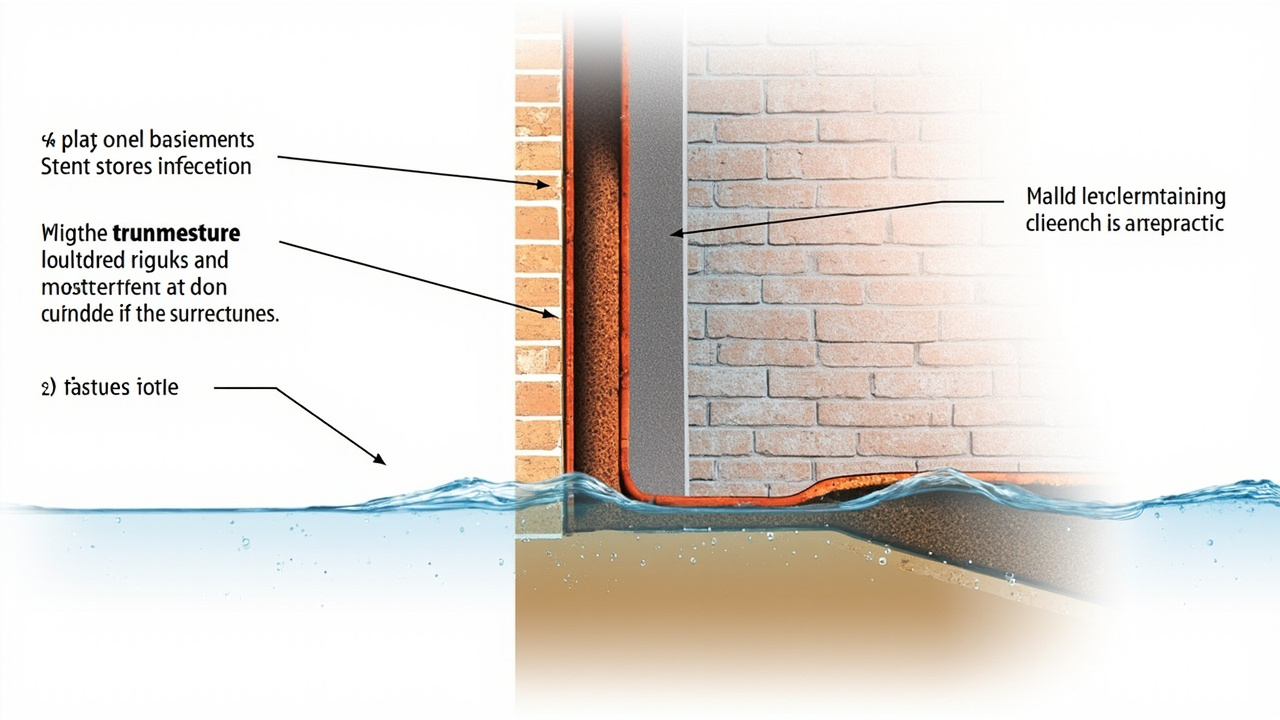
High Humidity and Mold Growth in Chicago Summers What Homeowners Need to Know Your basement…
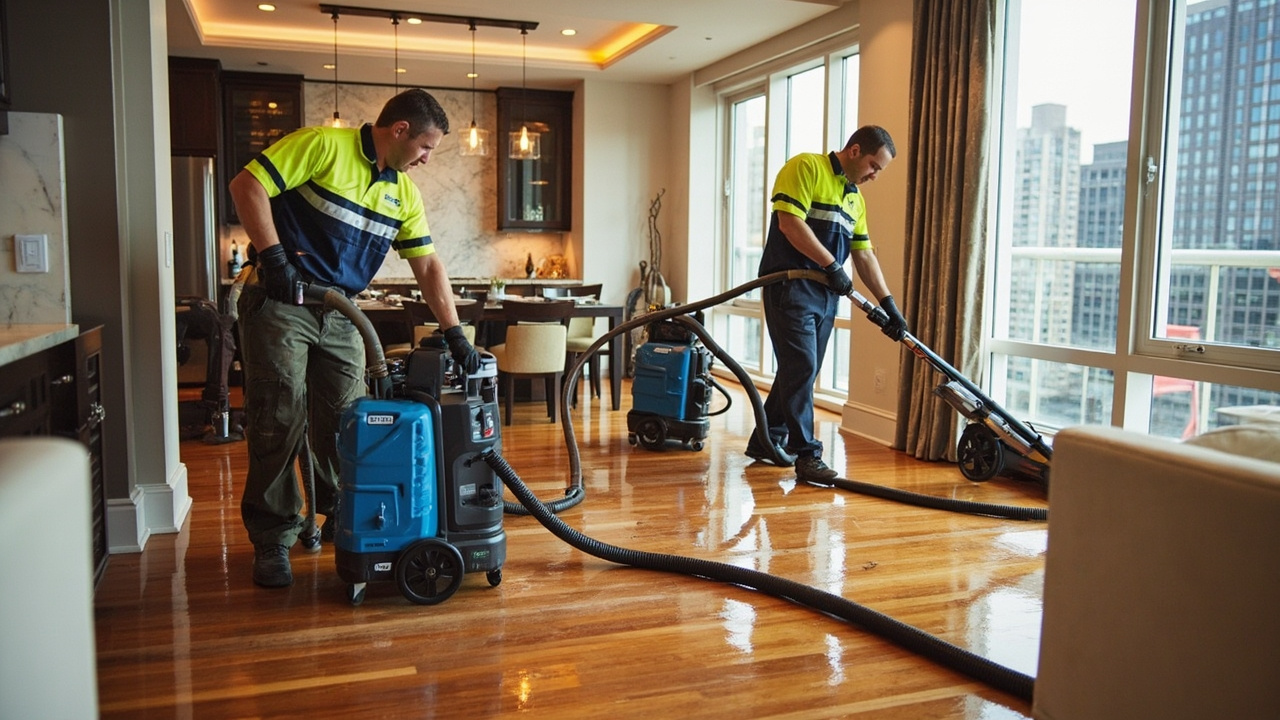
Luxury Home Water Damage Restoration in Chicago's Near North Side A burst pipe at 2…
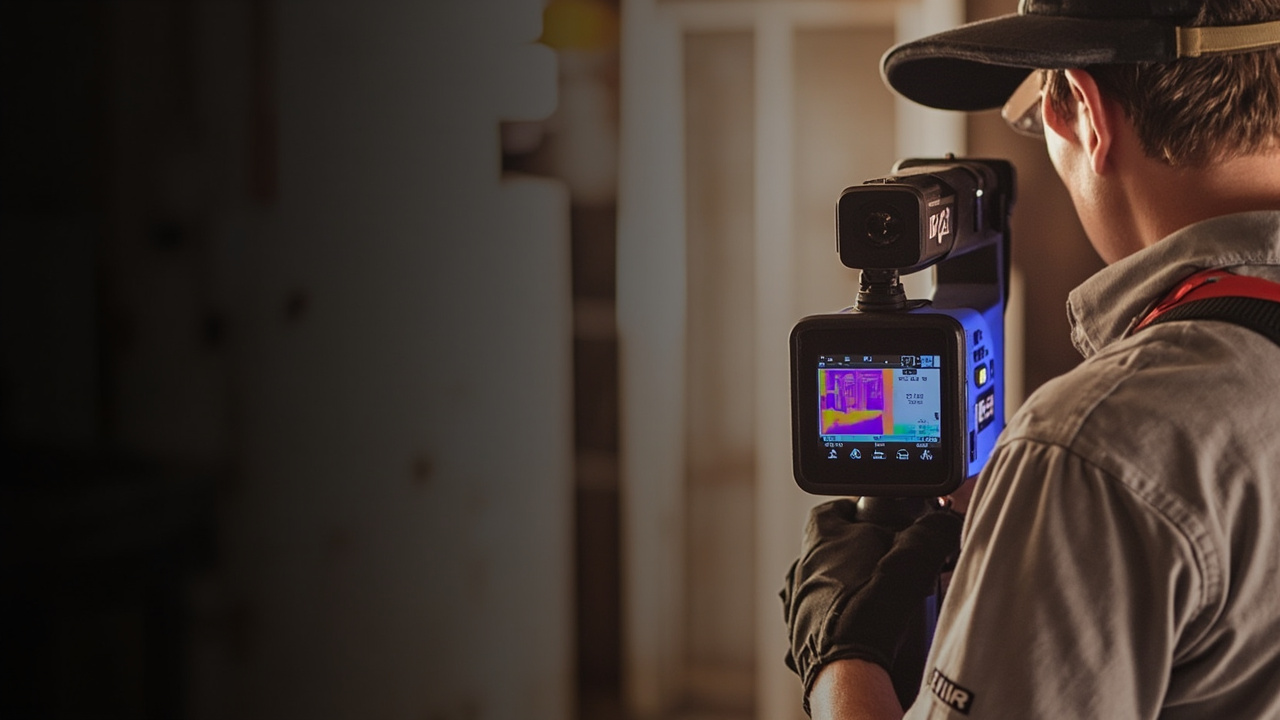
Expert Infrared Leak Detection in Chicago Homes and Businesses A hidden pipe leak can destroy…
Water damage gets worse every hour you wait. Our crews dispatch immediately to Evanston properties 24 hours a day. Call (872) 266-1616 right now to stop the damage and start drying your property. We'll handle your insurance company while you focus on getting your life back to normal.