





Elgin sits along the Fox River with variable soil conditions that shift between clay and sandy loam. This creates uneven settlement patterns that stress foundation walls and crack basement floors, creating entry points for groundwater intrusion. The region experiences rapid freeze-thaw cycles through winter that burst exterior hose bibs and main water lines. Spring storms dump heavy rainfall that overwhelms aging storm sewers in older neighborhoods like Downtown Elgin and Wing Park, backing water into finished basements.
Many Elgin homes were built between 1950 and 1980 with cast iron drain pipes that corrode from the inside, causing hidden leaks behind walls. The Fox River floods periodically during heavy spring runoff, threatening properties in low-lying areas near Festival Park and along the riverfront. Elgin's location in Kane County means properties must comply with specific building codes for water remediation and structural drying to pass final inspection after insurance claims. Commercial properties along Randall Road and Route 20 face additional risks from roof drainage failures during ice dam conditions.
Cornerstone Water Damage Restoration Chicago has restored hundreds of Elgin properties after floods, pipe failures, and storm damage. We understand how quickly mold grows in Illinois humidity and how water migrates through different foundation types common to Kane County construction. Our crews carry truck-mounted extraction units that remove standing water in minutes, not hours. We deploy air movers and dehumidifiers within the first response window to prevent secondary damage to drywall, insulation, and structural lumber.
We work directly with every major insurance carrier serving Elgin, handling documentation, moisture readings, and photo evidence that streamlines claim approval. Our estimators know exactly what adjusters need to see for contents restoration, structural repairs, and antimicrobial treatment. This eliminates the back-and-forth delays that leave families displaced longer than necessary.
Every Cornerstone technician holds IICRC certification in water damage restoration and applied structural drying. We follow EPA protocols for category 2 and category 3 water contamination, protecting your family from sewage exposure and bacterial hazards. Our thermal imaging cameras detect hidden moisture inside wall cavities and under flooring that basic meters miss. This prevents callback issues where mold appears months later because wet insulation was never identified during initial mitigation.
We staff 24-hour dispatch specifically for Elgin emergency response, not an answering service that forwards calls. When you dial our emergency line at 3 AM because your water heater failed, you reach someone who can route a crew to your address within the hour. We serve Elgin property owners with the same urgency we'd want for our own homes.

We coordinate directly with your insurance carrier from first contact through final invoice. Our estimators document damage with detailed photos, moisture maps, and industry-standard pricing software that adjusters approve without dispute. You never front the restoration cost or fight claim denials. We handle all paperwork so you focus on getting back to normal.

Every crew member completes Institute of Inspection Cleaning and Restoration Certification training in water damage restoration and applied structural drying. Our technicians understand psychrometrics, vapor pressure dynamics, and material-specific drying times. This certification ensures proper equipment placement, accurate moisture tracking, and complete remediation that prevents mold growth and structural failure.
We use FLIR thermal imaging cameras to identify water migration behind walls, under flooring, and inside ceiling cavities. This technology detects temperature differentials that indicate hidden moisture standard meters cannot locate. Finding all affected materials during initial assessment prevents secondary damage and eliminates the need for additional demolition weeks later when mold appears.
Our crews know Elgin neighborhoods, typical construction methods for different eras, and the fastest routes to reach your property during emergencies. We stock equipment locally and maintain relationships with Elgin plumbers, electricians, and contractors who can address underlying failures that caused the water intrusion. This local presence means faster response times and coordinated restoration.
Cornerstone handles every phase of water damage remediation from emergency extraction through final restoration and reconstruction. We respond to residential basement floods, commercial building failures, multi-unit apartment water intrusion, and storm damage across Elgin. Our services include water removal, structural drying, dehumidification, content pack-out and cleaning, antimicrobial treatment, demolition of unsalvageable materials, and full reconstruction.
We categorize water damage by contamination level following IICRC S500 standards. Category 1 clean water from supply line breaks requires different protocols than category 3 sewage backups that demand biohazard procedures. Our technicians assess the water source, affected materials, and contamination risk to build the appropriate remediation plan. We coordinate with licensed plumbers to repair source failures, electricians to restore power safely, and HVAC contractors when ductwork carries contaminated water to multiple rooms.
Every restoration project requires proper drying documentation to satisfy insurance requirements and prevent future liability. We track moisture levels daily using penetrating meters and non-invasive sensors, recording readings until all materials reach dry standard for Elgin's climate zone. This documentation proves complete remediation and protects property owners from denied claims or future mold litigation.
We deploy truck-mounted extractors and portable pumps within the first response hour to remove standing water from basements, crawl spaces, and flooded living areas. Our equipment pulls hundreds of gallons per minute, preventing water from wicking into walls and saturating subfloors. We extract water from carpeting, padding, and upholstery before permanent damage occurs. Fast extraction minimizes demolition costs and speeds the overall drying timeline. Our crews work through the night on large-scale flooding to protect structural integrity.
After water extraction, we position commercial air movers and refrigerant dehumidifiers to dry structural materials and prevent mold growth. Our equipment creates controlled airflow across wet surfaces while removing moisture from the air. We monitor temperature, relative humidity, and material moisture content daily, adjusting equipment placement based on drying progress. Proper structural drying takes 3-5 days minimum depending on materials affected. We dry framing lumber, drywall, insulation, subflooring, and concrete to manufacturer specifications before reconstruction begins.
We inventory and pack out furniture, electronics, documents, and personal belongings affected by water damage. Items move to our climate-controlled facility for specialized cleaning, drying, and deodorization. Our contents division uses ultrasonic cleaning for electronics, freeze-drying for documents, and ozone treatment for smoke odor from related fire damage. We photograph everything for insurance documentation and return restored items once reconstruction completes. This protects your belongings and clears the workspace for faster structural repairs.
Elgin property owners face water damage from multiple sources throughout the year. Winter brings frozen pipe failures when exterior walls lack proper insulation or when thermostats drop too low during vacations. Spring storms overwhelm gutters and foundation drainage systems, pooling water against basement walls until it finds cracks or window wells. Summer humidity creates condensation on cold water lines and AC equipment that drips into ceilings. Fall brings the final roof failures before winter as aging shingles lose granules and allow ice dam formation.
The Fox River creates additional flood risk during heavy rainfall periods when upstream communities experience runoff. Many Elgin neighborhoods built before modern drainage codes lack proper grading around foundations. Older homes in central Elgin often have combined storm and sanitary sewers that back up during heavy rain, pushing contaminated water into finished basements through floor drains. These problems require immediate response to prevent permanent damage and health hazards.
Frozen pipes burst without warning during cold snaps, releasing hundreds of gallons before the main valve gets shut off. Supply line failures behind washing machines, dishwashers, and refrigerators flood kitchens and leak into lower levels. Water travels through floor joists and wall cavities, damaging rooms far from the source. Quick extraction prevents subfloor saturation that requires expensive replacement.
Heavy rainfall saturates soil around foundations, creating hydrostatic pressure that forces water through floor cracks and wall penetrations. Sump pump failures during storms allow groundwater to rise into finished basements. Window wells fill with water during spring thaw and leak through aging seals. Basement flooding damages carpet, drywall, furniture, and stored belongings while creating mold conditions if not dried properly.
Storm sewer overflows back up through basement floor drains during heavy rain events, contaminating finished living spaces with category 3 water containing bacteria and sewage. This requires immediate extraction, antimicrobial treatment, and disposal of porous materials that absorbed contaminated water. Standard homeowner insurance often excludes sewer backup coverage, making quick mitigation essential to minimize out-of-pocket costs.
Ice dams form along roof edges when attic heat melts snow that refreezes at eaves, backing water under shingles into wall cavities and ceilings. Wind-driven rain finds failing flashing around chimneys and valleys. These leaks saturate insulation and drip into living spaces, staining ceilings and growing mold inside walls. Thermal imaging identifies hidden moisture before extensive damage develops.
When you call Cornerstone for water damage restoration in Elgin, we dispatch a crew immediately to assess the situation and begin emergency services. Our technicians arrive with extraction equipment, moisture meters, and thermal cameras to evaluate the full scope of damage. We walk you through the entire process, explain what needs to happen, and answer questions about insurance coverage and timeline.
Most water damage restoration projects take 5-7 days from initial extraction through final drying confirmation. Complex situations involving multiple floors, contaminated water, or extensive demolition take longer. We stay in constant communication throughout the project, providing daily moisture readings and progress updates. Our goal is restoring your property to pre-loss condition while minimizing disruption to your family or business operations.
We handle restoration with urgency but never rush the critical drying phase. Proper structural drying prevents mold growth that appears weeks later when projects dry too quickly or skip proper monitoring. You can expect professional service, transparent communication, and thorough documentation that satisfies insurance requirements and protects your long-term property value.
Our crews arrive within 60-90 minutes of your call to begin water extraction and damage evaluation. We locate the water source, shut off supply if needed, and assess category and class of water damage following IICRC standards. Technicians document all affected areas with photos and detailed notes for your insurance claim. We explain findings in plain language, outline the restoration plan, and answer your questions before beginning work. Emergency tarping or board-up services protect your property from additional weather damage or security issues.
Technicians visit daily to take moisture readings, adjust air movers and dehumidifiers, and track drying progress. We measure moisture in walls, floors, and ceilings using penetrating probes and non-invasive meters, recording data to document proper drying. Equipment placement changes as materials dry to focus airflow on remaining wet areas. You receive daily updates on progress and estimated completion. Our monitoring continues until all materials reach dry standard for your climate zone and building type.
Once all materials reach dry standard, we provide final documentation to your insurance company showing complete remediation. If reconstruction is needed, our licensed contractors handle drywall replacement, painting, flooring installation, and finish work to restore your property to pre-loss condition. We coordinate with your adjuster for supplemental estimates if hidden damage appears during demolition. Final walkthrough ensures you approve all work before we consider the project complete.
We follow IICRC S500 standards for water damage restoration on every project. This systematic approach ensures complete mitigation, proper documentation, and prevents secondary damage from incomplete drying or missed moisture.
You call our 24-hour emergency line at (872) 266-1616 and speak directly with dispatch, not an answering service. We gather information about the water source, affected areas, and any immediate safety concerns. A crew receives your address and begins driving to your Elgin property within minutes. We call en route to confirm arrival time and provide the technician's name. Emergency response starts the moment you hang up the phone.
Technicians extract standing water using truck-mounted equipment and portable pumps, removing hundreds of gallons quickly. We position air movers to create airflow across wet surfaces and deploy dehumidifiers to remove moisture from the air. Moisture meters identify all affected materials including hidden water inside walls and under flooring. This equipment runs continuously for 3-5 days minimum while we monitor progress daily and adjust placement based on drying readings.
We photograph all damage, record moisture readings throughout the drying process, and provide detailed documentation to your insurance carrier. Once materials reach dry standard, we remove equipment and coordinate reconstruction if needed. Our contractors handle demolition of unsalvageable materials, rebuild structural components, and complete finish work. You receive copies of all documentation and a final walkthrough confirms satisfaction before project closeout.
Professional water damage restoration follows standards established by the Institute of Inspection Cleaning and Restoration Certification through their S500 Standard and Reference Guide for Professional Water Damage Restoration. This document defines water categories, class of water damage, and proper procedures for assessment, extraction, drying, and documentation. IICRC certification requires technicians to understand psychrometrics, the science of air and moisture interaction that determines proper drying conditions.
Water damage falls into three categories based on contamination level. Category 1 involves clean water from supply lines, rain, or melting snow. Category 2 contains some contamination from washing machines, dishwashers, or toilet overflow without feces. Category 3 includes sewage, rising floodwater, or any water that contacted contaminated surfaces. Category determines which materials can be saved versus requiring disposal, and what safety protocols protect workers and occupants.
Class of water damage refers to evaporation rate based on materials affected. Class 1 involves minimal absorption in materials with slow evaporation rates. Class 2 affects walls and carpeting with moderate evaporation. Class 3 saturates ceilings, walls, insulation, and subflooring with fast evaporation needs. Class 4 involves specialty drying for hardwood, plaster, concrete, and stone that retain moisture longer. Proper classification determines equipment type, quantity, and drying duration.
Illinois requires proper licensing for reconstruction work following water damage mitigation. Cornerstone maintains all necessary permits and insurance to perform demolition, plumbing repairs, electrical work, and general contracting in Kane County. We follow local building codes for vapor barriers, insulation R-values, and proper ventilation when rebuilding finished spaces. This ensures your restored property meets code and maintains insurability.
The S500 standard establishes specific moisture content goals for different materials before considering them dry. Wood framing must reach 12-15% moisture content depending on climate zone. Concrete requires measurement at multiple depths since surface readings miss deeper saturation. Drywall, insulation, and subflooring each have material-specific dry standards. Meeting these benchmarks prevents mold growth and structural issues that appear when restoration companies remove equipment too early.
Restoration costs depend on water category, affected square footage, materials involved, and drying duration. Emergency extraction and initial equipment setup cost less than multi-day monitoring and reconstruction. Category 3 sewage cleanup requires disposal of all porous materials and antimicrobial treatment, increasing costs significantly. Most homeowner insurance policies cover sudden and accidental water damage after your deductible. We provide detailed estimates using industry-standard software that insurance adjusters recognize and approve.
Most water damage restoration takes 5-7 days from initial extraction through final drying confirmation. Small category 1 losses dry in 3-4 days. Large-scale flooding with category 3 water requires 7-10 days plus reconstruction time. We cannot speed structural drying beyond what psychrometric conditions allow without risking incomplete remediation. Materials dried too quickly trap moisture inside, causing mold growth and callbacks weeks later. Proper drying timelines protect your long-term property value.
Insurance carriers require specific documentation to approve water damage claims. This includes photos of all affected areas, detailed moisture maps showing readings throughout drying, itemized estimates using industry-standard pricing, and proof of proper mitigation following IICRC standards. We provide all required documentation in formats adjusters expect, preventing claim delays or denials. Our estimators communicate directly with adjusters to resolve questions and negotiate fair settlements.
This video explains the water damage restoration process for Elgin Illinois properties. Viewers learn about emergency response procedures, water extraction methods, structural drying timelines, and insurance documentation requirements. The video covers IICRC S500 standards, water damage categories, and proper mitigation protocols for basement flooding, burst pipes, and sewage backups common to Elgin homes and businesses.
Cornerstone Water Damage Restoration Chicago serves every neighborhood across Elgin with the same rapid emergency response and professional restoration standards. We respond to properties along the Fox River near Festival Park and the downtown historic district where older homes face foundation water intrusion during spring flooding. Our crews know the residential areas around Lords Park and Wing Park where 1960s construction methods used materials that retain water longer and require extended drying protocols.
We serve the northeast side neighborhoods near Bowes Creek Country Club where newer subdivisions experience supply line failures in first-floor utility rooms that leak into finished basements. The Highlands of Elgin development and surrounding areas built in the 1990s often have cast iron drain pipes reaching end of service life, creating hidden leaks behind walls that require thermal imaging to locate. We respond to commercial properties along Randall Road and the Route 20 corridor where roof drainage failures during ice dam conditions flood retail spaces and damage inventory.
South Elgin properties near the Kane County border face similar water damage risks from Fox River flooding and aging infrastructure. We serve Bartlett residents along the eastern boundary where storm sewer capacity struggles during heavy rainfall. Our coverage extends into Streamwood and Hanover Park where supply lines freeze in exterior walls during extended cold periods. Properties near Elgin O'Hare Expressway and I-90 receive the same hour response times as central Elgin addresses.
The northwest residential areas near the Elgin Country Club and Big Timber Road experience basement flooding when subdivision drainage overwhelms during spring thaw. We know these neighborhoods have varying soil types that affect foundation drainage and water migration patterns. Eastern Elgin properties near Route 25 and the Elgin Mental Health Center area face water intrusion from aging municipal infrastructure and high groundwater tables that require continuous sump pump operation.
Every Elgin neighborhood presents unique water damage challenges based on construction era, soil type, elevation, and proximity to the Fox River. Our technicians understand these local factors and adapt restoration protocols accordingly. We maintain equipment staging in the area to ensure fast response times regardless of your specific address within Elgin or surrounding Kane County communities.
Water damage restoration in Elgin involves removing water, drying affected areas, and repairing structural damage to your property. Professionals use specialized equipment like industrial pumps, dehumidifiers, and moisture meters to extract standing water and dry walls, floors, and ceilings. The process typically includes inspection, water removal, drying, cleaning, and restoration. Quick response matters because water spreads fast and causes mold growth within 24-48 hours. Most restoration projects take 3-7 days depending on damage severity. Your homeowners insurance often covers sudden water damage from burst pipes or appliance failures, but not flooding or neglect.
You should act within the first hour of water damage. Turn off your water supply if a pipe burst. Move furniture and valuables to dry areas. Remove standing water with towels or a wet vacuum if safe. Open windows for ventilation and turn on fans. Avoid walking through contaminated water from sewage or outdoors. Document everything with photos for insurance claims. Contact a restoration company immediately because waiting increases damage and repair needs. Remove wet carpet and padding when possible. Professional help prevents hidden moisture in walls and subfloors from causing long-term structural problems and mold growth.
Elgin homeowners face water damage from basement flooding during spring storms, frozen pipe bursts in winter, and Fox River overflow during heavy rainfall. Your sump pump needs regular testing because failures cause basement flooding. Check washing machine hoses every five years and replace them before they crack. Inspect your roof annually for missing shingles and damaged flashing. Clean gutters twice yearly to prevent overflow into your foundation. Water heaters last 8-12 years before they fail. Schedule professional inspections of your plumbing system every two years to catch small leaks before they become major problems.
Water damage restoration in Elgin involves removing water, drying affected areas, and repairing structural damage to your property. Professionals use specialized equipment like industrial pumps, dehumidifiers, and moisture meters to extract standing water and dry walls, floors, and ceilings. The process typically includes inspection, water removal, drying, cleaning, and restoration. Quick response matters because water spreads fast and causes mold growth within 24-48 hours. Most restoration projects take 3-7 days depending on damage severity. Your homeowners insurance often covers sudden water damage from burst pipes or appliance failures, but not flooding or neglect.
You should act within the first hour of water damage. Turn off your water supply if a pipe burst. Move furniture and valuables to dry areas. Remove standing water with towels or a wet vacuum if safe. Open windows for ventilation and turn on fans. Avoid walking through contaminated water from sewage or outdoors. Document everything with photos for insurance claims. Contact a restoration company immediately because waiting increases damage and repair needs. Remove wet carpet and padding when possible. Professional help prevents hidden moisture in walls and subfloors from causing long-term structural problems and mold growth.
Elgin homeowners face water damage from basement flooding during spring storms, frozen pipe bursts in winter, and Fox River overflow during heavy rainfall. Your sump pump needs regular testing because failures cause basement flooding. Check washing machine hoses every five years and replace them before they crack. Inspect your roof annually for missing shingles and damaged flashing. Clean gutters twice yearly to prevent overflow into your foundation. Water heaters last 8-12 years before they fail. Schedule professional inspections of your plumbing system every two years to catch small leaks before they become major problems.
Professional water damage restoration costs depend on water category, affected area size, and damage extent. Clean water from supply lines requires less work than sewage contamination. Small bathroom leaks affecting 100 square feet need minimal intervention. Whole basement flooding requires extensive equipment and labor. Insurance adjusters evaluate your claim based on damage photos, moisture readings, and repair estimates. You pay your deductible first, then insurance covers approved restoration work. Keep all receipts and documentation. Some companies work directly with insurance providers to streamline the claims process and reduce your out-of-pocket expenses.
Restoration equipment includes truck-mounted extractors for rapid water removal, commercial dehumidifiers to pull moisture from air, air movers to speed drying, and infrared cameras to find hidden water. Technicians use moisture meters to measure water content in walls and floors. HEPA air scrubbers remove airborne contaminants and prevent mold spores from spreading. Injection drying systems target water trapped inside walls without demolition. Submersible pumps handle large volumes in flooded basements. Professional-grade equipment works faster and more thoroughly than consumer rentals, reducing overall drying time from weeks to days and preventing secondary damage.
Mold grows within 24-48 hours after water damage in Elgin homes. You need professional mold remediation when you see visible growth or smell musty odors. Black, green, or white patches on walls, ceilings, or floors indicate active mold colonies. Water-damaged drywall and insulation often harbor hidden mold inside wall cavities. Professional restoration includes antimicrobial treatments to kill existing mold and prevent future growth. Technicians remove contaminated materials and treat affected surfaces. Complete drying prevents mold from returning. Your health depends on proper remediation because mold causes respiratory problems, allergies, and other health issues.
Water damage falls into three categories based on contamination level. Category 1 is clean water from supply lines, rain, or condensation. Category 2 is grey water from dishwashers, washing machines, or toilet tanks containing bacteria. Category 3 is black water from sewage, flooding, or standing water with harmful pathogens. Each category requires different safety protocols and cleaning methods. Black water needs complete removal of affected materials and thorough disinfection. Professionals wear protective equipment when handling contaminated water. Your safety requires professional help with Category 2 and 3 water damage.
Your insurance claim needs immediate documentation. Take photos and videos of all water damage before moving items. List damaged belongings with purchase dates and values when possible. Contact your insurance agent within 24 hours of discovering damage. Request a claims adjuster visit to assess damage. Get written estimates from restoration companies. Keep receipts for temporary repairs, hotel stays, and emergency services. Your policy covers sudden and accidental damage but excludes gradual deterioration and flood damage. Read your policy carefully to understand coverage limits and exclusions. File your claim promptly because delays complicate approval.
Structural drying requires monitoring moisture levels in building materials until they reach normal readings. Technicians check moisture daily using specialized meters. Wood framing should reach 15% moisture content or lower. Concrete and drywall need specific target levels based on material type. Proper drying prevents warping, swelling, and structural weakness. Insufficient drying causes paint to peel, floors to buckle, and walls to crack. Professional documentation shows insurance companies the drying progress and proves thorough restoration. Expect 3-5 days for minor damage and up to two weeks for extensive flooding affecting multiple rooms.
Prevention saves money and stress compared to restoration. Replace rubber washing machine hoses with braided stainless steel versions. Install water leak detectors near water heaters, under sinks, and by washing machines. Test your sump pump quarterly by pouring water into the pit. Insulate pipes in unheated areas to prevent freezing. Maintain proper grading around your foundation so water flows away from your home. Clean your gutters and downspouts seasonally. Inspect caulking around tubs and showers yearly. Replace it when cracked. Schedule annual plumbing inspections to catch small problems early.
Professional water damage restoration costs depend on water category, affected area size, and damage extent. Clean water from supply lines requires less work than sewage contamination. Small bathroom leaks affecting 100 square feet need minimal intervention. Whole basement flooding requires extensive equipment and labor. Insurance adjusters evaluate your claim based on damage photos, moisture readings, and repair estimates. You pay your deductible first, then insurance covers approved restoration work. Keep all receipts and documentation. Some companies work directly with insurance providers to streamline the claims process and reduce your out-of-pocket expenses.
Restoration equipment includes truck-mounted extractors for rapid water removal, commercial dehumidifiers to pull moisture from air, air movers to speed drying, and infrared cameras to find hidden water. Technicians use moisture meters to measure water content in walls and floors. HEPA air scrubbers remove airborne contaminants and prevent mold spores from spreading. Injection drying systems target water trapped inside walls without demolition. Submersible pumps handle large volumes in flooded basements. Professional-grade equipment works faster and more thoroughly than consumer rentals, reducing overall drying time from weeks to days and preventing secondary damage.
Mold grows within 24-48 hours after water damage in Elgin homes. You need professional mold remediation when you see visible growth or smell musty odors. Black, green, or white patches on walls, ceilings, or floors indicate active mold colonies. Water-damaged drywall and insulation often harbor hidden mold inside wall cavities. Professional restoration includes antimicrobial treatments to kill existing mold and prevent future growth. Technicians remove contaminated materials and treat affected surfaces. Complete drying prevents mold from returning. Your health depends on proper remediation because mold causes respiratory problems, allergies, and other health issues.
Water damage falls into three categories based on contamination level. Category 1 is clean water from supply lines, rain, or condensation. Category 2 is grey water from dishwashers, washing machines, or toilet tanks containing bacteria. Category 3 is black water from sewage, flooding, or standing water with harmful pathogens. Each category requires different safety protocols and cleaning methods. Black water needs complete removal of affected materials and thorough disinfection. Professionals wear protective equipment when handling contaminated water. Your safety requires professional help with Category 2 and 3 water damage.
Your insurance claim needs immediate documentation. Take photos and videos of all water damage before moving items. List damaged belongings with purchase dates and values when possible. Contact your insurance agent within 24 hours of discovering damage. Request a claims adjuster visit to assess damage. Get written estimates from restoration companies. Keep receipts for temporary repairs, hotel stays, and emergency services. Your policy covers sudden and accidental damage but excludes gradual deterioration and flood damage. Read your policy carefully to understand coverage limits and exclusions. File your claim promptly because delays complicate approval.
Structural drying requires monitoring moisture levels in building materials until they reach normal readings. Technicians check moisture daily using specialized meters. Wood framing should reach 15% moisture content or lower. Concrete and drywall need specific target levels based on material type. Proper drying prevents warping, swelling, and structural weakness. Insufficient drying causes paint to peel, floors to buckle, and walls to crack. Professional documentation shows insurance companies the drying progress and proves thorough restoration. Expect 3-5 days for minor damage and up to two weeks for extensive flooding affecting multiple rooms.
Prevention saves money and stress compared to restoration. Replace rubber washing machine hoses with braided stainless steel versions. Install water leak detectors near water heaters, under sinks, and by washing machines. Test your sump pump quarterly by pouring water into the pit. Insulate pipes in unheated areas to prevent freezing. Maintain proper grading around your foundation so water flows away from your home. Clean your gutters and downspouts seasonally. Inspect caulking around tubs and showers yearly. Replace it when cracked. Schedule annual plumbing inspections to catch small problems early.
Cornerstone proudly serves the entire Chicago area with fast, dependable water damage restoration services. Whether you’re located in downtown, the suburbs, or surrounding neighborhoods, we’re ready to respond to your call—day or night. Use the map below to see our local service coverage and find our nearest team. With mobile units throughout the city, help is never far away. If you’re facing water damage, reach out now and let us show you why homeowners and businesses choose Cornerstone.
Address:
Elgin, IL, 60120

Water Damaged Subfloor Repair in Chicago: When to Dry It Out vs. Replace It Your subfloor is failing. You noticed soft spots near the bathroom. The basement smells musty. Water sat under the kitchen for…
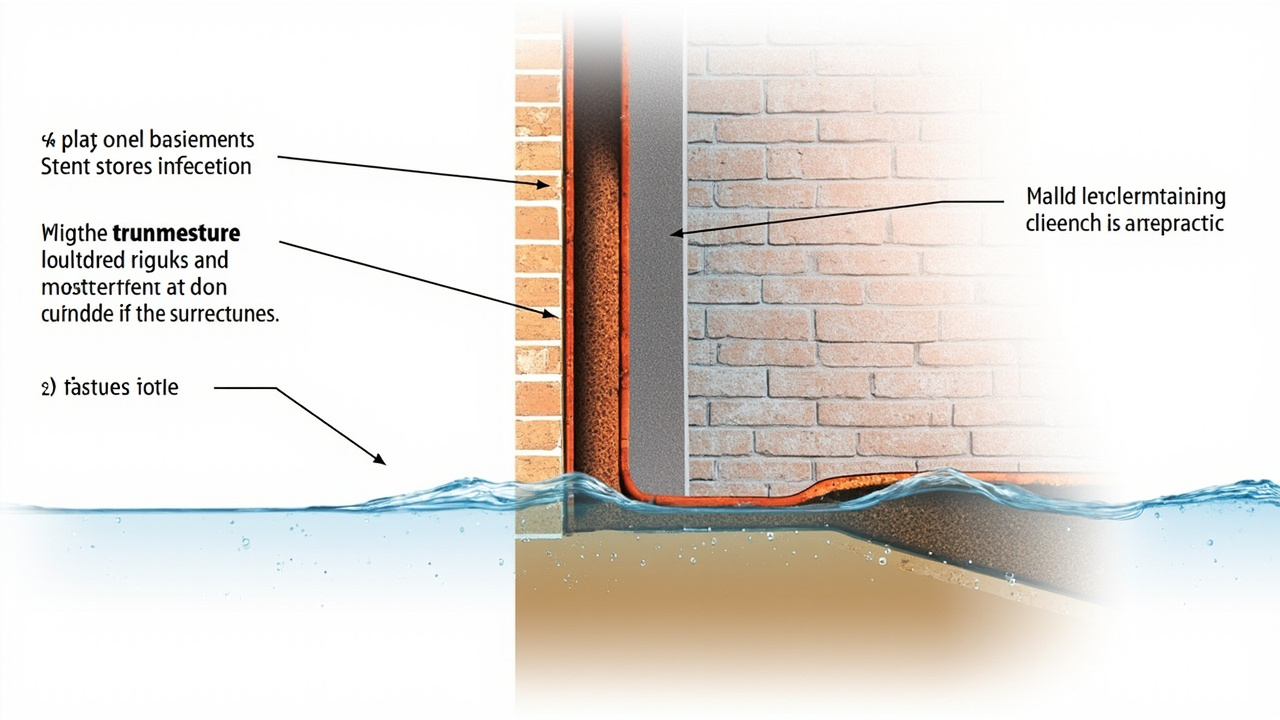
High Humidity and Mold Growth in Chicago Summers What Homeowners Need to Know Your basement…
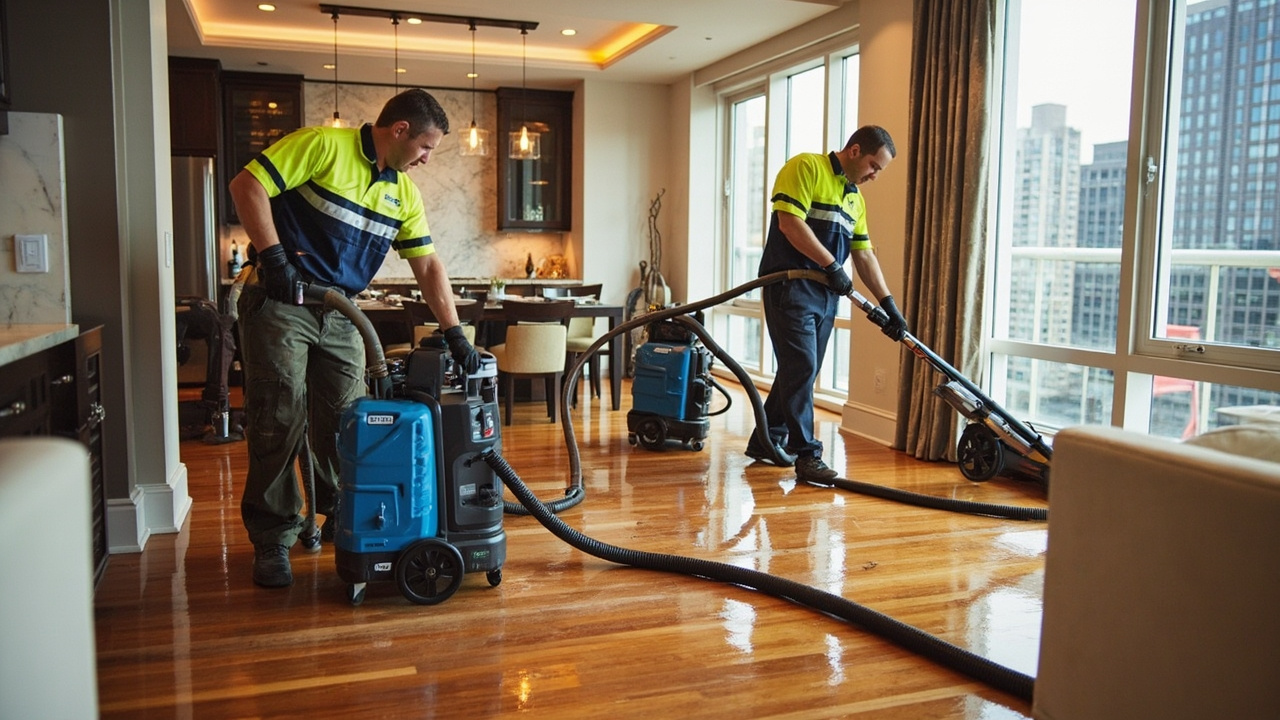
Luxury Home Water Damage Restoration in Chicago's Near North Side A burst pipe at 2…
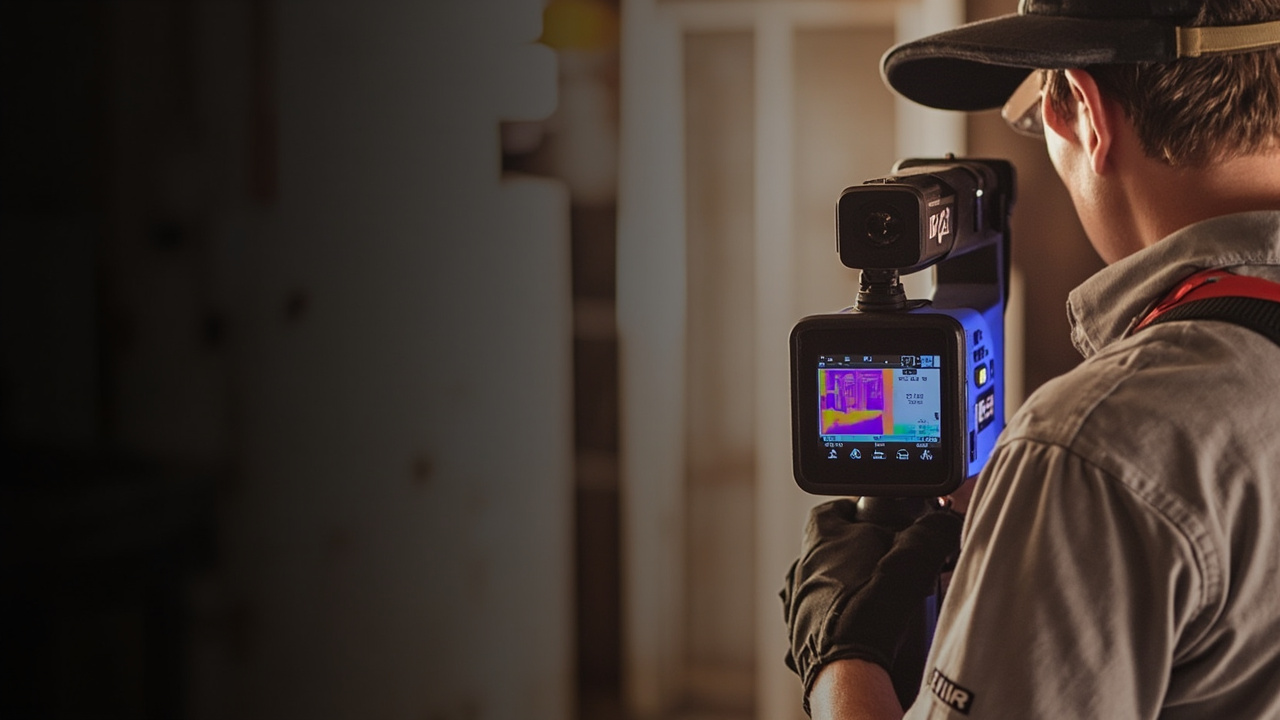
Expert Infrared Leak Detection in Chicago Homes and Businesses A hidden pipe leak can destroy…
Water damage spreads every minute you wait. Call Cornerstone Water Damage Restoration Chicago now at (872) 266-1616 for immediate dispatch. Our crews respond 24/7 across Elgin with extraction equipment and drying systems. We work directly with your insurance and restore your property fast.