



menu

Water Damage Restoration Cost 2026 in Chicago – Transparent Pricing Guides for Every Scenario

Get accurate water damage restoration cost estimates for Chicago homes and businesses, from basement flooding to pipe bursts, with detailed breakdowns of water mitigation cost estimates and restoration service rates

Slider Image 1
Slider Image 2
Slider Image 3
Slider Image 4
Slider Image 5
Slider Image 7
Slider Image 8
Slider Image 9
Slider Image 10
Slider Image 11

Why Water Damage Restoration Expenses Vary Across Chicago Properties

Chicago's freeze-thaw cycles hit harder than most homeowners expect. Temperatures swing from subzero winters to humid summers, causing foundation walls to shift, sump pumps to fail, and cast iron pipes to crack. When water damage hits your Lakeview condo or Bridgeport bungalow, the price to repair water damage depends on factors you cannot control and factors you can.

Average water damage cleanup pricing in Chicago ranges based on three variables: extent of intrusion, category of water, and structural materials affected. A burst supply line in a finished basement costs more than a leaking window well. Category 3 water from sewage backups (common in older neighborhoods with combined sewer systems) requires specialized remediation that doubles water restoration service rates compared to clean supply line breaks.

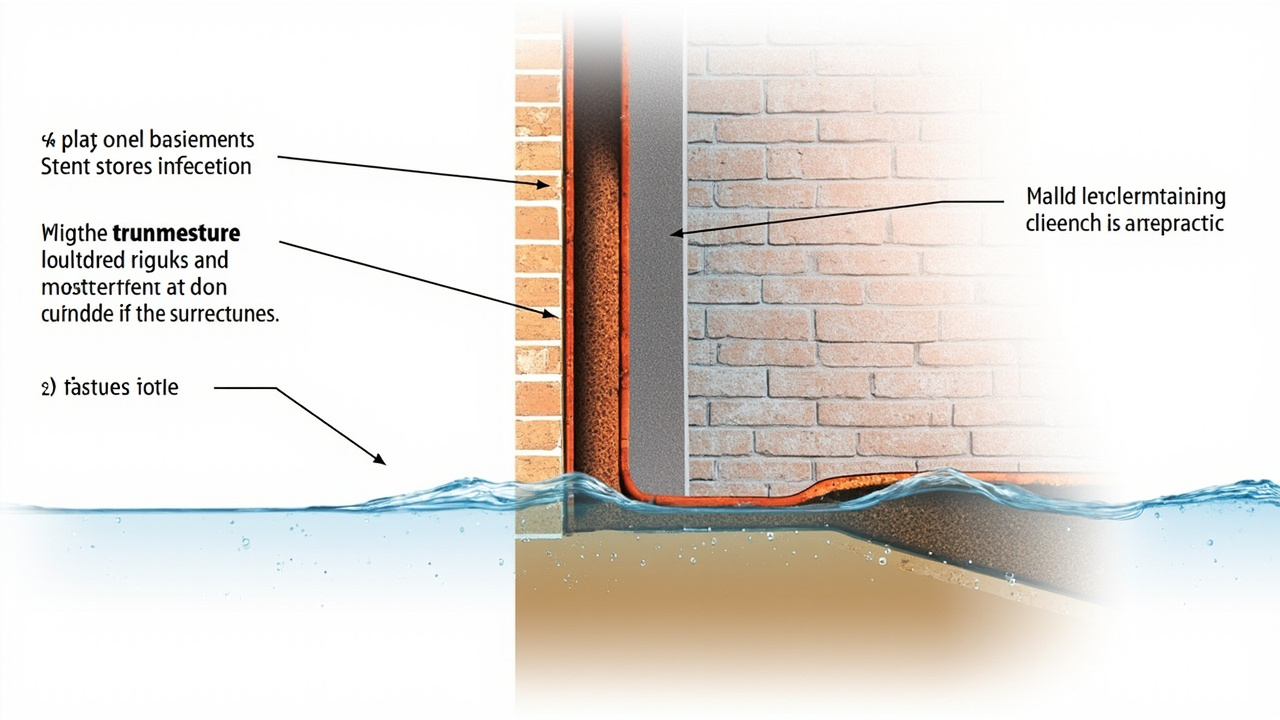
Chicago's clay soil compounds the problem. When groundwater saturates the dense blue clay common throughout Cook County, hydrostatic pressure forces water through basement walls and floor cracks. This creates chronic moisture intrusion that drives up water damage remediation expenses because it requires foundation waterproofing, not just surface drying.

Timing matters. Water damage that sits for 48 hours allows mold colonization, which shifts the project from simple extraction to full mold remediation. Water mitigation cost estimates increase when you delay the call. The difference between a quick response and a three-day wait can double your final invoice.

Most Chicago property owners underestimate how construction type affects pricing. Balloon-frame homes in Logan Square require different drying protocols than concrete high-rises downtown. Your property's age, building materials, and HVAC configuration all influence the water restoration service rates you will pay.

Why Water Damage Restoration Expenses Vary Across Chicago Properties
How Professional Water Damage Cost Assessments Work in Chicago

How Professional Water Damage Cost Assessments Work in Chicago

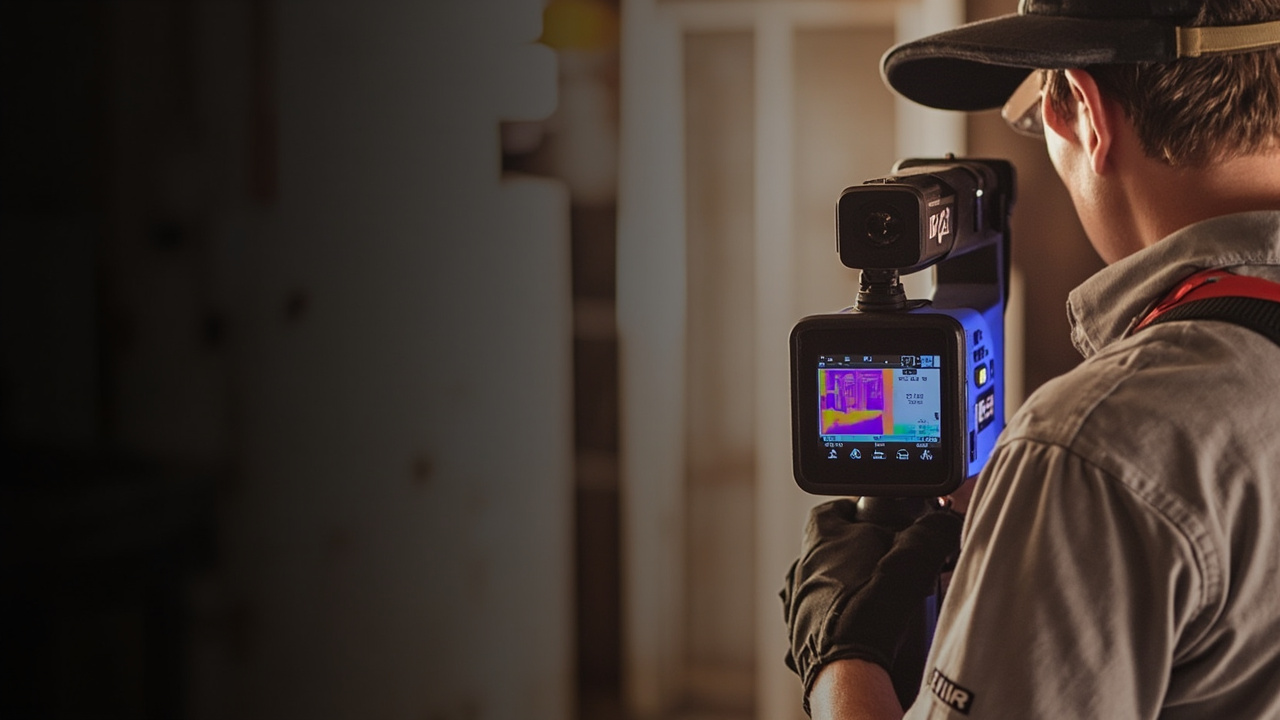
Accurate water damage restoration cost estimates start with moisture mapping using thermal imaging and penetrating moisture meters. We measure moisture content in framing lumber, drywall, and subfloors to create a psychrometric profile of your property. This data determines equipment needs and drying time, which directly affect your water mitigation cost estimates.

Category classification drives pricing structure. Category 1 water (clean supply lines) requires extraction and structural drying. Category 2 (washing machine overflows, toilet tank leaks) adds antimicrobial treatment. Category 3 (sewage backups, flooding from Chicago River overflow) mandates disposal of porous materials and intensive disinfection protocols. Each category jumps in average water damage cleanup pricing by 40 to 60 percent.

Affected square footage matters less than affected materials. Removing 200 square feet of ceramic tile costs less than removing 200 square feet of hardwood parquet common in Chicago Greystone buildings. Material disposal fees, specialty drying equipment, and reconstruction complexity determine the final price to repair water damage.

Structural drying uses scientific calculations, not guesswork. We measure grains per pound (GPP) in the air and compare it to material moisture content readings. Drying a 1,200-square-foot basement to equilibrium moisture content takes three to five days with proper airflow and dehumidification. Rushing the process causes secondary damage. Extending it wastes money.

Insurance variables affect your out-of-pocket water damage remediation expenses. Policies vary on depreciation schedules, coverage limits for below-grade spaces, and whether gradual damage qualifies. We document everything with photo evidence and moisture logs to support your claim. Proper documentation reduces claim denials by 70 percent and speeds reimbursement timelines.

What to Expect During Your Water Damage Cost Evaluation

Water Damage Restoration Cost 2026 in Chicago – Transparent Pricing Guides for Every Scenario
01

Initial Damage Assessment

We arrive within 90 minutes for Chicago properties, inspect all affected areas, and classify water category. Thermal imaging identifies hidden moisture in wall cavities and ceiling assemblies. You receive a verbal estimate range on-site based on visible damage, with written documentation following within four hours. This assessment determines equipment mobilization and helps you understand insurance deductible implications before work begins.
02

Detailed Scope Documentation

We create a room-by-room breakdown showing moisture readings, materials requiring removal, and equipment deployment plans. You receive line-item water restoration service rates covering extraction, drying, antimicrobial treatment, and reconstruction. We photograph and measure everything for insurance purposes. This documentation phase takes 60 to 90 minutes and provides the foundation for accurate water damage remediation expenses without surprise charges later.
03

Cost Adjustment and Finalization

We monitor moisture levels daily and adjust equipment as materials dry. If hidden damage appears during demolition (rotted sill plates, compromised joists), we document it immediately and provide supplemental estimates before proceeding. You approve all change orders in writing. Final invoicing matches the original scope unless you authorize additions. This transparency prevents billing disputes and keeps water mitigation cost estimates aligned with actual work performed.

Why Chicago Property Owners Trust Cornerstone for Cost Transparency

Chicago's water damage landscape demands local expertise. We understand how the city's aging infrastructure affects your property. Combined sewer systems in neighborhoods like Pilsen and Back of the Yards cause basement backups during heavy storms. We know which streets flood first when the Chicago River crests. This knowledge shapes realistic water damage restoration cost projections.

Building code familiarity matters when reconstruction begins. Chicago requires permits for structural drying that exceeds 48 hours in commercial buildings. We handle permit acquisition, inspections, and code compliance without delaying your project. Contractors unfamiliar with Chicago Department of Buildings requirements add weeks to timelines and thousands to water restoration service rates through permit delays and failed inspections.

Insurance claims processing in Cook County follows specific protocols. We work directly with adjusters from State Farm, Allstate, and other carriers with large Chicago portfolios. Our documentation standards match their requirements, which speeds claim approval and reduces disputes over average water damage cleanup pricing. We submit Xactimate estimates in the format adjusters expect, using Chicago-specific material and labor costs.

Material sourcing affects both cost and timeline. We stock equipment locally and maintain relationships with Chicago suppliers for faster material delivery. When your Lincoln Park condo needs custom millwork matching 1920s trim profiles, we know the craftsmen who can replicate it. This local network keeps water damage remediation expenses competitive without sacrificing quality.

We operate from Chicago, not a national call center routing you to subcontractors. You get the same technicians from assessment through final walkthrough. This continuity prevents miscommunication and ensures everyone understands your property's unique challenges. You are not explaining your situation to different people every day.

Breaking Down Water Damage Restoration Pricing Components

Emergency Response Timeline

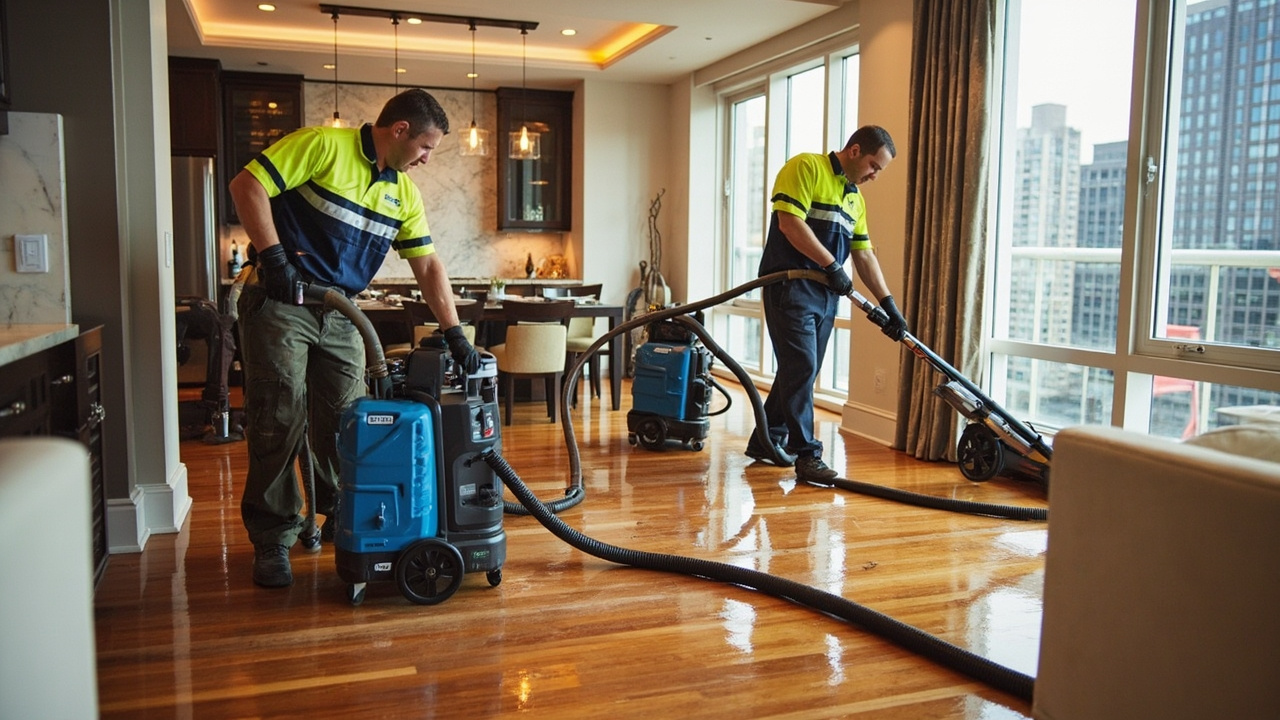
Emergency water extraction begins within 90 minutes for Chicago properties. Initial assessment and equipment deployment happen the same day, with structural drying starting within three hours of arrival. After-hours and weekend response carries no premium charges. We operate 24/7 because water damage does not wait for business hours. Faster response reduces secondary damage, which lowers your total water mitigation cost estimates by preventing mold growth and structural deterioration that develops after 48 hours of moisture exposure.

Comprehensive Damage Evaluation

Moisture assessment uses FLIR thermal cameras and Tramex moisture meters to map water intrusion through building assemblies. We test moisture content in framing, insulation, drywall, and flooring to create accurate drying protocols. You receive detailed photo documentation, moisture readings for every affected area, and psychrometric calculations showing required drying time. This evaluation determines whether materials need removal or can be dried in place, which significantly affects the price to repair water damage in your specific situation.

Quality Restoration Standards

Final moisture levels must reach equilibrium moisture content (EMC) before reconstruction begins. We dry structural materials to 12 to 15 percent moisture content for wood framing and below 1 percent for concrete slabs. Air quality testing confirms no mold spores exceed baseline levels. You receive verification reports showing final moisture readings and photographic proof of proper restoration. Quality protocols prevent callback issues that increase long-term water restoration service rates through repeated treatments.

Post-Restoration Monitoring

We provide 30-day moisture monitoring at no additional charge. Return visits at 10, 20, and 30 days confirm structural materials remain at proper moisture levels and no hidden moisture pockets escaped initial treatment. If readings spike, we investigate and address the source immediately. This monitoring catches foundation seepage, slow leaks, or inadequate ventilation before they cause new damage. Post-restoration support prevents future water damage remediation expenses by identifying problems during the warranty period.

Frequently Asked Questions

You Have Questions,
We Have Answers

How much does restoration cost for water damage? +

Water damage restoration costs in Chicago depend on the damage severity and affected area size. Minor leaks affecting one room typically run lower than flooded basements or multi-story damage. Your cost factors include water extraction, drying equipment, structural repairs, and potential mold remediation. Chicago properties face unique challenges from freeze-thaw cycles and aging infrastructure, which can complicate repairs. Most projects involve removing damaged materials, drying the structure completely, and rebuilding. Insurance often covers sudden damage like burst pipes, but gradual leaks may not qualify. Get a professional inspection first to understand your specific situation and coverage options.

Is water damage restoration worth it? +

Yes. Skipping professional restoration leads to expensive problems down the road. Water seeps into walls, subflooring, and insulation where you cannot see it. Within 48 hours, mold starts growing in Chicago's humid climate. Structural wood weakens, drywall crumbles, and electrical systems corrode. What seems like a small leak today becomes a major remediation project later. Professional restoration stops the damage spread, documents everything for insurance, and prevents secondary issues like mold or foundation problems. The upfront cost is far less than replacing rotted floor joists, remediating black mold, or dealing with health issues from prolonged exposure.

How to charge for water restoration? +

Restoration companies in Chicago charge based on damage class and category. Class 1 affects minimal area with low evaporation. Class 4 involves specialty materials like hardwood or stone requiring extended drying. Category 1 is clean water from supply lines. Category 3 is grossly contaminated sewage backup requiring hazmat protocols. Companies factor in equipment needs, labor hours, disposal costs, and material replacement. Many charge per square foot for extraction and drying, then separately for reconstruction. Emergency callouts outside business hours cost more. Reputable companies provide written estimates before starting work and itemize charges clearly for insurance documentation.

Is it expensive to fix water damage? +

It can be. Small leaks caught early cost less than extensive flooding. The damage type matters more than the water volume. Clean water from a supply line is cheaper to handle than sewage backup requiring contamination protocols. Chicago buildings with older plumbing or basement foundation issues often face higher costs due to access challenges and code compliance upgrades. Structural repairs, mold remediation, and specialty material restoration drive costs up. Time matters too. Water sitting for days causes exponentially more damage than immediate response. Insurance coverage varies widely based on your policy and damage cause, so review your specific situation carefully.

Is water damage in walls covered by insurance? +

It depends on the cause. Insurance typically covers sudden, accidental water damage like burst pipes, appliance malfunctions, or storm-related leaks through the roof. Gradual damage from long-term leaks, maintenance neglect, or foundation seepage usually does not qualify. Chicago policies vary on sewer backup and sump pump failure coverage, which require separate riders in many cases. Your adjuster will investigate the timeline and source. Document everything with photos and professional inspection reports. Hidden wall damage from a covered incident typically qualifies, but you must prove the damage resulted from a single event, not years of slow moisture intrusion.

Why is water damage so expensive? +

Water damage costs add up quickly because restoration requires specialized equipment, technical expertise, and speed. Industrial dehumidifiers, air movers, moisture meters, and thermal imaging cameras are expensive to operate. Technicians need training in building science, microbial growth, and structural drying. Chicago projects often involve navigating tight basement spaces in older homes or dealing with frozen pipe complications. Labor is intensive because crews work around the clock to prevent mold growth. Material disposal, contamination protocols for gray or black water, and reconstruction costs pile on. Insurance documentation and coordination add administrative overhead. Speed matters because delayed response creates exponentially more damage.

How long does water damage restoration take? +

Most water damage restoration in Chicago takes three to seven days for drying alone. Simple scenarios with minimal affected area dry faster. Extensive flooding, saturated hardwood floors, or thick plaster walls take longer. Chicago's climate impacts drying time, especially during humid summer months. Professionals monitor moisture levels daily using meters until readings reach acceptable thresholds. Reconstruction adds more time depending on scope. Replacing drywall and flooring might take a few days. Major structural repairs stretch into weeks. Mold remediation adds another layer of time. Emergency extraction happens within hours, but complete restoration from water intrusion to final rebuild often spans two to four weeks total.

Can mold come back after remediation? +

Mold can return if the moisture source is not eliminated completely. Professional remediation removes existing growth and treats affected areas, but mold spores exist everywhere naturally. If humidity stays above 60 percent or hidden leaks persist in walls or crawlspaces, conditions support new growth. Chicago basements face particular risk due to high groundwater tables and foundation moisture. Proper remediation includes fixing the water source, improving ventilation, and maintaining humidity below 50 percent. If the original company only cleaned visible mold without addressing structural moisture or improving drainage around your foundation, you face recurrence. Ongoing moisture control prevents regrowth better than treatment alone.

How much does it cost to remove moisture from walls? +

Moisture removal from walls costs vary based on wall construction and saturation depth. Surface moisture in drywall costs less than water trapped in plaster and lath walls common in older Chicago homes. Professionals use dehumidifiers, air movers, and sometimes inject drying equipment into wall cavities. Minor moisture affecting one wall section costs less than saturated walls throughout multiple rooms. If water reached insulation or exterior sheathing, removal and replacement become necessary. Structural drying alone is one expense. Rebuilding removed materials adds more. Containment barriers, antimicrobial treatment, and humidity monitoring increase costs. Most projects require professional equipment running continuously for several days to achieve complete drying.

What is the average water damage claim? +

Average water damage insurance claims in Chicago range widely based on damage extent and cause. Minor incidents like small appliance leaks result in lower claims. Major flooding from sewer backup, frozen pipe bursts, or storm damage creates substantially higher claims. Claims include emergency mitigation, structural drying, material replacement, and sometimes temporary housing costs. Chicago claims often involve basement flooding and foundation issues, which can be complex. Insurance adjusters evaluate coverage based on your policy limits, deductible, and damage cause. Many homeowners underestimate hidden damage behind walls or under flooring. Professional documentation and moisture mapping help justify claim amounts and ensure you receive appropriate coverage for complete restoration.

How Chicago's Infrastructure Age Affects Water Damage Restoration Pricing

Chicago's building stock predates modern waterproofing standards. Homes built before 1970 lack foundation drainage systems, use tar-based dampproofing instead of membrane waterproofing, and feature cast iron drain lines prone to corrosion failure. When these systems fail, water intrusion affects multiple building assemblies simultaneously. A single foundation crack can saturate rim joists, subfloors, and wall cavities. This complexity drives average water damage cleanup pricing higher in vintage Chicago properties compared to newer suburban construction with proper drainage and modern materials.

Cook County's strict restoration standards require licensed contractors for insurance claims exceeding deductible thresholds. Cornerstone Water Damage Restoration Chicago maintains full licensing, bonding, and insurance specific to water damage remediation in Illinois. We follow IICRC S500 standards for water damage restoration and document everything to Cook County code requirements. This compliance protects your insurance claim and ensures work meets city inspection standards. Choosing unlicensed contractors to reduce water mitigation cost estimates often results in claim denials and failed inspections that cost more to remedy than proper restoration.
Water Damage Restoration Services in The Chicago Area

Cornerstone proudly serves the entire Chicago area with fast, dependable water damage restoration services. Whether you’re located in downtown, the suburbs, or surrounding neighborhoods, we’re ready to respond to your call—day or night. Use the map below to see our local service coverage and find our nearest team. With mobile units throughout the city, help is never far away. If you’re facing water damage, reach out now and let us show you why homeowners and businesses choose Cornerstone.

Address:
Cornerstone Water Damage Restoration Chicago, 171 N Aberdeen St, Chicago, IL, 60607

Additional Services We Offer

Our news updates

Latest Articles & News from The Blogs

High Humidity and Mold Growth in Chicago Summers What Homeowners Need to Know Your basement smells musty. Your bathroom mirror…

Why high humidity in the Chicago summer makes water damage worse in Calumet Heights

High Humidity and Mold Growth in Chicago Summers What Homeowners Need to Know Your basement smells musty. Your bathroom mirror…

Managing water damage restoration in the high-end luxury builds of the Near North Side

Luxury Home Water Damage Restoration in Chicago's Near North Side A burst pipe at 2 AM in your Gold Coast…

How we use thermal imaging to find hidden leaks in West Ridge homes

Expert Infrared Leak Detection in Chicago Homes and Businesses A hidden pipe leak can destroy your property long before you…

Contact Us

Water damage costs increase with every hour of delay. Call Cornerstone Water Damage Restoration Chicago at (872) 266-1616 for immediate assessment and transparent pricing. We provide written estimates within four hours and start mitigation the same day.