





Champaign sits on Drummer silty clay loam soil that expands when wet and contracts when dry, creating hydrostatic pressure against basement foundations. This soil composition, combined with the Saline Branch and Copper Slough drainage system, makes properties near West Springfield Avenue and around Crystal Lake Park especially vulnerable to groundwater intrusion during spring thaw and summer storms. The region experiences rapid freeze-thaw cycles that crack pipe joints in older homes throughout the Garden Hills and Clark Park neighborhoods.
Champaign's housing stock includes many structures built before 1970 with cast iron drain lines that corrode from the inside out, causing sudden failures that flood finished basements. The flat prairie topography means poor surface drainage during heavy rainfall, and properties near Curtis Road and Kirby Avenue often see water pooling against foundations. Our crews respond to burst pipe emergencies across the University of Illinois campus area where aging infrastructure in historic buildings creates cascading water damage through multiple floors. The humid continental climate keeps relative humidity high enough that structural drying requires commercial dehumidifiers, not just fans and open windows.
When water floods your Champaign property, you need a restoration company that shows up with the right equipment and completes the job correctly the first time. Cornerstone Water Damage Restoration Chicago operates with IICRC-certified water damage restoration technicians who understand the difference between surface drying and structural drying. Our teams don't just extract standing water and leave. We use thermal imaging cameras to find trapped moisture inside wall cavities, under flooring, and within insulation that ordinary moisture meters miss.
We maintain relationships with insurance adjusters who serve Champaign County, which means faster claim approvals and fewer disputes over covered damages. Our technicians document every phase of water removal and structural drying with detailed photos and moisture readings that satisfy insurance requirements. We coordinate directly with Champaign building inspectors when restoration work requires permits for electrical, plumbing, or structural repairs.
Our response vehicles carry truck-mounted extraction units that remove water 10 times faster than portable shop vacuums. We deploy hydroxyl generators and negative air machines to prevent mold colonization during the critical 48-hour window after water exposure. Every job includes antimicrobial treatment of affected surfaces and confirmation testing with moisture meters before reconstruction begins. We serve Champaign properties with the same industrial-grade equipment and certified processes used for commercial water losses, not homeowner-grade fans and rental dehumidifiers. Your property is restored to pre-loss condition with verified dry readings and documentation that protects your investment.

Our water damage restoration crews hold Institute of Inspection Cleaning and Restoration Certification credentials in water damage restoration, applied structural drying, and odor control. This training means we follow ANSI/IICRC S500 standards for every Champaign job, ensuring proper moisture mapping, equipment placement, and drying verification that prevents mold growth and structural deterioration.

We document water damage losses with the detailed photos, moisture readings, and scope reports insurance adjusters require for claim approval. Our estimators use Xactimate software to create line-item estimates that match insurance company pricing, eliminating disputes and delays. We communicate directly with your adjuster throughout restoration to expedite payment and get your Champaign property restored faster.
Our trucks carry truck-mounted water extraction units with 200-inch lift capability that remove standing water from carpet, padding, and flooring in minutes, not hours. We deploy commercial air movers, LGR dehumidifiers, and negative air machines sized to your specific loss. Thermal imaging cameras locate hidden moisture inside walls and ceilings before it causes mold or rot.
We dispatch crews to Champaign water emergencies within 90 minutes, 24 hours a day. Our technicians know the soil conditions, drainage patterns, and common failure points in Garden Hills, Campustown, and West Champaign properties. Fast response stops secondary damage and reduces restoration costs by preventing mold colonization and structural deterioration from prolonged moisture exposure.
Water damage restoration requires more than extracting standing water and setting up fans. Cornerstone Water Damage Restoration Chicago provides complete water mitigation, structural drying, and reconstruction services that take your Champaign property from flooded to fully restored. Our IICRC-certified teams handle emergency water removal, apply antimicrobial treatments to prevent mold, verify complete drying with moisture meters, and rebuild damaged structures to match existing finishes.
We serve residential properties dealing with burst pipes, sewer backups, and appliance failures. Our commercial division handles large-loss water damage in Champaign businesses, apartment complexes, and university buildings where business interruption costs demand rapid restoration. Every project follows documented protocols for moisture mapping, equipment placement, and drying verification that satisfy insurance requirements and building codes. We coordinate subcontractors for electrical, plumbing, and HVAC repairs when water damage extends beyond structural restoration. Your property receives comprehensive water damage remediation from initial emergency response through final reconstruction and clearance testing.
Our 24-hour emergency response teams arrive at Champaign properties with truck-mounted extraction equipment that removes standing water from all flooring types. We extract water from carpet, padding, hardwood, tile, and concrete surfaces before it migrates to wall cavities and subfloors. Technicians salvage contents, move furniture to dry areas, and apply emergency board-up services when needed. Fast water removal during the first 48 hours prevents mold colonization and reduces structural damage that increases restoration costs.
We deploy commercial air movers, LGR dehumidifiers, and negative air machines calibrated to your property's specific moisture load and environmental conditions. Thermal imaging cameras locate hidden moisture inside drywall, insulation, and structural cavities that surface readings miss. Our technicians monitor moisture levels daily with penetrating and non-invasive meters, adjusting equipment placement until all materials reach verified dry standards. Structural drying prevents wood rot, metal corrosion, and mold growth that compromise building integrity and indoor air quality.
After structural drying verification, our licensed contractors rebuild water-damaged areas to match your existing finishes. We replace drywall, insulation, flooring, trim, and cabinets destroyed by water exposure. Our crews refinish hardwood floors, retexture walls, and match paint colors to blend repairs with undamaged areas. We coordinate with electricians and plumbers for fixture replacement and system repairs. Your Champaign property is restored to pre-loss condition with quality materials and skilled craftsmanship that passes final inspections.
Champaign properties face water damage risks that stem from local soil conditions, aging infrastructure, and climate patterns unique to east central Illinois. The expansive clay soil throughout Champaign County creates hydrostatic pressure against basement foundations during wet periods, forcing groundwater through foundation cracks and floor-wall joints. Spring snowmelt and summer thunderstorms overwhelm municipal storm sewers, causing backups through floor drains in older neighborhoods.
Many Champaign homes built before 1980 contain galvanized steel supply lines and cast iron drain pipes that corrode from the inside, failing without warning. The humid continental climate keeps indoor relative humidity levels high enough to slow natural evaporation, meaning water-damaged materials stay wet long enough for mold to colonize. Properties near the Saline Branch and areas with poor surface drainage experience chronic moisture problems that require professional water mitigation and structural drying to prevent ongoing damage.
Champaign's expansive clay soil pushes groundwater through basement foundation cracks, especially in older homes without proper exterior waterproofing. Spring thaw and heavy rainfall saturate the soil, creating hydrostatic pressure that forces water through floor-wall joints and foundation defects. Our teams extract standing water, dry structural materials, and coordinate with waterproofing contractors to prevent recurring seepage that damages finished basements and stored belongings.
Winter temperatures in Champaign drop below zero degrees multiple times each year, freezing water inside pipes that lack proper insulation. Copper supply lines in exterior walls and crawl spaces burst when ice expansion cracks the pipe wall, releasing hundreds of gallons before homeowners discover the leak. Our emergency crews extract water, remove saturated insulation and drywall, and dry wall cavities before mold colonizes.
Older Champaign neighborhoods have combined storm and sanitary sewers that overflow during heavy rainfall, pushing sewage back through floor drains and toilets. Tree root intrusion into aging clay sewer laterals blocks waste flow and causes backups. Our teams handle Category 3 water contamination with proper personal protective equipment, remove contaminated materials, apply EPA-registered disinfectants, and verify sanitary conditions before reconstruction begins.
Washing machine hoses, water heater connections, and refrigerator ice maker lines fail from age and constant water pressure, flooding laundry rooms and kitchens while homeowners are away. Braided stainless supply lines develop pinhole leaks that spray water for hours before discovery. We extract water from hardwood floors and subfloors, remove wet cabinets and drywall, and deploy drying equipment to prevent permanent damage to flooring and structural materials.
When water floods your Champaign property, you need immediate action and clear communication about what happens next. Cornerstone Water Damage Restoration Chicago follows documented emergency response protocols that stop damage progression, protect salvageable contents, and begin structural drying within hours of your call. Our dispatch center answers 24 hours a day and sends crews with extraction equipment ready to start water removal immediately upon arrival.
You receive a detailed assessment of damage severity, an explanation of required restoration steps, and a timeline for completion. Our technicians explain insurance claim procedures, document losses with photos and moisture readings, and coordinate directly with your insurance adjuster. We keep you informed through daily updates about drying progress and restoration milestones. Your Champaign property receives professional water damage mitigation that follows industry standards and satisfies insurance requirements.
Our dispatch center answers your emergency call within minutes and sends crews to your Champaign property within 90 minutes. Technicians arrive with truck-mounted extraction equipment, moisture meters, and thermal imaging cameras. We stop the water source if possible, extract standing water from all affected areas, and move contents to dry spaces. You receive an initial damage assessment and explanation of required restoration steps before we begin work. Emergency water removal starts immediately to minimize secondary damage.
Our estimators photograph all water damage, create detailed scope reports, and measure moisture levels in affected materials. We prepare Xactimate estimates that match insurance company pricing and include line items for water extraction, structural drying, antimicrobial treatment, demolition, and reconstruction. You receive copies of all documentation for your claim file. We communicate directly with your insurance adjuster to answer questions and expedite claim approval so restoration work proceeds without payment delays.
We monitor moisture levels daily with calibrated meters and adjust drying equipment until all materials reach verified dry readings. You receive a certificate of drying completion before reconstruction begins. Our licensed contractors replace damaged materials, match existing finishes, and complete repairs that pass building inspections. We coordinate final walkthrough inspections where you verify that work meets your expectations. Your Champaign property is restored to pre-loss condition with quality workmanship and materials.
We follow IICRC S500 standards for every water damage restoration project. This systematic approach ensures complete moisture removal, prevents mold growth, and restores your Champaign property correctly.
Our technicians arrive at your Champaign property with moisture meters and thermal imaging cameras. We identify the water source, classify the contamination level, and determine the extent of affected materials. You receive an explanation of required restoration steps and timeline. We document all damage with photos and moisture readings for insurance claims. Emergency water extraction begins immediately using truck-mounted equipment that removes standing water from carpets, padding, and hard surfaces before it migrates to subfloors and wall cavities.
We deploy commercial air movers, LGR dehumidifiers, and negative air machines calibrated to your property's moisture load. Technicians monitor drying progress daily with penetrating and non-invasive moisture meters. Thermal imaging locates hidden moisture inside wall cavities and ceiling spaces. We adjust equipment placement and dehumidification capacity based on daily readings. Antimicrobial treatment prevents mold colonization during the drying process. Structural materials reach verified dry standards before equipment removal and reconstruction begins.
After drying verification, our contractors remove damaged materials and rebuild affected areas to match existing finishes. We replace drywall, insulation, flooring, trim, and fixtures destroyed by water exposure. Licensed electricians and plumbers complete repairs to building systems. We coordinate final inspections with Champaign building officials when required. You receive photos of completed work and warranty documentation. Your property is restored to pre-loss condition and ready for full occupancy with no remaining moisture issues.
Professional water damage restoration follows ANSI/IICRC S500 standards that classify water contamination levels and determine proper remediation procedures. Category 1 water originates from sanitary sources like supply lines and poses no health risks. Category 2 water contains biological or chemical contamination from sources like washing machine discharge or toilet overflow with urine. Category 3 water is grossly contaminated from sewage backups, flooding from rivers or lakes, or any water that has contacted soil or waste materials. Each category requires different personal protective equipment, antimicrobial treatments, and material disposal procedures.
Water damage is also classified by the amount of moisture present and rate of evaporation. Class 1 losses affect less than 15% of the combined floor, wall, and ceiling surface area with minimal moisture absorption. Class 2 losses affect 15-40% of surface areas with significant moisture wicking up walls. Class 3 losses involve water from overhead sources that saturates walls, ceilings, insulation, and structural cavities. Class 4 losses involve specialty drying situations like hardwood floors, plaster, concrete, or stone that require extended drying time. Each class requires different equipment density and drying time to achieve proper results.
Psychrometric calculations determine the vapor pressure differential between saturated materials and surrounding air. Dehumidifiers remove moisture from the air, which creates a vapor pressure gradient that pulls moisture from wet materials through evaporation. Air movers increase surface evaporation rates by maintaining air movement across wet materials. The drying rate depends on temperature, relative humidity, air movement, and the porosity of affected materials. Dense materials like concrete and hardwood require longer drying time than porous materials like drywall and insulation. Thermal imaging cameras detect temperature differentials that indicate trapped moisture inside wall cavities and ceiling spaces where moisture meters cannot reach.
The ANSI/IICRC S500 Standard for Professional Water Damage Restoration defines proper procedures for water classification, moisture detection, equipment placement, and drying verification. Certified technicians use psychrometric calculations to determine required dehumidification capacity and air mover placement. We follow documented protocols for daily moisture monitoring and equipment adjustment until all materials reach verified dry readings that prevent mold growth and structural deterioration.
Restoration costs depend on water category, affected square footage, structural materials, and drying time. Category 3 sewage backups require containment barriers, antimicrobial treatments, and disposal of porous materials that increase mitigation costs. Hardwood floor drying requires specialty mat systems and extended drying time. Insurance policies cover sudden and accidental water damage like burst pipes but may exclude flooding from external sources or gradual seepage. Proper documentation and scope reports ensure full claim payment.
Most residential water damage projects reach verified dry readings within three to five days with proper equipment placement and capacity. Concrete subfloors, hardwood floors, and plaster walls require seven to ten days. High humidity weather extends drying time by reducing evaporation rates. We monitor moisture daily and adjust equipment until materials meet IICRC dry standards. Premature equipment removal before complete drying allows mold colonization and material deterioration that increases final restoration costs.
Illinois requires contractors performing restoration work over $5,000 to hold a Roofing and Restoration License through the Department of Public Health. Water damage restoration companies must carry general liability insurance and workers compensation coverage. IICRC certification demonstrates technical competence in water damage restoration procedures. Our licensed contractors comply with Champaign building codes for electrical, plumbing, and structural repairs that require permits and inspections.
This video explains professional water damage restoration procedures for Champaign, Illinois properties. Topics include emergency water extraction methods, structural drying requirements, IICRC restoration standards, insurance claim documentation, and common water damage causes specific to Champaign homes. Viewers learn about water damage classification, required drying equipment, moisture detection techniques, and expected restoration timelines. The video covers local factors including clay soil foundation risks, frozen pipe prevention, and basement seepage issues common to east central Illinois properties.
Cornerstone Water Damage Restoration Chicago serves residential and commercial properties throughout Champaign County with 24-hour emergency response. Our crews respond to water damage calls in the Campustown area near the University of Illinois campus, where aging infrastructure in historic buildings causes frequent plumbing failures. We serve properties throughout the Garden Hills neighborhood west of Prospect Avenue, where older homes with finished basements experience foundation seepage during spring thaw. Our technicians know the common water damage issues in Clark Park area properties near Kirby Avenue, where poor surface drainage causes water pooling against foundations during heavy rainfall.
We dispatch to water emergencies in the West Champaign community along Springfield Avenue, where many mid-century homes have cast iron drain lines prone to sudden failure. Properties near Crystal Lake Park face groundwater intrusion risks due to proximity to the Saline Branch and low-lying topography that collects runoff. Our response area includes the Prairie Green neighborhood in southwest Champaign, where newer construction standards improve water resistance but appliance failures and frozen pipes still cause significant damage. We serve commercial properties throughout the downtown Champaign business district on Neil Street and Randolph Street, where business interruption costs demand rapid water extraction and structural drying.
Our coverage extends to Savoy, Mahomet, and Tolono, where rural properties face unique challenges with well water systems and septic failures. We coordinate with insurance adjusters who serve all of Champaign County and understand local construction methods that affect restoration procedures. The flat prairie topography throughout the region creates drainage challenges during severe thunderstorms, and our crews respond to multiple properties during widespread storm events. We maintain relationships with Champaign building inspectors who approve our reconstruction work and verify code compliance. Our dispatch center coordinates crews across the greater Champaign-Urbana metro area for simultaneous emergency response to multiple water damage events.
Water damage restoration in Champaign typically takes 3 to 7 days for most residential projects. Minor incidents with limited water exposure finish in 2 to 3 days. Extensive flooding or sewage backup situations need 1 to 2 weeks. The timeline depends on the water category, affected area size, and structural damage severity. Drying alone requires 3 to 5 days with professional equipment. Mold remediation adds extra time. Your restoration team will assess your property and provide a specific timeline based on moisture readings and damage extent.
Most homeowners insurance policies cover sudden and accidental water damage in Champaign homes. Burst pipes, appliance malfunctions, and storm damage typically qualify for coverage. Flood damage requires separate flood insurance through NFIP or private insurers. Gradual damage from neglected maintenance gets denied. Your policy deductible applies before coverage starts. Read your policy carefully to understand exclusions and limits. Document everything with photos before restoration begins. File your claim immediately after discovering damage. Insurance adjusters need detailed records to process claims efficiently.
Water damage restoration expenses in Champaign vary widely based on damage severity and affected area size. Minor incidents involving one room fall at the lower end of the range. Whole-home flooding with structural damage sits at the higher end. Category 3 water requires more intensive cleaning and safety protocols. Multiple stories add complexity and expense. Your final total depends on water extraction needs, drying time, materials removed, and reconstruction required. Request detailed estimates from multiple local companies to compare pricing and services.
Water damage restoration in Champaign typically takes 3 to 7 days for most residential projects. Minor incidents with limited water exposure finish in 2 to 3 days. Extensive flooding or sewage backup situations need 1 to 2 weeks. The timeline depends on the water category, affected area size, and structural damage severity. Drying alone requires 3 to 5 days with professional equipment. Mold remediation adds extra time. Your restoration team will assess your property and provide a specific timeline based on moisture readings and damage extent.
Most homeowners insurance policies cover sudden and accidental water damage in Champaign homes. Burst pipes, appliance malfunctions, and storm damage typically qualify for coverage. Flood damage requires separate flood insurance through NFIP or private insurers. Gradual damage from neglected maintenance gets denied. Your policy deductible applies before coverage starts. Read your policy carefully to understand exclusions and limits. Document everything with photos before restoration begins. File your claim immediately after discovering damage. Insurance adjusters need detailed records to process claims efficiently.
Water damage restoration expenses in Champaign vary widely based on damage severity and affected area size. Minor incidents involving one room fall at the lower end of the range. Whole-home flooding with structural damage sits at the higher end. Category 3 water requires more intensive cleaning and safety protocols. Multiple stories add complexity and expense. Your final total depends on water extraction needs, drying time, materials removed, and reconstruction required. Request detailed estimates from multiple local companies to compare pricing and services.
Call a water damage restoration company in Champaign within 24 hours of discovering water damage. Water spreads quickly through building materials and causes progressive damage every hour. Mold growth starts within 24 to 48 hours in humid conditions. Immediate action prevents secondary damage and reduces restoration expenses. Turn off the water source if safe to do so. Move valuables to dry areas. Document damage with photos. Professional teams respond faster when you call early, often arriving within hours for emergency situations.
You might stay in your Champaign home during minor water damage restoration affecting one room. Extensive damage requiring whole-house drying equipment makes staying uncomfortable. Noise from industrial fans and dehumidifiers runs 24 hours daily. Category 3 water contamination requires temporary relocation for health and safety. Mold remediation needs containment barriers limiting home access. Your restoration team will assess your specific situation and recommend the safest option. Hotels or temporary housing become necessary when restoration affects bedrooms, kitchens, or bathrooms.
Water damage restoration companies in Champaign use industrial-grade moisture extraction and drying equipment. Truck-mounted extractors remove standing water quickly. Commercial air movers create high-velocity airflow for faster drying. Industrial dehumidifiers pull moisture from air and materials. Moisture meters and thermal imaging cameras detect hidden water pockets. Air scrubbers filter airborne contaminants during cleanup. Professionals use antimicrobial treatments on affected surfaces. Specialized pumps handle basement flooding. This professional equipment works faster and more thoroughly than consumer-grade tools available at rental stores.
Look for visible dark spots or fuzzy growth on walls, ceilings, and floors after water damage in Champaign. Musty odors indicate hidden mold in wall cavities or under flooring. Persistent respiratory symptoms, headaches, or allergic reactions suggest mold presence. Check behind furniture and inside cabinets near affected areas. Mold grows in damp, dark spaces within 24 to 48 hours. Professional inspections include air quality testing and moisture mapping. Address water damage immediately to prevent mold development. High humidity above 60% creates ideal mold conditions.
Most water damage restoration companies in Champaign work directly with homeowners insurance companies. They document damage with detailed photos and moisture readings for claims. Many offer direct billing services where they submit invoices to your insurer. Experienced teams understand insurance requirements and paperwork. They communicate with adjusters throughout the restoration process. This partnership speeds up approval and payment. You remain responsible for deductibles and any non-covered work. Ask restoration companies about their insurance experience before hiring. Direct insurance billing simplifies the claims process significantly.
Burst pipes during Champaign's cold winters cause frequent water damage in area homes. Frozen pipes expand and crack, releasing water when thawing. Washing machine hoses fail after years of use. Water heaters leak as they age. Basement flooding occurs during spring storms and heavy rainfall. Roof leaks develop from ice dams and wind damage. Sump pump failures during power outages lead to basement water accumulation. Toilet overflows and sewage backups create Category 3 water emergencies. Regular maintenance and winter preparation prevent many common water damage scenarios.
Choose a water damage restoration company in Champaign with IICRC certification and local experience. Check online reviews on Google and Better Business Bureau. Verify they offer 24-hour emergency response for urgent situations. Ask about their equipment quality and drying process. Request references from recent Champaign clients. Confirm they provide detailed written estimates before starting work. Select companies experienced with insurance claims if filing. Look for teams with moisture detection technology and thermal imaging. Local companies understand Champaign's specific challenges like basement flooding and winter pipe issues.
Call a water damage restoration company in Champaign within 24 hours of discovering water damage. Water spreads quickly through building materials and causes progressive damage every hour. Mold growth starts within 24 to 48 hours in humid conditions. Immediate action prevents secondary damage and reduces restoration expenses. Turn off the water source if safe to do so. Move valuables to dry areas. Document damage with photos. Professional teams respond faster when you call early, often arriving within hours for emergency situations.
You might stay in your Champaign home during minor water damage restoration affecting one room. Extensive damage requiring whole-house drying equipment makes staying uncomfortable. Noise from industrial fans and dehumidifiers runs 24 hours daily. Category 3 water contamination requires temporary relocation for health and safety. Mold remediation needs containment barriers limiting home access. Your restoration team will assess your specific situation and recommend the safest option. Hotels or temporary housing become necessary when restoration affects bedrooms, kitchens, or bathrooms.
Water damage restoration companies in Champaign use industrial-grade moisture extraction and drying equipment. Truck-mounted extractors remove standing water quickly. Commercial air movers create high-velocity airflow for faster drying. Industrial dehumidifiers pull moisture from air and materials. Moisture meters and thermal imaging cameras detect hidden water pockets. Air scrubbers filter airborne contaminants during cleanup. Professionals use antimicrobial treatments on affected surfaces. Specialized pumps handle basement flooding. This professional equipment works faster and more thoroughly than consumer-grade tools available at rental stores.
Look for visible dark spots or fuzzy growth on walls, ceilings, and floors after water damage in Champaign. Musty odors indicate hidden mold in wall cavities or under flooring. Persistent respiratory symptoms, headaches, or allergic reactions suggest mold presence. Check behind furniture and inside cabinets near affected areas. Mold grows in damp, dark spaces within 24 to 48 hours. Professional inspections include air quality testing and moisture mapping. Address water damage immediately to prevent mold development. High humidity above 60% creates ideal mold conditions.
Most water damage restoration companies in Champaign work directly with homeowners insurance companies. They document damage with detailed photos and moisture readings for claims. Many offer direct billing services where they submit invoices to your insurer. Experienced teams understand insurance requirements and paperwork. They communicate with adjusters throughout the restoration process. This partnership speeds up approval and payment. You remain responsible for deductibles and any non-covered work. Ask restoration companies about their insurance experience before hiring. Direct insurance billing simplifies the claims process significantly.
Burst pipes during Champaign's cold winters cause frequent water damage in area homes. Frozen pipes expand and crack, releasing water when thawing. Washing machine hoses fail after years of use. Water heaters leak as they age. Basement flooding occurs during spring storms and heavy rainfall. Roof leaks develop from ice dams and wind damage. Sump pump failures during power outages lead to basement water accumulation. Toilet overflows and sewage backups create Category 3 water emergencies. Regular maintenance and winter preparation prevent many common water damage scenarios.
Choose a water damage restoration company in Champaign with IICRC certification and local experience. Check online reviews on Google and Better Business Bureau. Verify they offer 24-hour emergency response for urgent situations. Ask about their equipment quality and drying process. Request references from recent Champaign clients. Confirm they provide detailed written estimates before starting work. Select companies experienced with insurance claims if filing. Look for teams with moisture detection technology and thermal imaging. Local companies understand Champaign's specific challenges like basement flooding and winter pipe issues.
Cornerstone proudly serves the entire Chicago area with fast, dependable water damage restoration services. Whether you’re located in downtown, the suburbs, or surrounding neighborhoods, we’re ready to respond to your call—day or night. Use the map below to see our local service coverage and find our nearest team. With mobile units throughout the city, help is never far away. If you’re facing water damage, reach out now and let us show you why homeowners and businesses choose Cornerstone.
Address:
Champaign, IL, 61801

Water Damaged Subfloor Repair in Chicago: When to Dry It Out vs. Replace It Your subfloor is failing. You noticed soft spots near the bathroom. The basement smells musty. Water sat under the kitchen for…
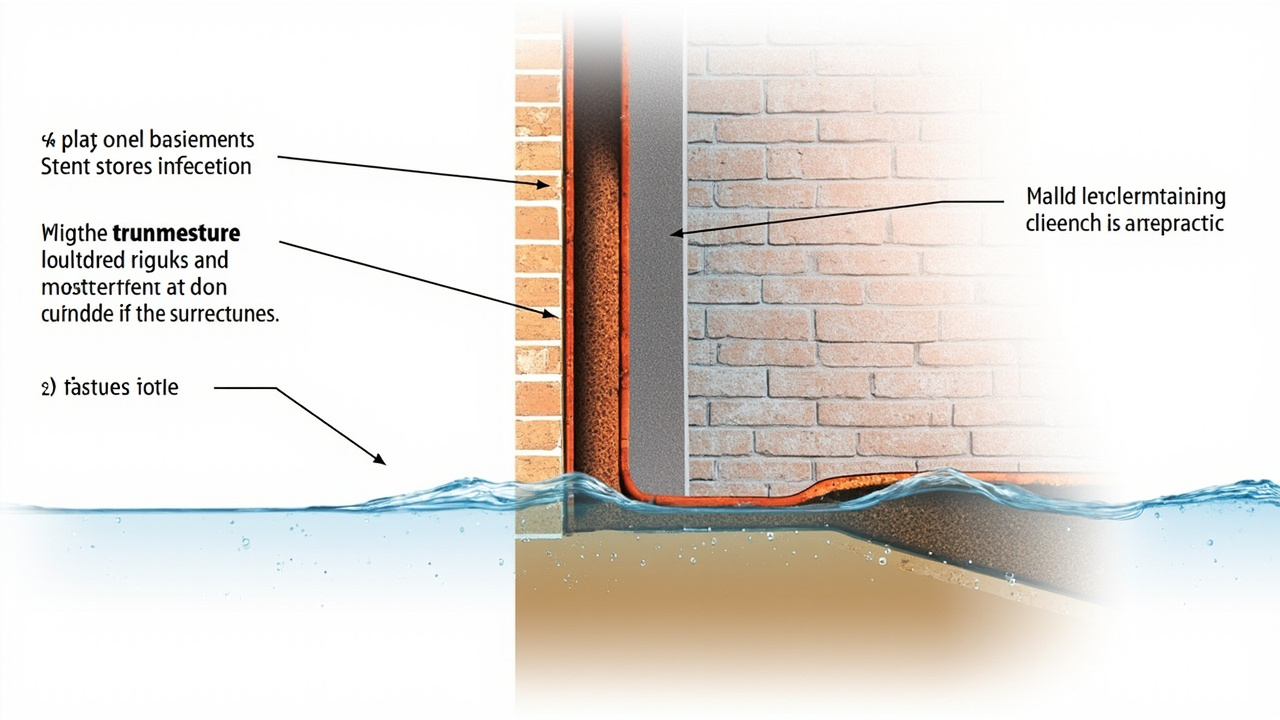
High Humidity and Mold Growth in Chicago Summers What Homeowners Need to Know Your basement…
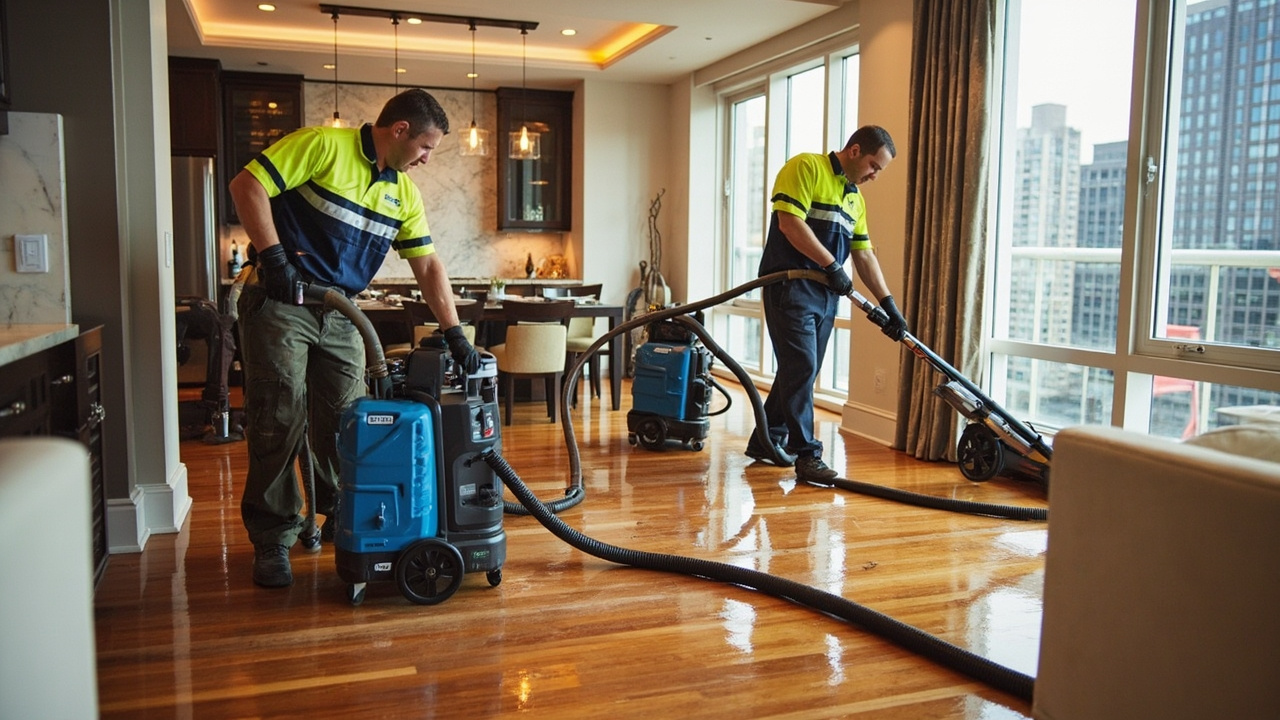
Luxury Home Water Damage Restoration in Chicago's Near North Side A burst pipe at 2…
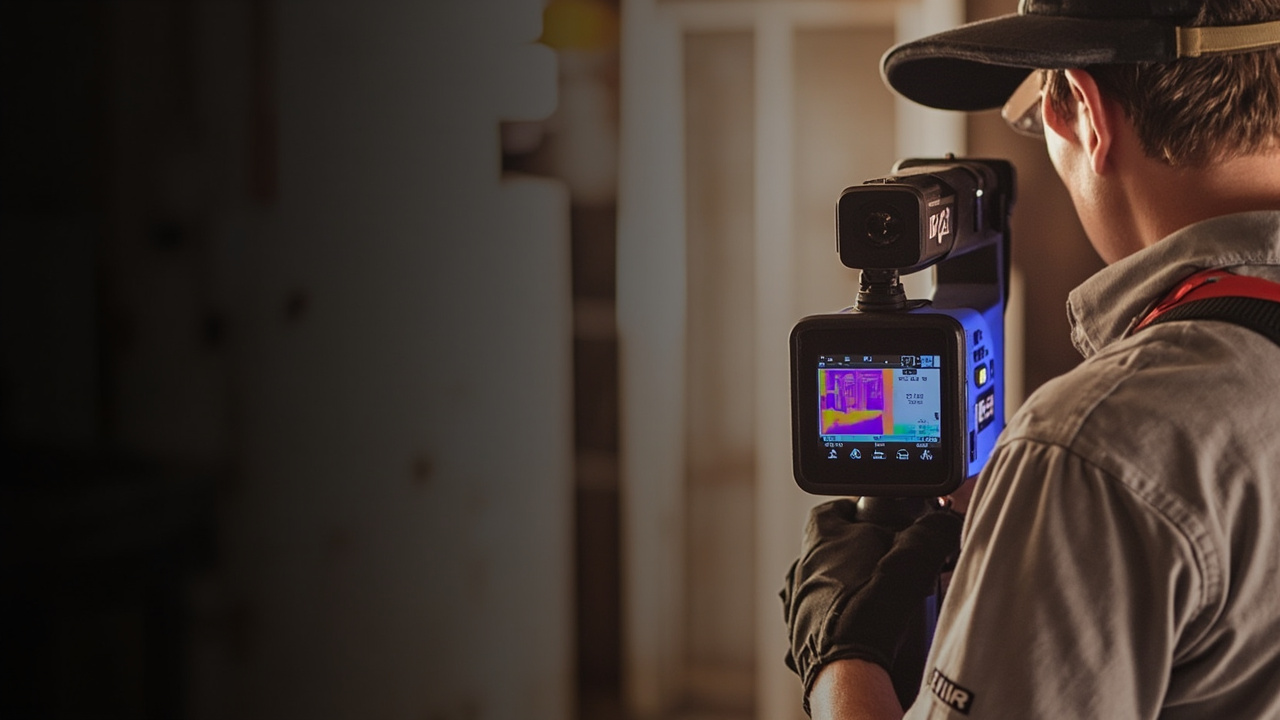
Expert Infrared Leak Detection in Chicago Homes and Businesses A hidden pipe leak can destroy…
Every minute counts when water floods your Champaign property. Call Cornerstone Water Damage Restoration Chicago now at (872) 266-1616 for immediate emergency dispatch. Our certified crews arrive within 90 minutes with extraction equipment ready to stop the damage and start restoration.