




Bolingbrook sits in a flood-prone zone where the DuPage River and tributaries create persistent moisture threats. The area's heavy clay soil prevents proper drainage, causing water to pool around foundations during Illinois's intense spring storms and summer flash floods. Properties near the Lily Cache Creek corridor face heightened risk during rapid snowmelt events that overwhelm municipal storm systems.
The village's mix of 1970s-era homes and newer construction creates varied vulnerability. Older properties near Canterbury Lakes and Kings Court often have outdated sump pump systems that fail during peak demand. Split-level homes common throughout Winston Knolls and Crossroads subdivisions trap water in lower levels where finished basements suffer extensive damage. The local clay soil expands when saturated, putting pressure on foundation walls and creating cracks that channel groundwater into living spaces.
Bolingbrook's position between I-55 and Route 53 means commercial properties face unique challenges. Flat commercial roofs accumulate water during heavy precipitation, while aging plumbing in retail centers along Weber Road creates frequent supply line failures. The village's rapid development outpaced infrastructure upgrades in some areas, leaving properties vulnerable to backup from overwhelmed sanitary systems during major weather events.
We operate dedicated response units positioned throughout the Southwest Chicago suburbs, putting certified technicians on Bolingbrook properties within one hour of your call. While other restoration companies dispatch from distant facilities, our local staging means faster water extraction and immediate damage mitigation. Speed determines whether you face a cleanup project or a complete reconstruction, and our proximity gives Bolingbrook property owners a measurable advantage.
Our technicians train specifically on the structural challenges common to Bolingbrook housing stock. We know how water behaves in the split-level designs popular throughout Foxfield and Hidden Lakes. We understand the foundation vulnerabilities in older Ranch-style homes near Clow Creek. This specialized knowledge means we find hidden moisture other companies miss, preventing the mold growth that appears weeks after seemingly complete drying.
We coordinate directly with the major insurance carriers covering Bolingbrook properties, handling documentation and ensuring full coverage. Our estimators use Xactimate software that insurers accept without dispute, eliminating the back-and-forth that delays repairs. We photograph damage progression, document moisture readings at multiple intervals, and provide the detailed reports adjusters require. You get faster claim approval and full restoration coverage.
Our IICRC-certified team follows strict protocols for water classification and structural drying. We deploy industrial-grade thermal imaging to detect moisture in wall cavities and ceiling assemblies. Air movers and commercial dehumidifiers run continuously, monitored with hygrometers that track drying progress. Every project follows documented procedures that protect your property value and prevent future problems.

Dedicated response units staged in the Southwest suburbs reach Bolingbrook properties within one hour. Our technicians arrive with truck-mounted extraction equipment and begin water removal immediately. Faster response means less damage, lower restoration costs, and quicker return to normal operations. We dispatch while other companies are still answering phones.

We handle all communication with insurance carriers using documentation they accept without question. Our estimators create detailed reports with moisture readings, thermal images, and loss calculations in formats adjusters require. You get full coverage without fighting for benefits. We turn complex claims into approved restoration projects while you focus on your family or business.
IICRC-certified technicians follow documented protocols for moisture detection and material drying. We use thermal imaging to find hidden water, then deploy industrial equipment monitored with precision instruments. Every project meets the strict standards that prevent mold growth and protect property value. Our methods eliminate moisture other companies leave behind.
We train specifically on the split-level designs, finished basements, and foundation types common throughout Bolingbrook subdivisions. Our teams know where water hides in local housing stock and how moisture behaves in structures built on clay soil. This specialized knowledge means complete drying and no surprise mold problems appearing weeks after restoration.
Water damage requires different approaches depending on source, contamination level, and affected materials. A clean water supply line failure needs different protocols than sewage backup or flood water intrusion. Cornerstone provides the full spectrum of water damage remediation services required for residential and commercial properties throughout Bolingbrook.
Our emergency response begins with rapid water extraction using truck-mounted pumps that remove thousands of gallons per hour. We then classify water based on contamination level and apply appropriate antimicrobial treatments. Structural drying follows strict IICRC protocols, with continuous monitoring until all building materials reach acceptable moisture levels. We handle everything from initial emergency response through final reconstruction.
Category 1 clean water events receive different treatment than Category 2 gray water or Category 3 black water contamination. Our technicians assess contamination levels, remove affected materials when necessary, and apply appropriate sanitization methods. We maintain containment barriers to prevent cross-contamination and protect unaffected areas. Complete water damage cleanup addresses both visible damage and hidden moisture that threatens structural integrity and indoor air quality.
Truck-mounted pumps and portable extractors remove standing water from flooded basements, saturated carpets, and pooled areas within minutes of arrival. We extract water from finished living spaces, crawlspaces, and commercial facilities using equipment designed for maximum speed. Our technicians assess water source and shut off supply lines when needed. We remove furniture to elevated areas, pull saturated carpet padding, and begin structural drying immediately. Fast water removal prevents secondary damage and reduces restoration costs.
Industrial air movers and commercial dehumidifiers run continuously to dry wood framing, drywall, insulation, and subflooring to acceptable moisture levels. We monitor progress with moisture meters and hygrometers, adjusting equipment placement based on readings. Thermal imaging detects hidden moisture in wall cavities and ceiling assemblies. Our drying protocols follow IICRC standards that prevent mold growth and structural damage. We dry buildings completely, not just surfaces.
Backup from sanitary lines requires specialized protocols to protect occupant health. We remove contaminated materials, apply EPA-registered antimicrobials, and sanitize affected areas following strict safety procedures. Technicians wear protective equipment and maintain containment barriers. We dispose of contaminated materials properly and test surfaces to verify successful sanitization. Black water events demand professional remediation to eliminate health risks and restore safe indoor environments.
Bolingbrook's location and housing characteristics create specific water damage vulnerabilities. The area's clay soil prevents water absorption, directing runoff toward foundations and creating hydrostatic pressure against basement walls. Spring storms dump heavy precipitation that overwhelms drainage systems, while winter freeze-thaw cycles burst pipes in older homes. Properties throughout the village face recurring threats that demand fast professional response.
Split-level homes popular in established neighborhoods trap water in lower levels where finished basements suffer extensive damage. Older sump pump systems fail during peak demand, allowing groundwater to flood finished living spaces. Commercial properties along major corridors face roof drainage failures and supply line breaks that threaten inventory and business operations. Understanding these local challenges helps property owners recognize when professional water damage restoration becomes necessary.
Homes throughout Bolingbrook depend on sump pumps to manage high water tables and clay soil drainage problems. When pumps fail during storms, groundwater floods finished basements rapidly. Older systems lack battery backup and fail during power outages that accompany severe weather. Annual testing and backup systems prevent flooding, but failed pumps require immediate professional water extraction.
Clay soil expands when saturated, putting pressure on foundation walls and creating cracks that channel water into living spaces. Older homes near Clow Creek and DuPage River corridors face heightened risk. Small cracks allow slow seepage that damages finished basements over time. Major events push large volumes through compromised foundations, requiring emergency water removal and structural assessment.
Aging copper and galvanized pipes in older Bolingbrook homes fail without warning, releasing hundreds of gallons into living spaces. Water heater failures flood basements and damage furnaces and electrical systems. Supply lines to refrigerators and washing machines crack and spray walls and floors. Clean water events still require professional drying to prevent mold growth in building materials.
Heavy spring rains and rapid snowmelt overwhelm municipal drainage systems, causing water to pool around foundations. Properties in low-lying areas near Lily Cache Creek face surface water intrusion during major weather events. Inadequate grading directs runoff toward homes instead of away. Flash flooding pushes contaminated water into finished basements, requiring professional remediation and sanitization.
Water damage creates stress and uncertainty. You need clear answers about what happens next, how long restoration takes, and what your property will look like when we finish. Cornerstone follows a structured response protocol that eliminates surprises and keeps you informed throughout the restoration process.
When you call our emergency line, you speak immediately with a restoration coordinator who gathers key information about your situation. We dispatch technicians while you're on the phone, with arrival typically within 60 minutes. Our team arrives with extraction equipment ready to work, not to provide estimates. We stop damage from spreading, then create a detailed scope of work for insurance approval.
You stay informed through every phase with daily updates and direct access to your project manager. We explain what we're doing and why, answer questions, and adjust schedules to minimize disruption. Our goal is complete restoration to pre-loss condition with clear communication and professional service that reduces stress during a difficult situation.
We dispatch certified technicians to your Bolingbrook property within minutes of your call, with typical arrival under one hour. Our team brings truck-mounted extraction equipment and begins water removal immediately. We stop the source, extract standing water, and start drying your property to prevent additional damage. You get emergency mitigation fast, not appointments scheduled days later. Our rapid response minimizes damage and reduces restoration costs.
Our estimators create detailed reports with moisture readings, thermal images, and material loss calculations in formats insurance adjusters accept. We coordinate directly with your carrier, providing documentation that supports full coverage. You avoid fighting for benefits or navigating complex claims processes. We handle insurance communication while you focus on your family or business. Most claims approve without dispute when properly documented from the start.
Your dedicated project manager contacts you daily with progress updates and moisture reading reports. We explain what we're doing, why specific steps are necessary, and how long each phase takes. You get direct phone access to ask questions and voice concerns. We adjust schedules to minimize disruption and coordinate reconstruction timing with your needs. Clear communication eliminates uncertainty and gives you control during a stressful situation.
We follow a structured three-phase approach that addresses emergency mitigation, complete structural drying, and final restoration. This systematic process ensures thorough moisture elimination and prevents problems that appear when restoration is rushed.
Technicians arrive with truck-mounted pumps and portable extractors to remove standing water immediately. We assess water category and contamination level, then extract from all affected areas. Furniture moves to protected areas, and saturated materials like carpet padding are removed. We photograph damage for insurance documentation and begin structural drying within the first hour. Fast extraction prevents secondary damage and reduces overall restoration time.
Industrial air movers and commercial dehumidifiers run continuously, positioned based on thermal imaging and moisture meter readings. We monitor progress daily, adjusting equipment placement to target hidden moisture in wall cavities and subflooring. Drying continues until all materials reach acceptable moisture levels verified by testing. This phase typically takes three to five days depending on saturation extent. Complete drying prevents mold growth and structural damage.
Once drying completes, our reconstruction team replaces damaged materials and restores your property to pre-loss condition. We install new drywall, flooring, trim, and paint to match existing finishes. Reconstruction follows insurance-approved scopes of work with no surprise costs. You get a fully restored property that shows no evidence of water damage. Final walkthrough ensures your complete satisfaction before project closeout.
Professional water damage restoration in Illinois follows strict technical standards established by the Institute of Inspection, Cleaning and Restoration Certification. These protocols protect property owners by ensuring thorough moisture elimination and proper handling of contaminated materials. Understanding these standards helps Bolingbrook property owners verify they're receiving professional service.
The IICRC S500 Standard guides all water damage restoration work, establishing specific requirements for moisture detection, structural drying, and antimicrobial treatment. Water classification determines appropriate response protocols. Category 1 clean water from supply lines requires extraction and drying. Category 2 gray water containing contaminants demands additional sanitization. Category 3 black water from sewage or flooding requires complete removal of affected porous materials and comprehensive antimicrobial treatment.
Illinois contractors must carry proper licensing and insurance to perform water damage work. The state requires restoration companies to maintain general liability coverage and workers compensation insurance. Technicians should hold IICRC certifications in Water Damage Restoration and Applied Structural Drying. These certifications verify training in moisture detection equipment, psychrometry, and structural drying principles.
Material moisture content determines when drying is complete. The IICRC establishes specific moisture levels for different building materials. Wood framing must reach 15 percent moisture content or less. Concrete and masonry require different standards based on thickness and density. Professional-grade moisture meters verify these readings, with documentation required for insurance claims. Thermal imaging cameras detect hidden moisture in wall cavities and ceiling assemblies that visual inspection misses.
Insurance claims in Illinois must follow specific documentation requirements. Xactimate estimating software provides the industry standard format that carriers accept. Detailed moisture maps show affected areas and track drying progress. Photo documentation captures damage at discovery and throughout restoration phases. This thorough documentation protects property owners by supporting full coverage claims and preventing disputes over scope of work.
Professional water damage technicians must hold IICRC Water Damage Restoration and Applied Structural Drying certifications. These credentials verify training in moisture detection, psychrometry, and proper drying techniques. Certification requires passing comprehensive examinations covering water science, building materials, and restoration protocols. Insurance carriers require IICRC-certified technicians to approve claims. Always verify certification before hiring restoration contractors.
Water damage restoration costs depend on water category, affected area size, and material damage extent. Clean water events cost less than contaminated water requiring disposal and sanitization. Hardwood floors and finished basements increase costs compared to concrete basements. Restoration expenses include emergency water extraction, structural drying equipment rental, antimicrobial treatment, and final reconstruction. Insurance typically covers necessary restoration when properly documented.
Emergency water extraction begins within hours of your call. Structural drying requires three to five days for most residential water damage, longer for severe saturation or contaminated water events. Reconstruction follows once drying completes, typically taking one to three weeks depending on damage extent. Weather affects drying time, with high humidity slowing moisture evaporation. Complete restoration from initial water damage to final reconstruction averages two to four weeks.
Water damage restoration contractors in Illinois must maintain proper business licenses, general liability insurance, and workers compensation coverage. The state requires contractors to carry minimum insurance limits to protect property owners. Verify licensing status and insurance certificates before allowing work to begin. Unlicensed contractors create liability exposure and insurance companies may deny claims for work performed by uninsured providers.
This video explains professional water damage restoration services for Bolingbrook Illinois properties. Topics include emergency water extraction, structural drying protocols, insurance coordination, and common water damage causes affecting local homes and businesses. Viewers learn about IICRC restoration standards, typical project timelines, and what to expect when calling for emergency service. The video covers water damage vulnerabilities specific to Bolingbrook's housing stock and clay soil conditions.
Cornerstone Water Damage Restoration Chicago serves residential and commercial properties throughout Bolingbrook and surrounding Will County communities. Our response units reach properties near the Promenade shopping district within minutes, providing the same rapid service to homes in established neighborhoods like Winston Knolls, Lexington Square, and Remington Lakes.
Properties along the Route 53 corridor and near I-55 face unique water damage risks from aging commercial infrastructure. We respond to retail centers, office buildings, and industrial facilities throughout the Weber Road commercial district. Our technicians know the construction types common to Bolingbrook's commercial properties and bring equipment sized for large-scale water extraction and structural drying.
Residential properties near the Lily Cache Creek corridor and DuPage River tributaries face heightened flood risk during spring storms and rapid snowmelt events. Homes in Canterbury Lakes, Ashbury subdivision, and Kings Court experience basement flooding when municipal systems overwhelm. Our local knowledge helps us respond efficiently to these recurring problem areas.
The village's older sections near downtown Bolingbrook feature 1970s-era Ranch and split-level homes with finished basements vulnerable to foundation seepage. Properties in Indian Oaks, Woodcreek, and Ridgewood subdivisions often have aging sump pump systems that fail during peak demand. We understand the specific vulnerabilities in Bolingbrook's varied housing stock and adjust restoration approaches accordingly.
New construction areas near Route 126 and Boughton Road feature modern building methods but still face water damage from supply line failures and appliance leaks. Townhomes and condominiums in these developing areas require careful moisture detection to prevent damage spreading between units. We coordinate with property management companies and homeowner associations to minimize disruption during restoration.
Our service area extends to neighboring communities including Romeoville, Woodridge, Plainfield, and Naperville. Property owners throughout the Southwest Chicago suburbs trust Cornerstone for emergency water damage response and complete restoration services.
Water damage restoration costs in Bolingbrook typically range from a few hundred dollars for minor leaks to several thousand for major flooding. The price depends on the water category (clean, gray, or black water), affected square footage, and structural damage. A basement flood from heavy rainfall will cost more than a small toilet overflow. Insurance often covers sudden damage, which reduces your out-of-pocket expense. Get a professional inspection first. Technicians assess moisture levels, identify hidden damage behind walls, and provide detailed estimates. Delaying restoration increases costs because mold growth and structural deterioration worsen over time.
Yes. Professional water damage restoration prevents long-term problems that cost far more than the initial service. Water seeps into subflooring, drywall, and insulation, creating conditions for mold growth within 24 to 48 hours. In Bolingbrook, where humidity levels fluctuate seasonally, moisture trapped in building materials leads to rot, weakened framing, and health hazards. DIY drying misses hidden moisture pockets that professionals detect with thermal imaging and moisture meters. Restoration protects your property value, prevents insurance claim denials due to neglect, and stops secondary damage. The investment pays off by avoiding total replacements and medical bills from mold exposure.
Minor water damage repairs take one to three days. Major restoration projects in Bolingbrook homes can take one to two weeks, depending on the extent of structural damage and drying time required. Flooded basements need longer because concrete absorbs water slowly. Drywall replacement, flooring installation, and final dehumidification extend timelines. If mold remediation becomes necessary, add several more days. Weather impacts drying speed. High humidity slows evaporation, while forced air systems and commercial dehumidifiers speed the process. Technicians monitor moisture levels daily until readings meet industry standards. Rushing compromises results and creates future problems.
Water damage restoration costs in Bolingbrook typically range from a few hundred dollars for minor leaks to several thousand for major flooding. The price depends on the water category (clean, gray, or black water), affected square footage, and structural damage. A basement flood from heavy rainfall will cost more than a small toilet overflow. Insurance often covers sudden damage, which reduces your out-of-pocket expense. Get a professional inspection first. Technicians assess moisture levels, identify hidden damage behind walls, and provide detailed estimates. Delaying restoration increases costs because mold growth and structural deterioration worsen over time.
Yes. Professional water damage restoration prevents long-term problems that cost far more than the initial service. Water seeps into subflooring, drywall, and insulation, creating conditions for mold growth within 24 to 48 hours. In Bolingbrook, where humidity levels fluctuate seasonally, moisture trapped in building materials leads to rot, weakened framing, and health hazards. DIY drying misses hidden moisture pockets that professionals detect with thermal imaging and moisture meters. Restoration protects your property value, prevents insurance claim denials due to neglect, and stops secondary damage. The investment pays off by avoiding total replacements and medical bills from mold exposure.
Minor water damage repairs take one to three days. Major restoration projects in Bolingbrook homes can take one to two weeks, depending on the extent of structural damage and drying time required. Flooded basements need longer because concrete absorbs water slowly. Drywall replacement, flooring installation, and final dehumidification extend timelines. If mold remediation becomes necessary, add several more days. Weather impacts drying speed. High humidity slows evaporation, while forced air systems and commercial dehumidifiers speed the process. Technicians monitor moisture levels daily until readings meet industry standards. Rushing compromises results and creates future problems.
Water remediation stops the immediate threat. Technicians extract standing water, remove wet materials, and dry the structure to prevent further damage. Restoration returns your property to pre-loss condition. This includes repairs like replacing drywall, reinstalling flooring, repainting, and rebuilding damaged framing. Remediation happens first and focuses on mitigation. Restoration follows and addresses cosmetic and structural repairs. Some Bolingbrook companies handle both phases, which simplifies the process and reduces coordination headaches. Others specialize in one service. Understanding the difference helps you communicate with insurance adjusters and set realistic expectations for project timelines and costs.
Most homeowners insurance policies cover sudden and accidental water damage, like burst pipes or appliance malfunctions. Bolingbrook homeowners should review their policies carefully because flood damage from heavy storms requires separate flood insurance. Gradual damage from neglected maintenance, like a slow roof leak, usually gets denied. Sewer backups need specific endorsements. Document everything immediately with photos and videos. Contact your insurer within 24 hours and mitigate further damage to avoid claim complications. Professional restoration companies work directly with adjusters, provide detailed damage reports, and help you navigate the claims process to maximize your coverage.
Water damage repair costs vary widely based on severity and response time. Small incidents might cost a few hundred dollars. Extensive flooding affecting multiple rooms can reach tens of thousands. In Bolingbrook, basement floods are common and expensive because they often involve foundation issues, HVAC system damage, and mold remediation. Costs increase when water sits longer. What starts as simple extraction becomes structural rebuilding if you wait. Black water (sewage) costs more to remediate than clean water due to contamination protocols. Get multiple estimates, verify insurance coverage, and act fast. Quick response dramatically reduces final expenses.
Response times vary by company and availability. Many water damage restoration companies in Bolingbrook aim to arrive within one to four hours for emergency calls. The actual restoration process takes days to weeks depending on damage severity. Extraction and initial drying might take one to three days. Complete structural drying can require five to ten days. Final repairs add more time. Ask specific companies about their average response time and project duration. Do not assume all restoration companies operate identically. Check reviews from Bolingbrook residents to gauge local performance. Fast response matters more than brand name when water is spreading.
Water damage repair costs reflect the specialized equipment, labor intensity, and multiple phases required. Commercial dehumidifiers, air movers, moisture meters, and thermal imaging cameras are expensive to purchase and operate. Technicians need training in IICRC standards and safety protocols for contaminated water. Structural drying takes days of continuous equipment operation and monitoring. Hidden damage behind walls requires demolition and rebuilding. Mold remediation adds containment barriers and air filtration. In Bolingbrook, older homes with plaster walls or foundation issues increase complexity. Insurance coordination, documentation, and emergency availability add overhead. Comprehensive restoration prevents bigger problems, which justifies the investment.
Mold can return if the moisture source was not completely eliminated. Proper remediation removes visible mold and treats affected materials with antimicrobial solutions. However, if humidity remains high or hidden leaks persist, spores reactivate. Bolingbrook homes with poor ventilation or basement moisture issues face higher risk. Professionals use moisture meters to confirm dryness before closing walls. Monitor humidity levels below 60 percent and fix any new water intrusions immediately. If mold reappears in the same spot within weeks, the original moisture problem was not fully resolved. Address the root cause, not just the symptoms.
Mold growth becomes likely within 24 to 48 hours after water damage if conditions remain wet and warm. Bolingbrook's humid summers accelerate this timeline. Porous materials like drywall, carpet, and insulation absorb water quickly and provide ideal growth environments. The likelihood increases with delayed response, poor ventilation, and hidden moisture pockets. Professional extraction and drying significantly reduce mold risk by removing moisture before spores colonize. Even after surfaces appear dry, moisture can remain trapped in wall cavities or subflooring. Thermal imaging and moisture meters detect hidden dampness that leads to mold weeks later if ignored.
Water remediation stops the immediate threat. Technicians extract standing water, remove wet materials, and dry the structure to prevent further damage. Restoration returns your property to pre-loss condition. This includes repairs like replacing drywall, reinstalling flooring, repainting, and rebuilding damaged framing. Remediation happens first and focuses on mitigation. Restoration follows and addresses cosmetic and structural repairs. Some Bolingbrook companies handle both phases, which simplifies the process and reduces coordination headaches. Others specialize in one service. Understanding the difference helps you communicate with insurance adjusters and set realistic expectations for project timelines and costs.
Most homeowners insurance policies cover sudden and accidental water damage, like burst pipes or appliance malfunctions. Bolingbrook homeowners should review their policies carefully because flood damage from heavy storms requires separate flood insurance. Gradual damage from neglected maintenance, like a slow roof leak, usually gets denied. Sewer backups need specific endorsements. Document everything immediately with photos and videos. Contact your insurer within 24 hours and mitigate further damage to avoid claim complications. Professional restoration companies work directly with adjusters, provide detailed damage reports, and help you navigate the claims process to maximize your coverage.
Water damage repair costs vary widely based on severity and response time. Small incidents might cost a few hundred dollars. Extensive flooding affecting multiple rooms can reach tens of thousands. In Bolingbrook, basement floods are common and expensive because they often involve foundation issues, HVAC system damage, and mold remediation. Costs increase when water sits longer. What starts as simple extraction becomes structural rebuilding if you wait. Black water (sewage) costs more to remediate than clean water due to contamination protocols. Get multiple estimates, verify insurance coverage, and act fast. Quick response dramatically reduces final expenses.
Response times vary by company and availability. Many water damage restoration companies in Bolingbrook aim to arrive within one to four hours for emergency calls. The actual restoration process takes days to weeks depending on damage severity. Extraction and initial drying might take one to three days. Complete structural drying can require five to ten days. Final repairs add more time. Ask specific companies about their average response time and project duration. Do not assume all restoration companies operate identically. Check reviews from Bolingbrook residents to gauge local performance. Fast response matters more than brand name when water is spreading.
Water damage repair costs reflect the specialized equipment, labor intensity, and multiple phases required. Commercial dehumidifiers, air movers, moisture meters, and thermal imaging cameras are expensive to purchase and operate. Technicians need training in IICRC standards and safety protocols for contaminated water. Structural drying takes days of continuous equipment operation and monitoring. Hidden damage behind walls requires demolition and rebuilding. Mold remediation adds containment barriers and air filtration. In Bolingbrook, older homes with plaster walls or foundation issues increase complexity. Insurance coordination, documentation, and emergency availability add overhead. Comprehensive restoration prevents bigger problems, which justifies the investment.
Mold can return if the moisture source was not completely eliminated. Proper remediation removes visible mold and treats affected materials with antimicrobial solutions. However, if humidity remains high or hidden leaks persist, spores reactivate. Bolingbrook homes with poor ventilation or basement moisture issues face higher risk. Professionals use moisture meters to confirm dryness before closing walls. Monitor humidity levels below 60 percent and fix any new water intrusions immediately. If mold reappears in the same spot within weeks, the original moisture problem was not fully resolved. Address the root cause, not just the symptoms.
Mold growth becomes likely within 24 to 48 hours after water damage if conditions remain wet and warm. Bolingbrook's humid summers accelerate this timeline. Porous materials like drywall, carpet, and insulation absorb water quickly and provide ideal growth environments. The likelihood increases with delayed response, poor ventilation, and hidden moisture pockets. Professional extraction and drying significantly reduce mold risk by removing moisture before spores colonize. Even after surfaces appear dry, moisture can remain trapped in wall cavities or subflooring. Thermal imaging and moisture meters detect hidden dampness that leads to mold weeks later if ignored.
Cornerstone proudly serves the entire Chicago area with fast, dependable water damage restoration services. Whether you’re located in downtown, the suburbs, or surrounding neighborhoods, we’re ready to respond to your call—day or night. Use the map below to see our local service coverage and find our nearest team. With mobile units throughout the city, help is never far away. If you’re facing water damage, reach out now and let us show you why homeowners and businesses choose Cornerstone.
Address:
Bolingbrook, IL, 60440

Water Damaged Subfloor Repair in Chicago: When to Dry It Out vs. Replace It Your subfloor is failing. You noticed soft spots near the bathroom. The basement smells musty. Water sat under the kitchen for…
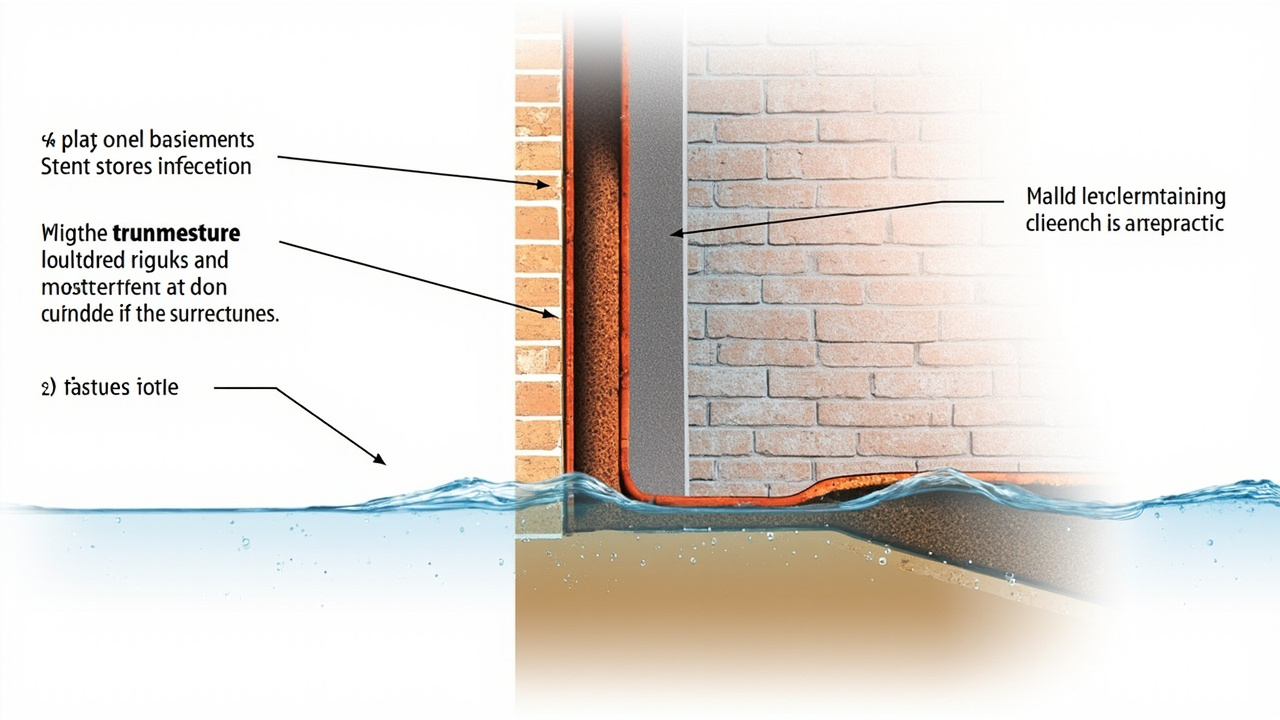
High Humidity and Mold Growth in Chicago Summers What Homeowners Need to Know Your basement…
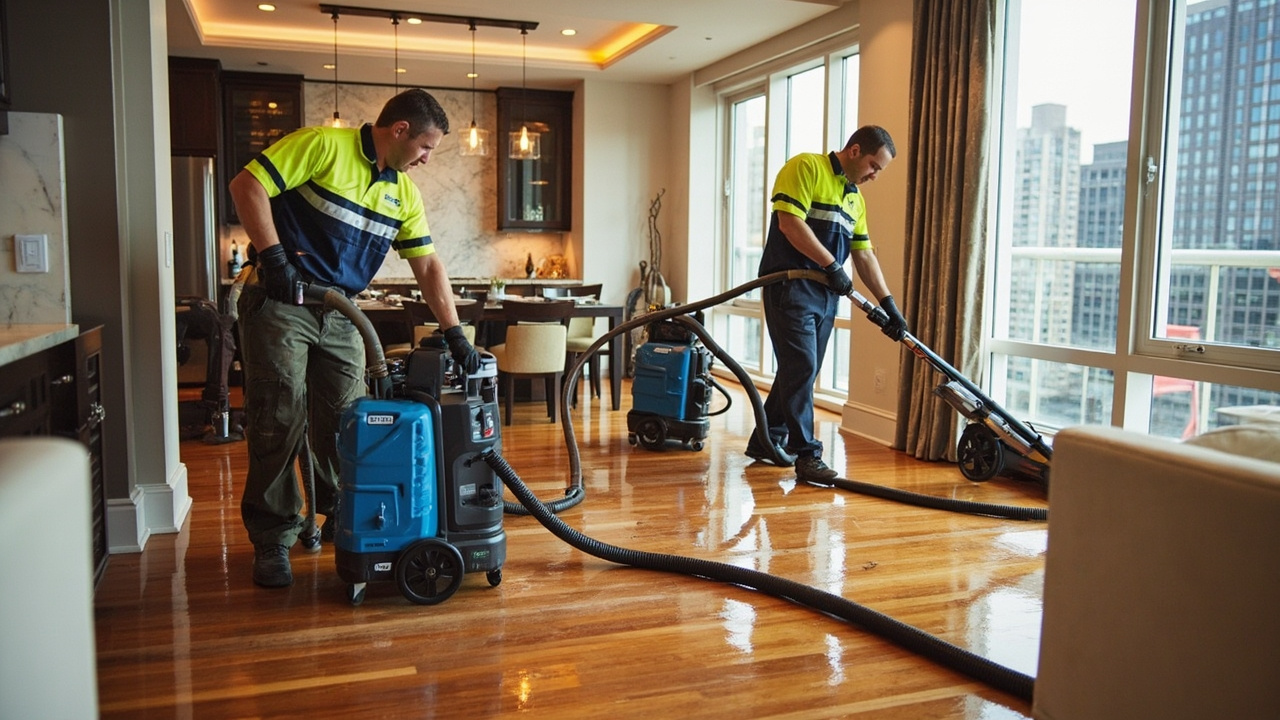
Luxury Home Water Damage Restoration in Chicago's Near North Side A burst pipe at 2…
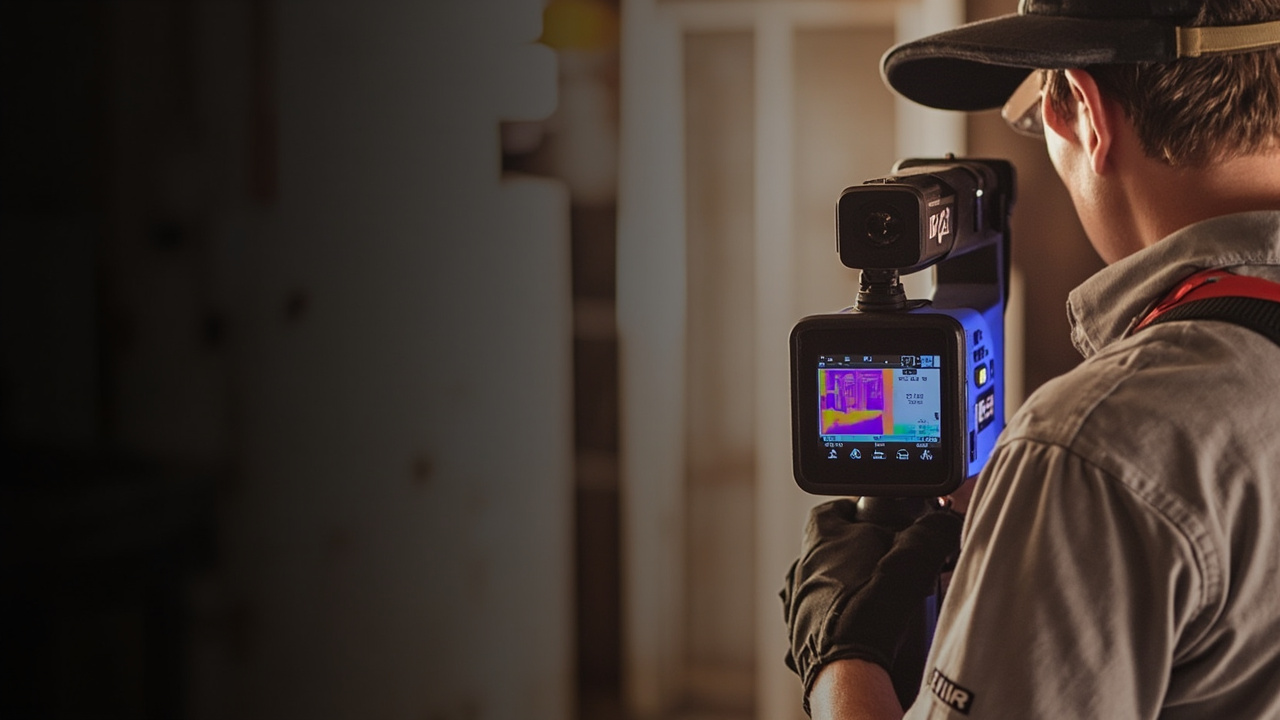
Expert Infrared Leak Detection in Chicago Homes and Businesses A hidden pipe leak can destroy…
Water damage spreads rapidly. Every minute without professional extraction increases restoration costs and structural damage. Call Cornerstone Water Damage Restoration Chicago now at (872) 266-1616. Our certified technicians dispatch immediately to stop damage and begin drying your Bolingbrook property.