





Bloomington sits in central Illinois where humid continental weather creates perfect conditions for water damage year round. Spring storms dump heavy rain on clay soils that don't drain, pushing water toward foundations. Winter freeze-thaw cycles burst pipes in older homes throughout historic neighborhoods near Franklin Park and downtown. Sugar Creek and Six Mile Creek can overflow during severe weather, flooding basements in low-lying areas.
The region's humid summers keep moisture levels high, meaning water that gets into walls or crawlspaces doesn't dry on its own. Mold can start growing within 24 to 48 hours in Bloomington's damp conditions. Older homes built before modern waterproofing standards face higher risk, especially properties near the Illinois State University campus and surrounding residential blocks.
Local building codes require specific moisture barriers and drainage systems, but many homes were built before these standards existed. When water intrusion happens, whether from burst pipes, roof leaks, or flooding, fast response makes the difference between minor repairs and major reconstruction. Understanding Bloomington's unique water damage risks helps property owners act quickly when problems strike.
We've built our reputation in Bloomington by showing up fast and doing the work right the first time. Our teams carry IICRC certifications in water damage restoration and applied structural drying, meaning we follow proven protocols that actually dry buildings instead of just moving water around. We use thermal imaging to find hidden moisture in walls and ceilings that standard meters miss, preventing mold growth weeks after you think the problem is fixed.
Insurance claims stress people out. We handle the entire claims process, documenting damage with detailed photos and moisture readings that adjusters need. We bill insurance directly so you're not stuck paying thousands upfront and waiting for reimbursement. Our estimators know what local policies cover and how to maximize your claim within policy limits.
Our equipment makes the difference between days of drying and weeks of fans running. We deploy industrial dehumidifiers that pull moisture from the air, hardwood floor drying systems that save expensive flooring, and negative air machines that prevent contaminated air from spreading to clean areas of your home. We monitor drying progress with daily readings and won't leave until moisture levels match industry standards for your specific materials.
Speed matters, but so does doing it right. We've restored water-damaged homes across Bloomington's neighborhoods, from newer construction near Ironwood Golf Course to historic properties downtown. Our technicians understand how different building materials respond to water and adjust drying strategies accordingly. When water hits your property, you need people who know what they're doing and show up ready to work.

Our dispatch center operates 24/7 with crews staged throughout Bloomington. We commit to arriving within 60 minutes of your call, not hours or the next day. When water is actively damaging your property, every minute increases repair costs. We stop the damage immediately with rapid water extraction and emergency board-up services when needed.

Every technician on our crews holds current IICRC certification in water damage restoration and applied structural drying. This means they've completed rigorous training in moisture science, psychrometry, and proper drying protocols. We don't guess at drying times or use rules of thumb. We follow documented procedures that actually work.
We work with all major insurance carriers serving Bloomington and handle claims documentation from start to finish. You won't pay anything out of pocket beyond your deductible. We provide detailed estimates, photo documentation, and moisture readings that satisfy adjuster requirements. Our billing department communicates directly with your insurance company throughout the entire restoration process.
We know Bloomington's building stock, from older homes near downtown to newer construction on the east side. Our technicians understand how local clay soils affect foundation drainage, which neighborhoods face higher flood risk, and how central Illinois humidity impacts drying times. This local knowledge helps us respond faster and dry properties more effectively than out-of-area restoration companies.
Water damage comes from dozens of sources and affects properties in different ways. A burst pipe in January creates different problems than a flooded basement during spring storms. We provide complete water damage restoration services for every scenario Bloomington property owners face.
Our service approach starts with emergency water removal to stop ongoing damage, moves into structural drying to eliminate moisture completely, and finishes with repairs to restore your property to pre-loss condition. We handle everything from initial emergency response through final reconstruction so you work with one company instead of coordinating multiple contractors.
Each water damage situation needs specific equipment and techniques. Sewage backups require contaminated water remediation protocols that differ from clean water extraction. Hardwood floors need specialized drying mats that standard air movers can't provide. We match our response to your specific damage type, using industry-standard protocols that insurance companies recognize and approve. The three major service categories below cover the full spectrum of water damage restoration needs across Bloomington.
When water floods your property, immediate extraction prevents secondary damage to floors, walls, and contents. We deploy truck-mounted extractors and portable pumps to remove standing water within minutes of arrival. Our teams handle burst pipes, appliance failures, sewage backups, and storm flooding across Bloomington. We remove water-damaged materials that can't be saved, extract water from carpets and padding, and set up emergency tarps or board-ups to prevent additional water intrusion. Fast water removal stops damage from spreading and reduces overall restoration costs.
Removing visible water is just the first step. Moisture trapped in walls, floors, and ceilings causes mold growth and structural damage if not dried properly. We use industrial dehumidifiers, air movers, and specialized drying equipment to eliminate hidden moisture from building materials. Our technicians monitor moisture levels daily with thermal imaging and moisture meters, adjusting equipment placement to optimize drying efficiency. We follow IICRC S500 standards for structural drying and won't consider the job complete until all materials reach acceptable moisture content levels for Bloomington's climate.
After drying is complete, we rebuild damaged areas to restore your property to pre-loss condition. Our reconstruction services include drywall replacement, flooring installation, cabinet rebuilding, and painting. We handle everything from minor repairs like baseboard replacement to major reconstruction projects involving multiple rooms. Our crews include licensed carpenters, electricians, and plumbers who can address any damage water caused. Working with one company for drying and reconstruction streamlines the insurance claim process and gets you back in your home faster than coordinating multiple contractors.
Central Illinois weather and Bloomington's mix of old and new construction create specific water damage vulnerabilities. Spring storms bring heavy rain that overwhelms drainage systems, especially in older neighborhoods where combined sewers can back up during peak flows. Winter freezing causes pipes to burst in unheated spaces like crawlspaces and attics. Summer humidity keeps moisture levels high, making basements and crawlspaces prone to condensation and mold growth.
Local soil conditions compound these problems. Clay soils throughout McLean County don't drain well, keeping water near foundations after heavy rain. Properties near Sugar Creek and other waterways face flooding risk during severe weather. Older homes built before modern waterproofing often lack proper foundation drainage or moisture barriers.
Understanding these local risk factors helps property owners recognize water damage quickly and call for help before minor problems become major disasters. The issues below represent the most common water damage scenarios we respond to throughout Bloomington and surrounding areas.
Heavy spring rains overwhelm drainage systems and push water through foundation cracks or failed sump pumps. Finished basements suffer extensive damage to drywall, carpeting, and stored belongings. We extract standing water, dry structural materials, and treat affected areas to prevent mold growth. Fast response saves flooring and prevents contamination from spreading upward through the home.
Bloomington winters regularly drop below freezing, causing water lines in exterior walls, attics, and crawlspaces to freeze and rupture. When pipes burst, pressurized water floods multiple rooms before homeowners can shut off the main valve. We respond immediately to extract water, dry wall cavities, and coordinate with plumbers to repair damaged lines before additional freezing occurs.
Older sewer lines throughout Bloomington crack or collapse, allowing tree roots to block flow and cause backups into homes. Sewage contains dangerous bacteria and requires specialized cleanup protocols. We remove contaminated materials, disinfect affected areas, and use negative air machines to prevent airborne contaminants from spreading. All work follows IICRC S500 Category 3 water remediation standards.
Water heaters, washing machines, and dishwashers eventually fail, often flooding surrounding areas with dozens of gallons before homeowners notice. These failures typically happen without warning and cause significant damage to flooring and cabinets. We extract water from affected areas, dry surrounding materials, and assess whether flooring can be saved or needs replacement based on moisture readings and material condition.
Water damage creates stress and confusion. You're dealing with flooded rooms, damaged belongings, and urgent decisions about what to do next. When you call our emergency line, you get immediate help, not a runaround. Our dispatch center answers 24/7 and sends crews to your Bloomington property within 60 minutes.
From the moment we arrive until final reconstruction is complete, we keep you informed about what's happening and why. Our project managers explain the drying process, show you moisture readings, and walk you through insurance documentation requirements. We answer questions in plain language without industry jargon that confuses people.
You'll work with the same project manager from start to finish, not get handed off between departments. That person becomes your single point of contact for questions about timeline, insurance claims, or reconstruction details. We set realistic expectations about how long drying takes and when reconstruction can begin. The commitments below represent what you can count on when you hire Cornerstone for water damage restoration in Bloomington.
When you call our emergency line, we dispatch a crew to your location immediately. A project manager arrives within 60 minutes to assess damage, explain the restoration process, and begin water extraction. We provide a detailed scope of work that outlines what needs to happen, how long it will take, and what it costs. You'll know exactly what to expect before any work begins. We document everything with photos and moisture readings for your insurance claim.
Drying takes time, and we monitor progress every single day. Your project manager checks moisture levels, adjusts equipment placement, and updates you on drying progress. You'll receive daily reports showing current moisture readings compared to target levels. We explain what the numbers mean and when materials will be dry enough for reconstruction to begin. No guessing, no surprises, just clear information about where your project stands.
After drying is verified complete, our reconstruction crews rebuild damaged areas to match existing finishes. We handle everything from drywall and paint to flooring and trim work. When reconstruction is finished, your project manager conducts a final walkthrough to confirm all work meets your approval. We provide documentation showing final moisture readings and completed repairs for your insurance company and personal records.
We follow documented protocols developed by the IICRC and refined through thousands of restoration projects. This systematic approach ensures nothing gets missed and drying happens as efficiently as possible.
Our crews arrive with truck-mounted extractors and portable pumps to remove standing water immediately. We extract water from carpets, remove wet padding, and pull water from floor surfaces. Technicians identify the water source and coordinate shutoffs or repairs to stop additional water from entering. We remove wet contents and unsalvageable materials, document damage with photos, and take initial moisture readings of all affected materials to establish baseline conditions.
After water extraction, we set up industrial dehumidifiers and air movers positioned to maximize airflow across wet materials. We use thermal imaging to identify hidden moisture in walls and ceilings. Technicians visit daily to check moisture levels, adjust equipment, and empty dehumidifiers. We track drying progress against IICRC standards and don't remove equipment until all materials reach acceptable moisture content. This typically takes three to five days depending on materials and initial saturation levels.
Once drying is verified complete through final moisture readings, our reconstruction crews begin repairs. We replace drywall, install new flooring, rebuild cabinets, and paint to match existing finishes. All work is coordinated with your insurance adjuster to stay within approved scope. Your project manager conducts a final walkthrough to confirm all repairs meet your satisfaction. We provide final documentation including completion certificates and moisture verification reports for your records.
Professional water damage restoration follows specific protocols developed by the Institute of Inspection, Cleaning and Restoration Certification. These IICRC standards define how to classify water contamination, determine appropriate drying methods, and verify when materials are dry enough to close up and rebuild. Following these standards protects your property and ensures insurance companies approve the work.
Water damage gets classified into three categories based on contamination level. Category 1 is clean water from supply lines or rain. Category 2 is gray water from appliances or toilet overflow without feces. Category 3 is black water from sewage or flooding that contacted ground surfaces. Each category requires different handling procedures and disposal methods for affected materials.
The IICRC S500 standard specifies target moisture content levels for different building materials common in Bloomington homes. Wood framing must reach 15 percent moisture content or lower. Concrete must hit specific moisture vapor emission rates. Drywall has different targets depending on thickness and paper facing. We measure these levels daily using calibrated moisture meters and thermal imaging.
Bloomington's humid continental climate affects drying times compared to drier regions. Summer humidity above 70 percent slows evaporation, requiring more dehumidification capacity. We calculate psychrometric relationships between temperature, humidity, and material moisture to optimize equipment setup. This science-based approach dries buildings faster and more completely than guessing or using arbitrary timeframes.
Proper structural drying prevents mold growth, wood rot, and metal corrosion that happens when moisture stays trapped in building cavities. Mold can begin growing within 24 to 48 hours in Bloomington's climate, so fast response and proper drying technique protect your property from additional damage that wasn't caused by the original water intrusion.
The IICRC S500 standard defines professional water damage restoration procedures, including water classification categories, appropriate drying methods, and moisture content targets for different materials. Following S500 protocols ensures thorough drying and helps insurance adjusters approve restoration work. All our technicians complete IICRC certification training in these standards before working on water damage projects.
Water damage restoration costs depend on affected area size, water contamination category, materials damaged, and how long water sat before extraction. Larger areas require more equipment. Category 3 sewage requires disposal of more materials. Hardwood floors cost more to dry than carpet. Insurance typically covers sudden water damage like burst pipes but may exclude flood damage without separate flood insurance.
Most water damage drying takes three to five days using professional equipment, though this varies based on materials affected and initial moisture levels. Concrete and thick hardwood take longer than drywall and carpet. We measure progress daily and won't remove equipment until moisture readings confirm complete drying. Rushing the process causes mold growth and structural problems later.
Homeowners insurance typically covers sudden water damage from burst pipes, appliance failures, and roof leaks. Most policies exclude flood damage from external water sources, which requires separate flood insurance through FEMA. We work with your insurance company to document damage, provide detailed estimates, and maximize coverage within your policy limits. Our estimators understand what local carriers approve.
This video explains professional water damage restoration procedures for Bloomington, Illinois properties. Topics covered include emergency water extraction techniques, structural drying protocols, moisture monitoring methods, insurance claim documentation, and reconstruction processes. Viewers learn how IICRC certified technicians assess water damage, classify contamination levels, and determine appropriate remediation methods. The video demonstrates equipment used for water removal and building drying while explaining realistic timelines and moisture content targets for different building materials common in central Illinois homes.
Cornerstone Water Damage Restoration Chicago serves all of Bloomington and surrounding communities throughout McLean County. Our central location allows rapid response to water emergencies across the entire metro area, from historic downtown properties to newer developments on the east side.
We regularly respond to water damage calls in neighborhoods surrounding Illinois State University, including the campus area and surrounding residential blocks where older homes face burst pipe risks during winter freezes. The downtown district near the McLean County Museum of History contains many historic properties with unique restoration challenges that require experience with older building methods and materials.
East Bloomington neighborhoods near Ironwood Golf Course and the growing retail corridor along Veterans Parkway include newer construction with different water damage vulnerabilities than older areas. We understand how modern building materials and construction methods affect drying strategies. Properties in these areas often feature finished basements and open floor plans that allow water to spread quickly across large areas.
North of downtown near Franklin Park and extending toward the intersection of Route 9 and Veterans Parkway, we serve residential neighborhoods where spring storms can cause basement flooding. The proximity to Sugar Creek creates additional flood risk during heavy rain events. Our teams know which areas face higher water intrusion risk and respond accordingly.
West Bloomington properties near Interstate 55 and extending toward the Normal border face similar water damage issues as the rest of the metro area, complicated by proximity to commercial areas where aging infrastructure sometimes causes water main breaks. We work throughout the greater Bloomington-Normal area and coordinate with Normal crews when large storm events create multiple simultaneous calls.
Properties in outlying areas including Towanda, Hudson, and other McLean County communities receive the same rapid response and professional service as central Bloomington locations. Our service area extends throughout the county because water damage doesn't respect city boundaries. Whether your property sits in downtown Bloomington or rural McLean County, you get the same certified technicians, professional equipment, and quality restoration work that's made us the trusted water damage restoration company across central Illinois.
Water damage restoration in Bloomington IL typically takes 3 to 7 days for most residential projects. Simple cases with minimal water intrusion finish in 2 to 3 days. Extensive flooding or severe structural damage extends the timeline to 2 weeks or more. The process includes water extraction, drying, dehumidification, and sanitization. Each phase requires specific drying times. Your restoration team monitors moisture levels daily to ensure complete drying before repairs begin. Weather conditions and material types affect drying speed.
Water damage restoration expenses in Bloomington IL vary based on several factors. The extent of water intrusion affects pricing. Minor leaks affecting one room differ from whole-home flooding. Category classification matters. Clean water costs less to remediate than contaminated sewage water. Structural damage increases expenses. Your insurance coverage often reduces your out-of-pocket expenses. Most restoration companies provide free inspections and work directly with your insurance adjuster. Request written estimates from multiple local providers to compare services and pricing.
Most homeowners insurance policies in Bloomington IL cover sudden and accidental water damage. Burst pipes, appliance malfunctions, and storm damage typically receive coverage. Gradual damage from neglected maintenance or long-term leaks usually gets denied. Flood damage requires separate flood insurance through FEMA. Review your policy details and exclusions carefully. Document all damage with photos and videos before cleanup begins. Contact your insurance company within 24 hours of the incident. Your restoration company works directly with adjusters to streamline claims processing.
Water damage restoration in Bloomington IL typically takes 3 to 7 days for most residential projects. Simple cases with minimal water intrusion finish in 2 to 3 days. Extensive flooding or severe structural damage extends the timeline to 2 weeks or more. The process includes water extraction, drying, dehumidification, and sanitization. Each phase requires specific drying times. Your restoration team monitors moisture levels daily to ensure complete drying before repairs begin. Weather conditions and material types affect drying speed.
Water damage restoration expenses in Bloomington IL vary based on several factors. The extent of water intrusion affects pricing. Minor leaks affecting one room differ from whole-home flooding. Category classification matters. Clean water costs less to remediate than contaminated sewage water. Structural damage increases expenses. Your insurance coverage often reduces your out-of-pocket expenses. Most restoration companies provide free inspections and work directly with your insurance adjuster. Request written estimates from multiple local providers to compare services and pricing.
Most homeowners insurance policies in Bloomington IL cover sudden and accidental water damage. Burst pipes, appliance malfunctions, and storm damage typically receive coverage. Gradual damage from neglected maintenance or long-term leaks usually gets denied. Flood damage requires separate flood insurance through FEMA. Review your policy details and exclusions carefully. Document all damage with photos and videos before cleanup begins. Contact your insurance company within 24 hours of the incident. Your restoration company works directly with adjusters to streamline claims processing.
You need professional water damage restoration in Bloomington when water affects multiple rooms or soaks into walls, floors, or ceilings. Standing water deeper than 1 inch requires professional extraction. Contaminated water from sewage or flooding demands specialized treatment. Visible mold growth within 48 hours signals serious moisture problems. Warped flooring, bubbling paint, or persistent musty odors indicate hidden water damage. Professional moisture meters detect water you cannot see. Structural damage risks make DIY restoration unsafe and ineffective.
Water damage restoration refers to the complete emergency response process. This includes water extraction, structural drying, dehumidification, antimicrobial treatment, and content salvage. Restoration focuses on preventing secondary damage and mold growth. Water damage repair comes after restoration completes. Repair involves rebuilding, replacing damaged materials, and cosmetic fixes like painting and flooring installation. Restoration companies in Bloomington IL often handle both phases. Some focus exclusively on emergency mitigation and partner with contractors for reconstruction work. Understanding this distinction helps you communicate clearly with service providers.
You might stay in your Bloomington home during minor water damage restoration affecting one or two rooms. Extensive water damage requires temporary relocation for safety and health reasons. Contaminated water creates hazardous conditions requiring complete evacuation. High humidity levels and constant equipment noise make staying uncomfortable. Mold exposure risks increase if you remain during treatment. Your restoration company assesses safety factors and provides recommendations. If you must leave, many insurance policies cover temporary housing expenses. The decision depends on damage severity and affected areas.
Call a water damage restoration company in Bloomington IL immediately after detecting water damage. The first 24 hours are critical for preventing mold growth and structural deterioration. Water spreads quickly through porous materials like drywall, insulation, and flooring. Mold begins developing within 24 to 48 hours in humid conditions. Immediate response reduces restoration expenses and salvages more belongings. Most Bloomington restoration companies offer 24-hour emergency service. Delay increases damage severity and complicates insurance claims. Stop the water source first if safe, then call professionals.
Bloomington water damage restoration companies use industrial-grade equipment for effective drying. High-powered water extractors remove standing water quickly. Air movers create airflow to accelerate evaporation from surfaces. Commercial dehumidifiers remove moisture from the air and materials. Moisture meters and thermal imaging cameras detect hidden water in walls and floors. HEPA air scrubbers filter airborne contaminants and mold spores. Hydroxyl generators or ozone machines eliminate odors. Injectidry systems target water trapped in hardwood floors and wall cavities. Professional equipment speeds drying and prevents secondary damage.
Prevent mold after water damage in your Bloomington home by acting within 24 hours. Remove standing water immediately and begin drying affected areas. Increase air circulation with fans and open windows when weather permits. Run dehumidifiers to reduce indoor humidity below 50 percent. Remove wet carpeting, padding, and porous materials you cannot dry quickly. Clean and disinfect all affected surfaces with antimicrobial solutions. Monitor humidity levels with a hygrometer for several weeks. Professional restoration companies ensure thorough drying and apply mold preventatives to vulnerable areas.
Look for IICRC certification when hiring a water damage restoration company in Bloomington IL. The Institute of Inspection Cleaning and Restoration Certification sets industry standards for restoration professionals. Technicians should hold Water Damage Restoration Technician credentials at minimum. Applied Structural Drying certification indicates advanced training. EPA Lead-Safe certification matters for older Bloomington homes. Check for local business registration and Better Business Bureau ratings. Ask about continuing education and training programs. Certified technicians follow proven protocols and use proper equipment. Certification ensures your restoration company meets professional standards.
You need professional water damage restoration in Bloomington when water affects multiple rooms or soaks into walls, floors, or ceilings. Standing water deeper than 1 inch requires professional extraction. Contaminated water from sewage or flooding demands specialized treatment. Visible mold growth within 48 hours signals serious moisture problems. Warped flooring, bubbling paint, or persistent musty odors indicate hidden water damage. Professional moisture meters detect water you cannot see. Structural damage risks make DIY restoration unsafe and ineffective.
Water damage restoration refers to the complete emergency response process. This includes water extraction, structural drying, dehumidification, antimicrobial treatment, and content salvage. Restoration focuses on preventing secondary damage and mold growth. Water damage repair comes after restoration completes. Repair involves rebuilding, replacing damaged materials, and cosmetic fixes like painting and flooring installation. Restoration companies in Bloomington IL often handle both phases. Some focus exclusively on emergency mitigation and partner with contractors for reconstruction work. Understanding this distinction helps you communicate clearly with service providers.
You might stay in your Bloomington home during minor water damage restoration affecting one or two rooms. Extensive water damage requires temporary relocation for safety and health reasons. Contaminated water creates hazardous conditions requiring complete evacuation. High humidity levels and constant equipment noise make staying uncomfortable. Mold exposure risks increase if you remain during treatment. Your restoration company assesses safety factors and provides recommendations. If you must leave, many insurance policies cover temporary housing expenses. The decision depends on damage severity and affected areas.
Call a water damage restoration company in Bloomington IL immediately after detecting water damage. The first 24 hours are critical for preventing mold growth and structural deterioration. Water spreads quickly through porous materials like drywall, insulation, and flooring. Mold begins developing within 24 to 48 hours in humid conditions. Immediate response reduces restoration expenses and salvages more belongings. Most Bloomington restoration companies offer 24-hour emergency service. Delay increases damage severity and complicates insurance claims. Stop the water source first if safe, then call professionals.
Bloomington water damage restoration companies use industrial-grade equipment for effective drying. High-powered water extractors remove standing water quickly. Air movers create airflow to accelerate evaporation from surfaces. Commercial dehumidifiers remove moisture from the air and materials. Moisture meters and thermal imaging cameras detect hidden water in walls and floors. HEPA air scrubbers filter airborne contaminants and mold spores. Hydroxyl generators or ozone machines eliminate odors. Injectidry systems target water trapped in hardwood floors and wall cavities. Professional equipment speeds drying and prevents secondary damage.
Prevent mold after water damage in your Bloomington home by acting within 24 hours. Remove standing water immediately and begin drying affected areas. Increase air circulation with fans and open windows when weather permits. Run dehumidifiers to reduce indoor humidity below 50 percent. Remove wet carpeting, padding, and porous materials you cannot dry quickly. Clean and disinfect all affected surfaces with antimicrobial solutions. Monitor humidity levels with a hygrometer for several weeks. Professional restoration companies ensure thorough drying and apply mold preventatives to vulnerable areas.
Look for IICRC certification when hiring a water damage restoration company in Bloomington IL. The Institute of Inspection Cleaning and Restoration Certification sets industry standards for restoration professionals. Technicians should hold Water Damage Restoration Technician credentials at minimum. Applied Structural Drying certification indicates advanced training. EPA Lead-Safe certification matters for older Bloomington homes. Check for local business registration and Better Business Bureau ratings. Ask about continuing education and training programs. Certified technicians follow proven protocols and use proper equipment. Certification ensures your restoration company meets professional standards.
Cornerstone proudly serves the entire Chicago area with fast, dependable water damage restoration services. Whether you’re located in downtown, the suburbs, or surrounding neighborhoods, we’re ready to respond to your call—day or night. Use the map below to see our local service coverage and find our nearest team. With mobile units throughout the city, help is never far away. If you’re facing water damage, reach out now and let us show you why homeowners and businesses choose Cornerstone.
Address:
Bloomington, IL, 61701

Water Damaged Subfloor Repair in Chicago: When to Dry It Out vs. Replace It Your subfloor is failing. You noticed soft spots near the bathroom. The basement smells musty. Water sat under the kitchen for…
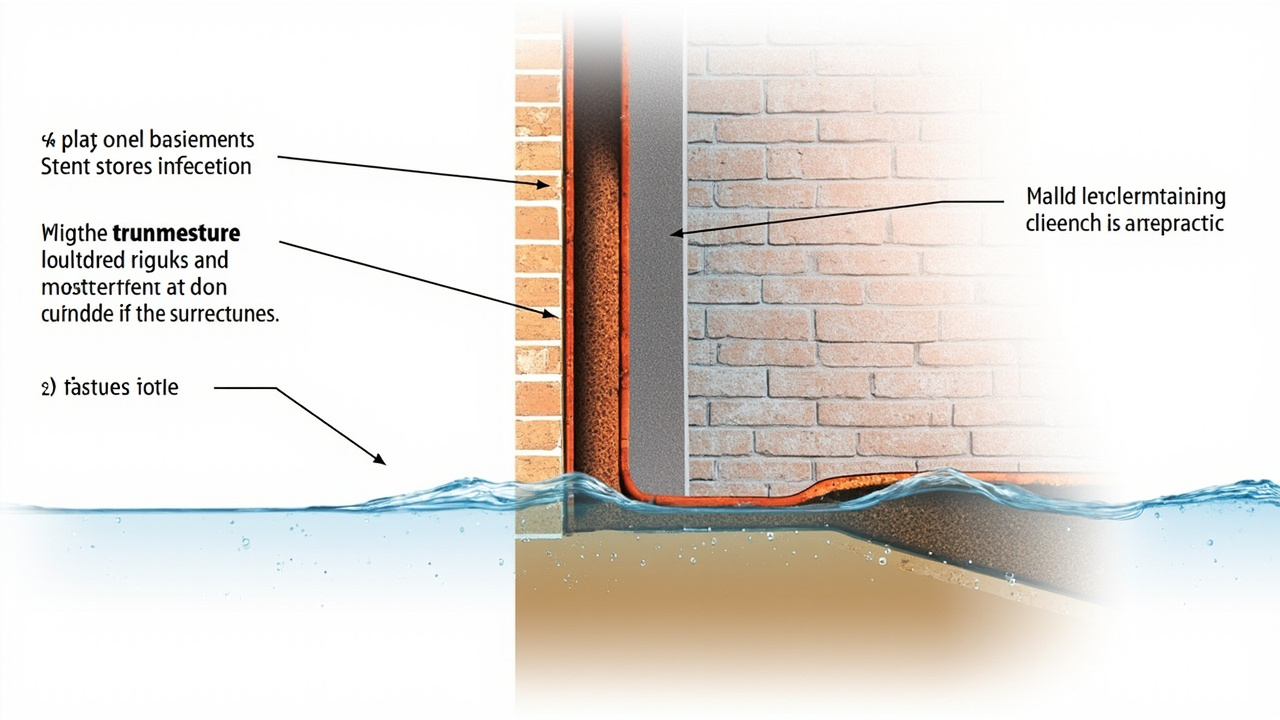
High Humidity and Mold Growth in Chicago Summers What Homeowners Need to Know Your basement…
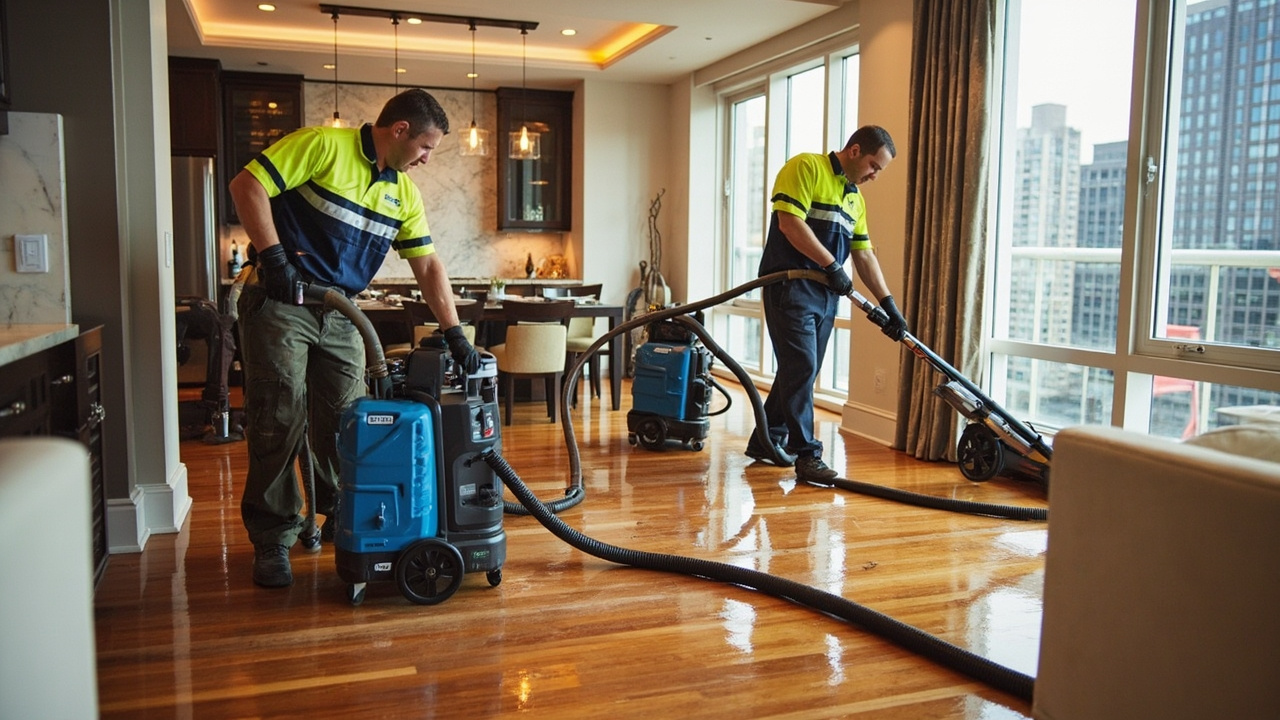
Luxury Home Water Damage Restoration in Chicago's Near North Side A burst pipe at 2…
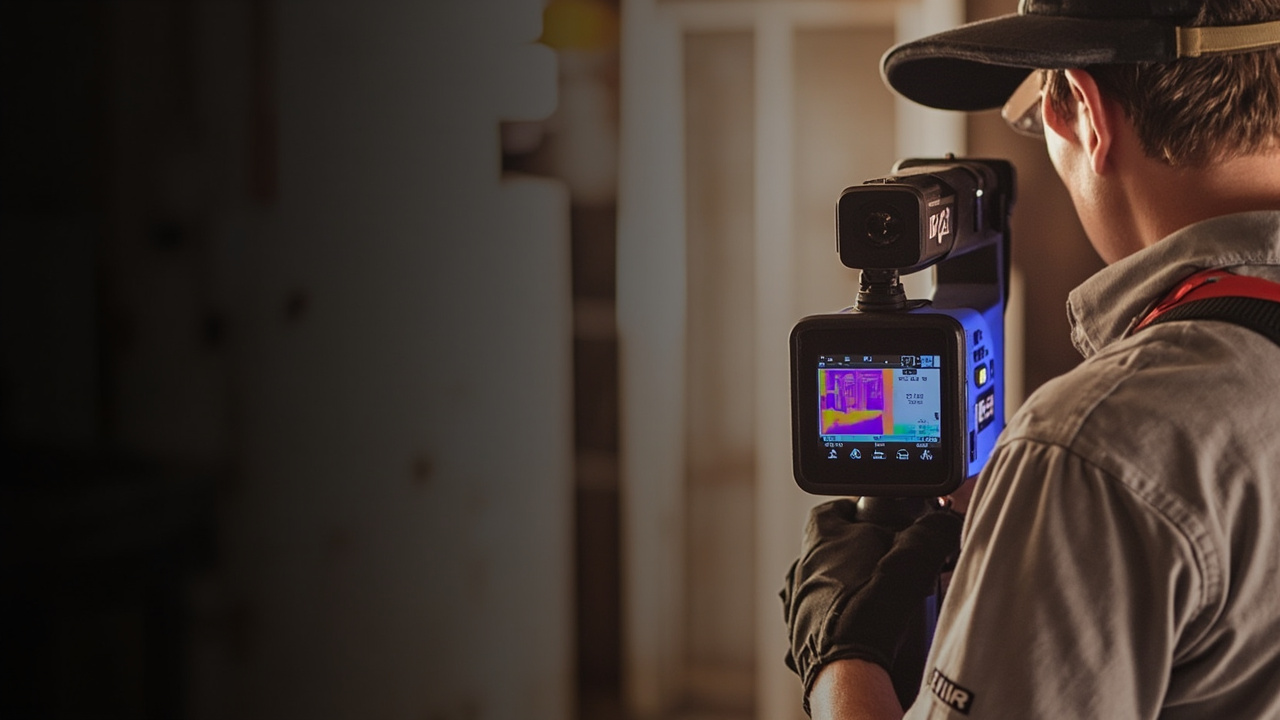
Expert Infrared Leak Detection in Chicago Homes and Businesses A hidden pipe leak can destroy…
Water damage gets worse every minute you wait. Call Cornerstone Water Damage Restoration Chicago now at (872) 266-1616 for 60-minute emergency response anywhere in Bloomington. Our crews are standing by 24/7 to stop damage and start drying your property immediately.