





Aurora sits at the convergence of the Fox River and multiple tributaries, creating a high water table that makes basements vulnerable year-round. The heavy clay soil common throughout Kane County does not absorb water quickly, causing surface runoff to pool around foundations during spring thaws and summer storms. Homes near the Indian Trail neighborhood and along the Fox River corridor face seasonal flooding from snowmelt and heavy rainfall events.
The freeze-thaw cycles between November and March create another layer of risk. Water expands as it freezes in pipes, foundation cracks, and under roofing materials, leading to burst pipes and ice dam failures. Older homes in the Tanner Place and Westfield areas often have cast iron plumbing that corrodes over time, increasing the risk of sudden pipe failures. Aurora's location in Tornado Alley means severe storms with intense rainfall can overwhelm drainage systems and cause flash flooding. The combination of these factors makes rapid water damage response critical for Aurora property owners who want to prevent mold growth, structural damage, and insurance complications.
Cornerstone Water Damage Restoration Chicago operates the fastest response network in the western Chicago suburbs. We maintain staging equipment throughout Aurora and dispatch crews from our nearest location to your property, not from a distant central office. Our technicians carry truck-mounted extraction units that remove thousands of gallons per hour, infrared moisture detectors that find hidden water in walls and subfloors, and commercial air movers that prevent mold growth during the critical first 48 hours.
We built our reputation on insurance literacy. Our estimators document every aspect of your damage with detailed photo logs, moisture readings, and equipment placement records that insurance adjusters need to approve your claim quickly. We communicate directly with your carrier and provide the supporting documentation that prevents claim denials or lowball settlements. Most customers receive approval within 72 hours because we speak the language adjusters understand.
Every technician on our team holds IICRC certification in water damage restoration and applied structural drying. We do not hire general laborers and hand them extraction wands. Our crews understand building science, vapor barriers, and how different materials absorb and release moisture. This knowledge prevents the secondary damage that happens when companies extract water but fail to dry structural components properly. We stay on your property until moisture meters confirm your home has returned to normal dry standards, not when the floor looks dry to the eye.

We guarantee a crew arrives at your Aurora property within one hour of your call, day or night. Our trucks stage throughout the area with extraction equipment already loaded. Water spreads fast. We move faster. Every minute counts when your home is flooding.

We handle all communication with your insurance company and bill them directly after approval. You never write a check or wait for reimbursement. Our estimators document damage using the same software adjusters use, which speeds up approval and eliminates disputes over scope and pricing.
Every crew member holds current certification from the Institute of Inspection Cleaning and Restoration Certification. We train on building science, psychrometrics, and applied structural drying protocols. This prevents the mold growth and structural damage that happens when companies extract water but fail to dry properly.
We know which Aurora neighborhoods flood during heavy rain, which areas have high water tables, and how local soil conditions affect foundation drainage. This knowledge helps us anticipate problems and implement solutions that work for your specific location, not generic approaches that fail in Fox Valley conditions.
Water intrusion creates different problems depending on the source, location, and duration of exposure. A burst pipe in your basement requires different equipment and protocols than a roof leak in your attic or flooding from the Fox River. Cornerstone Water Damage Restoration Chicago provides the full spectrum of water removal, structural drying, and restoration services Aurora property owners need.
Our service categories address every type of water emergency, from sudden catastrophic flooding to slow leaks that cause hidden damage over time. We extract standing water, dry structural components, remove damaged materials, treat for microbial growth, and restore your property to pre-loss condition. Each category requires specialized equipment, different drying protocols, and specific safety measures. Our technicians assess your situation and deploy the right combination of services to stop damage progression and begin recovery immediately.
When water is actively flooding your home, extraction speed determines how much you can save. Our truck-mounted pumps remove thousands of gallons per hour from basements, crawl spaces, and living areas. We extract water from carpets, padding, and subflooring before it wicks into walls and destroys drywall. Submersible pumps handle deep standing water while portable extractors pull moisture from materials that cannot be removed. We place air movers and dehumidifiers immediately after extraction to begin structural drying and prevent mold colonization.
Removing visible water only solves half the problem. Moisture trapped in wall cavities, under flooring, and inside structural lumber causes rot, warping, and mold growth weeks after the flood. Our technicians use thermal imaging cameras to map moisture migration through your building envelope. We place equipment strategically to create airflow patterns that dry materials from the inside out. Moisture meters track progress daily until readings confirm all structural components have returned to normal dry standards. This process typically takes three to seven days depending on materials and saturation levels.
Your possessions often suffer damage alongside your structure. We inventory, pack, and transport salvageable contents to our climate-controlled facility for specialized cleaning and restoration. Electronics receive ultrasonic cleaning and testing. Documents go through freeze-drying to prevent ink bleeding. Furniture gets cleaned, deodorized, and refinished as needed. We photograph everything for insurance documentation and return items only after they meet safety standards. This service protects the replacement value of belongings your insurance will cover while giving you the best chance of keeping items with sentimental value.
Aurora's geographic position and climate patterns create predictable water damage risks throughout the year. The Fox River flooding, heavy clay soil with poor drainage, aging housing stock, and severe weather patterns combine to threaten properties across every neighborhood. Understanding these common scenarios helps homeowners recognize warning signs before minor issues become insurance claims.
Spring brings the highest risk period as snowmelt combines with April and May rainfall to overwhelm drainage systems. Summer severe weather dumps inches of rain in hours, creating flash flooding faster than storm sewers can handle. Fall leaf accumulation clogs gutters and downspouts, causing roof leaks and foundation seepage. Winter freeze-thaw cycles burst pipes and create ice dams that force water under shingles. Each season presents different threats requiring different prevention strategies and rapid response when prevention fails.
Properties near the Fox River corridor and low-lying neighborhoods flood when river levels rise during heavy rainfall periods. Sump pumps fail during power outages, allowing groundwater to pour through foundation walls. We pump out basements, dry structural components, and treat for contamination when river water enters your home.
Frozen pipes burst without warning, releasing hundreds of gallons before you can shut off the main valve. Water floods through ceilings, walls, and floors, damaging multiple levels simultaneously. Older homes with galvanized or cast iron plumbing face the highest risk. We stop the flow, extract water, and begin drying immediately to prevent ceiling collapse and mold growth.
Ice dams form when heat escapes through poorly insulated roofs, melting snow that refreezes at the eaves. Water backs up under shingles and leaks into attics, insulation, and wall cavities. By the time you see ceiling stains, significant hidden damage already exists. We locate all moisture intrusion, remove wet insulation, and dry structural lumber.
Water heaters fail, washing machine hoses burst, dishwasher connections leak, and refrigerator ice makers flood kitchens and laundry rooms without warning. These failures often happen when homeowners are away, allowing water to run for hours or days. We extract water from cabinets, subflooring, and adjacent rooms before damage spreads throughout your home.
The moment you discover water damage, panic sets in. You need immediate help but do not know who to trust or what happens next. Cornerstone Water Damage Restoration Chicago follows a proven emergency response protocol that stops damage progression, protects your belongings, and starts your insurance claim correctly. Our process focuses on speed, transparency, and communication so you understand exactly what we are doing and why.
From your first call through final restoration, you work with the same project manager who coordinates all work, answers questions, and communicates with your insurance company. We do not hand you off between departments or leave you wondering about status. You receive daily updates, moisture reading reports, and equipment placement photos that document progress. This transparency helps you make informed decisions about your property and ensures your insurance company has everything needed for rapid claim approval.
We dispatch the nearest crew within minutes of your call and arrive at your Aurora property within one hour. Our technician performs an immediate damage assessment, locates the water source, and stops active intrusion if possible. We document everything with photos and moisture readings, then explain exactly what needs to happen next. You receive a verbal scope of work and timeline before we place any equipment. This assessment becomes the foundation of your insurance claim and guides all restoration decisions.
Your project manager contacts you every day with progress updates, moisture reading results, and any changes to the timeline or scope. We explain what equipment is running, why it is placed in specific locations, and what the readings mean for your drying timeline. You receive written reports that document progress for your records and insurance file. We answer questions immediately and adjust our approach based on your concerns or schedule needs, not our convenience.
We only declare your property dry when moisture meters confirm all structural components have returned to normal levels for your climate zone. You receive a completion report with final moisture readings, equipment removal documentation, and photos showing restored areas. This report satisfies insurance requirements and protects you from future disputes about whether work was completed properly. We do not walk away until you are satisfied and your adjuster has approved final billing.
Water damage restoration follows specific protocols established by the IICRC to ensure complete drying and prevent secondary damage. Our three-phase approach addresses immediate emergency needs, structural drying requirements, and final restoration in a logical sequence that protects your property and satisfies insurance documentation requirements.
We arrive within 60 minutes and immediately begin removing standing water using truck-mounted pumps and portable extractors. Our technicians locate the water source, stop active intrusion if possible, and extract water from all affected areas. We remove soaked materials that cannot be saved, pull carpeting and padding, and extract water from subflooring. Air movers and dehumidifiers are placed before we leave to begin the drying process immediately. This rapid response prevents water from wicking into walls and causing additional damage.
Our technicians return daily to take moisture readings, adjust equipment placement, and monitor drying progress. We use thermal imaging cameras to track moisture movement through walls, floors, and ceilings. Dehumidifiers remove moisture from the air while air movers create circulation patterns that dry materials from the inside out. This phase typically takes three to seven days depending on materials and saturation levels. We document everything with photos and detailed logs that satisfy insurance requirements.
Once moisture readings confirm complete drying, we begin restoration work to return your property to pre-loss condition. This includes replacing drywall, painting, installing new flooring, and rebuilding any structural components damaged beyond repair. We coordinate with licensed contractors for electrical, plumbing, and HVAC work as needed. You receive a final completion report with before and after photos, final moisture readings, and warranty information. Your insurance company receives the documentation needed to close your claim.
The IICRC classifies water damage into three categories based on contamination level and four classes based on evaporation rate. These classifications determine which materials can be saved, what safety equipment technicians need, and how long drying takes. Category 1 water comes from clean sources like supply lines and poses no contamination threat. Category 2 water contains some contamination from sources like washing machines or dishwashers. Category 3 water is grossly contaminated from sources like sewage backups or river flooding and requires specialized treatment protocols.
Drying class matters just as much as water category. Class 1 damage affects only part of a room with minimal absorption into materials. Class 2 damage affects an entire room with significant absorption into walls and flooring. Class 3 damage saturates walls, ceilings, insulation, and structural components throughout multiple rooms. Class 4 damage involves specialty materials like hardwood, plaster, or concrete that require exceptionally long drying times. We assess both category and class to develop the right drying protocol for your specific situation.
Proper structural drying follows psychrometric principles that balance temperature, humidity, and airflow to maximize evaporation rates. We create negative pressure environments in contained areas, use dehumidifiers to lower ambient humidity below 40 percent, and position air movers to maximize surface evaporation without causing damage to wet materials. Moisture meters track progress in real time, measuring moisture content in wood framing, concrete, and other porous materials. We adjust equipment placement daily based on these readings to ensure efficient drying without wasting energy or extending your timeline. This science-based approach prevents the mold growth that happens when companies rely on timers instead of moisture readings.
We follow the IICRC S500 Standard for Professional Water Damage Restoration, which establishes specific moisture content targets for different materials. Wood framing must reach 15 percent moisture content or less. Concrete must reach 4.5 percent or less. We measure daily and adjust equipment until readings confirm complete drying to these standards, preventing future mold growth and structural issues.
Restoration costs depend on water category, affected area size, materials damaged, and drying duration. Category 3 water requires antimicrobial treatment and disposal of porous materials that cannot be sanitized. Class 4 damage takes longer to dry and requires more equipment. Your insurance deductible applies, but most policies cover the full cost of restoration including contents cleaning and temporary housing if needed.
Most properties reach dry standards within three to seven days of equipment placement. Concrete foundations and dense hardwood flooring may require 10 to 14 days. Winter conditions slow evaporation rates and extend timelines. We monitor moisture levels daily and remove equipment only when readings confirm complete drying. Rushing this process causes mold growth and structural damage that creates bigger problems than the original water intrusion.
Illinois insurance policies typically cover sudden and accidental water damage but exclude long-term seepage or maintenance issues. We document everything with photos, moisture readings, and detailed scope notes that establish when damage occurred and prove it meets policy definitions. This documentation prevents disputes and speeds up claim approval. We work directly with adjusters using Xactimate software to eliminate estimate discrepancies.
This video explains the professional water damage restoration process for Aurora, Illinois homeowners. Topics covered include emergency water extraction procedures, structural drying protocols following IICRC S500 standards, moisture monitoring techniques, insurance claim documentation requirements, and restoration timelines. Viewers learn about water damage categories, drying classes, and why Aurora's geography creates specific challenges including Fox River flooding, high water tables, and freeze-thaw pipe failures. The video demonstrates equipment used for water removal and structural drying while explaining science-based approaches that prevent mold growth and secondary damage.
Cornerstone Water Damage Restoration Chicago serves the entire Aurora area from our strategically located facilities throughout Kane County and the western suburbs. We maintain rapid response capability across established neighborhoods like the Near East Side, where older homes near downtown face basement flooding from overwhelmed storm sewers during heavy rainfall. The Fox Valley area along the river corridor requires specialized understanding of seasonal flood patterns and high water table challenges that affect properties year-round.
Our crews know the Westfield neighborhood well, where split-level homes from the 1970s often have foundation drainage issues that cause seepage during spring thaws. The newer developments in Far East Aurora and around Eola Road present different challenges with modern construction materials that require careful drying protocols to prevent warranty violations. We serve the Indian Trail area, Wheatlands subdivision, and properties throughout the Route 59 corridor with equal speed and expertise.
Properties near the Fox River, Indian Creek, and Mill Creek face unique flooding risks during severe weather events and snowmelt periods. We understand how water moves through Aurora's terrain and which areas flood first when the Fox River rises above flood stage. This geographic knowledge helps us anticipate problems, position equipment strategically, and implement solutions that work for your specific location rather than applying generic approaches that ignore local conditions.
Our service area extends throughout Kane County, including neighboring communities like North Aurora, Montgomery, Sugar Grove, and Oswego. We maintain the same 60-minute response time across this entire service area because water damage does not respect city boundaries. Whether your property sits in the historic downtown district or the expanding developments along 75th Street, you receive the same rapid response and expert restoration that has built our reputation across the western Chicago suburbs.
Water damage restoration costs in Aurora typically range from a few hundred dollars for minor leaks to several thousand for extensive flooding. Factors include the water category (clean, gray, or black water), affected square footage, structural damage, and mold remediation needs. A burst pipe in your basement costs less than sewage backup requiring subfloor replacement. Most Aurora homeowners pay between $2,000 and $7,000 for moderate damage. Get a free inspection to determine your exact scope. Insurance often covers sudden incidents like pipe bursts, but gradual leaks from deferred maintenance may not qualify.
Yes. Water damage restoration prevents catastrophic problems that worsen rapidly. Within 24 hours, drywall begins wicking moisture upward, wood studs swell, and mold spores colonize. Within 48 hours, structural integrity compromises and health hazards escalate. Aurora's humid summers accelerate microbial growth. Professional restoration costs less than rebuilding after mold spreads through wall cavities or floor joists rot. Insurance companies require prompt mitigation to honor claims. Delayed action can void coverage and leave you paying for both the initial damage and the compounded destruction. Fast intervention saves your home and your wallet.
Stop the water source if safe to do so. Shut off the main water valve for pipe bursts or turn off appliance supply lines. Move valuables to dry areas and remove standing water with towels or a wet vacuum. Do not use household vacuums on deep water. Open windows if weather permits and turn on fans. Document everything with photos for insurance. Call a professional water damage restoration company immediately. Aurora homes with basements are especially vulnerable to foundation seepage and sump pump failures. The first 24 hours determine whether you face minor repairs or major reconstruction.
Water damage restoration costs in Aurora typically range from a few hundred dollars for minor leaks to several thousand for extensive flooding. Factors include the water category (clean, gray, or black water), affected square footage, structural damage, and mold remediation needs. A burst pipe in your basement costs less than sewage backup requiring subfloor replacement. Most Aurora homeowners pay between $2,000 and $7,000 for moderate damage. Get a free inspection to determine your exact scope. Insurance often covers sudden incidents like pipe bursts, but gradual leaks from deferred maintenance may not qualify.
Yes. Water damage restoration prevents catastrophic problems that worsen rapidly. Within 24 hours, drywall begins wicking moisture upward, wood studs swell, and mold spores colonize. Within 48 hours, structural integrity compromises and health hazards escalate. Aurora's humid summers accelerate microbial growth. Professional restoration costs less than rebuilding after mold spreads through wall cavities or floor joists rot. Insurance companies require prompt mitigation to honor claims. Delayed action can void coverage and leave you paying for both the initial damage and the compounded destruction. Fast intervention saves your home and your wallet.
Stop the water source if safe to do so. Shut off the main water valve for pipe bursts or turn off appliance supply lines. Move valuables to dry areas and remove standing water with towels or a wet vacuum. Do not use household vacuums on deep water. Open windows if weather permits and turn on fans. Document everything with photos for insurance. Call a professional water damage restoration company immediately. Aurora homes with basements are especially vulnerable to foundation seepage and sump pump failures. The first 24 hours determine whether you face minor repairs or major reconstruction.
Water remediation is the immediate emergency response. It stops further damage through water extraction, structural drying, and dehumidification. Think of it as stabilization. Water restoration is the complete rebuild process. It includes repairs, reconstruction, mold remediation, and returning your property to pre-loss condition. Remediation happens first, usually within 24 to 72 hours. Restoration follows and can take days to weeks depending on severity. Many Aurora properties require both services. A flooded basement needs emergency extraction (remediation) followed by drywall replacement and flooring reinstallation (restoration). Both are critical for full recovery.
Most homeowners insurance covers sudden and accidental water damage like burst pipes, appliance malfunctions, or storm-related roof leaks. Policies typically exclude gradual damage from neglected maintenance, such as slow leaks or foundation seepage. Flood insurance is separate and required for Fox River proximity risks in Aurora. Sewage backups may need additional endorsements. Your deductible applies, and insurers expect immediate mitigation to minimize losses. Document everything before cleanup begins. Review your policy declarations page for specific exclusions. Insurance adjusters want to see professional restoration invoices, so hire licensed contractors who understand claims documentation requirements.
Water damage repair costs vary widely based on severity and contamination level. Minor ceiling leaks might cost a few hundred dollars for drywall patching. Extensive flooding requiring subfloor replacement, structural drying, and mold remediation can reach tens of thousands. Aurora homes with finished basements face higher costs due to multiple affected materials. Labor-intensive work like ripping out wet insulation, treating framing lumber, and replacing HVAC ductwork drives expenses up. Speed matters. Delayed response increases scope and price. Get multiple estimates but prioritize certified technicians with moisture detection equipment and thermal imaging cameras over the lowest bidder.
Franchise response times and project duration vary by location and workload. Most professional water damage companies in Aurora aim for on-site arrival within one to four hours for emergencies. Extraction and drying equipment setup happens immediately. Complete drying typically takes three to five days depending on humidity levels and materials affected. Full restoration including repairs can take one to three weeks. Do not wait for one company if yours is an emergency. Aurora has multiple qualified restoration contractors who respond 24/7. The critical window is the first 24 hours. Choose availability and equipment capacity over brand name.
Mold can return if the moisture source was not fully eliminated or if hidden water remains in wall cavities or subfloors. Proper remediation includes fixing the underlying cause, not just treating visible growth. Aurora's humid climate creates ideal conditions for recurrence if relative humidity stays above 60 percent. Inadequate drying, missed contamination zones, or ventilation problems cause reappearance. Professional remediation should include moisture mapping, HEPA air scrubbing, antimicrobial treatment, and post-remediation verification testing. If mold returns within weeks, the original work was incomplete. Demand thermal imaging and moisture readings to confirm full dryness before reconstruction.
Water damage is expensive because it affects multiple building systems simultaneously. Water migrates through porous materials like drywall, insulation, and subflooring, creating hidden destruction. Labor-intensive work includes extraction, demolition, structural drying, dehumidification, antimicrobial treatment, and reconstruction. Specialized equipment like air movers, dehumidifiers, and moisture meters add costs. Aurora properties with basements face compounded expenses due to concrete moisture retention and finished space rebuilding. Time is money. The longer water sits, the more materials absorb it, increasing demo and replacement costs. Emergency response, insurance coordination, and certified technician expertise all contribute to the final bill.
Mold begins growing within 24 to 48 hours after water exposure if conditions are favorable. Aurora's summer humidity and warm temperatures accelerate colonization. Likelihood depends on water category, drying speed, and affected materials. Porous materials like drywall, carpet padding, and insulation are high-risk. Clean water from pipe bursts poses less immediate mold risk than sewage backups. Professional drying with industrial dehumidifiers and air movers significantly reduces mold probability. If you wait longer than 48 hours to start drying, expect mold growth. Visible growth means spores have already spread throughout the property. Fast action prevents colonization.
Water remediation is the immediate emergency response. It stops further damage through water extraction, structural drying, and dehumidification. Think of it as stabilization. Water restoration is the complete rebuild process. It includes repairs, reconstruction, mold remediation, and returning your property to pre-loss condition. Remediation happens first, usually within 24 to 72 hours. Restoration follows and can take days to weeks depending on severity. Many Aurora properties require both services. A flooded basement needs emergency extraction (remediation) followed by drywall replacement and flooring reinstallation (restoration). Both are critical for full recovery.
Most homeowners insurance covers sudden and accidental water damage like burst pipes, appliance malfunctions, or storm-related roof leaks. Policies typically exclude gradual damage from neglected maintenance, such as slow leaks or foundation seepage. Flood insurance is separate and required for Fox River proximity risks in Aurora. Sewage backups may need additional endorsements. Your deductible applies, and insurers expect immediate mitigation to minimize losses. Document everything before cleanup begins. Review your policy declarations page for specific exclusions. Insurance adjusters want to see professional restoration invoices, so hire licensed contractors who understand claims documentation requirements.
Water damage repair costs vary widely based on severity and contamination level. Minor ceiling leaks might cost a few hundred dollars for drywall patching. Extensive flooding requiring subfloor replacement, structural drying, and mold remediation can reach tens of thousands. Aurora homes with finished basements face higher costs due to multiple affected materials. Labor-intensive work like ripping out wet insulation, treating framing lumber, and replacing HVAC ductwork drives expenses up. Speed matters. Delayed response increases scope and price. Get multiple estimates but prioritize certified technicians with moisture detection equipment and thermal imaging cameras over the lowest bidder.
Franchise response times and project duration vary by location and workload. Most professional water damage companies in Aurora aim for on-site arrival within one to four hours for emergencies. Extraction and drying equipment setup happens immediately. Complete drying typically takes three to five days depending on humidity levels and materials affected. Full restoration including repairs can take one to three weeks. Do not wait for one company if yours is an emergency. Aurora has multiple qualified restoration contractors who respond 24/7. The critical window is the first 24 hours. Choose availability and equipment capacity over brand name.
Mold can return if the moisture source was not fully eliminated or if hidden water remains in wall cavities or subfloors. Proper remediation includes fixing the underlying cause, not just treating visible growth. Aurora's humid climate creates ideal conditions for recurrence if relative humidity stays above 60 percent. Inadequate drying, missed contamination zones, or ventilation problems cause reappearance. Professional remediation should include moisture mapping, HEPA air scrubbing, antimicrobial treatment, and post-remediation verification testing. If mold returns within weeks, the original work was incomplete. Demand thermal imaging and moisture readings to confirm full dryness before reconstruction.
Water damage is expensive because it affects multiple building systems simultaneously. Water migrates through porous materials like drywall, insulation, and subflooring, creating hidden destruction. Labor-intensive work includes extraction, demolition, structural drying, dehumidification, antimicrobial treatment, and reconstruction. Specialized equipment like air movers, dehumidifiers, and moisture meters add costs. Aurora properties with basements face compounded expenses due to concrete moisture retention and finished space rebuilding. Time is money. The longer water sits, the more materials absorb it, increasing demo and replacement costs. Emergency response, insurance coordination, and certified technician expertise all contribute to the final bill.
Mold begins growing within 24 to 48 hours after water exposure if conditions are favorable. Aurora's summer humidity and warm temperatures accelerate colonization. Likelihood depends on water category, drying speed, and affected materials. Porous materials like drywall, carpet padding, and insulation are high-risk. Clean water from pipe bursts poses less immediate mold risk than sewage backups. Professional drying with industrial dehumidifiers and air movers significantly reduces mold probability. If you wait longer than 48 hours to start drying, expect mold growth. Visible growth means spores have already spread throughout the property. Fast action prevents colonization.
Cornerstone proudly serves the entire Chicago area with fast, dependable water damage restoration services. Whether you’re located in downtown, the suburbs, or surrounding neighborhoods, we’re ready to respond to your call—day or night. Use the map below to see our local service coverage and find our nearest team. With mobile units throughout the city, help is never far away. If you’re facing water damage, reach out now and let us show you why homeowners and businesses choose Cornerstone.
Address:
Aurora, IL, 60506

Water Damaged Subfloor Repair in Chicago: When to Dry It Out vs. Replace It Your subfloor is failing. You noticed soft spots near the bathroom. The basement smells musty. Water sat under the kitchen for…
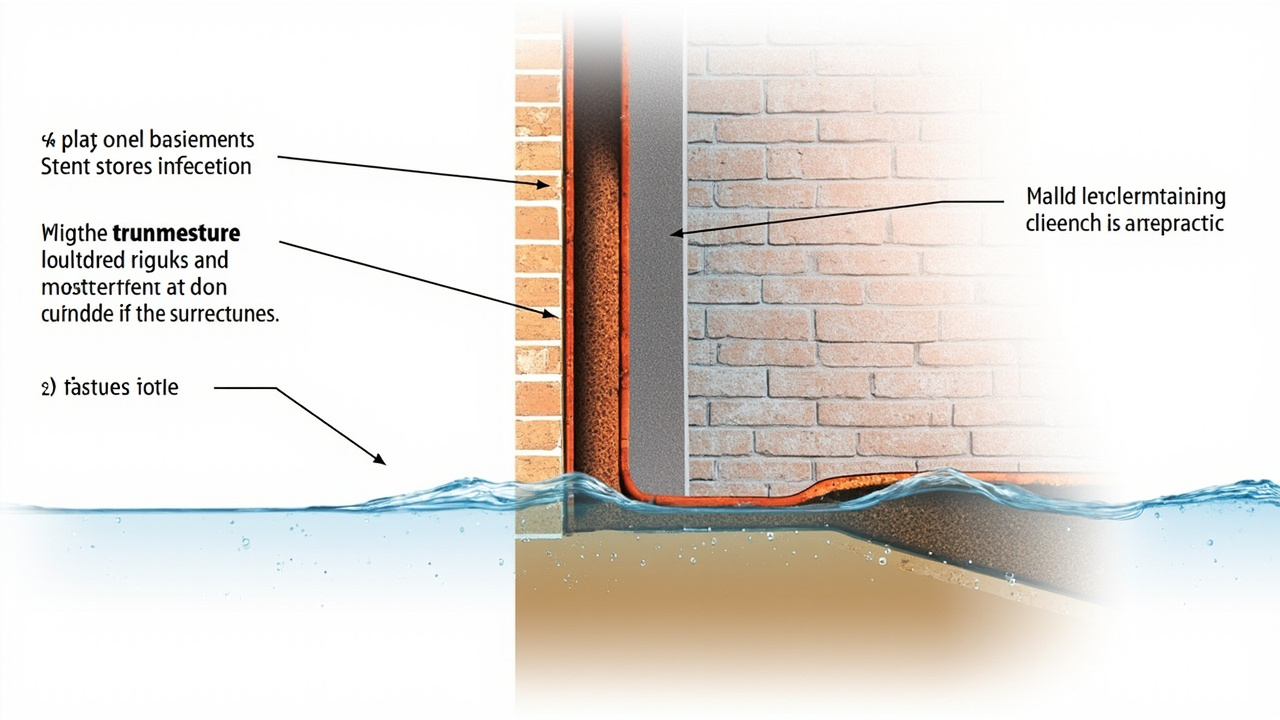
High Humidity and Mold Growth in Chicago Summers What Homeowners Need to Know Your basement…
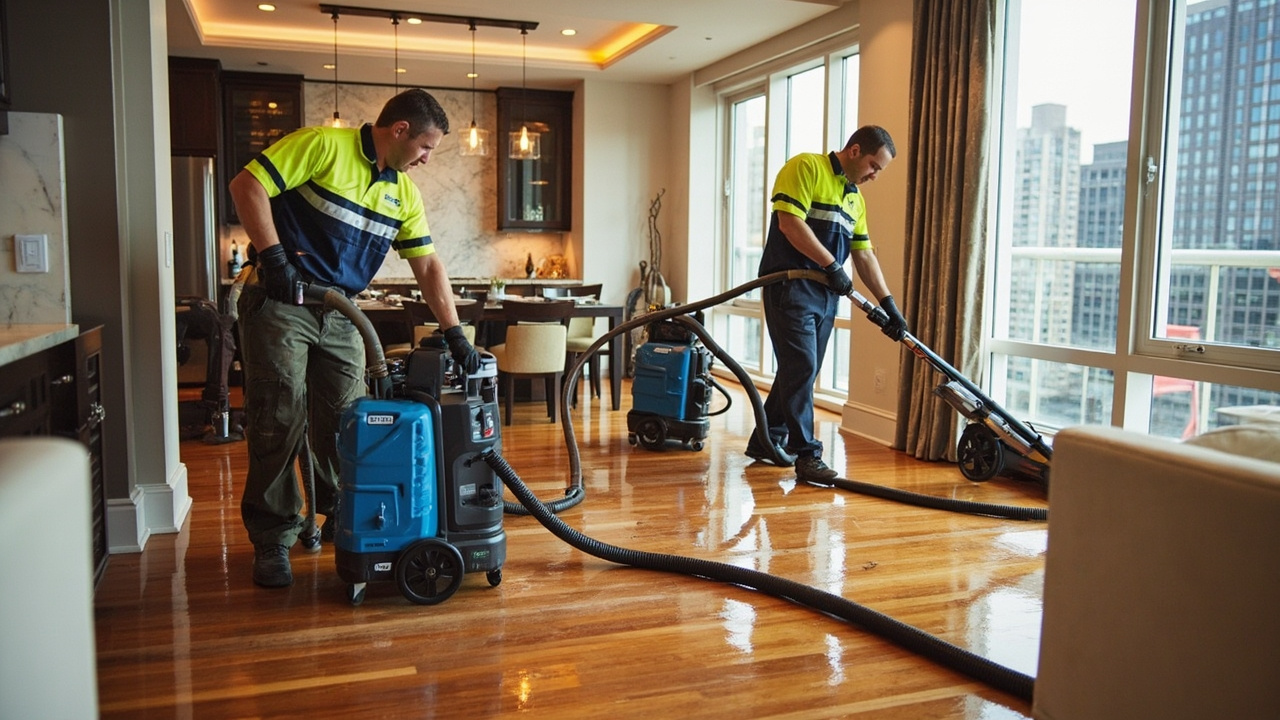
Luxury Home Water Damage Restoration in Chicago's Near North Side A burst pipe at 2…
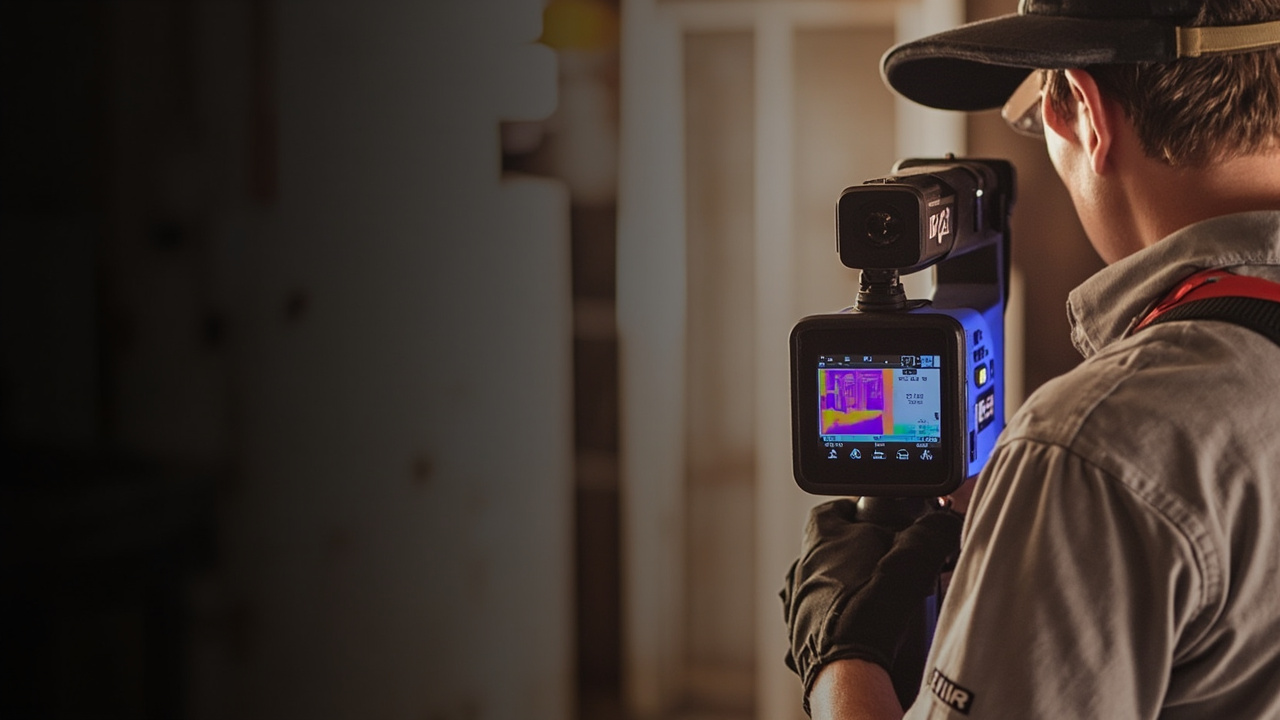
Expert Infrared Leak Detection in Chicago Homes and Businesses A hidden pipe leak can destroy…
Every hour you wait allows more water to soak into materials that will need replacement instead of drying. Call Cornerstone Water Damage Restoration Chicago now at (872) 266-1616. Our crews are standing by 24 hours a day to stop your damage and start your recovery.