



menu

Water Damage Restoration in Chicago | 24/7 Emergency Response Across All Neighborhoods

Cornerstone Water Damage Restoration Chicago delivers complete water damage mitigation, cleanup, and structural drying services to residential and commercial properties throughout the Chicago metro, with certified technicians dispatched within 60 minutes of your call.

Slider Image 1
Slider Image 2
Slider Image 3
Slider Image 4
Slider Image 5
Slider Image 7
Slider Image 8
Slider Image 9
Slider Image 10
Slider Image 11

Why Chicago Properties Face Constant Water Damage Threats

Chicago's location on Lake Michigan creates humidity levels that spike above 70% during summer months. This moisture saturates basement walls and crawl spaces. When temperatures plunge below freezing, the freeze-thaw cycle attacks foundation cracks and pipe joints. Water finds the path of least resistance.

The city's aging infrastructure compounds the problem. Many Chicago neighborhoods contain homes built between 1900 and 1950 with cast iron drain pipes that corrode from the inside out. A pinhole leak becomes a catastrophic failure without warning. Older radiator systems develop leaks when steam pressure fluctuates during cold snaps.

Flash flooding hits hard here. The city's combined sewer system overflows during heavy rain events, pushing water back through floor drains in basements across Lincoln Park, Logan Square, and Hyde Park. Clay soil common throughout Cook County expands when wet and contracts when dry, creating foundation movement that cracks water lines and sewer laterals.

Commercial buildings face different challenges. High-rise properties in the Loop deal with roof membrane failures from wind-driven rain off the lake. Warehouses in the industrial corridor near the Stevenson Expressway experience sprinkler line freezes during polar vortex events.

Water damage remediation requires immediate action. Structural materials begin deteriorating within 24 hours. Mold colonies establish within 48 to 72 hours in humid conditions. Professional water removal services stop the cascade of secondary damage that multiplies restoration costs. The difference between water damage cleanup handled in the first few hours versus several days later can mean thousands of dollars and weeks of displacement.

Why Chicago Properties Face Constant Water Damage Threats
Our Scientific Approach to Water Damage Mitigation

Our Scientific Approach to Water Damage Mitigation

Water damage restoration is not just extraction and drying. It requires understanding psychrometrics, the science of air and moisture interaction. We measure grains per pound (GPP) and relative humidity to calculate vapor pressure differentials. These numbers tell us exactly how much moisture exists in materials and how aggressively we need to dry them.

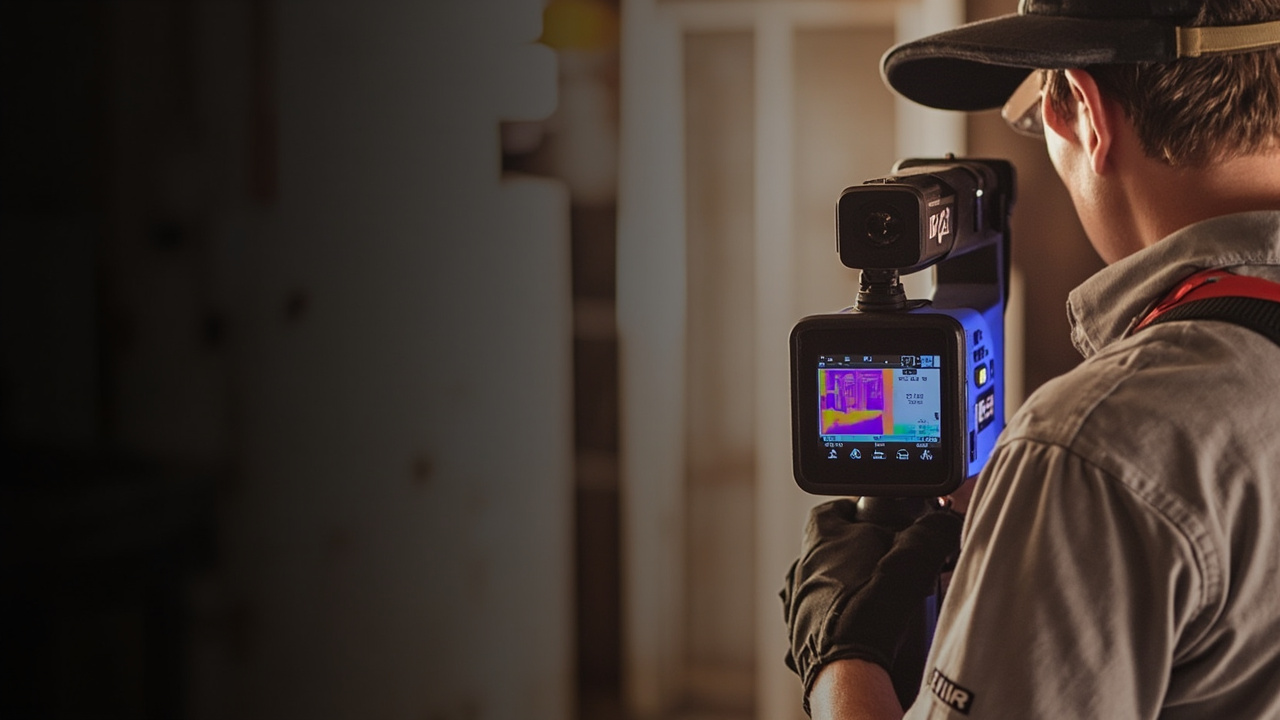
Our technicians use thermal imaging cameras to map moisture migration behind walls and under flooring. Water travels along framing members and insulation, pooling in cavities you cannot see. A moisture meter reading on drywall surface means nothing if we miss saturated insulation or wet studs behind it.

We deploy commercial dehumidifiers rated by pints per day extraction at AHAM conditions, not marketing numbers. Low-grain refrigerant (LGR) dehumidifiers pull the space down to 30-40% relative humidity, creating the vapor pressure gradient needed to extract moisture from building materials. Air movers positioned at specific angles create laminar airflow across wet surfaces, accelerating evaporation rates.

Category 2 and Category 3 water intrusions require antimicrobial treatment. We apply EPA-registered disinfectants to affected surfaces after extraction. Category 3 water from sewage backups demands controlled demolition of porous materials that cannot be adequately disinfected.

Cornerstone Water Damage Restoration Chicago follows IICRC S500 standards for water damage remediation. We document moisture readings at initial assessment and track them daily until materials reach dry standard. You receive a complete drying log showing exactly when each area returned to normal moisture content.

We coordinate directly with insurance adjusters. Our estimates use Xactimate pricing, the same software your insurance company uses. This eliminates disputes over scope and pricing, accelerating claim approval and getting restoration work started faster.

What Happens When You Call for Emergency Water Damage Repair

Water Damage Restoration in Chicago | 24/7 Emergency Response Across All Neighborhoods
01

Immediate Dispatch and Assessment

We dispatch a crew to your Chicago property within 60 minutes of your call. Our technician performs a room-by-room assessment, documents all affected areas with photos and moisture readings, and identifies the water source. We stop active water intrusion first, whether that means shutting off supply lines, tarping roof damage, or sandbagging basement window wells. You receive a verbal explanation of damage extent and our recommended action plan before any work begins.
02

Water Extraction and Monitoring

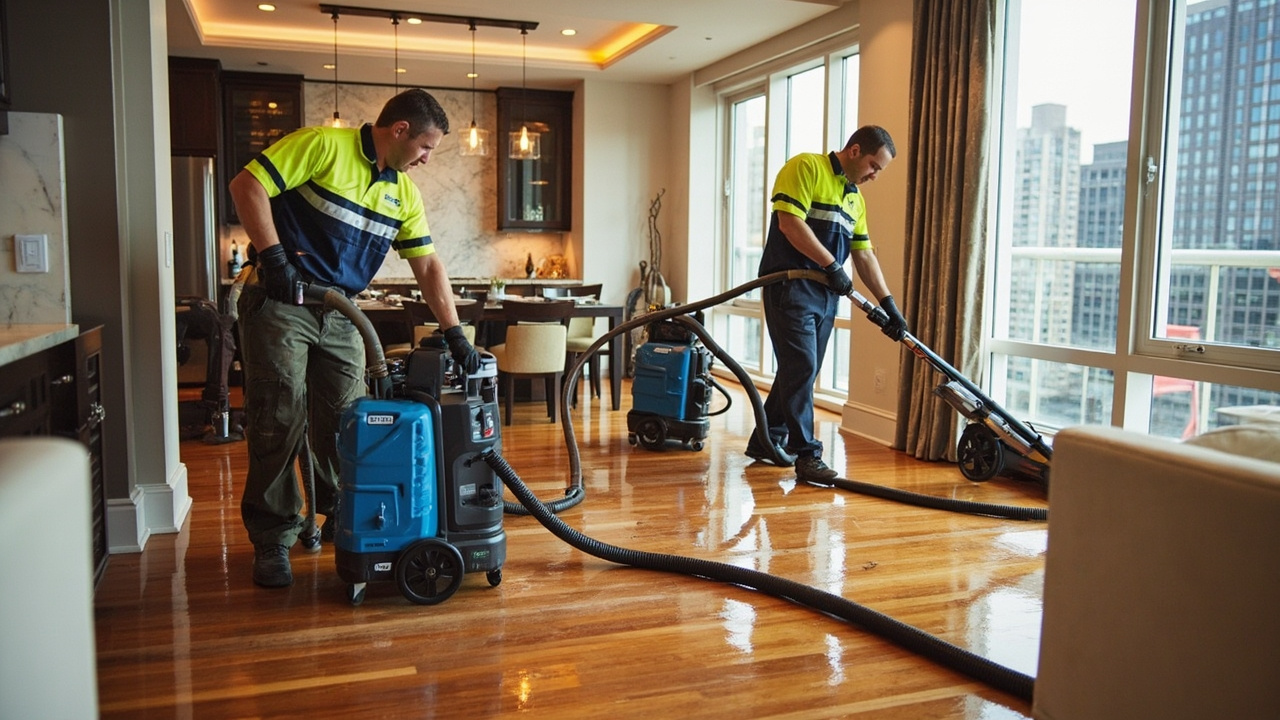
Truck-mounted extractors remove standing water at rates up to 150 gallons per minute. We pull water from carpets using weighted wands that compress fibers and force liquid to the surface. Hardwood floors receive special attention with mat systems that extract moisture while protecting the finish. Air movers and dehumidifiers begin running immediately after extraction. We monitor temperature, humidity, and material moisture content twice daily, adjusting equipment placement as readings change.
03

Structural Drying Completion

Drying typically requires three to five days depending on materials affected and water category. We do not remove equipment until moisture meters confirm all structural materials have reached dry standard, typically 12-15% moisture content for wood framing and less than 1% for concrete. You receive a final moisture map showing all tested locations and their readings. This documentation satisfies insurance requirements and protects you from mold claims if you sell the property later.

Why Chicago Property Owners Choose Cornerstone for Water Damage Restoration

We understand Chicago construction. Balloon-frame houses common in older neighborhoods allow water to travel vertically through wall cavities from roof to basement. Brick veneer construction typical in bungalows traps moisture between the brick and wood sheathing if through-wall flashing fails. We know where to look and what to test.

Our technicians recognize Chicago-specific challenges. Many basements here sit below the water table. We identify whether your water intrusion came from surface flooding, groundwater seepage, or pressurized sewer backup. Each source demands different remediation protocols.

We work within Chicago building code requirements. Any structural demolition requires permits from the Department of Buildings. We handle that paperwork. If your restoration involves electrical or plumbing work, we coordinate with licensed tradespeople who pull proper permits and schedule required inspections.

Experience with Chicago weather patterns informs our response. We know February pipe bursts overwhelm restoration capacity citywide. We maintain backup equipment and cross-train crews to handle surge demand during extreme weather events. You do not wait three days for service while your property deteriorates.

Our relationships with local insurance adjusters smooth the claims process. We have worked with every major carrier operating in Cook County. Adjusters trust our documentation and estimating. This credibility means fewer disputes and faster claim resolution.

We serve every Chicago neighborhood, from Rogers Park to Beverly, from Austin to South Shore. Our central location allows rapid response across the entire metro area. We have handled water damage in vintage greystone buildings, modern high-rises, industrial warehouses, and everything between. Building age and construction type do not intimidate us.

Cornerstone Water Damage Restoration Chicago maintains the equipment inventory to handle commercial losses. We own enough dehumidifiers and air movers to dry a 50,000 square foot building if necessary. Large loss capability matters when a sprinkler line fails in a commercial building overnight.

What to Expect During Your Water Damage Restoration Project

Emergency Response Time

We answer phones 24 hours per day, 365 days per year. A technician, not an answering service, takes your call. We dispatch a crew immediately, with arrival within 60 minutes for most Chicago locations. Our trucks carry extraction equipment, air movers, dehumidifiers, and moisture meters so we start mitigation work the moment we arrive. You do not wait until business hours while water spreads through your building. Night and weekend response carries no premium charges. Water does not respect business hours and neither do we.

Damage Assessment and Planning

Our initial assessment takes 45 to 90 minutes depending on property size. We document every affected room with photos, thermal images, and moisture readings. You receive a written scope of work explaining what needs to happen and why. We identify any contents that require pack-out and storage. If structural demolition is necessary, we explain exactly what materials must be removed and what can be saved. This transparency eliminates surprises later. Insurance policyholders receive a detailed estimate in Xactimate format for submission to their carrier.

Restoration Quality Standards

We do not declare a job complete based on calendar days or equipment rental periods. Completion happens when moisture meters confirm dry standard across all affected materials. You receive documentation showing before and after moisture readings for every tested location. If reconstruction is part of your project, we match existing materials and finishes. Hardwood floor repairs blend with surrounding boards. Drywall texture matches the existing pattern. Paint color gets matched using spectrophotometry if needed. The goal is making the damage invisible.

Post-Restoration Protection

We provide documentation that protects you long-term. Your moisture map and drying log prove professional remediation occurred if mold questions arise during a future property sale. We identify the root cause that allowed water intrusion and explain what repairs prevent recurrence. If your loss involved a plumbing failure, we recommend a licensed plumber. If roof damage caused the intrusion, we can connect you with qualified roofers. Follow-up moisture checks after heavy rain events are available at no charge for 90 days post-restoration.

Frequently Asked Questions

You Have Questions,
We Have Answers

How much will it cost to repair water damage? +

Water damage repair costs vary based on the extent of damage, affected materials, and required remediation. Minor leaks affecting drywall may be less expensive, while extensive flooding requiring structural drying, mold remediation, and material replacement costs more. Chicago homes face unique challenges from freeze-thaw cycles and basement flooding, which can increase complexity. Insurance often covers sudden damage like burst pipes but not gradual issues. Restoration companies provide free inspections and work directly with your insurer to document losses. The key is acting fast. Water spreads quickly through Chicago's older home construction, and delay increases expense exponentially.

What does water damage restoration include? +

Water damage restoration is a multi-step process that begins with emergency water extraction using commercial-grade pumps and vacuums. Technicians then deploy industrial dehumidifiers and air movers to dry structural components like subfloors, wall cavities, and framing. Moisture mapping tools track progress. The process includes antimicrobial treatment to prevent mold growth, removing damaged materials like baseboards or insulation, and documenting everything for insurance claims. In Chicago, restoration often addresses basement seepage and foundation issues common to older construction. The goal is complete drying and restoring your property to pre-loss condition while preventing secondary damage like rot or microbial contamination.

Can water damage be repaired? +

Yes, water damage can be repaired when addressed promptly. The success depends on how quickly you act and the water source. Clean water from supply lines is easiest to remediate. Gray water from appliances requires sanitization. Black water from sewage or flooding demands extensive disinfection. Chicago's humid summers accelerate mold growth, making speed critical. Professional restoration companies extract standing water, dry structural elements using thermal imaging to find hidden moisture, treat affected areas with antimicrobials, and rebuild damaged sections. Delays allow water to penetrate deeper into materials, warp wood framing, and compromise structural integrity, making repairs more complex.

Is water damage restoration worth it? +

Water damage restoration is worth it when you consider the alternatives. Ignoring water damage leads to structural rot, toxic mold growth, and collapsing ceilings or floors. Chicago homes, many built on clay soil with older foundations, are especially vulnerable to progressive deterioration. Professional restoration stops damage progression, prevents health hazards, and preserves your property value. Insurance typically covers sudden water events, making the out-of-pocket expense minimal. Attempting DIY fixes without proper drying equipment leaves hidden moisture that causes problems months later. Professional remediation includes moisture detection, complete drying, and documentation that protects you legally and financially.

How much does it cost to repair water damage? +

Water damage repair costs depend on several factors including damage severity, affected square footage, water category, and required reconstruction. Class 1 damage affecting minimal materials costs less than Class 4 damage saturating hardwood floors and plaster walls. Category 3 black water from sewage requires extensive sanitization and disposal. Chicago's older building stock often means plaster walls and hardwood floors that require specialized restoration techniques. Insurance coverage significantly reduces your expense for covered events like burst pipes or storm damage. Restoration companies provide free assessments and detailed estimates. Fast response reduces total costs by preventing secondary damage like mold or structural weakening.

Is water damage in walls covered by insurance? +

Insurance coverage for water damage in walls depends on the cause and your policy terms. Sudden and accidental events like burst pipes, appliance malfunctions, or storm damage are typically covered. Gradual damage from slow leaks, poor maintenance, or foundation seepage is usually excluded. Chicago homes experience freeze damage to pipes in exterior walls during harsh winters, which insurance often covers. You must document the source and timeline. Most policies require prompt notification and mitigation to prevent claim denial. Review your policy for specific exclusions and coverage limits. A restoration company can help document damage and communicate directly with your adjuster.

How likely is mold after water damage? +

Mold can begin growing within 24 to 48 hours after water damage in the right conditions. Chicago's humid summers create ideal environments for rapid microbial growth. Porous materials like drywall, insulation, and carpet are especially vulnerable. The likelihood increases with delayed response, incomplete drying, or high humidity levels. Category 2 and 3 water already contain contaminants that accelerate growth. Professional restoration prevents mold by extracting water immediately, using commercial dehumidifiers to reduce moisture below 60 percent, and applying antimicrobial treatments. Thermal imaging finds hidden moisture in wall cavities where mold thrives undetected. Fast action is your best defense.

What does category 3 damage look like? +

Category 3 water damage involves grossly contaminated water containing pathogens, raw sewage, or chemicals. This includes sewage backups, toilet overflows with feces, flooding from rivers or lakes, and standing water with microbial growth. In Chicago, basement backups from overwhelmed sewer systems during heavy rains are common Category 3 events. You will see dark, foul-smelling water with visible debris. Affected materials must be removed and discarded, not just dried. Surfaces require aggressive disinfection. Category 3 water poses serious health risks including bacterial infections and disease. Never attempt cleanup yourself. Professional remediation with proper protective equipment and EPA-registered disinfectants is mandatory.

What not to do after water damage? +

Do not delay calling a restoration professional. Do not use household vacuums on standing water, which can cause electrocution. Do not leave wet materials in place hoping they will air dry. Chicago's humidity prevents effective drying without commercial equipment. Do not turn on HVAC systems if water affected ductwork or electrical components. Do not ignore safety hazards like sagging ceilings or exposed wiring. Do not throw away damaged items before documenting them for insurance. Do not use bleach on porous materials, which does not kill mold roots. Do not assume visible drying means complete drying. Hidden moisture in wall cavities and subfloors causes long-term problems.

Why is water damage so expensive? +

Water damage restoration costs reflect the specialized equipment, labor intensity, and time sensitivity required. Commercial dehumidifiers, air movers, moisture meters, and thermal imaging cameras are expensive to own and operate. Technicians work around the clock to prevent secondary damage. Water migrates quickly through Chicago's older construction, often requiring extensive material removal including plaster walls, hardwood floors, and insulation. Category 3 contamination demands hazmat protocols and disposal fees. Hidden moisture detection requires cutting access holes and rebuilding. Insurance coordination adds administrative costs. The alternative, ignoring damage, leads to structural failure and toxic mold that costs exponentially more to remediate later.

How Chicago's Combined Sewer System Creates Basement Flooding Emergencies

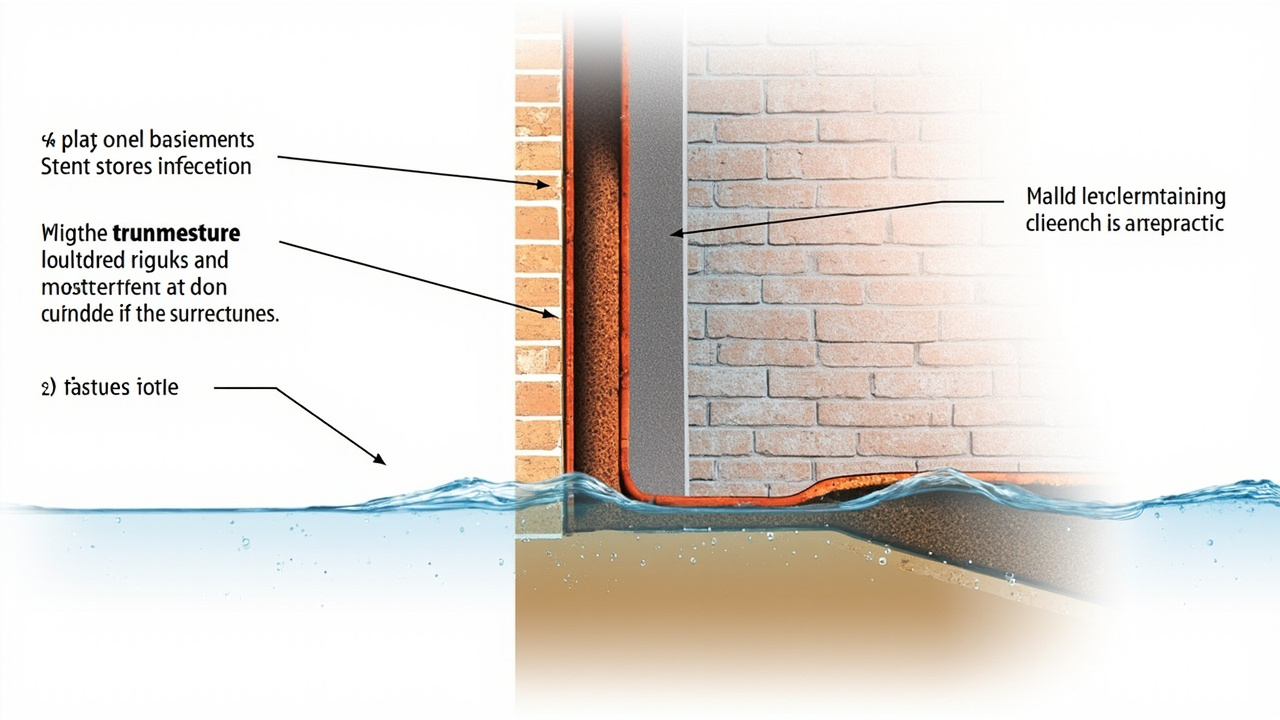
Chicago operates a combined sewer system that handles both sanitary waste and stormwater runoff in the same pipes. When rainfall exceeds system capacity, water backs up through floor drains into basements. This affects older neighborhoods across the city during heavy rain events. The water entering your basement through floor drains is Category 3 contaminated water requiring aggressive disinfection protocols. Many homeowners do not realize their standard sump pump offers zero protection against this type of flooding. A properly installed overhead sewer with backwater valve is the only reliable prevention method.

Cornerstone Water Damage Restoration Chicago has managed hundreds of combined sewer backup incidents. We understand the specific health risks associated with this contamination category. Our crews follow Chicago Department of Public Health guidelines for sewage cleanup. We coordinate with licensed plumbers who install compliant backwater valve systems. Our relationship with local building inspectors ensures your restoration work passes inspection on the first attempt. This local expertise matters when you face contaminated water in your basement at 2 AM during a thunderstorm.
Water Damage Restoration Services in The Chicago Area

Cornerstone proudly serves the entire Chicago area with fast, dependable water damage restoration services. Whether you’re located in downtown, the suburbs, or surrounding neighborhoods, we’re ready to respond to your call—day or night. Use the map below to see our local service coverage and find our nearest team. With mobile units throughout the city, help is never far away. If you’re facing water damage, reach out now and let us show you why homeowners and businesses choose Cornerstone.

Address:
Cornerstone Water Damage Restoration Chicago, 171 N Aberdeen St, Chicago, IL, 60607

Additional Services We Offer

Our news updates

Latest Articles & News from The Blogs

High Humidity and Mold Growth in Chicago Summers What Homeowners Need to Know Your basement smells musty. Your bathroom mirror…

Why high humidity in the Chicago summer makes water damage worse in Calumet Heights

High Humidity and Mold Growth in Chicago Summers What Homeowners Need to Know Your basement smells musty. Your bathroom mirror…

Managing water damage restoration in the high-end luxury builds of the Near North Side

Luxury Home Water Damage Restoration in Chicago's Near North Side A burst pipe at 2 AM in your Gold Coast…

How we use thermal imaging to find hidden leaks in West Ridge homes

Expert Infrared Leak Detection in Chicago Homes and Businesses A hidden pipe leak can destroy your property long before you…

Contact Us

Water damage costs multiply by the hour. Call Cornerstone Water Damage Restoration Chicago now at (872) 266-1616. Our crews are standing by 24/7 with truck-mounted extraction equipment and commercial drying systems. We serve every Chicago neighborhood with guaranteed 60-minute response times.