
Water Damage During Renovation What Chicago Homeowners Must Do Right Now
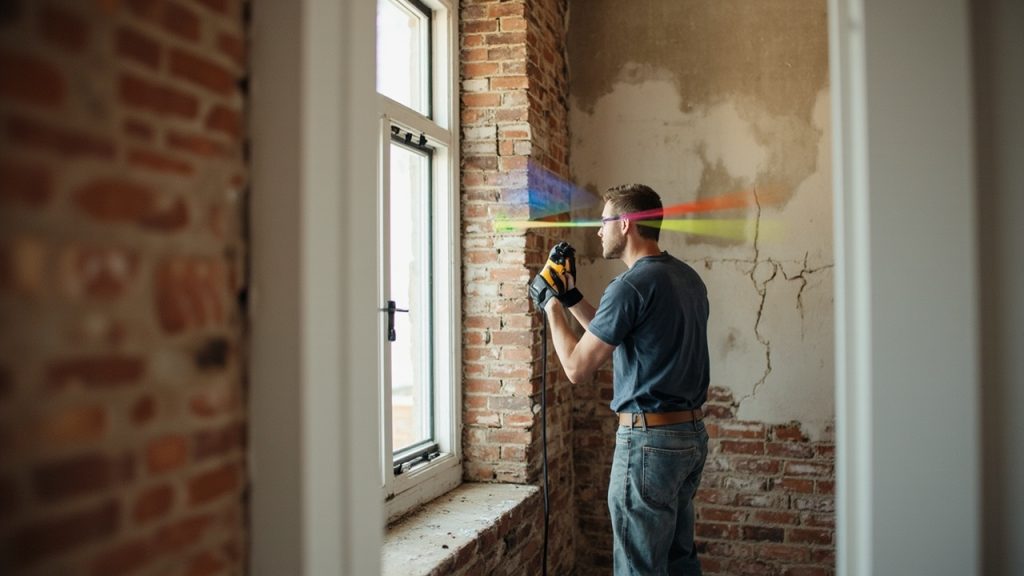
You hired a contractor to update your kitchen. Walls came down. Then your general contractor calls with bad news. Water damage. Hidden behind the plaster. Now your renovation timeline is shot, and you wonder who pays for the mess and what comes next.
This scenario plays out dozens of times each month across Chicago neighborhoods. In Bronzeville, where most homes feature early 1900s greystone and brick construction, you face unique water damage vulnerabilities. The original clay tile drain pipes beneath Bronzeville foundations frequently fail silently and release sewage into crawlspaces and basements. When you tear into walls during renovation, this hidden damage becomes suddenly visible. Older homes built on clay soil near Lake Michigan often hide water intrusion problems until renovation work exposes them. When water damage surfaces during construction, most homeowners freeze. You do not know if insurance covers it, if the contractor is liable, or how long repairs will delay your project.
This guide walks you through the exact steps to take the moment you discover what to do if you find hidden water damage during a Bronzeville renovation.
What to Do If You Find Hidden Water Damage During a Bronzeville Renovation
The first action is the hardest. You must tell your contractor to stop all work in the affected area immediately. Continuing to demo walls or remove flooring spreads moisture deeper into adjacent structural materials and accelerates mold growth. You need to act fast because Bronzeville’s proximity to Lake Michigan and the neighborhood’s high water table create persistent moisture conditions that worsen quickly.
Grab your phone and photograph every visible sign of damage. Wet drywall. Soft subflooring. Discoloration on joists. Visible mold. Rust on copper piping. Take multiple angles and close-up shots. These photos become your insurance documentation and prove when you discovered the damage.
Do not touch or move anything. Do not attempt to dry the area with fans or dehumidifiers yet. Professional mitigation teams need to assess the damage in its current state to determine the moisture category and create a proper drying protocol. Within the next two hours, take one additional step. Turn off electricity to the affected area at the breaker box. If water is pooling or actively dripping, you can manually stop it if the water source is obvious, like a burst copper pipe or broken supply line. Do not attempt to fix the pipe yourself. Call a licensed plumber immediately.
Stop Work Immediately and Document Everything
Documentation protects you when determining liability and filing insurance claims. You must create a clear record showing exactly what you discovered and when. Take photographs from multiple angles so the damage scope becomes undeniable to your insurance adjuster and contractor alike.
Write down the time you discovered the damage, the location within your home, and what you observed. Did water actively drip or pool? Did you smell sewage, which indicates Category 3 black water from failed Bronzeville clay tile drain systems? Did you see discoloration suggesting the damage occurred weeks or months ago? Your written observations combined with photographs create irrefutable proof of discovery date and damage extent.
Call your contractor and tell them to cease all work immediately. Document this conversation with a follow-up email or text message confirming that you ordered work stoppage at the specific time and date. This creates a record showing you took immediate action to prevent further damage spread.
Identify the Water Source and Damage Category
Professional restoration companies classify water damage into three categories based on contamination level and source. This classification determines your mitigation approach and insurance coverage eligibility.
| Category | Source | Contamination Level | Health Risk | Materials Affected |
|---|---|---|---|---|
| Category 1 | Clean water from burst supply lines, failed sump pumps, or rainwater | Minimal and safe to touch with precaution | Low | Drywall, wood, and carpet can dry and sometimes be salvaged |
| Category 2 | Gray water from washing machine overflow, dishwasher leaks, or toilet overflow with some flushing | Moderate and contains bacteria and microorganisms | Moderate, skin contact causes irritation | Most materials require removal and replacement |
| Category 3 | Black water from sewage backup, toilet overflow with feces, or standing water from flooding | High and contains toxic waste, E coli, and hepatitis A | Severe and can cause serious illness | All porous materials must be removed and disposed of per EPA guidelines |
Bronzeville’s infrastructure creates specific water damage risks that differ from other Chicago neighborhoods. The neighborhood’s older combined sewer systems can introduce Category 3 black water during heavy rain or sewer backup without warning. If you discover water damage during renovation in a Bronzeville home, look for the source carefully. Is water actively coming from above or from foundation cracks? Is there a sewage odor? That tells you the contamination level and determines your next steps.
Bronzeville homes built in the early 1900s contain clay tile drain pipes under the foundation that fail silently and release sewage into crawlspaces and basements. These pipes are 120 to 130 years old and reached the end of their lifespan decades ago. When you tear into walls during renovation, this Category 3 damage becomes suddenly visible. The presence of sewage odor confirms you face black water contamination requiring certified professional removal.
Contact Your Insurance Company Within 24 Hours
Most homeowners insurance policies distinguish between sudden water damage and gradual water damage. Sudden damage from a burst pipe or failed sump pump receives coverage. Gradual damage from a slow leak over months does not. You must contact your insurance company within 24 hours of discovering water damage during your Bronzeville renovation.
When you call your insurer, you must answer one question clearly. When did the damage occur? If the damage existed before you started renovation but was hidden, your policy may treat this as pre-existing damage and deny coverage. If the damage began during the renovation, that is sudden damage and typically covered. The distinction between pre-existing and newly occurring damage determines whether insurance pays for mitigation and repairs or your personal renovation budget absorbs all costs.
Here is what to tell your insurance company when you call. Provide the date you discovered the damage. Give a clear description of the source, such as pipe burst, sump pump failure, foundation crack allowing water entry, or sewage backup from failed clay tile drains. Provide photos of the damage. Give the name and contact information of your general contractor. Explain the scope of the renovation work underway when damage was found. Do not speculate about when the damage started. Stick to facts. The insurance adjuster will investigate and determine coverage.
Your policy may require you to file a claim within a specific timeframe, often 30 days. Missing this window can void coverage. If you are uncertain about your policy language, contact your agent immediately. Ask specifically whether your policy covers water damage from failed foundation drain systems and clay tile pipe failures, both common in Bronzeville’s aging housing stock.
Managing Contractor Liability and Documentation
When water damage surfaces during renovation, you and your contractor both want to understand who is responsible for repair costs. Liability depends on four distinct factors that you must evaluate carefully.
1. Did the contractor cause the damage? If your contractor’s work directly caused water intrusion by cutting a water line, removing a bearing wall, or failing to protect openings, they bear responsibility. Their liability insurance should cover mitigation and repair costs in full. Request that your contractor’s insurance company be notified immediately so coverage applies.
2. Was the damage pre-existing? If the water damage existed before the renovation started but was hidden, your homeowners insurance typically covers it as sudden water damage once discovered. The contractor shares no liability in this scenario. You pay your deductible, and insurance covers remaining mitigation and repair costs.
3. Does the contractor have liability insurance? Request a copy of the contractor’s General Liability policy and proof of current coverage. Verify the policy number directly with the insurer by phone or email. A legitimate contractor carries coverage starting at one million dollars. If your contractor cannot produce current liability insurance documentation, stop all work immediately. You have no recourse if uninsured contractor negligence causes damage.
4. Is there a discovery clause in your renovation contract? Some contracts state that damage discovered during work remains the homeowner’s responsibility. Others require the contractor to report and mitigate any damage found. Review your original contract language carefully. If your contract lacks clarity on water damage discovery, request a written amendment clarifying that both parties will cooperate with insurance and professional mitigation before assigning liability.
Request a written statement from your contractor describing what they found, when they found it, and how the damage appears to have originated. This becomes critical documentation for your insurance claim and protects you if the contractor later disputes responsibility or suggests the damage predated their work.
Understanding Chicago Building Code Requirements for Bronzeville Structural Repairs
Chicago Building Code Section 3401 governs sub-soil drainage and foundation waterproofing across the entire city, including Bronzeville. If water damage involves foundation cracks, deteriorated basement walls, or failed drain tile systems like the clay tile pipes prevalent beneath Bronzeville homes, any repair work requires a building permit from the City of Chicago Department of Buildings. This is not optional. Unpermitted structural repairs can cause future sales and financing problems for your property.
Why does Chicago require permits for foundation work? Chicago’s clay-heavy soil and proximity to Lake Michigan create persistent hydrostatic pressure on basement foundations. Repairs must meet specific standards or water will return within months. Bronzeville sits directly in this high-pressure zone, making proper structural repair essential.
If your renovation uncovers a foundation crack larger than one-quarter inch or a failed sump pump system or deteriorated clay tile drain pipes, your contractor must apply for a structural repair permit. This process takes five to ten business days and costs between one hundred fifty to three hundred dollars. It adds time to your project, but it ensures the repair meets code and that future inspectors will not flag the work as unpermitted.
Bronzeville homes built before 1978 add significant complexity. If water damage affects areas with lead-based paint or suspected asbestos, which was common in plaster, pipe insulation, and floor tiles in homes from that era, abatement must occur before any restoration work begins. Lead and asbestos abatement require licensed contractors and adds one to two weeks to the project timeline. Budget for these mandatory steps when calculating your total renovation delay.
Professional Water Mitigation vs. DIY Cleanup
Some homeowners attempt to dry water damage themselves using household fans and dehumidifiers. This approach fails for three critical reasons that you must understand before deciding against professional help.
First, water soaks deeper than you see on the surface. Wet drywall looks wet on the surface, but moisture penetrates six to twelve inches behind the wall into studs, insulation, and rim joists. Household dehumidifiers do not generate enough air movement to extract moisture from deep wood fiber, leaving hidden moisture that causes mold growth and structural decay months later. Second, mold grows rapidly in damp environments. Mold spores germinate within 24 to 48 hours of water exposure. Third, structural materials lose integrity when wet. Wet floor joists sag. Wet subflooring warps. If you do not dry these materials completely and quickly using industrial equipment, your renovation becomes structurally unsafe and potentially dangerous.
Professional mitigation teams deploy industrial equipment that homeowners cannot rent from any equipment rental company.
| Equipment | Function | Why It Matters for Your Bronzeville Home |
|---|---|---|
| Thermal imaging camera | Detects moisture behind walls and ceilings | Identifies hidden wet zones in your home’s deep wall cavities and joist spaces that visual inspection cannot see |
| Moisture meter | Measures water content in wood and building materials precisely | Determines when materials are dry enough to resume work and when they meet insurance adjuster requirements |
| Industrial air movers | Generates 3000 to 4000 cubic feet per minute airflow | Removes moisture from deep within wall cavities and subflooring in your century-old Bronzeville greystone or brick home |
| Desiccant dehumidifier | Pulls moisture from air in low-temperature environments | Prevents mold growth and condensation during drying cycle and works effectively in Chicago’s variable temperatures |
| Containment barriers | Isolates affected areas from rest of home | Prevents mold spores from spreading to finished areas and protects your family from exposure |
The mitigation timeline depends on the damage category and water volume in your space. Category 1 damage in a small area covering under 100 square feet typically requires three to five days of professional drying. Category 2 or 3 damage or large affected areas can require one to two weeks or longer. During this time, your contractor cannot resume work in the affected zone, which impacts your overall renovation schedule.
Your insurance adjuster will require moisture readings showing materials are dry, typically below 12 percent moisture content for wood, before restoration work begins. A professional mitigation company provides these readings and can testify to drying progress if needed for your claim. This documentation becomes essential proof that you followed proper procedures for insurance reimbursement.
Evaluating Mitigation Companies and Making the Right Choice
You need to choose a water mitigation company carefully because the quality of their work determines whether mold develops, whether insurance covers repairs, and whether your contractor can resume work on schedule. Compare mitigation companies using these criteria rather than price alone, since the cheapest option often provides inadequate service.
Ask each company whether they provide thermal imaging to detect hidden moisture, daily moisture readings to track drying progress, and written certification when materials reach acceptable dryness levels. These services cost more upfront but prevent incomplete drying and mold growth that costs far more to remediate later. Ask whether they coordinate directly with your insurance adjuster to handle documentation and reporting. This reduces your burden during a stressful time and ensures your adjuster receives professional assessments supporting your claim approval.
Request references from three previous clients in Bronzeville or nearby neighborhoods who experienced similar water damage during renovation. Contact those references directly and ask whether the mitigation company answered questions clearly, completed work on the promised timeline, and provided documentation that satisfied insurance adjusters. Ask whether the company offered reasonable options for cost containment if damage proved less severe than initially assessed.
Understand the cost structure before signing a contract. Some mitigation companies charge hourly rates for equipment and labor. Others charge daily equipment rental rates plus labor. Some offer flat-rate pricing for specific damage categories. Request detailed written estimates from at least two companies before deciding. Ask what the estimate includes and what additional costs might apply if damage proves more extensive than initial assessment. Request that any estimate include thermal imaging assessment fees, daily monitoring, and final certification documentation.
Mold Assessment and Remediation Before Construction Resumes
Mold grows in wet environments aggressively. If water damage sits for more than 48 hours without professional drying, mold colonies establish themselves in hidden spaces. Mold in hidden spaces behind walls is dangerous because spores spread through your home’s air system and affect air quality for months, creating health risks for your family.
Before your contractor resumes renovation work, you must require a mold assessment from a licensed inspector. A licensed mold inspector uses air quality testing and surface sampling to determine if mold is present. If mold is detected, a certified mold remediation contractor removes contaminated materials and treats surfaces per the IICRC S500 Mold Remediation Standard. This standard governs how mold remediation must occur to protect occupants and prevent future mold growth.
Chicago’s high humidity in summer accelerates mold growth significantly. Mold thrives in moisture levels above 55 percent relative humidity. If your renovation damage occurs during June through September, mold growth accelerates dramatically, meaning you must begin professional drying within 24 hours rather than waiting days. Bronzeville’s proximity to Lake Michigan increases summer humidity levels further, making prompt mitigation even more critical in warm months.
Do not attempt mold cleanup yourself under any circumstances. Disturbing mold spores without proper containment releases them into your home and spreads contamination to areas previously unaffected. A licensed mold remediation team uses negative air machines, HEPA filtration, and containment barriers to safely remove contaminated materials. Your insurance adjuster may require certification that mold remediation followed industry standards before approving your claim.
Resuming Your Renovation After Water Mitigation
Your contractor cannot resume work until your insurance adjuster approves the repairs and your mitigation company certifies materials are dry. This approval process takes five to ten additional days beyond the actual drying time. You must understand the approval requirements so you can coordinate all necessary steps efficiently.
Before work resumes, your contractor must prove the following items to your satisfaction and document everything in writing. A building permit has been obtained for any structural repairs related to water damage. A professional mitigation company has provided written certification that affected materials meet moisture standards, typically below 12 percent wood moisture content. A mold assessment has been completed and any mold remediation is finished and certified. Any lead or asbestos abatement required by pre-1978 construction has been certified complete by licensed abatement contractors. All damaged materials have been removed and disposed of according to local waste management guidelines. Replacement materials such as drywall, subflooring, joists, and insulation are installed and ready for finishing work.
Water damage discovered during renovation delays projects by two to four weeks on average for Category 1 damage in limited areas. Larger damage or sewage backup from Bronzeville’s failed clay tile systems can delay work by six to eight weeks or longer. Adjust your timeline and budget expectations accordingly before resuming work. Communicate revised timelines to all stakeholders, including lenders, title companies, and family members who depend on renovation completion.
Insurance Coverage Analysis and Out-of-Pocket Cost Evaluation
You must understand how your insurance coverage applies to water damage discovered during renovation so you can make informed decisions about mitigation approach and repair options. Insurance coverage determines whether you pay your deductible plus full costs or whether you absorb all expenses from your renovation budget.
Homeowners insurance covers sudden water damage from burst pipes, sump pump failures, and roof leaks. Most policies do not cover gradual water damage from slow leaks over time or pre-existing damage that was simply hidden. If you discover water damage during renovation, your adjuster investigates when the damage occurred. If damage clearly resulted from recent events like a winter freeze-burst pipe, insurance covers it. If damage shows signs of age and moisture that accumulated over years, insurance may deny coverage.
Your insurance deductible determines your out-of-pocket cost before insurance reimburses you. Standard deductibles range from one thousand to five thousand dollars depending on your policy. If mitigation costs fall below your deductible, you pay the entire cost from your renovation budget. If mitigation and repairs exceed your deductible, you pay the deductible and insurance covers the remainder up to your policy limits.
Request a detailed estimate from your mitigation company and provide it to your insurance adjuster immediately. Ask your adjuster whether they believe the claim qualifies for coverage before work begins. This prevents surprises where you authorize expensive mitigation and later discover insurance denies coverage, leaving you responsible for the full bill. Some adjusters provide preliminary coverage decisions before formal claim investigation, which allows you to plan your budget confidently.
If insurance denies coverage, evaluate whether to pursue professional mitigation out of pocket or attempt limited repairs yourself. Category 1 clean water damage in very small areas might be managed without professional help if you act immediately and completely dry the area within 24 hours. Category 2 or 3 damage always requires professional mitigation regardless of cost, because mold and bacterial contamination threaten your family’s health and your home’s structural integrity.
Protecting Your Bronzeville Home From Future Water Damage
Once your renovation is complete, water damage discovered during the project reveals vulnerabilities in your home’s drainage system. You should take steps now to prevent repeat damage in the coming years as Bronzeville’s aging infrastructure continues to deteriorate.
If the damage originated from sump pump failure, install a backup sump pump system powered by battery backup or a generator. Chicago’s spring rains and Lake Michigan proximity create high groundwater tables that continuously press against Bronzeville foundations. A single sump pump fails during extended power outages or during a heavy downpour that overwhelms its capacity. A secondary pump powered by battery or generator keeps water out during emergencies and prevents repeat flooding.
If foundation cracks caused water entry, seal them with hydraulic cement or polyurethane injection. Surface caulk fails within two to three years. Professional injection creates a permanent barrier and satisfies Chicago Building Code requirements. Bronzeville homes with clay tile drain systems frequently develop foundation cracks as soil shifts and hydrostatic pressure increases. Sealed cracks prevent ongoing water intrusion.
If the damage came from failed clay tile drain systems, a problem extremely common in Bronzeville homes, excavate and replace them with perforated PVC systems. This is expensive but necessary. Original Bronzeville drainage systems installed in the early 1900s are 120 to 130 years old and have completely failed. Replacing them prevents future sewage backups and water damage.
If the damage involved a pipe burst, inspect all older plumbing during your renovation while walls are open. Copper piping corrodes from the inside out in Chicago’s water chemistry. Burst pipes often signal that other sections of your plumbing are close to failure. Replace questionable sections now while walls are open and costs are spread across your larger renovation budget.
When to Call Professional Water Damage Restoration
Water damage discovered during renovation requires professional intervention immediately. Professional water damage cleanup companies in the Chicago area respond within hours to assess damage, begin mitigation, and guide your insurance claim through approval and payment.
If you discover water damage during a basement renovation in Bronzeville, you face unique challenges from the neighborhood’s clay tile drain pipes and high water table proximity. Fast restoration prevents mold and saves structural materials. If you find a burst pipe in an older Bronzeville home, 24-hour burst pipe response stops water from spreading further through your home’s framing and subflooring.
For homes in Bronzeville served by combined sewer systems, sewage backup cleanup requires certified removal crews trained in Category 3 black water remediation. Never attempt sewage cleanup alone. Exposure to sewage carries serious health risks including hepatitis A, E coli infection, and other bacterial illnesses.
If water damage affects older Bronzeville homes with original plaster, lead paint, and historic architectural details, professional restoration preserves character while meeting modern code requirements. Historic home restoration expertise prevents inadvertent damage to original features while addressing water damage effectively.

Step by Step Action Plan When You Find Water Damage During Bronzeville Renovation
- Stop construction work in the affected area immediately. Tell your contractor no further demolition or work in the water-damaged zone. Document the area with photographs from multiple angles showing the damage extent and source.
- Turn off water and electricity if needed. If water is actively running or spreading, shut off the water supply at the main valve. Turn off electricity to the affected area at the breaker box to prevent electrical hazards.
- Call a professional water mitigation company within two hours. Do not wait for the next business day. Early intervention prevents mold growth and saves structural materials. Professional crews assess damage category and develop a drying plan.
- Contact your homeowners insurance company the same day. Report the discovery, provide photos, and document the water source. Ask your adjuster if a claim must be filed within a specific timeframe and whether preliminary coverage assessment is available.
- Request a written statement from your contractor. Ask for a dated, signed statement describing what they found, where it was located, and how the damage appears to have originated. This protects you in liability disputes.
- Request a copy of your contractor’s liability insurance. Verify coverage limits and current policy status with the insurer to understand who pays for repairs and mitigation costs.
- Allow professional mitigation to proceed for three to seven days. Do not attempt DIY drying. Let industrial equipment extract moisture completely and thermal imaging confirm hidden wet zones are dry before considering work resumption.
- Request a mold assessment before construction resumes. Test for mold growth and obtain written certification of air quality before your contractor re-enters the space. This protects your family’s health.
- Verify building permits are obtained for structural repairs. Check with the City of Chicago Department of Buildings if foundation cracks, drain systems, or bearing walls were affected by water damage.
- Review the insurance adjuster’s written approval. Do not resume construction until you have written documentation that the claim is approved and mitigation is certified complete.
Common Causes of Hidden Water Damage in Bronzeville Renovations
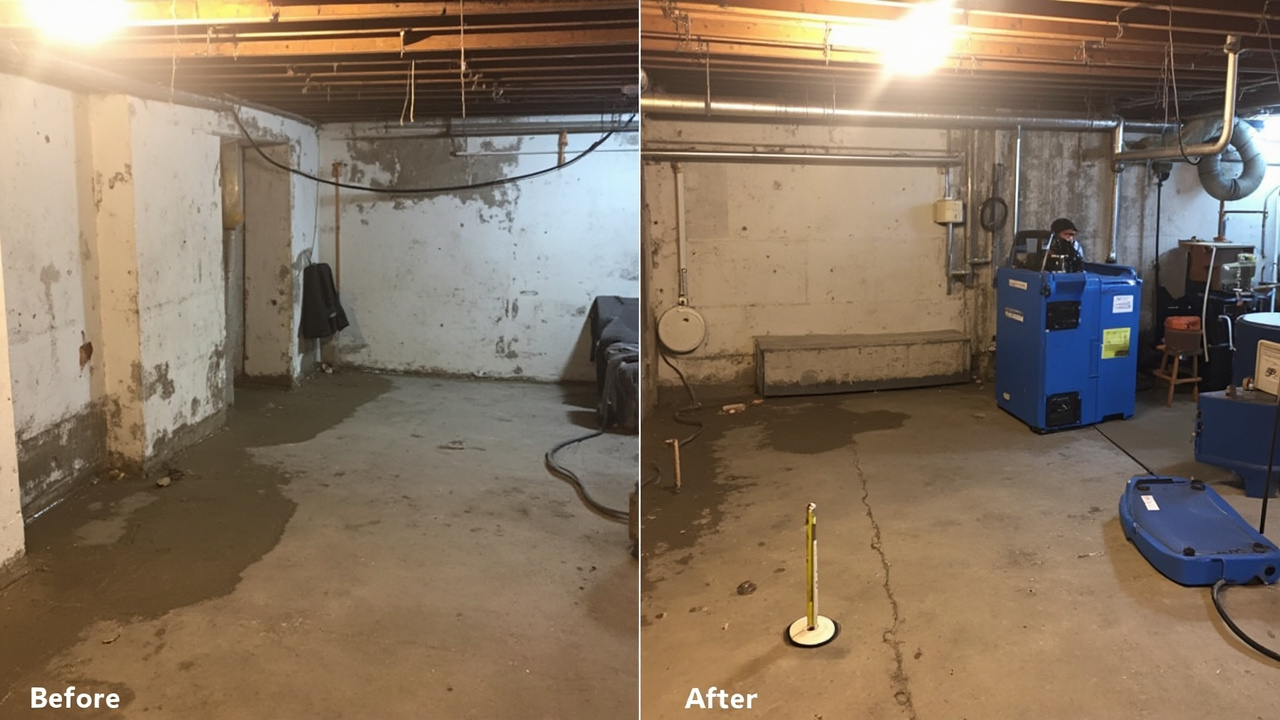
Renovation work often exposes damage that has been hidden for years in Bronzeville homes. The neighborhood’s climate, soil composition, aging infrastructure, and historic construction create specific vulnerability patterns that differ from other Chicago areas.
Failed clay tile drain systems under Bronzeville foundations. Bronzeville homes feature clay tile drain pipes installed in the early 1900s that now are 120 to 130 years old. These pipes have completely deteriorated and no longer divert water away from the foundation. Clay soil exerts tremendous hydrostatic pressure on basement walls, and failed drains allow water to pool in the soil next to basement walls. Renovations that expose the foundation reveal extensive water staining, mold growth, and deteriorated concrete.
Burst supply lines in older Bronzeville two-flats. Chicago’s polar vortex events and deep freezes cause copper and galvanized steel pipes to burst. Damage occurs inside walls where pipes run. Renovations that open walls expose these failures and reveal stained framing, mold, and deteriorated insulation.
Sump pump failures during spring thaw and heavy rain. Bronzeville sits on clay soil with high water tables. Sump pumps fail when electrical cords corrode, check valves stick, or pump chambers become clogged with sediment. If a pump fails during spring rains or heavy summer thunderstorms, water floods the basement. Later renovations uncover water stains in floor joists and subfloor that indicate past flooding events.
Sewage backup from Bronzeville’s combined sewer systems. In Bronzeville and other older neighborhoods, storm drains and sanitary sewers combine into one system. During heavy rain, the system overflows and backs up sewage into basements. Water damage visible during renovation often indicates past sewage backup from this aging infrastructure. The presence of sewage odor confirms Category 3 black water contamination.
Roof leaks above finished ceilings. Water enters through roof penetrations or failed flashing. It travels down through wall cavities and pools above finished ceilings. When renovation work removes ceilings or opens walls, this damage becomes visible as wet insulation, stained joists, and mold growth. Older Bronzeville greystones and brick homes frequently have roof issues from decades of exposure to Chicago’s harsh weather.
What Happens to Your Renovation Timeline and Budget
Water damage discovered mid-renovation creates both timeline and cost impacts that you must budget for carefully. Understanding realistic time and cost ranges helps you make confident decisions about mitigation approach and insurance claim strategy.
Professional mitigation and drying adds three to seven days depending on damage scope and whether thermal imaging reveals additional hidden moisture areas. Mold assessment and any required remediation adds three to five additional days. Building permits for structural repairs add five to ten business days for review and approval. Material removal and replacement adds three to five days depending on how much framing or subflooring requires replacement.
Total project delay ranges from two to four weeks for Category 1 damage in small areas up to six to eight weeks for Category 3 damage or large zones affected. For extensive damage affecting multiple floors or involving sewage backup from failed Bronzeville clay tile systems, delays can extend to twelve weeks or longer.
Cost impacts depend entirely on insurance coverage. If your homeowners policy covers the damage as sudden water damage, your insurance deductible applies and the insurer covers remaining costs. If the damage is deemed gradual or pre-existing, your insurance denies coverage and you pay all mitigation and repair costs from your renovation budget. Request your adjuster’s preliminary coverage determination before authorizing expensive mitigation work so you understand the financial impact upfront.
Professional mitigation typically costs between one thousand and three thousand dollars depending on affected area and drying time required. Mold remediation ranges from one thousand to five thousand dollars or more if extensive mold colonies developed. Structural repairs to replace damaged joists, subflooring, or foundation waterproofing range from two thousand to fifteen thousand dollars or more depending on severity and whether clay tile drain replacement is necessary.
Request a detailed written estimate from your mitigation contractor before work begins. Request that your insurance adjuster approve or deny coverage before repairs start so you understand whether insurance or your personal budget covers costs. This prevents surprises and allows you to make informed decisions about mitigation scope and repair quality.
Questions to Ask Your Water Mitigation Company
What is the damage category and moisture level of affected materials? Ask for moisture meter readings and a written assessment of contamination level. This determines your mitigation approach and whether Category 3 black water handling is necessary.
How long will drying take and what equipment will you use? Understand the timeline and the specific air movers, dehumidifiers, and monitoring equipment deployed. Ask for daily moisture readings to track progress and determine when materials reach acceptable dryness levels for contractor resumption.
Will you test for mold and provide written certification of air quality? Mold testing is critical before your contractor resumes work. Obtain written certification that air quality is acceptable and that mold colonies did not develop during the drying process.
Do you provide thermal imaging to identify hidden moisture? Thermal cameras detect moisture behind walls and in cavity spaces that visual inspection cannot identify. This prevents incomplete drying and future mold growth in hidden areas.
Will you coordinate with my insurance adjuster and contractor? Professional mitigation companies handle insurance documentation and provide reports that contractors need to resume work. This reduces your burden during a stressful time and ensures all parties have current information.
What is your response time for emergency water damage? Water damage mitigation must begin within hours of discovery. Confirm the company can arrive the same day or next morning, not days later.
Do you have experience with Category 3 black water from failed drain systems? If your Bronzeville home shows signs of sewage backup or clay tile drain failure, confirm the company has training and certification in Category 3 remediation, which involves more specialized procedures and hazard protocols.
Take Action Now to Protect Your Renovation Investment
Water damage discovered during renovation is stressful, but it is manageable if you act quickly and with professional guidance. Stop work, document damage, contact your insurance company, and call a professional mitigation team the same day discovery occurs. The decisions you make in the first 24 hours determine whether mold spreads, whether your insurance covers repairs, and how much your renovation timeline extends. Do not delay.
If you are renovating in Bronzeville or elsewhere in Chicago and discover water damage during your project, contact professional restoration services at any hour. Experienced teams respond within two hours to assess damage, begin mitigation, and guide your insurance claim through the entire process. They understand Bronzeville’s unique vulnerabilities including failed clay tile drain systems, high water tables, combined sewer infrastructure, and the specific building code requirements enforced by Chicago’s Department of Buildings. Let professionals handle the emergency so your contractor can finish your project. Contact restoration services today for immediate water damage assessment and mitigation.
{
“@context”: “https://schema.org”,
“@type”: “BlogPosting”,
“headline”: “Water Damage During Renovation What Chicago Homeowners Must Do Right Now”,
“description”: “Discover what to do if you find hidden water damage during a Bronzeville renovation. Step-by-step guide for homeowners facing unexpected damage.”,
“wordCount”: 5251,
“datePublished”: “2026-03-25T08:06:00.000Z”,
“dateModified”: “2026-03-25T08:06:00.000Z”,
“inLanguage”: “en-US”,
“mainEntityOfPage”: {
“@type”: “WebPage”,
“@id”: “https://cornerstonewaterdamagerestorationchicago.com”
},
“publisher”: {
“@type”: “LocalBusiness”,
“name”: “Cornerstone Water Damage Restoration Chicago”,
“url”: “https://cornerstonewaterdamagerestorationchicago.com”
},
“author”: {
“@type”: “Organization”,
“name”: “Cornerstone Water Damage Restoration Chicago”,
“url”: “https://cornerstonewaterdamagerestorationchicago.com”
},
“image”: {
“@type”: “ImageObject”,
“url”: “https://cornerstonewaterdamagerestorationchicago.com/wp-content/uploads/2026/03/what-to-do-if-you-find-hidden-water-damage-during-1.jpg”
}
}
{
“@context”: “https://schema.org”,
“@type”: “LocalBusiness”,
“name”: “Cornerstone Water Damage Restoration Chicago”,
“url”: “https://cornerstonewaterdamagerestorationchicago.com”,
“address”: {
“@type”: “PostalAddress”,
“addressLocality”: “Chicago”
},
“areaServed”: {
“@type”: “City”,
“name”: “Chicago”
}
}
{
“@context”: “https://schema.org”,
“@type”: “HowTo”,
“name”: “How to respond to water damage found during renovation”,
“step”: [
{
“@type”: “HowToStep”,
“position”: 1,
“name”: “Stop construction work in the affected area immediately.”,
“text”: “Tell your contractor no further demolition or work in the water-damaged zone. Document the area with photographs from multiple angles showing the damage extent and source.”
},
{
“@type”: “HowToStep”,
“position”: 2,
“name”: “Turn off water and electricity if needed.”,
“text”: “If water is actively running or spreading, shut off the water supply at the main valve. Turn off electricity to the affected area at the breaker box to prevent electrical hazards.”
},
{
“@type”: “HowToStep”,
“position”: 3,
“name”: “Call a professional water mitigation company within two hours.”,
“text”: “Do not wait for the next business day. Early intervention prevents mold growth and saves structural materials. Professional crews assess damage category and develop a drying plan.”
},
{
“@type”: “HowToStep”,
“position”: 4,
“name”: “Contact your homeowners insurance company the same day.”,
“text”: “Report the discovery, provide photos, and document the water source. Ask your adjuster if a claim must be filed within a specific timeframe and whether preliminary coverage assessment is available.”
},
{
“@type”: “HowToStep”,
“position”: 5,
“name”: “Request a written statement from your contractor.”,
“text”: “Ask for a dated, signed statement describing what they found, where it was located, and how the damage appears to have originated. This protects you in liability disputes.”
},
{
“@type”: “HowToStep”,
“position”: 6,
“name”: “Request a copy of your contractor’s liability insurance.”,
“text”: “Verify coverage limits and current policy status with the insurer to understand who pays for repairs and mitigation costs.”
},
{
“@type”: “HowToStep”,
“position”: 7,
“name”: “Allow professional mitigation to proceed for three to seven days.”,
“text”: “Do not attempt DIY drying. Let industrial equipment extract moisture completely and thermal imaging confirm hidden wet zones are dry before considering work resumption.”
},
{
“@type”: “HowToStep”,
“position”: 8,
“name”: “Request a mold assessment before construction resumes.”,
“text”: “Test for mold growth and obtain written certification of air quality before your contractor re-enters the space. This protects your family’s health.”
},
{
“@type”: “HowToStep”,
“position”: 9,
“name”: “Verify building permits are obtained for structural repairs.”,
“text”: “Check with the City of Chicago Department of Buildings if foundation cracks, drain systems, or bearing walls were affected by water damage.”
},
{
“@type”: “HowToStep”,
“position”: 10,
“name”: “Review the insurance adjuster’s written approval.”,
“text”: “Do not resume construction until you have written documentation that the claim is approved and mitigation is certified complete.”
}
],
“image”: “https://cornerstonewaterdamagerestorationchicago.com/wp-content/uploads/2026/03/what-to-do-if-you-find-hidden-water-damage-during-1.jpg”
}
{
“@context”: “https://schema.org”,
“@type”: “BreadcrumbList”,
“itemListElement”: [
{
“@type”: “ListItem”,
“position”: 1,
“name”: “Home”,
“item”: “https://cornerstonewaterdamagerestorationchicago.com”
},
{
“@type”: “ListItem”,
“position”: 2,
“name”: “Blog”,
“item”: “https://cornerstonewaterdamagerestorationchicago.com/blog”
},
{
“@type”: “ListItem”,
“position”: 3,
“name”: “Water Damage During Renovation What Chicago Homeowners Must Do Right Now”
}
]
}
{
“@context”: “https://schema.org”,
“@type”: “Service”,
“serviceType”: “Water Damage Restoration”,
“provider”: {
“@type”: “LocalBusiness”,
“name”: “Cornerstone Water Damage Restoration Chicago”,
“url”: “https://cornerstonewaterdamagerestorationchicago.com”
},
“areaServed”: {
“@type”: “City”,
“name”: “Chicago”
},
“description”: “Discover what to do if you find hidden water damage during a Bronzeville renovation. Step-by-step guide for homeowners facing unexpected damage.”
}