



menu

Water Bug & Pest Infestations in Chicago – Expert Moisture Control Stops Roaches at the Source

If you see water bugs or oriental cockroaches in your Chicago home, you have a moisture problem. We eliminate the damp conditions that draw pests inside and prevent them from coming back.

Slider Image 1
Slider Image 2
Slider Image 3
Slider Image 4
Slider Image 5
Slider Image 7
Slider Image 8
Slider Image 9
Slider Image 10
Slider Image 11

Why Chicago Homes Attract Water Bugs and Pest Infestations

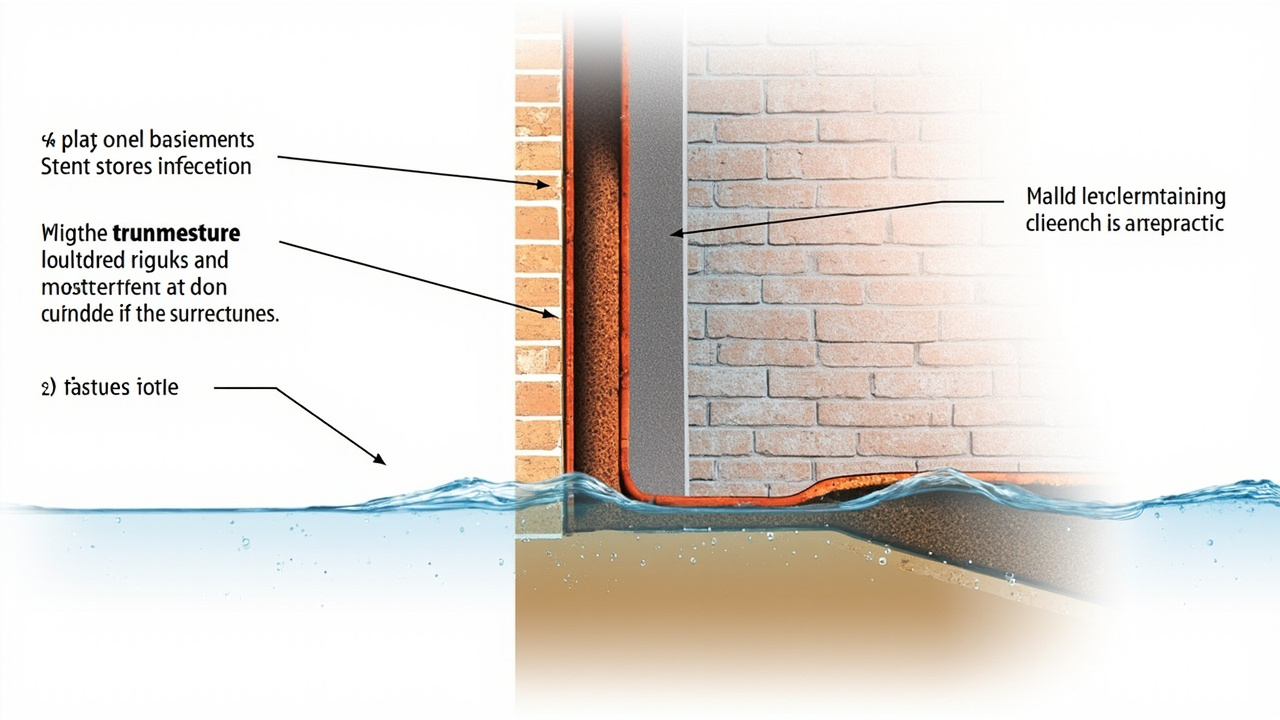
Chicago's climate is a breeding ground for moisture-related pest infestations. The city sits on clay soil with a high water table, and freeze-thaw cycles during winter create foundation cracks that let water seep into basements. Add Lake Michigan's humidity during summer, and you create the perfect environment for oriental cockroach problems and water damage roaches.

Water bugs do not show up because your home is dirty. They show up because you have a moisture problem. These damp environment insects need standing water or persistent dampness to survive. If you see them in your basement, crawl space, or near floor drains, you likely have hidden water intrusion.

Sewer roach infestations often start in floor drains, sump pump pits, or cracked foundation walls where groundwater enters. Chicago's aging sewer infrastructure and combined sewer system can push moisture and pests into your home during heavy rain events. Water bugs are nocturnal, so if you see one during the day, the infestation is advanced.

You cannot solve this problem with pest spray alone. Killing the bugs does not fix the water issue. The moisture will continue to attract more pests, damage your foundation, and promote mold growth. You need to address the root cause by drying out the affected areas and sealing entry points.

Chicago residents in neighborhoods like Pilsen, Bridgeport, and Logan Square deal with these issues frequently due to older housing stock and high groundwater. If you ignore the warning signs, the structural damage will cost far more than fixing the moisture problem now.

Why Chicago Homes Attract Water Bugs and Pest Infestations
How We Eliminate Moisture to Stop Pest Infestations

How We Eliminate Moisture to Stop Pest Infestations

We do not just spray for bugs. We find the water source and eliminate it. Our approach targets the conditions that allow oriental cockroaches and sewer roaches to thrive in Chicago homes.

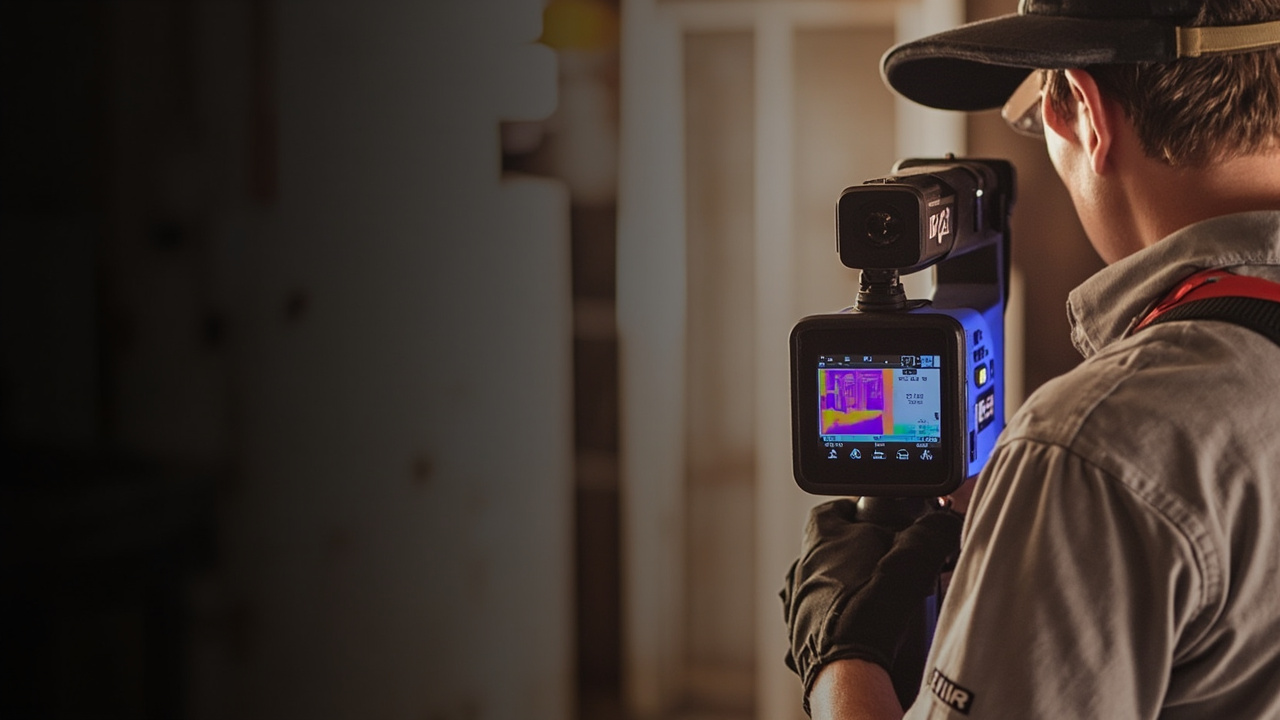
First, we conduct a moisture assessment using infrared thermal imaging and hygrometers to detect hidden water intrusion. Water bugs congregate near moisture, so we trace their activity back to the source. Common culprits include foundation cracks, failed exterior drainage, leaking sump pumps, and condensation on cold water pipes.

Once we identify the source, we implement targeted water damage restoration. This may include sealing foundation cracks with hydraulic cement or polyurethane injection, installing or repairing sump pump systems, and correcting grading issues that funnel water toward your foundation. For homes with chronic dampness, we install crawl space encapsulation systems with vapor barriers and dehumidifiers to control humidity levels.

We also address plumbing issues that contribute to damp environment insects. Floor drains with dried-out P-traps allow sewer gases and roaches to enter your home. We ensure all drains have proper traps and recommend regular maintenance to keep them functional.

After we dry out the affected areas, we seal entry points. Water bugs enter through foundation cracks, gaps around utility penetrations, and damaged weatherstripping. We use commercial-grade sealants and mesh barriers to block access.

The final step is continuous moisture monitoring. We measure humidity levels and check for new water intrusion. If moisture returns, pests return. We provide clients with humidity monitors and maintenance plans to ensure long-term protection. This is not a quick fix. It is a complete solution.

What Happens During a Moisture and Pest Assessment

Water Bug & Pest Infestations in Chicago – Expert Moisture Control Stops Roaches at the Source
01

Inspection and Mapping

We inspect all areas where water bugs are present and use thermal imaging to detect hidden moisture in walls, floors, and foundation. We map water intrusion points and identify where pests are entering your home. This includes checking sump pits, floor drains, crawl spaces, and exterior grading. We document humidity levels and moisture readings to establish a baseline for remediation.
02

Water Mitigation and Drying

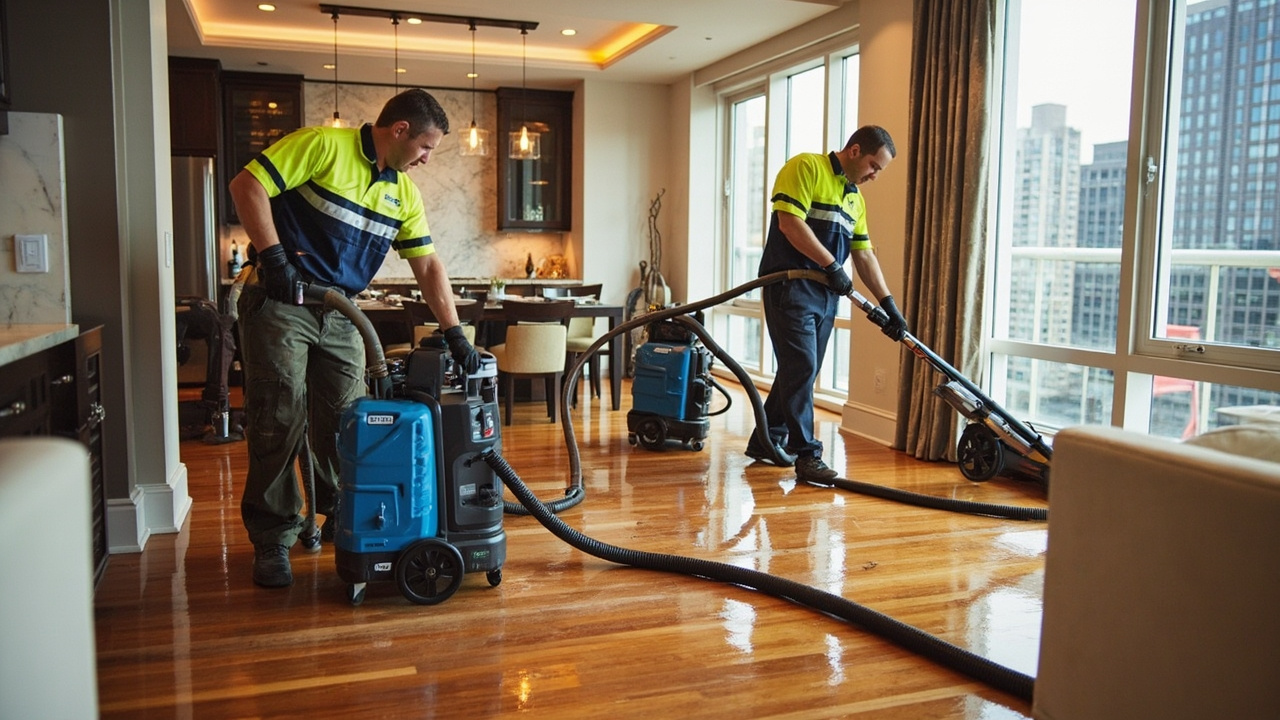
We extract standing water, dry affected materials with industrial dehumidifiers, and repair the water source. This may involve foundation crack sealing, sump pump installation, or drainage correction. We bring humidity levels below 50% to eliminate conditions that support oriental cockroaches. We remove water-damaged materials that harbor pests and apply antimicrobial treatments to prevent secondary contamination from mold or bacteria.
03

Sealing and Prevention

Once the area is dry, we seal all entry points with pest-proof materials and install moisture barriers in crawl spaces or basements. We ensure floor drains have functioning P-traps and recommend ongoing dehumidification if your home is prone to dampness. We provide you with a moisture management plan that includes seasonal checks and humidity monitoring to keep water bugs from returning.

Why Chicago Homeowners Trust Cornerstone Water Damage Restoration Chicago

We understand Chicago's unique water challenges because we work here every day. The city's clay soil, high water table, and aging infrastructure create conditions that most pest control companies do not address. We know which neighborhoods have combined sewer systems, where foundation issues are common, and how Lake Michigan's humidity affects indoor moisture levels.

Cornerstone Water Damage Restoration Chicago specializes in the intersection of water damage and pest infestations. We have the equipment and expertise to solve the problem correctly the first time. Our technicians are trained in water intrusion diagnostics, structural drying, and building science. We do not just treat symptoms. We fix the underlying moisture problem that causes water bugs to invade your home.

We also understand Chicago building codes and work with local insurance adjusters regularly. If your pest infestation is linked to covered water damage, we document everything properly to support your claim. We know how to communicate with adjusters and provide the evidence they need to approve mitigation work.

Chicago homeowners in historic districts face additional challenges. Older homes in neighborhoods like Andersonville, Lincoln Park, and Hyde Park were not built with modern moisture barriers or drainage systems. We respect the architectural integrity of these homes while implementing effective moisture control solutions that meet current standards.

We respond quickly because moisture problems worsen by the day. The longer water sits, the more structural damage occurs and the larger the pest population grows. We offer same-day assessments and begin mitigation immediately. You will not wait days for a callback or an appointment. We know that water bugs in your home are a sign of a serious issue that demands urgent attention.

What to Expect When You Call Us

Immediate Response Time

We provide same-day or next-day assessments for water bug infestations because these problems escalate quickly. When you call, we ask about visible water damage, pest activity, and affected areas. We schedule an on-site inspection within hours, not days. Our technicians arrive with diagnostic equipment ready to identify moisture sources immediately. We understand that oriental cockroach problems are stressful, and we prioritize getting you answers fast. Emergency situations like active flooding or sewer backups receive immediate dispatch.

Comprehensive Moisture Assessment

During the initial visit, we perform a full moisture assessment using thermal imaging cameras, moisture meters, and hygrometers. We inspect basements, crawl spaces, sump pits, floor drains, and exterior drainage systems. We check for foundation cracks, plumbing leaks, and ventilation issues. We explain what we find in clear terms and show you the moisture readings. You will know exactly where water is entering, why pests are present, and what needs to be fixed. We provide a written scope of work before any mitigation begins.

Complete Moisture Elimination

Our goal is to create an environment where water bugs cannot survive. We extract standing water, dry affected materials, and reduce humidity below pest-friendly levels. We repair the water source, whether that means sealing foundation cracks, fixing drainage, or installing dehumidification systems. We remove damaged materials that harbor pests and apply antimicrobial treatments to prevent mold. The result is a dry, pest-resistant space. We verify all work with post-mitigation moisture readings and provide documentation for your records or insurance claim.

Ongoing Moisture Monitoring

After mitigation, we provide guidance on maintaining a dry home to prevent future infestations. This includes seasonal maintenance for sump pumps, gutter cleaning schedules, and humidity monitoring recommendations. We offer follow-up inspections to ensure moisture levels remain stable and pests do not return. If you experience recurring issues, we investigate further to identify additional water sources. We also provide maintenance plans for homes prone to chronic dampness, including quarterly checks and dehumidifier servicing. Our goal is long-term protection, not temporary relief.

Frequently Asked Questions

You Have Questions,
We Have Answers

How to get rid of a waterbug infestation? +

Start by eliminating moisture sources. Fix leaky pipes, repair dripping faucets, and address standing water in basements or crawl spaces. Chicago's older plumbing and humid summers create ideal conditions for water bugs. Seal cracks around baseboards, door frames, and foundation gaps with caulk. Remove clutter where bugs hide. Apply boric acid powder in dry areas like behind appliances. For severe infestations, professional pest control targets breeding sites you cannot reach, like sewer connections and wall voids. Consistent sanitation and moisture control prevent re-infestation better than spray treatments alone.

What causes water bugs in a house? +

Water bugs enter Chicago homes seeking moisture and food. Leaky pipes, condensation on pipes, and damp basements attract them. Older homes in neighborhoods with aging infrastructure face higher risk. They crawl through floor drains, gaps around plumbing fixtures, foundation cracks, and damaged window seals. Food debris in drains or pet bowls provides additional attraction. Chicago's fluctuating temperatures drive water bugs indoors during cold snaps and summer heat waves. Poor ventilation in bathrooms and basements creates humid environments they need to survive. Once inside, they reproduce quickly if conditions remain favorable.

How do you know if you have a waterbug infestation? +

You will see live bugs, especially at night in bathrooms, kitchens, or basements. Water bugs are large, oval, reddish-brown insects that move quickly when disturbed. Look for dark droppings resembling ground pepper near baseboards, under sinks, or around drains. You may notice a musty, oily odor in infested areas. Check for shed skins in hidden spots like behind appliances or inside cabinets. In Chicago homes with multiple units or shared plumbing, infestations spread through walls. Finding bugs during daylight hours indicates a large population, as they typically hide when light is present.

What is the hardest bug infestation to get rid of? +

Bed bugs rank as the hardest infestation to eliminate. They hide in microscopic cracks, survive months without feeding, and resist many pesticides. German cockroaches follow closely due to rapid reproduction and pesticide resistance. Water bugs are easier to control than both because they need moisture and do not reproduce as quickly. Termites require professional intervention but respond to targeted treatments. Chicago's older housing stock complicates all pest control efforts because pests travel through shared walls and aging infrastructure. Bed bugs demand multiple treatments, careful inspection, and heat applications that DIY methods cannot match.

What kills waterbugs instantly? +

Boric acid powder kills water bugs within hours when they contact it and ingest it during grooming. Apply thin layers in dry areas behind appliances, under sinks, and along baseboards. Diatomaceous earth works similarly by damaging their exoskeleton. Contact sprays with pyrethroids provide instant knockdown but do not prevent re-infestation. Soapy water sprayed directly on bugs suffocates them immediately. Chicago homeowners should target moisture sources first, as killing visible bugs without addressing wet conditions just delays the problem. Professional treatments combine multiple methods and reach breeding sites in drain systems and wall voids.

Does pouring bleach down the drain get rid of roaches? +

Bleach temporarily sanitizes drains but does not eliminate roaches or water bugs. It kills bugs on contact but does not penetrate nesting areas in pipe crevices or sewer connections. The smell dissipates quickly, offering no residual protection. Chicago's extensive sewer systems mean bugs simply retreat deeper into pipes and return after bleach drains away. Bleach also damages older plumbing and metal fixtures common in Chicago homes. Instead, use drain gel treatments designed for pest control or call professionals to treat sewer connections. Address moisture leaks and seal entry points around pipes for long-term control.

How to find a water bug nest? +

Water bugs nest in dark, moist areas near plumbing. Check behind washing machines, under bathroom sinks, and in basement floor drain areas. In Chicago homes, inspect crawl spaces, sump pump pits, and areas with condensation on pipes. Look inside cabinets under leaky pipes and behind water heaters. They congregate where humidity stays high and food debris accumulates. Use a flashlight at night when they are active. Follow trails of droppings to locate hiding spots. In multi-unit buildings, nests may exist in shared wall voids or utility chases. Professional inspections use borescopes to check inaccessible areas.

What smell do water bugs hate the most? +

Water bugs avoid bay leaves, peppermint oil, cedar, and citrus scents. These repellents provide temporary deterrence but do not eliminate infestations. Placing bay leaves in cabinets or applying peppermint oil along entry points may reduce activity. However, Chicago's humid conditions and abundant moisture sources override these mild deterrents when bugs need water. They will tolerate unpleasant smells if the environment meets survival needs. Focus on eliminating moisture and sealing entry points rather than relying on scents alone. Professional treatments use stronger repellents combined with residual insecticides that provide lasting barriers around vulnerable areas.

What time of year are water bugs most active? +

Water bugs peak during Chicago's humid summer months from June through August. Warm temperatures accelerate their reproduction cycle. They also invade homes during spring thaw when melting snow creates moisture issues in basements. Fall activity increases as they seek indoor shelter before winter. Chicago's fluctuating weather patterns drive bugs indoors during extreme cold snaps and heavy rain events. Older neighborhoods near the Chicago River or Lake Michigan face year-round pressure due to proximity to water sources. Indoor infestations can persist through winter in heated buildings with moisture problems, particularly in basements with inadequate ventilation.

Where do water bugs hide during the day? +

Water bugs hide in dark, tight spaces during daylight. Check under sinks, behind toilets, and beneath refrigerators where condensation collects. They squeeze into gaps between baseboards and walls, inside cabinets, and under stacked boxes. In Chicago basements, they hide behind stored items, in sump pump areas, and inside floor drain covers. Look in bathroom tile cracks and around bathtub fixtures. They rest in wall voids accessible through plumbing penetrations. Multi-unit buildings provide extensive hiding spots in shared utility chases. They emerge at night to forage, so daytime sightings indicate overcrowding and large populations.

How Chicago's Combined Sewer System Drives Sewer Roach Infestations

Chicago operates one of the oldest combined sewer systems in the country, where stormwater and sewage flow through the same pipes. During heavy rain, the system overloads and forces water back into basements through floor drains and foundation cracks. This creates ideal conditions for sewer roach infestations and water damage roaches. Oriental cockroaches live in sewer systems and enter homes when water pressure pushes them through drains or cracks. If you live in older neighborhoods with combined sewers, you are at higher risk for pest invasions during spring storms and summer downpours.

Cornerstone Water Damage Restoration Chicago knows how to navigate these challenges because we work exclusively in the Chicago metro area. We understand the specific vulnerabilities of homes built before modern drainage codes and how to retrofit older properties with effective moisture barriers. We also work with local plumbers and foundation specialists who understand Chicago's unique infrastructure issues. When you hire a local company that specializes in water damage restoration, you get solutions tailored to your home's specific challenges, not generic pest control that ignores the moisture problem.
Water Damage Restoration Services in The Chicago Area

Cornerstone proudly serves the entire Chicago area with fast, dependable water damage restoration services. Whether you’re located in downtown, the suburbs, or surrounding neighborhoods, we’re ready to respond to your call—day or night. Use the map below to see our local service coverage and find our nearest team. With mobile units throughout the city, help is never far away. If you’re facing water damage, reach out now and let us show you why homeowners and businesses choose Cornerstone.

Address:
Cornerstone Water Damage Restoration Chicago, 171 N Aberdeen St, Chicago, IL, 60607

Additional Services We Offer

Our news updates

Latest Articles & News from The Blogs

High Humidity and Mold Growth in Chicago Summers What Homeowners Need to Know Your basement smells musty. Your bathroom mirror…

Why high humidity in the Chicago summer makes water damage worse in Calumet Heights

High Humidity and Mold Growth in Chicago Summers What Homeowners Need to Know Your basement smells musty. Your bathroom mirror…

Managing water damage restoration in the high-end luxury builds of the Near North Side

Luxury Home Water Damage Restoration in Chicago's Near North Side A burst pipe at 2 AM in your Gold Coast…

How we use thermal imaging to find hidden leaks in West Ridge homes

Expert Infrared Leak Detection in Chicago Homes and Businesses A hidden pipe leak can destroy your property long before you…

Contact Us

If you see water bugs in your Chicago home, you have a water problem. Call Cornerstone Water Damage Restoration Chicago at (872) 266-1616 for a same-day moisture assessment. We find the source and eliminate it permanently.