


menu

Washing Machine Overflow Cleanup in Chicago – 60-Minute Emergency Response to Stop Water Damage Now

When your washer floods, every minute counts. Cornerstone Water Damage Restoration Chicago dispatches certified technicians within the hour to extract standing water, prevent structural damage, and salvage your belongings before mold takes hold.

Slider Image 1
Slider Image 2
Slider Image 3
Slider Image 4
Slider Image 5
Slider Image 7
Slider Image 8
Slider Image 9
Slider Image 10
Slider Image 11

Why Washing Machine Overflows Hit Chicago Homes Harder Than You Think

Your washing machine just flooded your laundry room. Water is spreading across hardwood floors, seeping under baseboards, and soaking into drywall. You grabbed towels, but they are not enough. The panic is real.

Chicago's older housing stock makes this worse. Many homes in neighborhoods like Lincoln Park, Rogers Park, and Hyde Park were built between 1890 and 1950. Original wood framing, plaster walls, and oak flooring absorb water fast. What starts as a laundry machine overflow quickly becomes structural rot if you wait.

Cold winters add another layer of risk. When temperatures drop below freezing, water trapped in wall cavities or subflooring can freeze, expand, and crack framing members. A small washing machine leak water extraction job becomes a major repair if moisture lingers.

Chicago's humid summers create the perfect environment for mold. Within 24 to 48 hours, damp drywall and insulation can begin to show signs of microbial growth. You cannot see it behind walls, but it is there, spreading through your HVAC system and affecting air quality.

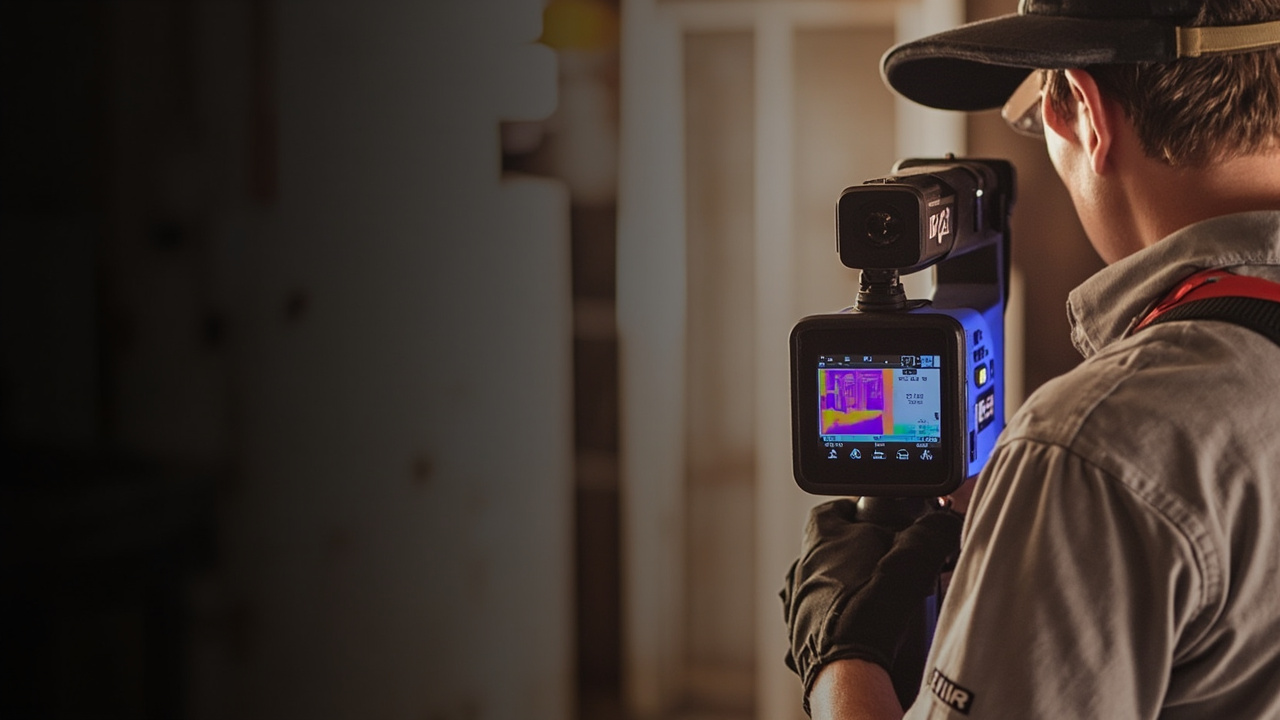
Emergency washer flood remediation is not about mopping up. It is about stopping secondary damage before it compounds. Our washing machine flood cleanup services address the water you see and the moisture you do not. We use thermal imaging to trace water migration, commercial air movers to dry hidden cavities, and dehumidifiers calibrated for Chicago's climate. The faster we start, the more we save.

Why Washing Machine Overflows Hit Chicago Homes Harder Than You Think
How We Stop Washer Water Damage in Its Tracks

How We Stop Washer Water Damage in Its Tracks

We do not just suck up water and leave. Washer water damage restoration requires a methodical approach that addresses both surface water and absorbed moisture.

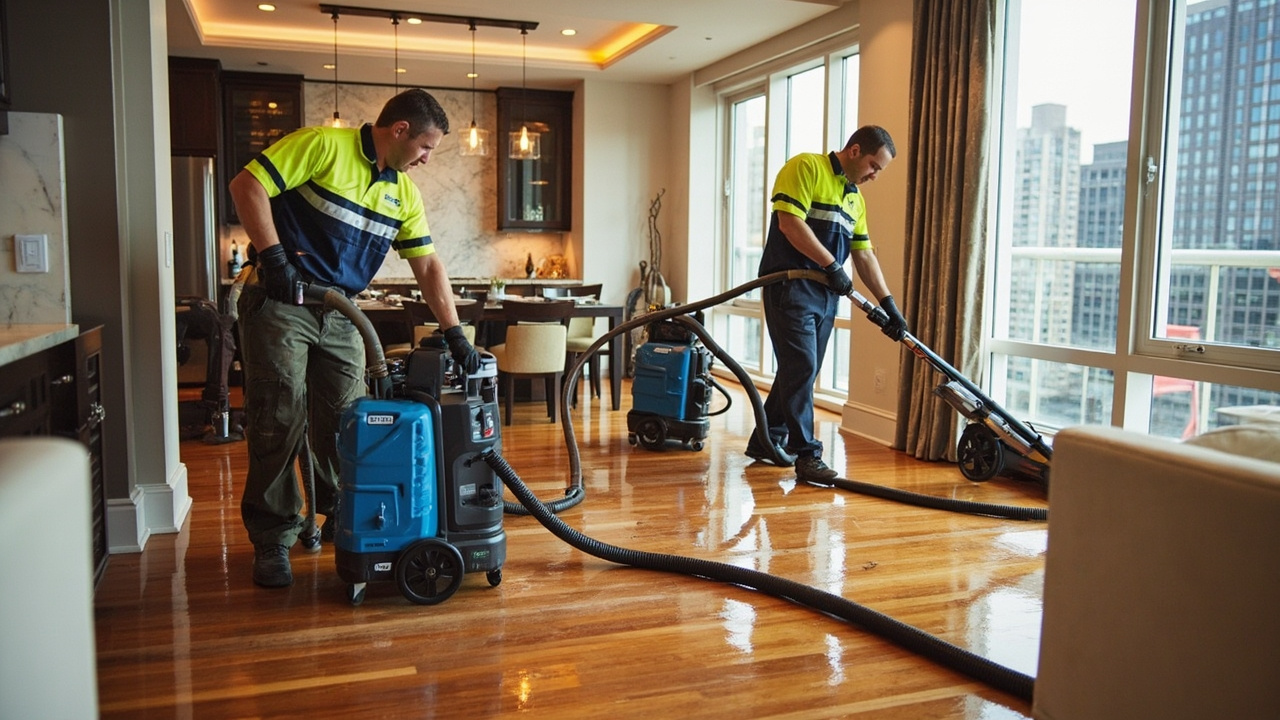
First, we isolate the water source. If your washing machine is still leaking, we shut off the supply valve and disconnect hoses. Then we extract standing water using truck-mounted pumps that pull 200 gallons per minute. Wet vacuums handle the rest, getting into corners and under cabinets where water pools.

Next comes moisture mapping. We use pin-type and non-invasive moisture meters to test drywall, subflooring, and framing. This tells us exactly how far water traveled and what materials are saturated. Chicago's balloon-frame construction lets water drop straight down wall cavities to the basement. We check every level.

Drying comes next. We position commercial air movers to create airflow across wet surfaces, which accelerates evaporation. Dehumidifiers pull moisture from the air, preventing it from reabsorbing into walls and floors. In basements, we target concrete and rim joists, which hold moisture longer.

We monitor drying progress daily using moisture meters. Drywall should drop below 15 percent moisture content. Wood flooring should reach equilibrium with ambient humidity. Concrete takes longer, sometimes seven to ten days depending on saturation depth.

If mold is present, we contain the area with plastic sheeting and negative air pressure. HEPA filtration captures airborne spores during removal. We treat affected surfaces with antimicrobial solutions, then verify clearance with post-remediation testing.

Laundry machine overflow water removal is time-sensitive. The longer water sits, the more damage occurs. We respond fast, work systematically, and document everything for your insurance claim.

What Happens When You Call for Emergency Washer Flood Cleanup

Washing Machine Overflow Cleanup in Chicago – 60-Minute Emergency Response to Stop Water Damage Now
01

Immediate Dispatch and Assessment

When you call, we dispatch a technician to your Chicago address within 60 minutes. Our trucks carry extraction pumps, moisture meters, and drying equipment. We arrive ready to work. The technician assesses water spread, identifies affected materials, and begins extraction immediately. You get a verbal overview of the damage and what needs to happen next before we start tearing anything out.
02

Water Extraction and Drying

We remove standing water first, then set up air movers and dehumidifiers to dry structural materials. Moisture meters guide placement. We monitor humidity levels and adjust equipment as needed. If baseboards or drywall are saturated beyond recovery, we remove them to expose framing and insulation. This prevents hidden mold growth. Drying typically takes three to five days depending on saturation depth and material type.
03

Verification and Documentation

Once moisture readings return to normal, we verify dryness with final testing. We photograph affected areas, document equipment placement, and provide a completion report for your insurance claim. If mold remediation was needed, we include clearance testing results. You receive a detailed invoice, moisture logs, and before-and-after photos. We also offer referrals for any reconstruction work if drywall or flooring was removed.

Why Chicago Homeowners Trust Us for Washing Machine Flood Cleanup

You need someone who knows Chicago homes. We work in Wicker Park bungalows with crawl spaces that trap water. We handle Lincoln Square two-flats where a second-floor washer overflow soaks the unit below. We understand how Logan Square greystones channel water through old plaster walls.

Local building codes matter. Chicago requires permits for certain reconstruction work after water damage. We know when you need one and when you do not. We also understand Cook County building department procedures, which speeds up repairs if structural work is required.

Insurance claims are easier when documentation is thorough. We provide moisture logs, equipment placement photos, and detailed invoices that match industry standards. Adjusters trust our reports because they are accurate and complete. We also communicate directly with your insurance company if you need us to, so you are not stuck playing middleman.

Our technicians are certified in water damage restoration, not general handymen with a shop vac. We use IICRC standards for drying and remediation, which means we follow proven protocols that prevent secondary damage. You are not getting guesswork.

Response time matters in an emergency. We operate 24/7 because washing machines do not wait for business hours to overflow. You call, we answer, and we are on the way. No voicemail, no waiting until Monday.

We also know Chicago's climate. Humid summers mean aggressive dehumidification. Cold winters mean checking for frozen pipes that might rupture during thawing. We adjust our methods based on season and weather, which makes a difference in drying efficiency and preventing future issues.

What to Expect During Washing Machine Overflow Cleanup

How Fast We Respond

We dispatch within 60 minutes of your call, 24 hours a day, seven days a week. Our technicians arrive with extraction equipment, moisture meters, and drying gear already loaded. We start working immediately. If your washer flooded at 2 a.m., we are there before 3 a.m. If it happened during a holiday weekend, we still respond. Speed reduces damage, lowers costs, and prevents mold. The faster we extract water and start drying, the more we save. You are not waiting days for an appointment while water soaks deeper into your home.

How We Assess the Damage

Our technician walks through the affected area with moisture meters and thermal imaging cameras. We test walls, floors, and ceilings to map water migration. You get a clear explanation of what is wet, what is at risk, and what needs to be dried or removed. We do not upsell unnecessary work. If drywall can be saved, we save it. If it needs to come out to prevent mold, we explain why. You also get a written estimate that breaks down labor, equipment, and materials. No surprises, no hidden fees.

The Quality of Drying and Restoration

We use commercial-grade air movers and dehumidifiers, not consumer rentals. Our equipment is calibrated for Chicago's humidity levels and adjusted throughout the drying process. We monitor moisture readings daily and document progress. Drying is complete when structural materials reach industry-standard moisture content, not when they feel dry to the touch. We also treat affected areas with antimicrobial solutions to prevent mold. The result is a home that is truly dry, not just surface-dry, with documented proof for your insurance claim.

What Happens After We Leave

You receive a completion report with moisture logs, equipment placement photos, and final readings. If reconstruction is needed, we provide referrals to trusted contractors who understand water damage repairs. We also offer guidance on preventing future overflows, like replacing old washing machine hoses with braided stainless steel or installing a drain pan. If you have questions weeks later, you can call us. We keep your project file on hand and are available for follow-up. Our job is not done until you feel confident your home is fully restored.

Frequently Asked Questions

You Have Questions,
We Have Answers

How to clean a washing machine overflow pipe? +

Turn off your washer and unplug it. Locate the overflow pipe, usually behind or beneath the unit. Remove the drain hose and inspect for clogs like lint, soap buildup, or debris. Use a plumber's snake or wet-dry vacuum to clear blockages. Flush the pipe with hot water. In Chicago's older homes, mineral deposits from hard water can worsen clogs. If water backs up frequently or you spot mold, you need professional help fast. Standing water spreads quickly through subflooring, especially in multi-unit buildings common across Chicago neighborhoods. Do not delay if the overflow keeps happening.

How do you remove black mold from a washing machine rubber seal? +

Black mold on the rubber seal is dangerous and spreads fast. Mix one part bleach with four parts water. Wear gloves and ventilation matters. Wipe the seal thoroughly, pulling back folds to reach hidden mold. Let it sit for five minutes, then scrub with a brush and rinse completely. Chicago's humidity, especially in basements, accelerates mold growth. If mold returns within days or smells musty, the contamination runs deeper than the seal. Water has likely penetrated drywall or subflooring. You need a mold remediation specialist immediately. Do not ignore recurring mold. It damages your health and your home.

Why are my clothes sopping wet after spin cycle? +

Sopping wet clothes after spin cycle signal a drain problem. Check if the drain hose is kinked, clogged, or positioned too high. The pump may be failing or the lid switch could be faulty, preventing the spin cycle from completing. In Chicago's hard water areas, mineral buildup clogs pumps faster. If you hear grinding noises or the drum does not spin at full speed, stop using the machine. Continued use can flood your laundry room. If basic checks fail, call a technician. If water has already overflowed and soaked flooring, you need water damage restoration now to prevent structural damage and mold.

How to clean up a washing machine flood? +

Stop the water source immediately. Turn off the washer and shut the supply valve. Use towels or a wet-dry vacuum to remove standing water fast. Pull back rugs and move furniture to prevent absorption. Chicago's freeze-thaw cycles and older housing stock mean water penetrates subflooring quickly. Open windows, run fans, and dehumidifiers to start drying. Check adjacent rooms and lower levels for seepage. If water sits longer than 24 hours, mold starts growing. If the flood soaked drywall, baseboards, or carpet padding, call a water damage restoration company immediately. Speed matters. Delayed cleanup means expensive repairs and health risks.

Can I pour bleach down a washing machine drain pipe? +

You can pour bleach down a washing machine drain pipe, but use caution. Pour one cup of bleach followed by hot water to kill bacteria and break down soap scum. Do not mix bleach with other cleaners. It creates toxic fumes. Chicago's older plumbing systems, especially cast iron pipes, can corrode with repeated bleach use. If you smell sewer gas or water drains slowly after treatment, the problem runs deeper. Tree roots, collapsed pipes, or main sewer line clogs are common in older Chicago neighborhoods. If bleach does not fix slow drainage or backups keep happening, call a plumber before a major overflow occurs.

How do you clean the overflow pipe? +

Locate the overflow pipe, typically at the back or bottom of your washer. Disconnect the drain hose and inspect for visible clogs. Use a plumber's snake or auger to push through blockages like lint, detergent buildup, or foreign objects. Flush with hot water to clear residue. Chicago's hard water leaves mineral deposits that narrow pipes over time. If water backs up into the drum or leaks during cycles, the clog may be in your main drain line, not just the overflow pipe. Persistent clogs mean deeper plumbing issues. If you cannot clear it or water damage has already occurred, call a professional immediately.

How do you deep clean a washing machine rubber seal? +

Deep cleaning the rubber seal prevents mold and odors. Mix equal parts white vinegar and water in a spray bottle. Spray the seal generously, pulling back all folds to expose hidden grime. Let it sit for 10 minutes, then scrub with a toothbrush or small brush. Wipe dry with a microfiber cloth. Chicago's humid summers and damp basements create perfect conditions for mold growth. Run a hot cycle with two cups of vinegar monthly to maintain cleanliness. If you spot black mold that returns quickly or smells rotten, contamination has spread beyond the seal. Call a mold specialist before it damages your health or home.

What kills mold better, bleach or vinegar? +

Bleach kills mold faster on nonporous surfaces, but vinegar is safer and works on porous materials. Bleach destroys mold on contact but releases harsh fumes and can damage rubber seals or fabrics. Vinegar penetrates deeper and prevents regrowth, though it takes longer to work. For washing machine seals, vinegar is better for routine cleaning. For heavy black mold, bleach works faster but requires ventilation. In Chicago's older homes with poor airflow, bleach fumes linger dangerously. If mold keeps returning after cleaning with either product, the contamination runs deeper. You need professional mold remediation to find and fix the moisture source.

Can vinegar damage the washing machine seal? +

Vinegar can damage the washing machine seal if used incorrectly. Undiluted vinegar or frequent heavy use breaks down rubber over time, causing cracks and leaks. Dilute vinegar with equal parts water for safe cleaning. Use it monthly for maintenance, not daily. Chicago's hard water already stresses seals, so avoid harsh chemicals. If your seal feels brittle, shows cracks, or leaks during cycles, stop using vinegar and replace the seal. A leaking seal can flood your laundry room fast. If water has already caused damage to flooring or walls, contact a water damage restoration company immediately. Small leaks become big problems quickly.

Why is my washing machine not spinning all the water out of clothes? +

Your washer is not spinning water out because of a clogged drain, faulty pump, worn belt, or broken lid switch. Check the drain hose for kinks or blockages. Listen for unusual noises during spin cycle. If the drum spins slowly or stops mid-cycle, the motor or belt may be failing. Chicago's hard water clogs pumps with mineral deposits faster than soft water areas. Do not keep running the machine if clothes stay soaked. You risk flooding your laundry room. If basic troubleshooting fails or water has already overflowed, stop using the washer immediately. Call a technician for repairs and a restoration company if water damage occurred.

Why Chicago's Vintage Homes Need Faster Washing Machine Flood Response

Chicago's housing stock skews older. Nearly 60 percent of homes were built before 1960, with many in neighborhoods like Pilsen, Bridgeport, and Uptown dating back to the early 1900s. These homes feature balloon-frame construction, where wall cavities run uninterrupted from foundation to attic. When a washing machine overflows on the second floor, water does not stop at the floorboards. It travels straight down, soaking insulation, drywall, and framing in every room below. Oak flooring, common in vintage Chicago homes, absorbs water quickly and can cup or buckle within hours. Original plaster walls wick moisture like a sponge, leading to hidden damage behind paint and wallpaper. Emergency washer flood remediation in Chicago requires an understanding of how water moves through these older structures and how to dry them without causing further harm.

Local expertise matters when dealing with Chicago's building codes and insurance procedures. Cook County requires permits for structural repairs exceeding certain thresholds, and inspectors expect documentation that follows IICRC standards. Cornerstone Water Damage Restoration Chicago works with local adjusters regularly, so we know what they need to approve claims quickly. We also understand the nuances of drying basements in areas prone to high water tables, like parts of the South Side and Near West Side. Choosing a local provider means faster response, better documentation, and technicians who know how Chicago homes are built and how they fail when water damage occurs.
Water Damage Restoration Services in The Chicago Area

Cornerstone proudly serves the entire Chicago area with fast, dependable water damage restoration services. Whether you’re located in downtown, the suburbs, or surrounding neighborhoods, we’re ready to respond to your call—day or night. Use the map below to see our local service coverage and find our nearest team. With mobile units throughout the city, help is never far away. If you’re facing water damage, reach out now and let us show you why homeowners and businesses choose Cornerstone.

Address:
Cornerstone Water Damage Restoration Chicago, 171 N Aberdeen St, Chicago, IL, 60607

Additional Services We Offer

Our news updates

Latest Articles & News from The Blogs

High Humidity and Mold Growth in Chicago Summers What Homeowners Need to Know Your basement smells musty. Your bathroom mirror…

Why high humidity in the Chicago summer makes water damage worse in Calumet Heights

High Humidity and Mold Growth in Chicago Summers What Homeowners Need to Know Your basement smells musty. Your bathroom mirror…

Managing water damage restoration in the high-end luxury builds of the Near North Side

Luxury Home Water Damage Restoration in Chicago's Near North Side A burst pipe at 2 AM in your Gold Coast…

How we use thermal imaging to find hidden leaks in West Ridge homes

Expert Infrared Leak Detection in Chicago Homes and Businesses A hidden pipe leak can destroy your property long before you…

Contact Us

Water spreads fast. The longer you wait, the worse it gets. Call Cornerstone Water Damage Restoration Chicago at (872) 266-1616 right now. We dispatch within 60 minutes, extract standing water immediately, and prevent mold before it starts. Your home is at risk every minute water sits.