


menu

Warehouse Flood Restoration in Chicago | Industrial-Grade Recovery with Zero Downtime Priority

When floodwater threatens your warehouse operations, every hour offline equals lost revenue and broken contracts. Cornerstone Water Damage Restoration Chicago deploys commercial-scale extraction systems and logistics-aware drying protocols that keep your supply chain moving while we restore your facility.

Slider Image 1
Slider Image 2
Slider Image 3
Slider Image 4
Slider Image 5
Slider Image 7
Slider Image 8
Slider Image 9
Slider Image 10
Slider Image 11

Why Chicago Warehouses Face Catastrophic Flood Risk

Chicago sits at the convergence of three major waterways. The Chicago River, Lake Michigan, and the Des Plaines River create flood exposure that most inland cities never face. When spring snowmelt combines with heavy rain, stormwater overwhelms aging combined sewer systems across the South Side and Near West Side industrial corridors. Your warehouse becomes the collection point.

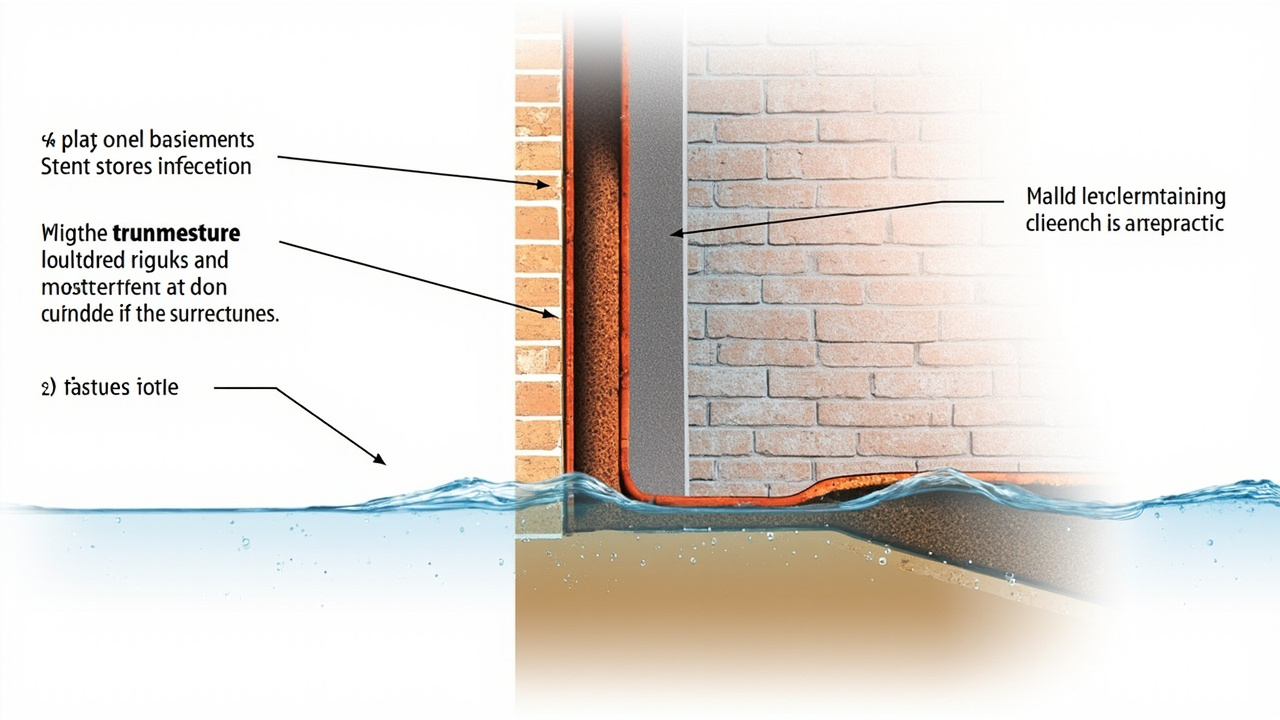
The city's flat topography and clay-heavy soil compound the problem. Water has nowhere to drain. Clay soil swells when saturated, which can crack foundation slabs and push groundwater through basement walls in facilities along Pershing Road and Cicero Avenue. Industrial flood recovery in these zones requires understanding how water moves through compacted fill and legacy infrastructure.

Commercial flood remediation becomes time-critical when inventory is threatened. You face product loss, contamination risk, and contractual penalties if shipments delay. Distribution center water removal is not residential cleanup scaled up. It requires truck-mounted extractors, commercial dehumidifiers rated for 10,000+ square feet, and coordination with your logistics team to protect high-value zones first.

Warehouse water mitigation also means navigating Chicago's strict industrial discharge regulations. You cannot pump contaminated floodwater into streets or storm drains without violating municipal code. We handle permitting, containment, and proper disposal so you avoid environmental citations on top of flood damage.

Why Chicago Warehouses Face Catastrophic Flood Risk
How Industrial Water Damage Cleanup Differs from Residential Work

How Industrial Water Damage Cleanup Differs from Residential Work

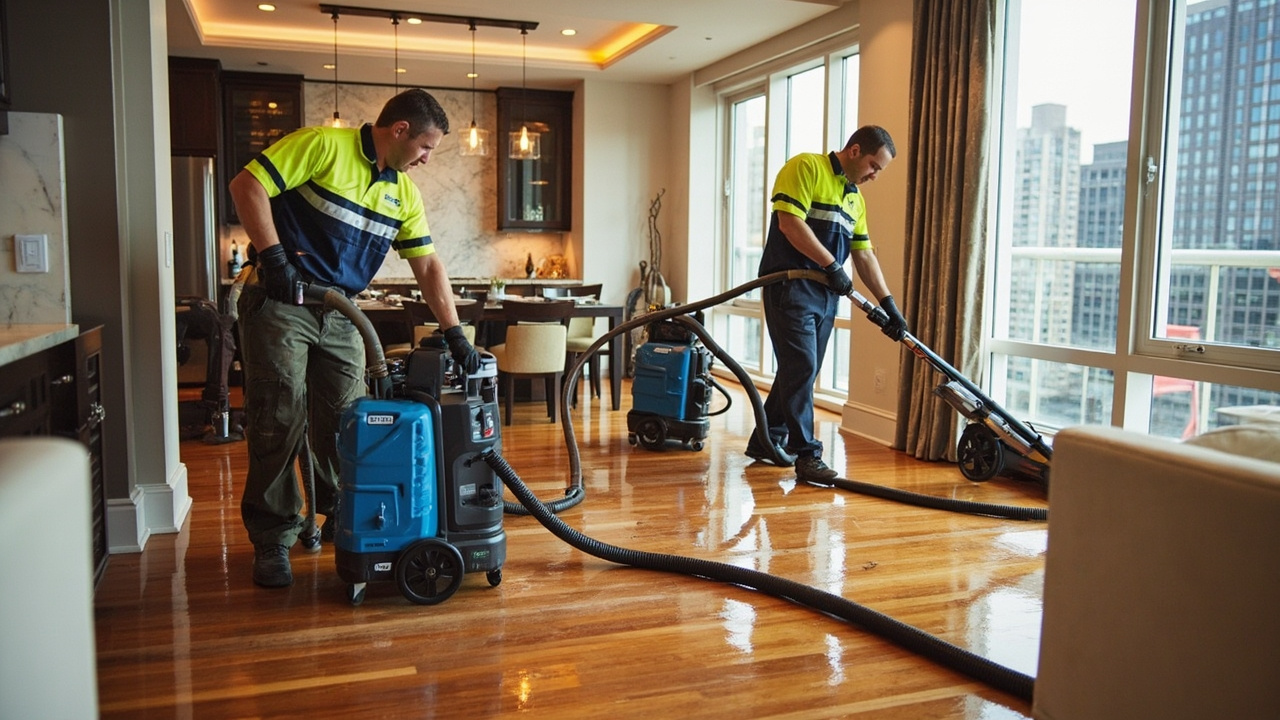
Warehouse flood restoration requires equipment capacity and operational planning that residential water damage teams cannot provide. We deploy trailer-mounted extraction units capable of removing 400 gallons per minute. Residential extractors move 15 gallons per minute. When you have 40,000 square feet of standing water, capacity determines whether you reopen in three days or three weeks.

We map your facility into priority zones. High-value inventory, climate-controlled storage, and shipping docks get addressed first. Low-priority areas like break rooms and administrative offices get sequenced later. This triage approach minimizes business interruption and protects your most critical assets while drying progresses.

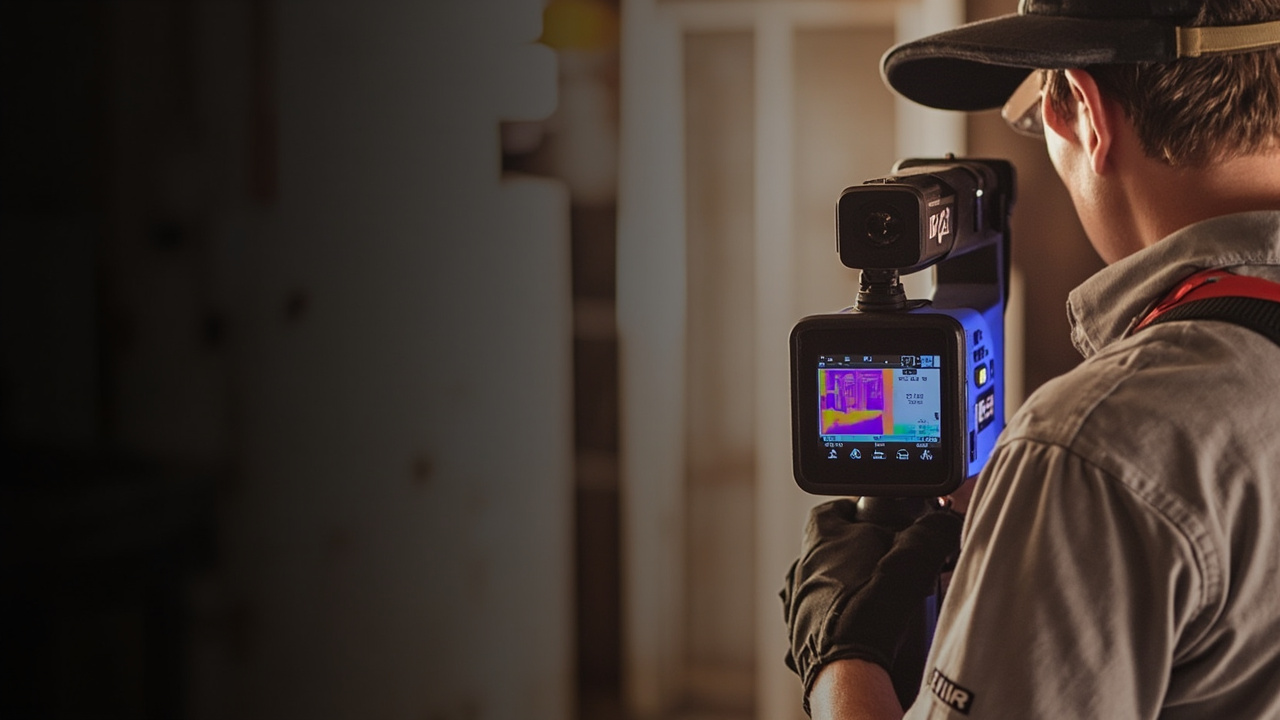
Our industrial drying protocol uses thermal imaging and moisture mapping to track progress across large spaces. We install desiccant dehumidifiers that remove moisture even in unheated warehouses during Chicago's cold months. Standard refrigerant dehumidifiers fail below 50 degrees. Desiccant units operate down to freezing, which matters when you are running restoration in January in an unheated distribution center off Interstate 55.

We coordinate with your insurance adjuster, your property manager, and your operations team simultaneously. You get a single point of contact who understands warehouse operations, not a residential technician trying to scale up. We provide daily moisture readings, photographic documentation, and progress reports that satisfy commercial insurance requirements.

Mold prevention starts during extraction, not after. We apply antimicrobial treatments to affected surfaces within 24 hours and maintain airflow that prevents spore colonization. Chicago's humidity creates mold growth in 48 to 72 hours if conditions allow.

Our Warehouse Flood Response Protocol

Warehouse Flood Restoration in Chicago | Industrial-Grade Recovery with Zero Downtime Priority
01

Emergency Site Assessment

We arrive on-site within two hours of your call and conduct a facility walk-through with your operations manager. Our team identifies water source, maps affected zones, and evaluates structural damage. We document inventory exposure, electrical hazards, and contamination risk. You receive a written action plan with timeline estimates before equipment deployment begins. This assessment drives insurance documentation and determines resource allocation.
02

Extraction and Containment

Truck-mounted extractors remove standing water while containment barriers isolate unaffected areas. We protect active inventory zones and maintain access to shipping docks whenever possible. Our team coordinates with your staff to relocate at-risk materials before water reaches them. Industrial air movers and dehumidifiers deploy immediately after extraction to begin the drying cycle. We monitor moisture levels every 12 hours and adjust equipment placement based on readings.
03

Restoration and Clearance Testing

Once moisture readings reach acceptable levels, we remove equipment and conduct final clearance testing. Thermal imaging confirms no hidden moisture pockets remain in walls or beneath flooring. We provide a Certificate of Completion with moisture maps and test results for your insurance carrier. If repairs are needed, we coordinate with licensed contractors to restore damaged structural elements. Your facility returns to full operational status with documentation that satisfies lender and insurance requirements.

Why Chicago Warehouses Trust Cornerstone for Flood Recovery

You need a restoration partner who understands Chicago's industrial landscape. We have worked in warehouses along the Stevenson Expressway, the Eisenhower Corridor, and the Calumet industrial zone. We know which facilities have combined sewer connections that backflow during heavy rain. We know where clay soil causes chronic seepage in below-grade loading docks. This local knowledge shapes our response.

Chicago's building codes for commercial structures require specific moisture mitigation standards before reoccupancy. We document compliance with these standards so you avoid delays when the city inspector reviews your restoration work. Residential restoration companies do not navigate these commercial permitting requirements.

Our equipment inventory includes redundant capacity. If one dehumidifier fails, we have backups staged in our Chicago facility. We do not rent equipment from national suppliers and wait for delivery. Downtime is revenue loss. We maintain ownership of industrial-grade equipment specifically to avoid delays.

We also coordinate with your insurance adjuster from day one. Commercial flood claims involve higher limits and more documentation than residential claims. We provide the moisture logs, photographic evidence, and technical reports that satisfy commercial underwriters. You do not chase paperwork while trying to resume operations.

Cornerstone operates year-round in Chicago. We respond to frozen pipe failures in February and storm flooding in June. Our technicians understand how temperature and humidity affect drying times in unheated warehouses. Seasonal variables matter in industrial water damage cleanup. We adjust protocols based on current conditions, not generic playbooks.

What to Expect During Warehouse Flood Restoration

Response Time and Availability

We dispatch crews 24 hours a day, every day. When you call our emergency line, you reach a restoration coordinator who can mobilize a team immediately. Most Chicago warehouse sites receive initial response within two hours. We understand that time is inventory, contracts, and reputation. Our staging facility near Midway Airport allows rapid deployment to South Side and western suburbs. After-hours calls get the same priority as daytime requests because floodwater does not wait for business hours.

Initial Facility Assessment

Our assessment process includes moisture mapping with thermal imaging cameras, documentation of affected inventory, and identification of contamination sources. You receive a written scope of work that outlines affected square footage, estimated drying time, and equipment requirements. We photograph all damage for insurance documentation before any water removal begins. This assessment drives the restoration timeline and allows you to communicate realistic reopening dates to clients and vendors. Transparency at this stage prevents surprises later.

Restoration Quality and Standards

We restore your facility to pre-loss condition with documented proof of dryness. Final moisture readings are recorded in multiple locations and compared to baseline readings from unaffected areas. Structural elements like drywall, insulation, and flooring are evaluated for replacement or restoration based on industry standards for commercial buildings. We do not leave until moisture levels meet the thresholds required by your insurance carrier and Chicago building code. You receive a completion report with thermal images and moisture data that satisfies lender requirements.

Post-Restoration Documentation and Support

We provide a Certificate of Completion with detailed moisture logs, equipment deployment records, and photographic evidence of completed work. This documentation package is designed for commercial insurance claims and lender review. If follow-up testing is required, we return to conduct additional moisture readings at no charge. Our team remains available for insurance adjuster walkthroughs and can provide expert testimony if your claim is disputed. Post-restoration support ensures you have the documentation needed to close your claim and resume normal operations without lingering questions.

Frequently Asked Questions

You Have Questions,
We Have Answers

What is the average cost of remediation? +

Remediation costs for warehouse floods in Chicago vary based on water source, affected square footage, and structural damage. Clean water events typically cost less than Category 3 contamination from sewer backups or stormwater intrusion. Chicago warehouses average 10,000 to 50,000 square feet, so extraction, drying, and antimicrobial treatment scale accordingly. Additional factors include equipment rental duration, disposal of unsalvageable inventory, and concrete slab moisture mitigation. Most commercial properties carry insurance that covers flood damage minus your deductible. Request a detailed scope of work before approving repairs to control expenses and minimize business interruption.

Who is the alternative to SERVPRO? +

Chicago warehouse operators seeking alternatives to franchise restoration services should evaluate local commercial contractors with documented experience in large-scale water extraction and structural drying. Look for companies with truck-mounted extraction systems, thermal imaging capabilities, and a track record handling commercial claims with insurers. Verify they understand Chicago building codes and can coordinate with your facility management team to minimize downtime. Ask for references from other warehouse or industrial clients in the Chicago metro area. Independent commercial restoration firms often provide faster response times and direct communication with decision-makers compared to franchise models with corporate approval layers.

What's the difference between remediation and restoration? +

Remediation removes immediate contamination threats and stabilizes the environment. In warehouse flood scenarios, remediation includes water extraction, debris removal, antimicrobial treatment, and drying affected areas to prevent mold colonization. Restoration rebuilds damaged structures to pre-loss condition. This includes replacing drywall, repairing concrete floors, repainting, and reinstalling electrical systems or racking. Commercial properties typically separate these phases for cost control and insurance documentation. Remediation happens first to prevent secondary damage. Restoration follows once your adjuster approves the scope. Large Chicago warehouses may phase restoration around operational areas to maintain partial business continuity during repairs.

How do restoration companies get paid? +

Restoration companies bill through three primary models. Direct insurance assignment allows the contractor to invoice your carrier after you sign an authorization form. This eliminates upfront costs but requires you to pay your deductible. Some commercial clients prefer direct billing where you pay the contractor and file your own claim for reimbursement, maintaining control over vendor selection and negotiations. Emergency mitigation often proceeds under a signed work authorization with payment due regardless of insurance outcomes. For Chicago warehouse floods, clarify payment terms before work begins. Review your commercial policy for preferred vendor requirements or claim filing deadlines that affect reimbursement.

How Chicago's Combined Sewer System Creates Warehouse Flood Emergencies

Chicago operates one of the oldest combined sewer systems in the country. Stormwater and wastewater share the same underground pipes across most industrial districts. When heavy rain overwhelms system capacity, sewage backs up through floor drains in warehouses and distribution centers. This creates contaminated floodwater that requires specialized cleanup protocols. You cannot treat this as clean water damage. Contaminated water introduces pathogens, chemicals, and hazardous materials that require protective equipment and proper disposal methods. Facilities near the South Branch of the Chicago River and the Little Calumet River face the highest risk during spring storms.

Cornerstone works exclusively in the Chicago metro and understands which neighborhoods face chronic sewer backup issues. We know the facilities in Bridgeport, McKinley Park, and the East Side that flood every time the Metropolitan Water Reclamation District reaches capacity. This local knowledge shapes our response protocols and allows us to anticipate contamination risk before water testing confirms it. When you work with a restoration company that knows Chicago infrastructure, you get faster decisions and better risk management. We do not waste time learning your facility or researching local conditions while floodwater spreads.
Water Damage Restoration Services in The Chicago Area

Cornerstone proudly serves the entire Chicago area with fast, dependable water damage restoration services. Whether you’re located in downtown, the suburbs, or surrounding neighborhoods, we’re ready to respond to your call—day or night. Use the map below to see our local service coverage and find our nearest team. With mobile units throughout the city, help is never far away. If you’re facing water damage, reach out now and let us show you why homeowners and businesses choose Cornerstone.

Address:
Cornerstone Water Damage Restoration Chicago, 171 N Aberdeen St, Chicago, IL, 60607

Additional Services We Offer

Our news updates

Latest Articles & News from The Blogs

High Humidity and Mold Growth in Chicago Summers What Homeowners Need to Know Your basement smells musty. Your bathroom mirror…

Why high humidity in the Chicago summer makes water damage worse in Calumet Heights

High Humidity and Mold Growth in Chicago Summers What Homeowners Need to Know Your basement smells musty. Your bathroom mirror…

Managing water damage restoration in the high-end luxury builds of the Near North Side

Luxury Home Water Damage Restoration in Chicago's Near North Side A burst pipe at 2 AM in your Gold Coast…

How we use thermal imaging to find hidden leaks in West Ridge homes

Expert Infrared Leak Detection in Chicago Homes and Businesses A hidden pipe leak can destroy your property long before you…

Contact Us

Every hour of delay increases damage and extends downtime. Call Cornerstone Water Damage Restoration Chicago now at (872) 266-1616. Our industrial flood recovery team deploys immediately with commercial-grade equipment and Chicago-specific expertise. Your warehouse can reopen faster when restoration starts right.