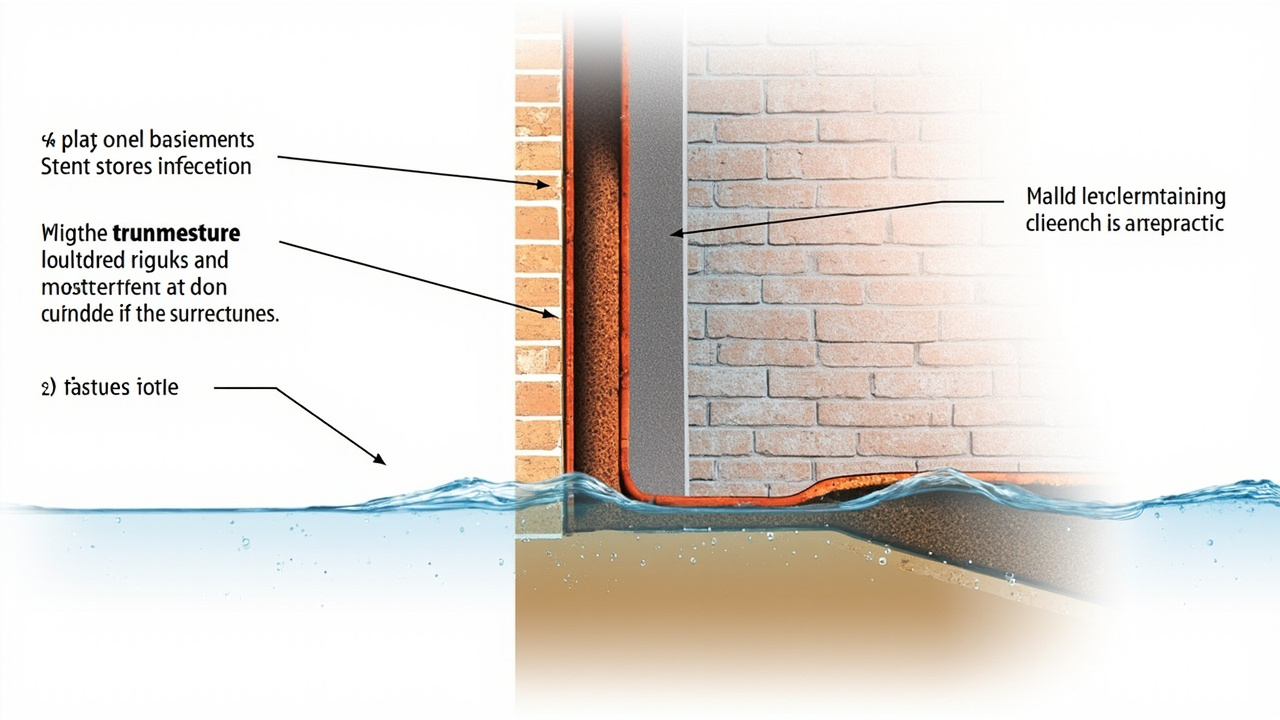






Chicago sits on the western shore of Lake Michigan, and that proximity drives humidity levels that feed mold growth. Summer dew points regularly exceed 65 degrees, pushing indoor relative humidity above 60 percent without mechanical dehumidification. Older Chicago homes, especially brick construction common in neighborhoods like Bridgeport and Beverly, absorb moisture through porous masonry and release it into interior wall cavities. Winter condensation forms on cold exterior walls when indoor humidity meets freezing temperatures. Many Chicago basements stay damp year-round because French drains installed in the 1920s no longer function. These conditions make visible mold growth on walls a recurring problem, not a one-time event. Proper remediation requires understanding Chicago's specific moisture challenges and building accordingly.
Chicago building codes require permits for mold remediation projects exceeding 100 square feet. We handle permitting and inspections as part of our service. We also understand Chicago-specific construction methods. Homes built before 1950 often used plaster on wood lath instead of drywall. Brick homes typically have double-wythe walls with an air gap that can trap moisture. Basements often have painted concrete block walls that hide mold behind the paint film. We have worked in Chicago homes across every decade of construction from Victorian-era greystones to modern condos. That experience means we know where to look, what to test, and how to rebuild correctly for this climate. Choosing a local remediation company is not about supporting local business. It is about hiring someone who understands your specific building and environment.