
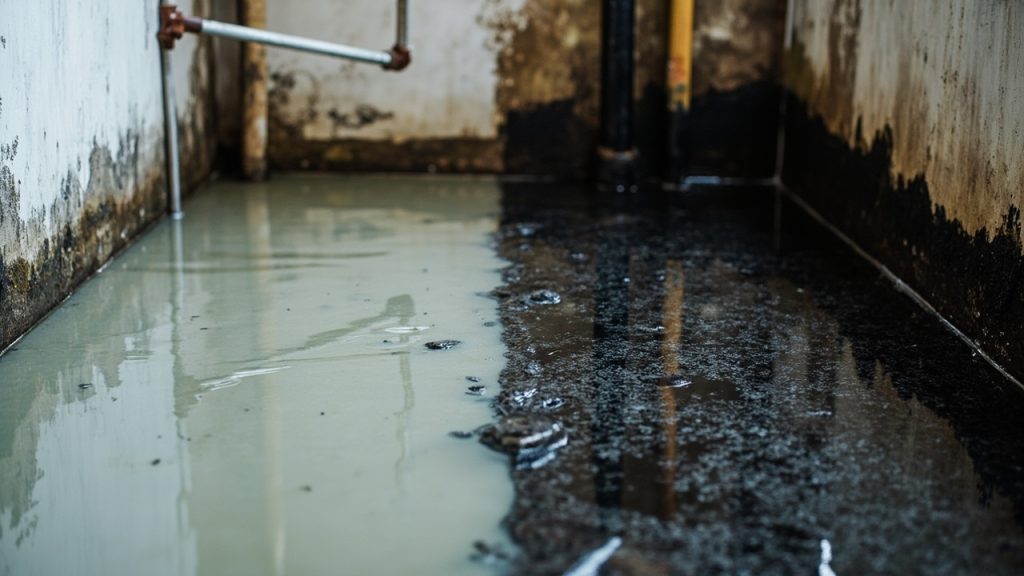
Understanding the Health Risks of Gray Water Versus Black Water in a Washington Park Backup
Your basement floods. Water covers the floor. Before you grab a mop, you need to know one critical fact. Not all floodwater is the same. The water in your Washington Park basement could be gray water or black water. This difference determines whether your restoration team can save your belongings and whether your family faces serious health risks.
The distinction between Category 2 and Category 3 water damage shapes your insurance claim, your restoration timeline, and your safety. This guide explains what each category means, why Washington Park’s aging combined sewer system makes black water backups more common than residents realize, and when you must call a professional.
Understanding Water Categories and the IICRC S500 Standard
The Institute of Inspection, Cleaning and Restoration Certification, known as IICRC, developed the S500 Standard for Professional Water Restoration. This standard defines three categories of water damage based on contamination levels. Insurance companies, restoration professionals, and building inspectors all reference these standards to determine repair protocols and coverage.
The IICRC standard matters because it removes guesswork. A certified water restoration technician walks into your flooded basement and immediately classifies the water. That classification determines what equipment gets used, which materials your team must discard, what protective gear technicians wear, and what your insurance will cover.
Category 1 water comes from clean sources like broken supply pipes or melting snow. Category 2 and Category 3 are the ones that pose real health threats. Understanding the difference can save your home and your family’s health.
Category 2 Water Damage and Gray Water Sources and Health Risks
Category 2 water, also called gray water, contains significant contamination but not raw sewage. This water comes from appliances, fixtures, or accidents. Common sources include dishwasher overflows, washing machine leaks, aquarium ruptures, sump pump failures without sewage involvement, and toilet tank leaks that do not involve the bowl.
Gray water looks relatively clean. It may seem like regular water. This is dangerous because appearance deceives. Gray water contains bacteria, viruses, and chemical contaminants that can cause serious illness. Common pathogens include E. coli, Salmonella, Norovirus, and Hepatitis A.
Exposure to Category 2 water causes skin infections, respiratory problems, gastrointestinal illness, and eye infections. Children, elderly relatives, and people with weakened immune systems face the highest risk. Even brief contact with contaminated skin or mucous membranes can transmit illness.
Chicago’s high humidity accelerates contamination. Warm, moist basements in Washington Park create ideal conditions for bacterial growth. Category 2 water that sits untreated for 24 to 48 hours becomes Category 3 water as bacterial populations explode exponentially.
Category 3 Water Damage and Black Water and Sewage Contamination
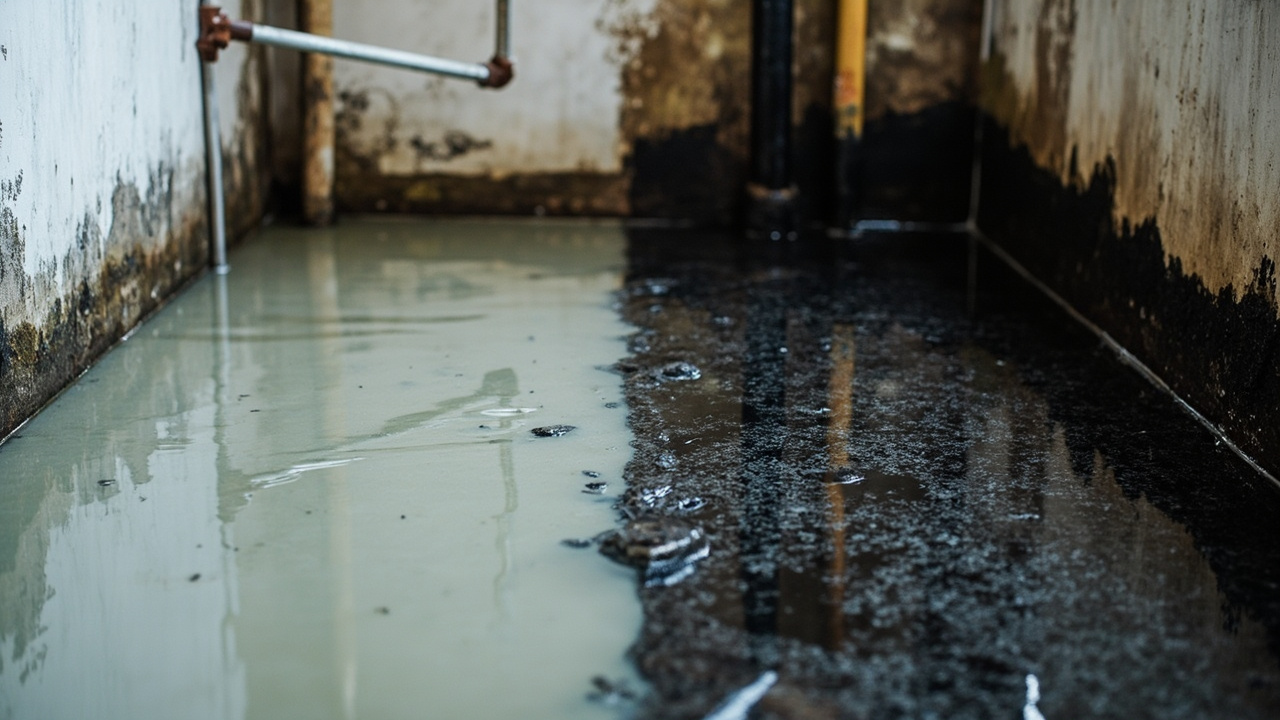
Category 3 water, known as black water, contains raw sewage, toxic chemicals, and heavily contaminated floodwaters. This water poses extreme health hazards and requires specialized biohazard remediation protocols. Sources include sewage backups, flooded rivers and lakes, toilet bowl overflows, and any Category 2 water left untreated for more than 48 hours.
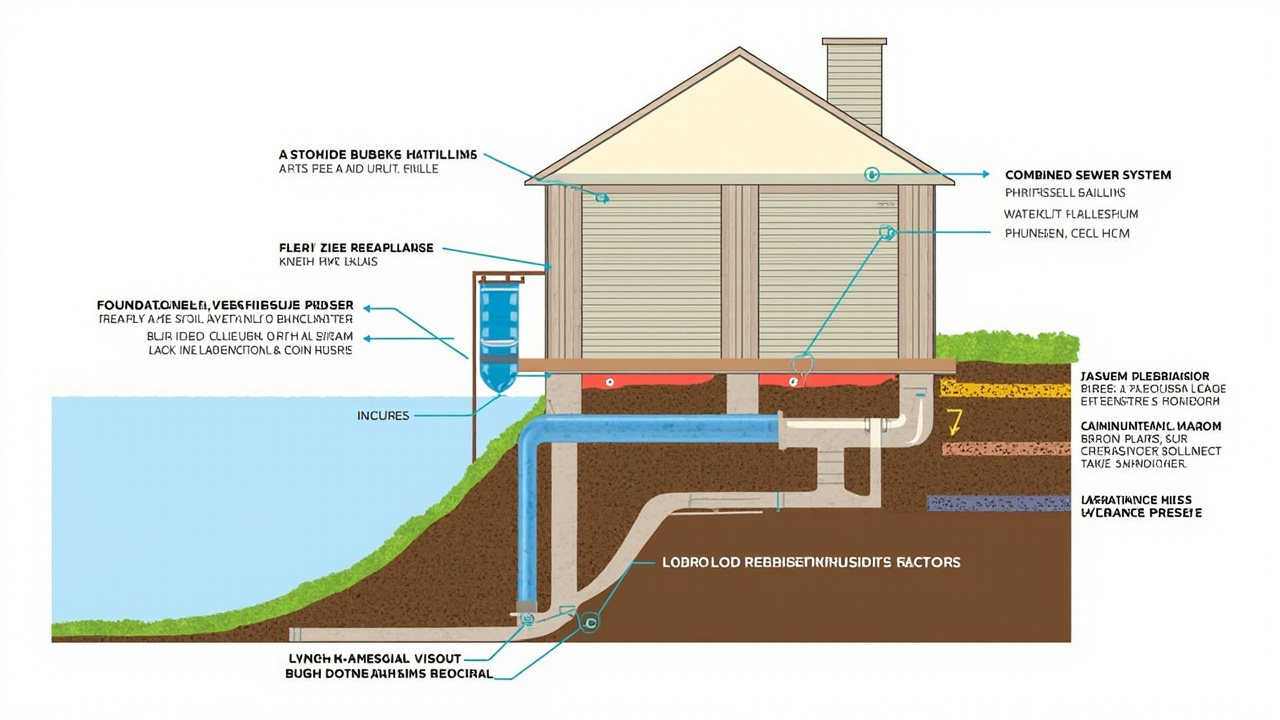
Chicago’s combined sewer system makes Category 3 backups a genuine risk. In Washington Park and similar South Side neighborhoods, the same pipes carry both stormwater and sewage. During heavy rains, the system becomes overwhelmed. Sewage backs up into basements through floor drains, toilet lines, and lowest plumbing fixtures.
Black water contains pathogens at dangerously high concentrations. Cryptosporidium, Giardia, E. coli O157H7, Salmonella, Shigella, Hepatitis A, Norovirus, and Rotavirus all live in sewage. Some pathogens survive in water for weeks. A single exposure can cause severe illness requiring hospitalization.
Chicago’s geography worsens the problem. The city sits on Chicago Blue Clay with extremely high clay content. This soil compacts densely and does not drain water efficiently. The flat prairie topography offers no natural slope for drainage. Basements in older neighborhoods like Washington Park often sit below street level, making them collection points for municipal stormwater and sewage during system overflows.
Lake Michigan creates additional pressure. The water table near Washington Park sits dangerously close to basements. Hydrostatic pressure from groundwater forces sewage and contaminated water up through foundation cracks, sump pump holes, and pipe penetrations.
Washington Park Sewage Backup Vulnerability and Infrastructure Challenges
Washington Park residents face unique sewage backup risks rooted in the neighborhood’s age and geography. Built largely between 1900 and 1950, Washington Park’s residential stock features basements designed during an era when sewer capacity was calculated for smaller populations and different precipitation patterns. The neighborhood sits immediately south of downtown Chicago, placing it within the original combined sewer service area where city engineers channeled both sanitary sewage and stormwater through unified pipe networks.
The original Washington Park sewer infrastructure consists of pipes ranging from 80 to 120 years old. These Victorian and early 20th century systems were sized for the populations and rainfall patterns of their era. Modern extreme weather events, population density increases, and climate patterns cause regular system overwhelm. A one-inch rainfall event that occurred once per decade in 1950 now occurs multiple times annually.
Washington Park’s basement characteristics compound the risk. Properties in the neighborhood typically feature concrete foundations and finished or partially finished basements built directly against clay soil that sheds water rather than absorbing it. Many homes feature floor drains installed at the lowest basement point and connected directly to the sanitary sewer system. When the city’s combined sewers back up, these floor drains become sewage entry points.
The neighborhood’s topography slopes slightly toward the Chicago River to the east. During heavy rainfall events, stormwater runoff sheets across Washington Park’s flat terrain toward natural low points. Storm sewers in the neighborhood become overwhelmed quickly. Surcharge conditions, where incoming water exceeds pipe capacity and water pressure rises above atmospheric, develop within 30 to 60 minutes of heavy rain initiation.
Washington Park residents report sewage backup incidents most frequently during spring months when snowmelt combines with spring storms. Summer thunderstorms also trigger incidents. Fall rains in September and October correlate with elevated backup reports. Winter presents lower frequency because frozen precipitation contributes less rapidly to system inflow than rain.
Property characteristics in Washington Park create basement vulnerability beyond sewer system limitations. Older homes feature single-skin concrete foundation walls without exterior waterproofing or interior sump pump systems. Many properties lack storm sewer connections separate from sanitary lines. This unified approach maximizes backup risk because a single system overwhelm event affects both drainage and sewage removal.
The City of Chicago Department of Water Management has completed Deep Tunnel Project improvements throughout much of the downtown and North Side areas. South Side neighborhoods like Washington Park received fewer upgrades. The combined sewer overflow storage tunnels constructed under the Deep Tunnel Project prioritized downtown protection. Washington Park remains on the periphery of full Deep Tunnel capacity.
Comparing Gray Water and Black Water and Key Differences in Remediation
| Factor | Category 2 Gray Water | Category 3 Black Water |
|---|---|---|
| Common Sources | Dishwashers, washing machines, sump pump failures, aquarium leaks, toilet tank leaks | Sewage backups, river flooding, toilet bowl overflows, contaminated floodwaters |
| Pathogens Present | Bacteria and some viruses, moderate contamination levels | Bacteria, viruses, protozoa, extremely high pathogen concentrations |
| Appearance | Often looks relatively clear or slightly cloudy | Visibly dirty, brown or black discoloration, foul odor |
| PPE Required | Gloves, eye protection, respiratory mask for mold | Full-body protective suit, respirator with cartridges, double gloves, boot covers |
| Affected Materials | Your restoration team can save some porous materials with aggressive cleaning and antimicrobial treatment | Your team must discard all porous materials. Drywall, carpet, insulation require complete removal |
| Antimicrobial Treatment | Approved disinfectants and biocides effective at source elimination | Requires specialized biohazard remediation chemicals and protocols |
| Drying Timeline | Typically 5 to 7 days with professional equipment | Typically 10 to 14 days due to material removal and contamination protocols |
| Equipment Used | LGR dehumidifiers, air movers, standard moisture monitors | LGR dehumidifiers, air scrubbers with HEPA filters, specialized biohazard containment |
The Critical 48-Hour Window and When Gray Water Becomes Black Water
Time is your enemy in water restoration. Category 2 water transforms into Category 3 water within 24 to 48 hours when left untreated. Bacterial populations double every 20 minutes in warm water. Chicago’s summer humidity and heated basements create perfect growth conditions.
This degradation accelerates remediation costs dramatically. What starts as a manageable gray water cleanup requiring standard equipment becomes a full biohazard remediation requiring specialized protocols and material removal. Your team cuts out drywall. Carpet gets torn out. Flooring gets stripped. Salvageable items become medical waste.
Insurance claims shift as well. Many homeowner policies deny coverage for sewage backup unless you purchased a specific sewage backup endorsement. A delayed response means your Category 2 claim becomes a Category 3 claim that may fall outside your coverage entirely.
This is why professional response within hours matters. Certified technicians arrive, assess water classification immediately, begin extraction and drying before bacterial contamination advances, and document conditions for insurance purposes.
Chicago-Specific Threats and Combined Sewers and Basement Vulnerability
Chicago’s infrastructure creates unique water damage risks unknown to homeowners in other regions. The city’s combined sewer system, built in the 1800s and early 1900s, channels both sanitary sewage and stormwater through the same pipes. When rainfall exceeds system capacity, the mixture backs up into the lowest available outlets. In most Chicago basements, that outlet is your floor drain.
The City of Chicago Department of Water Management operates the Deep Tunnel Project, officially known as the Tunnel and Reservoir Plan, or TARP. This massive infrastructure investment has improved conditions since the 1980s. Yet older neighborhoods like Washington Park still experience regular overflow events during heavy rains.
Washington Park sits in the South Side drainage basin where combined sewer capacity remains limited during major precipitation events. The Illinois Center for Greenway Development maps show Washington Park within the combined sewer impact zone where backups occur regularly. Nearby neighborhoods like Bronzeville and Kenwood share similar vulnerability due to their proximity to the same aging pipe infrastructure.
South side neighborhoods present different challenges than North Side areas. Washington Park, Cicero, and Tinley Park sit on clay soil that sheds water laterally rather than absorbing it. Basements in these areas experience hydrostatic pressure as groundwater accumulates against foundations. The 2020 and 2022 rainfall events flooded hundreds of Washington Park basements despite lack of direct sewer backup, with hydrostatic water seeping through foundation walls instead.
Suburban communities in the greater Chicagoland area face comparable risks. Joliet, Bolingbrook, and Naperville all maintain separate stormwater and sanitary sewer systems. Yet septic failures, inadequate grading, and poor lot drainage create Category 2 and Category 3 events in basements and crawlspaces.
Materials and Salvageability and What You Keep and What Gets Removed
The category of water determines what your restoration team salvages and what gets discarded. This decision significantly impacts your out-of-pocket costs and timeline.
Category 2 water allows selective material preservation. Non-porous hard materials like ceramic tile, concrete, and sealed wood your team can clean with antimicrobial treatments. Porous materials present more complexity. Drywall that has been wet for less than 24 hours your restoration experts may salvage with aggressive cleaning and mold prevention treatment. Carpet and carpet padding your team typically cannot save due to the difficulty of eliminating contamination from the material structure.
Category 3 water demands complete removal of all porous materials from the affected area. Your team must cut away drywall at least 12 inches above the visible waterline to eliminate hidden contamination. Insulation gets removed entirely. Carpet, carpet padding, and underlayment require complete discard. Hardwood flooring requires removal and replacement. Even concrete floors need aggressive decontamination and sealing.
Non-porous items like ceramic, porcelain, glass, and sealed surfaces your technicians can decontaminate after Category 3 exposure. Still, the cost of specialized biohazard cleaning often exceeds replacement value for most household items.
Electronics, documents, photographs, and sentimental items present special challenges. Professional restoration companies offer content cleaning and document restoration services. Temperature and humidity-controlled drying chambers can save some items. Still, complete restoration depends on the specific item, contamination level, and time since exposure.
Professional Equipment and Drying Standards
The drying process separates amateur cleanup from professional restoration. Water in walls, concrete, and building materials dries invisibly. If drying stops prematurely, mold grows hidden within wall cavities. Months later, structural damage and health hazards emerge.
Professional water restoration relies on specific equipment calibrated to industry standards. LGR dehumidifiers remove moisture from air more efficiently than household models. Air movers directed strategically push humid air across wet surfaces toward dehumidifier inlets. Moisture monitors track water content in building materials throughout the drying process.
Category 3 remediation adds air scrubbers with HEPA filtration. These devices capture particulates and pathogens before they enter the ambient air. Workers use negative air pressure containment to prevent contamination from spreading to unaffected areas. Your team packages biohazard waste in medical-grade containers and disposes of materials according to state and federal regulations.
Drying timelines depend on material type, water category, and ambient conditions. Category 2 water in concrete typically dries within 5 to 7 days with professional equipment. Drywall and wood frame take longer. Category 3 remediation takes 10 to 14 days minimum because your team must complete material removal before drying begins.
Insurance Coverage and Understanding Your Policy Language
Insurance classification matters profoundly for claim approval and reimbursement. Most standard homeowner policies cover sudden water events from internal sources like burst pipes or appliance failures. This is where Category 2 water from a burst pipe or flooded basement typically gets covered.
Sewage backup coverage requires a separate endorsement on your policy. Many Washington Park homeowners discover they lack this coverage only after a basement backup occurs. Sewage backup in Washington Park and similar neighborhoods with combined sewer systems warrants this endorsement, but premiums increase coverage costs.
Flood insurance, which covers exterior water entering the home during heavy rain events, requires a separate National Flood Insurance Program policy. Standard homeowner insurance excludes flood damage. This creates a gap for homeowners in flood-prone areas near rivers or in low-lying neighborhoods like Washington Park.
Documentation determines claim success. Your restoration company photographs conditions before remediation begins, during the process, and after completion. These photos document water category classification, affected materials, and remediation scope. Your insurance adjuster uses this documentation to validate the claim.
Recognizing Water Category Without Professional Testing
You cannot safely determine water category by appearance alone. Dark water appears black. Clear water might still contain dangerous pathogens. Visual inspection misleads. This is why professional assessment within hours of discovering water damage matters.
Still, you can gather clues while waiting for technicians to arrive. Where is the water coming from? If the source is a broken supply pipe, washing machine overflow, or aquarium rupture, you have Category 2 water. If the source is a backed-up toilet bowl, floor drain, or outside flooding during heavy rain, you likely have Category 3 water. If you cannot identify the source, assume Category 3 until proven otherwise.
Odor provides additional information. Musty or moldy odors suggest Category 2 water left standing for days. Raw sewage odors point directly to Category 3 contamination. Yet the absence of odor does not guarantee safety. Pathogens do not announce their presence with smell.
Visible debris, mud, or discoloration suggests Category 3 water. Gray water from appliances typically looks relatively clean initially. Dark, murky water with particles indicates external or sewage contamination.
When You Must Call a Professional Immediately
Some situations demand professional response without delay. Attempting DIY cleanup in these scenarios exposes your family to serious health risks and violates standard remediation protocols.
- Water level exceeds 6 inches in your basement. This volume indicates either a significant water source or poor drainage and suggests structural water intrusion beyond simple cleanup.
- Water source cannot be identified or eliminated. Professional technicians possess equipment to locate hidden leaks and damaged supply lines.
- Suspected sewage or Category 3 contamination. Never attempt contact with Category 3 water without proper biohazard protection.
- Water has been standing for more than 24 hours. Bacterial growth accelerates contamination from Category 2 to Category 3.
- Mold growth is visible. Professional mold removal in Chicago homes requires containment protocols to prevent spore dispersal.
- Water level is rising despite your extraction efforts. This indicates active water intrusion requiring professional equipment and structural assessment.
- The affected area includes electrical systems, HVAC equipment, or water heaters. Wet electrical components create shock hazards.
- Your homeowner insurance policy requires professional documentation for claim approval.
Restoration Timeline for Each Water Category
| Phase | Category 2 Gray Water | Category 3 Black Water |
|---|---|---|
| Immediate Response (Hours 0-4) | Water extraction, source identification and control, initial damage assessment | Biohazard assessment, water extraction with specialized equipment, containment setup, utility shutoffs |
| Day 1-2 | Extraction completion, initial dehumidification and air movement setup, inventory of affected contents | Porous material removal (drywall, insulation, flooring), continued extraction, antimicrobial application, documentation for insurance |
| Day 3-5 | Dehumidification and drying in progress, moisture monitoring, mold prevention treatment, initial cleaning of hard surfaces | Complete material removal, structural surface decontamination, specialized antimicrobial application, containment maintained |
| Day 6-7 | Moisture levels approaching normal, continued dehumidification, final assessments with moisture meter | Deep surface cleaning and biohazard final treatment, air quality testing, documentation for release from containment |
| Day 8-14 | Final drying verification, equipment removal, cleanup and restoration activities begin | Extended drying continues in structural cavities, final moisture verification, reconstruction planning and material ordering |
| After Day 14 | Reconstruction, painting, flooring replacement, content restoration if applicable | Reconstruction begins after complete clearance, new drywall installation, flooring replacement, permanent repairs |
Prevention Strategies for Washington Park Properties
Washington Park’s climate and infrastructure present ongoing water intrusion challenges. Prevention reduces the risk of both Category 2 and Category 3 events.
Install a sump pump if your basement lacks one. A properly functioning sump pump removes accumulated groundwater before it rises to finish floor level. Washington Park homes in low-lying areas or near the water table need battery backup systems to operate during power outages that frequently accompany heavy storms.
Grade soil away from foundation walls. Water should sheet flow away from your house, not accumulate against basement walls. This is particularly important in Washington Park where natural slope is minimal and clay soil sheds water laterally.
Clean gutters and downspouts regularly. Direct roof runoff at least 6 feet away from the foundation. In areas with clay soil like Washington Park, roof water contributes significantly to foundation saturation.
Install a backwater valve on your main sewage line if you live in Washington Park or another neighborhood with combined sewer risks. This one-way valve prevents sewage from backing up into your basement during municipal system overflows. Washington Park residents with basements below street level benefit most from backwater valve installation.
Seal foundation cracks and pipe penetrations. Water finds its way through openings as small as a pencil lead. Polyurethane sealants work better than traditional caulk for below-grade applications because they remain flexible as foundation materials shift with seasonal moisture changes.
Keep floor drain grates free of debris and ensure floor drains have functioning traps. A dry trap loses its water seal and allows sewer gas and sewage backup to enter through the drain.
Test appliance hoses and connection lines annually. Washing machine inlet hoses, dishwasher connections, and refrigerator water lines rupture without warning. If you see discoloration or feel soft spots on hose material, replace immediately. Many homeowners keep replacement hoses on hand for quick swaps.
Consider a whole-home water shutoff valve with remote activation capability. If a water supply line ruptures while you are away, remote activation stops water flow immediately. This prevents thousands of gallons from flowing into your basement while waiting for repair service.
Choosing a Restoration Company in Chicago
When water damage strikes, you need a restoration company that understands Chicago’s specific challenges. Generic national companies lack knowledge of Chicago’s combined sewer systems, clay soil hydrostatic pressure, and the unique vulnerabilities of Chicago’s historic architecture.
Look for companies with IICRC certifications. The Water Restoration Technician (WRT) certification demonstrates training in IICRC S500 standards. The Applied Microbial Remediation Technician (AMRT) certification indicates advanced training in biohazard and mold remediation protocols.
Verify that the company carries adequate liability insurance and workers compensation coverage. Water restoration work is hazardous. Proper insurance protects you if technicians are injured on your property or if the restoration process causes additional damage.
Ask how long the company has operated locally. Chicago-specific experience matters. A technician who has worked in Washington Park and similar South Side basements understands the city’s challenges and knows which approaches work and which fail.
Emergency water damage cleanup available 24/7 throughout Chicago means the company can respond immediately when water damage strikes. Midnight calls for burst pipes or basement flooding get answered by qualified technicians, not answering services.
Verify that the company can manage insurance claims directly. Your restoration company should communicate with your insurance adjuster, provide required documentation, and navigate claim disputes. This removes the administrative burden from you during a stressful time.
Frequently Asked Questions
How fast does Category 2 water become Category 3?
Bacterial populations double every 20 minutes in standing water at room temperature. Visible mold can develop within 24 to 48 hours. The transformation happens fastest in warm, humid conditions. Chicago summer basement temperatures and high humidity accelerate contamination. Winter conditions slow bacterial growth but do not stop it. Category 2 water left untreated for more than 48 hours must be treated as Category 3 water.
Can I clean Category 3 water damage myself?
No. Category 3 water demands professional biohazard remediation. Exposure to sewage-contaminated water causes serious illness or death. Standard household cleaning products do not eliminate pathogens. Professional technicians use specialized antimicrobial treatments, proper disposal procedures, and containment protocols. Attempting DIY cleanup exposes your family to disease and violates health codes.
Does homeowner insurance cover sewage backup?
Standard homeowner insurance excludes sewage backup unless you purchase a separate endorsement. The cost typically ranges from 100 to 300 dollars annually depending on your location and deductible. If you live in Washington Park or another area with combined sewers or a high water table, this endorsement protects your financial investment. Check your policy immediately. Many Washington Park homeowners lack this coverage.
How do I know if black mold is growing in my basement?
Visible mold appears as dark patches or discoloration on surfaces. You may see white, green, or black growth. Musty odors indicate active mold growth. Still, hidden mold grows inside walls and under flooring where you cannot see it. Professional mold inspections use moisture meters and thermal imaging to identify hidden growth. If your basement smells musty after water damage, assume mold is present and contact a professional.
What is the difference between water damage and flood damage for insurance purposes?
Water damage typically refers to sudden events from internal sources like burst pipes or appliance failures. Standard homeowner insurance covers these events. Flood damage refers to exterior water entering the home from heavy rain, rising water bodies, or municipal system failures. Flood insurance requires a separate policy. The distinction determines whether your event qualifies for coverage under your existing policy.
How long does professional water restoration take?
Category 2 restoration typically takes 5 to 7 days with professional equipment. Category 3 remediation takes 10 to 14 days minimum. Timeline depends on water volume, affected materials, ambient humidity, and how quickly water extraction begins. Faster response means faster drying. Each day of delay extends the timeline as contamination advances and hidden moisture worsens.
Taking Action Now
Water damage does not wait. The moment water touches your basement floor, the clock starts counting down. Category 2 water becomes Category 3 within 48 hours. Each passing hour increases the cost of restoration and the risk to your family’s health.
If you discover water in your Washington Park basement or home, stop exploring it yourself. Do not touch standing water. Do not attempt to determine its source or category. Do not attempt cleanup without professional guidance. Instead, call a certified water restoration company immediately.
The company should arrive within hours, assess the situation using professional equipment, classify the water according to IICRC standards, extract water rapidly, establish drying and dehumidification, protect your belongings, and communicate with your insurance company. This professional response prevents category degradation, limits health hazards, and maximizes your claim reimbursement.
Contact Cornerstone Water Damage Restoration now if your Washington Park home or business experiences water intrusion. Our technicians operate 24/7 and arrive within hours of your call. We manage everything from emergency response through final restoration, and we work directly with your insurance company to simplify the process. Whether your water is Category 2 or Category 3, whether your issue is a burst pipe, basement flooding, sewage backup, or water intrusion anywhere in the greater Chicago metropolitan area, we have the expertise and equipment to restore your property safely and completely. Call us today for immediate emergency response.
{
“@context”: “https://schema.org”,
“@type”: “BlogPosting”,
“headline”: “Understanding the Health Risks of Gray Water Versus Black Water in a Washington Park Backup”,
“description”: “Learn gray vs. black water damage risks in Washington Park. Discover sewage backup prevention and when to call professionals for restoration.”,
“wordCount”: 4104,
“datePublished”: “2026-04-08T13:19:00.000Z”,
“dateModified”: “2026-04-08T13:19:00.000Z”,
“inLanguage”: “en-US”,
“mainEntityOfPage”: {
“@type”: “WebPage”,
“@id”: “https://cornerstonewaterdamagerestorationchicago.com”
},
“publisher”: {
“@type”: “LocalBusiness”,
“name”: “Cornerstone Water Damage Restoration Chicago”,
“url”: “https://cornerstonewaterdamagerestorationchicago.com”
},
“author”: {
“@type”: “Organization”,
“name”: “Cornerstone Water Damage Restoration Chicago”,
“url”: “https://cornerstonewaterdamagerestorationchicago.com”
},
“image”: {
“@type”: “ImageObject”,
“url”: “https://cornerstonewaterdamagerestorationchicago.com/wp-content/uploads/2026/03/understanding-the-health-risks-of-gray-water-versu-1.jpg”
}
}
{
“@context”: “https://schema.org”,
“@type”: “LocalBusiness”,
“name”: “Cornerstone Water Damage Restoration Chicago”,
“url”: “https://cornerstonewaterdamagerestorationchicago.com”,
“address”: {
“@type”: “PostalAddress”,
“addressLocality”: “Chicago”
},
“areaServed”: {
“@type”: “City”,
“name”: “Chicago”
}
}
{
“@context”: “https://schema.org”,
“@type”: “FAQPage”,
“mainEntity”: [
{
“@type”: “Question”,
“name”: “How fast does Category 2 water become Category 3?”,
“acceptedAnswer”: {
“@type”: “Answer”,
“text”: “Bacterial populations double every 20 minutes in standing water at room temperature. Visible mold can develop within 24 to 48 hours. The transformation happens fastest in warm, humid conditions. Chicago summer basement temperatures and high humidity accelerate contamination. Winter conditions slow bacterial growth but do not stop it. Category 2 water left untreated for more than 48 hours must be treated as Category 3 water.”
}
},
{
“@type”: “Question”,
“name”: “Can I clean Category 3 water damage myself?”,
“acceptedAnswer”: {
“@type”: “Answer”,
“text”: “No. Category 3 water demands professional biohazard remediation. Exposure to sewage-contaminated water causes serious illness or death. Standard household cleaning products do not eliminate pathogens. Professional technicians use specialized antimicrobial treatments, proper disposal procedures, and containment protocols. Attempting DIY cleanup exposes your family to disease and violates health codes.”
}
},
{
“@type”: “Question”,
“name”: “Does homeowner insurance cover sewage backup?”,
“acceptedAnswer”: {
“@type”: “Answer”,
“text”: “Standard homeowner insurance excludes sewage backup unless you purchase a separate endorsement. The cost typically ranges from 100 to 300 dollars annually depending on your location and deductible. If you live in Washington Park or another area with combined sewers or a high water table, this endorsement protects your financial investment. Check your policy immediately. Many Washington Park homeowners lack this coverage.”
}
},
{
“@type”: “Question”,
“name”: “How do I know if black mold is growing in my basement?”,
“acceptedAnswer”: {
“@type”: “Answer”,
“text”: “Visible mold appears as dark patches or discoloration on surfaces. You may see white, green, or black growth. Musty odors indicate active mold growth. Still, hidden mold grows inside walls and under flooring where you cannot see it. Professional mold inspections use moisture meters and thermal imaging to identify hidden growth. If your basement smells musty after water damage, assume mold is present and contact a professional.”
}
},
{
“@type”: “Question”,
“name”: “What is the difference between water damage and flood damage for insurance purposes?”,
“acceptedAnswer”: {
“@type”: “Answer”,
“text”: “Water damage typically refers to sudden events from internal sources like burst pipes or appliance failures. Standard homeowner insurance covers these events. Flood damage refers to exterior water entering the home from heavy rain, rising water bodies, or municipal system failures. Flood insurance requires a separate policy. The distinction determines whether your event qualifies for coverage under your existing policy.”
}
},
{
“@type”: “Question”,
“name”: “How long does professional water restoration take?”,
“acceptedAnswer”: {
“@type”: “Answer”,
“text”: “Category 2 restoration typically takes 5 to 7 days with professional equipment. Category 3 remediation takes 10 to 14 days minimum. Timeline depends on water volume, affected materials, ambient humidity, and how quickly water extraction begins. Faster response means faster drying. Each day of delay extends the timeline as contamination advances and hidden moisture worsens.”
}
}
]
}
{
“@context”: “https://schema.org”,
“@type”: “BreadcrumbList”,
“itemListElement”: [
{
“@type”: “ListItem”,
“position”: 1,
“name”: “Home”,
“item”: “https://cornerstonewaterdamagerestorationchicago.com”
},
{
“@type”: “ListItem”,
“position”: 2,
“name”: “Blog”,
“item”: “https://cornerstonewaterdamagerestorationchicago.com/blog”
},
{
“@type”: “ListItem”,
“position”: 3,
“name”: “Understanding the Health Risks of Gray Water Versus Black Water in a Washington Park Backup”
}
]
}
{
“@context”: “https://schema.org”,
“@type”: “Service”,
“serviceType”: “Water Damage Restoration”,
“provider”: {
“@type”: “LocalBusiness”,
“name”: “Cornerstone Water Damage Restoration Chicago”,
“url”: “https://cornerstonewaterdamagerestorationchicago.com”
},
“areaServed”: {
“@type”: “City”,
“name”: “Chicago”
},
“description”: “Learn gray vs. black water damage risks in Washington Park. Discover sewage backup prevention and when to call professionals for restoration.”
}