




menu

Understanding Mold Toxicity in Chicago – Recognize the Warning Signs and Protect Your Health

Learn how to identify mold illness symptoms, understand black mold health risks, and know when exposure in your Chicago property demands immediate professional intervention and testing.

Slider Image 1
Slider Image 2
Slider Image 3
Slider Image 4
Slider Image 5
Slider Image 7
Slider Image 8
Slider Image 9
Slider Image 10
Slider Image 11

Why Chicago Residents Face Elevated Mold Toxicity Risks

Chicago's climate creates ideal conditions for mycotoxin-producing mold growth. The city's average humidity levels exceed 70 percent during summer months, and winter freeze-thaw cycles create hidden moisture intrusion points in foundations, crawl spaces, and attics. When Lake Michigan weather systems stall over the metropolitan area, condensation accumulates inside walls where you cannot see it.

Mold illness symptoms often appear weeks after exposure begins. You might notice persistent headaches, respiratory irritation, brain fog, or unexplained fatigue. These signs of mold poisoning mimic other conditions, which is why many Chicago residents suffer for months before connecting their symptoms to indoor air quality problems.

Black mold health risks escalate when Stachybotrys chartarum colonizes damp building materials. This species releases mycotoxins that trigger inflammatory responses in your respiratory system and neurological function. The effects of mold exposure accumulate over time, making early detection critical.

Chicago's older housing stock compounds the problem. Many homes built before 1970 lack proper vapor barriers, and outdated plumbing systems develop slow leaks that saturate wall cavities. Basement flooding from storm surges introduces contaminated water that feeds mold colonies. When you smell musty odors or see discoloration on walls, you are observing visible symptoms of a larger hidden problem.

Mycotoxin illness does not resolve without addressing the source. Air purifiers and surface cleaning cannot eliminate mold growing inside structural cavities. You need professional assessment to locate all contaminated areas and proper remediation to remove mycotoxin-producing colonies completely.

Why Chicago Residents Face Elevated Mold Toxicity Risks
How Professional Mold Assessment Identifies Hidden Toxicity Sources

How Professional Mold Assessment Identifies Hidden Toxicity Sources

Understanding mold toxicity requires distinguishing between surface contamination and systemic colonization. Surface mold on bathroom tiles poses minimal health risk. Mold growing inside wall cavities, HVAC ductwork, or beneath flooring releases airborne spores continuously and demands professional remediation.

We use thermal imaging cameras to detect temperature differentials that indicate moisture accumulation behind finished surfaces. Elevated moisture readings on moisture meters confirm active water intrusion. These tools reveal problems invisible to visual inspection.

Air sampling quantifies spore concentrations in your indoor environment and identifies specific mold species present. Lab analysis determines whether mycotoxin-producing species like Stachybotrys, Aspergillus, or Penicillium have colonized your property. This data guides remediation scope and helps explain health symptoms you have experienced.

We inspect common problem areas where Chicago buildings develop moisture issues. Foundation walls often show efflorescence from groundwater wicking through concrete. Roof penetrations around chimneys and vent stacks leak during ice dam formation. Window wells collect water that seeps through basement walls. Bathroom exhaust fans venting into attics create condensation that saturates insulation.

Post-assessment reports document all findings with photographic evidence and moisture readings. You receive a prioritized remediation plan that addresses both visible contamination and hidden moisture sources. This approach prevents recurrence by eliminating the conditions that allowed mold to establish colonies initially.

Professional assessment costs less than addressing health problems or property damage from delayed action. You gain clarity about the scope of contamination and can make informed decisions about remediation timing and approach.

What Happens During a Mold Toxicity Evaluation

Understanding Mold Toxicity in Chicago – Recognize the Warning Signs and Protect Your Health
01

Initial Health and Property Assessment

We document your health symptoms and timeline of when problems began. This information helps correlate physical symptoms with potential exposure sources. We inspect your property for visible signs of water damage, discoloration, or musty odors. You explain where you have noticed problems or experienced stronger symptoms. This consultation typically takes 20 to 30 minutes and establishes baseline information for testing protocols.
02

Environmental Testing and Sampling

We collect air samples from multiple rooms to measure spore concentrations and identify species present. Surface samples from suspected contamination areas undergo lab analysis. Moisture meters scan walls, ceilings, and floors to locate elevated readings indicating hidden water intrusion. Thermal imaging reveals temperature anomalies that suggest moisture accumulation behind finished surfaces. Testing takes one to two hours depending on property size and complexity.
03

Results Review and Action Plan

Lab results return within three to five business days. We review findings with you, explaining spore counts, species identified, and moisture readings. You receive a written report documenting all test results and photographic evidence. We provide a remediation plan with prioritized recommendations based on contamination severity and health risk. This meeting helps you understand next steps for addressing mold toxicity sources in your property.

Why Chicago Property Owners Trust Local Mold Toxicity Expertise

Mold toxicity assessment requires understanding how Chicago's specific climate and building characteristics create unique contamination patterns. Homes in neighborhoods like Lincoln Park, Lakeview, and Rogers Park face different challenges than properties in West Loop or Hyde Park. Proximity to Lake Michigan increases humidity exposure. Older brick buildings absorb moisture differently than modern construction.

Cornerstone Water Damage Restoration Chicago has assessed thousands of local properties and understands how seasonal weather patterns affect indoor moisture levels. We know that spring thaw creates basement seepage problems. Summer humidity causes condensation in poorly ventilated attics. Fall rains test roof drainage systems. Winter heating creates temperature differentials that drive moisture into wall cavities.

Our technicians receive ongoing training in mycotoxin identification and health risk assessment. We follow IICRC S520 standards for mold remediation and maintain current knowledge of emerging research on mold illness symptoms and mycotoxin exposure routes.

We work with local environmental testing laboratories that provide rapid turnaround on sample analysis. You receive results faster than national mail-in services, which means quicker answers when health concerns demand urgency.

Chicago building codes require specific moisture barrier installations and ventilation standards. Our recommendations align with local code requirements and consider the architectural styles common to your neighborhood. We understand how vintage Chicago bungalows differ from mid-century ranch homes or modern condominiums in moisture management needs.

You need assessment providers who recognize that black mold health risks vary based on exposure duration, concentration levels, and individual sensitivity. We provide context for test results and help you understand whether findings warrant immediate remediation or ongoing monitoring.

What to Expect from Professional Mold Toxicity Assessment

Rapid Response Scheduling

We schedule assessments within 24 to 48 hours of your call. Health symptoms demand quick answers, and mold contamination worsens with delayed action. Our technicians arrive during the scheduled window with all testing equipment ready. Assessments typically complete in one to three hours depending on property size and number of suspected problem areas. You can remain in the property during testing, or we can work while you are away. Same-day scheduling is available for urgent health concerns or real estate transactions with tight timelines.

Comprehensive Testing Protocols

We collect air samples from multiple locations to establish baseline spore counts and identify species present throughout your property. Surface sampling targets visible contamination or suspected hidden growth areas. Moisture mapping with thermal imaging and meter readings locates active water intrusion points feeding mold colonies. We inspect HVAC systems, crawl spaces, attics, and other areas where moisture accumulates unnoticed. Testing protocols follow industry standards for valid, defensible results. You receive detailed documentation of all sample locations and findings.

Actionable Results and Recommendations

Lab analysis identifies mold species present and quantifies spore concentrations compared to outdoor baseline levels. Results explain whether you face elevated health risks from mycotoxin-producing species. Our report includes photographs of problem areas, moisture readings, and air quality data. You receive prioritized recommendations addressing immediate health hazards first, then secondary concerns. We explain which problems you can address yourself and which require professional remediation. Cost estimates help you budget for necessary work. Results provide documentation for insurance claims or real estate disclosures.

Follow-Up Verification Testing

Post-remediation testing confirms that mold removal successfully eliminated contamination and restored safe indoor air quality. We collect clearance samples from previously affected areas and compare results to initial findings. This verification protects your investment in remediation work and confirms that your property is safe for occupancy. Follow-up moisture readings ensure that water intrusion sources have been properly corrected. We recommend annual preventive assessments for properties with previous contamination or ongoing moisture challenges. Seasonal testing helps detect new problems before they cause health symptoms or property damage.

Frequently Asked Questions

You Have Questions,
We Have Answers

What are the 10 warning signs of mold toxicity? +

Common warning signs of mold toxicity include chronic fatigue, brain fog, headaches, respiratory issues like coughing or wheezing, sinus congestion, skin rashes, joint pain, digestive problems, sensitivity to light, and memory difficulties. Chicago residents often experience prolonged exposure due to high humidity levels and older housing stock with poor ventilation. If you notice multiple symptoms worsening indoors, especially in basements or after water damage events, mold exposure may be the cause. Pay attention to musty odors and visible growth on walls or ceilings. Professional testing can confirm contamination levels in your home.

How do you know if mold is making you sick? +

You can tell mold is making you sick when symptoms improve after leaving your home and worsen upon return. Track your reactions to specific rooms, especially basements, bathrooms, or areas with past water leaks. Common indicators include worsening allergies, persistent cough, eye irritation, and unexplained fatigue that resolves when you spend time elsewhere. Chicago's humid summers and aging buildings create ideal conditions for hidden mold growth behind walls or under flooring. If family members experience similar symptoms simultaneously, mold contamination is likely. Document your symptom patterns and consult a physician familiar with environmental illness.

Can mold cause heartburn? +

Yes, mold exposure can trigger heartburn and acid reflux symptoms. Mold spores and mycotoxins irritate the digestive tract lining, causing inflammation that may lead to increased stomach acid production. Some people develop food sensitivities after prolonged mold exposure, worsening digestive distress. In Chicago homes with basement moisture issues or HVAC system contamination, airborne spores are easily inhaled and swallowed. If you experience persistent heartburn alongside other mold toxicity symptoms like respiratory issues or fatigue, consider environmental testing. Addressing the source of contamination often reduces gastrointestinal symptoms significantly.

Can mold cause migraines? +

Mold exposure commonly triggers migraines and severe headaches. Mycotoxins produced by certain mold species cause neurological inflammation, affecting brain function and blood vessel dilation. Chicago residents with chronic sinus congestion from mold may experience secondary headaches due to pressure buildup. Migraines linked to mold often occur in specific locations like basements or offices with poor air circulation. They may accompany other symptoms such as dizziness, light sensitivity, and cognitive difficulties. If your migraines worsen indoors and improve when away from home, investigate potential mold contamination. Professional remediation can eliminate the trigger source.

How to flush mold out of your system? +

Flushing mold from your system requires removing yourself from the contaminated environment first. Hydration helps your kidneys filter mycotoxins naturally. Support detoxification with antioxidant-rich foods, adequate sleep, and gentle exercise to promote circulation. Some medical providers recommend binders like activated charcoal under supervision. Chicago residents should address the source by hiring certified remediation professionals to eliminate mold growth. Air filtration with HEPA systems reduces ongoing exposure. Consult a physician experienced in environmental medicine for personalized treatment. Recovery time varies based on exposure duration and individual health factors.

Can air purifiers remove mold spores? +

Air purifiers with true HEPA filters can capture mold spores from the air but cannot eliminate the source. They reduce airborne spore counts, which helps minimize respiratory exposure and symptom severity. However, air purifiers do not kill existing mold colonies growing on surfaces or inside wall cavities. Chicago homes need proper remediation to address moisture sources and remove contaminated materials. Use HEPA air purifiers as a supplemental measure during and after professional cleanup. Place units in high-risk areas like basements or rooms with poor ventilation. Regular filter replacement maintains effectiveness.

How do I test myself for mold toxicity? +

Testing yourself for mold toxicity starts with a medical evaluation. Physicians can order urine mycotoxin tests, blood tests for mold antibodies, or visual contrast sensitivity tests that assess neurological impact. Document your symptoms and their correlation to specific indoor environments. Environmental testing of your Chicago home identifies mold species and concentration levels. An indoor air quality assessment by certified professionals pinpoints contamination sources. Combine medical testing with environmental investigation for complete answers. Some functional medicine practitioners specialize in mold illness diagnosis and can interpret complex test results within the context of your exposure history.

What kills mold spores instantly? +

EPA-registered antimicrobial solutions kill mold spores on contact, but surface cleaning alone does not resolve contamination. Professional remediation requires removing affected materials like drywall or insulation where mold penetrates deeply. Hydrogen peroxide, quaternary ammonium compounds, and commercial biocides work for hard surfaces. Chicago building codes require proper containment during removal to prevent cross-contamination. Bleach kills surface mold but does not penetrate porous materials and can worsen damage. Address moisture sources first or mold returns. Certified technicians use hospital-grade disinfectants and follow IICRC protocols to ensure thorough elimination and prevent regrowth.

What are the three stages of mold toxicity? +

Mold toxicity progresses through three stages. Stage one involves acute symptoms like coughing, sneezing, and eye irritation from immediate spore exposure. Stage two develops with prolonged exposure, causing chronic fatigue, cognitive impairment, and persistent respiratory issues. Stage three represents systemic illness with severe neurological symptoms, immune dysfunction, and multi-organ impact. Chicago residents in older buildings with chronic moisture problems risk advancing through these stages without intervention. Early detection and source removal prevent progression. Recovery becomes more difficult as toxicity advances. Professional environmental assessment identifies contamination levels before health impacts escalate.

Does mold affect your bowels? +

Yes, mold exposure affects bowel function significantly. Mycotoxins disrupt gut microbiome balance, causing diarrhea, constipation, cramping, and irregular bowel movements. The digestive system absorbs inhaled or ingested spores, triggering inflammation throughout the intestinal lining. Some Chicago residents develop irritable bowel syndrome symptoms after prolonged exposure to basement mold or contaminated HVAC systems. Food sensitivities may worsen as gut permeability increases. If digestive issues coincide with other mold toxicity symptoms and improve away from home, environmental contamination is likely. Addressing the mold source and supporting gut health with probiotics can restore normal function.

How Lake Michigan Humidity Amplifies Mold Toxicity Risks in Chicago Properties

Chicago's proximity to Lake Michigan creates persistent humidity challenges that accelerate mold growth. Lake effect moisture drives indoor relative humidity above 60 percent for extended periods, especially in neighborhoods within two miles of the shoreline. This sustained moisture allows mold spores to germinate within 24 to 48 hours on any organic surface. Basements in areas like Edgewater, Rogers Park, and South Shore face constant moisture pressure from the water table influenced by lake levels. The effects of mold exposure intensify when high humidity prevents building materials from drying between moisture events.

Chicago's building code amendments address moisture management in ways that differ from inland cities. Properties built or renovated after 2010 must meet specific vapor barrier requirements and foundation waterproofing standards. Understanding these local requirements helps property owners recognize whether their buildings include adequate mold prevention measures. Cornerstone Water Damage Restoration Chicago maintains current knowledge of Chicago Department of Buildings requirements and Cook County health department guidelines for mold assessment and remediation. We provide testing and documentation that meets local regulatory standards for real estate transactions and insurance claims.
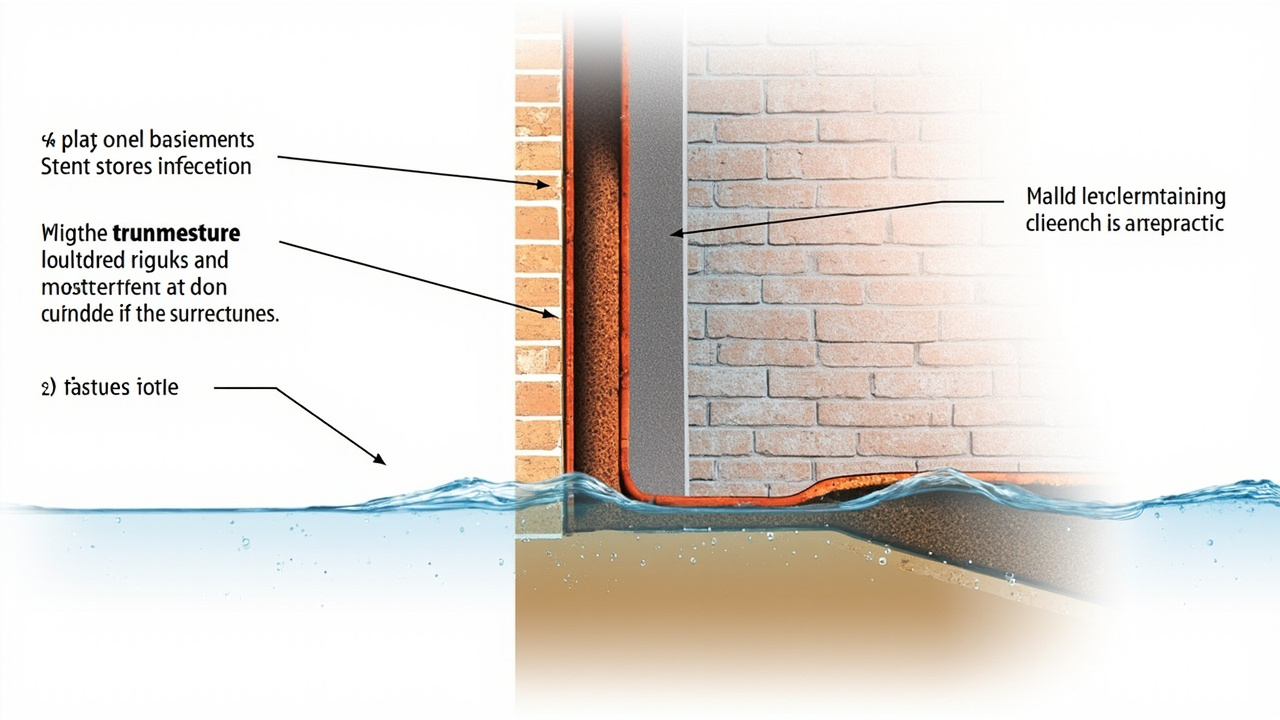
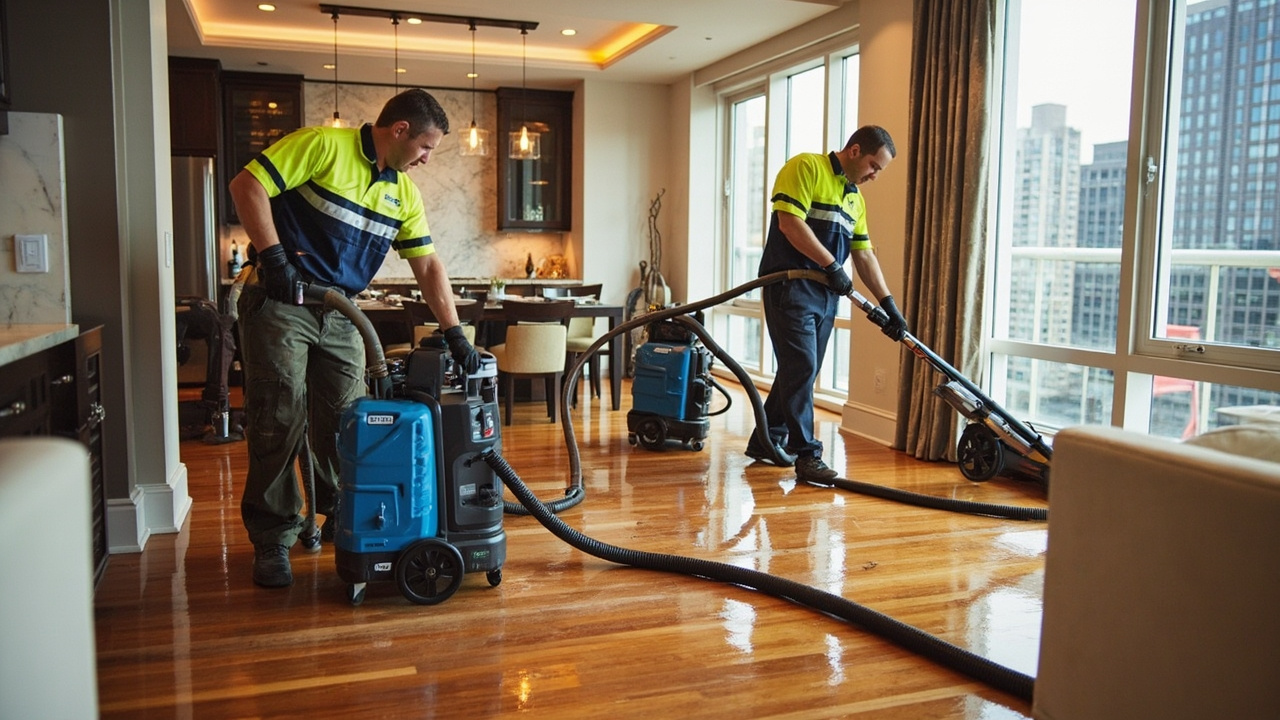
Water Damage Restoration Services in The Chicago Area

Cornerstone proudly serves the entire Chicago area with fast, dependable water damage restoration services. Whether you’re located in downtown, the suburbs, or surrounding neighborhoods, we’re ready to respond to your call—day or night. Use the map below to see our local service coverage and find our nearest team. With mobile units throughout the city, help is never far away. If you’re facing water damage, reach out now and let us show you why homeowners and businesses choose Cornerstone.

Address:
Cornerstone Water Damage Restoration Chicago, 171 N Aberdeen St, Chicago, IL, 60607

Additional Services We Offer

Our news updates

Latest Articles & News from The Blogs

High Humidity and Mold Growth in Chicago Summers What Homeowners Need to Know Your basement smells musty. Your bathroom mirror…

Why high humidity in the Chicago summer makes water damage worse in Calumet Heights

High Humidity and Mold Growth in Chicago Summers What Homeowners Need to Know Your basement smells musty. Your bathroom mirror…

Managing water damage restoration in the high-end luxury builds of the Near North Side

Luxury Home Water Damage Restoration in Chicago's Near North Side A burst pipe at 2 AM in your Gold Coast…

How we use thermal imaging to find hidden leaks in West Ridge homes

Expert Infrared Leak Detection in Chicago Homes and Businesses A hidden pipe leak can destroy your property long before you…

Contact Us

Stop guessing about mold exposure risks in your Chicago property. Call (872) 266-1616 now to schedule comprehensive testing. Our technicians will identify contamination sources and provide clear answers about your indoor air quality within days.