


menu

Toilet Overflow Cleanup in Chicago – 60-Minute Emergency Response and Same-Day Sewage Extraction

When your toilet overflows, contaminated water spreads fast. Our emergency toilet water extraction teams are dispatched in under an hour across Chicago neighborhoods, stopping sewage damage and preventing structural rot before it starts.

Slider Image 1
Slider Image 2
Slider Image 3
Slider Image 4
Slider Image 5
Slider Image 7
Slider Image 8
Slider Image 9
Slider Image 10
Slider Image 11

Why Toilet Overflows Escalate Fast in Chicago Homes and Buildings

A toilet overflow is not just water. It is Category 3 sewage, also called black water, and it contains bacteria, viruses, and pathogens that pose serious health risks. In Chicago, where many homes were built before 1960 with cast iron drain stacks and clay sewer laterals, a single clog can trigger a cascading backup that floods bathrooms, hallways, and finished basements in minutes.

Chicago's freeze-thaw cycles stress aging plumbing. Tree roots infiltrate clay pipes. Older buildings in neighborhoods like Logan Square, Pilsen, and Hyde Park often have galvanized drain lines that corrode from the inside. When a toilet overflows, the contaminated water does not stay put. It soaks into subflooring, drywall, and insulation. Within 24 hours, microbial growth begins. Within 48 hours, wood framing can start to warp.

You need emergency toilet water extraction now, not tomorrow. Every minute counts. The longer sewage sits, the higher your risk of permanent damage, mold colonization, and expensive structural repairs. Toilet flood restoration is not a DIY project. It requires containment, proper PPE, EPA-registered disinfectants, and industrial-grade extraction equipment. If you are standing in sewage, stop. Call for professional toilet overflow remediation immediately. Your health and your home depend on fast, correct action.

Why Toilet Overflows Escalate Fast in Chicago Homes and Buildings
How Cornerstone Water Damage Restoration Chicago Handles Overflowing Toilet Cleanup

How Cornerstone Water Damage Restoration Chicago Handles Overflowing Toilet Cleanup

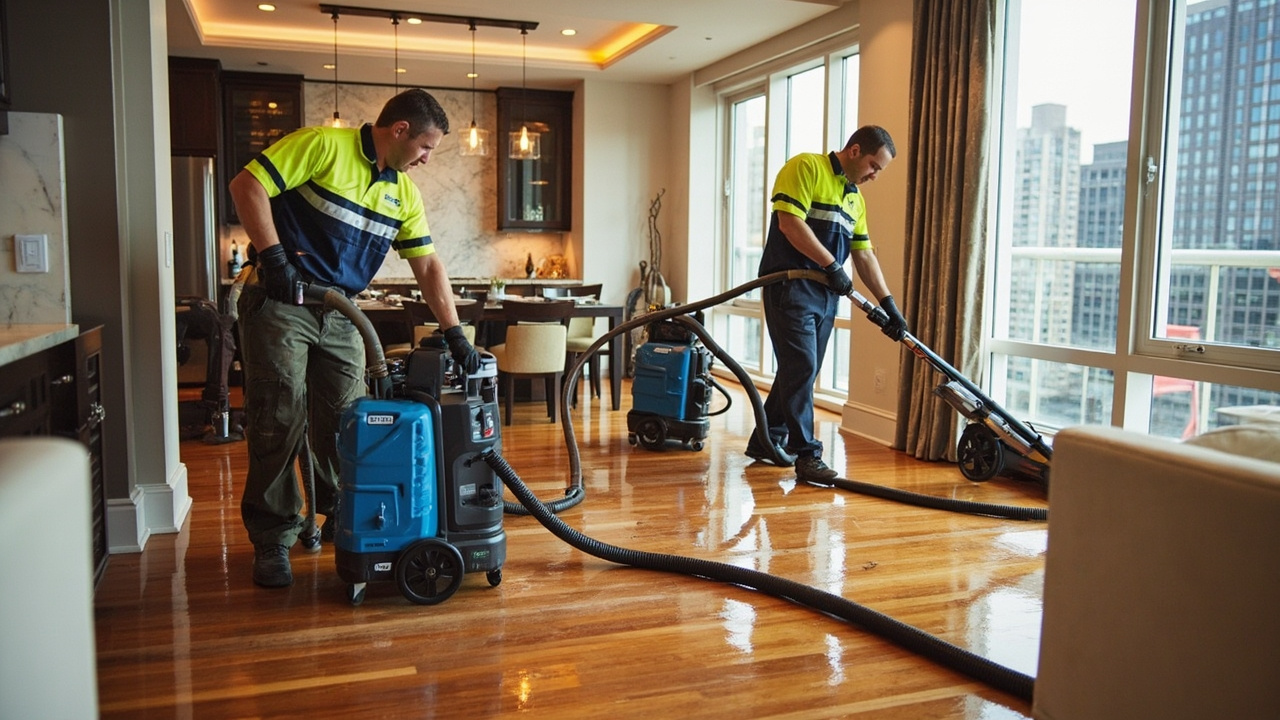
We treat every toilet overflow as a biohazard incident. Our technicians arrive in protective gear with truck-mounted extractors, antimicrobial foggers, and moisture detection meters. First, we stop the source and contain the affected area to prevent cross-contamination into clean zones. We then extract all visible sewage water using high-capacity pumps and vacuum systems designed for Category 3 waste.

Next, we remove porous materials that cannot be safely restored. Carpet padding, drywall below the flood line, and insulation soaked with toilet sewage must be discarded according to Illinois EPA guidelines. Non-porous surfaces like tile, vinyl, and sealed concrete are scrubbed with hospital-grade disinfectants. We apply antimicrobial treatments to studs, subflooring, and framing members to kill residual bacteria.

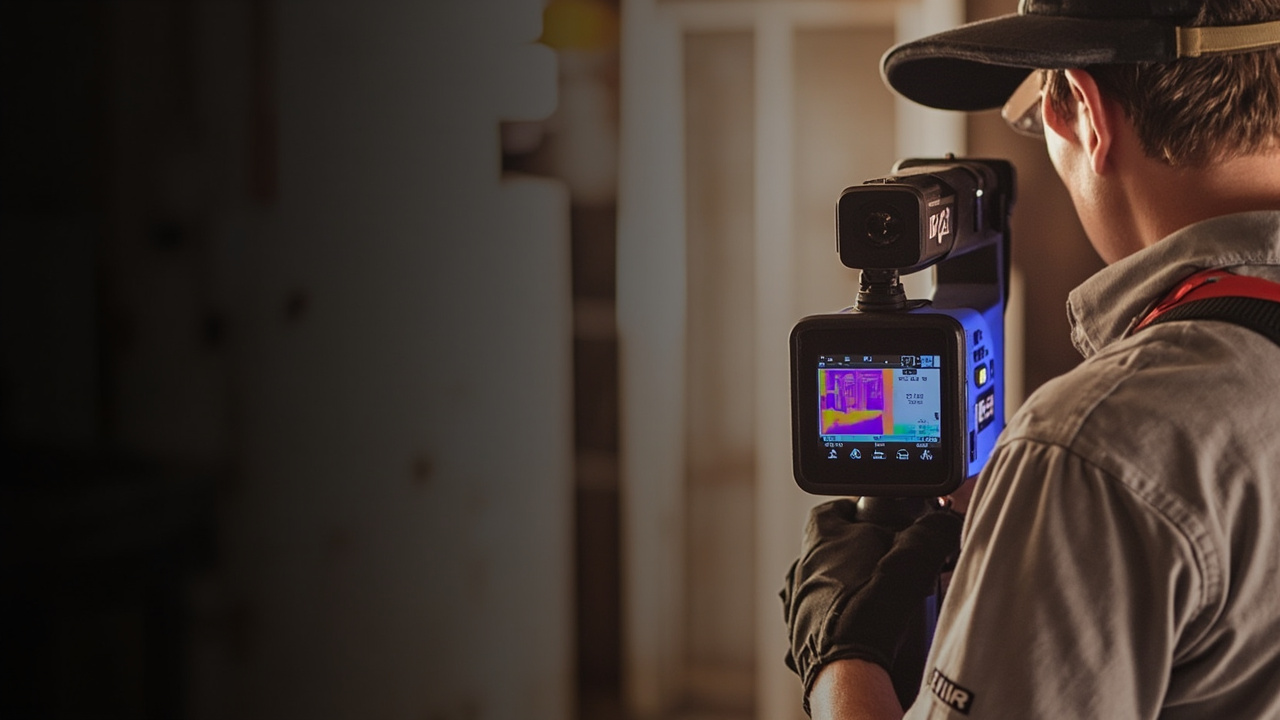
Drying is not optional. We deploy commercial air movers and low-grain refrigerant dehumidifiers to bring moisture levels below 15 percent. We monitor daily using hygrometers and infrared cameras to confirm drying progression. If moisture remains trapped in wall cavities or under flooring, secondary damage will occur. Mold spores germinate in 24 to 48 hours. Wood rot follows. Our process ensures complete drying, validated by data.

Cornerstone Water Damage Restoration Chicago follows IICRC S500 standards for water damage restoration and IICRC S520 guidelines for mold prevention. We document every phase with photos, moisture logs, and thermal imaging reports. This documentation is critical if you file an insurance claim for toilet flood restoration services.

What Happens When You Call for Emergency Toilet Overflow Remediation

Toilet Overflow Cleanup in Chicago – 60-Minute Emergency Response and Same-Day Sewage Extraction
01

Rapid Dispatch and Containment

We dispatch a technician to your location in under 60 minutes. Upon arrival, we assess the extent of contamination, shut off the water supply, and establish containment barriers using polyethylene sheeting and negative air pressure. This prevents sewage particulates from migrating into unaffected rooms. We identify the overflow cause, whether a clog, broken flange, or sewer line backup, and coordinate with plumbers if needed.
02

Sewage Extraction and Disinfection

Using truck-mounted extractors, we remove standing sewage water and solid waste. We then apply quaternary ammonium or phenolic disinfectants to all hard surfaces. Porous materials like drywall and carpet are inspected for saturation depth. If contamination extends beyond surface level, we remove and bag materials for disposal. All affected areas are treated with antimicrobial agents to eliminate pathogens and reduce microbial load before drying begins.
03

Structural Drying and Verification

We position air movers and dehumidifiers to create optimal airflow and vapor pressure differential. Drying equipment runs continuously for 48 to 72 hours, sometimes longer for structural cavities. We measure moisture content daily using pin-type and non-invasive meters. When readings stabilize below 15 percent, we remove equipment. You receive a final report with moisture logs, thermal images, and scope of work documentation for your insurance adjuster or property records.

Why Chicago Property Owners Trust Cornerstone Water Damage Restoration for Toilet Sewage Removal

Cornerstone Water Damage Restoration Chicago is not a national franchise. We are a local operation that understands Chicago building stock, Chicago plumbing systems, and Chicago weather patterns. We know that homes in Andersonville and Ravenswood have different drain configurations than courtyard buildings in Uptown. We know that pre-war brick two-flats often lack waterproofing membranes. We know that Chicago winters freeze sewer laterals and spring thaw triggers backups.

Our technicians are IICRC-certified in Water Damage Restoration and Applied Microbial Remediation. We carry full liability insurance and workers' compensation coverage. We work directly with Chicago-area insurance adjusters and can help you navigate claims for overflowing toilet cleanup. We know which items are restorable and which must be replaced. We provide itemized estimates, not inflated scopes.

We also understand urgency. A toilet overflow at 2 a.m. cannot wait until 9 a.m. We operate 24 hours, 7 days a week, 365 days a year. We do not outsource after-hours calls to answering services. You get a technician, not a voicemail. We arrive prepared with extraction equipment, PPE, and antimicrobial supplies already on the truck. We start work immediately.

Chicago building codes require proper disposal of Category 3 waste. We follow city ordinances for biohazard material handling and disposal. We document all removed materials for code compliance and insurance verification. When you hire Cornerstone Water Damage Restoration Chicago, you get a team that respects your property, your time, and the regulatory environment we all operate within.

What to Expect During Toilet Flood Restoration in Chicago

Immediate Availability and Fast Response

When you call (872) 266-1616, you reach a live dispatcher who assigns a crew immediately. We aim for 60-minute response times across Chicago, from North Shore suburbs to South Side neighborhoods. Our trucks are staged throughout the metro area. We do not schedule appointments for emergencies. We dispatch and arrive. If you have active flooding, we walk you through temporary containment steps while our crew is en route. Speed matters in sewage incidents because every hour increases contamination spread and structural exposure.

Comprehensive Assessment and Transparent Communication

Our technician performs a visual inspection and uses moisture meters to map saturation. We explain what we find in plain language. You will know which materials must be removed, which can be saved, and why. We provide a written scope of work before we begin. If your insurance covers the loss, we document everything with photos, diagrams, and detailed notes. We communicate directly with adjusters to streamline approval. You are never left guessing what happens next or why a step is necessary.

Complete Restoration and Safe Re-Occupancy

Restoration means your property is returned to pre-loss condition. We remove all contaminated materials, disinfect all surfaces, and dry all structural components. We do not leave equipment and walk away. We monitor progress daily. When drying is complete, we verify with final moisture readings and thermal imaging. You receive documentation proving the affected area is dry, clean, and safe. If reconstruction is needed, we coordinate with licensed contractors to replace drywall, flooring, and fixtures. You get one point of contact from emergency extraction through final walkthrough.

Insurance Coordination and Documentation Support

Most homeowners insurance policies cover sudden and accidental water damage, including toilet overflows. We help you file your claim by providing detailed loss documentation, moisture logs, and scope-of-work reports. We work with your adjuster to ensure the claim reflects the true extent of damage. We also offer direct billing to insurance for approved claims, which reduces your out-of-pocket expense. If coverage questions arise, we explain what is typically covered and what may fall outside your policy. We never inflate damage, but we ensure nothing is overlooked.

Frequently Asked Questions

You Have Questions,
We Have Answers

Can you pour vinegar in a toilet overflow tube? +

You can pour vinegar into the overflow tube to help clean mineral deposits. Pour one to two cups of white vinegar into the tube and let it sit for 30 minutes before flushing. This helps dissolve calcium buildup common in Chicago's hard water. However, if your toilet is actively overflowing, stop using it immediately and call a professional. Vinegar will not fix a backup or sewage issue. Focus on shutting off the water supply first. If overflow water has spread across your bathroom floor, you need emergency water extraction to prevent subfloor damage and mold.

Will toilet overflow cause mold? +

Yes. Toilet overflow will cause mold if not addressed within 24 to 48 hours. Chicago's humid summers accelerate mold growth, especially in poorly ventilated bathrooms. Sewage-contaminated water contains bacteria that make mold worse. You must extract all standing water, remove wet materials like baseboards and drywall, and dry the area with commercial air movers and dehumidifiers. Surface cleaning is not enough. Mold can grow inside walls and under flooring. If your toilet overflowed, professional water damage restoration is critical. Waiting risks black mold contamination and costly structural repairs down the line.

What are two things you should never flush down a toilet? +

Never flush wipes or feminine hygiene products. Wipes labeled flushable still do not break down and cause clogs in Chicago's older sewer lines. Feminine products expand when wet and create blockages that lead to backups and overflows. These items account for most residential toilet overflow emergencies. Only flush human waste and toilet paper. If you accidentally flushed the wrong item and your toilet overflows, shut off the water valve immediately. Do not keep flushing. Call a plumber to clear the line before sewage spreads across your bathroom floor and into adjacent rooms.

What is the best cleaner for toilet rim jets? +

Use a calcium lime rust remover or a pumice stone for toilet rim jets. Chicago's hard water leaves mineral deposits that clog jets and reduce flush power. Spray the cleaner directly into the jets under the rim and let it sit for 10 minutes. Scrub with a small brush or use a pumice stone for stubborn buildup. Avoid bleach and vinegar mixtures. They create toxic fumes. If your rim jets stay clogged and cause weak flushing or overflow, the issue may be deeper in the drain line. Call a plumber before a full backup happens.

Why does a plumber expert warn against using vinegar and baking soda on drains? +

Plumbers warn against vinegar and baking soda because the reaction does not clear clogs. The fizzing looks impressive but lacks the force to break up hair, grease, or solid waste. It can also push debris deeper into your pipes, worsening the blockage. In Chicago's older buildings with cast iron or clay sewer lines, homemade remedies waste time during an emergency. If your drain is slow or your toilet is backing up, call a licensed plumber immediately. Delaying professional help leads to overflow, sewage exposure, and costly water damage. Skip the DIY and get real results.

Can I leave vinegar in the toilet tank overnight? +

Yes, you can leave vinegar in the toilet tank overnight. Pour two cups of white vinegar into the tank and let it sit for eight hours or overnight. This dissolves mineral buildup on the fill valve and flapper, common with Chicago's hard water. Flush in the morning to rinse. Vinegar will not harm tank components. However, if your toilet is overflowing or leaking, vinegar will not fix it. You need a plumber to inspect the flush valve, flapper, or fill valve. If water has already spilled onto your floor, call for emergency water extraction to prevent subfloor rot.

How do Japanese bathrooms not get mold? +

Japanese bathrooms resist mold through superior ventilation and waterproof design. Walls and floors are fully sealed with waterproof panels. Exhaust fans run continuously or on timers. The wet room design allows water to drain quickly without pooling. Chicago bathrooms often have drywall, grout, and poor airflow, which trap moisture. To reduce mold, run your exhaust fan during and after showers, fix leaks immediately, and wipe down surfaces. If you experience a toilet overflow, extract water fast and dry everything within 24 hours. Mold prevention starts with speed and proper equipment.

What kills black mold in a toilet? +

Use a bleach solution or an EPA-registered mold killer to treat black mold in your toilet bowl. Mix one cup of bleach with one gallon of water and scrub the affected area with a stiff brush. Let it sit for 10 minutes, then flush. Wear gloves and ventilate the bathroom. However, if black mold is on walls, ceilings, or under flooring after a toilet overflow, do not attempt DIY removal. Sewage-related mold contains harmful pathogens. You need professional mold remediation with containment, air scrubbing, and safe disposal. Surface cleaning will not solve a structural contamination problem.

Why is the black stuff in my toilet coming back? +

Black residue returns because mold or bacteria are growing inside the toilet trap, tank, or under the rim. Chicago's humid climate and hard water create conditions for recurring growth. Clean the tank, rim jets, and siphon jet thoroughly. If the problem persists, you may have a hidden leak or sewer gas intrusion. Recurring black buildup after a toilet overflow suggests contamination in your drain line or subfloor. You need a professional inspection. Mold does not stop growing on its own. Address the moisture source and sanitize properly, or the issue will come back worse.

What do amish use instead of toilet paper? +

This question is not relevant to toilet overflow cleanup or water damage restoration in Chicago. If you are dealing with a toilet backup, sewage spill, or flooding emergency, your priority is stopping the water, extracting contaminated material, and preventing mold. Do not waste time on unrelated topics. Shut off your water supply, move belongings to a dry area, and call a certified water damage restoration company immediately. Delays of even a few hours increase damage and health risks. Focus on what matters: protecting your home and your family from sewage exposure and structural harm.

How Chicago's Aging Sewer Infrastructure Increases Toilet Overflow Risk

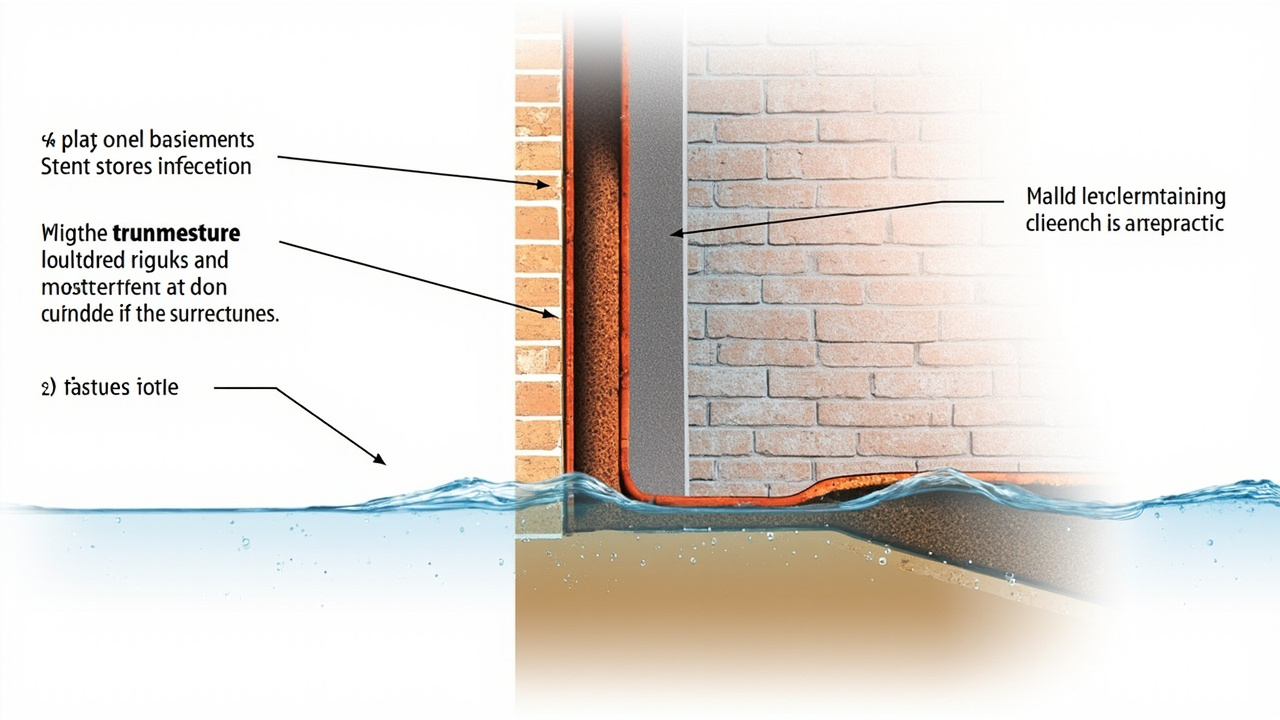
Chicago operates one of the oldest combined sewer systems in the United States. Many residential sewer laterals were installed before 1950 using clay tile pipe. These pipes crack, shift, and allow root intrusion. During heavy rain events, combined sewer overflows can push sewage back into homes through floor drains and toilets. The city has invested in the Tunnel and Reservoir Plan, but localized backups still occur. If your home was built before 1970, your drain lines are vulnerable. Toilet overflow remediation requires an understanding of these aging systems and how they fail under stress.

Cornerstone Water Damage Restoration Chicago has served Cook County residents for years. We understand how Chicago's building codes evolved, how older homes were plumbed, and how winter freeze events stress cast iron stacks. We work with local plumbers who know the city's infrastructure. We also understand the permitting process if structural drying reveals code violations or outdated systems. When you hire a local team, you get technicians who know your neighborhood, your building type, and the specific challenges that come with Chicago plumbing. That expertise translates to faster, more effective toilet flood restoration and fewer surprises during the process.
Water Damage Restoration Services in The Chicago Area

Cornerstone proudly serves the entire Chicago area with fast, dependable water damage restoration services. Whether you’re located in downtown, the suburbs, or surrounding neighborhoods, we’re ready to respond to your call—day or night. Use the map below to see our local service coverage and find our nearest team. With mobile units throughout the city, help is never far away. If you’re facing water damage, reach out now and let us show you why homeowners and businesses choose Cornerstone.

Address:
Cornerstone Water Damage Restoration Chicago, 171 N Aberdeen St, Chicago, IL, 60607

Additional Services We Offer

Our news updates

Latest Articles & News from The Blogs

High Humidity and Mold Growth in Chicago Summers What Homeowners Need to Know Your basement smells musty. Your bathroom mirror…

Why high humidity in the Chicago summer makes water damage worse in Calumet Heights

High Humidity and Mold Growth in Chicago Summers What Homeowners Need to Know Your basement smells musty. Your bathroom mirror…

Managing water damage restoration in the high-end luxury builds of the Near North Side

Luxury Home Water Damage Restoration in Chicago's Near North Side A burst pipe at 2 AM in your Gold Coast…

How we use thermal imaging to find hidden leaks in West Ridge homes

Expert Infrared Leak Detection in Chicago Homes and Businesses A hidden pipe leak can destroy your property long before you…

Contact Us

Do not wait. Sewage contamination spreads fast. Call Cornerstone Water Damage Restoration Chicago at (872) 266-1616. We dispatch immediately, extract sewage, disinfect your property, and dry it completely. Available 24/7 across Chicago.